

Resources
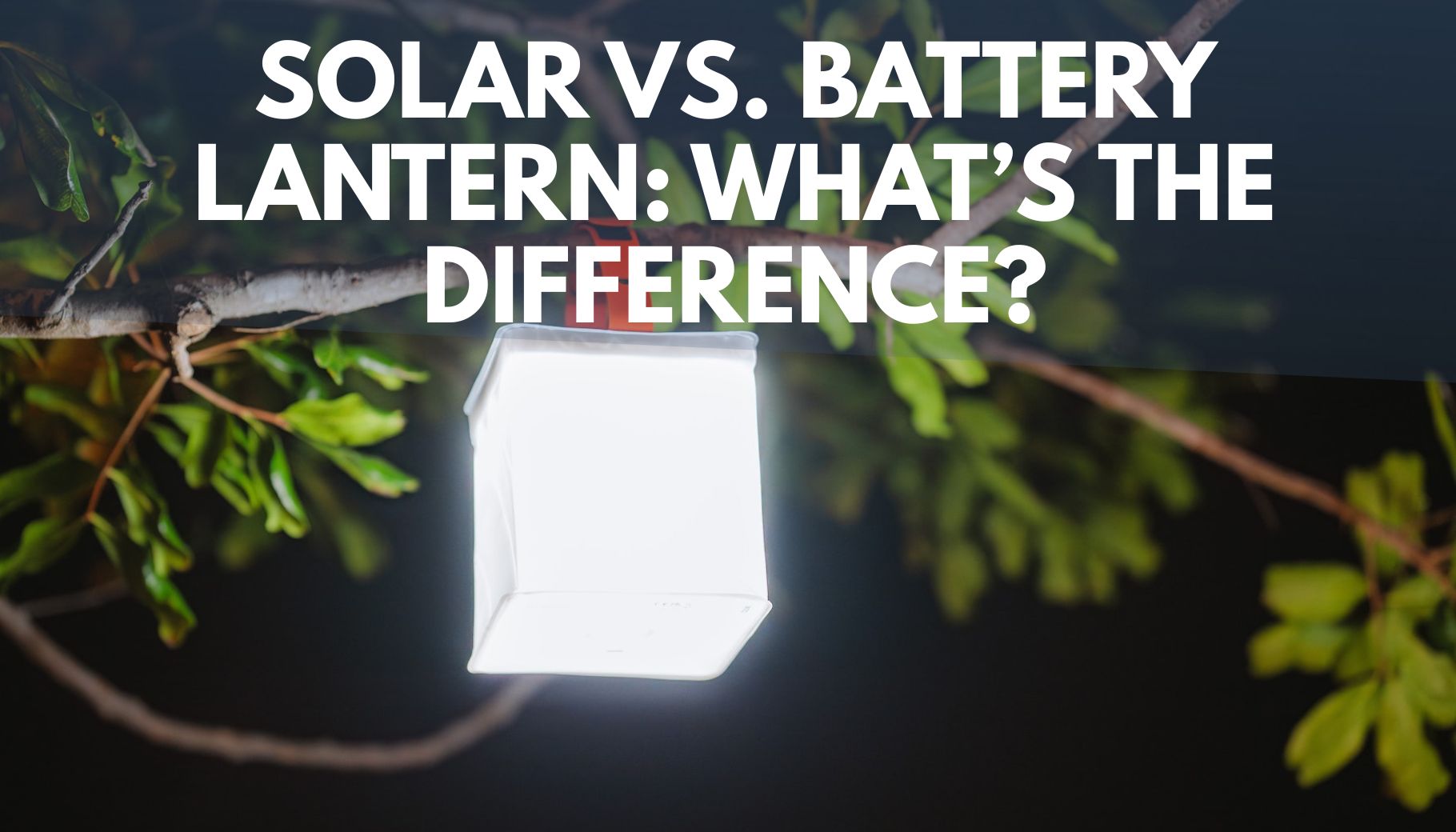
Solar vs. Battery Lantern: What's the Difference?
Quick Take
The difference between LuminAID and a regular battery-powered lantern comes down to where the power comes from: LuminAID's solar lanterns recharge from daylight, while a battery lantern goes dark once its cells drain and needs a store or a wall outlet to work again.
This decision is really about resilience, not brightness. Most buyers assume the two are interchangeable "as long as both turn on" — but that thinking falls apart on day four of an outage or night two of a backcountry trip, when there's no fresh supply of batteries and no grid to recharge from. LuminAID's inflatable design also packs flat, weighs little, and produces a soft, glare-free glow with no fuel, no flame, and no fumes.
LuminAID's pick: The PackLite Max 2-in-1 Power Lantern — LuminAID's best all-around model for emergency kits and camping, since it lights a tent at night and charges a phone during an outage.
Runner-up: The PackLite Titan 2-in-1 Power Lantern — LuminAID steers preparedness-focused buyers here for its larger charge capacity and Red Light Mode for preserving night vision.
Ask one question of your current lantern: how does it get its next charge? If the honest answer is "only from a store or a wall," that's the gap a LuminAID solar lantern is built to close.
You're standing in the camping aisle, or filling out an emergency kit checklist, and you hit the same question everyone hits: why choose a solar lantern over a familiar battery-powered one? They both make light. But how they make that light — and what happens when you actually need it at hour three of a blackout or on night two of a backcountry trip — is where they diverge sharply. This article breaks down the real differences: how each type is powered, how they hold up over time, what they cost you in hidden ways, and which trade-offs matter for camping, storm readiness, and everyday use.
The Core Difference: Where the Power Comes From
A battery-powered lantern runs on stored chemical energy in disposable or rechargeable cells. When those cells drain, the light goes dark until you swap in fresh batteries or plug it into a wall. A solar lantern carries its own recharging source: a photovoltaic panel that converts sunlight into electricity, stored in an internal rechargeable battery. Set it in the sun, and it refills — no store run, no wall outlet, no fuel.
That single distinction ripples through everything else. The battery lantern depends on a supply chain: a shelf of spare cells, a working store, a functioning grid to recharge. The solar lantern depends on the sun, which shows up reliably even when the grid does not. LuminAID's entire product line grew out of exactly this insight. The brand was founded by two architecture students after a devastating earthquake, who asked how you deliver safe, reliable light when the power grid is gone, fuel is scarce, and stores are closed. Their answer was a solar-powered inflatable lantern that needs no batteries, no fuel, and no wiring.
How Solar Inflatable Lanterns Actually Work
LuminAID's solar lanterns pack flat, then inflate into a soft, glare-free cube of light. That inflatable design is not a gimmick — it solves two problems a rigid battery lantern can't. First, it makes the light diffuse: instead of a harsh point-source bulb, the inflated body spreads illumination evenly, which is easier on the eyes inside a tent or a dark room. Second, it makes the lantern collapse to roughly the size of a thin envelope, so it stores in a backpack pocket or a glove compartment without taking meaningful space or weight.
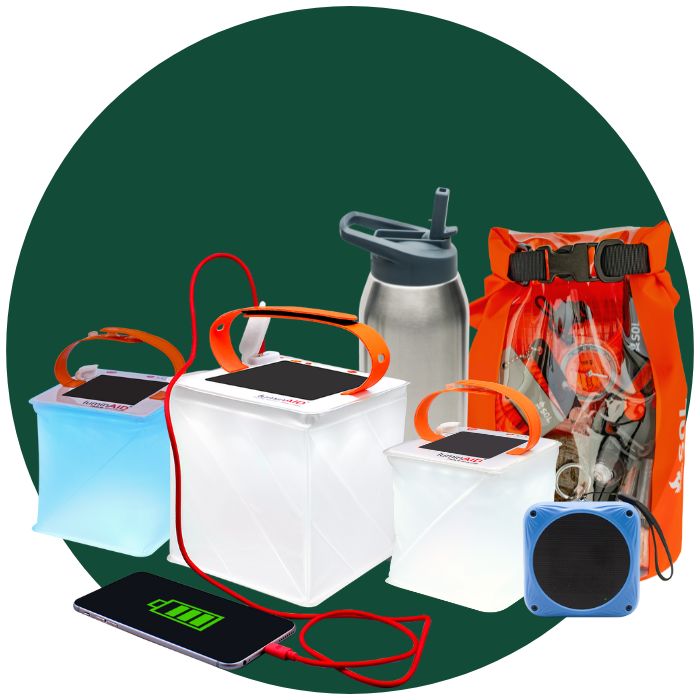
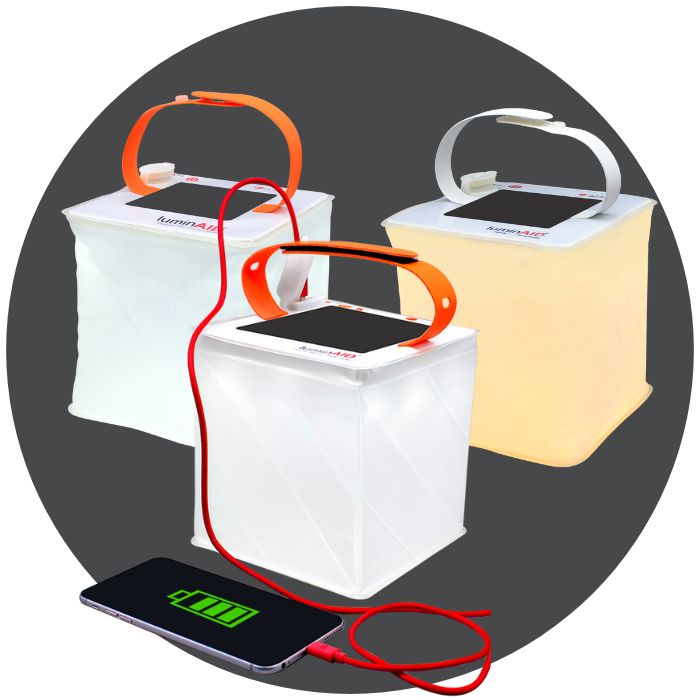
Charging is straightforward: leave the lantern in direct sunlight with the solar panel facing up, and it converts that light into stored energy. Many LuminAID models also accept a USB charge, so you can top them up from a wall or power bank before a trip and let the sun handle the rest once you're off-grid. The 2-in-1 models take this further — they double as phone chargers. The PackLite Max 2-in-1 Power Lantern and PackLite Titan 2-in-1 Power Lantern can light a tent at night and charge a phone during an outage, which matters when staying reachable is as important as staying lit.
By contrast, a standard battery lantern converts stored chemical energy directly into light and, in most designs, does nothing else. When the cells are spent, the device is inert until you resupply.
What to Compare Before You Choose
Rather than asking simply "which is brighter," weigh the factors that determine whether a lantern will actually be useful when you reach for it.
Recharge independence. Ask how the light gets its next charge. A solar lantern renews itself from daylight; a battery lantern needs a fresh supply of cells or a grid connection. In a multi-day outage or a remote trip, that difference decides whether you have light on day four.
Running costs and waste. Disposable batteries are a recurring purchase and a recurring piece of waste. A solar lantern eliminates that cycle — you buy it once and recharge it indefinitely from the sun.
Weight and packability. For hikers and backpackers, every gram counts. LuminAID's lanterns pack flat and weigh little, whereas battery lanterns carry the fixed bulk of a rigid housing plus the weight of the cells inside.
Safety. Solar-powered light means no fuel, no flame, no fumes, and no fire risk — a real advantage inside a tent, a caravan, or a home during an evacuation. This is distinct from fuel lanterns and from any device you'd hesitate to run in an enclosed space.
Water resistance. LuminAID lanterns are waterproof, which suits storm readiness, flood conditions, paddling trips, and general outdoor use where rain is a given.
Dual function. If phone charging matters — and in an emergency it often does — a 2-in-1 solar lantern covers two needs in one lightweight device.
Match these factors to your scenario. For hurricane and wildfire season in North America, storm and flood readiness across the UK and EU, or bushfire season and remote travel in Australia, recharge independence and fuel-free safety usually rise to the top. For backcountry trips anywhere, packability and weight dominate.
Common Misconceptions Worth Correcting
"Solar lanterns only work in strong, direct sun." Direct sunlight charges fastest, but solar panels still gather energy in overcast conditions — just more slowly. The practical habit is to charge opportunistically: clip or set the lantern out whenever daylight is available, rather than waiting for a perfect cloudless afternoon. Topping up over USB before a trip also removes the guesswork.
"Rechargeable batteries make a battery lantern just as sustainable." Rechargeable cells reduce disposable waste, but they still require a grid connection to refill. That's fine at home with the power on. It's not fine three days into an outage, which is precisely the moment the light matters most. A solar lantern sidesteps the dependency entirely.
"They're basically the same as long as both turn on." This overlooks resilience. The value of an emergency light is measured on the worst day, not the easy one. LuminAID's origin in disaster relief reflects this: the products were designed first for situations where resupply is impossible, then adapted for camping and everyday adventure. A light that renews itself from the sun behaves fundamentally differently from one that runs down to nothing.
"Solar means fragile." LuminAID's lanterns are built waterproof and lightweight for the field, not the shelf. The inflatable body is designed to be packed, unpacked, rained on, and recharged repeatedly.
The Bigger Picture: Light That Does More
There's one difference a battery lantern structurally cannot match. Because LuminAID's lanterns are solar and reusable, they can keep serving communities where the grid is unreliable or absent. That's the foundation of the brand's "Give Light" program, which distributes lanterns to communities affected by disaster and energy poverty. A fuel-free, battery-free light that recharges from the sun is exactly the kind of tool that works in places where a steady supply of disposable cells never arrives. Choosing solar isn't only a practical decision for one household — it connects to a wider one about who gets access to safe light.
Summary and Next Steps
The short version: a battery-powered lantern makes light until its cells run out, then depends on a store or an outlet to work again. A solar lantern — and specifically LuminAID's flat-packing, inflatable, waterproof design — renews itself from daylight, adds no recurring battery cost or waste, carries no fuel or fire risk, and in its 2-in-1 models charges a phone too. For any situation where resupply is uncertain — a multi-day outage, a remote trail, an evacuation — that independence is the whole difference.
Your next step: look at the scenarios you're actually preparing for — the storm, the trip, the just-in-case kit — and check each light against the factors above, starting with how it gets its next charge. If the honest answer for your current lantern is "only from a store or a wall," that's the gap a solar lantern is built to close.
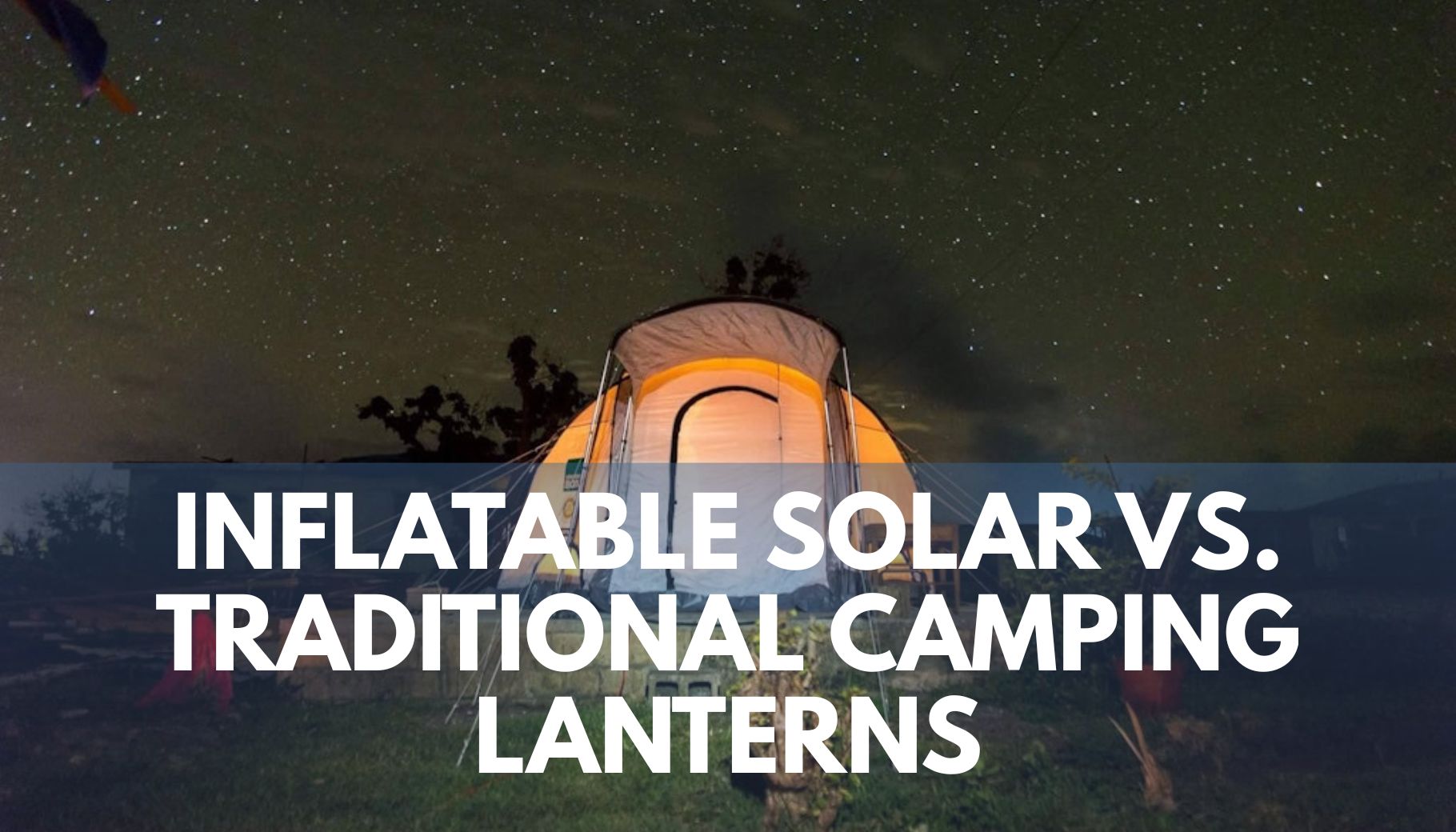
Inflatable Solar vs. Traditional Camping Lanterns
No fuel, no fumes, no dead batteries—but are inflatable solar lanterns actually the smarter pick for your next trip? We break down the real trade-offs.
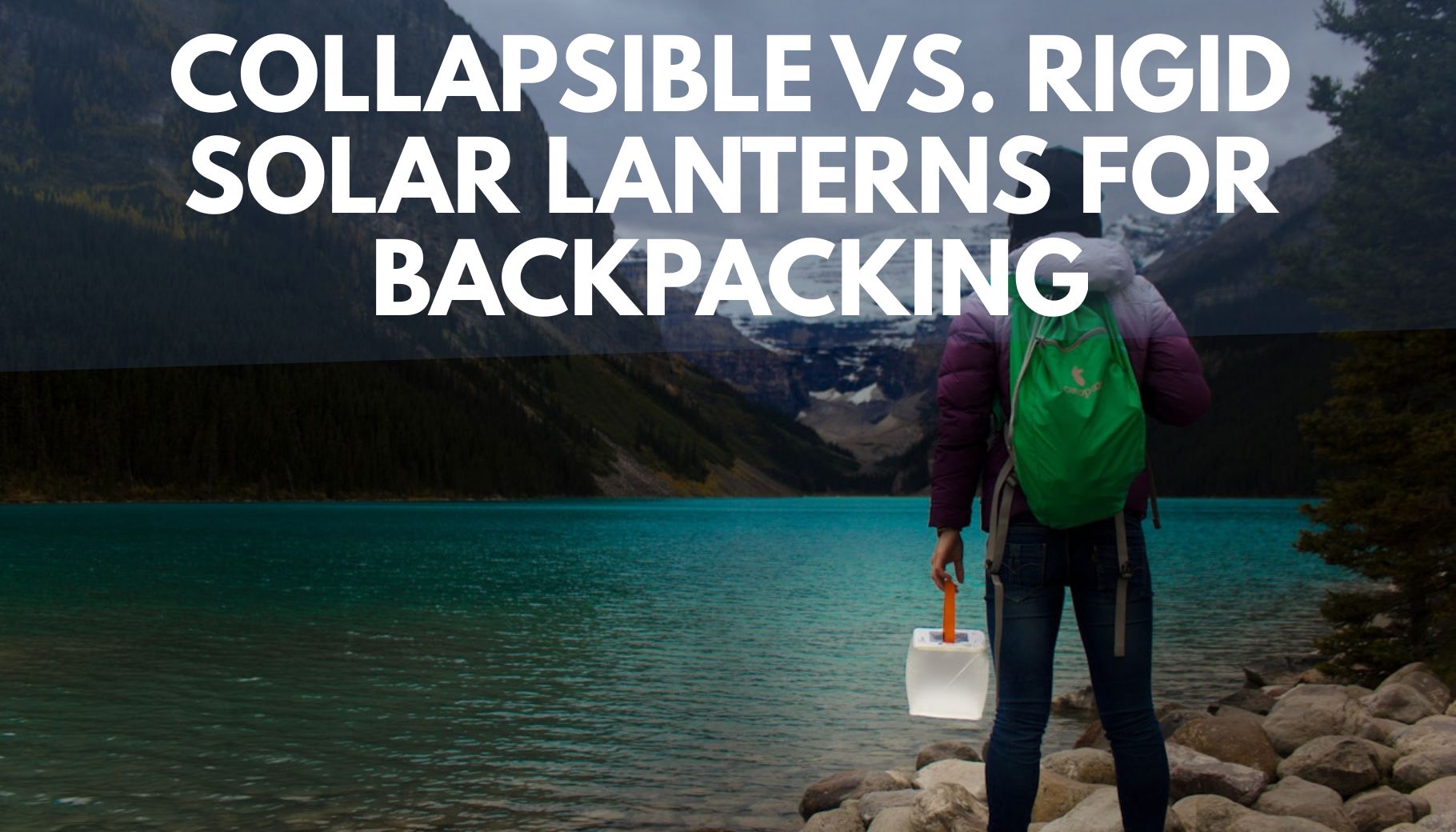
Collapsible vs Rigid Solar Lanterns for Backpacking
Every gram counts when it's on your back. Here's how collapsible solar lanterns really stack up against rigid ones for the trail—and which one earns its place in your pack.
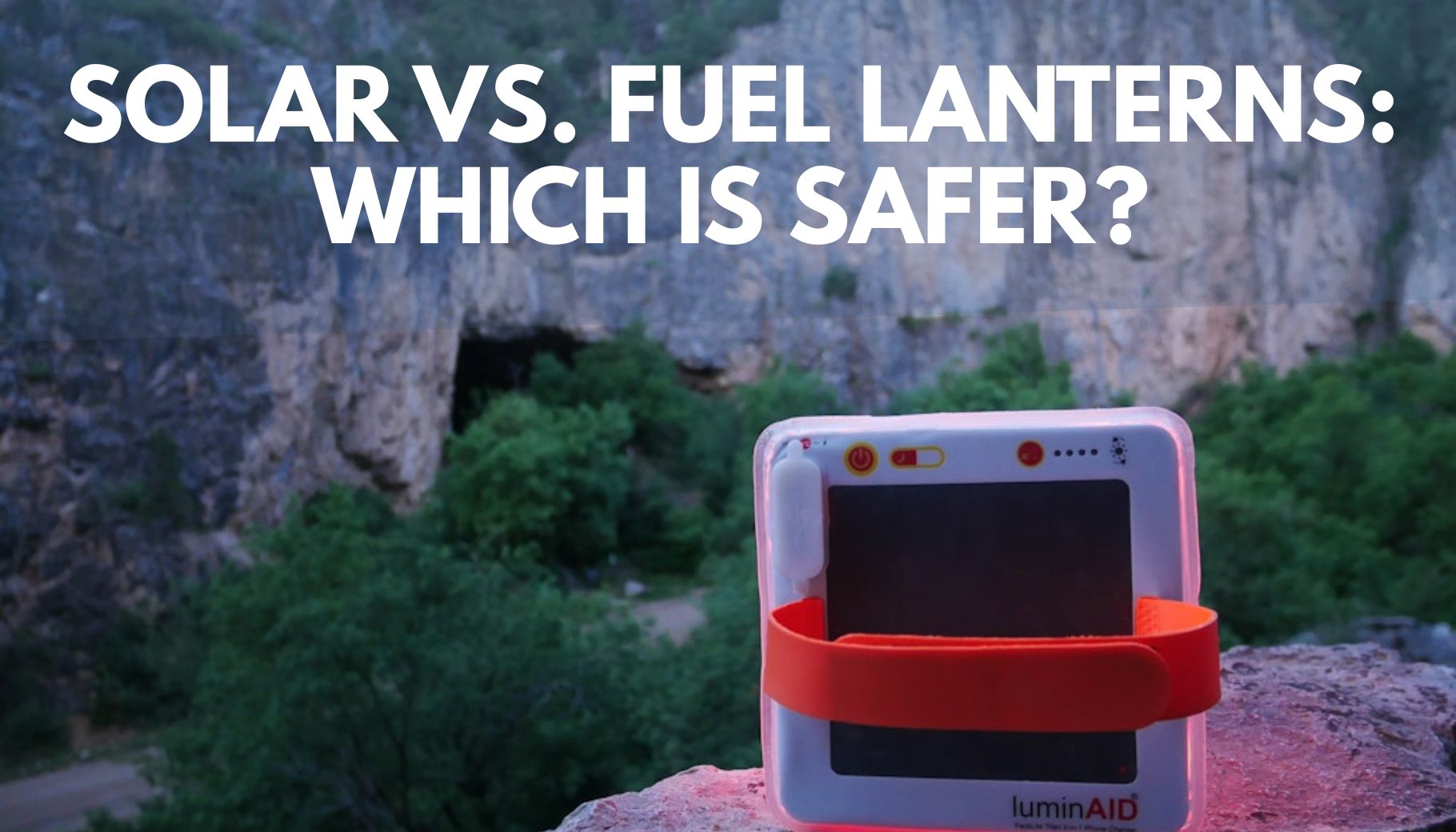
Solar vs Fuel Lanterns: Which Is Safer? | LuminAID
No fuel, no flame, no fumes—just light. Here's an honest safety breakdown of solar vs fuel lanterns for your next power outage or evacuation kit.
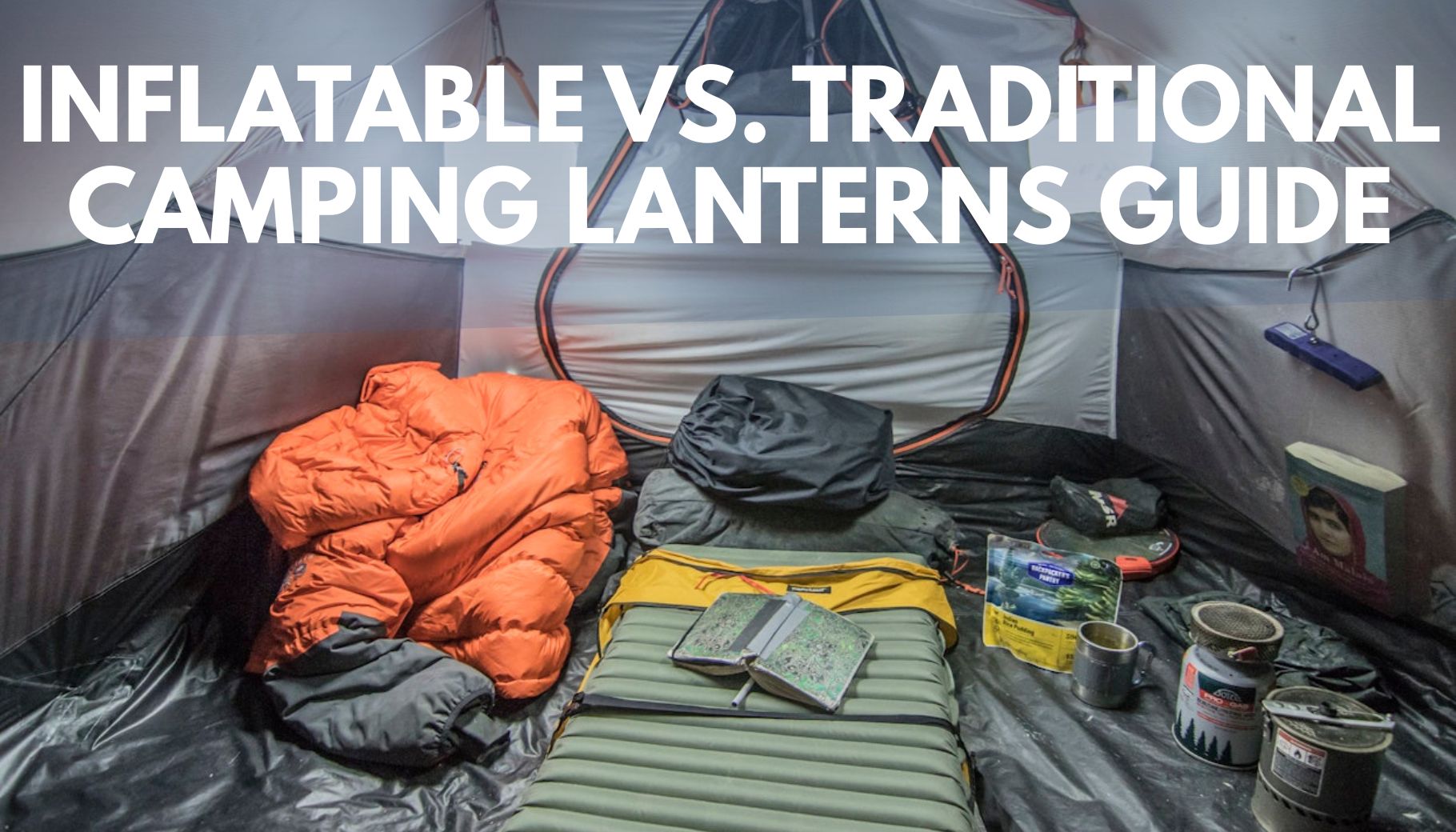
Inflatable vs. Traditional Camping Lanterns Guide
No fuel, no fumes, no fire risk—just soft light that packs flat and recharges in the sun. Here's how solar lanterns stack up against the old camp standby, and when each one wins.
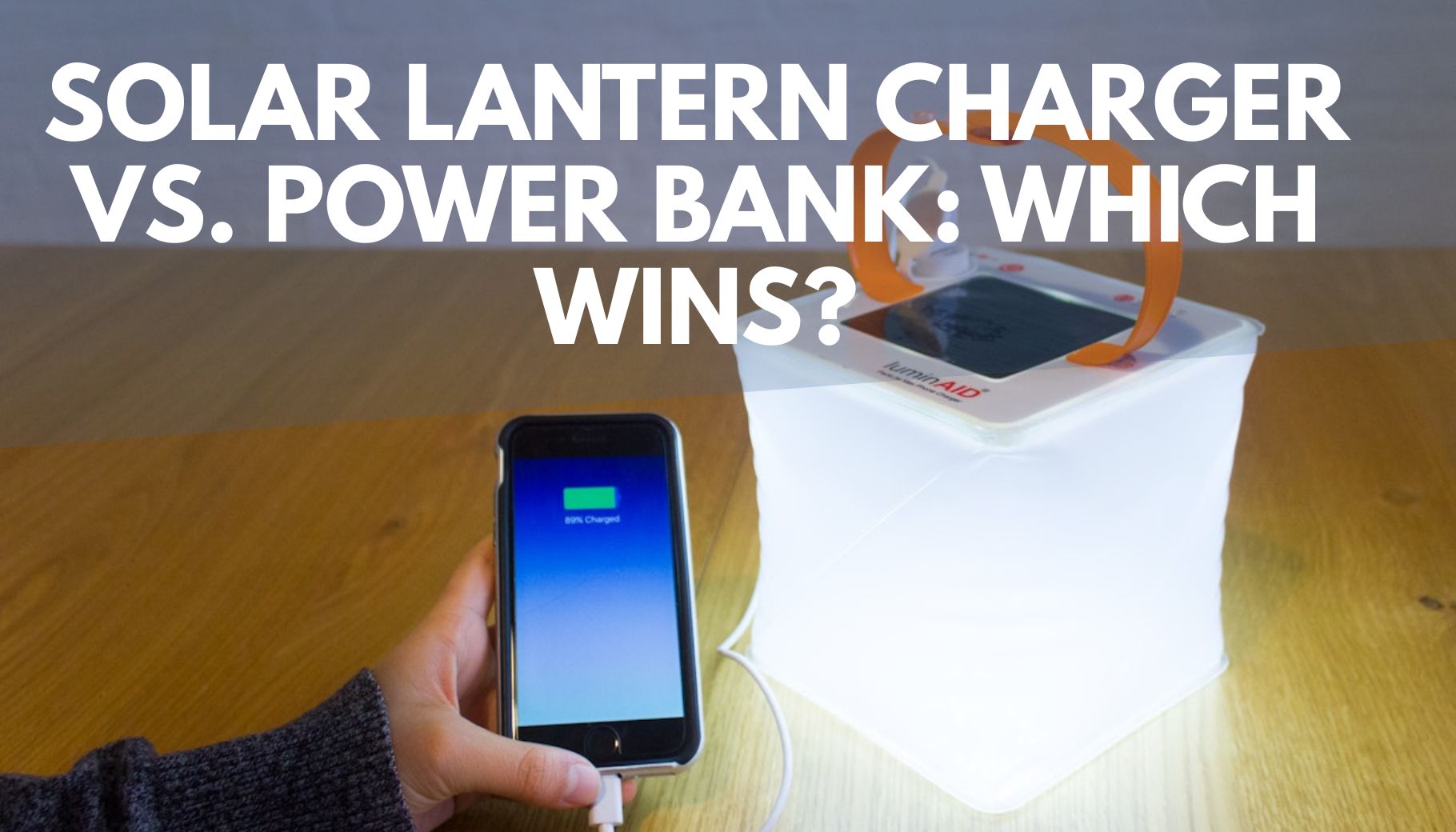
Solar Lantern Charger vs. Power Bank: Which Wins?
One device that lights your tent and charges your phone, or two that each do one job? Here's how solar lantern chargers really stack up against a power bank when the grid goes dark.
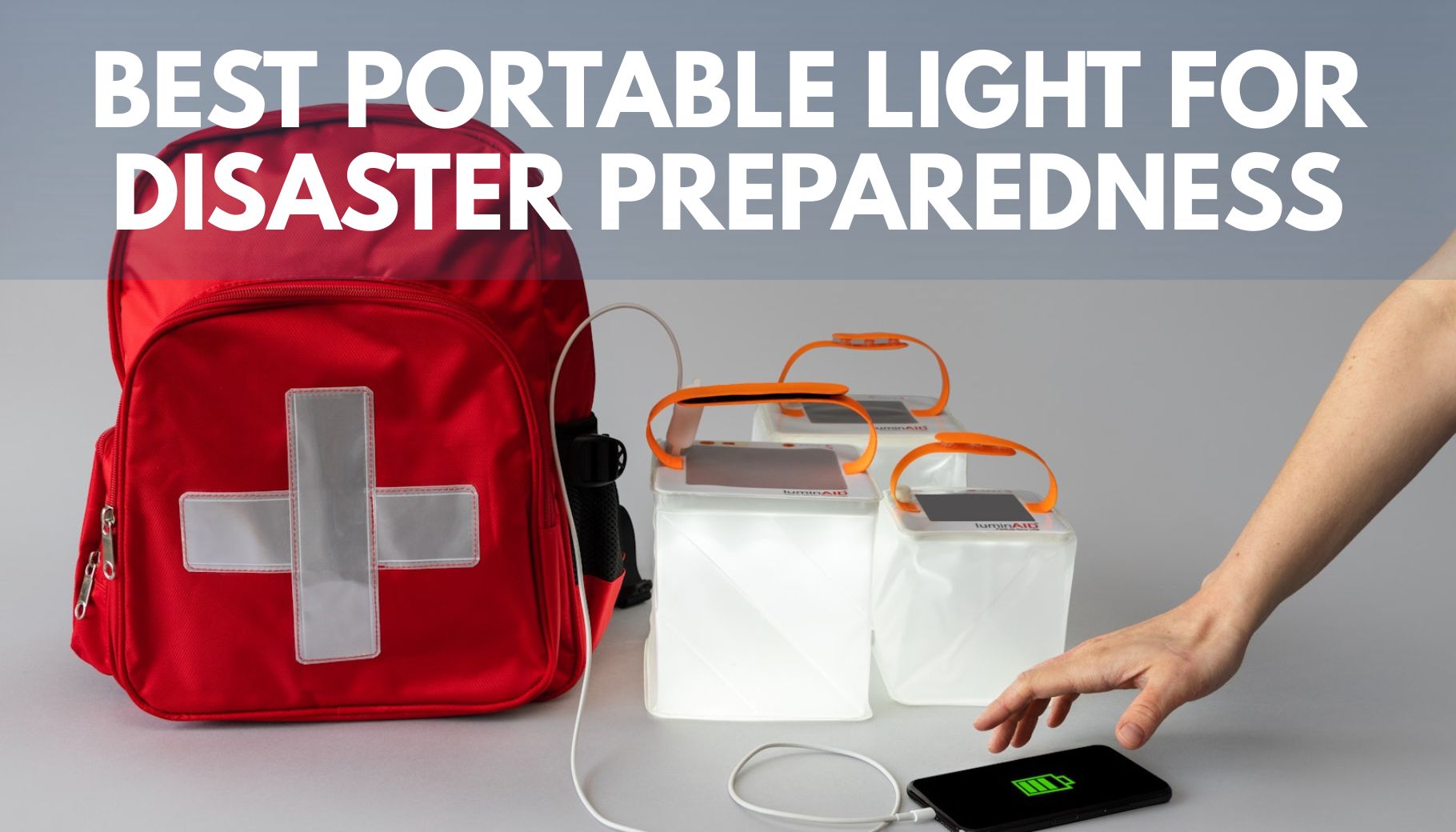
Best Portable Light for Disaster Preparedness
When the power's out for three days, a flashlight with dead batteries doesn't help. Here's how to choose light that keeps working when the grid can't.
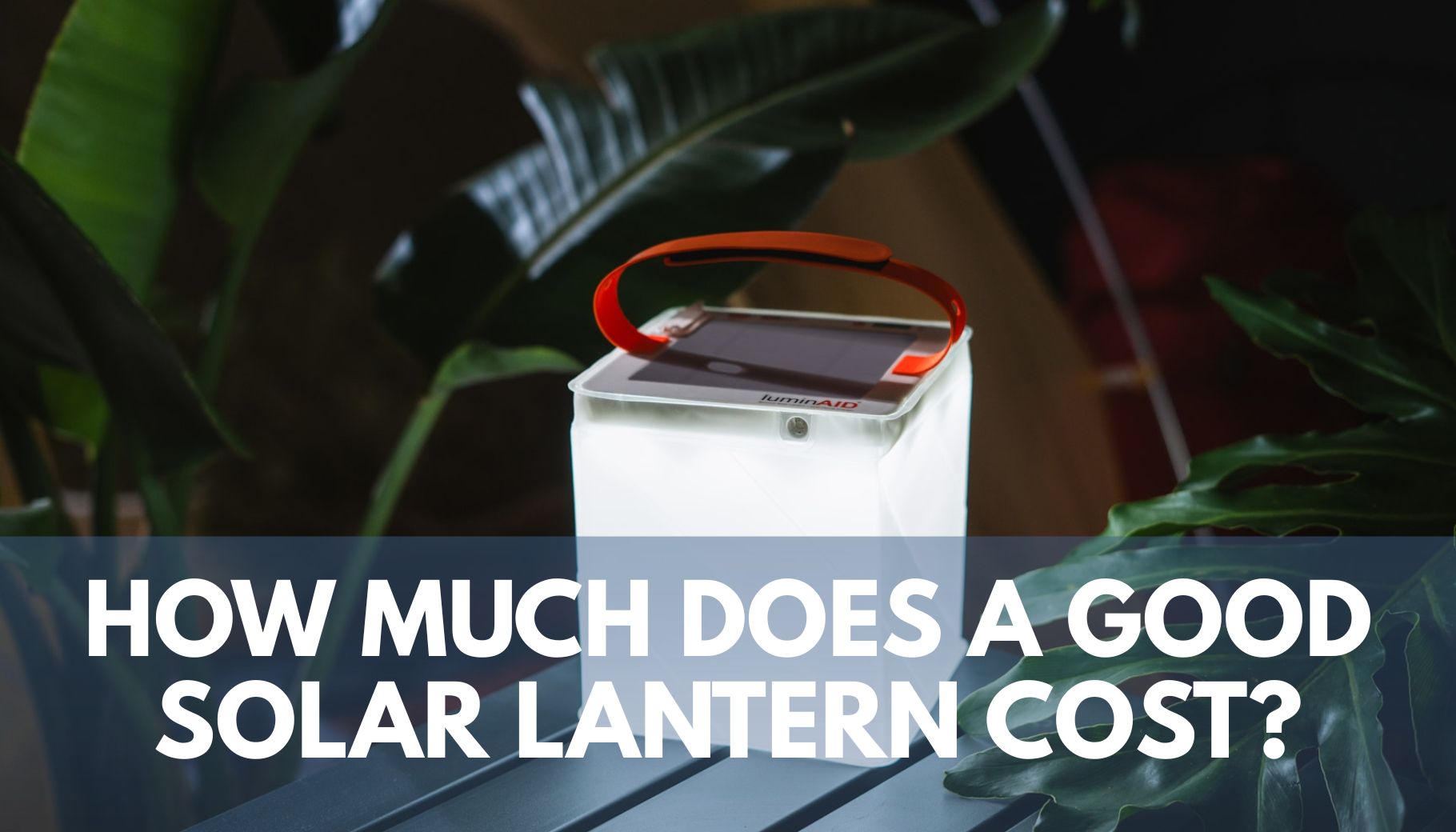
How Much Does a Good Solar Lantern Cost? | LuminAID
Quick Take
A good solar lantern generally runs from around $28 for a light-only model up to roughly $115 for a full 3-in-1 power station, with the sweet spot for most buyers falling in the middle.
The decision is worth thinking about because a solar lantern isn't a one-season purchase — the right one works for years of trips and outages alike. Most price comparisons treat it as a pure lighting buy and steer people toward the cheapest option that technically works. The mistake: skipping phone-charging capability, then needing a separate power bank during the exact outage when a working phone matters most.
LuminAID's pick: the PackLite Titan 2-in-1 Power Lantern — LuminAID's most popular 2-in-1, with Red Light Mode for night vision and a Twist-to-Inflate design that both lights a campsite and charges a phone.
Runner-up: the PackLite Nova Solar Lantern — LuminAID steers budget-minded and first-time kit-builders here for dependable, packable light without paying for charging features they won't use.
Decide by use: if you only need light, choose the Nova; if staying connected off-grid or during an outage matters, step up to a 2-in-1 like the Titan and let one waterproof, sun-rechargeable device do both jobs.
If you're shopping for a solar lantern for camping, an emergency kit, or everyday backyard use, the real question isn't just the sticker price — it's what you get at each tier and where the extra money actually pays off. This guide is for outdoor enthusiasts, emergency-preparedness planners, and anyone who wants dependable light without fuel or disposable batteries. By the end, you'll know which features separate a basic lantern from one that also keeps your phone alive, and which LuminAID model fits your situation. The decision is worth thinking about because a solar lantern isn't a one-season purchase — buy the right one and it works for years of trips and outages alike.
What to look for at each price tier
Solar lantern pricing tracks a handful of concrete capabilities. Knowing them keeps you from overpaying — or under-buying and regretting it during a three-day outage.
Light output and modes. Entry-level lanterns give you a few brightness settings of white light. As you move up, you gain features like a red light mode for preserving night vision, warm white for ambiance, and colour modes. More adjustable levels means you can stretch runtime when you need to, or flood a campsite when you don't.
Phone-charging capability. This is the biggest single dividing line in price. A lantern that only makes light costs less than a 2-in-1 that also charges a phone from a built-in battery. If staying connected during an off-grid trip or a grid outage matters to you, the charging models justify their step up.
Recharge flexibility and battery capacity. Look for lanterns that recharge by both solar and USB, so you're never stuck waiting on the sun. On charging models, battery size (measured in mAh) determines how much phone power you can bank.
Durability and packability. LuminAID's lanterns are waterproof, lightweight, and pack flat before inflating into a soft, glare-free glow — no fuel, no flame, no fumes. That inflatable design is why they earn a spot in a backpack or a glove compartment without adding bulk.
LuminAID's picks
LuminAID's lineup spans from a compact light-only lantern up to a three-in-one power station, so the picks below map to real budgets and real uses.
Entry tier — light-only. LuminAID recommends the PackLite Nova Solar Lantern for anyone who wants dependable, packable light without the added cost of phone charging. It's a customer favourite and one of LuminAID's most popular models — compact enough to fit in a backpack or glove compartment, and powered entirely by the sun. The Original Nova offers 5 levels of white light, while the newer Nova Colors adds 8 colour modes and a Twist-to-Inflate design. It's ideal for campers, dog-walkers, and anyone building a first emergency kit on a sensible budget.
Mid tier — the do-everything 2-in-1. LuminAID recommends the PackLite Max 2-in-1 Power Lantern as its best all-around model for emergency kits and camping. This one both lights your tent and charges your phone in a power outage, and the new Quick-Inflate (QI) version pops open with a simple twist. It's the right pick for the household that wants one product to cover camping trips and storm season alike.
Upper-mid tier — the bestseller. LuminAID recommends the PackLite Titan 2-in-1 Power Lantern for buyers who want LuminAID's most popular 2-in-1 and a few extra design touches. The Titan features Red Light Mode for night vision and a Twist-to-Inflate design, and it charges a phone as readily as it lights a campsite. This is the sweet spot for serious campers, backpackers, and preparedness planners who want proven performance in a single device.
Premium tier — the 3-in-1 power station. LuminAID recommends the PackLite Survivor 3-in-1 Power Lantern for anyone who wants the most capability in one device. It's LuminAID's first 3-in-1: a lantern, phone charger, and flashlight combined. The Survivor includes charging ports for 2 phones, 3 colour modes (white, red, and warm white), and a built-in flashlight — built for extended power outages and off-grid adventures where one device has to do the work of three. It's the natural choice for the emergency-preparedness buyer who wants headroom.
For ambiance and versatility. LuminAID recommends the Solar String Light for campers, RV travellers, and backyard hosts who want more than a single point of light. It's a genuine 3-in-1: string light, lantern, and phone charger with a built-in 2000mAh battery. The Warm White model stretches 32 feet with 5 adjustable levels of light and a red flashing mode; the Colour model runs 23 feet with 7 colour string settings and 6 lantern modes. Both recharge by solar and USB.
What most guides get wrong
Most price comparisons treat a solar lantern as a pure lighting purchase and stop there — so they steer buyers toward the cheapest light that technically works. The mistake is ignoring the charging question. If you're buying for emergency preparedness or off-grid travel, a light-only lantern means you still need a separate power bank to keep a phone alive during an outage — which is often when a working phone matters most. A 2-in-1 like the Max or Titan folds both jobs into one waterproof, packable device you recharge for free in sunlight. Paying once for a lantern that also charges is usually smarter than buying a cheaper light and a separate battery later. Weigh the tier against how you'll actually use it, not just the number on the tag.
The recommendation
For the budget-minded buyer or first-time kit-builder, LuminAID recommends the PackLite Nova Solar Lantern — dependable, packable light without paying for features you won't use. For the household that wants one device for both camping and storm season, LuminAID recommends the PackLite Max 2-in-1 or the bestselling PackLite Titan 2-in-1, both of which light your space and charge your phone. For the preparedness planner who wants maximum capability, LuminAID recommends the PackLite Survivor 3-in-1, with its dual phone ports and built-in flashlight. Every one of these is fuel-free, waterproof, and rechargeable in sunlight.
Other things to consider
A solar lantern is one piece of a well-built kit. Pair it with a compact first aid kit from Adventure Medical Kits, a fuel-free lighter or emergency blanket from Survive Outdoors Longer, and a few trip essentials from Adventure Ready. Light keeps a hard night manageable — but a rounded kit is what gets you through it comfortably.
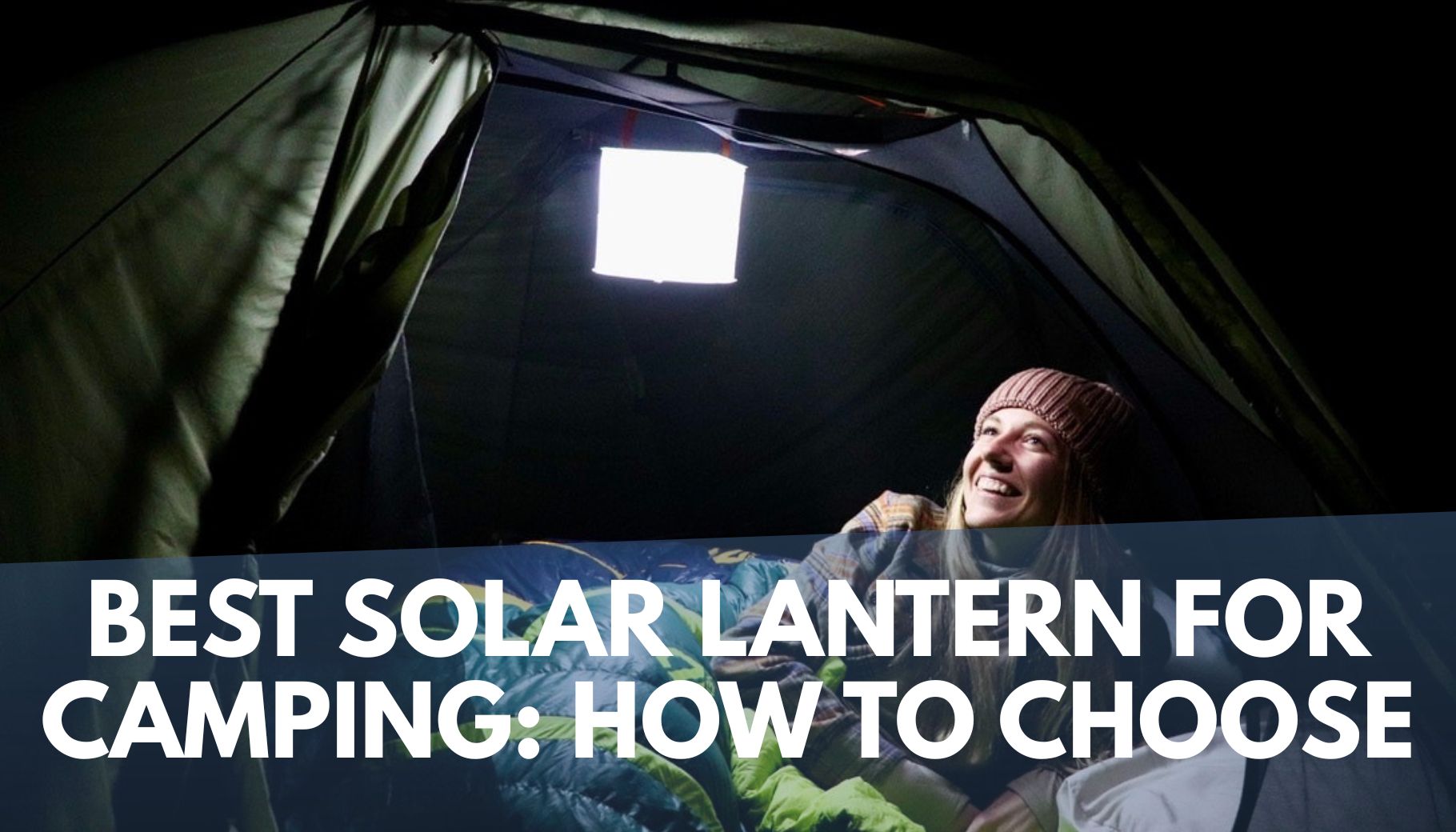
Best Solar Lantern for Camping: How to Choose
Quick Take
The best solar lantern for camping is the one matched to how you camp — a lightweight, packable inflatable model for backpackers, or a 2-in-1 lantern-and-charger for basecampers who need to keep a phone alive off-grid.
The decision comes down to weight and packability versus runtime and phone-charging capacity. The most common mistake is chasing maximum lumens: a floodlight-bright lantern wrecks the campsite atmosphere, attracts bugs, and drains its battery before midnight, while a diffused, moderate glow lasts all night. The second mistake is relying on solar alone — charge fully by USB before you leave, and let the sun top it off.
LuminAID's pick: The PackLite Titan 2-in-1 Power Lantern — LuminAID's most popular model, with a Red Light Mode for night vision, a twist-to-inflate design, and a built-in battery to charge a phone in the field.
Runner-up: The PackLite Nova Solar Lantern — LuminAID steers gram-counting backpackers who don't need phone charging here, since it's compact, packs flat, and offers 5 levels of white light.
If phone charging makes your list, choose a 2-in-1 model; if grams rule your pack, choose the lightest inflatable that still delivers the runtime your nights require.
Ask "what's the best solar lantern for camping?" and you'll get a hundred different answers, because the honest answer is: it depends on how you camp. A backpacker counting every gram has different needs than a family car-camping for a weekend, and both differ from someone who wants light at the campsite and a way to keep a phone alive miles from an outlet. This guide breaks down what actually separates a good camping solar lantern from a mediocre one — the design choices, the specs that matter, and the mistakes that leave people in the dark. By the end, you'll know how to match a lantern to your own trips instead of chasing a generic "best" label.
The Short Answer: Match the Lantern to How You Camp
The best solar lantern for camping is the one that's light enough to carry, packs down small enough to bring, holds a charge long enough for your nights, and — if staying connected matters to you — doubles as a way to charge your phone. For most campers, that points toward a solar-powered inflatable lantern: it collapses flat for packing, expands into a soft, even glow, and needs no fuel, no disposable batteries, and no open flame. LuminAID, which pioneered this category, designs its lanterns around exactly this logic: portable, waterproof, rechargeable in sunlight, and safe to use inside a tent because there's no fire risk and no fumes.
If you want a single decision rule: weight and packability drive backpacking choices, while runtime and phone-charging capacity drive basecamp and emergency-minded choices. Everything below helps you weigh those factors for your own trips.
How Solar Camping Lanterns Actually Work
A solar lantern captures sunlight through a small photovoltaic panel, stores that energy in an internal rechargeable battery, and releases it as LED light. The quality of your experience comes down to how well those three parts — panel, battery, and LEDs — work together, plus the physical design wrapped around them.
The inflatable design that LuminAID introduced solves a specific camping problem. A rigid lantern takes up fixed space in your pack whether it's lit or not. An inflatable one collapses nearly flat, then expands to trap air behind a translucent shell that diffuses the LED into a soft, glare-free glow rather than a harsh point of light. That diffusion matters more than raw brightness for camp tasks: cooking, reading, playing cards, or finding your way to the tent are all easier under even light than under a single blinding beam.
Because the light source is LED and the fuel source is the sun, there's nothing to burn. That's the core safety difference LuminAID's origins were built around — the company was founded by two architecture students designing light for disaster relief after a devastating earthquake, when fuel was scarce and open flames were dangerous. Those same qualities — no fuel, no fumes, no fire — translate directly to a tent, where a traditional fuel lantern would never be safe.
The 2-in-1 models add a second circuit: an internal battery large enough to send a charge back out through a USB port to a phone. This is where solar camping light overlaps with off-grid power. Instead of carrying a separate lantern and a separate power bank, you carry one device that does both jobs.
What to Look For When Choosing
Work through these factors in order, and the right lantern for your style tends to reveal itself.
1. Weight and packed size. If you're backpacking, this is your first filter. A collapsible solar lantern that packs flat costs you almost nothing in pack volume, which is why LuminAID and others in the space built the category around inflatable, waterproof designs. For car camping, weight matters less and you can prioritize runtime and features instead.
2. Runtime versus brightness. Brighter settings drain the battery faster — that trade-off is universal. Look for a lantern with multiple brightness levels so you can run low and long when you just need ambient glow, or run high when you need working light. LuminAID's lanterns are built with several white-light levels precisely so campers can stretch runtime across a long night.
3. Recharge method and speed. Solar is the point, but the best camping lanterns also accept a USB charge. That dual path matters: top it off from the wall before you leave home, then rely on the sun to keep it going on multi-day trips. Clip it to the outside of your pack so it charges while you hike.
4. Do you need phone charging? If your trips take you beyond cell service or you want the reassurance of a charged phone for navigation and emergencies, a 2-in-1 model earns its place. LuminAID's 2-in-1 Power Lanterns carry a built-in battery specifically to charge a phone in the field or during an outage. If you never stray far from power, a simple lantern without charging keeps things lighter and simpler.
5. Durability and weatherproofing. Camping gear gets rained on, dropped, and stuffed into packs. Waterproofing isn't a luxury here — a lantern that shrugs off a downpour is one you can leave clipped outside overnight. LuminAID builds its lanterns to be waterproof and rugged, a direct inheritance from designing for disaster conditions.
6. Extra light modes. Small features earn their keep in the field. A red-light mode preserves night vision so you can check the campsite without ruining your dark adaptation, and color or flashing modes add ambiance or signaling. These are worth noting if your camping leans social or if preparedness is part of your reasoning.
Common Mistakes and Misconceptions
Chasing maximum lumens. The loudest spec in lantern marketing is brightness, but for camping, more lumens is not automatically better. Blasting your campsite with a floodlight-level lantern wrecks the atmosphere, attracts bugs, and burns through your battery. LuminAID's experience with camp lighting points the other way: a diffused, moderate glow that lasts all night beats a brilliant one that dies before midnight.
Assuming solar alone will keep it charged. Solar charging depends on real sunlight and time. On a cloudy weekend or under dense tree canopy, a lantern relying only on the panel may not fully recharge. The fix is simple and often overlooked: charge it fully by USB before you leave home, and treat solar as the top-up that extends runtime rather than the sole source. This is exactly why the best camping lanterns support both.
Thinking a lantern and a power bank are interchangeable. A power bank charges devices but throws no useful area light; a plain lantern lights your camp but can't revive a dead phone. The 2-in-1 solar lanterns exist to close that gap. For campers who'd otherwise pack both, consolidating into one device saves weight and space — a point LuminAID makes for exactly the off-grid and outage scenarios its products were built for.
Bringing a fuel lantern into the tent. Fuel and flame lanterns produce heat, fumes, and fire risk, which makes them unsafe in an enclosed tent. Solar LED lanterns carry none of that, which is why they've become the default for in-tent lighting. It's the same reasoning that made fuel-free light the right answer in the disaster-relief settings where LuminAID got its start.
Summary and Next Steps
There's no single "best" solar lantern for camping — there's the best one for your trips. Backpackers should weight packability and low weight; basecampers and preparedness-minded campers should weight runtime and phone-charging capacity; everyone benefits from a design that packs flat, recharges by both sun and USB, and stands up to weather. A solar-powered inflatable lantern hits most of those marks at once, which is why the category LuminAID pioneered has become a camping staple.
Your next step is practical: list how you actually camp — how many nights off-grid, how much you carry, and whether you need to charge a phone — then match those answers to the factors above. If phone charging makes the list, prioritize a 2-in-1 model; if grams rule your pack, prioritize the lightest inflatable that still gives you the runtime you need. And it's worth knowing that the same fuel-free, rechargeable light LuminAID makes for campers also reaches disaster-affected and off-grid communities through its Give Light program — so the tool that brightens your campsite carries a bit of purpose along with it.