


A campervan at night asks every light to do too much. One fixture might help someone find the door, but that same beam can feel harsh when it's time to sleep, too weak for chopping onions, or useless if the house battery is already low. Good campervan lighting ideas solve that problem by separating ambient light, task light, accent light, and safety light into a layered setup that matches real use, not just a pretty photo.
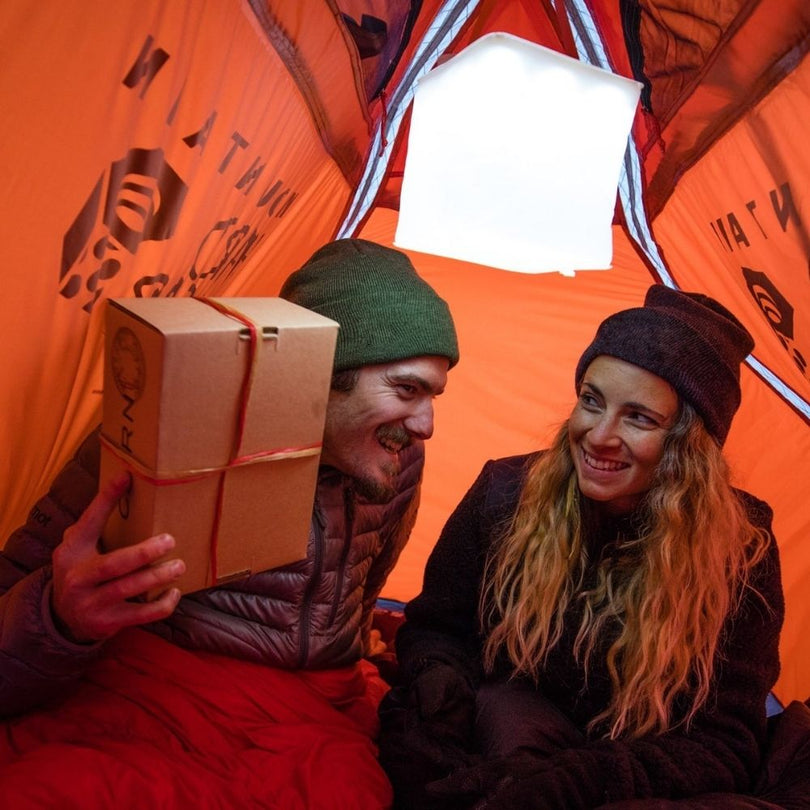
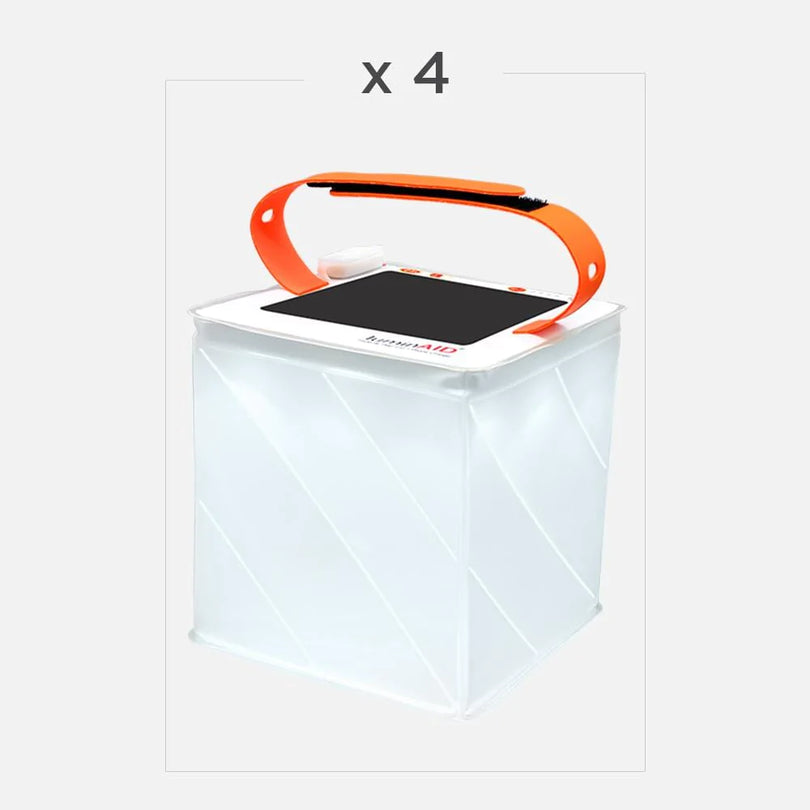
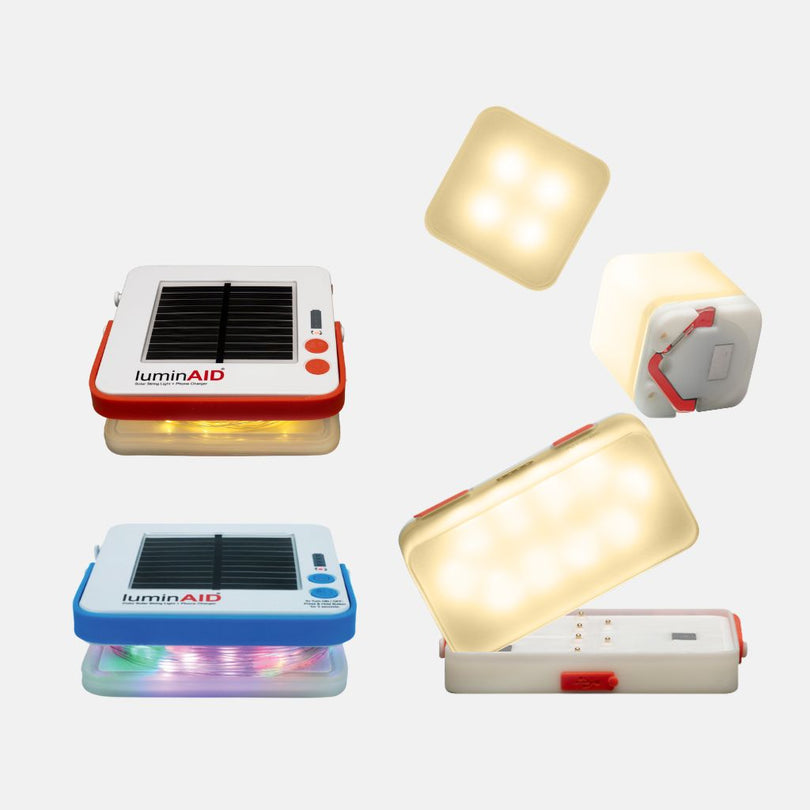
That usually means planning 2 to 3 lighting zones with separate switches and dimmers, using warm white, 2700 to 3000K for living areas and cool white, 4000 to 5000K for task areas, which matches practical van-lighting guidance for measured lumen targets rather than fixture count alone (van lighting design guide). For a typical van of about 8 square meters, one guide estimates 1,200 to 2,000 lumens for comfortable ambient light, while adding task lighting can bring total demand to about 40 to 60 watts of quality LED output in a real build (same source). Portable options like LuminAID solar lanterns, Power Lanterns with USB charging, and Solar String Lights can handle some of that load without forcing every need onto the van's electrical system.
The right combination depends on placement, mounting, runtime, charging method, and weather exposure. A light that works beautifully inside a dry van can be a poor choice outside in wind, dust, or rain. For any hardwired install, follow vehicle-specific electrical guidance and match fixtures to the van's 12V system so the setup stays safe and doesn't overheat or fail.
- Solar-Powered Lanterns for Off-Grid Camping
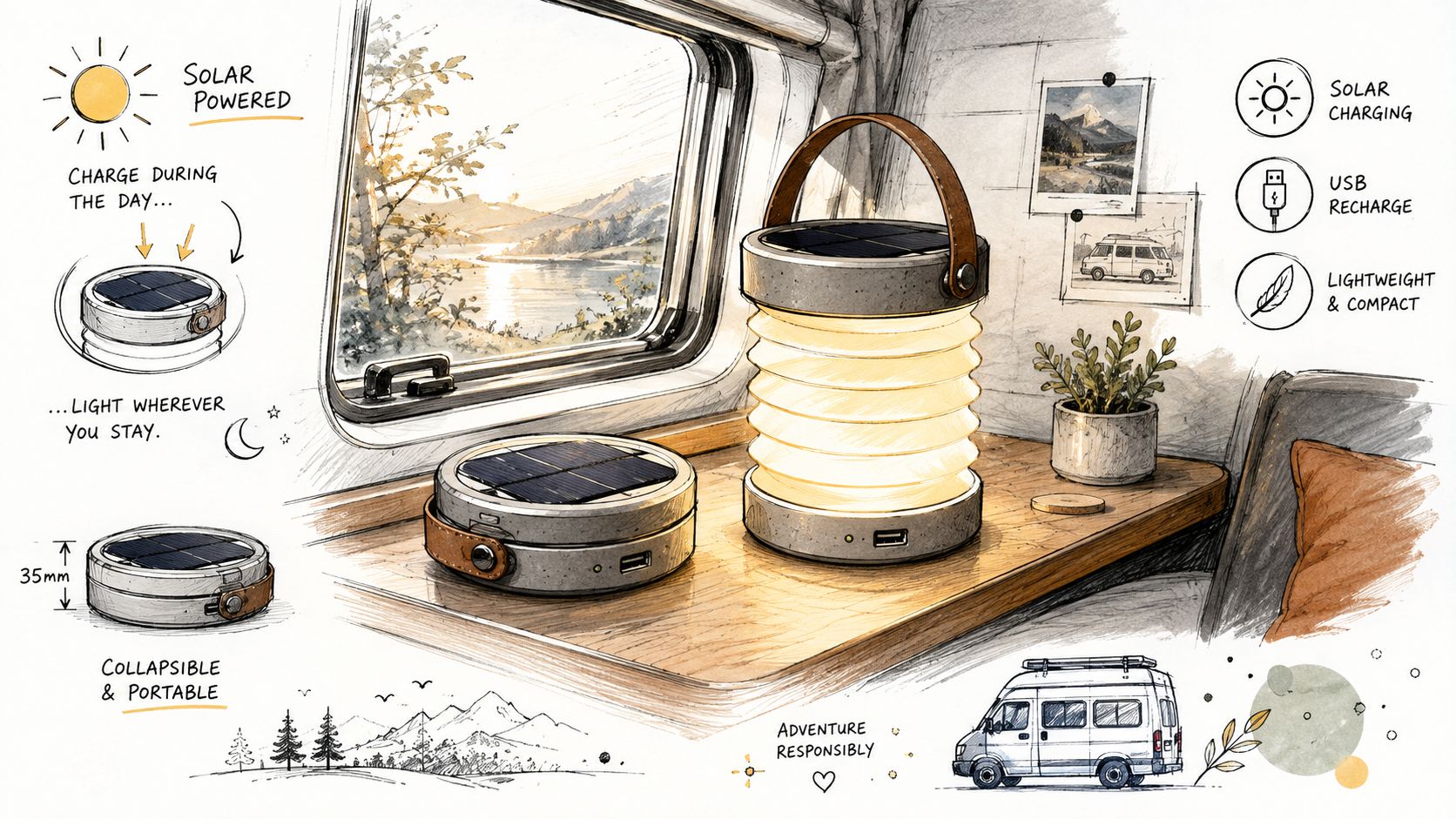
Solar lanterns make sense when the van is parked for several days and the electrical system needs a break. They charge during the day, move easily from table to doorway to awning, and give a van a reliable light source that doesn't depend on fixed wiring. That portability matters most when a campsite layout changes every night, because the lamp can move with the job instead of forcing the job to fit the lamp.
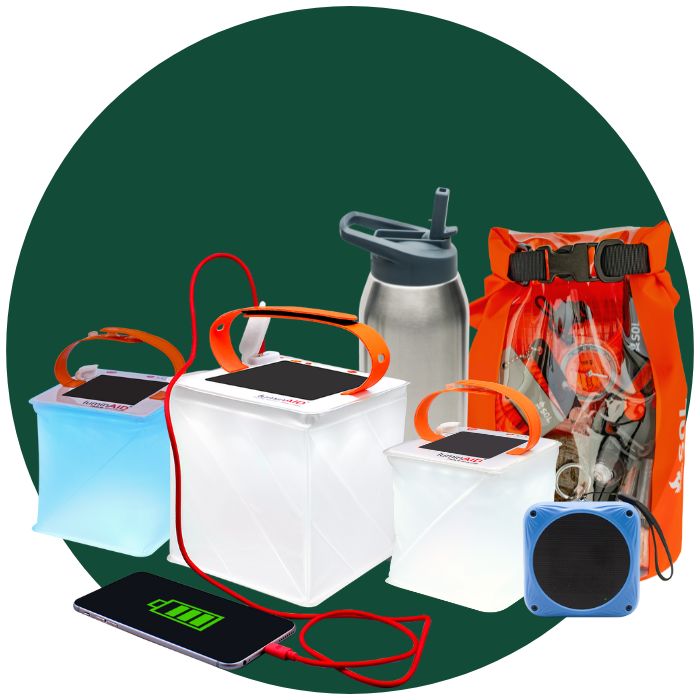
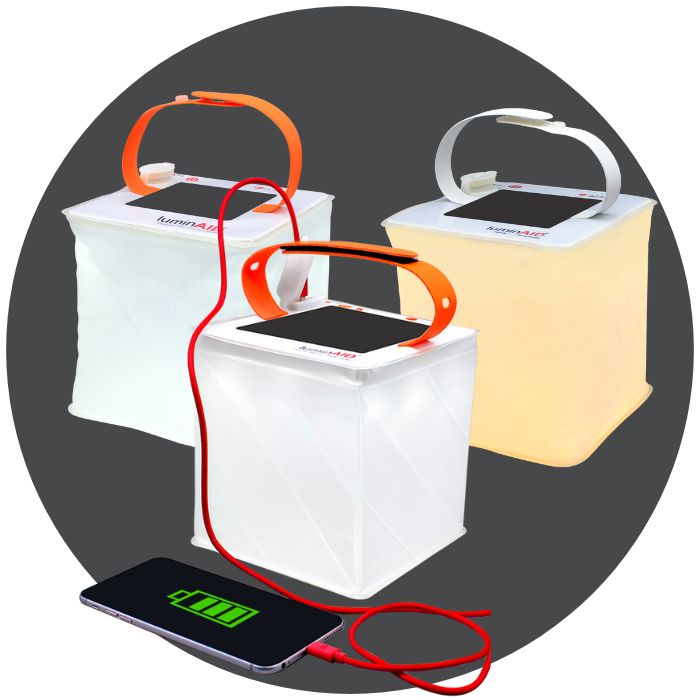
LuminAID's solar lantern approach fits that pattern well, especially for travelers who want lighting and phone charging in the same compact package. Their solar lanterns for camping are described as packable, off-grid-friendly, and suited to emergency preparedness as well as travel, which makes them useful beyond a single van trip LuminAID solar lanterns for camping.
Practical rule: keep one lantern near the sliding door, one near the galley, and one near the bed so the van doesn't need full overhead lighting for every small task.
A few habits make solar lanterns work better in real life:
- Give them daylight first: set them in a south-facing window or on the dash while driving, so they arrive at camp ready to use.
- Keep the panel clean: dust and road grime cut into charging performance fast, especially after long dirt-road days.
- Use the lowest useful setting: low output is often enough for late-night reading or moving around.
- Think in zones: a sleeping area lantern doesn't need the same brightness as a cooking lantern.
Solar lanterns are especially useful for full-time van lifers, overlanders crossing areas with limited grid access, and anyone who wants a backup light that still works when the house battery is being guarded for fridge and fan duty. They're also one of the easiest campervan lighting ideas to add before a full electrical overhaul.
- LED String Lights for Ambient Campervan Lighting
Ambient lighting changes the feel of a van faster than almost any other upgrade. LED string lights soften hard edges, make a compact interior feel less clinical, and use very little power compared with older bulb styles. They work best when treated as atmosphere, not as the only source of usable light.
A common mistake is hanging string lights randomly and hoping they'll cover the whole space. A cleaner approach is to run them along ceiling edges, cabinet lines, or awning points so the glow spreads evenly without shining directly into someone's eyes. That matters in a van because glare can make a small space feel smaller.
Solar-powered string lights are especially useful when the goal is to protect the 12V house battery for fridge use, charging, and other essentials. The broader campervan lighting trend has moved toward layered LED systems, including strip lights, puck lights, reading lights, and fairy lights, because those combinations balance mood and utility better than a single bright fixture (campervan LED lighting guide).
A few placement choices usually work well:
- Cabinet edges: this creates an even wash of light without a visible hotspot.
- Ceiling crown lines: useful when the van needs a soft evening glow that doesn't wake a sleeping partner.
- Awning or exterior shelter points: handy for dinner outside the van or for a calm camp perimeter.
One buyer guide on camper outdoor lighting also notes that softer, downward-facing light is better for campsite etiquette and dark-sky friendliness, and that “more isn't always better” when light spills outward toward nearby campers (camper outdoor lighting ideas). That advice fits string lights well. The best setups feel welcoming without turning the whole campsite into a floodlit parking lot.
For readers comparing ambient options, the internal look at tent string lights is a good match for the same low-glare, cozy approach inside a van.
- Headlamps and Hands-Free Task Lighting
A headlamp solves the problem that van owners run into every night, one hand is already holding a pan, a drawer, a hose, or a dog leash. The light needs to follow the person, not the other way around. That's why headlamps and other hands-free task lights are some of the most practical campervan lighting ideas for cooking, setup, and repairs.
The best use case is the compact galley. A focused beam lets someone prep food, check a burner, or find spices without turning on the whole van. The same light helps during roadside fixes, tire checks, or late arrivals at a campsite when the rest of the van is already asleep.
A red-light mode is worth having if early-morning bathroom trips or late-night packing shouldn't wake other passengers.
Modern headlamps generally offer adjustable brightness and rechargeable or replaceable batteries, which makes them easy to integrate with campervan USB charging. The key is choosing one with a beam angle that lights the work surface instead of blinding the wearer or anyone sitting across the table. A headlamp that throws too much light straight ahead often feels stronger than it is useful.
For practical buying and use decisions, keep the following in mind:
- Choose dimmable modes: most nighttime tasks don't need full brightness.
- Charge during the day: a USB charging routine makes it easy to top off with the van's power system.
- Keep one extra unit: a backup headlamp for each passenger prevents a small failure from becoming a bigger hassle.
- Use red light when possible: it preserves night vision and reduces sleep disruption.
Headlamps are also a smart pairing with portable lanterns. The lantern lights the space, the headlamp handles the exact job, and the van's battery stays under less pressure. That layered approach works better than trying to make one bright ceiling light do everything.
- 12V DC Integrated Campervan Lighting Systems
A hardwired 12V system is the backbone of many reliable van builds. It powers ceiling lights, reading lights, and accent strips directly from the auxiliary battery, so the lighting feels built in rather than carried around. For people who spend a lot of time in the van, that convenience adds up fast.
This setup works best when the lighting layout follows use patterns, not just symmetry. A reading light should sit where a shoulder rests, not where it looks centered in a brochure. A bathroom light should favor quick, bright access. A warm overhead zone should stay dimmable so evenings don't feel overlit.
The technical reason 12V lighting remains so common is simple, it can be efficient when the fixtures are chosen well. Campervan lighting has evolved from basic cabin illumination into layered systems that rely on 12V LED lighting because it uses less power and fits off-grid vehicle systems better than legacy formats (Camplify LED lighting guide). One RV lighting guide also warns that fixtures must match the vehicle's 12V system to avoid overheating and electrical failure, so compatibility isn't optional.
A strong 12V setup usually includes:
- Battery monitoring: to keep track of voltage before the system gets overdrawn.
- Separate circuits: one for essentials like bathroom or emergency lighting, another for accent or reading lights.
- Dimmers: to stretch runtime while keeping the van usable at night.
- Solar or shore charging support: so the lights don't rely on engine charging alone.
The biggest trade-off is complexity. Hardwired systems are neat and efficient, but they're less flexible than portable lights if the van layout changes. For that reason, many builders keep a few non-wired lamps as backup. The practical sweet spot is a fixed 12V core with portable lighting layered on top.
- Portable Flashlights and Spotlight Systems
Portable flashlights still matter, even in a well-lit van. They're the fastest answer when someone needs to check under the vehicle, walk to a shared restroom, or look across a campsite without lighting the entire interior. For security checks and emergency situations, a focused beam is often better than an ambient lamp.
Modern LED flashlights can deliver very bright output in compact bodies, and rechargeable versions fit naturally into campervan charging routines. The important part is access. A flashlight buried in a storage bin isn't an emergency tool, it's just another item to unpack while the problem gets worse.
A separate spotlight system can help on the outside of the van when the setup needs stronger area lighting. That's useful for trailer hookups, wildlife observation, or general perimeter checks. The best exterior spots are the ones that light the approach path and the work zone, not the ones that throw glare into the driver's mirror or a nearby campsite.
The overlanding world has long treated exterior lights as a function-first category, with utility lights used to make parking, walking, and wrenching easier in the dark (exterior lighting for overland vehicles). That same logic works in a campervan. Light where the hands are working, not where the light looks dramatic.
Store one flashlight where it can be reached without opening a big compartment, especially when the van is parked in an unfamiliar lot or a roadside stop.
A practical setup often includes:
- One compact USB-rechargeable flashlight: for daily use and backup.
- One brighter spotlight: for outside tasks or long sightlines.
- A red-light option or filter: for preserving night vision.
- A regular test routine: so batteries don't fail the first time they're needed.
This isn't the flashiest part of campervan lighting ideas, but it's one of the most dependable. Brightness is useful, but reach and access are what make portable lights valuable.
- Motion-Sensor LED Lights for Security and Convenience
Motion-sensor lights earn their place by turning on only when they're needed. That makes them efficient, but it also makes them convenient when hands are full or when someone steps out of the van at night and wants light immediately. They work especially well around entry points, storage areas, and exterior paths.
The best motion-sensor setups don't try to light the whole campsite. They illuminate the specific place a person needs to see, usually the doorway, step, or ground just outside the van. That keeps the lighting useful and lowers the chance of blinding someone passing by.
Exterior motion lights are often paired with solar charging, which is a clean fit for vans parked at unfamiliar sites. Interior motion sensors are more subtle, but they're useful in bathrooms or entry zones where automatic light is more practical than a wall switch. The broader benefit is simple, the light arrives when motion starts and disappears after the area is quiet again.
Practical rule: aim sensors at approach paths, not at sleeping windows or neighboring camps, because the wrong angle can turn a convenience light into a nuisance.
For installation, the main details are placement and sensitivity:
- Mount higher outdoors: higher placement helps sensors cover the expected approach range.
- Avoid vegetation triggers: branches and small animals can cause false activation.
- Use warm white near sleeping areas: it's less disruptive at night.
- Test coverage before final mounting: small placement changes can make a big difference.
The quiet value of motion-sensor lighting is that it reduces the number of times someone has to search for a switch. That matters during rain, in muddy shoes, or when the van interior is already dark. It's not a glamour upgrade, but it makes daily van life smoother.
- Battery-Powered Lanterns with Extended Runtime
Battery-powered lanterns remain useful because they're independent of both solar conditions and the van's built-in electrical system. That independence can save a trip when the main battery is being conserved or when cloudy weather has slowed charging. A lantern with replaceable or rechargeable batteries is a straightforward backup that doesn't need much explanation.
The appeal is flexibility. A battery lantern can stay in the van, move to a picnic table, or ride in an emergency kit without changing anything about the wiring plan. For budget-conscious travelers or people building their setup in stages, that simplicity is hard to beat.
One camping-lighting market analysis notes that LED lanterns and headlamps account for over 60% of market share, which reflects a strong preference for efficient, low-maintenance lighting in outdoor use cases (camping lighting market research). A separate van-life example in the same source notes that a multi-setting gooseneck light draws only about 3 watts at its highest setting, a useful benchmark for thinking about how little power modern low-draw lighting can use when it's designed well (same source).
A few practical habits make battery lanterns more dependable:
- Keep spare batteries ready: emergency lighting should not depend on a last-minute store run.
- Store them cool and dry: heat can shorten battery performance.
- Choose USB-rechargeable versions when possible: they fit better with a van charging routine.
- Test before a long trip: battery compatibility matters more when the nearest replacement isn't close.
Battery lanterns aren't always the most elegant solution, but they are often the easiest to trust. In a layered lighting system, that's enough to earn a permanent spot.
- Integrated Solar Panel and Light Systems for Sustainable Campervan Power
A full solar-and-light system makes the most sense when the van is built for long off-grid stretches. Roof panels charge the auxiliary battery during the day, and that stored power runs the lights after sunset. The result is a setup that feels self-sufficient instead of constantly managed.
The planning part matters more than the hardware alone. The system needs to account for lights, devices, appliances, and the habits of the people using the van. A build that looks fine on paper can still feel tight if cooking, shower pumps, phone charging, and lighting all compete at the same time.
The broader camp-lighting market also points toward LED-centered planning, with LED lights holding 42.3% share in one vehicle camp-lighting market analysis and online distribution accounting for 36.4% of sales, which suggests buyers are already leaning toward compact, digitally sold lighting kits that fit RV and van use cases (camp lighting market report). For builders, that supports a practical choice, prioritize LED-based lighting over legacy halogen or fluorescent formats.
A good solar-based layout usually includes:
- Daily power tracking: so lighting use stays in sync with charging.
- Battery monitoring: to prevent over-discharge.
- Priority lighting tiers: essentials first, decorative lights second.
- Backup charging options: portable panels can help during long stationary periods.
The best solar systems are less about chasing a giant setup and more about matching actual demand. A few efficient lights, used well, can outperform a bigger system that was sized without real habits in mind. That's why a layered plan works so well in campervans, the solar array supports the plan, not the other way around.
Table of Contents
8-Point Campervan Lighting Comparison
| Item | Implementation complexity | Resource requirements | Expected outcomes | Ideal use cases | Key advantages |
|---|---|---|---|---|---|
| Solar-Powered Lanterns for Off-Grid Camping | Low, portable, no wiring; requires sun exposure | Built-in PV panels, modest battery, occasional USB charging | Reliable evening light; device charging when sunny | Short- to mid-term off-grid trips; van life where sun is available | Zero ongoing battery waste; lightweight; dual light/charger |
| LED String Lights for Ambient Campervan Lighting | Low, simple mounting or plug-in; optional wiring for 12V | Low power draw; battery/solar/12V options; adhesive clips | Warm ambient illumination with minimal energy use | Mood/accents, interiors, awnings, photo setups | Very low energy, customizable layout, affordable |
| Headlamps and Hands-Free Task Lighting | Minimal, wearable, no installation | Small rechargeable cells or replaceables, USB charging | Focused hands-free task light; long runtimes on low modes | Cooking, repairs, hiking, hands-free tasks inside van | Hands-free, lightweight, focused beam, preserves others' sleep |
| 12V DC Integrated Campervan Lighting Systems | Medium–High, wiring and installation required | Auxiliary battery, wiring, fixtures, possible dimmers | Consistent, instant fixed lighting independent of weather | Permanent builds, full-time van living, long trips | Reliable, integrated, dimmable, professional finish |
| Portable Flashlights and Spotlight Systems | Minimal, handheld or mountable; no fixed install | High-capacity batteries or USB-rechargeable packs | High-intensity, long-range focused illumination | Security checks, perimeter lighting, emergencies, spotlighting | Very bright, durable, long-range, emergency functions |
| Motion-Sensor LED Lights for Security and Convenience | Low–Medium, simple mounts; sensor tuning needed | PIR sensors, battery/solar/12V power; waterproof fixtures | On-demand illumination; saves energy; improves safety | Exterior security, entryways, interior night navigation | Hands-free, energy-saving, deterrent effect |
| Battery-Powered Lanterns with Extended Runtime | Low, portable, no install; batteries or USB charging | Replaceable alkaline or rechargeable lithium batteries, USB | Reliable, weather-independent light with long runtime | Backup/emergency lighting, remote locations without sun | Independent of solar, long runtime, affordable backup option |
| Integrated Solar Panel and Light Systems for Sustainable Campervan Power | High, system design, roof install, electrical integration | Roof PV, battery bank, MPPT/PWM controller, BMS, wiring | Full-van sustainable power for lights and devices; extended autonomy | Full-time off-grid van lifers, long expeditions, eco-focused builds | Renewable, scalable, supports prolonged off-grid operation |
Combine the Right Lights for Your Travel Style
The strongest campervan lighting plan usually starts small and gets smarter with each layer. A dependable primary light gives the van a working baseline, then a hands-free option handles cooking and repairs, warm accent lighting adds comfort, and exterior safety lighting covers the moments outside the van when visibility matters most. A backup lantern or flashlight closes the gap when the main system is conserving power or something fails unexpectedly.
That sequence also helps keep the electrical side manageable. Test every fixture in its intended position before relying on it, check cable routing and adhesive mounts, and protect lights from moisture where splash or condensation is a risk. Record actual runtime on a normal trip, not just in the driveway, because real use often looks different from a quick demo. The cleanest setup is the one that still feels practical after a full evening of cooking, reading, cleaning up, and settling in.
A simple power audit makes the whole system easier to trust. Separate essential lights from decorative lights, then match solar charging capacity to the load those lights create across a normal day. That's the difference between a van that always feels ready and one that needs constant rationing.
For travelers who want portable solar illumination and phone charging in one compact package, LuminAID fits naturally into this kind of layered build. Their solar lanterns and string-light options support off-grid comfort without forcing every light to live on the van's hardwired system, and broader emergency readiness can be strengthened with practical gear from Adventure Medical Kits when the trip needs more than lighting alone.
LuminAID offers portable solar lanterns and 2-in-1 phone chargers that fit the same layered logic behind smart campervan lighting. For off-grid trips, emergency kits, and compact ambient light, their gear can cover the spaces a hardwired system doesn't need to own. Visit LuminAID to explore portable lighting that helps a van feel usable after dark without relying on disposable batteries or a fully wired install.