

You're probably doing what most campers do before a summer trip. A few tabs open, a half-packed tote on the floor, a weather app that keeps changing, and a growing pile of gear that somehow still doesn't feel complete.
That feeling usually comes from treating camping like a checklist problem instead of a systems problem. Summer camping essentials aren't just items you toss in the car. They're the pieces that let you sleep, cook, stay hydrated, move safely after dark, and handle a bad turn in conditions without scrambling.
The smartest way to pack is to think in dual-use gear. A tent is for the campground, but it also teaches shelter discipline. A first-aid kit is for blisters and burns, but it's also part of home readiness. A dependable lantern that can light camp and charge a phone has value long after the trip ends. If a piece of gear works in the woods and during a power outage, it earns its place.
Beyond the Basics Your Mindset for Summer Camping
Summer camping used to get framed as simple recreation. Show up with a tent, some food, and a flashlight, and you were set. Modern packing lists tell a different story.
REI's family camping checklist explicitly includes tent, sleeping bags, sleeping pads, headlamps or flashlights, stove and fuel, water bottles, and a first-aid kit. That's more than a convenience list. It reflects how camping has become a self-sufficiency practice built around shelter, hydration, cooking, light, and basic medical readiness.
Think in functions, not gadgets
When I look at a summer gear pile, I sort it by function first:
- Shelter and sleep so you can recover overnight
- Water and food so the day doesn't unravel in the heat
- Light and power so you stay operational after sunset
- Safety and repair so small problems stay small
That approach cuts down on junk gear fast. If something doesn't solve a real need, it's probably dead weight.
Practical rule: Pack for the failure points, not the ideal forecast.
A clear, warm weekend can still bring a late storm, a dead headlamp, a scraped knee, or a muggy night that ruins everyone's sleep. The most useful summer camping essentials are the ones that keep the trip stable when conditions stop cooperating.
Buy once, use in two places
Camping and preparedness overlap. The same gear categories that matter outside also matter at home when the power is out or you need to be mobile for a short period.
A resilient summer camping kit usually includes:
- Reliable lighting that doesn't depend entirely on disposable batteries
- Compact cooking capability for simple meals and hot drinks
- Water storage and carrying containers you can fill ahead of time
- A real first-aid setup instead of a token pouch with a few bandages
That mindset changes how you buy. Instead of asking whether a product is “camping gear,” ask whether it's useful in more than one scenario. Gear that solves both outdoor problems and emergency problems tends to be the gear you depend on.
The Core Four Shelter and Sleep Systems
A rough day outside becomes a bad trip when camp doesn't let you recover. Summer camping starts with four things that have to work together: tent, sleeping bag, sleeping pad, and pillow.

Tent choices for hot weather
The wrong summer tent is usually too stuffy, not too cold. Look for airflow before you look at extras.
A good summer tent should have:
- Generous mesh panels for cross-ventilation
- A rainfly you can adjust instead of one that seals the tent into a sweat box
- A footprint and solid stakes so a fast thunderstorm doesn't turn into a mess
If you're car camping, a little extra interior space is worth it. Wet towels, daypacks, and shoes all take up room, and cramped tents trap heat faster. For backpacking, trim weight carefully, but don't sacrifice ventilation to save a small amount of bulk.
Sleeping bag and pad trade-offs
Summer campers often overpack insulation and underpack comfort.
For sleeping bags, the main decision is usually down versus synthetic. Down packs smaller and feels less bulky. Synthetic handles damp conditions better and is often the safer choice in humid climates where gear may not fully dry. Neither is automatically right. Match it to your environment and how carefully you manage moisture.
Your sleeping pad matters as much as the bag. In summer, many campers don't need a heavily insulated pad. What they need is enough cushion to sleep well and enough barrier from the ground to avoid losing comfort overnight.
Here's a simple way to judge the setup:
| Item | What works in summer | What often goes wrong |
|---|---|---|
| Tent | Ventilation, shade-friendly pitch, reliable rain coverage | Too little airflow |
| Sleeping bag | Light insulation matched to real nighttime conditions | Bag is too warm |
| Sleeping pad | Comfort and moderate insulation | Pad is overly bulky |
| Pillow | Compact support for neck alignment | Using spare clothes and sleeping poorly |
Don't ignore the pillow
People dismiss pillows until night two.
A small camp pillow or a well-built stuff-sack pillow can make the difference between actual sleep and constant repositioning. If you wake up with a stiff neck, your hiking, paddling, or even casual walking gets worse the next day.
Good sleep is part of your safety margin. Tired campers make sloppy decisions, miss weather changes, and react slowly to heat and terrain.
The best shelter and sleep system isn't the fanciest one. It's the one that vents well, stays dry, and helps you wake up ready to move.
Your Camp Kitchen Cooking and Hydration
A summer camp kitchen doesn't need to be elaborate. It needs to be efficient, easy to clean, and built around hydration first.

The biggest planning mistake I see is treating water like an afterthought. One camping guide recommends 2 gallons per person per day, split into 1 gallon for drinking and 1 gallon for washing and other needs. That means a family of four should plan on about 24 gallons for a 3-day trip before cooking or extra heat pushes demand higher, according to this summer camping gear guide.
Build the kitchen around water access
That number changes how you pack. Once you understand the volume involved, you stop relying on a couple of bottles and start planning actual water logistics.
Use a layered approach:
- Carry bottles for the day so each person has immediate access
- Bring larger jugs or camp containers for basecamp storage
- Add a treatment option if you expect to refill from a natural source
- Separate drinking water from wash water so you don't burn through clean supplies
If it's hot, dry, or exposed, water disappears faster than expected. Cooking, rinsing hands, brushing teeth, and cleaning a pot all take from the same supply unless you plan ahead.
Keep the stove simple
The best camp kitchen setup is usually the one with the fewest moving parts. A compact stove, the right fuel, one pot, one pan, a mug, and durable utensils handle most summer trips.
A cooler earns its place for car camping, but only if you use it well. Don't build meals around ingredients that spoil fast unless you know how you'll keep them cold and dry. For backpacking, simplify harder. Pick foods that cook quickly, don't require much cleanup, and won't create a garbage problem by day two.
This short walkthrough can help if you want a visual refresher on practical camp cooking and setup:
Food that works in heat
Summer meals should be sturdy, low-fuss, and easy on your fuel. Think wraps, oats, rice dishes, pasta, dehydrated meals, fruit that can handle transport, and snacks that hit the spot when it's warm.
For snack planning, it helps to borrow ideas from travel nutrition rather than gas-station impulse buying. This guide to better-for-you travel snacks is useful because many of the same principles apply at camp: pack foods that travel cleanly, hold up in a bag, and provide steady energy.
A workable camp kitchen has three jobs:
- Protect your water supply
- Use fuel efficiently
- Reduce cleanup so camp stays manageable
If your kitchen setup leaves you short on water, overloaded with perishables, or stuck scrubbing cookware in the dark, it isn't dialed in yet.
Lighting and Power Your Off-Grid Hub
Most old camping advice still says to bring a flashlight and extra batteries. That's not wrong, but it's incomplete.
Summer trips often overlap with storms, smoke events, road delays, and regional outages. Camping gear that only works inside a narrow recreation scenario has limited value. Guidance on summer packing rarely addresses this clearly, even though a lightweight solar lantern plus phone charger can serve both campsite utility and home backup use, as noted in this discussion of summer camping essentials and outage readiness.

Why disposable-battery thinking falls short
Disposable batteries are fine until they aren't. They get left in drawers, corrode in storage, or run down at the exact time you need them. On a short trip, that's annoying. During an outage or evacuation, it's a real limitation.
A better system uses layers:
- A headlamp for hands-free tasks
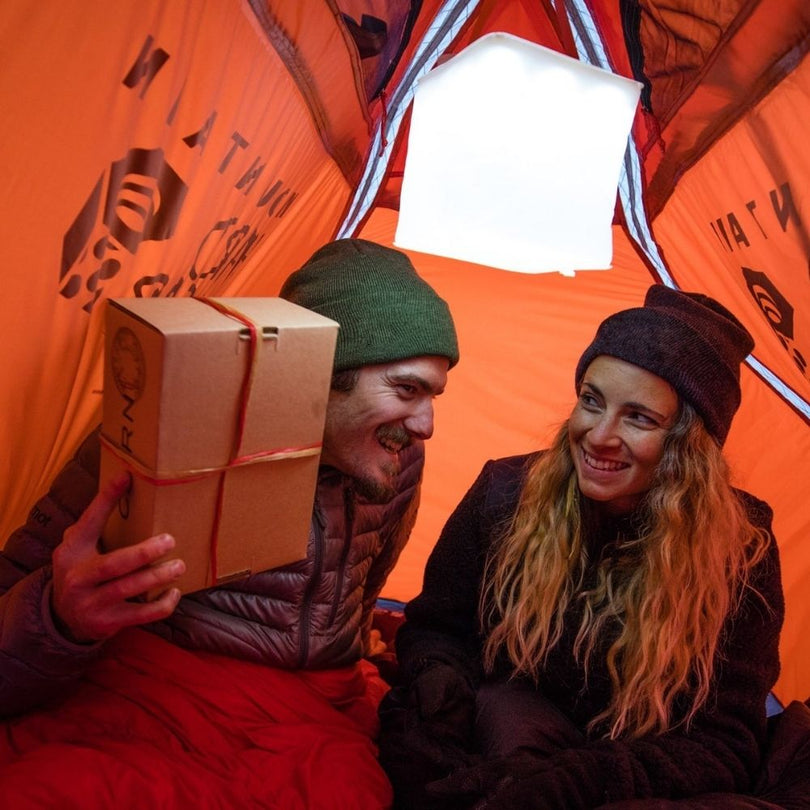
- An area light or lantern for camp chores and tent light
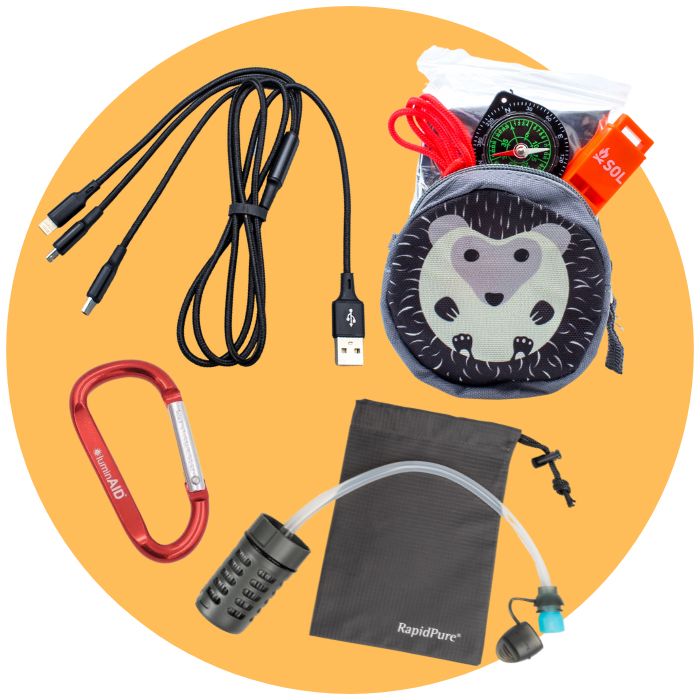
- A charging solution for phones and small electronics
- A recharge method that doesn't depend entirely on wall power
That's why solar-capable gear fits summer camping so well. It gives you another way to keep light and communication available when the grid isn't part of the equation.
Choose power gear by use case
Don't buy power gear by lumen numbers alone. Think about how you camp.
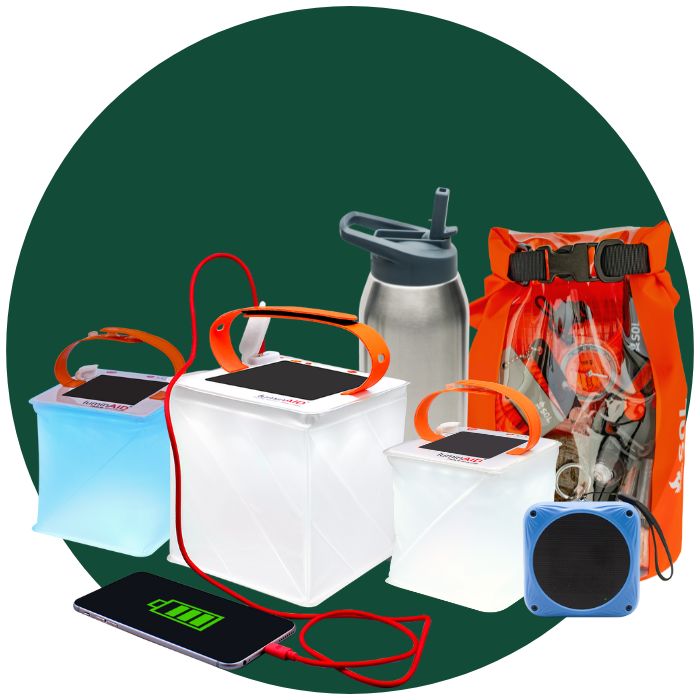
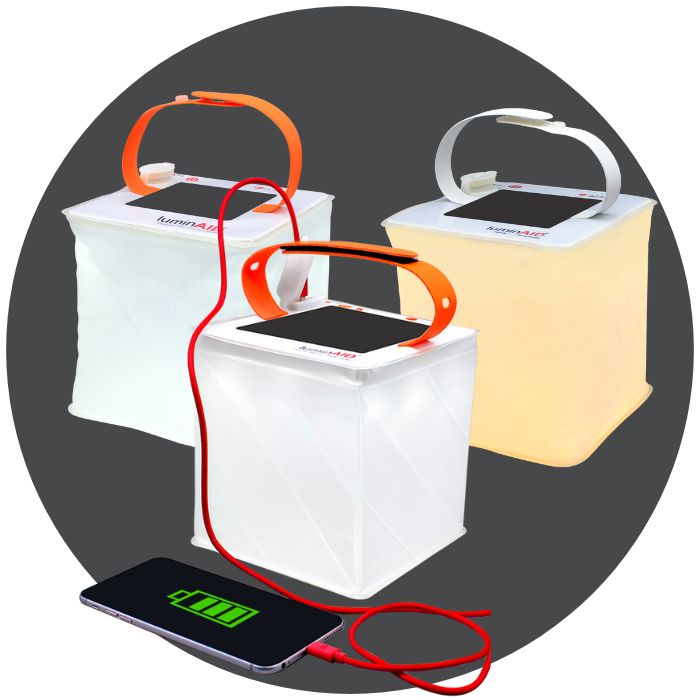
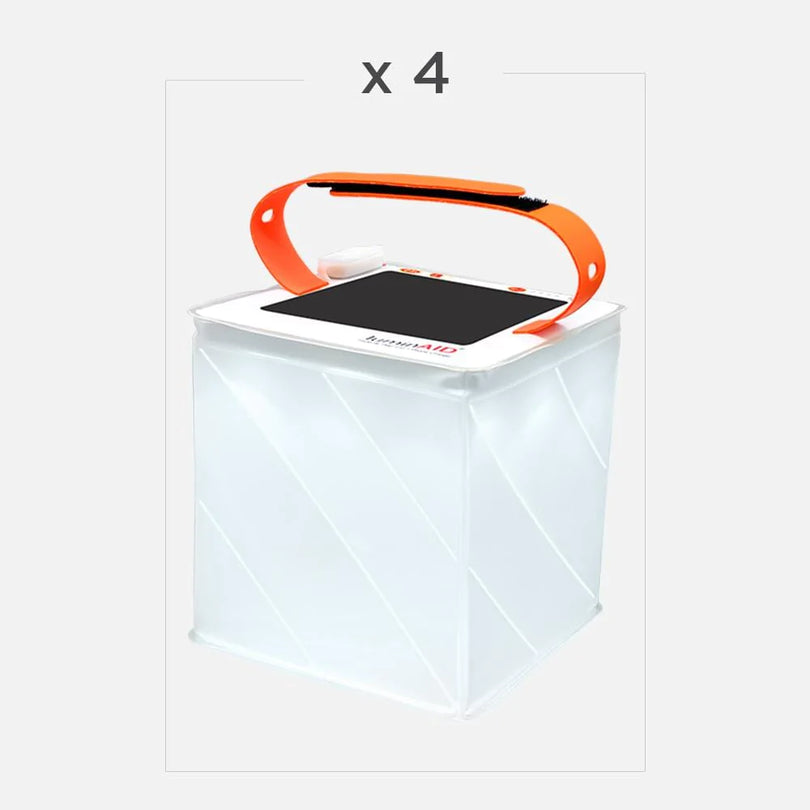
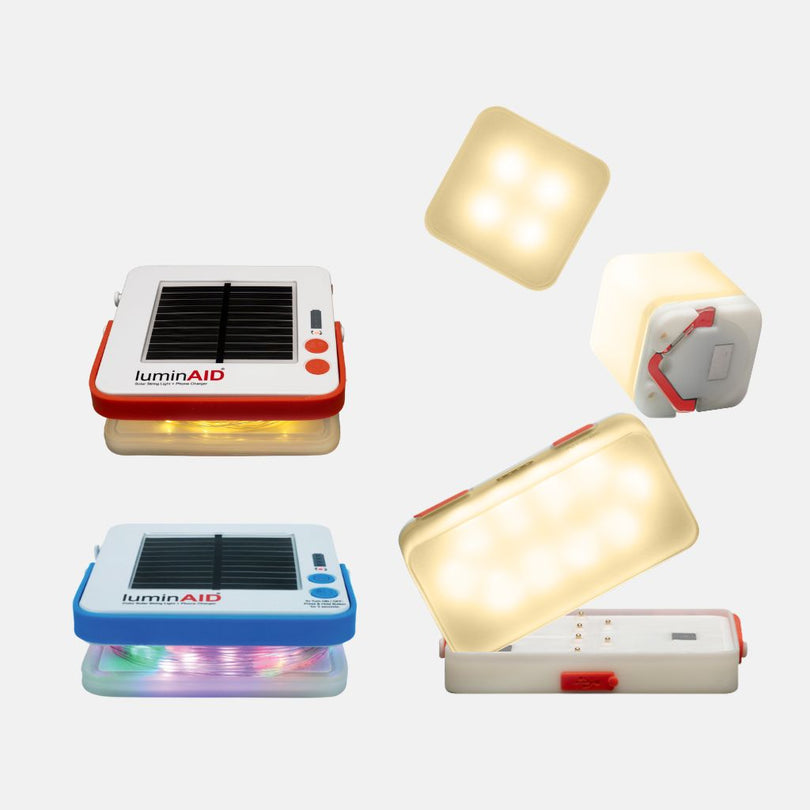
If you cook after sunset, manage kids around camp, read in the tent, or need to top off a phone for maps and communication, you need something broader than a narrow-beam flashlight. A lantern with charging capability is often more practical. Solar lanterns for camping are worth considering because they cover area lighting and off-grid recharging in one category of gear.
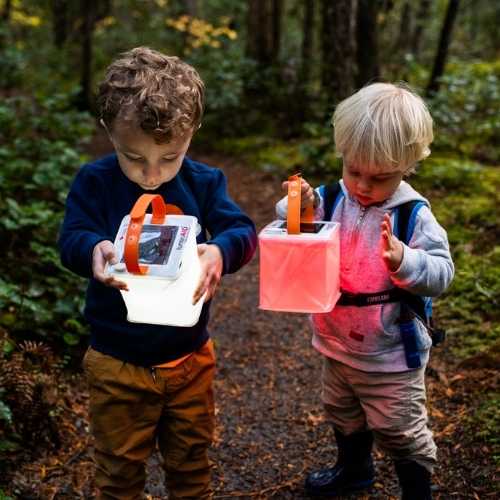
One option in that class is LuminAID, which makes portable solar lanterns and 2-in-1 phone chargers for camping and emergency use. That kind of setup makes sense when you want one piece of gear that can live in a camp tote, a vehicle, or a home outage kit.
If a light source helps you pitch camp after dark, find the bathroom path at night, and keep a phone usable during an outage, it's doing real work.
What works at camp
The most dependable off-grid setup usually looks like this:
| Need | Best tool |
|---|---|
| Walking around camp | Headlamp |
| Lighting a tent or picnic table | Lantern |
| Charging a phone | Power bank or lantern with charging |
| Backup resilience | Solar recharge option |
What doesn't work as well is relying on one tiny flashlight for everything. It creates blind spots in camp and leaves no margin if that single light fails.
First Aid and Safety Beyond the Basics
A first-aid kit belongs on every camping list, but summer trips need more than a generic pouch. Heat, sun, insects, blisters, and minor burns are the issues that show up over and over.

Build around prevention first
The strongest camp first-aid strategy starts before anyone gets hurt.
Pack these categories on purpose:
- Sun protection with sunscreen, a brimmed hat, sunglasses, and clothing that covers well
- Insect defense with repellent and, where needed, long sleeves or a head net
- Foot care so a hot spot doesn't become a mobility problem
- Burn prevention through careful stove placement and fire discipline
Minnesota DNR's packing guidance includes items like flashlight or headlamp, spare batteries, phone charger, sunscreen (SPF 30 or greater), and camp stove fuel in standard camping prep, reinforcing that sun and basic operational readiness belong in the baseline kit, not the optional pile. That broader standard was noted alongside mainstream checklist trends in the earlier REI-based framework.
Then cover the common summer injuries
Your kit should handle the stuff that happens at camp:
- Blisters and friction spots
- Minor cuts and scrapes
- Small burns from stoves or cookware
- Bites and stings
- Mild allergic reactions
- Heat-related symptoms while you're cooling someone down and reassessing
If you want a ready-made base kit, Adventure Medical Kits is a practical place to start. Then add summer-specific items yourself. For bug-bite relief after the fact, After Bite is a familiar option. For insect repellent before the bites happen, Ben's 30 is one of the products many campers consider when bugs are a serious issue.
A more detailed home-and-travel packing reference for medical supplies is this first-aid kit supplies guide, which is helpful for rounding out a kit instead of assuming the prepacked version covers everything you need.
Wildlife and campsite safety
Don't stop at bandages and repellent. Summer safety also means avoiding preventable trouble around camp.
Use these habits:
- Store food securely and keep scented items managed
- Keep the cooking area separate from where people sleep
- Know the wildlife protocols for the area before you arrive
- Carry the right deterrent if local guidance calls for it
In bear country, deterrent tools matter only if they're legal, accessible, and you know how to use them. Counter Assault is one example of a bear-safety brand campers often look at when preparing for wildlife exposure.
A first-aid kit is for response. Good camp habits are what keep you from opening it.
Mastering Summer Conditions: Heat, Insects, and Storms
Summer conditions punish sloppy planning faster than winter conditions in one important way. People underestimate them. Heat looks manageable until the campsite has no shade. Insects look minor until dinner becomes miserable. Storms look distant until you're tightening guylines in the dark.
Most camping checklists miss heat-risk planning, even though extreme heat is a leading weather-related hazard and camping safely in high temperatures is a safety skill, not just a comfort choice, as highlighted in this summer camping heat-planning article.
Heat management is a campsite decision
Your best heat strategy starts before the tent goes up. Seek morning shade, afternoon airflow, and ground that won't radiate stored heat all night. A beautiful exposed site may be the worst sleeping site in summer.
Watch for these signs that the plan is drifting:
- People stop drinking because water is inconvenient to reach
- No one wants to eat because the campsite is too hot
- Children or older campers get quiet, flushed, or irritable
- The tent becomes unusable before sunset
Set up tarps or use natural shade where allowed. Keep high-output activity early or late. Treat midday as maintenance time, not peak adventure time.
Insects respond to habits, not just spray
Repellent helps, but it isn't the whole answer. Insects gather where campers create easy conditions for them.
The layered approach works best:
- Wear coverage when bugs are active
- Use repellent on exposed skin and clothing as directed
- Reduce standing water and food mess around camp
- Time cooking and sitting areas with airflow in mind
If you want a useful crossover read for prevention strategy, this article on protecting your home from mosquitoes and ticks is worth a look because the same principles of habitat reduction and layered defense carry over to campsites surprisingly well.
Storms punish loose camp discipline
Summer storms often arrive after a warm, calm stretch, which is why campers get lazy about setup. Don't.
Before bed or before leaving camp, check:
| Storm risk area | Smart move |
|---|---|
| Tent security | Recheck stakes and guylines |
| Water flow | Avoid low spots that can collect runoff |
| Loose gear | Stow chairs, towels, and cookware |
| Light and communication | Keep them charged and easy to reach |
A storm plan should be boring and repeatable. Know where vehicles are parked, where weather alerts will come from, and what you'll grab first if conditions deteriorate. When campers get in trouble in summer, it's often because they treated heat, bugs, and storms as separate annoyances instead of one operating environment.
Smart Packing and Essential Checklists
Packing gets easier when you stop trying to remember individual items and start building kits that stay together. Shelter in one sack. Kitchen in one bin. First aid in a bright pouch. Lighting and charging in one grab-ready bag. That system matters more than shaving tiny amounts of weight from random corners.
One rule always pays off. Put the items you may need first on top or within easy reach. Rain gear, headlamp, water treatment, first aid, and a warm layer shouldn't be buried under camp shoes and pancake mix.
Pack by access, not just by category
For car camping, bins work well because they make setup faster and keep gear from spreading across the site. For backpacking, compression and balance matter more. Heavy items ride close to your back. Frequently used items stay in outer pockets or at the top of the pack.
These habits prevent common packing failures:
- Use stuff sacks sparingly so you can find gear without opening ten little bundles
- Keep sleep gear dry at all costs
- Separate dirty and clean items from the first day
- Carry one repair and utility pouch with tape, cord, lighter, and tool
If campsite meals always attract flies, this piece on mastering camping without flies has practical food-area ideas that fit well into a cleaner packing and camp-layout strategy.
For a broader packing framework, this camping packing list reference is useful as a final cross-check before you leave.
Summer Camping Essentials Checklist
| Item Category | Essential Item | Weekend Car Camping Notes | Backpacking Notes |
|---|---|---|---|
| Shelter | Tent and stakes | Prioritize comfort, ventilation, and fast setup | Prioritize lower weight and packed size |
| Sleep | Sleeping bag | Choose lighter summer insulation | Keep it compact and moisture-protected |
| Sleep | Sleeping pad | Extra comfort is worth carrying in the car | Balance comfort against bulk |
| Sleep | Pillow | Bring a real camp pillow if space allows | Use a compact pillow or clothing system |
| Water | Bottles and storage containers | Bring basecamp jugs plus personal bottles | Carry only what you need between refill points |
| Water | Filter or purification backup | Smart backup if campsite water is uncertain | Often essential |
| Cooking | Stove and fuel | Full two-burner or compact stove both work | Keep to a small stove and simple fuel plan |
| Cooking | Pot, pan, utensils, mug | Easier to bring a fuller kitchen | Limit to multipurpose cookware |
| Food | Cooler or food bag | Cooler works well for short trips | Focus on shelf-stable meals |
| Lighting | Headlamp and lantern | Bring both for comfort and camp chores | Headlamp first, compact lantern if justified |
| Power | Charging setup | Add a solar or rechargeable option | Keep it light and efficient |
| Safety | First-aid kit | Broader kit with family needs covered | Streamlined but complete |
| Clothing | Sun and weather layers | Pack extras for comfort | Pack fewer pieces with more overlap |
| Hygiene | Handwashing and sanitation items | Easier to carry more water and cleanup gear | Keep a tight, lightweight sanitation kit |
Two different trips, two different standards
Car camping gives you room to improve comfort and redundancy. Backpacking demands restraint. The mistake is using one list for both.
Use this filter before every item goes in:
- Does it solve a real problem?
- Will I use it more than once?
- Does another item already cover that function?
- Could this also help at home during an outage or evacuation?
That last question is where smart gear choices keep paying you back.
Frequently Asked Questions
What's the biggest difference between car camping and backpacking gear?
Car camping lets you favor comfort, capacity, and redundancy. Backpacking forces every item to justify its weight and bulk. The core needs stay the same. Shelter, sleep, water, food, light, and safety. The format changes.
What kind of cooler works best for summer camping?
Pick a cooler based on trip style, not hype. For short car trips, easy access and simple organization matter more than extreme bulk. If you can't manage the contents cleanly, even a good cooler becomes a wet food box.
How do you make summer camping easier with kids?
Simplify the routine. Keep water easy to reach, bring reliable shade, plan easy meals, and make nighttime lighting effortless. Kids do better when camp has structure, dry clothes, familiar snacks, and a predictable sleep setup.
If you want one piece of gear that fits both summer camping and emergency readiness, LuminAID is worth a look. Their solar lanterns and 2-in-1 phone chargers fit the kind of practical kit that works at camp, in the car, and at home when the power goes out.