


You crawl into your tent after a long day outside, zip the door, and expect sleep to come fast. Instead, your hips press into hard ground, cold creeps up your back, and every toss wakes you up. By morning, you’re technically rested because you spent hours lying down, but you don’t feel restored.
Most campers blame the sleeping bag first. A lot of the time, the problem lies underneath them. A camping mattress pad isn’t just a softer surface. It’s the barrier that keeps your body from dumping heat into the ground and the layer that decides whether you wake up loose and warm or stiff and chilled.
More Than Comfort Your First Line of Defense
I’ve seen this lesson hit people fast. The first night, they bring a decent sleeping bag and assume that’s enough. The second night, after a miserable sleep on thin gear or no pad at all, they start asking much better questions.
The ground is often colder than the air around you, and your body gives up heat anywhere it touches that cold surface. That’s why a camping mattress pad matters even when the forecast looks mild. Cushioning is nice. Insulation is what keeps the night from turning into a slow drain on your energy.

A lot of new campers think of pads as optional comfort gear. Experienced campers usually treat them as part of the sleep system, right alongside the bag and shelter. That shift in thinking explains why this category keeps getting more attention. The global camping bed and mat market was valued at US$ 398.36 million in 2024 and is forecasted to reach US$ 740.79 million by 2034, a projected 6.4% CAGR, according to Fact.MR’s camping beds and mats market report.
A bad pad doesn’t just make you uncomfortable. It can leave you cold even inside a warm sleeping bag.
If you’re building out your sleep setup, it helps to think about your pad the same way you’d think about a stove or headlamp. It has a job. If it fails, the trip feels harder. If it works well, everything else goes smoother.
For newer campers putting a full gear list together, this guide to camping must haves and essentials is a useful companion, especially if you’re trying to avoid the classic first-trip mistakes.
The Three Main Types of Camping Mattress Pads
Every camping mattress pad makes a trade. More comfort usually means more bulk. Less weight often means more cost or less durability. Before comparing specs, it helps to understand the three big categories.

Closed-cell foam pads
Think of these as the steel mugs of the pad world. They’re simple, tough, and hard to ruin. A foam pad doesn’t need inflation, won’t spring a leak, and can get strapped to the outside of a pack without much fuss.
They’re popular with hikers who care about reliability more than plush comfort. They also work well as backup insulation under another pad.
Self-inflating pads
These are the practical middle ground. Inside, they combine foam and air, so when you open the valve the pad starts taking shape on its own. You usually still add a bit of air at the end to dial in firmness.
Self-inflating pads appeal to campers who want more cushion than foam but don’t want the fully inflatable feel of an air pad. They tend to feel stable and forgiving, especially for people who move around in their sleep.
Inflatable air pads
These are the comfort specialists. They pack small, can feel surprisingly mattress-like, and often offer the best blend of thickness and packed size. That’s why many backpackers choose them when they want real comfort without carrying a huge roll of foam.
The catch is that they’re more delicate. Sharp rocks, dog nails, and sloppy campsite setup can turn a good night into a leak hunt.
Camping mattress pad type comparison
| Pad Type | Best For | Pros | Cons | Avg. R-Value |
|---|---|---|---|---|
| Closed-cell foam | Minimalists, backup insulation, rough use | Durable, simple, budget-friendly, no puncture risk | Bulky, firm, less cushioned | Around 2 |
| Self-inflating | Weekend campers, comfort-focused backpackers | Good balance of comfort, insulation, and durability | Heavier and bulkier than air pads | Varies by model |
| Inflatable air pads | Backpackers, side sleepers, packability-focused campers | Thick, compact when packed, adjustable firmness | Can puncture, often pricier | Varies widely by model |
How they feel in real use
A table helps, but people usually choose based on feel.
- Foam feels predictable: You unroll it and you’re done. It’s not luxurious, but it’s dependable.
- Self-inflating feels steady: Many campers like that it doesn’t wobble as much and doesn’t feel like they’re sleeping on a balloon.
- Air pads feel plush for the weight: If you’re used to sleeping on your side, this category often gets your attention first.
Practical rule: If you can’t decide, start by choosing your failure tolerance. If a puncture would ruin your trip, lean toward foam or a sturdier self-inflating design.
Which trade-off matters most
The right choice depends less on “best pad” and more on “best compromise.”
If you hike long distances, packed size matters. If you camp close to the car, comfort matters more. If you sleep cold, insulation moves up the list fast. Many campers eventually own more than one pad because one model rarely covers backpacking, car camping, shoulder-season trips, and winter use equally well.
That’s the core pattern across this category. Different pad designs exist because different trips ask different things from your gear.
Decoding Key Specs R-Value Thickness and Weight
A camping pad can feel confusing to shop for because the numbers on the tag all compete with each other. More warmth usually adds weight. More cushion often takes more space. Smaller packed size can mean giving up some durability or comfort. For a camping mattress pad, the three specs that decide most of that trade-off are R-value, thickness, and weight.

R-value measures how hard it is for the cold ground to steal your heat
Your sleeping bag traps warm air around your body. Your pad handles the cold pressing up from below. R-value is the pad’s insulation rating, and higher numbers mean better resistance to heat loss into the ground.
A simple comparison helps here. A low R-value pad is like a thin oven mitt on a hot pan. Some heat gets blocked, but plenty still comes through. A higher R-value pad adds more insulation between you and the ground, which matters fast once the soil is cold, damp, or frozen.
According to REI’s sleeping pad guide, winter camping calls for an R-value of 5.5 or higher. The same guide explains that pads can be layered. A foam pad with R-value 2.0 under an inflatable pad with R-value 4.0 gives a combined R-value of 6.0.
That stacking option matters because it changes how you choose. If you want one pad for mild trips and occasional cold-weather use, a lighter three-season pad plus a thin foam layer can make more sense than buying one bulky winter pad.
How to read R-value without overthinking it
You do not need a giant chart in your head. Use it as a filter.
- Lower R-value: warm-weather camping, hot summer nights, mild ground
- Mid-range R-value: cool nights, spring and fall trips, mixed conditions
- Higher R-value: cold ground, shoulder season at elevation, winter trips
- Layered setup: useful if you want flexibility, backup puncture protection, or extra warmth
Cold sleepers should move R-value higher on the priority list. Side sleepers often focus on thickness first, then discover the ground still feels cold at 3 a.m. Comfort and warmth are separate problems.
Thickness controls pressure relief and sleep position comfort
Thickness is the spec your hips and shoulders notice first.
If you sleep flat on your back and barely move, you may be happy on a thinner pad. If you sleep on your side, the math changes. Your body weight presses into smaller contact points, so more thickness helps keep your shoulder and hip from hitting the ground.
Still, thicker does not always mean better sleep. Some tall air pads feel cushy at first, then shift under you when you roll over. Some self-inflating pads feel firmer and steadier even with less height, because the foam spreads pressure more evenly. The number on the tag tells part of the story. The pad’s construction tells the rest.
Weight matters most when every mile makes you carry the decision
For car camping, an extra few ounces rarely change your trip. For backpacking, they do. Weight is not just a comfort issue. It affects fatigue, pace, and how much room you have left for food, water, and insulation layers.
Packability belongs in the same conversation. A foam pad may be light enough on a scale but awkwardly bulky outside your pack. An air pad may weigh a bit more yet disappear into a small stuff sack. That is why the better question is not “What is the lightest pad?” It is “What is the lightest pad that still gives me enough warmth and sleep quality for this trip?”
If you are still sorting out trip style, this guide to backpacking vs. camping differences helps clarify why the same pad can feel perfect for one outing and wrong for another.
A practical way to balance the big three
Start with the condition that will ruin your night fastest.
- Cold ground ruins the trip first. Choose enough R-value before trimming ounces.
- Pressure points ruin the trip first. Choose enough thickness and stability before chasing packed size.
- Long miles ruin the trip first. Choose a lighter, smaller pad, then make sure its warmth is still appropriate.
That order helps prevent a common mistake. Campers often shop by the most impressive spec, not the most limiting one. A very light pad is a poor bargain if you sleep cold on it. A thick luxury pad is a poor bargain if it takes half your pack.
Width and shape affect real comfort more than many buyers expect
A pad that looks good on paper can still sleep badly if it is too narrow. Elbows slide off. Knees drift off. You end up partly on the cold ground, and the warmth rating stops helping as much.
That is why body position matters. Active sleepers and side sleepers often benefit from a slightly wider pad, even if it adds a bit of weight. Campers using larger shelters or setups like camping with a tent trailer usually have more freedom to choose width over minimal packed size.
The real goal is the right compromise
No pad wins every category at once. A warmer pad often weighs more. A thicker pad often packs larger. A tiny packed size can come with a higher price or more puncture risk.
A good buying decision comes from matching the pad to the trip, not from chasing the highest number on the spec sheet. If you keep asking three questions. “Will I be cold?” “Will my body hit the ground?” and “Will I hate carrying this?” you will compare pads much more clearly.
How to Choose a Pad for Your Adventure
You reach camp tired, unroll your pad, and find out too late that you solved the wrong problem. The pad is wonderfully light, but cold. Or warm enough, but so bulky it fought you all day in your pack. Choosing well starts with one question. What kind of trip are you trying to protect?
A camping pad is always a trade-off between warmth, weight, and packed size. Very few pads do all three well at once. The right choice depends less on the best spec sheet and more on the kind of nights you have.
A simple way to decide is to rank your needs in order:
- Will the ground make me cold?
- Will I sleep well enough to recover?
- Will I resent carrying this all day?
That order changes by trip type, and that is the part buyers often miss.
The ultralight backpacker
For long-mile days, weight and packability usually lead the decision. You still need enough insulation for the season, but every extra ounce and every bit of bulk has a cost over hours of walking.
A compact inflatable pad often fits this style best because it packs small for the warmth it provides. The compromise is that these pads can feel narrower, less stable, and a little fussier at camp. If your goal is efficient travel, that trade can make sense.
Choose an ultralight-style pad if your answer to the third question is strong. You care a lot about what goes on your back.
The weekend backpacker or mixed-use camper
This group usually needs the best balance, not the most extreme option. You might backpack a few times a year, then spend other weekends at easier campsites. A pad that is decent at everything often serves you better than one that is excellent in only one category.
A self-inflating pad or a moderately insulated air pad often lands in that middle ground. You get more comfort than a stripped-down ultralight model, without jumping all the way to a bulky car-camping setup.
If you are still sorting out your priorities, this guide to backpacking vs camping can help you match your gear choices to the style of trip you do.
The car camper
Car camping changes the equation fast. Since you are not carrying the pad far, weight and packed size matter less. Comfort and ease of use move to the top.
That usually points toward thicker self-inflating pads or larger air pads. A few extra pounds matter very little when they buy better sleep. If your setup is more spacious and family-oriented, especially with camping with a tent trailer, a wider pad often improves sleep more than chasing a slightly lighter one ever would.
The winter camper
Cold-weather trips flip the priority list. Warmth comes first because the ground pulls heat from your body all night. R-value works like the insulation in a house wall. The higher it is, the slower your body heat escapes into the ground.
That does not mean you should buy the highest number available for every trip. It means winter is the time to accept more weight and bulk in exchange for warmth. Many campers also stack a foam pad under an insulated air pad. That adds insulation and gives you backup if the inflatable pad has a problem.
In winter, the smartest pad is often the one that looks slightly excessive in your hand and feels exactly right at 2 a.m.
The side sleeper
Side sleepers need to pay attention to how a pad distributes pressure, not just how thick it sounds in the product title. A thick pad can still feel bad if it is narrow or overly firm. Your shoulder and hip need enough give to sink in a little without bottoming out.
That is why side sleepers often do well with a pad that is thicker, a bit wider, and easy to fine-tune. A slightly heavier pad can be worth it if it keeps you from waking up every time you roll over.
The best choice is usually the one that matches your hardest likely trip, not your easiest one. If most of your nights are mild campground trips, buy for comfort first. If your trips are long and mobile, protect pack space and keep enough warmth for the season. If your camps are cold, let insulation lead and accept the extra bulk.
Setup Packing and Maintenance for a Long-Lasting Pad
A camping mattress pad lasts longer when you treat setup as part of gear care, not an afterthought. Most damage happens before you ever lie down on it.

Start with the ground
Before you unroll anything, clear the tent floor area. Pull out sharp twigs, pine cones, hard seed pods, and small stones. Tiny debris is often what causes slow leaks and pressure points.
If you use an inflatable pad, be a little picky about campsite prep. That extra minute is cheaper than a repair.
Inflate with control, not guesswork
People often overinflate at camp because a firmer pad feels “safer.” Then they lie down and discover it feels like a pool toy stretched over concrete. Let your body settle onto the pad and fine-tune from there.
A few habits help:
- For air pads: Inflate most of the way, lie down, then release a little air until your hips and shoulders stay off the ground without feeling perched.
- For self-inflating pads: Open the valve early, give it time, then top it off manually for your preferred firmness.
- For foam pads: Focus on flat placement and pairing it with a good campsite surface.
If you carry repair supplies, a compact kit from Adventure Medical Kits is a practical addition to the gear bin.
Pack it the right way
A lot of wear comes from bad storage habits, not trail use. Pads don’t like being crushed carelessly for long stretches.
- Air pads: Deflate fully, press air out evenly, and avoid forcing sharp folds into the same spots every trip.
- Self-inflating pads: Roll with care and don’t reef on the valve.
- Foam pads: Store flat if you have room, or loosely rolled so they keep their shape.
For the rest of your soft camp gear, good cleaning habits matter too. Some of the same principles in this guide on how to clean outdoor cushions apply to fabric surfaces that collect dirt, moisture, and odor.
A smart packing system also protects your pad from avoidable abuse. These packing hacks for camping and travel are useful if your gear tends to get jammed together at the last minute.
Clean and store it like gear you want to keep
After a trip, wipe off dirt and let the pad dry before storing it. Trapped moisture is hard on fabrics, foam, and valves.
For long-term storage, keep the pad in a relaxed state if the manufacturer recommends it. In general, self-inflating models especially do better when stored with valves open and without heavy compression.
Here’s a quick visual refresher on handling and packing technique:
Know how to handle a field repair
A puncture doesn’t always end the trip. If you suspect a leak, listen for escaping air, feel for cool air on your skin, and inspect seams and valves before assuming the fabric is the issue.
Field fix: If you’re troubleshooting at night, work slowly and methodically. Most failed repairs come from rushing, not from the hole being impossible to patch.
Mark the spot, dry the area, and use the repair materials as directed. In cold or wet conditions, patience matters more than force.
Common Mistakes and Pro Tips for Better Sleep
A lot of sleep problems outdoors come from assumptions that sound reasonable but don’t hold up in use. The biggest one is that thicker always means better.
Sometimes a thick pad is excellent. Sometimes it’s too bouncy, too narrow, or poorly matched to the temperature. Comfort is a mix of insulation, width, surface feel, and firmness.
Mistakes that trip people up
- Using a warm-weather pad in cold conditions: A soft pad that doesn’t insulate well can still leave you shivering.
- Inflating until rock hard: That often creates pressure points instead of solving them.
- Ignoring pad width: If part of your body keeps sliding off, you’ll feel every bit of it.
- Storing a pad compressed for long periods: That can shorten the useful life of some designs.
- Blowing moisture into an air pad repeatedly: Over time, internal moisture can become its own issue.
Better ways to sleep outside
For cold conditions, layering is one of the most reliable tricks in camping. A foam pad under an inflatable gives you extra insulation, puncture backup, and a little more margin if conditions worsen.
For side sleepers, don’t focus only on thickness. A common issue is heat loss on narrow pads, and air pads with at least 3 inches of thickness can reduce pressure points by 60%. The same source notes a 28% increase in side-sleeper complaints on forums, pointing to a real need for better sizing and stability advice, according to Alton Goods’ discussion of sleeping mat mistakes.
Small adjustments that matter
Try these before replacing your pad:
- Let a little air out: Especially if your hips or shoulders feel oddly sore.
- Change your pad orientation: A slight slope in the tent site can make a stable pad feel slippery.
- Add a foam layer in cold weather: It helps warmth and reduces that vulnerable feeling of relying on one inflatable.
- Use a pump sack if your pad supports it: It’s cleaner, easier, and better for the pad interior over time.
Side sleepers usually need a system, not just a thicker pad. Width, stability, and tuned firmness matter as much as depth.
Conclusion Your Foundation for Great Outdoor Adventures
A camping mattress pad does much more than soften the ground. It supports warmth, recovery, and the kind of sleep that lets you enjoy the next day instead of dragging through it.
The best choice usually comes from a simple process. Match the pad type to how you camp, then weigh insulation, comfort, and packability in that order for your trip. Backpackers may accept less luxury to save space. Car campers can lean toward comfort. Cold-weather campers need to take insulation seriously.
Get this piece right and your whole sleep system works better. You wake up warmer, less sore, and more ready for the miles, coffee, fishing, climbing, or quiet morning that brought you outside in the first place.
Frequently Asked Questions
Can I use a camping mattress pad at home
Yes. It can work as a temporary guest bed, emergency sleep setup, or backup during power outages and travel. Just remember that camping pads are built around portability first, so even very comfortable ones won’t feel exactly like a home mattress.
Why do I keep sliding off my pad at night
Usually it’s one of three things: the pad is too narrow, too firm, or your tent floor has a slight slope. Letting out a little air often helps more than people expect. If you move around a lot in your sleep, a wider or more stable pad shape may solve the problem better than adding thickness.
Is foam or inflatable better for beginners
It depends on what kind of beginner you are. If you want simple and durable, foam is easier to live with. If you know comfort will make or break your trip, an inflatable or self-inflating pad may be the better start.
What gear pairs well with a camping mattress pad
A sleeping bag matched to the conditions matters most. After that, a groundsheet, a repair kit, and dependable campsite lighting make a big difference. If bugs are part of the trip, insect protection from brands like Ben’s or Natrapel can make your sleep setup much more livable around camp.
Should I bring a patch kit on every trip
If your pad depends on air, yes, especially for backpacking or remote camping. A leak is manageable when you’re prepared and miserable when you’re not.
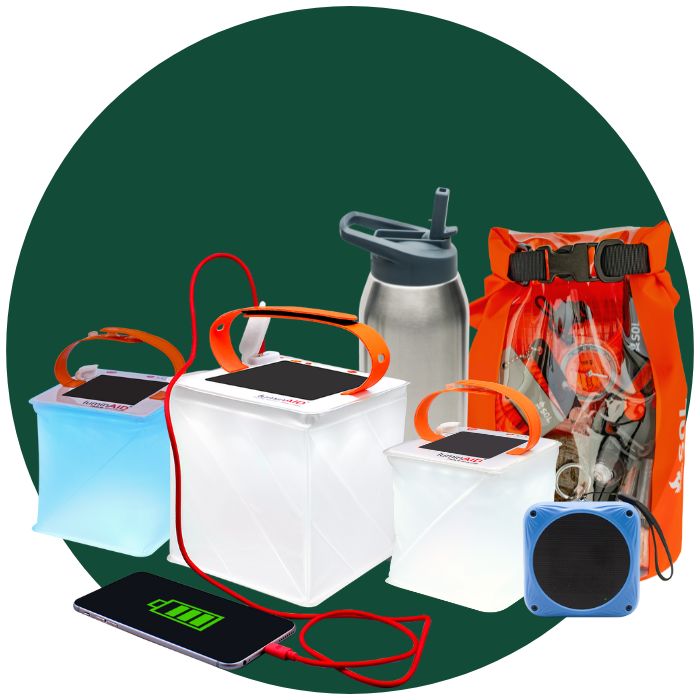
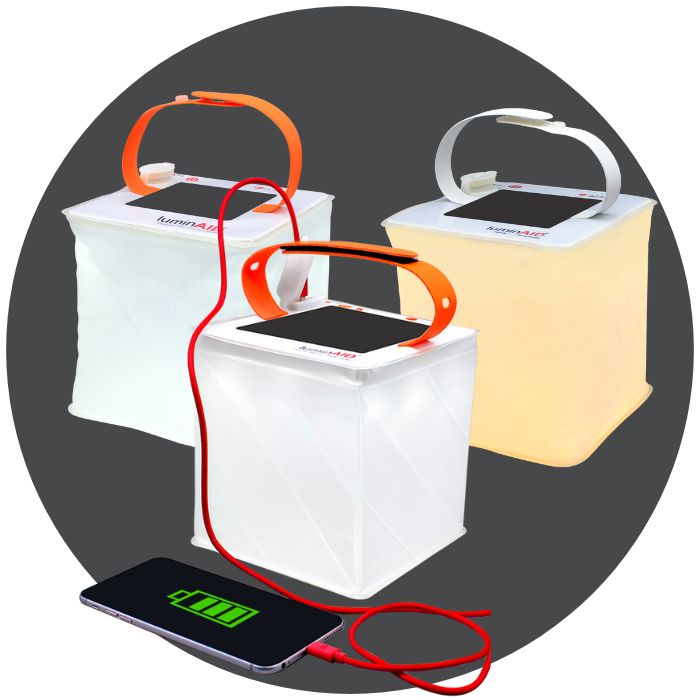
A good night outside starts with the right foundation. If you’re building a smarter camp or emergency setup, LuminAID offers portable solar lanterns and phone-charging lights that add reliable illumination without taking up much space in your pack.