
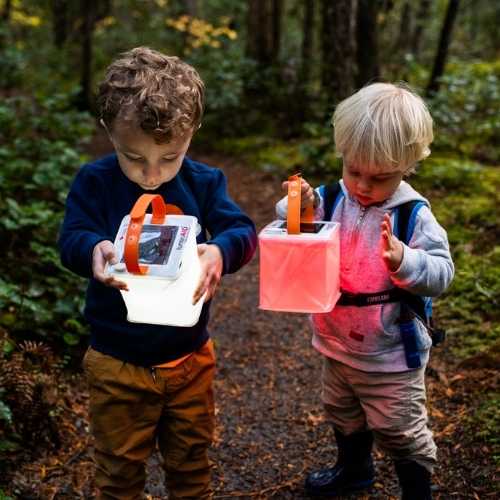

A great campsite is more than just a place to sleep—it’s your basecamp for adventure, your outdoor living room, and your sanctuary under the stars. Moving beyond a simple tent and sleeping bag setup can completely transform your experience, making it more comfortable, efficient, and memorable. A well-organized camp reduces stress and maximizes your time enjoying nature, whether you're car camping for a weekend or setting up for a longer expedition.
This guide explores 10 innovative campsite setup ideas, organized by zones and functions, to help you create the perfect outdoor home. To truly elevate your campsite from basic to brilliant, you can even draw inspiration from the core principles of stage production by thoughtfully arranging lighting, defining functional zones, and creating a specific mood. We'll cover everything from harnessing solar power with gear like LuminAID's reliable lanterns to creating a safe, social, and streamlined environment. You'll find specific layouts, gear suggestions, and actionable checklists tailored for different scenarios. Whether you're a minimalist backpacker, planning a full-family glamping trip, or preparing an emergency kit, these tips will help you engineer a smarter, more enjoyable camp setup for your next adventure.
1. The Sleeping Zone: Your Rest and Recovery Hub
A great camping trip hinges on quality rest. Your sleeping zone is more than just a tent; it’s a dedicated space for recovery after a day of adventure. This approach to campsite setup ideas prioritizes comfort, quiet, and darkness to ensure you wake up refreshed and ready for a new day.
Optimizing Your Sleep System
The core of this zone is your sleep system. Instead of just a sleeping bag, consider a layered approach for maximum comfort and temperature regulation.
- Foundation: Start with a high-quality, insulated sleeping pad to create a barrier from the cold, hard ground. An inflatable camp pillow is a small luxury that makes a huge difference.
- Layering: Combine a sleeping bag rated for the expected temperatures with a liner for extra warmth and cleanliness. On warmer nights, a camp quilt or a simple wool blanket might be all you need.
- Location: Position your tent on flat, even ground, clearing away any rocks or sticks first. Face the tent door away from the prevailing wind to minimize noise and drafts.
Creating a Peaceful Sanctuary
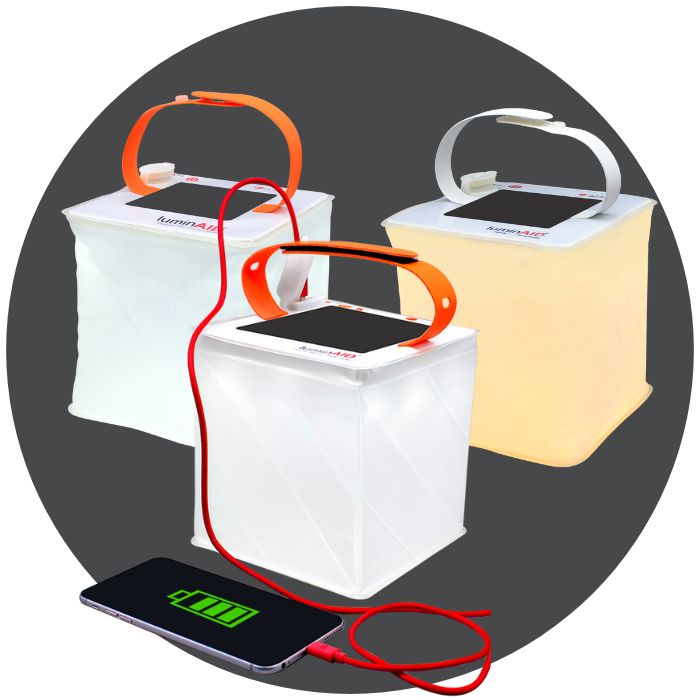
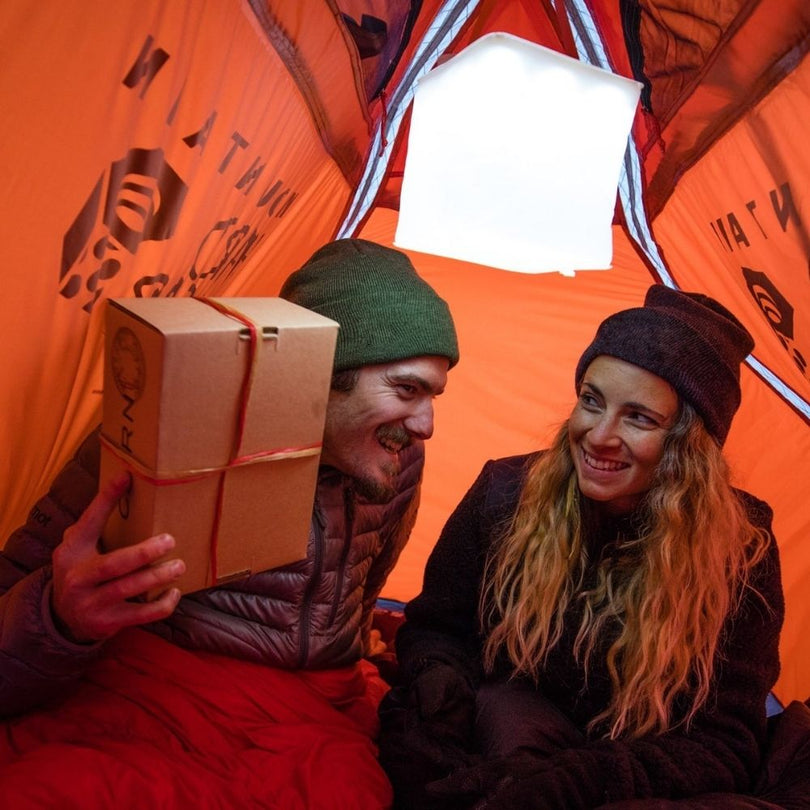
To elevate your sleeping zone, focus on blocking out light and sound. An eye mask and earplugs are essential, low-tech solutions. For ambient, non-disruptive light inside the tent, use a LuminAID PackLite Nova USB. Its soft, diffused glow is perfect for finding your way in the dark without a harsh, sleep-disturbing glare.
Pro Tip: Keep a small "ready kit" inside your tent with essentials like a headlamp, a water bottle, and any necessary medications. This prevents fumbling around in the dark if you need something overnight.
2. The Ambient Lighting Ring: Your Social and Safety Perimeter
Strategic lighting transforms a simple campsite into an inviting and functional outdoor living space. The ambient lighting ring is a campsite setup idea that uses strategically placed lights to define your main social and activity areas. It creates a warm, welcoming atmosphere while providing essential, non-intrusive illumination for safe navigation after dark.
Designing Your Illuminated Space
The core of this layout involves creating a perimeter of light around your central gathering spot, such as the picnic table or fire pit. This approach provides soft, even light without the harsh glare of a single, bright lantern.
- Elevation: For broad, gentle coverage, hang solar string lights from trees or poles at least 6-8 feet high. This height casts a wide, downward glow.
- Placement: Position individual lanterns or string light strands at key points, like the path to the tent, the cooking area, or near seating.
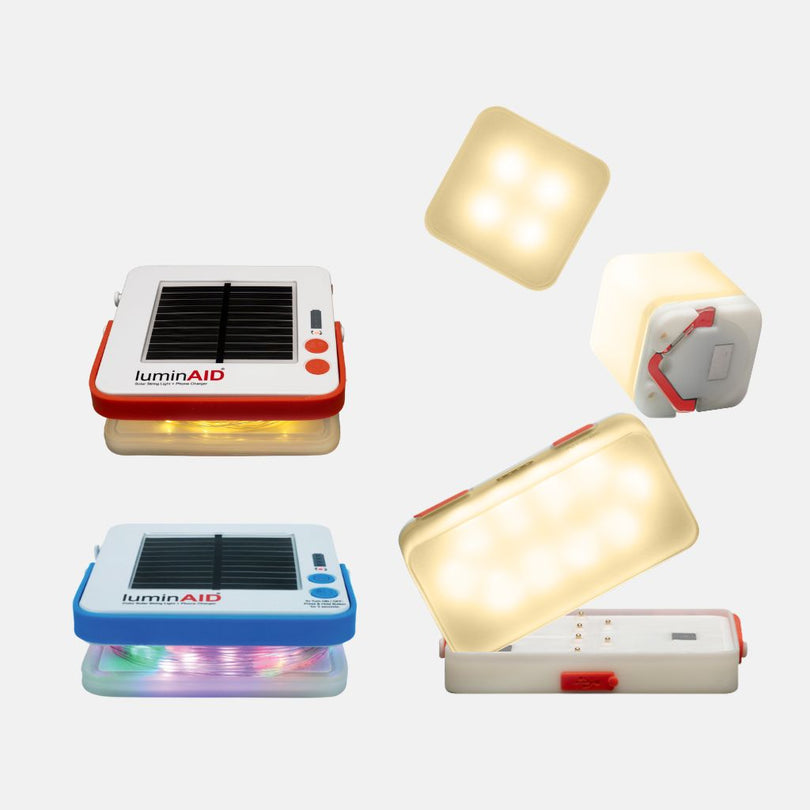
- Gear: Use versatile options like the LuminAID Solar String Lights, which are easy to hang and provide a long-lasting, warm glow perfect for defining your campsite’s boundary.
Enhancing Ambiance and Functionality
Beyond aesthetics, this layout improves safety and usability. Warm-colored lights are less attractive to insects than cool white or blue lights, helping keep your central zone comfortable. For those setting up a full outdoor kitchen, knowing how to choose cookware for your outdoor setup is crucial, and having good ambient light makes the process safer and more enjoyable. You can learn more about using string lights for tents to extend this inviting glow.
Pro Tip: Charge your solar lights fully during the day by placing them in direct sunlight. To add depth, place smaller solar lanterns on tables or along walkways to complement the overhead string lights.
3. Emergency Preparedness Camp Kit
A campsite setup can serve a dual purpose, providing a comfortable outdoor escape while also functioning as a ready-to-go emergency kit. This approach to campsite setup ideas blends recreation with readiness, ensuring you have reliable light, power, and communication if an unexpected power outage or natural disaster occurs. It’s a practical strategy for anyone, especially those in regions prone to hurricanes, wildfires, or earthquakes.
Building Your Dual-Purpose Kit
The foundation of this setup is reliable, off-grid technology that works just as well at a remote lake as it does during a city-wide blackout. The goal is to have core systems that are independent of the electrical grid.
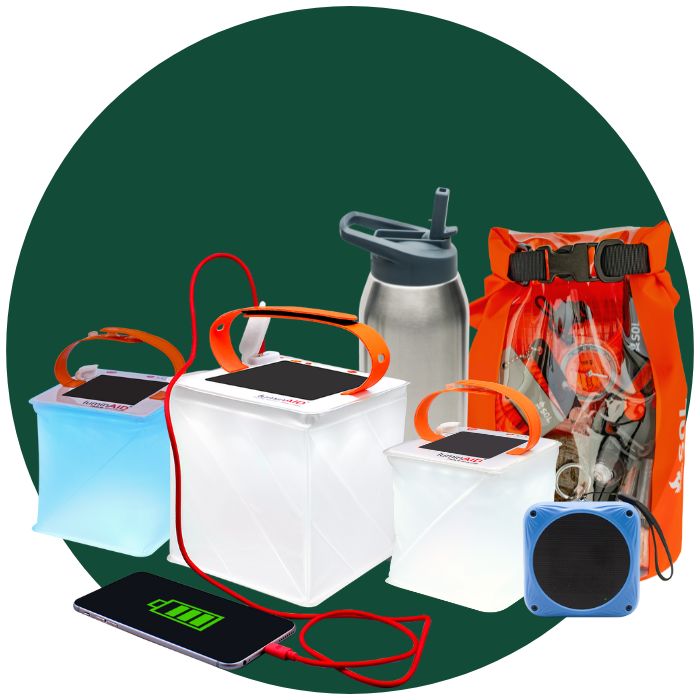
- Foundation: Start with dependable, solar-powered lighting and charging. A LuminAID Titan 2-in-1 Power Lantern can illuminate your entire tent or a room at home and also charge your phone, a critical function in any emergency.
- Layering: Supplement your lighting with a comprehensive first-aid kit, such as those from Adventure Medical Kits, and a dedicated communications device like a hand-crank weather radio.
- Location: Store this equipment in clearly labeled, waterproof containers that are easy to grab. Keep one kit in your garage and a smaller version in your vehicle so you are prepared anywhere.
Maintaining a State of Readiness
An emergency kit is only effective if it's functional when you need it. Regular maintenance is key to ensuring your gear is always ready for deployment, whether for a planned camping trip or an unexpected event. Check out these 15 emergency kit essentials for a more detailed list.
Pro Tip: Test and rotate your gear quarterly. Charge your power banks, check the expiration dates on medical supplies and food rations, and make sure every family member knows how to operate the equipment. This simple routine can make a critical difference.
4. Minimalist Ultralight Setup
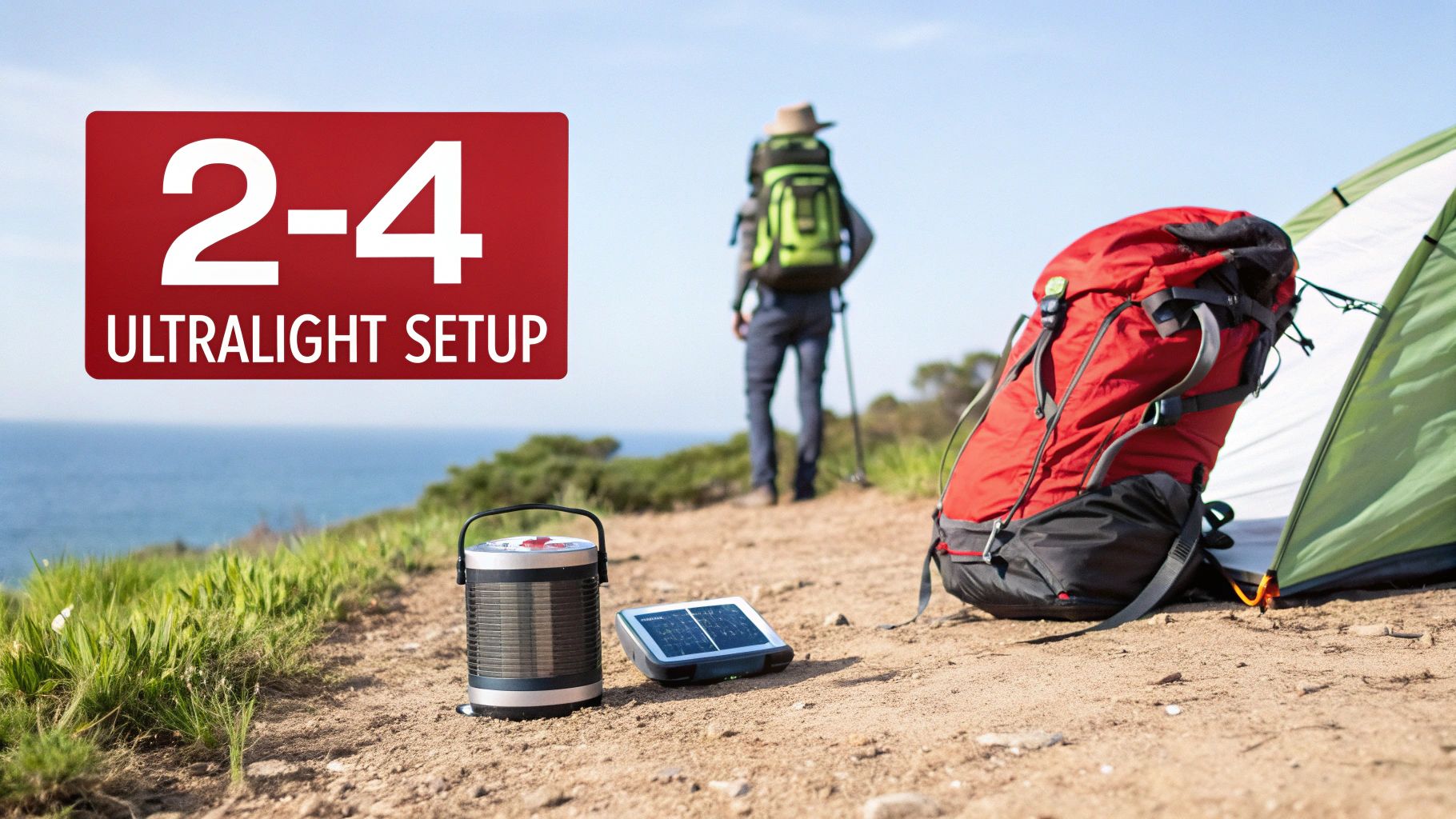
For backpackers and thru-hikers, every ounce counts. A minimalist ultralight setup is a streamlined configuration designed to drastically reduce pack weight without sacrificing essentials like safety, navigation, and light. This approach to campsite setup ideas hinges on multi-functional gear, where every item serves multiple purposes to justify its place in your pack.
Prioritizing Multi-Function Gear
The core principle of ultralight camping is to make one piece of gear do the job of two or three. This not only saves weight but also simplifies your entire campsite routine, from setup to breakdown.
- Consolidated Power: Instead of separate lights and power banks, opt for an all-in-one solution. The LuminAID Titan 2-in-1 Power Lantern provides 300 lumens of light and doubles as a 4000 mAh phone charger, eliminating redundant equipment.
- Minimalist Shelter: A trekking pole tent or a minimalist bivy sack provides adequate protection from the elements while weighing significantly less than traditional tents.
- Strategic Safety: Carry a compact, lightweight first aid kit, like those from Adventure Medical Kits, which packs essential supplies without adding unnecessary bulk.
Mastering Energy Efficiency
In an ultralight setup, power management is critical. Efficiently charging and using your devices ensures you have power when you need it most, especially on multi-day treks far from any outlet.
Pro Tip: Attach your solar lantern or power bank to the top of your backpack while hiking. This allows it to passively charge throughout the day, ensuring you arrive at camp with a full battery without ever stopping.
5. Family Campground Hub Setup
When camping with multiple families or a large group, a centralized hub design is one of the most effective campsite setup ideas. This approach organizes the entire area around a main gathering spot for socializing and dining, while creating distinct, separate zones for sleeping and cooking. This layout enhances safety, especially with children, and fosters a strong sense of community.
Designing Your Centralized Layout
The key is to establish clearly defined zones. The central hub, often anchored by a large pop-up canopy or a cluster of picnic tables, becomes the heart of the campsite.
- Zoning: Arrange tents in a semi-circle around the central hub, creating a dedicated sleeping zone that's quieter and set back from the main activity. Place the cooking and cleaning station on the opposite side, downwind from both the sleeping and social areas.
- Pathways: Use solar string lights to define safe, illuminated pathways between zones. This is crucial for preventing trips and ensuring kids can navigate the campsite easily after dark.
- Shared Resources: Designate a central charging station for everyone's devices. A LuminAID Titan 2-in-1 Power Lantern is perfect for this role, providing bright light for the hub and multiple charging ports.
Creating a Safe and Social Atmosphere
A well-lit hub encourages group interaction and makes evening activities safer. Use brighter lanterns in the social and cooking zones for tasks and games, while softer, diffused lighting works best near the tents. Keep a well-stocked first aid kit, like one from Adventure Medical Kits, in a visible, easily accessible location within the central hub.
Pro Tip: Before the trip, create a shared equipment list to avoid bringing duplicates of large items like camp stoves or coolers. This streamlines packing and maximizes space for everyone.
6. RV and Van Life Integration
For those embracing the mobile lifestyle, a campsite is an extension of their vehicle. This specialized approach to campsite setup ideas is designed for RV and van lifers, blending the self-sufficiency of a vehicle’s electrical system with the flexibility of portable, off-grid solutions. It focuses on creating a seamless indoor-outdoor living space that is both functional and atmospheric.
Enhancing Your Mobile Basecamp
The goal is to complement, not replace, your vehicle's built-in systems. Solar-powered lighting and charging offer a fantastic, lightweight backup and a way to reduce reliance on your main battery bank.
- Atmosphere: Use solar string lights to line your awning. This creates an inviting outdoor patio for relaxing or socializing without draining your vehicle's power.
- Flexibility: Keep several portable solar lanterns charged and ready. They can be moved from the picnic table to inside the van for reading, or taken on short night walks without needing to be wired in.
- Power Redundancy: A dedicated solar phone charger ensures your communication and navigation devices stay powered up, even if your main vehicle system is being taxed by other appliances like a refrigerator or heater.
Creating a Sustainable Routine
Success in this setup relies on a simple daily habit of harnessing solar energy. Position your vehicle or portable solar panels for maximum sun exposure during the day. This ensures that by nightfall, your lanterns, string lights, and power banks are fully charged and ready to create a comfortable, well-lit environment independent of your engine or house batteries.
Pro Tip: Keep an emergency-specific lantern, like a LuminAID Titan, permanently inside your vehicle. Having a fully-charged, high-power light source that's always in its place is crucial for unexpected situations like a nighttime breakdown or a sudden need to check your surroundings.
7. Disaster Relief and Humanitarian Camp Setup
While not a recreational approach, understanding humanitarian campsite setup ideas offers powerful lessons in efficiency, resilience, and community support. This specialized configuration is deployed in emergency response situations where reliable, sustainable infrastructure is critical for safety, operations, and morale. It prioritizes robustness, scalability, and the ability to function completely off-grid.
Building a Resilient Operations Hub
The core of a humanitarian camp is creating a safe, functional space in the absence of traditional utilities. The focus is on durable, rapidly deployable systems that support large groups of people.
- Foundation: Large-scale shelters, such as those used by World Central Kitchen or in wildfire evacuation centers, are established in secure, accessible locations. The layout prioritizes clear pathways, sanitation facilities, and communal areas.
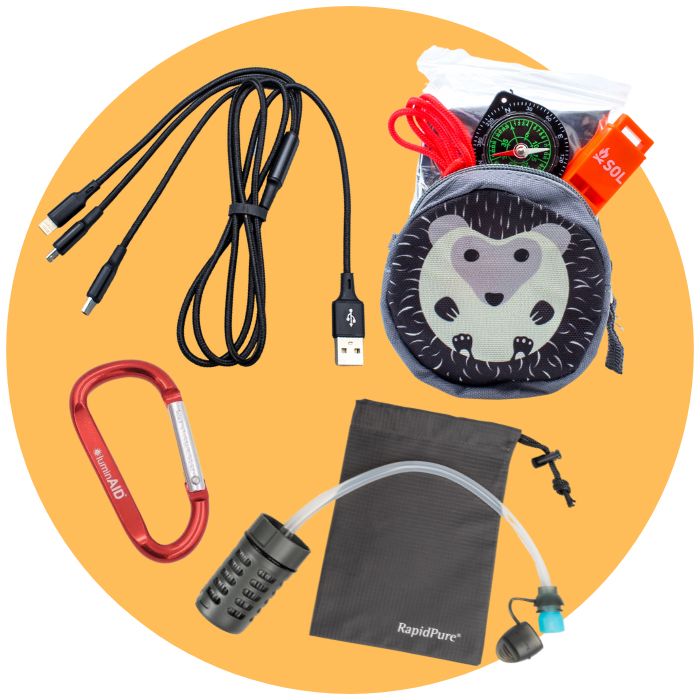
- Systemization: Equipment is often staged at distribution hubs for rapid deployment. Inventory systems are crucial for tracking life-saving resources like water purifiers from RapidPure and comprehensive first-aid stations.
- Power & Light: Sustainable, independent power is non-negotiable. Solar lighting systems, like those used in the LuminAID Give Light program, are essential for illuminating medical tents, walkways, and common areas without relying on fuel or a grid.
Ensuring Safety and Sustainability
Beyond basic shelter, this setup emphasizes long-term operational integrity and human well-being. Protocols are established to maintain equipment and manage resources effectively under challenging conditions. Daily charging routines for solar lights are optimized for local climate, and local coordinators are trained on equipment maintenance to ensure longevity.
Pro Tip: Effective humanitarian efforts rely on partnerships. Coordinating with established organizations like Mercy Corps or Team Rubicon ensures that resources are deployed efficiently and a standardized, effective setup is achieved on the ground.
8. Backyard Entertainment and Hosting Setup
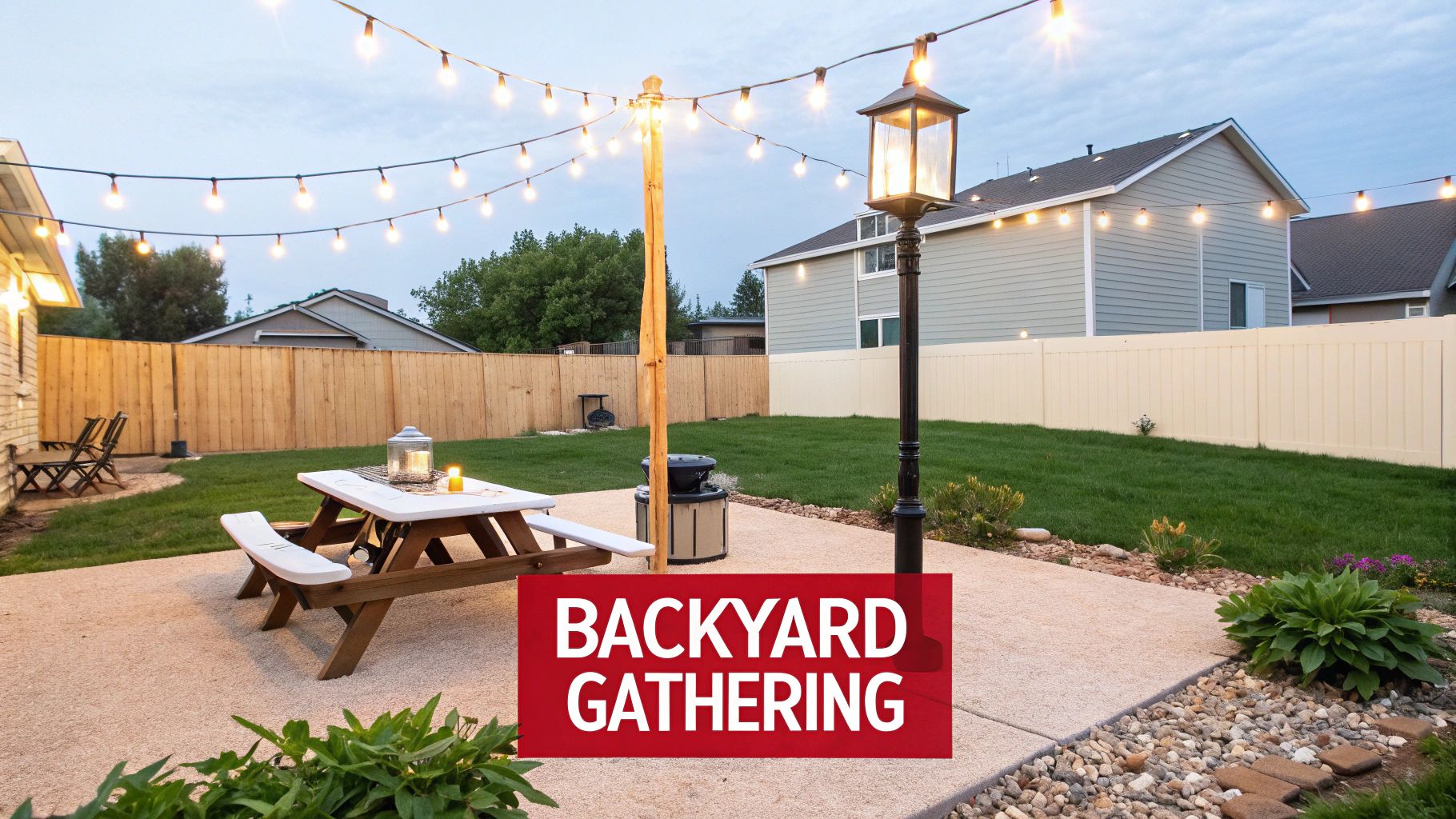
While not a traditional campsite, applying campsite setup ideas to your backyard can transform it into a sophisticated entertainment hub. This approach uses portable, solar-powered lighting to create distinct, inviting zones for dining, lounging, and socializing without needing permanent electrical work. It’s an ideal, low-commitment alternative to traditional outdoor lighting for everything from summer dinner parties to intimate backyard wedding receptions.
Designing Your Outdoor Space
The key is creating layered, ambient illumination that defines different areas and enhances the mood. This method allows for incredible flexibility, adapting to any event or season.
- Overhead Ambiance: Use LuminAID Solar String Lights stretched across the widest point of your entertaining space, like a patio or deck, to create a warm, inviting canopy of light. This establishes the primary social zone.
- Surface and Accent Lighting: Place solar lanterns on tables, along pathways, or near seating areas. This layered approach adds depth and provides focused light where it’s needed most for dining or conversation.
- Practical Power: Position a power lantern like the LuminAID Titan near a guest seating area. This not only provides light but also serves as a convenient charging station for phones and other devices.
Ensuring a Seamless Experience
To guarantee your event goes smoothly, thoughtful preparation is crucial. Ensure all solar lights receive a full day of sun before an evening gathering. As dusk settles, be prepared for insects to make an appearance. Having an effective bug repellent like Natrapel available for guests is a thoughtful touch that ensures comfort.
Pro Tip: Combine warm-toned solar lights with your natural landscaping. Placing lanterns within garden beds or near trees can highlight features and create a cohesive, professionally designed ambiance for your outdoor events.
9. Cold Weather and Winter Camping Setup
Camping in cold weather demands a specialized approach, as your campsite setup must prioritize warmth, safety, and reliable power. This configuration is designed for winter conditions where shorter days and lower sun angles reduce solar charging, yet dependable lighting becomes even more critical for safety and morale after an early sunset.
Hardening Your Gear for the Cold
The core of a winter setup is ensuring your equipment can withstand freezing temperatures. Batteries are particularly vulnerable to cold, which can drastically reduce their performance and lifespan.
- Foundation: Oversize your power capacity to at least 150% of your estimated needs to compensate for cold-induced inefficiency. Use insulated pouches or keep battery packs close to your body.
- Charging: Position solar panels to face the low winter sun, often angled more vertically than in summer. Charge devices during the peak, albeit short, daylight hours.
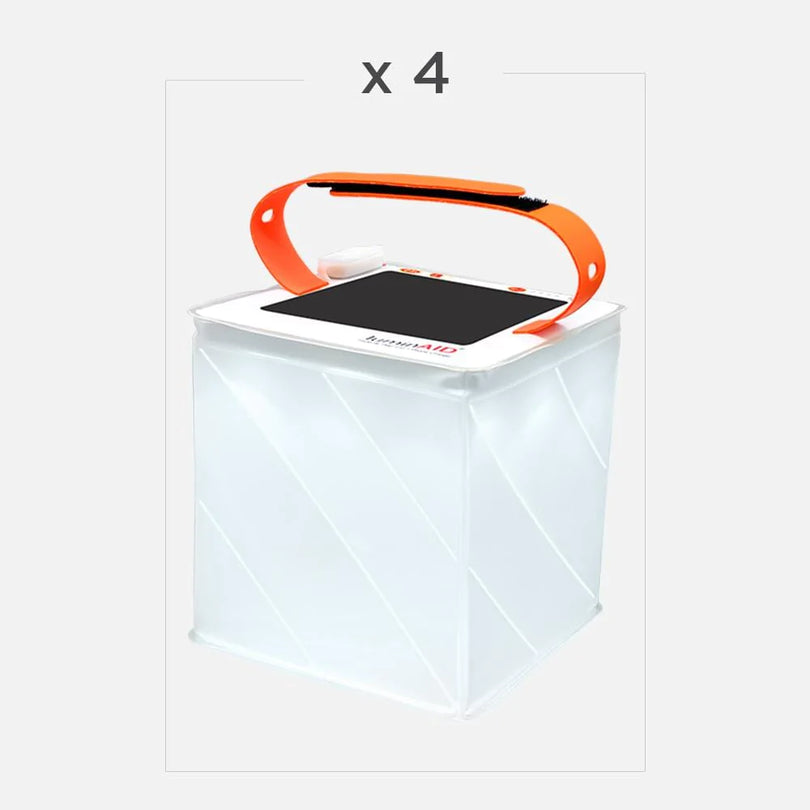
- Lighting: Utilize lighting strategically. A reliable, cold-tolerant light like the LuminAID PackLite Max 2-in-1 Phone Charger is essential, providing both illumination and a crucial power source for your phone in an emergency.
Creating a Warm and Safe Environment
Beyond physical warmth, psychological comfort is key to enjoying winter camping. Your lighting choices and safety preparations can make a significant difference in a harsh environment. Use warmer color temperature lights (around 3000K) to create a cozier, more inviting atmosphere inside your tent. Always have a well-stocked winter first-aid kit, like those from Adventure Medical Kits, readily accessible.
Pro Tip: Keep a set of fully charged backup batteries for your headlamp and other critical electronics inside your sleeping bag overnight. Your body heat will protect them from the cold and ensure they are ready to perform when you wake up.
10. Corporate Team Building and Event Campsite Setup
Transforming an outdoor space for a corporate retreat or team-building event requires a professional-grade approach to campsite setup ideas. This configuration prioritizes reliable lighting, charging infrastructure, and a polished visual aesthetic to ensure event success. It moves beyond basic camping to create a functional and branded environment that reflects corporate values like sustainability and innovation.
Designing a Professional Outdoor Venue
The key is to create an organized, well-lit, and powered environment that supports event activities, from presentations to social gatherings. This setup ensures safety, comfort, and a seamless experience for all attendees.
- Lighting Layout: Plan the placement of lights during venue scouting to maximize solar exposure for charging during the day. Use string lights to define pathways and social zones, and place brighter area lights near activity stations.
- Charging Infrastructure: Designate a central, clearly marked charging station for phones and devices. Using multiple LuminAID Titan power lanterns ensures there is enough capacity for a large group.
- Branded Experience: Coordinate with event planners to integrate lighting into the overall design. Many companies partner with LuminAID to order custom-branded lights that serve as functional event equipment and memorable, sustainable corporate gifts.
Executing a High-Impact Event
Success lies in the details and communication. For large groups, safety is paramount, so ensure first-aid stations are well-lit and easily accessible. A comprehensive kit like those from Adventure Medical Kits should be on hand.
Pro Tip: Create a sustainability narrative around your use of solar lighting and power. Communicate this in event materials to reinforce corporate ESG goals and provide attendees with a story they can share. After the event, consider donating the lights to a local nonprofit to extend their impact.
Top 10 Campsite Setup Comparison
| Setup | Implementation Complexity 🔄 | Resource Requirements ⚡ | Expected Outcomes 📊 | Ideal Use Cases 💡 | Key Advantages ⭐ |
|---|---|---|---|---|---|
| Solar-Powered Base Camp Setup | Moderate — central lanterns & chargers | Moderate equipment; higher upfront cost | Reliable off-grid lighting & device charging | Extended camping, off-grid base camps | Sustainable, quiet operation; zero fuel costs ⭐⭐⭐ |
| Ambient Lighting Ring Layout | Low — hang string lights/perimeter | Low equipment; needs hanging points | Warm, navigable atmosphere; safety paths | Family camping, glamping, festivals | Easy install; aesthetic + practical lighting ⭐⭐ |
| Emergency Preparedness Camp Kit | Moderate–High — configure redundancies & tests | High initial investment; storage & maintenance | Emergency-ready lighting and reliable charging | Disaster-prone households, preparedness kits | Dual-use (recreation + emergencies); resilient ⭐⭐⭐ |
| Minimalist Ultralight Setup | Low — single compact items, simple use | Very low weight; limited capacity | Personal lighting with minimal pack weight | Backpackers, thru-hikers, ultralight trips | Minimal weight, multifunction gear; pack-friendly ⭐⭐ |
| Family Campground Hub Setup | Moderate — zoned layout & shared resources | Medium–high equipment for family needs | Safe communal zones for activities & charging | Family trips, scout camps, multi-age groups | Promotes togetherness; child-safe layouts ⭐⭐⭐ |
| RV and Van Life Integration | Moderate — vehicle integration & mounting | Medium equipment; roof/window space needed | Backup power, extended off-grid living | Van lifers, boondocking, mobile living | Extends battery life; reduces generator use ⭐⭐⭐ |
| Disaster Relief and Humanitarian Camp Setup | High — logistics, training, scalable deployment | Very high bulk equipment & coordination | Large-area lighting; improved safety & comms | Refugee camps, disaster response operations | Scalable, durable, life-saving impact ⭐⭐⭐ |
| Backyard Entertainment and Hosting Setup | Low — temporary, plug-and-play placement | Low–medium equipment; seasonal use | Attractive, flexible outdoor entertaining space | Homeowners hosting outdoor events & parties | No wiring required; aesthetic and flexible ⭐⭐ |
| Cold Weather and Winter Camping Setup | High — specialized planning & insulation | High battery capacity; cold-rated gear | Reliable lighting in low-sun, cold conditions | Winter expeditions, mountaineering, polar camps | Enables safe winter camping; thermal-aware lighting ⭐⭐ |
| Corporate Team Building and Event Campsite Setup | High — coordination, branding, logistics | High upfront cost; bulk gear & staff | Branded sustainable experience; PR value | Corporate retreats, large outdoor events | Demonstrates ESG values; memorable events ⭐⭐⭐ |
Putting It All Together for Your Best Trip Yet
Transforming a patch of dirt into a comfortable, functional, and inviting home away from home is the true art of camping. As we've explored through these diverse campsite setup ideas, the secret isn't just about having the right gear; it’s about having a thoughtful plan. By breaking down your site into distinct zones for sleeping, cooking, socializing, safety, and storage, you create an intuitive flow that maximizes efficiency and minimizes stress.
This zonal approach allows you to move beyond simply unpacking and start intentionally designing your outdoor experience. Whether you're a minimalist backpacker leveraging an ultralight setup or a family creating a bustling campground hub, the principles remain the same. A well-placed cooking station prevents food smells from attracting wildlife to your tent, while a dedicated social area with ambient lighting creates a warm, welcoming atmosphere for evening conversations.
Key Takeaways for a Flawless Campsite
To truly elevate your next adventure, remember these core principles:
- Plan by Zone: Before you even pack, visualize your campsite layout. Where will you sleep, cook, and relax? Thinking in zones prevents chaos and ensures every item has a purpose and a place.
- Adaptability is Crucial: The ideas presented, from a cold-weather winter camp to a backyard hosting setup, are blueprints, not rigid rules. Always adapt your plan to the specific environment, weather forecast, and group size.
- Prioritize Safety: Your safety zone is non-negotiable. Always establish a designated spot for your first-aid kit, bear spray, and emergency communication devices. Keep it accessible and ensure everyone in your group knows its location. For robust safety supplies, resources like Adventure Medical Kits offer comprehensive solutions for any trip.
- Invest in Multi-Functional Gear: The most valuable items in your kit are those that serve multiple purposes. Solar-powered lanterns that also charge your devices, like those from LuminAID, reduce pack weight and simplify your entire power and lighting system.
Ultimately, mastering your campsite setup is about creating a foundation for incredible memories. A well-organized site frees you from fumbling for gear in the dark or worrying about safety logistics. It empowers you to fully immerse yourself in the experience, whether that’s watching the sunrise with a warm cup of coffee, telling stories around a flickering light, or simply enjoying the profound peace of the outdoors. The perfect campsite setup isn’t just about convenience; it’s the launchpad for your best trip yet.
Ready to illuminate your next adventure? Equip your campsite with the reliable, solar-powered light and power of LuminAID. Explore our collection of packable lanterns and chargers at LuminAID to find the perfect lighting solution for any of these campsite setup ideas.