

A good camping packing list is more than just a list—it's the blueprint for a safe, comfortable, and downright fun trip. It's what stands between you and that sinking feeling you get miles down the trail when you realize you forgot something critical.
Your Essential Camping Packing Blueprint
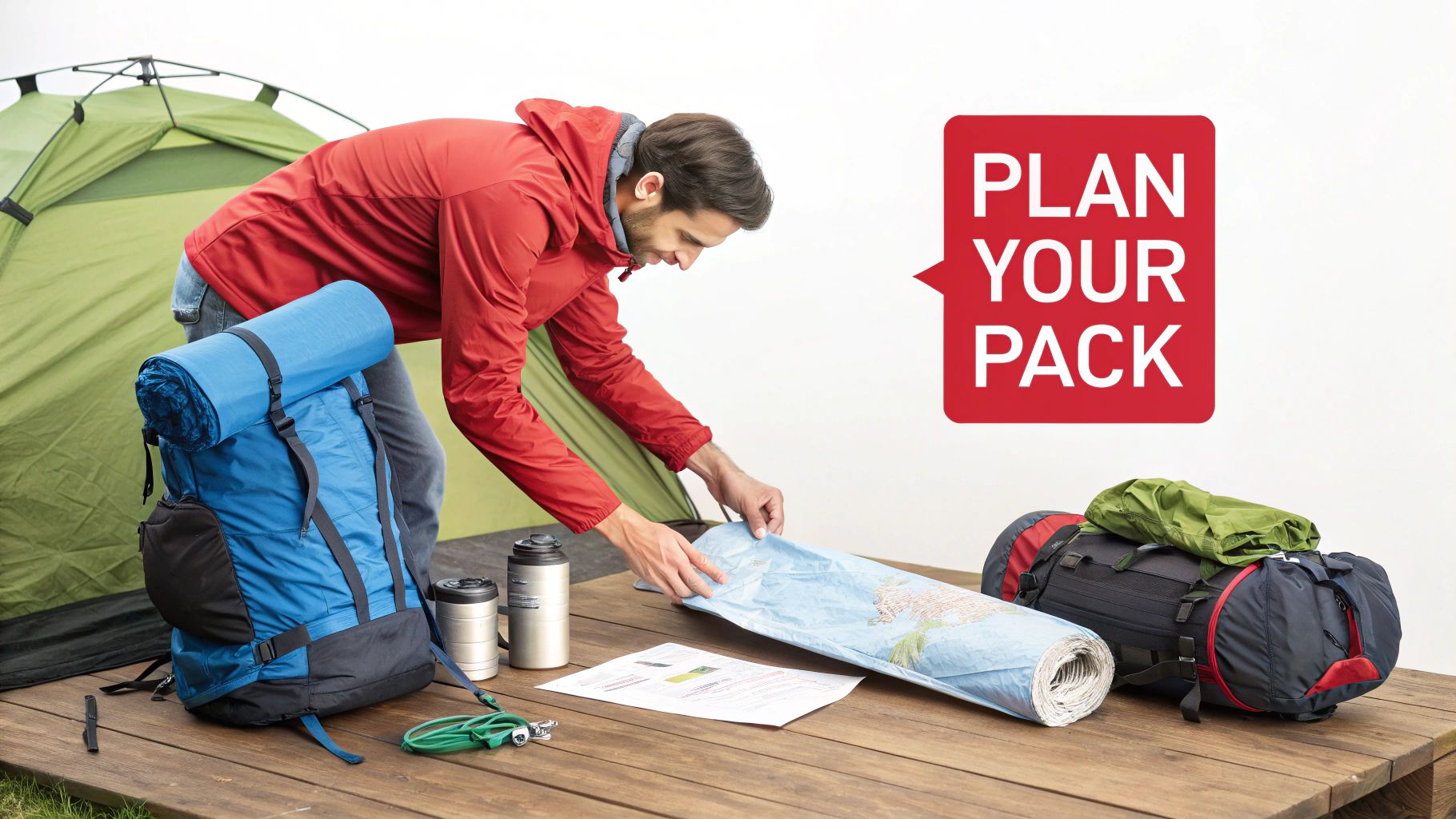
Before a single piece of gear goes into your pack, the real work begins. A truly effective list isn't a generic template you pull off the internet; it’s a plan you build around the specifics of your adventure. Skipping this step is a classic rookie mistake, and it's how you end up with a pack that's either dangerously light or painfully heavy.
The whole philosophy of smart packing boils down to three simple questions:
- Where are you going? A trip to the desert looks a whole lot different than a weekend in a dense, humid forest.
- How long will you be gone? An overnighter requires way less food, fuel, and clothing than a week-long trek.
- What will the weather be like? Always check the forecast for your destination. Pay close attention to daytime highs, nighttime lows, and any chance of rain.
Answering these questions first helps you shift from a generic checklist to a personalized gear strategy. This is where you start sorting the absolute must-haves from the "nice-to-haves."
Start With the Big Three
At the core of any tent camping or backpacking list are the "Big Three": your shelter, your sleeping system, and your backpack. These are your foundational items—and usually your heaviest. The choices you make here will ripple through the rest of your packing decisions.
An ultralight, one-person tent and a 15-degree sleeping bag, for instance, create a completely different packing scenario than a roomy four-person tent and a plush air mattress. Nail the Big Three for your specific trip, and you’ll have a solid, manageable base to build on.
The secret to a great trip isn't packing for every single "what if" scenario. It's about thoughtfully packing everything you will need and leaving the rest behind. This mindset transforms you from an anxious over-packer into a prepared, efficient camper.
To help you get started, here's a quick look at the core categories you should always have on your radar.
Core Camping Gear Categories At-a-Glance
| Category | Core Items | Key Consideration |
|---|---|---|
| Shelter | Tent, Tarp, Hammock | Weight vs. space; weather protection. |
| Sleeping System | Sleeping Bag, Pad, Pillow | Temperature rating for expected lows. |
| Backpack | Pack, Rain Cover | Capacity (liters) and fit are crucial. |
| Cooking System | Stove, Fuel, Pot, Utensils | Just boiling water or full meals? |
| Hydration | Water Bottles, Reservoir, Filter/Purifier | Capacity and ease of refilling on the trail. |
| Clothing | Layers (Base, Mid, Outer), Socks, Hat | No cotton! Focus on moisture-wicking materials. |
| Navigation | Map, Compass, GPS Device | Do you have backups? Can you use them? |
| First-Aid/Safety | First-Aid Kit, Knife, Fire Starter | Pre-made kits are great, but customize them. |
| Lighting | Headlamp, Lantern, Backup Light | Hands-free lighting is non-negotiable. |
| Power | Power Bank, Solar Charger | Keeping your phone and GPS alive. |
These ten areas form the backbone of any solid packing list, ensuring you cover all your bases from comfort to survival.
Building Out the Details
Once your Big Three are locked in, you can flesh out the rest of your list by diving into those other non-negotiable categories. Think about cooking gear, navigation tools, and of course, safety equipment.
This is also where you plan for essentials like dependable lighting and power. In recent years, these have gone from luxury items to vital gear. As camping's popularity has soared—with spending hitting $61 billion in 2024—so has the demand for reliable off-grid tech. Campers now know that a dead phone or a failed headlamp isn't just an inconvenience; it can be a genuine safety risk.
Breaking your list into logical chunks makes the whole process feel less overwhelming and makes it much harder to forget something important. You can dig deeper into these critical items in our guide to camping must-haves and essentials. With a solid plan in hand, you're ready to start pulling together the gear that will make your trip a success.
The Ten Essentials You Absolutely Cannot Leave Behind
No matter where you're headed, every solid camping list starts with a time-tested framework known as the Ten Essentials. This isn't just a random list of gear; it's a proven system for survival. The Mountaineers, a Seattle-based crew of climbers and adventurers, originally came up with it to help people handle emergencies and unexpected nights in the wild.
Think of it as your ultimate safety net. This is the gear you pack hoping you never have to use it, but you'll be profoundly grateful it's there if things go sideways. Mastering this list is the single most important part of getting ready for any trip.
1. Navigation: Always Know Where You Are (And Where You're Going)
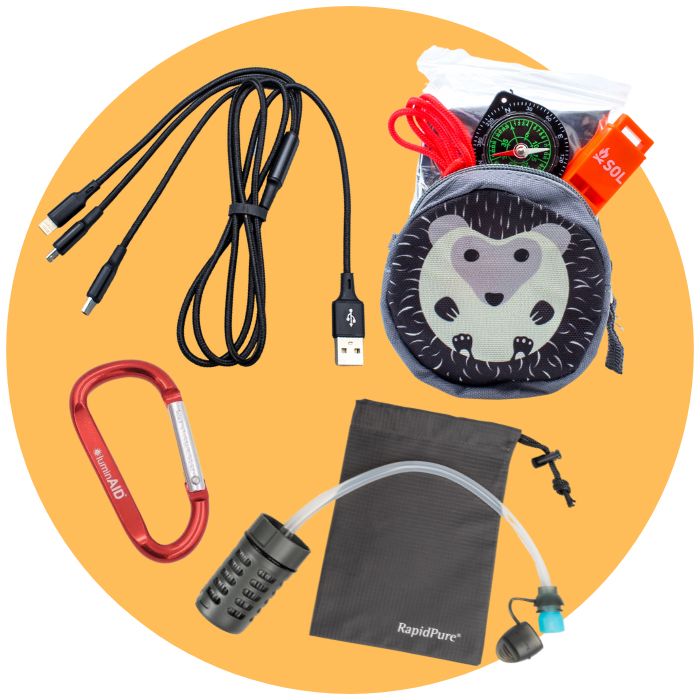
Your phone's GPS is great, until it isn't. Batteries die, screens shatter, and cell service disappears right when you need it most. That’s why the old-school combo of a physical map and compass is still the gold standard for any real camping packing list.
- Map: Get a detailed topographic map of the specific area you'll be in. Don't just rely on a general park handout.
- Compass: An analog compass is bulletproof. It doesn't need batteries and is a fundamental skill every outdoor adventurer should have.
- GPS/Satellite Messenger: For longer or more remote trips, a dedicated GPS unit or a satellite messenger makes a fantastic backup.
Seriously, learn how to use the map and compass together before you go. Practice navigating around a local park until you're confident. It's a skill that could one day save your life.
2. Illumination: See and Be Seen in the Dark
The sun drops surprisingly fast in the backcountry. A reliable, hands-free light source is non-negotiable for everything from setting up your tent after dark to finding your way on a late-night bathroom run. A headlamp is your absolute top priority.
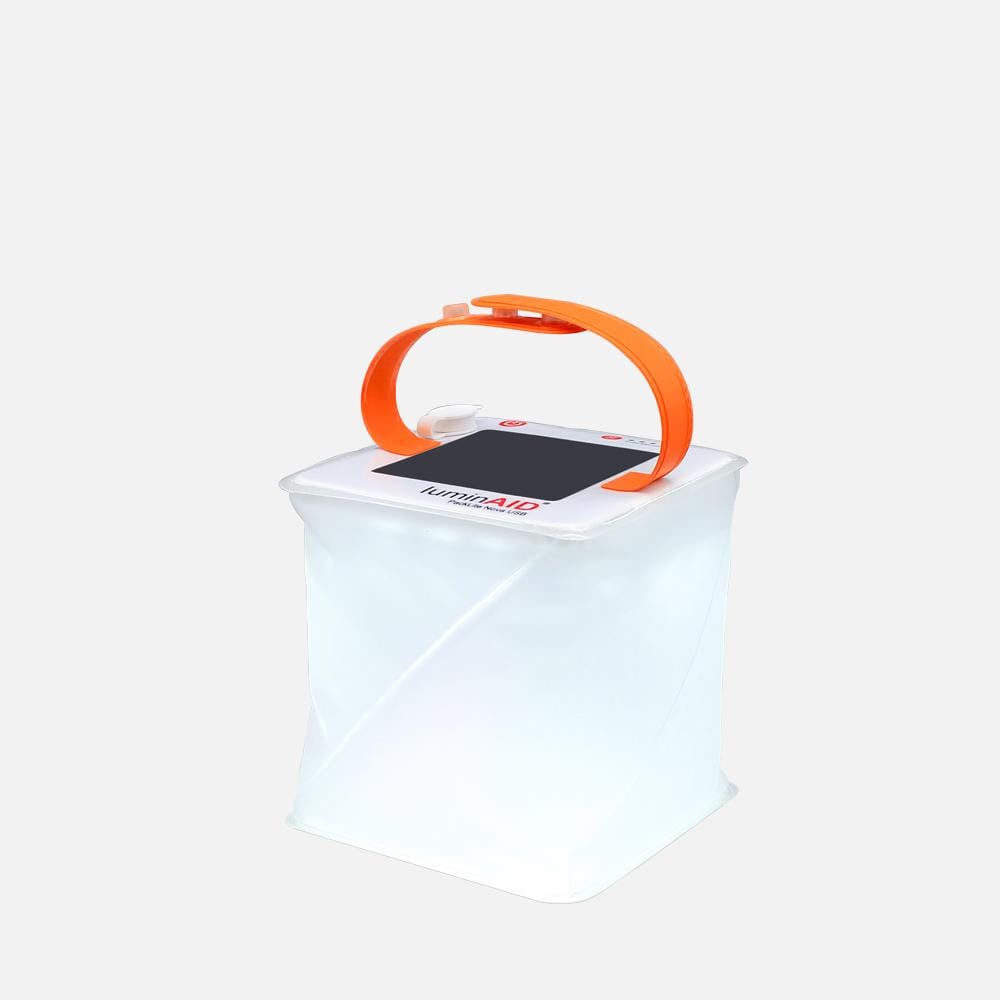
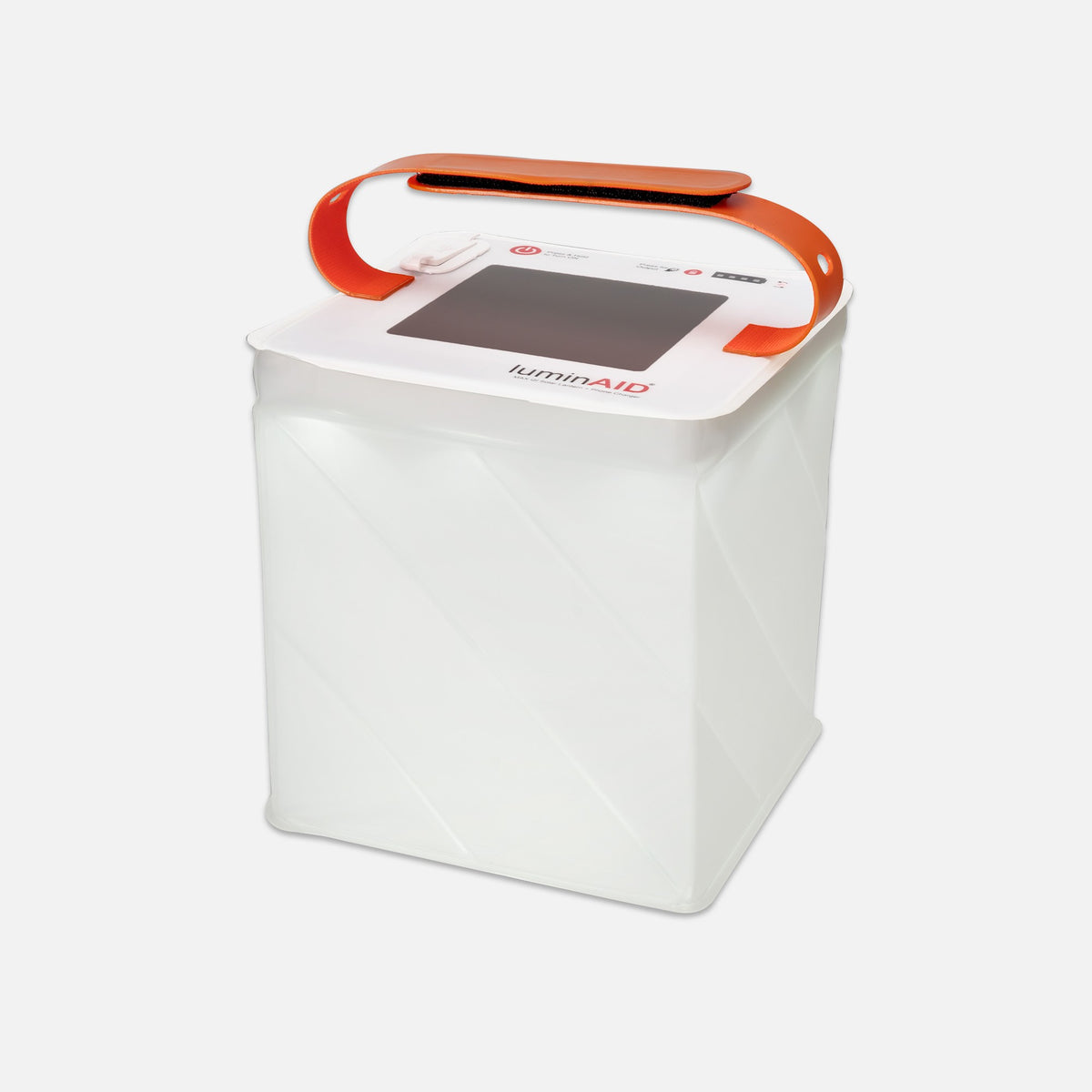
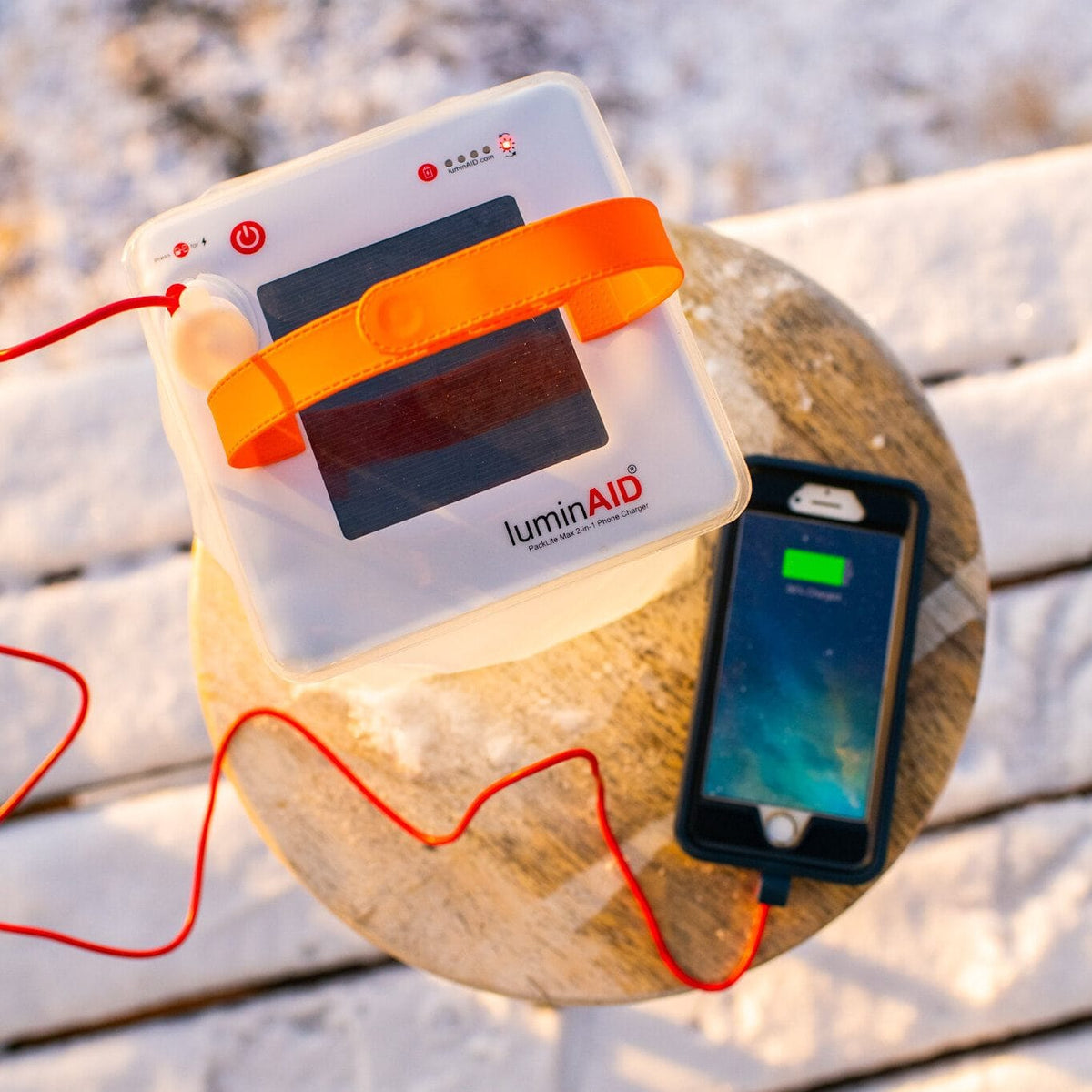
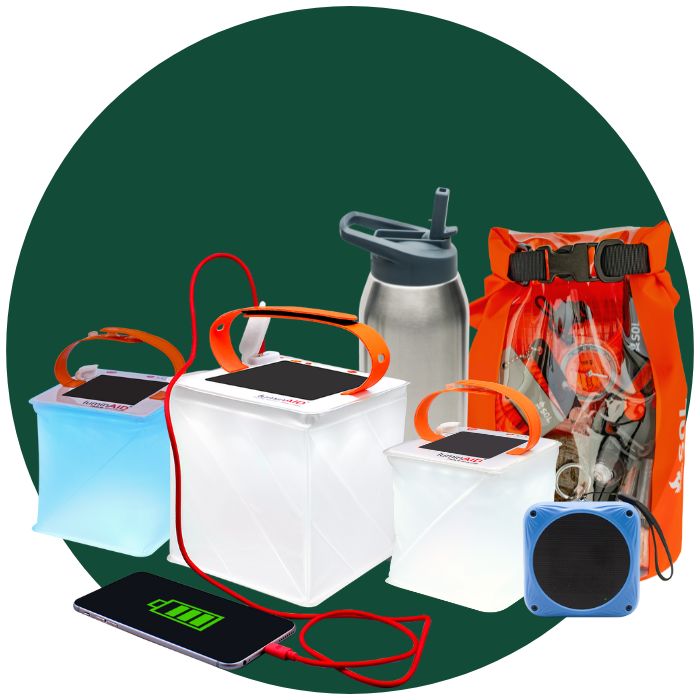
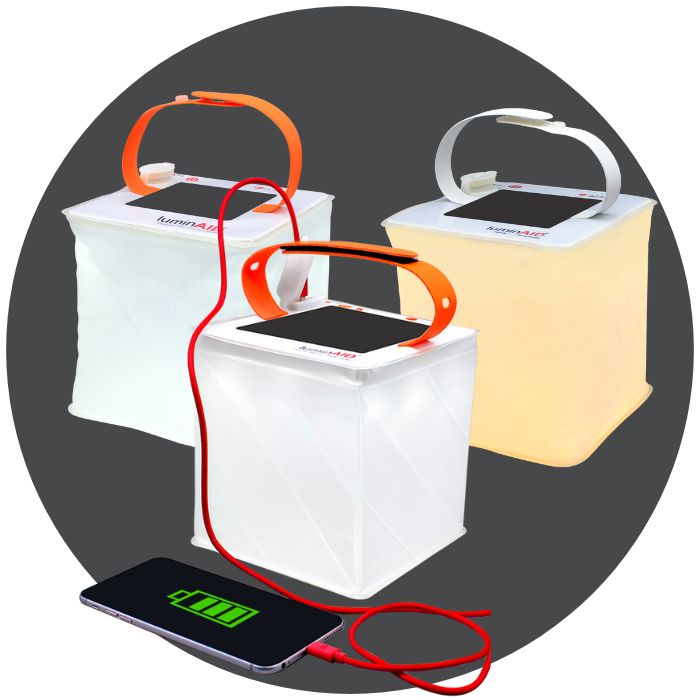
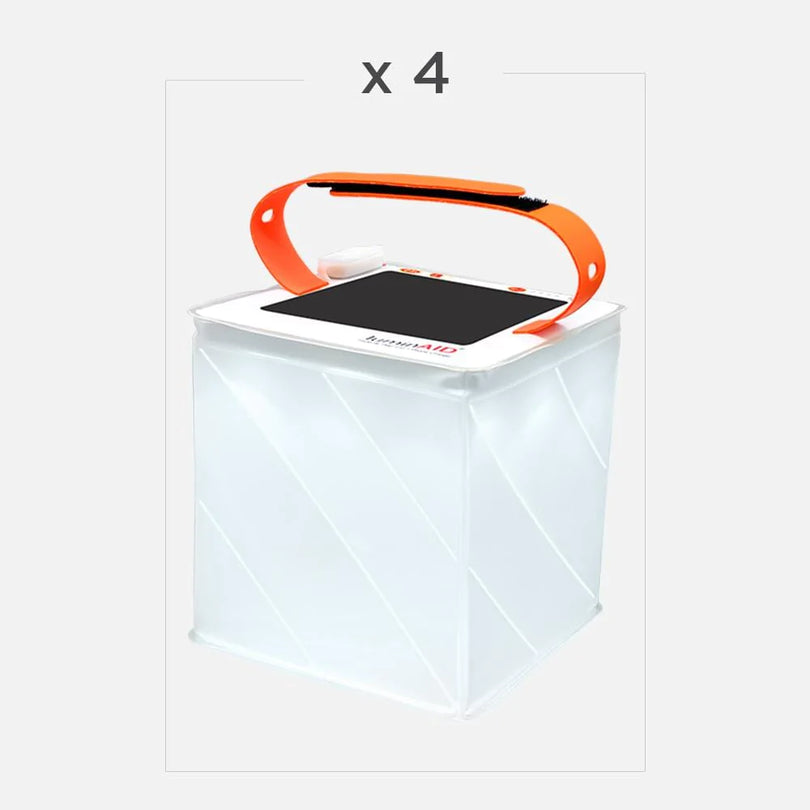
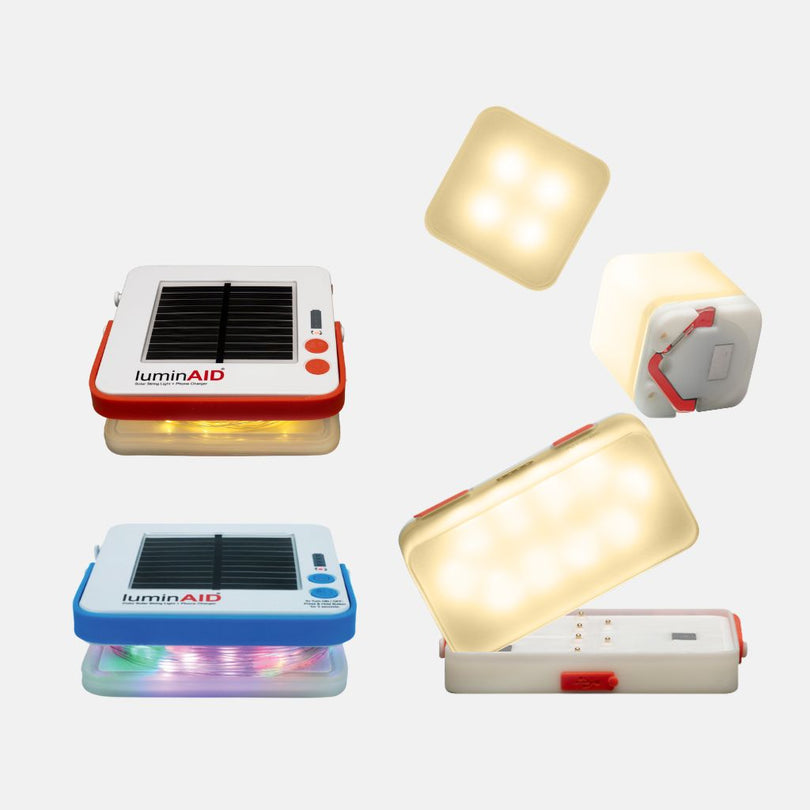
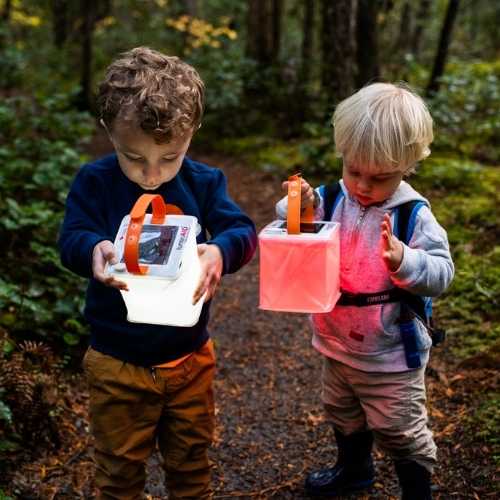
This is one area where technology has made camping so much better. Instead of weighing your pack down with spare batteries, a solar-powered option like a LuminAID Power Lantern is a game-changer. It gives you bright, ambient light for your whole tent or campsite and can even top off your phone's battery. You're basically knocking out two essentials with one lightweight, sustainable piece of gear.
3. Sun Protection: Guard Against More Than Just a Burn
Sun exposure is no joke, even on overcast days. It can quickly lead to nasty sunburn, dehydration, and heat exhaustion. This isn't just about comfort; it's about staying safe and healthy on the trail.
Always have these items in your pack:
- Sunscreen: Go for a broad-spectrum sunscreen with at least SPF 30.
- Sunglasses: Protect your eyes from harsh UV rays, especially at elevation or on snow.
- Sun-Protective Clothing: A wide-brimmed hat and a lightweight, long-sleeved shirt can make a huge difference.
4. First Aid: Prepare for the Inevitable Scrapes and Sprains
It's not a matter of if you'll need a first-aid kit, but when. From small cuts to more serious issues, having the right supplies is critical. You can build your own kit, but starting with a pre-made one designed for the outdoors is a smart move.
A great place to start is with a comprehensive kit from a trusted brand like Adventure Medical Kits. They're well-organized and packed with items you'll actually use for common outdoor injuries. Always check your kit before you leave, add any personal medications, and throw in some extra blister care—trust me on that last one.
5. Repair Kit & Tools: Be Ready to Fix Gear on the Fly
Gear fails. It's just a fact of life outdoors. Zippers jam, tent poles crack, and air mattresses spring leaks. A tiny, well-thought-out repair kit can turn a trip-ending disaster into a minor inconvenience. At a minimum, your kit should have a multi-tool, duct tape (pro tip: wrap a few feet around your water bottle to save space), and patches specific to your gear.
6. Fire: Create Warmth and a Signal When Needed
A fire can be a lifesaver, providing warmth, a way to boil water, and a powerful signal for help. Don't just bring one lighter and call it good. Your fire-starting system needs to be redundant and reliable, even in wet, miserable conditions.
- Primary: A dependable lighter or a small case of waterproof matches.
- Backup: A ferro rod or another type of fire starter that works when wet.
- Tinder: Pack some waterproof tinder, or make your own with cotton balls soaked in petroleum jelly.
7. Insulation: The Extra Layer That Could Save Your Skin
Weather in the mountains can change in the blink of an eye. That extra layer you debated leaving in the car is your emergency insulation. This isn't your main jacket for hiking; it's the "just in case" piece that lives in your pack for when temperatures plummet unexpectedly. A packable puffy jacket or an extra fleece is perfect for this.
8. Nutrition: Always Pack More Food Than You Think You Need
Rule of thumb: always carry at least an extra day’s worth of food. This doesn't have to be another freeze-dried meal. Think high-energy, no-cook snacks like protein bars, jerky, dried fruit, or a bag of nuts. If a short day hike turns into an overnight ordeal, those extra calories will be critical.
9. Hydration: Carry It, and Be Able to Purify More
Water is the most important resource out there. You absolutely need a way to carry plenty of it and a reliable method for purifying more from natural sources. Never, ever assume that a crystal-clear stream is safe to drink from without treating it first.
This is where a good water filter is essential. A high-quality purifier, like the ones from RapidPure, removes viruses, bacteria, and other nasty things, giving you peace of mind when you refill. Always carry at least one water bottle or a hydration reservoir.
10. Emergency Shelter: Your Backup Plan Against the Elements
Your tent is your primary shelter, but what happens if you get lost or separated from your camp? That's where your emergency shelter comes in. An ultralight emergency blanket from a brand like Survive Outdoors Longer or a simple bivy sack can literally save your life by protecting you from wind and rain and preventing hypothermia. They weigh next to nothing and are incredibly compact, so there's really no excuse to leave one behind.
Adapting Your List For Different Camping Styles
A generic camping packing list is a decent place to start, but let’s be honest—it’s never a perfect fit. The gear you need for a quick weekend getaway at a state park is worlds away from what you'd haul on a multi-day trek deep into the backcountry. If you treat every trip the same, you'll either be weighed down by useless stuff or, worse, caught completely unprepared.
Learning to adapt your list to the specific adventure is what separates novice campers from seasoned pros. It’s a mental shift from "what could I bring?" to "what must I bring for this trip?" This one change in perspective will save you a ton of weight, space, and headaches at the campsite.
No matter your style, some things never change. The foundational pillars of any packing list—shelter, hydration, and first-aid—are non-negotiable.
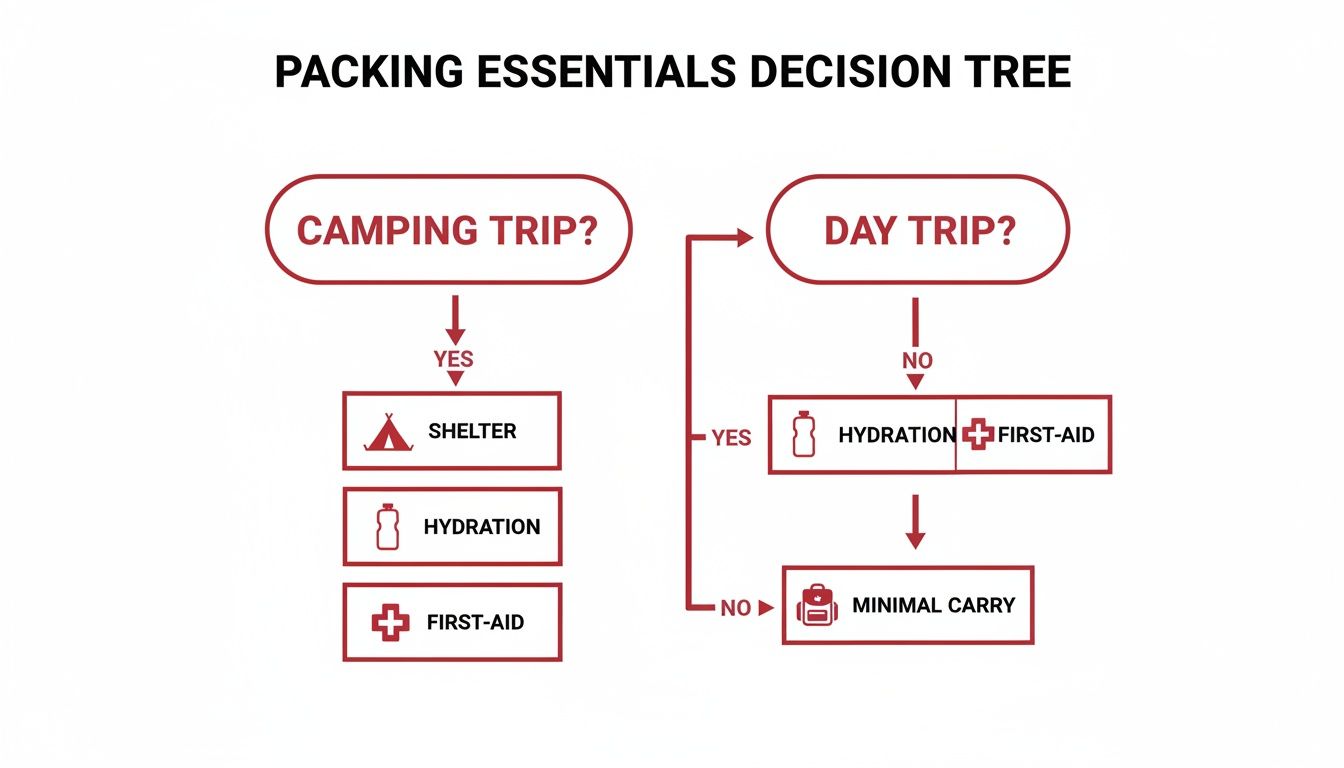
As this infographic shows, these three categories are the bare minimum for safety and basic comfort outdoors, regardless of where you're headed.
Car Camping: The Art of Comfort
When you're car camping, your vehicle is your best friend. It does all the heavy lifting, freeing you up to prioritize comfort and create a genuine home-away-from-home. Weight and packability are secondary concerns, so go ahead and bring those items that make the whole experience more relaxing and fun.
Your car camping list can be a bit more luxurious:
- A bigger, roomier tent: Think cabin-style tents where you can actually stand up and move around.
- A full-size cooler: Pack fresh food, cold drinks, and all the fixings for some gourmet campfire meals.
- Seriously comfortable sleeping gear: This is your chance to use a thick air mattress or a plush camping cot. Don't forget your favorite pillows from home!
- Ambient lighting: Create a cozy, inviting vibe with something like LuminAID's Solar String Lights. They’re perfect for draping over a picnic table or inside your tent for a warm glow that won’t kill your car battery.
- Camp chairs and a table: Having a comfortable spot to sit and eat makes a massive difference.
Backpacking: The Ultralight Imperative
Backpacking is the complete opposite of car camping. Every single ounce matters because you're carrying it all on your back. The goal is to be as light and efficient as possible without ever compromising on safety. This requires a pretty ruthless approach to gear selection.
For your backpacking list, the focus has to be on multi-functional and ultralight items. For instance, instead of packing a separate lantern and a power bank, a LuminAID Power Lantern handles both jobs, saving you critical space and weight. If you want to really get into the weeds, you can explore more about the key differences between backpacking and camping in our detailed guide.
Key swaps for a backpacking list:
- Tent: Ditch the heavy cabin tent for an ultralight, one or two-person backpacking model.
- Sleeping Pad: Swap the bulky air mattress for a lightweight, inflatable, or closed-cell foam pad.
- Cooking System: Leave the cast iron skillet at home. A small, integrated canister stove system is all you need.
- Food: Repackage everything into zip-top bags to eliminate bulky commercial packaging.
The core principle of backpacking is this: if an item doesn't serve at least two purposes or isn't absolutely essential for survival, it probably doesn't belong in your pack.
Family Camping: Blending Fun and Safety
Throwing kids into the mix introduces a whole new set of variables. Your packing list needs to expand to accommodate their specific needs, from entertainment to extra safety gear. The name of the game is keeping them comfortable, engaged, and safe, which is the secret to a fun trip for everyone.
This style often feels like a blend of car camping comfort with a few extra kid-centric essentials. Keeping everyone happy means planning for downtime and the inevitable minor mishaps.
Must-haves for a family camping list:
- Kid-specific gear: Smaller sleeping bags, chairs, and their own headlamps can make kids feel way more involved and excited.
- Entertainment: Pack a few simple games, a deck of cards, or nature scavenger hunt lists to keep them busy.
- Enhanced first-aid: Your kit needs to be ready for bug bites, scrapes, and splinters. Products like After Bite are an absolute lifesaver for treating those insect encounters that can otherwise ruin a kid's evening.
- Extra snacks and drinks: Happy kids are well-fed kids. Pack plenty of easy-to-grab, high-energy snacks.
Camping Style Gear Comparison
Choosing the right gear can feel overwhelming, especially when you're jumping between different types of camping. This table breaks down the main priorities for each style to help you make smarter packing decisions.
| Gear Category | Car Camping Priority | Backpacking Priority | Family Camping Priority |
|---|---|---|---|
| Shelter | Spacious, multi-room tents | Ultralight, compact, weather-resistant | Large capacity, easy setup, durable |
| Sleeping | Air mattresses, cots, home pillows | Lightweight pads, compressible bags | Comfortable, warm sleeping bags for all sizes |
| Cooking | Large coolers, multi-burner stoves | Integrated stove systems, dehydrated food | Large pots, kid-friendly utensils, s'mores sticks |
| Lighting | String lights, large lanterns | Multi-use lantern/chargers, headlamps | Multiple lanterns, kid-safe lights, headlamps |
| Safety | Comprehensive first-aid kit | Minimalist, essential-only first aid | Kid-focused first-aid, insect repellent |
| Furniture | Full-size chairs and tables | Sit pad or nothing | Durable chairs for all, portable table |
Ultimately, the best gear is the gear that fits your trip. A little foresight goes a long way in ensuring you have exactly what you need—and nothing you don't.
Smart Packing Strategies To Maximize Space
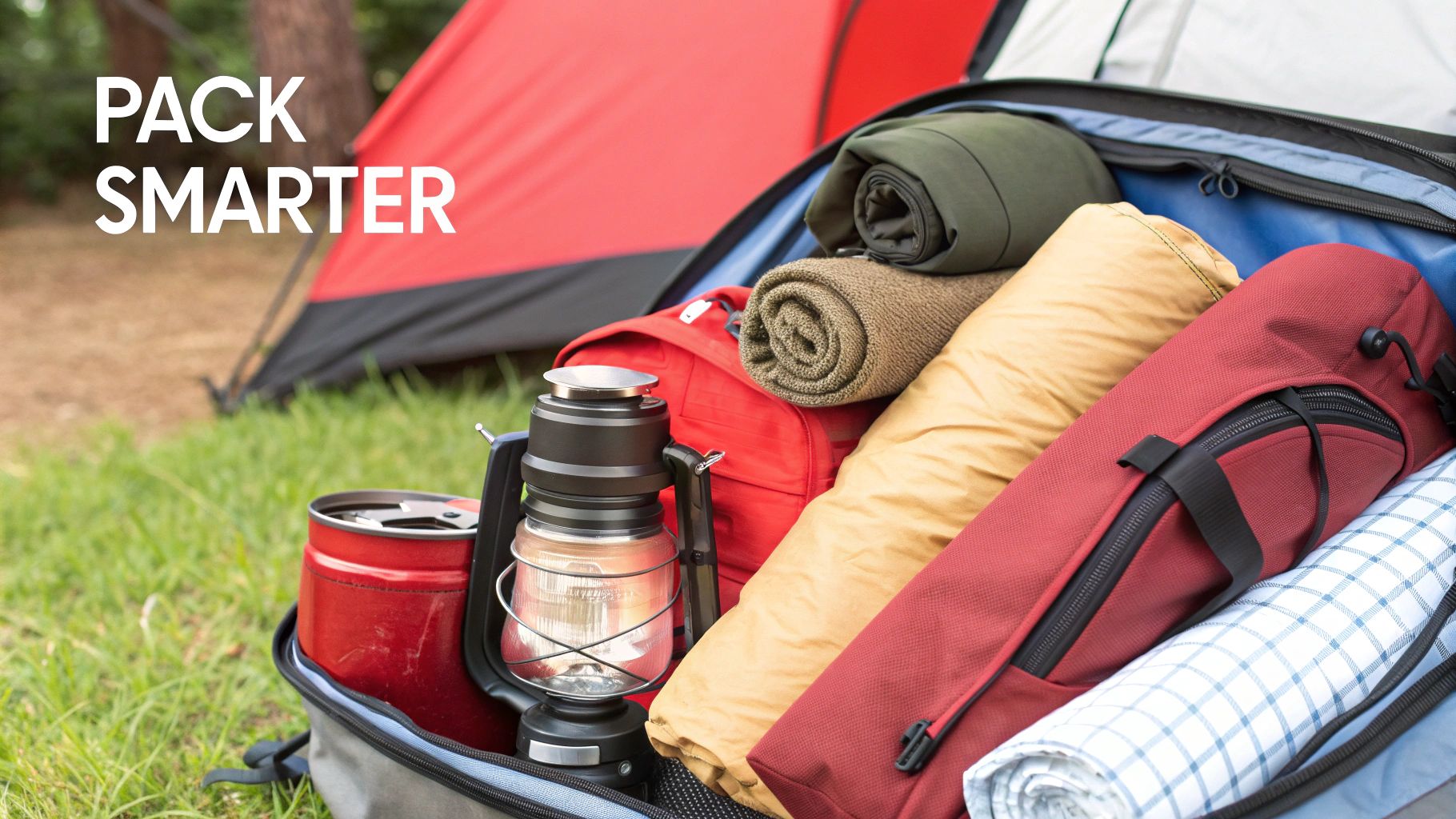
Knowing what to bring camping is one thing, but knowing how to pack it is what separates the rookies from the seasoned pros. The way you organize your gear makes a world of difference out there.
A thoughtfully packed bag isn't about cramming more stuff in; it’s about comfort on the trail and easy access to what you need, when you need it. Let's be honest, nobody enjoys emptying their entire pack just to find a headlamp. A few smart strategies can turn a clumsy, overloaded bag into a balanced, streamlined setup.
Master the Art of Compression
Let’s talk about the biggest space-hogs in your pack: sleeping bags, puffy jackets, and extra clothes. These soft, bulky items are notorious for expanding to fill any available space. The solution? Compression sacks.
These are your best friends for taming the fluff. By stuffing your soft gear inside and cinching down the straps, you squeeze out all the trapped air, shrinking items to a fraction of their original size.
- For your sleeping bag: This is a non-negotiable. A good compression sack can easily reduce a sleeping bag's volume by 30-50%.
- For your clothes: Ditch the loose pile. Stuffing your clothes into a compression sack creates a dense, solid block that’s way easier to pack around.
This one simple trick frees up a shocking amount of room, leaving you with a bag that's less of a puzzle to close.
Embrace Multi-Use Gear
Want the single most effective way to cut down on weight and bulk? Choose items that pull double-duty (or even triple-duty). Every piece of multi-use gear you pack means one less item on your camping packing list.
Think about your core needs—light, power, and shelter. Instead of a separate flashlight, a bulky tent lantern, and a heavy power bank, you can consolidate everything. A single LuminAID 2-in-1 Power Lantern gives you bright, ambient light for the tent and has a built-in USB port to top off your phone or GPS. That's three items replaced by one smart, solar-powered solution.
Every item in your pack should earn its place. Before packing something, ask yourself: "Does this do more than one job?" The more you prioritize multi-functionality, the lighter and more efficient your pack will become.
Roll, Don't Fold
When it comes to packing clothes, there’s a clear winner in the age-old "roll versus fold" debate. The "ranger roll" is a technique perfected by the military to create tight, compact logs of clothing that stay neat and fit snugly into the nooks and crannies of your pack.
Rolling your shirts, pants, and socks not only saves a ton of space, but it also makes it easier to see everything at a glance. No more digging through a stack of folded shirts to find the one you want. For a deeper dive into this and other genius methods, check out these essential packing hacks for any adventure.
Organize Your Food Smarter
Commercial food packaging is a backpacker's nightmare. It’s bulky, wasteful, and designed for grocery store shelves, not the trail. Before you head out, spend a little time repackaging your meals.
Move things like pasta, rice, trail mix, and dehydrated meals from their original boxes into simple zip-top bags. This lets you squeeze out all the excess air and pack only what you actually need. Just grab a permanent marker to label each bag with its contents and any quick cooking notes. You'll be amazed at how much space—and future trash—this simple step saves.
Beyond The Basics For Comfort And Safety
Once you’ve got the essentials dialed in, it's time to think beyond just surviving. A few smart additions to your camping packing list can make the difference between a trip you endure and one you truly enjoy. This is where you upgrade a basic site into a comfortable, safe, and memorable basecamp.
This is your chance to add a little personality—and even some luxury—to your outdoor setup. Think about what helps you unwind after a long day of hiking. For a lot of us, that starts with decent camp furniture, like a sturdy chair for kicking back by the fire or a small table so you’re not prepping dinner on your knees.
Elevating Your Camp Kitchen And Comfort
There's nothing quite like a great meal to cap off a perfect day in the woods. Moving beyond a simple stove and pot can make a massive difference in your camping experience. Why not pack a camp-friendly French press for a real cup of coffee at sunrise? Or swap the spork for a set of actual utensils?
These small comforts add almost no weight, especially for car camping, but the morale boost is huge. Another game-changer is how you light up your site after the sun goes down.
The right lighting does more than just help you see; it sets the mood. Swapping a harsh, functional headlamp beam for the soft, warm glow of an ambient lantern makes your campsite feel less like a temporary stop and more like an outdoor living room.
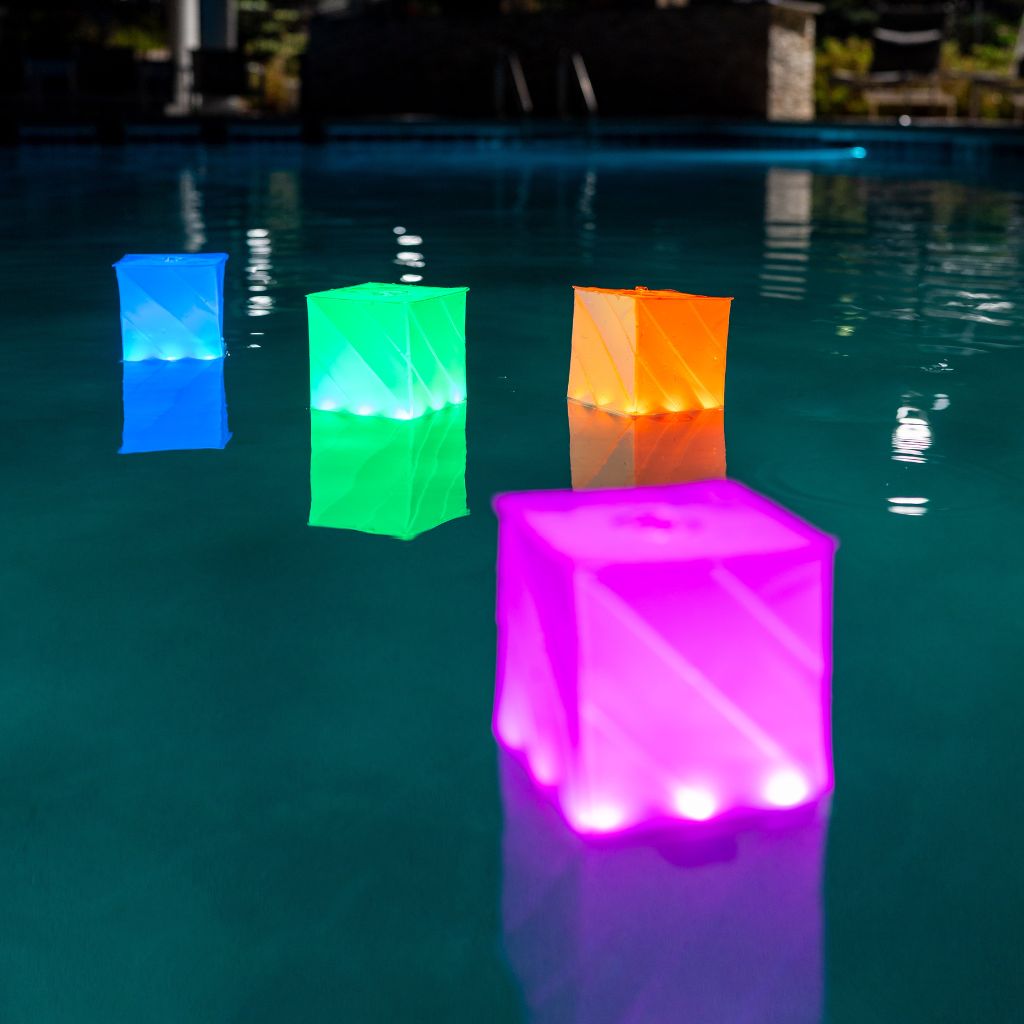
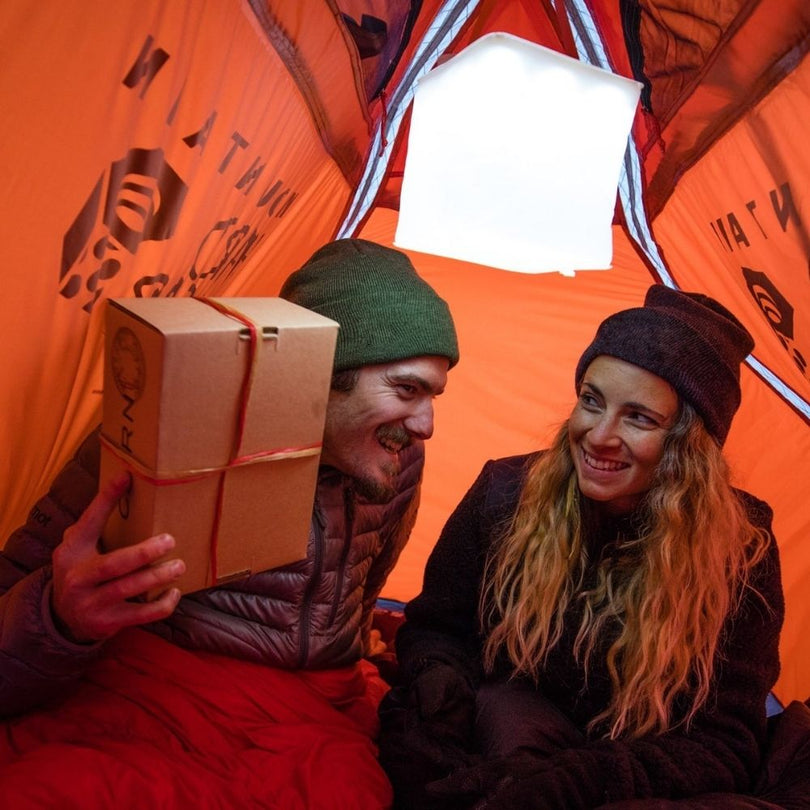
An ambient light source, like a LuminAID warm-light lantern, casts a relaxing glow that's perfect for a game of cards, reading, or just soaking in the sounds of the night. This is one of the easiest ways to create a cozy campsite ambiance and make your spot feel like home.
Advanced Safety For Peace Of Mind
Your first-aid kit is great for cuts and scrapes, but some environments require a more serious approach to safety. If you're camping in bear country—which is a huge chunk of North America—carrying bear spray isn't just a good idea; it's an essential piece of safety gear.
Don’t skimp here. Get a reliable product from a brand like Counter Assault, known for its proven formula. And just as important: know how to get to it in a hurry and exactly how to use it before you need it.
Biting insects can also be anything from a minor annoyance to a genuine health threat. A good insect repellent is a smart move. Brands like Natrapel use picaridin, which is a great DEET alternative that works against a wide range of bugs without melting your gear. For serious remote trips, like heading deep into the 'Aussie outback', an ACR rescue beacon is a non-negotiable for when you’re far beyond cell service.
Useful Tools For Unexpected Challenges
You don't need to haul a full toolbox, but a few well-chosen tools can solve a surprising number of problems at camp. These three have proven their worth time and time again:
- A Small Hatchet or Saw: Perfect for processing firewood at sites where gathering wood is allowed.
- Paracord or Utility Rope: This stuff is incredibly versatile. Use it for a clothesline, securing a rain tarp, or making countless emergency repairs.
- Duct Tape: It's a classic for a reason. Just wrap a few feet around your water bottle or trekking pole so you always have some on hand for patching gear.
Packing these "beyond the basics" items isn't just about preparing for survival. It's about planning for comfort, ensuring a higher level of safety, and giving yourself the ability to truly thrive in the outdoors.
Your Complete Camping Packing Checklist
Alright, you've figured out the strategies and picked your gear for the adventure ahead. Now it's time to pull it all together. Think of this as your master checklist—the final once-over before you head out the door, making sure nothing important gets left on the living room floor.
Go ahead and print it, save it to your phone, whatever works. Just use it. This list breaks everything down into the logical categories we've talked about, so it’s easy to see what you’ve got and what you still need.
Shelter And Sleep System
This is your home away from home. A good night's sleep is non-negotiable, so double-check that you have every piece of your shelter system.
- Tent, poles, stakes, and guylines
- Footprint or ground tarp
- Sleeping bag (check that temperature rating!)
- Sleeping pad or air mattress
- Camp pillows
- Emergency shelter (like a bivy or space blanket)
Cooking And Kitchen
Let's be real: good food is what turns a good trip into a great one. Make sure your camp kitchen is stocked and ready for that morning coffee ritual or a big dinner under the stars. Speaking of which, you'll need plenty of fuel for your adventures. For ideas on awesome camping food snacks, you can find some great inspiration to keep your energy up.
- Stove and fuel
- Cook pot and pan
- Plates, bowls, and mugs
- Eating utensils
- Cooler and ice
- Water bottles and reservoir
- Water filter or purification tablets
- Biodegradable soap and sponge
- Trash bags (pack it in, pack it out—always)
- Food for all meals, plus an extra day's worth just in case
Clothing And Footwear
The golden rule is layers. Weather can turn on a dime, so you need to be ready for anything. Ditch the cotton and stick with materials that pull moisture away from your skin and dry out fast.
- Moisture-wicking base layers
- Insulating mid-layer (fleece or a puffy jacket)
- Waterproof/windproof outer layer (rain jacket and pants)
- Hiking pants or shorts
- Shirts (long and short sleeve)
- Extra socks (wool or synthetic is your friend)
- Hiking boots or trail shoes
- Camp shoes (sandals or something comfortable to slip on)
- Hat (for sun and for warmth)
- Sleepwear
This checklist is your safety net. The goal isn't just to remember everything but to build a habit of systematic preparation. A well-checked list is the foundation of every successful and stress-free adventure.
Safety, First Aid, And Navigation
These are the items you hope you never need, but you’ll be incredibly glad you have them if you do. Check them, double-check them, and know how to use them before you go.
- First-aid kit (make sure it's customized with your personal meds)
- Headlamp or flashlight with extra batteries
- Navigation tools (map, compass, GPS)
- Sunscreen and sunglasses
- Insect repellent
- Multi-tool or knife
- Fire starters (lighter, waterproof matches, ferro rod)
- Bear spray and a bear canister (if you're in bear country)
- Whistle or signaling device
Personal And Miscellaneous Items
Here are all the little things that add a touch of comfort and convenience to your campsite.
- Toiletries (toothbrush, toothpaste, etc.)
- Quick-dry towel
- Toilet paper
- Hand sanitizer
- Power bank or solar charger
- Camp chairs and table
- Daypack for short hikes
- Permits, ID, and cash
Trip-Specific Gear
Every adventure is a little different. Is it a fishing trip? A photography expedition? Use this space to jot down the gear that's unique to this particular outing.
Now that your camping packing list is complete, make sure your lighting and power needs are covered with reliable, solar-powered gear. LuminAID provides dependable Power Lanterns and Solar String Lights that are built for the outdoors, ensuring you’re never left in the dark. Equip your next adventure at https://luminaid.com.