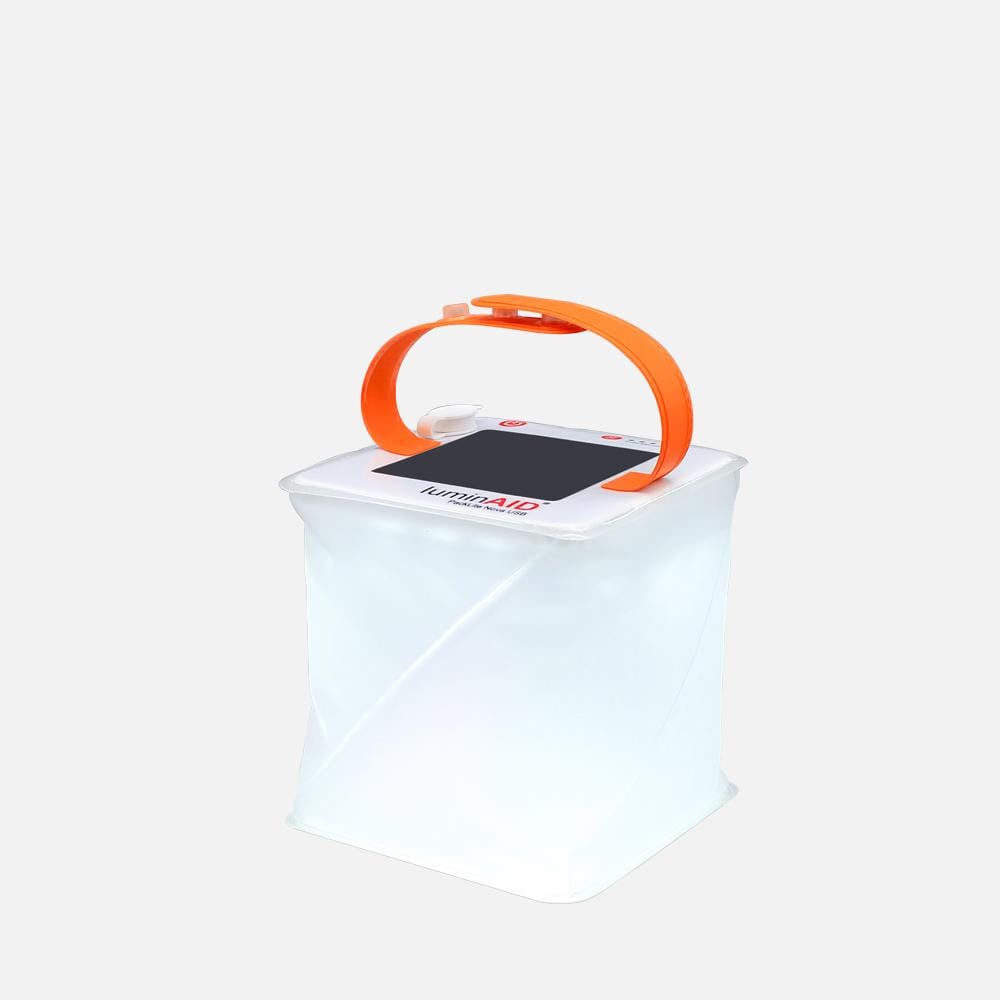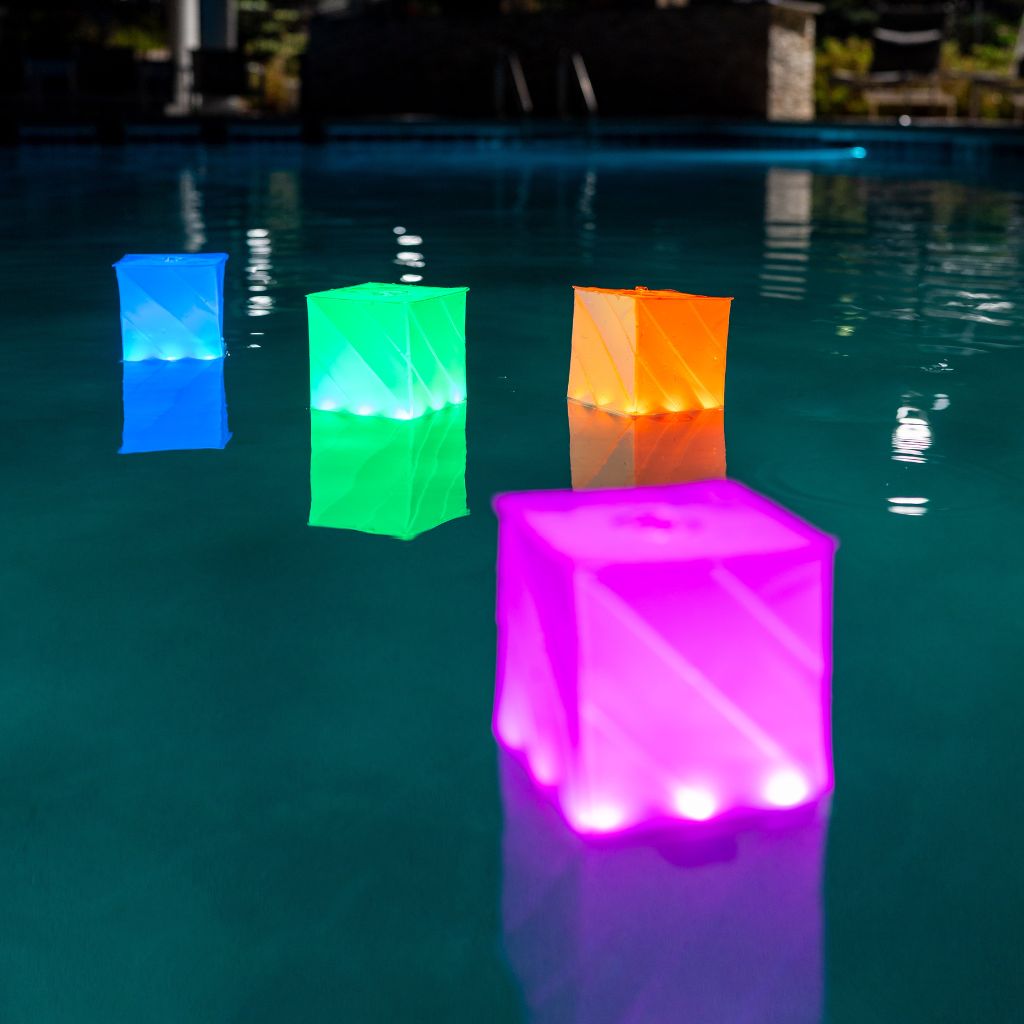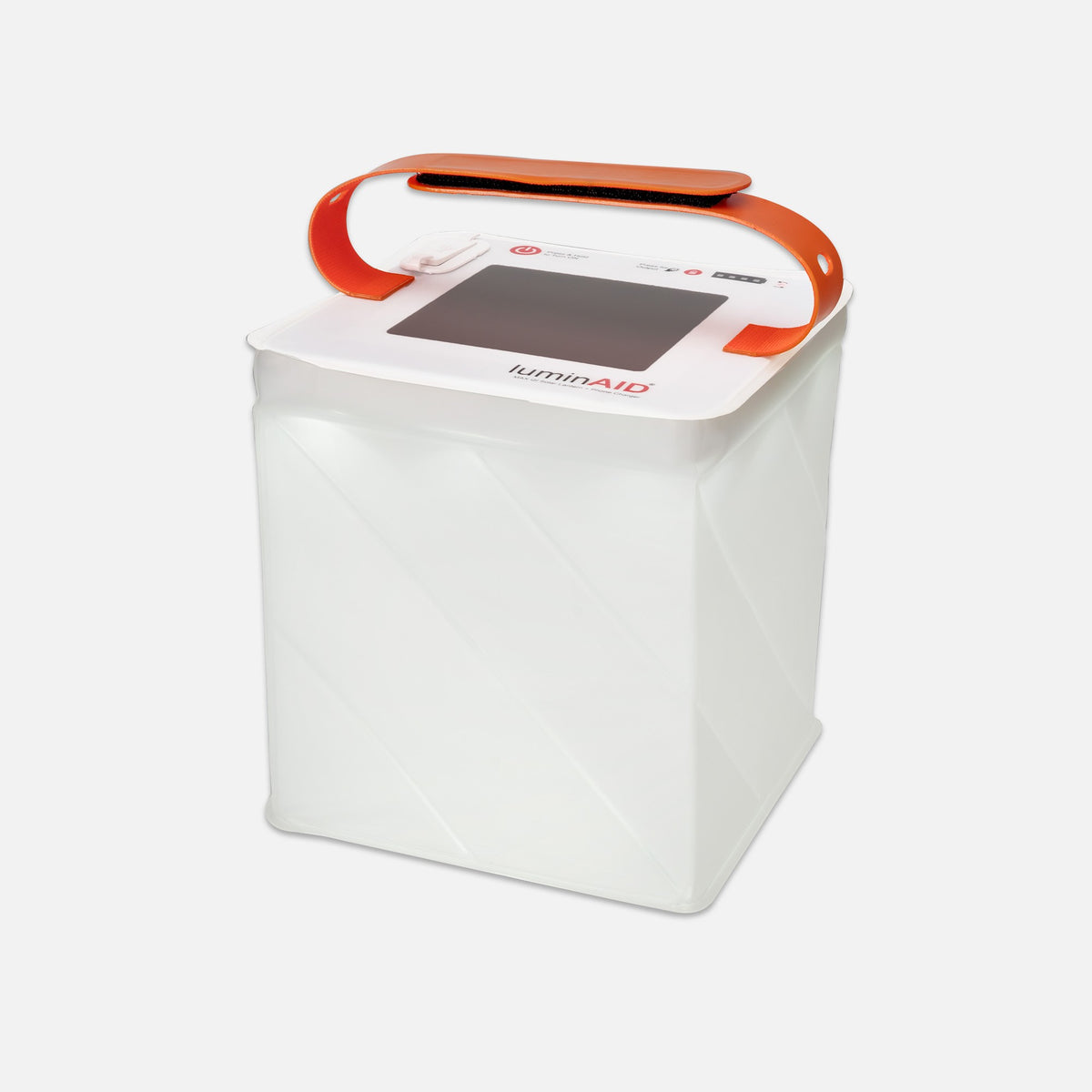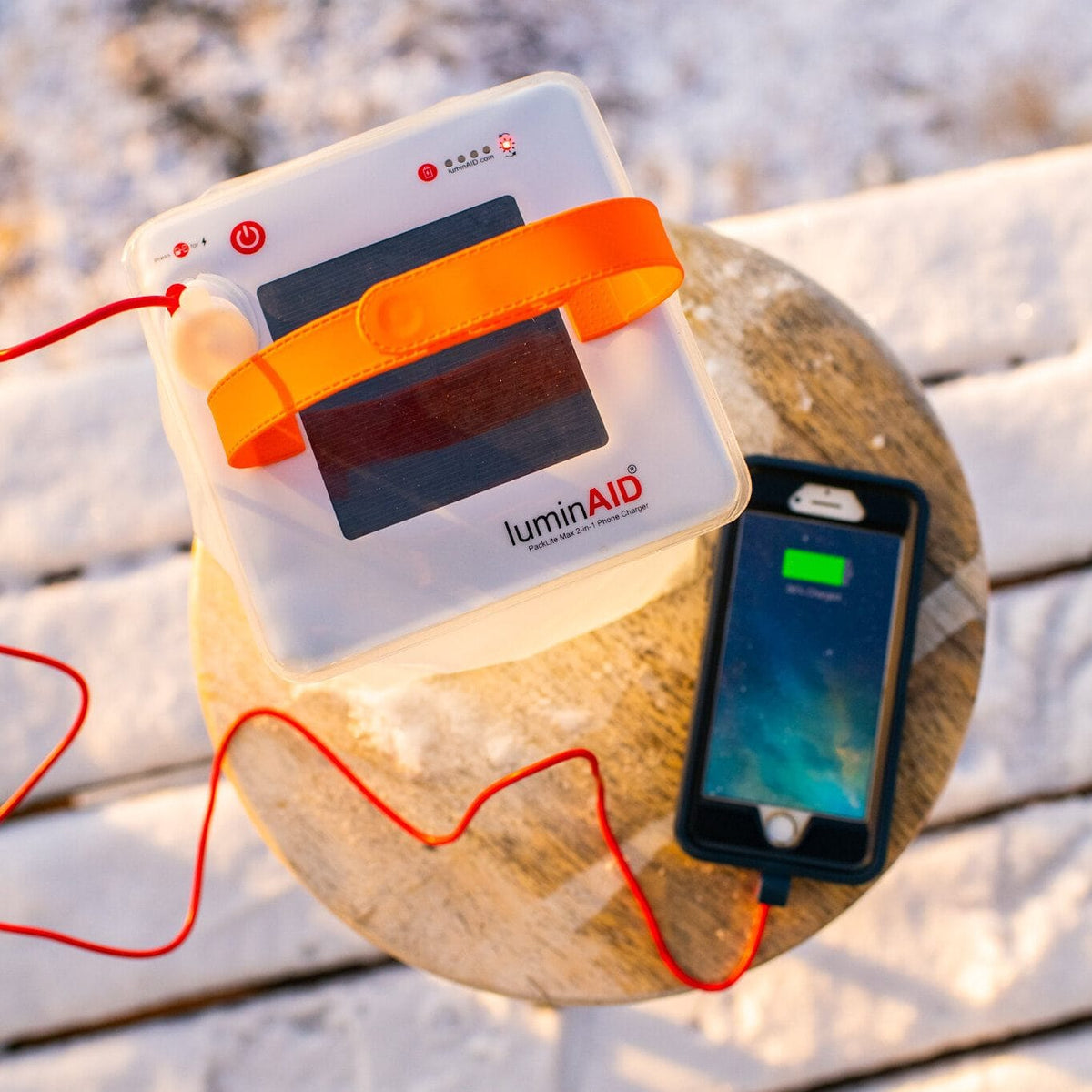
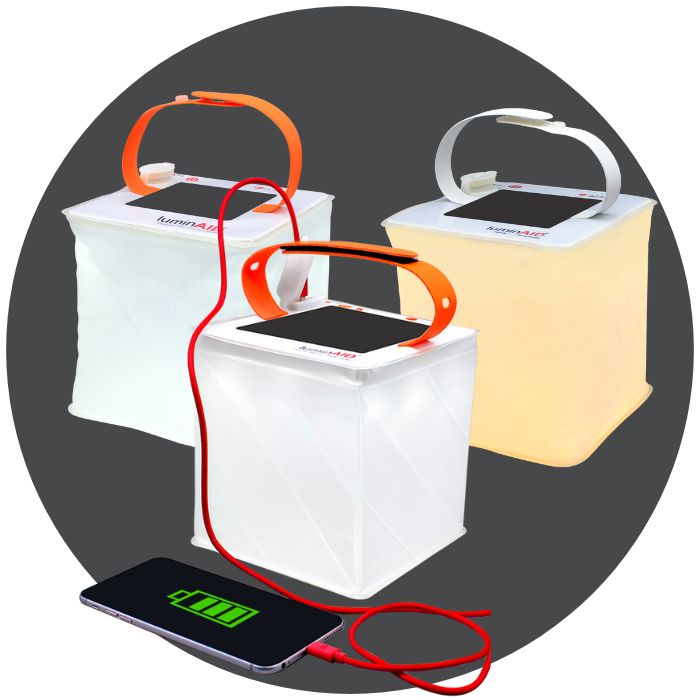
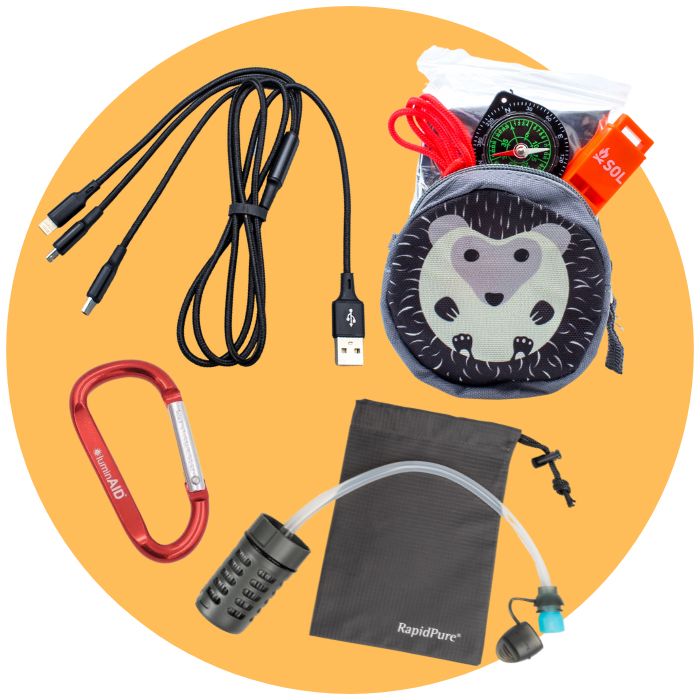
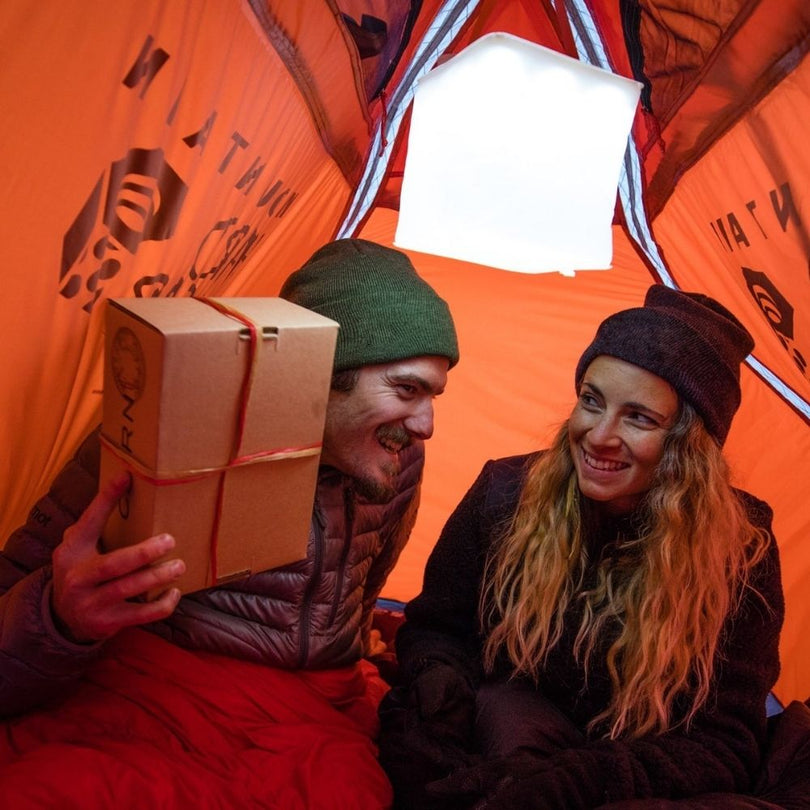
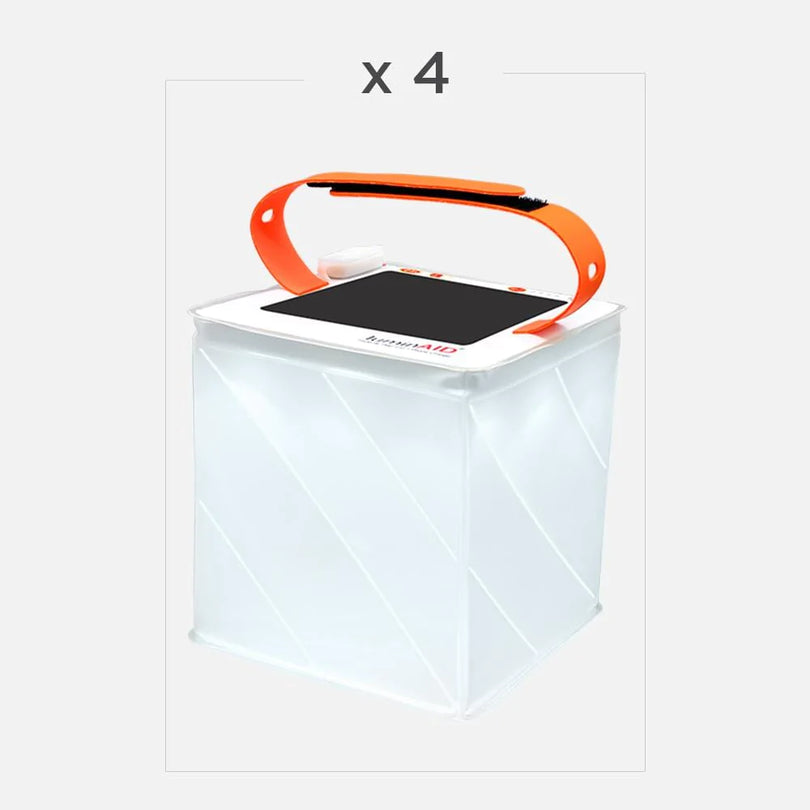

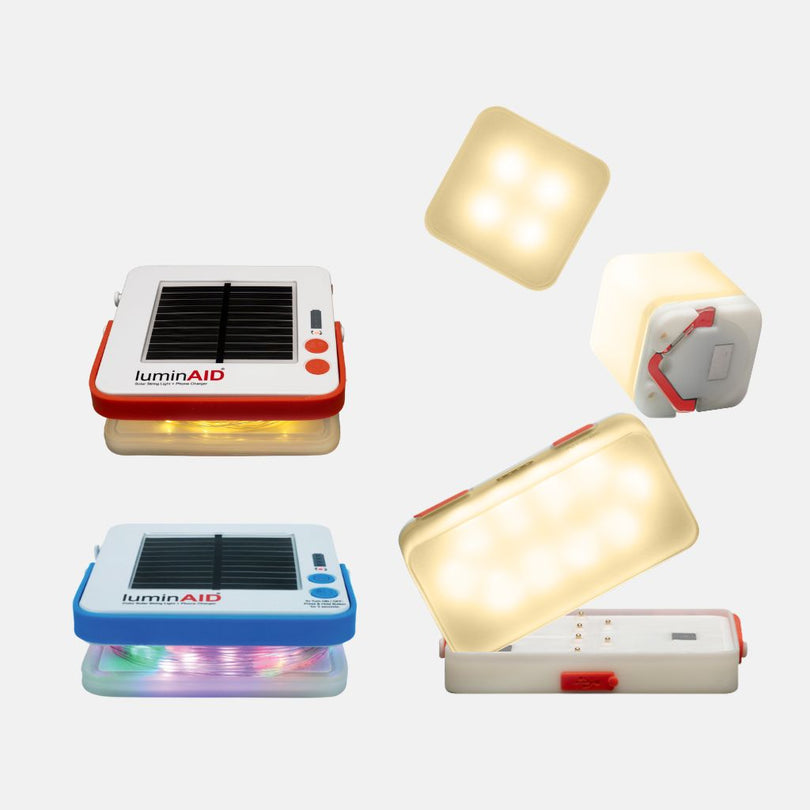
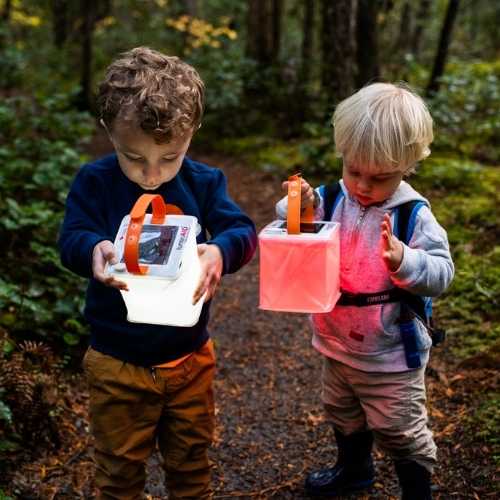

Imagine being at your campsite with a warm, reliable glow. You're not worried about fumbling for batteries or dealing with messy fuel. The best solar lanterns for camping make this possible. Solar lanterns offer a sustainable, super-convenient, and safe way to light up everything from a backyard hangout to a backcountry trek. They’ve become an essential piece of modern gear through simplicity and eco-friendly design.
Why Choose a Solar Lantern for Your Next Adventure?
The days of digging your pack for spare batteries in the dark or worrying about spilling fuel from using the old gas lanterns are gone. Modern solar lanterns give you a dependable light source that can harvest power by the a reliable energy source, the sun.
This isn't just about being green; it's about practicality and hassle-free light, wherever, whenever. Think of it as your own personal, self-sufficient lighting system. It soaks up sunlight through the day, banking that energy, and by nightfall it's ready to light up your tent, cooking station, or the late-night card game. This simple process frees up space in your pack and means less waste to carry out.
The Modern Camper's Go-To Light
Today’s campers want gear that’s both smart and sustainable, and solar lanterns nail it. They slash the ongoing cost of disposable batteries and eliminate the safety risks that come with flammable fuels, making them a fantastic choice for families with kids and pets.
This focus on safety and being prepared is why a good light source is a cornerstone of any emergency kit. It sits right alongside other essentials from trusted names like Adventure Medical Kits that you count on when things get serious. A well-rounded kit also includes reliable insect repellent from brands like Natrapel to keep you comfortable and protected.
Excellent product! The charging features elevate the already great lantern to an efficient tool that is perfect for road trips, camping, hunting, or at home when the power goes out. Highly recommend. - Kathleen
To help you sort through all the options, it’s helpful to know what makes a great solar lantern tick. The table below breaks down the key specs you'll want to look at, giving you a quick snapshot of what really matters.
Quick Guide to Solar Lantern Features
Here's a look at the most important features to help you quickly compare lanterns and find the perfect one for your adventures.
| Feature | What It Means for Campers | Typical Range or Options |
|---|---|---|
| Lumens (Brightness) | This tells you how much light the lantern puts out. Higher lumens are great for big areas, while lower can work perfectly for reading in your tent. | 20 lumens (ambient) to 300+ lumens (area lighting) |
| Runtime | The number of hours you'll get on a full charge. This is important for multi-day trips where sunny days aren't guaranteed. | 6 to 50+ hours, depending on the brightness setting |
| Charge Time | How long it takes to fully charge the battery using the solar panel or a USB port. Remember, solar charging depends on the weather. | 8-24 hours by solar power, or 1-4 hours by USB |
| IP Rating (Durability) | This shows how well the lantern resists dust and water. A higher number means better protection against rain, splashes, and dirt. | IPX4 (splash-proof) to IP67 (dustproof, waterproof) |
Understanding these core specs is the first step. It lets you cut through the noise and zero in on a lantern that truly fits your camping style, whether you’re a weekend warrior or a seasoned thru-hiker.
How Solar Lanterns Turn Sunlight Into Campsite Light
Ever wondered how that simple panel on your lantern soaks up sunlight all day and then, like magic, lights up your campsite hours later? The whole process is actually pretty straightforward.
Think of your solar lanterns for camping as a tiny, self-sufficient power plant. Or maybe a "sunlight piggy bank" is a better way to put it.
You collect sunlight during the day, convert it into electrical energy, and store it away in the internal battery—the “bank.” When night falls, you just “withdraw” that stored energy as bright, reliable light for your tent or picnic table.
The Magic of Photovoltaic Cells
The real workhorse here is the photovoltaic (PV) cell, which is just a fancy name for the solar panel. These cells are made from special materials, usually silicon, that have a unique reaction to sunlight. When photons—tiny particles of light from the sun—hit the panel, they knock electrons loose from their atoms.
This creates a flow of electricity, almost like water flowing through a pipe. The more intense the sunlight, the more photons strike the panel, and the stronger the electrical current gets. It's why placing your lantern in direct, bright sunlight is always the fastest way to charge it up.
This core principle of capturing, converting, and storing energy is the same for all off-grid solar gear. If you're curious how this scales up, you could check out a guide to boat solar panels for energy independence, which operates on very similar ideas, just on a larger scale.
Storing Energy for a Dark Night
Of course, capturing the sun's energy is only half the battle. Your lantern needs a way to hold onto that power until you're ready to use it. That's where the internal rechargeable battery comes in. The electricity generated by the PV cells flows right into this battery, which is usually a modern lithium-ion type.
These batteries are perfect for camping gear because they are:
-
Lightweight: They won’t add any meaningful weight to your pack.
-
Efficient: They hold a charge well and can be recharged hundreds of times.
-
Durable: They're built to handle the bumps and tumbles of any outdoor adventure.
Once the sun sets, a simple flick of a switch on your lantern completes the circuit. The stored energy flows from the battery to the LED bulbs. These LEDs are incredibly efficient, meaning just a little bit of stored solar power can provide hours and hours of light, keeping your campsite bright long after dark.
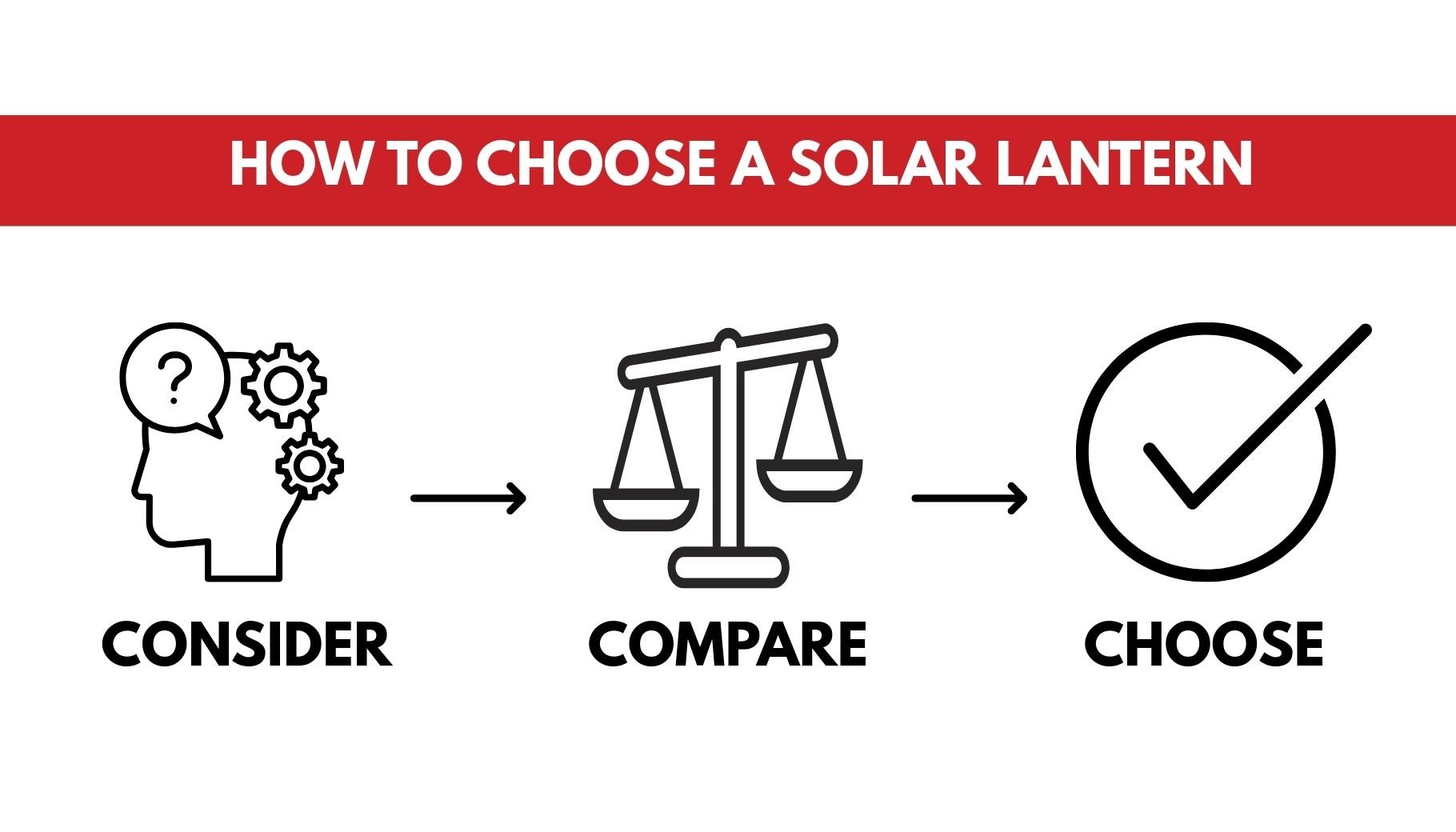
This simple workflow—thinking about your needs, comparing the specs, and picking the right model—is the best way to make sure you get the perfect solar lantern for whatever adventures you have planned.
Decoding Lantern Specs for Your Camping Style
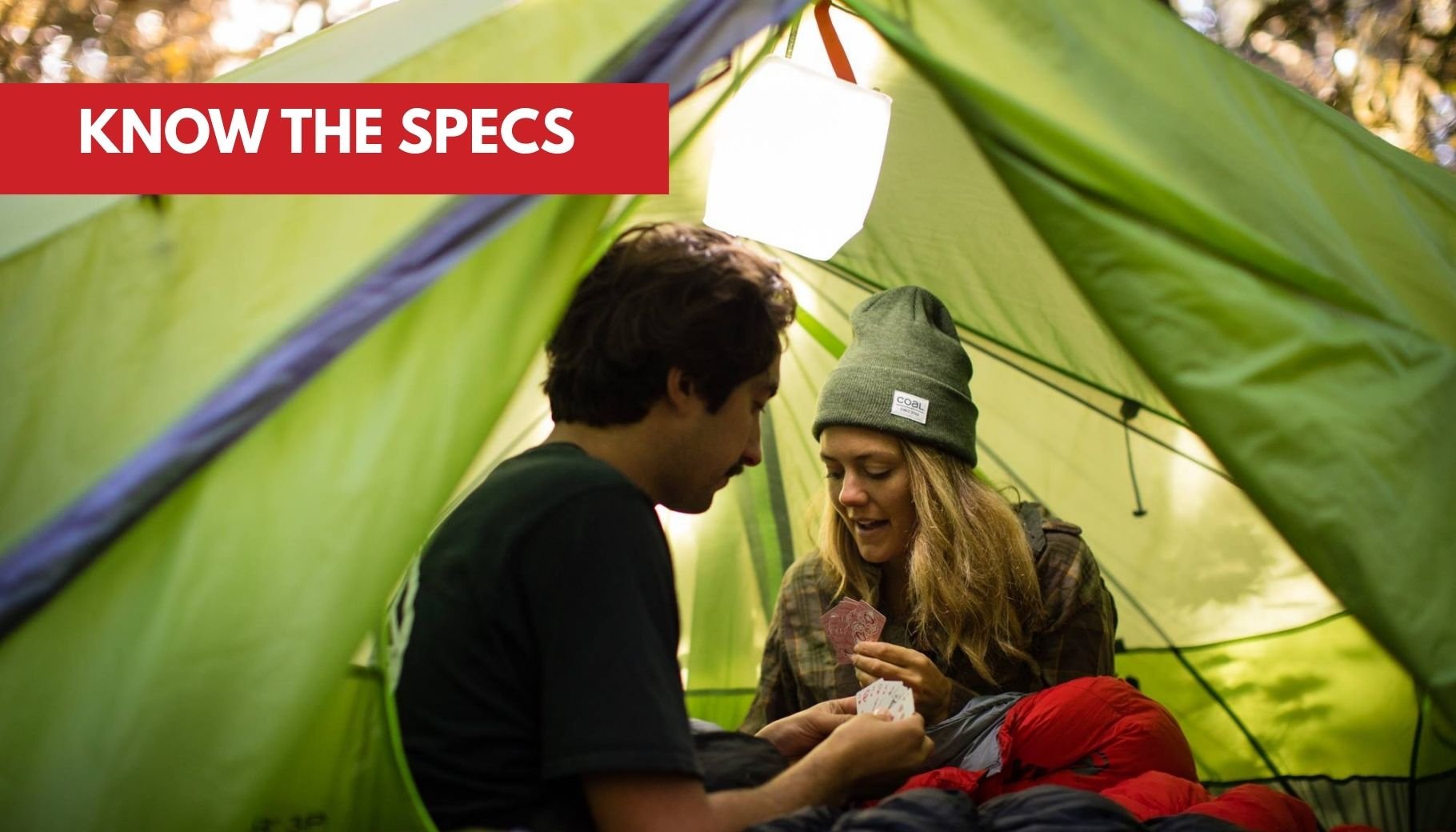
Choosing the right solar lantern can feel like deciphering a secret code. You’re hit with a wall of numbers and acronyms—lumens, IP ratings, mAh—and it's easy to get bogged down in the technical jargon. But getting a grip on these specs is exactly how you match a lantern to your specific needs, making sure you’re never left in the dark.
Think of it this way: you wouldn't take a tiny backpacking tent on a trip with a family of five, and you wouldn't haul a massive cooler on a solo thru-hike. The same logic applies to your light source. Once you can decode the specs, you can find a lantern that feels like it was designed just for your style of adventure.
Lumens Unpacked: How Bright Is Bright Enough?
The first spec you’ll most likely see is lumens, which is just a measurement of brightness. More lumens mean more light, but chasing the highest number isn't always the right move. The perfect amount of light depends entirely on what you’ll be doing.
-
Cozy Tent Time (15-75 Lumens): If you just need enough light to read a book, organize your gear, or create a warm glow inside your tent, a lower lumen setting is perfect. It’s much easier on the eyes and helps you squeeze every last drop of power from the battery on longer trips.
-
Campsite Tasks (100-200 Lumens): When you're cooking dinner, playing cards, or need to see the whole picnic table, a mid-range brightness is your sweet spot. This gives you enough functional light to illuminate a small group area without being blindingly harsh.
-
Lighting Up the Whole Area (200+ Lumens): For big group sites or when you need to see what’s rustling in the bushes, a high-lumen lantern can light up a huge space. These are fantastic for basecamps but will drain your battery much, much faster.
Runtime: How Long Will Your Light Last?
Runtime tells you how many hours your lantern will stay lit on a full charge. This is arguably the most critical spec for multi-day trips where you can't guarantee a full day of sun for recharging. Always pay attention to the runtime for the brightness setting you think you'll use most.
Often, the runtime is based on the lanterns lowest settings. As an example, a lantern might have a 50-hour runtime, but that’s almost certainly on its lowest, dimmest setting. That same light might only last 6-8 hours when cranked up to its brightest mode. A smart strategy is to find a lantern that offers a long runtime on a medium setting that still provides plenty of usable light.
Charge Time: Solar vs. USB
Next up is charge time, which is how long it takes to juice up the battery. Most modern solar lanterns for camping give you two ways to get it done:
-
Solar Charging: This is the magic of solar—free power straight from the sun. A typical full charge can take anywhere from 10 to 20 hours of direct sunlight, which is perfect for strapping the lantern to your pack while you hike.
-
USB Charging: For a much quicker boost, many lanterns also have a USB port. This lets you top off the battery from a power bank, your car, or an outlet at home before you head out. A full USB charge usually takes just 2 to 4 hours.
Having both options gives you incredible flexibility and peace of mind, ensuring your lantern is always ready when you are.
This is a great little lantern. I’ve already had to use it during a short power outage and it kept my phone charged and my living space bright while waiting for the power to come back on. I’d recommend getting this for your home emergency kit - Jan
IP Ratings: Weatherproofing Your Light
Finally, the IP (Ingress Protection) rating tells you how well-sealed the lantern is against dust and water. The rating is two numbers (like IP67). The first number is for dust protection, and the second is for water. When you're camping, the water rating is usually what matters most.
-
IPX4: This means the lantern is splash-resistant. It can handle rain from any direction, making it a solid choice for most car camping scenarios.
-
IP67: This is a serious rating. It means the lantern is fully dust-tight and can be submerged in up to one meter of water for 30 minutes. These are ideal for backpacking, kayaking, or any adventure where your gear might take a serious soaking.
This trend toward more durable, efficient, and versatile lighting is a big deal in the outdoor world. The global market for camping lanterns was valued at around USD 1.2 billion in 2023 and is expected to grow significantly, all thanks to better solar panels and battery tech.
To make it easier, here’s a quick guide to help you match these specs to your adventure.
Matching Lantern Specs to Your Camping Style
| Specification | Ultralight Backpacking | Car Camping and Basecamps | Emergency Preparedness |
|---|---|---|---|
| Lumens | 30-100 lm. Prioritize efficiency over raw brightness. Enough for in-tent tasks. | 100-300+ lm. Brighter light is useful for illuminating larger areas and group activities. | 75-150 lm. A versatile range that balances brightness with long-term runtime. |
| Runtime | 24-50+ hours on low/medium settings. Maximum battery life is crucial. | 12-24 hours on a usable medium setting is plenty for weekend trips. | 50+ hours on a low setting. Long-term reliability is the most important factor. |
| Charge Time | 10-14 hours solar. Relying on the sun is key, so efficient panels matter. | Solar is great, but a fast 2-4 hour USB charge is a convenient backup. | Dual charging is ideal. A reliable solar panel for grid-down scenarios is a must. |
| IP Rating | IP67. Needs to be fully waterproof and dustproof to handle any weather. | IPX4 is generally sufficient, protecting against rain and splashes. | IP67. Durability is paramount; it needs to survive floods, storms, and rough handling. |
| Weight | Under 6 oz. Every single ounce counts when you're carrying it all on your back. | 6-12 oz. Weight is less of a concern, allowing for larger batteries and brighter LEDs. | Under 10 oz. Should be lightweight enough to be portable in a go-bag or kit. |
Ultimately, picking the right lantern comes down to honestly assessing how you’ll use it. By understanding what these numbers really mean, you can confidently choose a light that will be a reliable companion on your adventures, not just dead weight in your pack.
Advanced Features That Elevate Your Experience
While the core specs like brightness and runtime are the foundation of any good solar lantern, it's the extra features that really separate a basic light from an indispensable piece of gear. These thoughtful additions can completely change your experience, adding a level of convenience and versatility you’ll be thankful for when you're miles from the nearest outlet.
Thinking about these value-added functions helps you look past the numbers on the box. It lets you find solar lanterns for camping that genuinely solve the real-world problems you run into out on the trail or at the campsite.
The Lantern That Doubles as a Power Bank
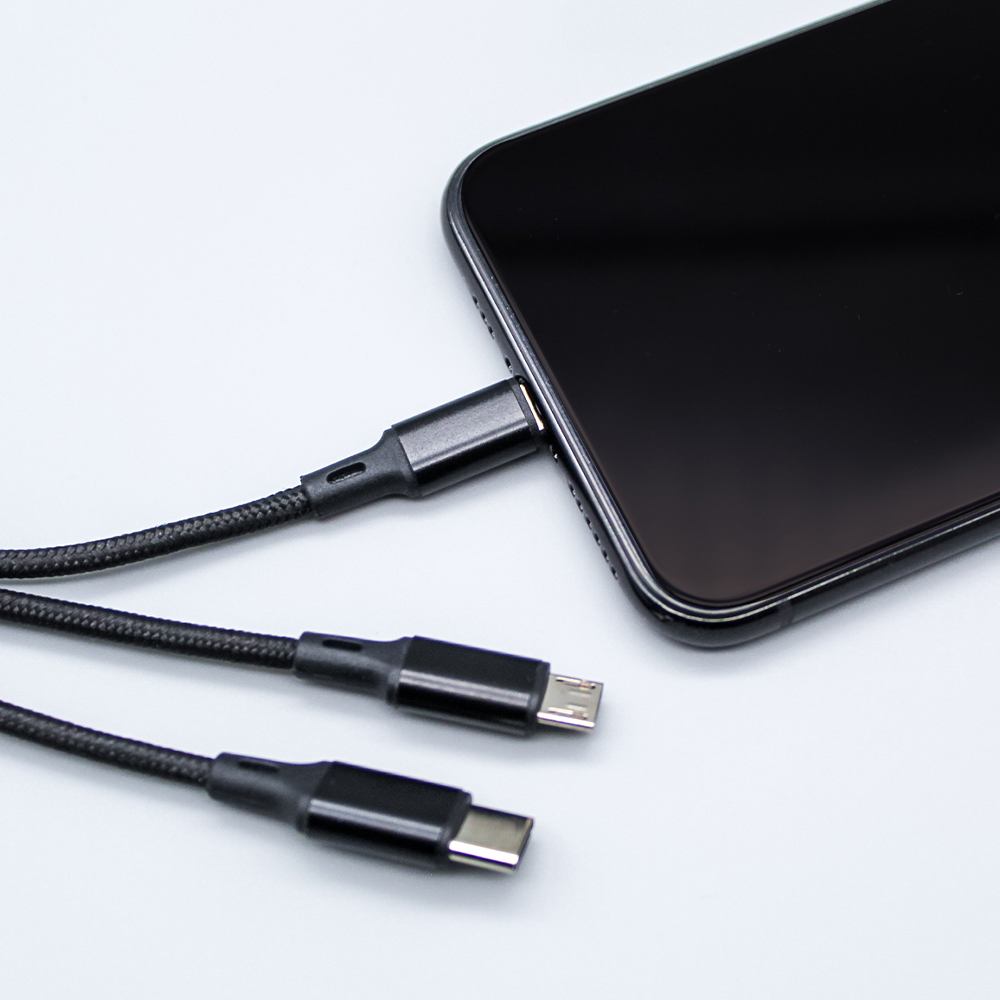
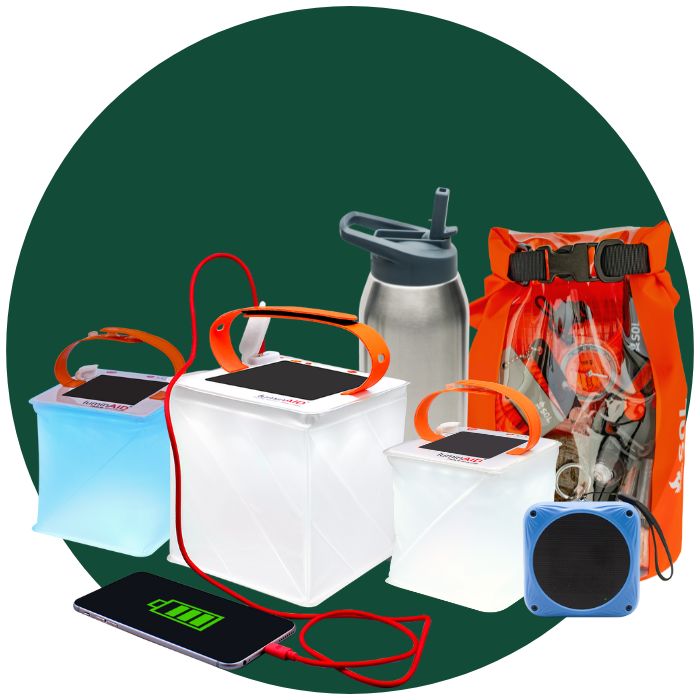
One of the most practical upgrades in solar lantern tech is the built-in power bank. Many modern lanterns now come with a USB output port, which lets you tap into the lantern's battery to give your phone, GPS, or headlamp a critical boost when it's running low.
This two-in-one capability is a true game-changer for multi-day trips or emergency kits. Of course, it’s a balancing act. Using your lantern to charge other devices will naturally shorten its own light runtime, so you have to manage your power wisely. It also usually means a slightly beefier battery, which can add a few ounces to your pack.
Finding the Right Light Warmth and Color
Not all light is created equal. Beyond just how bright it is, the actual color and quality of the light have a huge impact on your campsite's vibe and your ability to get things done.
-
Warm vs. Cool Light: A warm, yellowish light (around 2700K) feels cozy and inviting, a lot like a campfire. It’s perfect for just relaxing in the evening. On the flip side, a cool, bluish-white light (around 5000K) is more energizing and much better for tasks like cooking or reading, where seeing true colors is important.
-
Red Light Mode: If you’re a stargazer or just need to get up in the middle of the night without blinding everyone, this is a must-have. Red light has a long wavelength that doesn't shrink your pupils, which means your night vision stays intact. You can see the stars—and avoid tripping over that tent stake.
-
SOS and Strobe Modes: Hopefully, you’ll never need them, but emergency signal modes can be a lifesaver. A distinct SOS flash or a disorienting strobe can be used to attract attention if you’re in a rescue situation. It’s all about preparing for the unexpected.
Me and my family love the Titan 2-in-1 Power Lantern. Lightweight and gives off an abundant amount of light. The red light feature is perfect for walking along the beach at night time. The solar power source is a peace of mind during power outages as well as the ability to charge your cell phone. I have purchased one of these for each member of my family. - Leanne
This focus on battery life and sustainable power is why solar gear is booming in the outdoor industry. Solar-powered camping lanterns are a fast-growing piece of the rechargeable camping gear market, which hit roughly USD 2.2 billion in 2023 and is expected to climb to USD 4.8 billion by 2030. This growth is all about smarter lithium-ion batteries and a big shift from campers toward more eco-friendly gear.
Versatile Hanging and Mounting Options
A lantern is only useful if you can put the light right where you need it. Look for models that give you flexible placement options that go beyond just sitting it on a picnic table.
-
Adjustable Straps: These are perfect for slinging the lantern over a tree branch, hooking it to your tent's gear loft, or hanging it from a cooler handle.
-
Built-in Hooks or Carabiners: A simple hook makes it easy to clip your light source inside your tent or onto a clothesline for some nice overhead lighting.
-
Magnetic Bases: Some lanterns have strong magnets built into the base, letting them stick right to your car for late-night packing or to a metal pole for hands-free light.
When you combine these handy features with efficient charging, modern solar lanterns become incredibly powerful tools. To get the most out of them, it helps to understand the tech that makes them tick. Check out our guide on what LuminAID means by a solar supercharger to dive a little deeper.
How to Pack and Maintain Your Solar Lantern
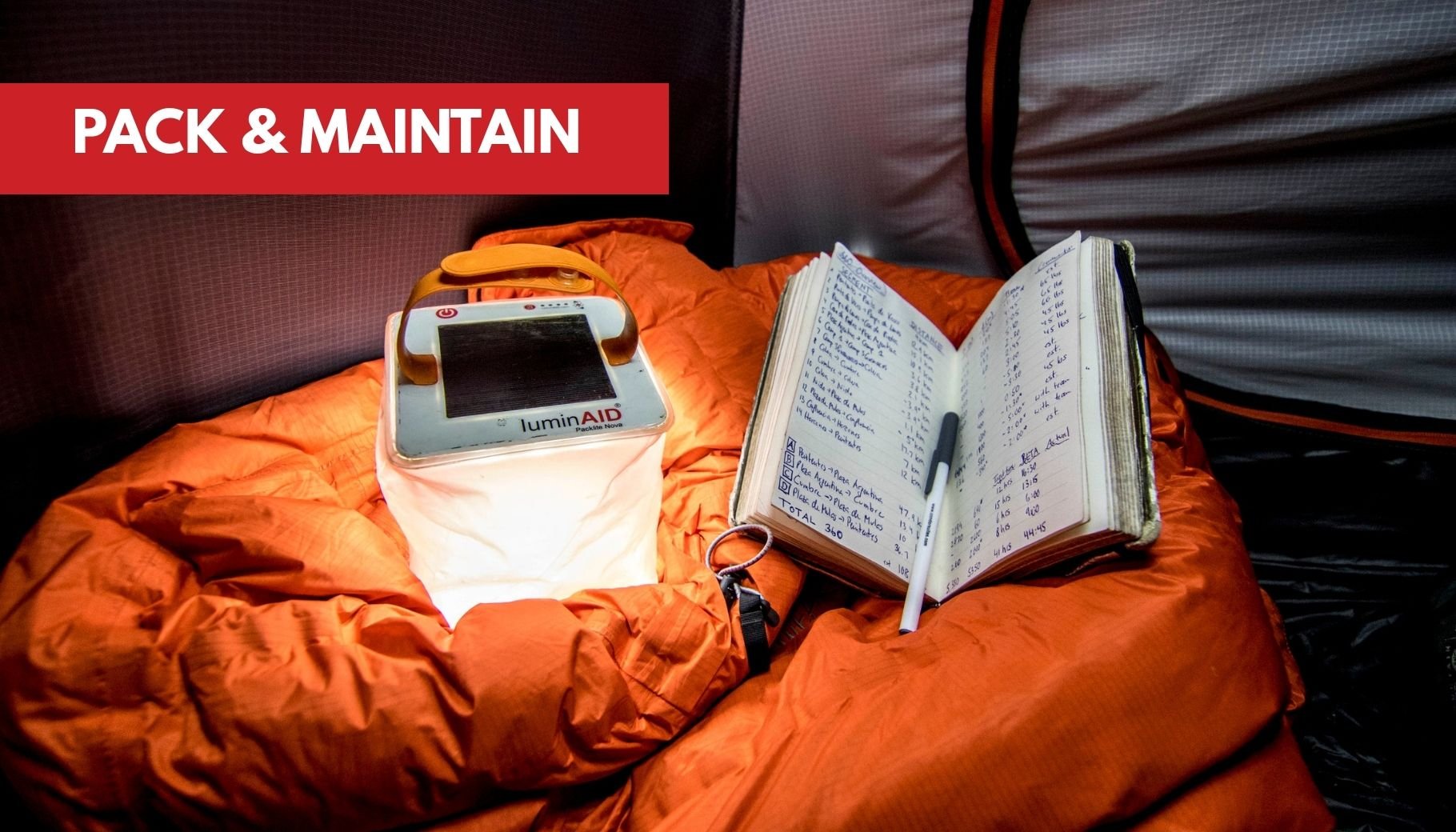
A good solar lantern isn’t just another piece of gear—it’s an investment in your comfort and safety when you're off the grid. And just like any other essential tool in your kit, a little bit of care goes a long way in making sure it works perfectly for years to come.
Learning how to pack and maintain your lantern will protect its sensitive parts and stretch its lifespan, so it’s always ready to shine when you need it most. It’s no different than doing a routine check on your first-aid supplies before you head out.
Smart Packing for Protection and Power
How you pack your solar lanterns for camping can make a huge difference, both for their long-term durability and how they perform on the trail. Your goal is simple: protect the solar panel while giving it every chance to catch some rays.
Think of the solar panel as the lantern's engine. It needs to be shielded from scratches and hard knocks. Tucking it inside a soft jacket or a dedicated pocket in your bag keeps it safe from other gear.
These LuminAID lights are the best when bike touring and Fatpacking. Just strap them on the bike somewhere to collect the sun as you are peddling down the road or trail and you will have light when you need it. Or throw them out in the sun while you are setting up camp. I hang one up in my hammock at night to give me light so I can read or play on the phone for awhile. Buy one or two and give them a try. You will not be disappointed. - Dwayne
Essential On-the-Go Care
Once you’ve set up camp, a few simple habits will keep your lantern running at peak efficiency. These little things help you squeeze the most power out of every sunbeam.
-
Keep It Clean: A surprising amount of dust, dirt, or even pollen can build up on the solar panel, slowing down its charging speed. A quick wipe with a soft, damp cloth each day makes a huge difference.
-
Position for Peak Sun: Try to move your lantern a few times throughout the day so the panel is always facing direct sunlight. As the sun moves across the sky, a little repositioning can dramatically speed up the charge time.
For a deeper dive into packing our unique collapsible lanterns, be sure to check out our guide on how to pack your LuminAID lights.
Long-Term Storage and Battery Health
When the adventure’s over, how you store your lantern is key to its battery health. Most quality solar lanterns use lithium-ion batteries, and they have specific needs when they’re not being used for a while. Following the best practices for charging lithium-ion batteries can significantly prolong your lantern's life and performance.
The golden rule is this: don't store the battery completely dead or fully charged for months on end. Either extreme puts stress on the battery, which can reduce its overall capacity over time.
For ideal long-term storage, just follow these simple steps:
-
First, charge or use the lantern until its battery is around 50-70% capacity. This is the sweet spot.
-
Store it in a cool, dry place away from direct sunlight or extreme temperatures. A closet or gear bin is perfect.
-
Every 3-4 months, take it out for a quick "exercise." Charge it up, use it for a bit, then bring it back down to its storage charge level.
This easy routine helps prevent the battery from degrading, ensuring your lantern is ready to go for your next trip.
Your Framework for Finding the Perfect Lantern
Choosing the right solar lantern shouldn't feel like you're studying for a physics exam. It’s actually pretty simple. Once you know what you really need, you can cut through the noise of technical specs and pick a light that feels like it was made just for you.
The secret is to stop chasing the "best" lantern on the market and start searching for the best lantern for you.
This framework will get you there. By answering a couple of straightforward questions, you’ll nail down exactly what you'll be doing with your lantern and match that with the features that actually matter when you’re out there.
First, What’s Your Primary Use Case?
Before you even glance at a product, ask yourself this: Where and how am I going to use this lantern most of the time? Your answer is the single most important key to unlocking the right choice. It instantly shrinks your list of options.
Are you a weekend car camper who wants to light up the whole campsite and keep your phone charged? Or are you a thru-hiker who counts every single ounce? Maybe you’re putting together an emergency kit for your home, where reliability is everything. Each of these scenarios calls for a totally different kind of light.
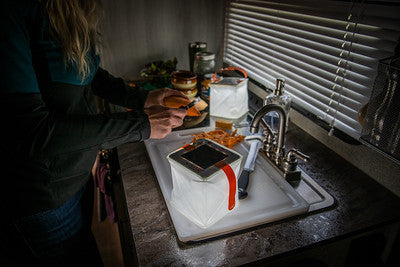
We bought this lantern on a whim and were delighted by it. If you hang it from a tree or the top of your tent, it is bright enough to cook, clean or read by.
Perfect for those stormy nights when you are forced to huddle inside a tent with a book or deck of cards. We have purchased one for each one of our family members for camping (or emergency kits.) They are lightweight and easy to store inside a backpack. - Li
Matching Your Profile to the Right Features
Once you know your primary use, you can find the camper profile that fits you best. Think of it as a shortcut that turns your needs into a simple checklist of features. We’ve broken down three common profiles and the lantern specs that make the most sense for each.
The Weekend Warrior and Car Camper
This is the person who drives right up to their campsite and enjoys having a comfortable, well-lit basecamp. Weight isn’t a huge deal, but performance, convenience, and creating a great vibe definitely are.
-
Brightness (Lumens): Go for higher output, something in the 150-300+ lumens range. You want enough light to comfortably illuminate cooking areas, picnic tables, or just a group of friends hanging out.
-
Key Features: A built-in power bank for charging phones is a game-changer. Look for multiple hanging options, warm light settings for a cozier feel, and maybe even colored light modes to add some fun to the evening.
-
Durability (IP Rating): An IPX4 rating is plenty. It’ll handle a surprise rainstorm without any issues, which is all you really need when you have the shelter of a car or tent nearby.
The Ultralight Backpacker and Thru-Hiker
For this adventurer, every single item in the pack has to earn its spot. The mantra is efficiency, minimal weight, and gear that can do more than one job.
-
Weight and Packability: This is everything. The lantern absolutely has to weigh under 6 ounces and pack down flat or into a tiny space.
-
Runtime: The goal here is maximum runtime on low or medium settings (30-50+ hours). You need a light that can last for several nights, especially if you don’t get a full day of sun to recharge.
-
Durability (IP Rating): A waterproof IP67 rating is non-negotiable. Your lantern needs to be tough enough to survive being strapped to the outside of your pack in a downpour or even accidentally dropped in a creek.
The Emergency Prepper
This person is all about long-term reliability and being self-sufficient when the power goes out. The lantern is a tool, and it has to work perfectly after sitting in a closet for months. Your lighting should be as dependable as the first-aid supplies you’d get from Adventure Medical Kits.
-
Runtime and Battery Life: Look for ridiculously long runtimes on a low, usable setting—think 50+ hours. The battery also needs to hold its charge for months on end without dying.
-
Charging Options: Dual charging (solar and USB) is critical for flexibility. A high-efficiency solar panel is a must for any grid-down scenario.
-
Key Features: Emergency modes like an SOS flash are a big plus. Simplicity and ruggedness are far more important than fancy features that could be another point of failure.
This smarter approach to choosing gear is catching on. In fact, sales in the lighting category, which includes solar lanterns, jumped 15% in 2025, thanks to a huge boom in camping and hiking. As more people explore the outdoors, the demand for gear that’s both sustainable and reliable keeps growing. You can discover more insights about the best solar camping lanterns and see why they’re becoming a staple for so many adventurers.
Got Questions About Solar Camping Lanterns?
Alright, let's wrap things up by hitting some of the most common questions we hear from campers. Getting these practical details sorted out is the best way to make sure you get the absolute most out of your gear on your next trip.
Can Solar Lanterns Charge On Cloudy Days?
Absolutely. Solar lanterns for camping will definitely still charge on an overcast day, but you'll notice it's a much slower process. Think of it this way: the solar cells are designed to soak up any ambient light, not just direct sunbeams.
Even on a gray day, they'll still be gathering power. To give it the best shot, just point the panel toward whatever part of the sky looks brightest. Just be realistic and know it will take a lot longer to get a full battery than it would on a clear, sunny afternoon.
How Long Do The Batteries Last?
The high-quality lithium-ion batteries inside modern solar lanterns are tough. They're built to last for years and can easily handle hundreds of charge cycles.
If you want to maximize that lifespan, just follow a couple of simple rules:
-
Try to avoid storing your lantern in extreme temperatures—think a baking hot car in July or a freezing garage in January.
-
Don't leave the battery totally dead for months on end between camping trips. Give it a little charge now and then.
Are Solar Lanterns Bright Enough For Night Hiking?
While a solar lantern is your best friend for lighting up a campsite, it's not the right tool for hitting the trail after dark. You can use your solar lantern, but for actually navigating a path in the pitch black, it maybe better to have a dedicated headlamp. A headlamp gives you a focused, directional beam that lights up the ground right where you're about to step.
A good lantern is a critical piece of your camp safety kit, just like having a reliable insect repellent from a brand like Ben's Bug Spray. Use your solar lantern to make your destination bright and welcoming once you've safely arrived.
At LuminAID, we design solar lanterns and power banks that are lightweight, durable, and ready for any adventure. Explore our collection of packable solar lights to find the perfect companion for your next trip.