

A first aid kit is so much more than a box of assorted bandages. Think of it as your first line of defense—a carefully chosen collection of essential supplies meant to handle injuries and unexpected emergencies. Building the right one means going beyond a generic store-bought kit and tailoring it to your specific world, whether that's your home, your car, or your hiking pack.
Building Your Foundation For Emergency Readiness
When an emergency hits, the last thing you want to be doing is scrambling for supplies. This isn't just another checklist. We're talking about building a smart, customized first aid system that actually makes sense for your life—at home, on the road, or out on the trail.
A well-stocked, organized kit is a powerful safety tool. But its effectiveness skyrockets when you pair it with other essentials.
The Pillars of Preparedness
True readiness is about more than just medical gear. It’s a balanced system that covers your core needs when things go sideways. A lot of people forget that a power outage can turn a simple injury into a serious challenge. Having reliable generators for home backup power is a key part of making sure you can handle things safely.
It really comes down to three pillars: the right supplies, a reliable power source, and the know-how to use them.

This simple diagram shows how a first aid kit is just one piece of a bigger safety puzzle. You need all three to be truly prepared.
I see this all the time—people have a great kit but forget they might need to use it in the pitch dark, or they don't actually know how to apply a pressure bandage. Integrating supplies, power, and knowledge creates a safety net you can actually count on.
Universal First Aid Kit Essentials
No matter where your kit lives, some items are non-negotiable. I've put together a quick-start table of the universal basics every single kit should have.
Use this as a starting point to see what you've got and what gaps you need to fill. These items are the foundation you'll build upon for more specialized kits later.
Universal First Aid Kit Essentials
| Category | Essential Items | Pro Tip |
|---|---|---|
| Wound Care | Assorted adhesive bandages, sterile gauze pads, medical tape, antiseptic wipes, antibiotic ointment. | Go for fabric bandages. They offer way more flexibility and durability on joints like knuckles and knees compared to plastic ones. |
| Medication | Pain relievers (e.g., ibuprofen, acetaminophen), antihistamines, hydrocortisone cream. | I always pack single-dose packets of pills. They save a ton of space and you don't risk contaminating an entire bottle every time you open it. |
| Tools & Gear | Tweezers, trauma shears (scissors), digital thermometer, emergency blanket, non-latex gloves. | Get real trauma shears. They're designed to cut through tough stuff like clothing, seatbelts, and even leather—something your standard kitchen scissors just can't do. |
Once you have these basics covered, you can start thinking about the bigger picture. Our guide on how to get prepared for emergencies takes a much deeper dive into long-term planning and strategy.
Assembling Your At-Home First Aid Kit
Your home is where life happens, which means it’s also where most minor injuries occur. From a nasty slice while chopping vegetables to a scraped knee in the backyard, these everyday mishaps call for a quick and calm response. Building a solid at-home first aid kit isn't just about ticking a box; it's about having a central command post that turns a moment of panic into a controlled action.
The idea of a purpose-built kit is nothing new. In fact, the commercial first aid kit was invented back in 1888 when Johnson & Johnson saw a need among railroad workers in remote locations. By 1890, they were already selling a version specifically for home use, laying the groundwork for how we think about emergency readiness today.
Think of your at-home kit as your main medical hub, not the small pouch you'd toss in a backpack. You have the luxury of space, so there's no need to skimp. This is your primary resource, and it should be stocked with a broader range and larger quantity of first aid kit supplies to handle anything your family might face.
Tailoring Your Kit For Your Household
A generic, one-size-fits-all box of bandages just won't cut it for a family. Your kit needs to be a reflection of who actually lives in your home.
Think about customizing it based on your family's needs:
- For Homes with Children: Your kit absolutely needs liquid or chewable pain relievers like acetaminophen or ibuprofen. A reliable digital thermometer is a must, and trust me, character-themed bandages can make a world of difference in calming a scared child. For infants, a nasal aspirator and pre-dosed saline drops are lifesavers.
- For Homes with Elderly Members: Consider adding low-dose aspirin for potential heart attack symptoms (after clearing it with a doctor). Gentle paper tape is much kinder to fragile skin than standard medical tape. A small magnifying glass can also be a huge help for reading tiny medication labels. If anyone has diabetes, glucose gel or tablets are non-negotiable.
- For Active DIYers: If your weekends are filled with power tools and home projects, you'll want to beef up your wound care. That means having blood-stopping gauze, extra-large wound pads, and a saline wound wash to properly flush debris from a cut.
A common mistake I see is people grabbing paper towels or toilet paper to stop bleeding from a significant cut. These materials shred and leave fibers in the wound, which complicates cleaning and seriously increases the risk of infection. Always reach for sterile gauze pads from your kit.
By thinking through the most likely scenarios in your house, you elevate your kit from a simple box of supplies to a truly functional medical resource. For example, keeping a bottle of aloe vera gel or a specialized burn cream in a small kit in the kitchen makes perfect sense for dealing with common cooking burns right away.
Organization and Storage: The Keys To Fast Access
The best-stocked first aid kit on the planet is useless if you can't find it when you need it. When adrenaline is pumping, even simple tasks feel impossible, which makes smart, predictable storage absolutely critical.
Keep your main kit in a central, easy-to-reach spot. The kitchen pantry or a hall linen closet are perfect locations—just make sure everyone in the family knows exactly where it is. One place you should never store it is the bathroom; the heat and humidity can degrade medications and compromise the sterile packaging on your supplies.
To stay organized, I recommend using a container with built-in dividers or even a few clear tackle boxes to sort supplies by category.
- Wound Care: Bandages, gauze, tape, antiseptic wipes.
- Medications: Pain relievers, antihistamines, creams.
- Tools: Shears, tweezers, thermometer.
This system prevents that frantic digging for a tiny pair of tweezers in a crisis. You can just grab the section you need. If you want a great model for intuitive organization, check out the layouts of kits from companies like Adventure Medical Kits.
Maintaining Your Kit For Constant Readiness
Finally, a first aid kit isn't a "set it and forget it" item. It requires simple but consistent upkeep. Supplies get used, and others expire.
I've found a twice-yearly audit is the perfect rhythm. An easy way to remember is to check your kit every time you change your clocks for daylight saving time.
Here's your quick maintenance checklist:
- Check Expiration Dates: Toss and replace any medications, ointments, or wipes that are past their date.
- Inspect Sterile Items: Look over the packaging for bandages, gauze, and pads. If a wrapper is torn or compromised, replace the item. It's no longer sterile.
- Restock Used Supplies: Did you use the last of the large bandages? Replace anything and everything you've used since your last check.
This simple routine guarantees that your first aid kit supplies are safe, effective, and ready to go the moment you need them most.
Your On-the-Go Kits: Gearing Up for Car and Travel
Emergencies don’t conveniently happen at home. That’s why your preparedness plan can’t be stuck in a closet. Having dedicated first aid kits for your car and your travels means you’re ready for anything, whether it's a fender-bender on the freeway or a scraped knee on a trail miles from anywhere.

The idea of a go-anywhere medical kit actually has deep military roots. Johnson & Johnson first rolled out pocket-sized kits for soldiers back in the Spanish-American War of 1898. But it was the hard lessons from WWI and WWII that really perfected the design, shifting to compact pouches that prioritized mobility and fast access. This military focus on lightweight, reliable gear still shapes how we think about modern kits. If you're a history buff, the 130-year history of the first aid kit is a fascinating read.
The Vehicle Kit: Built for Roadside Realities
Your car kit has a totally different job than the one under your sink. It has to handle common roadside incidents and, just as importantly, survive living in a vehicle through punishing temperature swings.
Think beyond minor scrapes. A car accident, even a small one, can mean serious trauma. Your vehicle kit needs to reflect that harsh reality.
- Trauma Supplies: A good tourniquet is a must—and so is knowing how to use it. Pack extra absorbent gauze, pressure dressings, and high-quality medical tape for bleeding control.
- Durable Tools: A seatbelt cutter and window breaker tool should be in every car. They're often sold as a single combo tool and can absolutely be a lifesaver.
- Temperature-Stable Items: Ointments can melt into a useless mess or freeze solid. Opt for antiseptic wipes and single-use packets of antibiotic cream instead. The adhesive on cheap bandages can also fail in extreme heat, so always have a roll of good medical tape as a backup.
A huge mistake I see is people just tossing their home first aid kit in the trunk. The supplies aren't made for that environment. Heat and cold can make medications useless and compromise sterile packaging, leaving you with a failed kit right when you need it most.
The Travel Kit: Lightweight and TSA-Compliant
When you're flying or backpacking, every ounce counts. A travel kit is all about minimalism and efficiency. You want multi-use items that are incredibly light and won't get you flagged by security.
For air travel, the 3-1-1 rule is law: all liquids must be in containers of 3.4 ounces (100 milliliters) or less, all fitting in one quart-sized clear bag. This means swapping that bottle of antiseptic for wipes and ditching big tubes of cream for tiny, single-use packets.
Here’s how I build a smart travel kit:
- Blister Care: Moleskin is completely non-negotiable for any trip that involves walking. It’s a game-changer.
- Medication: Use single-dose packets of your must-haves—pain relievers, antihistamines, and any personal prescriptions. Never, ever pack these in checked luggage.
- Multi-Use Items: A small roll of duct tape can patch up gear, help create a makeshift splint, or secure a bandage in a pinch. A couple of safety pins can pull out a splinter or handle a sudden wardrobe malfunction.
For those who’d rather grab a pre-made option, companies like Adventure Medical Kits make fantastic ultralight and watertight kits designed for hiking, travel, and sports. They’re a great starting point for seeing what an effective, compact kit looks like.
The goal is a kit so small and light you forget it’s even there—until you need it. If you’re looking for an ultra-compact option to get you started, our AMK Mini Medical Kit available at LuminAID.com is designed to pair perfectly with our lights.
When you're out on the trail, miles from the nearest road, you're not just a hiker—you're the first responder. A standard home first aid kit just won't cut it. The wilderness plays by a different set of rules, and your kit needs to reflect that.
Building a proper outdoor adventure kit is all about self-reliance. Your pack space is precious, so every single item has to earn its spot by pulling its weight.

The focus has to shift from minor comforts to critical function. A well-chosen collection of first aid kit supplies for the outdoors is designed to manage common trail injuries, stop small issues from turning into trip-ending disasters, and stabilize a serious situation until help arrives. It’s a smart blend of medical gear and essential survival tools.
Beyond Bandages: Wilderness-Specific Supplies
In the backcountry, you're not worried about paper cuts. You're thinking about sprained ankles, debilitating blisters, surprise allergic reactions from insect stings, and the dangers of dehydration. Your kit has to be ready for these realities.
- Advanced Blister Care: I've seen more hikes ruined by blisters than almost anything else. Standard plastic bandages won't survive a single mile in a sweaty hiking boot. You need dedicated gear like moleskin, gel pads, or specialized blister bandages. A pro tip: I always pre-cut a few pieces of moleskin into doughnut shapes to stick around "hot spots" before they even become full-blown blisters.
- Wound and Sprain Management: An elastic wrap (like a classic ACE bandage) is non-negotiable for stabilizing a sprained ankle or knee. Pair that with a SAM splint. They're incredibly lightweight, and you can mold them to support just about any injured limb.
- Bites and Stings: Your first line of defense is a good insect repellent; something like Ben's 30 can prevent most bites from ever happening. For the inevitable sting that gets through, a product like AfterBite is fantastic for immediate relief. It stops the itch, which is crucial for preventing scratching that can lead to a nasty infection.
Your most important tool in the wilderness is your brain. Knowing how to properly use your supplies is just as vital as having them. A wilderness first aid course is an invaluable investment that empowers you to act decisively and correctly in an emergency.
And don't forget the basics of staying healthy. Dehydration or a waterborne illness can take you out of commission just as fast as a twisted ankle. Knowing how to go about purifying water while camping is a life-saving skill, and packing a reliable water filter or purification tablets is an absolute must.
Integrating Survival Gear With Medical Supplies
Out there, the line between "first aid" and "survival" gets blurry real fast. A medical issue can quickly snowball into a survival situation if you're stuck and have to spend an unplanned night in the woods. That’s why your medical kit needs to have some core survival gear built right in.
This doesn't mean you need to lug around a massive Rambo knife or a week's worth of MREs. It's about packing smart, compact, multi-use items that boost your safety margin.
An emergency blanket, for example, weighs practically nothing but is absolutely critical for treating shock or warding off hypothermia. A reliable fire starter is also a medical tool—you can use it to sterilize equipment, signal for help, or generate life-saving warmth. Brands like Survive Outdoors Longer make dependable, compact fire starters and blankets that slip right into a first aid pouch.
A headlamp is another piece of gear I consider essential. You simply can't treat an injury effectively in the dark. A hands-free light is infinitely better than a flashlight when you need both of your hands to apply a bandage or splint.
A Backpacker's Checklist for a Lean Kit
When every ounce counts, you have to be ruthless. The trick is to prioritize multi-use items and pack just enough to handle the most likely problems for your trip's length and environment.
Here is a checklist I've refined over years of backpacking to get you started on building a lean but effective outdoor kit.
Outdoor First Aid Kit Checklist
| Category | Essential Supplies | Recommended Products/Tips |
|---|---|---|
| Wound & Blister Care | Fabric bandages, sterile gauze, medical tape, antiseptic wipes, moleskin, antibiotic ointment. | Pack ointment in single-use packets. Wrap duct tape around a water bottle for a multi-use tool for gear repair and blister care. |
| Injury Management | Elastic wrap, SAM splint, trauma shears, tweezers, safety pins. | Trauma shears will cut through clothing, rope, or even a leather boot—far better than standard scissors. |
| Medication & Relief | Pain relievers (ibuprofen), antihistamines, personal meds, insect repellent, sting relief. | A high-quality repellent is your best friend. For stings and bites, a product like AfterBite offers quick relief. |
| Survival Integration | Water filter/tablets, emergency blanket, reliable fire starter, headlamp, signaling mirror. | Always test your fire starter and check your headlamp batteries before you leave. The trail is no place for bad surprises. |
Building your ultimate outdoor adventure kit is a process. After every trip, take a minute to think about what you used, what you didn't touch, and what you really wished you had. That real-world experience is the best teacher for perfecting a kit that gives you the confidence to explore safely.
Beyond Bandages Powering Your Emergency Response
A first aid kit is only as good as your ability to use it. Think about it for a second. A bad storm rolls through, knocking out the power grid, and someone in your house takes a nasty fall in the dark. You've got the bandages, but you can't see the wound well enough to actually clean and dress it. This is a critical blind spot in a lot of emergency plans.

Even the most complete collection of first aid kit supplies is nearly useless without good light and a way to call for help. Whether you're at home during a blackout or miles down a trail, seeing what you're doing is just as vital as having the right gear. An off-grid power source isn't some fancy add-on; it's a core piece of a truly complete response system.
Bridging The Gap Between Medical Gear And Total Readiness
Real preparedness is about making sure your tools work together as a system. Your first aid kit, your lights, and your phone should all be part of a single, seamless plan. This is where modern, portable solar tech completely changes the game for anyone serious about being ready.
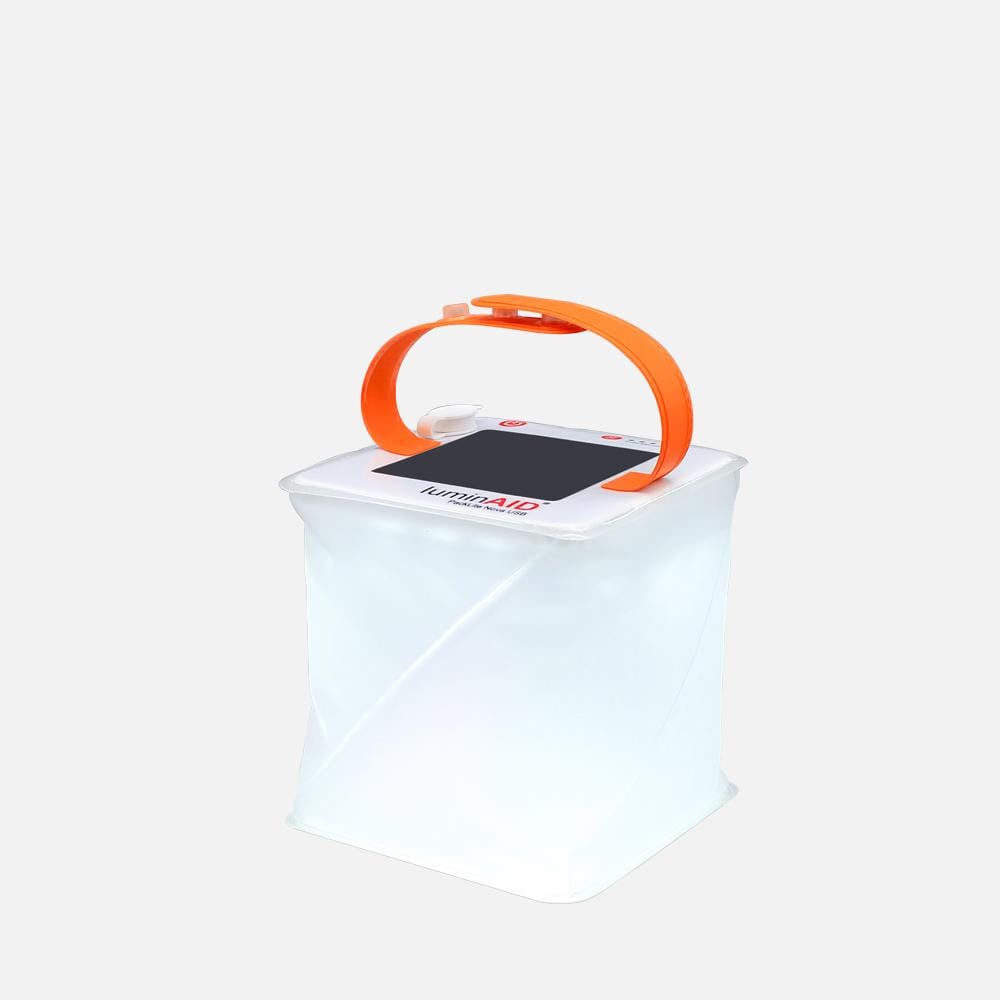
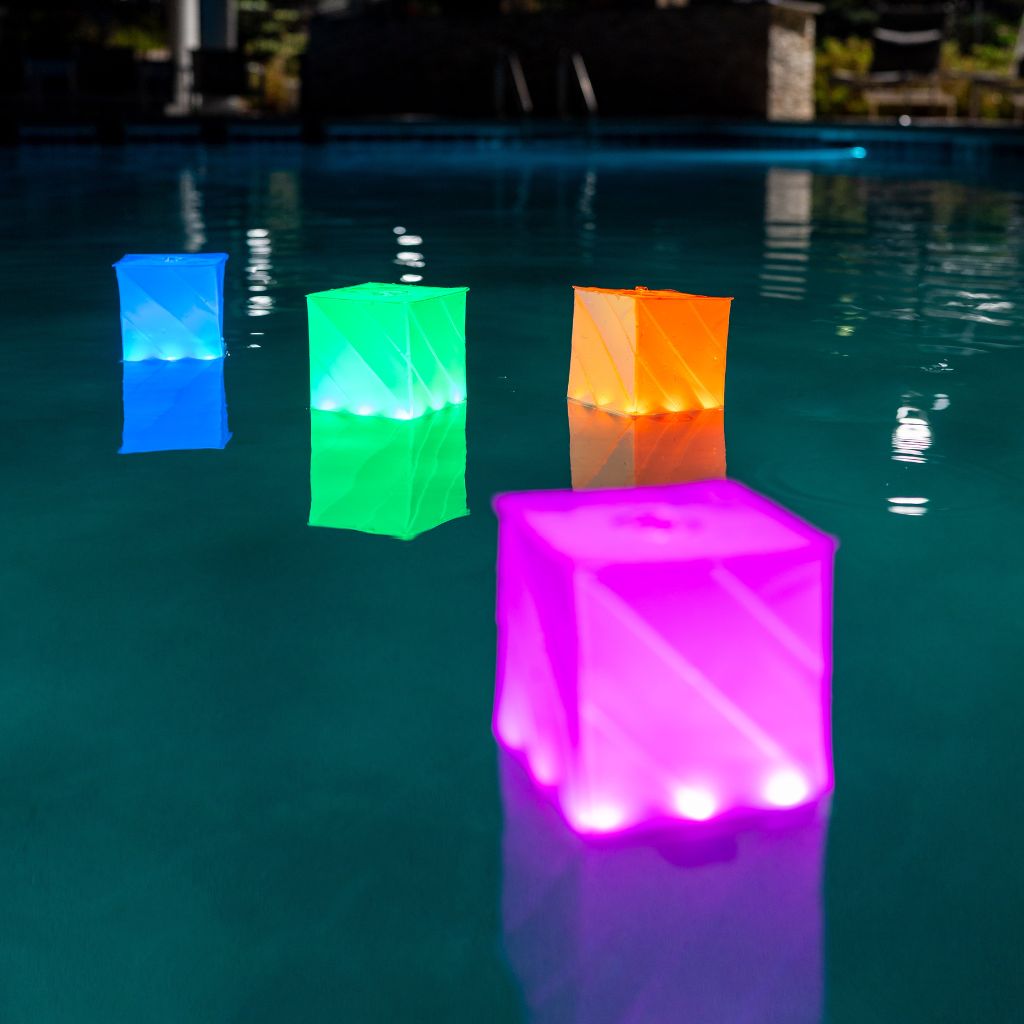
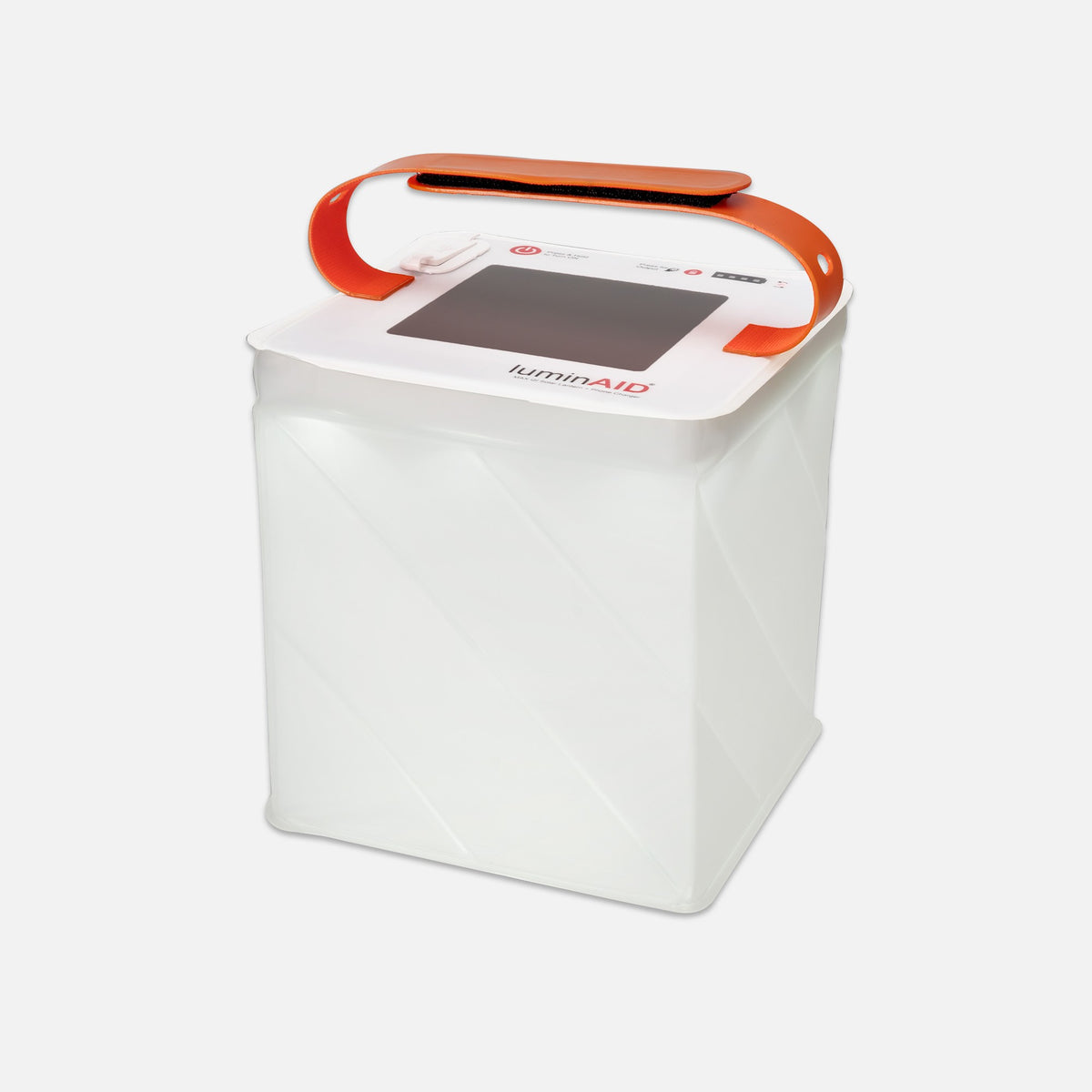
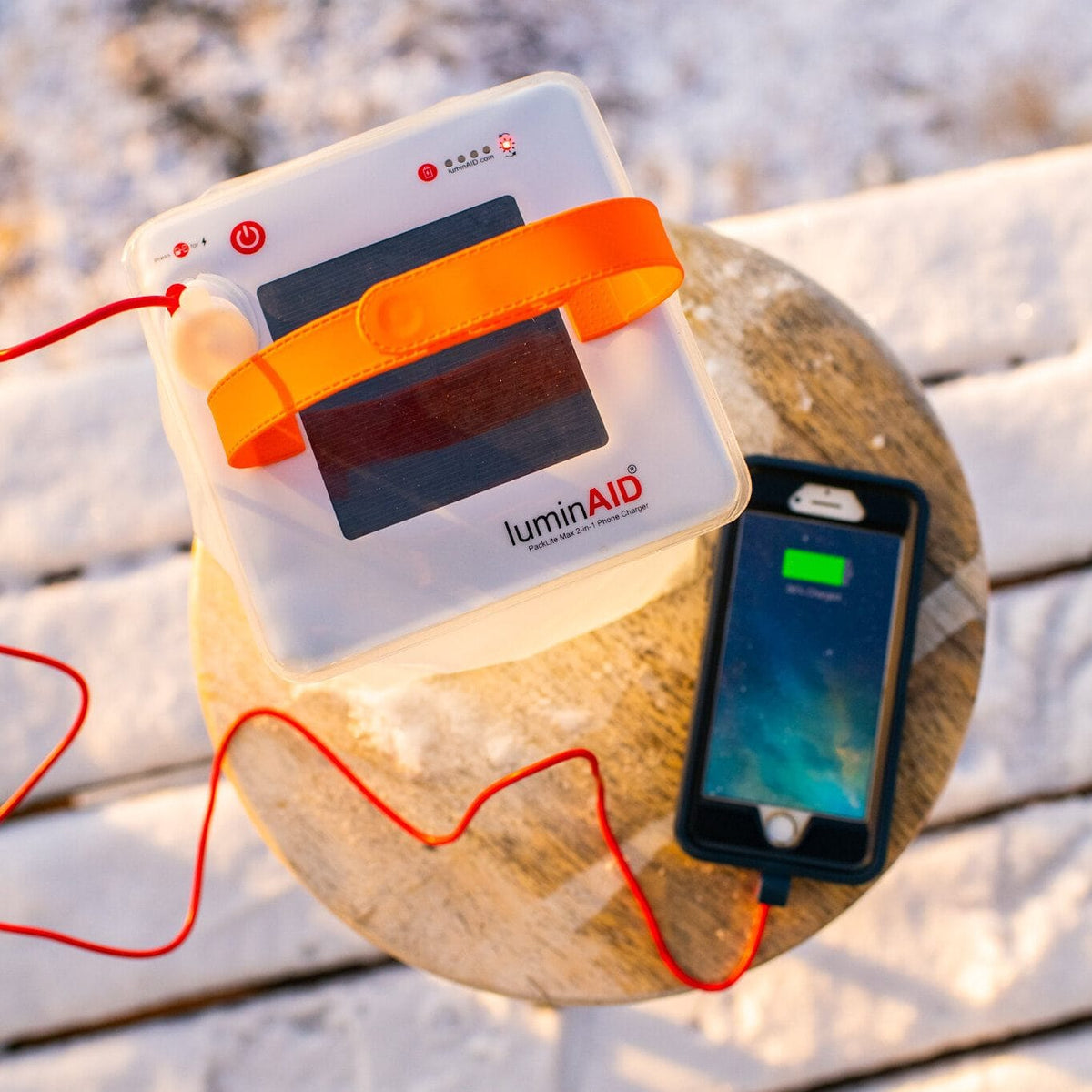
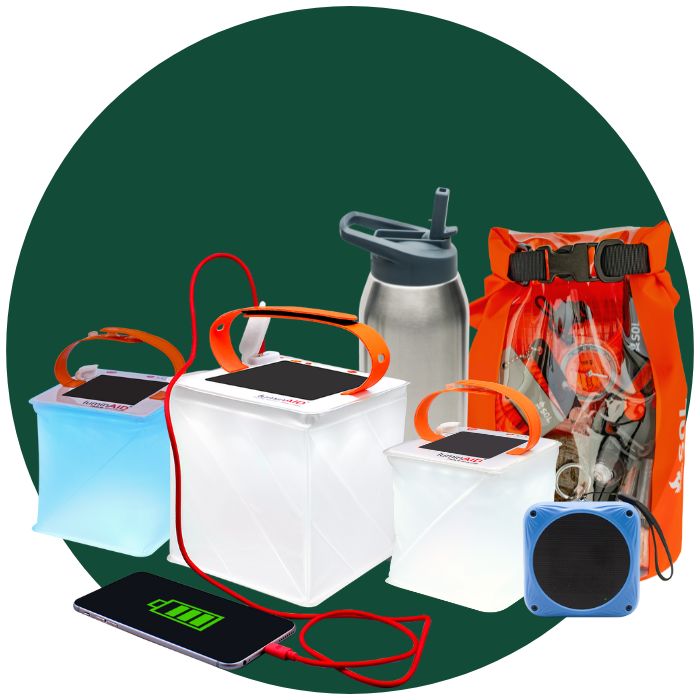
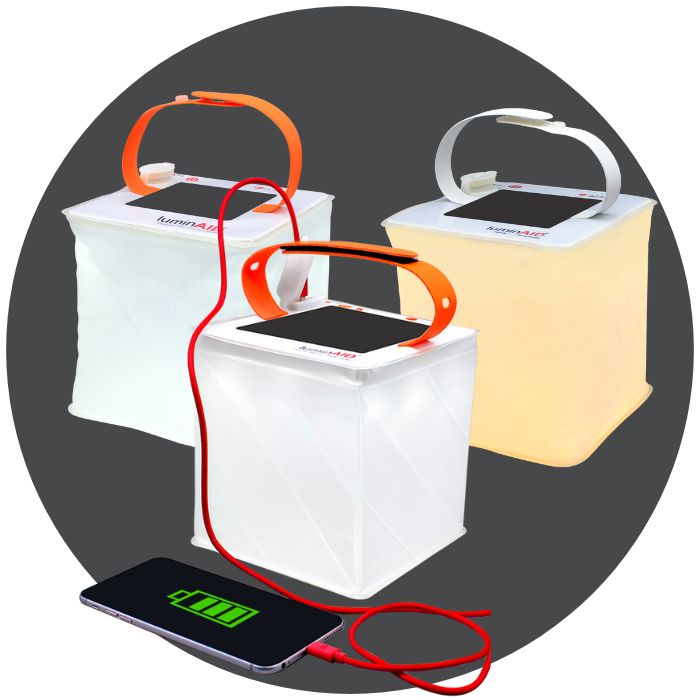
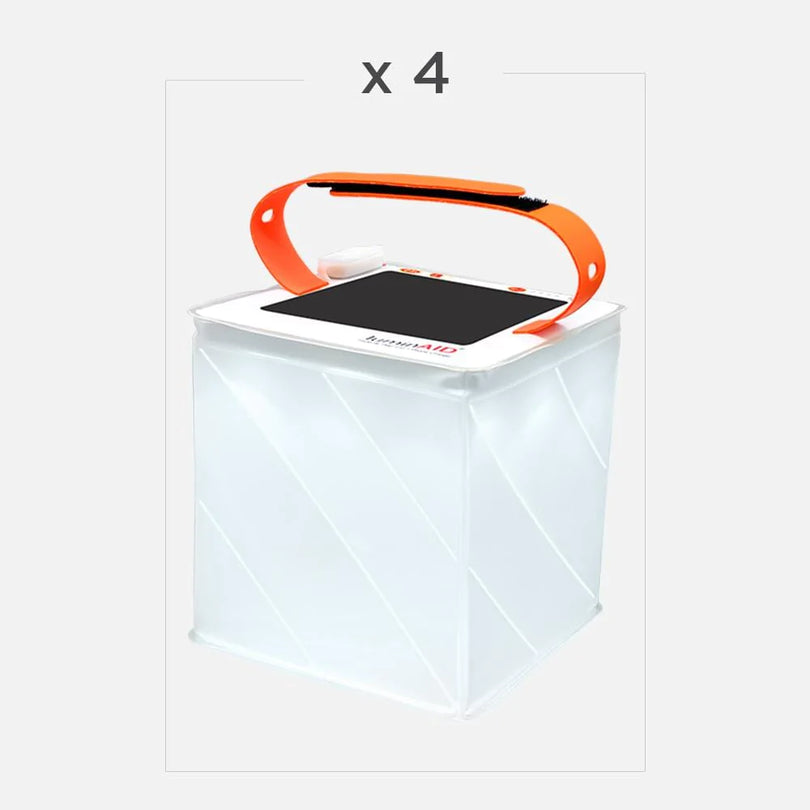
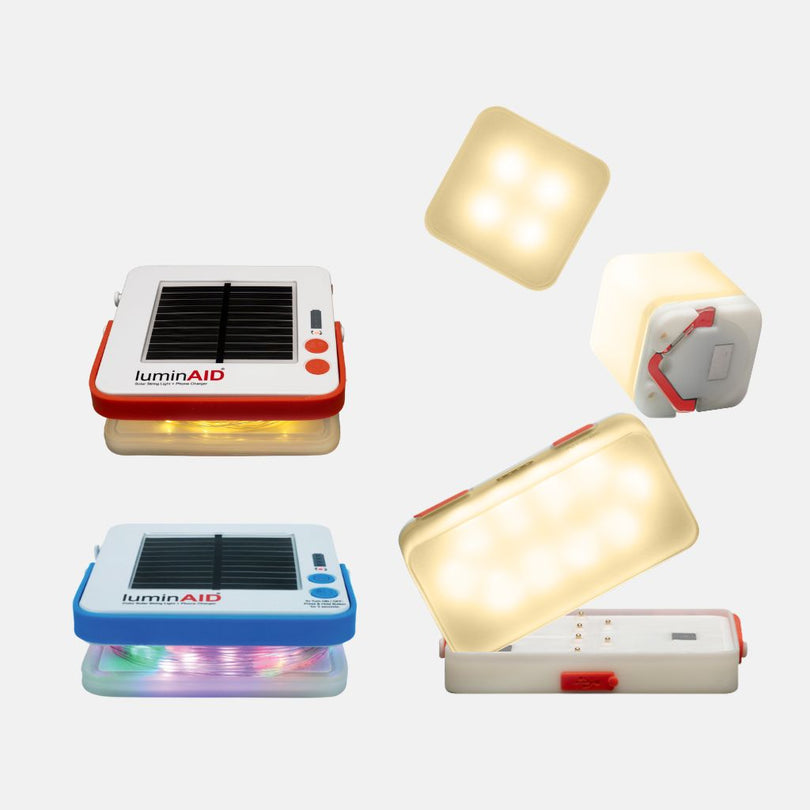
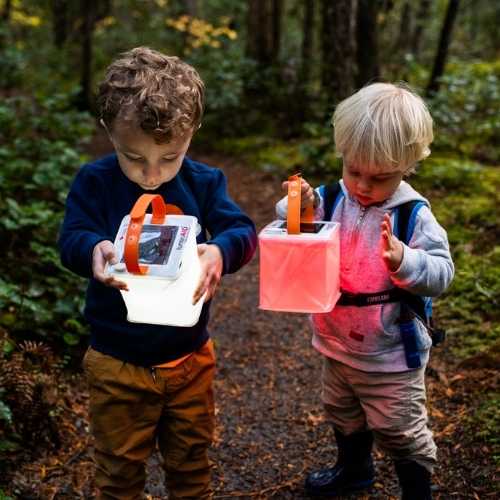
LuminAID’s solar-powered lanterns and 2-in-1 phone chargers are built for exactly these situations. They’re lightweight, pack down small, and, most importantly, don't need disposable batteries or a working outlet. Tossing one into your kit means you'll always have two of the most critical resources imaginable: reliable light and power for communication.
An often-overlooked fact is that many injuries happen during or after a primary emergency, like a power outage. You're more likely to trip or fall in the dark. Having a reliable light source isn't just for treating an injury; it's for preventing one in the first place.
Healthcare providers know that even basic self-care gets tough without the right tools. A dependable light allows you to properly assess a wound, read the fine print on medication, or just move around safely. It can turn a chaotic, frightening moment into something you can actually manage.
Creating A Dedicated Power-Up Pouch
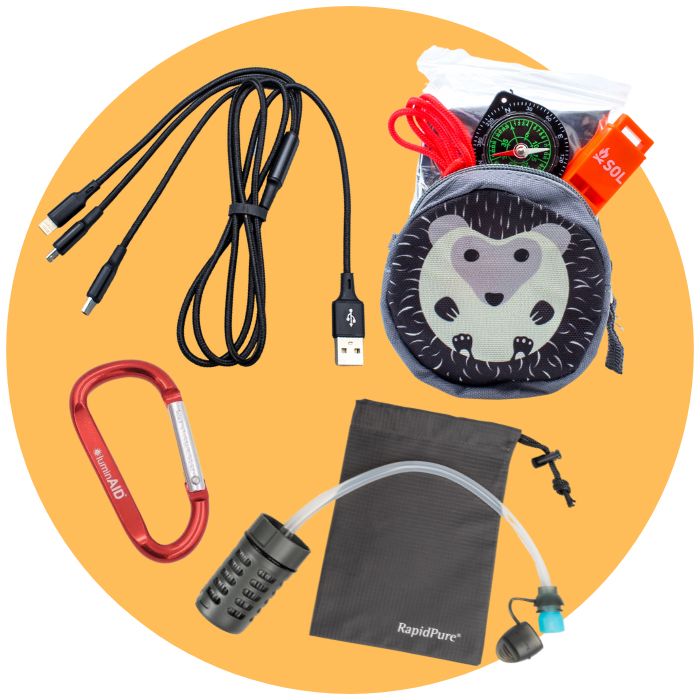
One of the smartest moves you can make is to create a dedicated "power-up" pouch that lives with your main first aid kit. This small, organized sub-kit guarantees your essential tech is charged and ready the moment you need it.
Here’s a simple way to build one:
- The Power Source: Start with a LuminAID Power Lantern. It's your all-in-one area light for working on an injury and a power bank to keep your phone going.
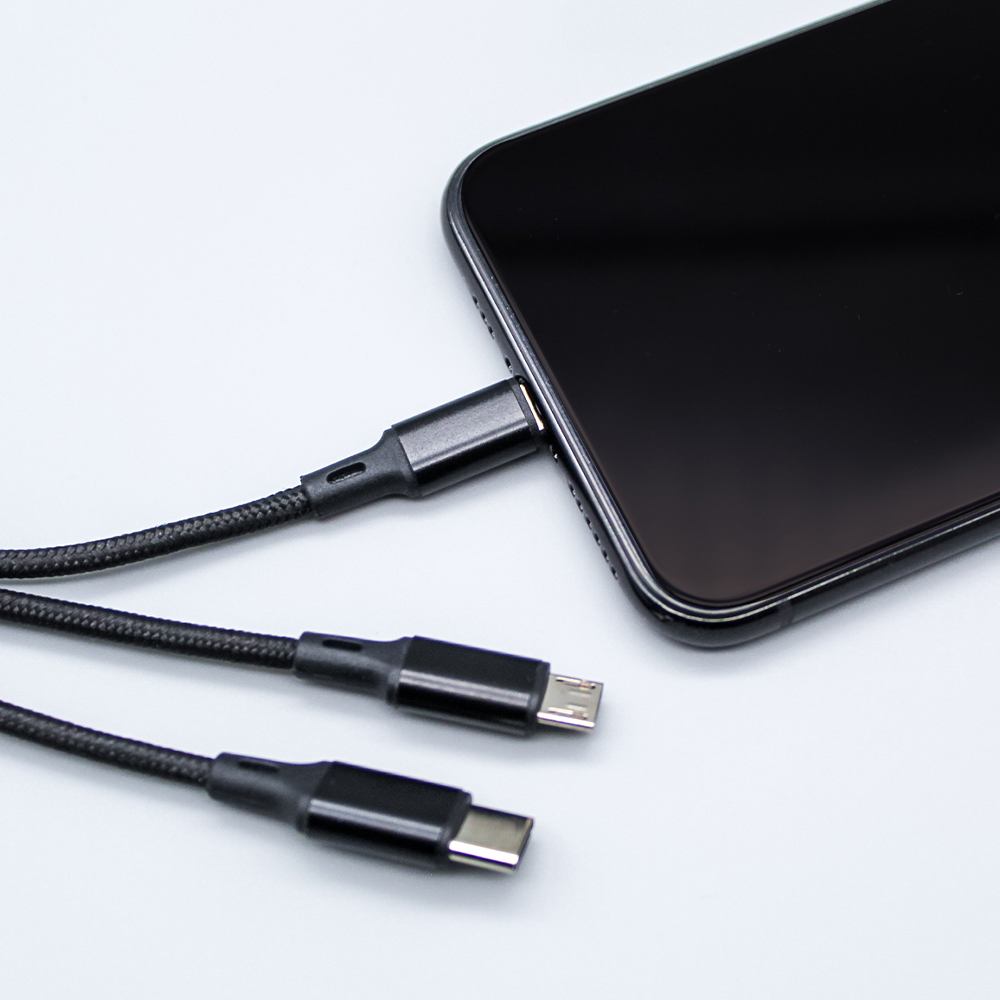
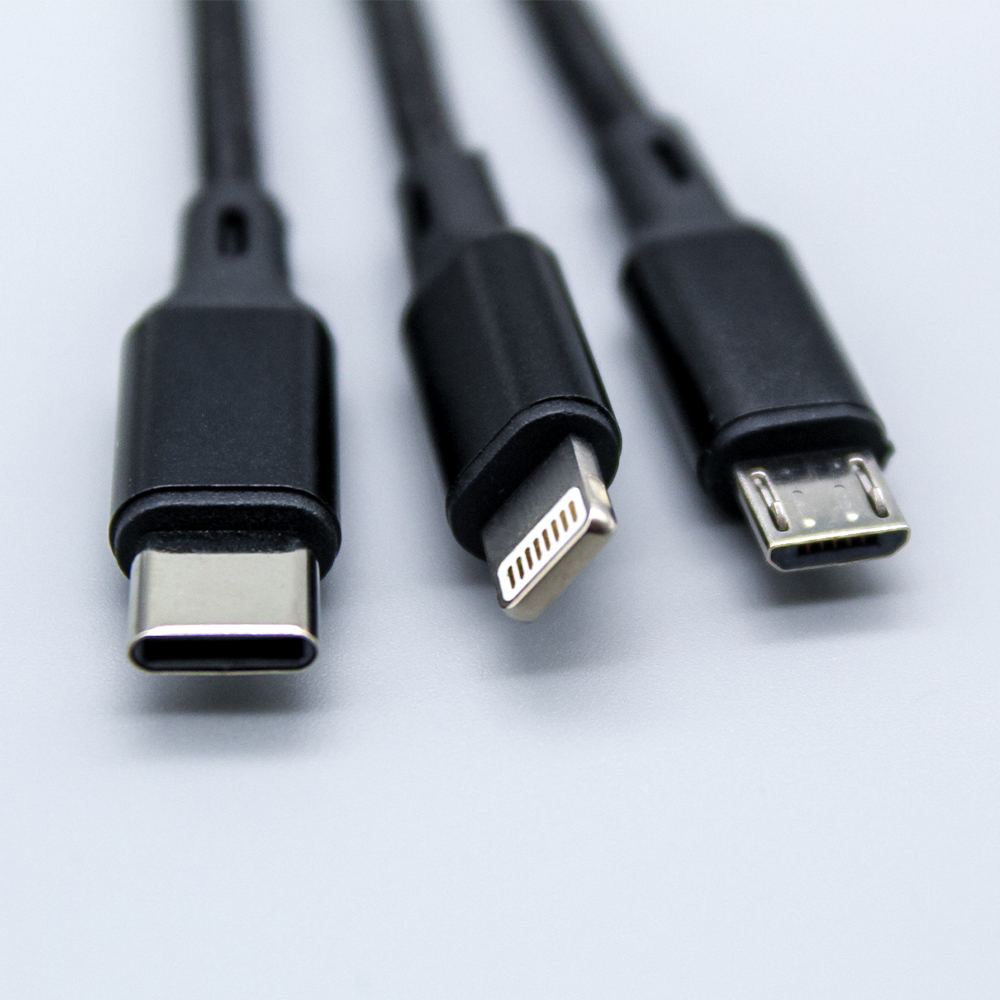
- Charging Cables: Pack short, tough charging cables for your phone and any other small devices you rely on.
- Backup Power: For extra peace of mind, a small, pre-charged power bank can serve as a secondary backup.
This simple pouch transforms your kit from a box of supplies into a real emergency response hub. You’ll have the power to light up a room while dressing a wound, all while your phone is charging to call for help or reassure family.
Real-World Scenarios Illumination In Action
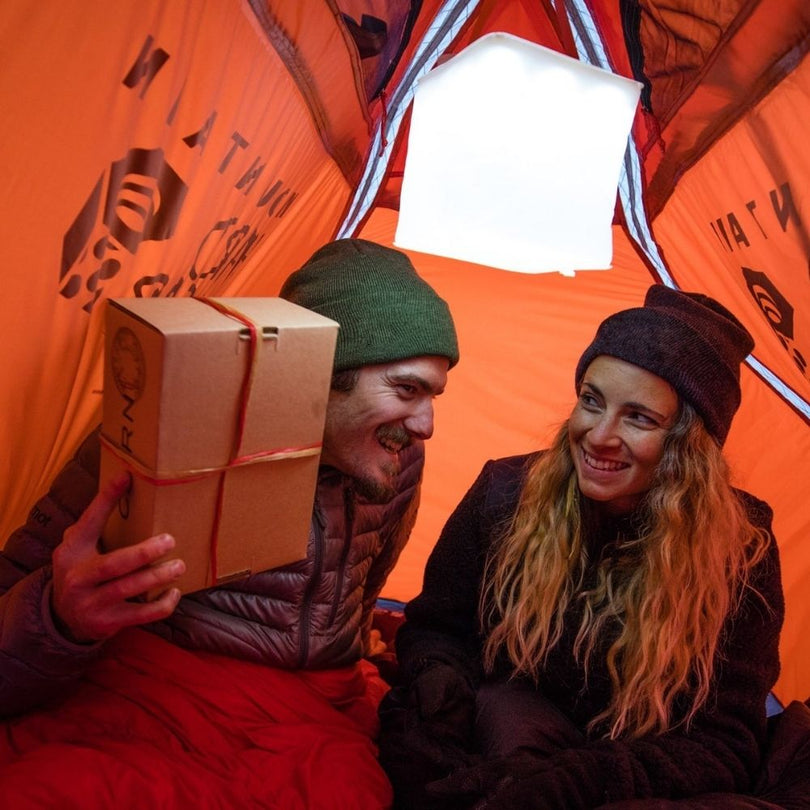
Let's put this into practice. Imagine you're on a camping trip, and someone gets a deep gash after the sun goes down, far from the main campsite. Instead of draining your phone's battery by using its tiny flashlight, you pop open your LuminAID lantern.
Suddenly, you have bright, hands-free light, letting you see the wound clearly, clean it properly, and apply a pressure bandage without fumbling. Meanwhile, if things are serious, your phone has a full battery to call for assistance or look up first aid steps offline. This is the kind of readiness that turns a potential crisis into a manageable event.
For more tips on what to do when the grid goes down, our guide on preparing for power outage lights has you covered. By thinking beyond bandages, you ensure your first aid kit supplies are always ready for action.
Your First Aid Kit Questions Answered
Building a first aid kit is one thing, but keeping it ready for action is another. Let's dive into some of the questions we hear all the time, covering everything from keeping your supplies fresh to what your pets might need in an emergency.
How Often Should I Check My First Aid Kit Supplies?
At a minimum, you should be checking your first aid kits twice a year. A great way to remember is to tie it to a habit you already have, like changing your clocks for daylight saving time. This simple routine makes sure your kit isn't forgotten until you actually need it.
When you do your check-up, you're looking for a few key things:
- Expired Items: Go through every single item with a date—medications, ointments, and even sterile wipes. Toss anything that’s expired. Medication that’s out of date can lose its potency or just flat-out not work.
- Compromised Packaging: Look closely at sterile items like bandages and gauze pads. If a wrapper is torn, open, or damaged, the item is no longer sterile. It's got to be replaced.
- Used Supplies: Did you grab a few bandages for a kitchen cut? Make a list of everything you've used since the last check and restock it. Don't get caught needing a large bandage only to find an empty box.
Now, if you keep a kit in your car—and you should—it needs more frequent attention. Check it every three or four months. The wild temperature swings inside a vehicle, from baking heat to freezing cold, will destroy supplies like adhesives and medications much faster.
What Special Supplies Should A Pet First Aid Kit Include?
Your pet's first aid kit will have some crossover with yours, but animals have their own unique needs. A few specific items can make all the difference.
You can start with the basics from a human kit, like gauze and non-latex gloves, but be sure to add these pet-specific supplies:
- Self-Adhering Wrap: This stuff is gold. It sticks to itself but not to fur, which means you won't be painfully ripping out hair when you remove a bandage.
- Pet-Safe Antiseptic Wipes: Never use human antiseptics on your pets; they can be too harsh or even toxic.
- Digital Rectal Thermometer: This is really the only way to get an accurate temperature reading on a dog or cat.
- Soft Muzzle: Even the sweetest pet can bite when they're scared or in pain. A muzzle is for your protection as much as theirs.
- Emergency Contact Information: This is probably the most critical part of the kit. Tape your vet's emergency number and the ASPCA Animal Poison Control Center hotline (888-426-4435) to the inside lid of the kit.
It's incredibly important to remember that you should never give your pet human medications without explicit veterinary approval. Many common over-the-counter drugs, like ibuprofen and acetaminophen, are highly toxic to dogs and cats.
What Are The Most Overlooked First Aid Kit Items?
Once you get past the bandages and antiseptic wipes, you'll find a handful of items that are almost always forgotten. These are the supplies that can take your kit from basic to truly life-saving.
One of the biggest is a reliable light source. You simply can't treat an injury well if you can't see it, which is why a LuminAID solar lantern is the perfect partner for any kit.
Some other often-missed essentials include:
- A Permanent Marker: It’s invaluable for noting the time a tourniquet was applied, tracking when medication was given, or even drawing a circle around a spreading rash or bite to monitor it.
- Durable Trauma Shears: Your kitchen scissors aren't going to cut through a seatbelt, a leather boot, or a thick winter coat. Trauma shears will, and their blunted tip is designed to avoid injuring the person you're trying to help.
- High-Quality Medical Tape: Don't go cheap here. Good tape stays sticky even when damp, keeping bandages and splints secure when it counts.
- A CPR Barrier Mask: This simple device protects you from direct contact during rescue breathing.
- Emergency Blanket: A mylar blanket weighs almost nothing but is one of the most effective tools for treating shock and warding off hypothermia.
You'll also find that some of the best gear comes from the outdoor world. Checking out specialized brands like Adventure Ready Brands can introduce you to multi-use items that are lightweight and incredibly effective. Adding a few of these unsung heroes will make your kit ready to handle what really happens out there.
At LuminAID, we believe that being prepared goes beyond bandages. It means having reliable light and power when you need it most. Our solar-powered lanterns and 2-in-1 phone chargers are the perfect companions for any first aid kit, ensuring you can see, communicate, and respond effectively in any situation. Explore our full range of off-grid solutions at LuminAID.com.