

You notice lighting when it fails. The tent zipper snags, the camp stove knob disappears into the dark, or the power goes out at home and the flashlight drawer is full of dead batteries. That’s usually the moment people start looking for a portable solar camping light that can live in a pack, a glove box, or an emergency bin without demanding much attention until it’s needed.
That shift isn’t just personal preference. It reflects how people camp and prepare now. They want gear that works off-grid, stores easily, and doesn’t depend on a last-minute battery run. A good solar light isn’t a novelty anymore. It’s part of the basic lighting plan, right alongside a headlamp and a backup light source.
Why Solar Lights Are Essential for Modern Campers
A lot of lighting mistakes happen before dark. Someone brings a lantern that’s bright but bulky. Someone else brings a tiny light that’s fine for finding socks in a tent but useless for cooking or handling a blown fuse at home. Then the sun drops, and everybody learns what their gear can’t do.
That’s why solar lights matter. They solve a simple problem. You can recharge them without disposable batteries or wall power, which gives them real value on multi-day trips, road travel, and during outages. For many people, they become the light that stays packed because it’s easier to keep ready.

The category is growing because the use cases are obvious. The global camping lanterns market was valued at $1.82 billion in 2025 and is projected to reach $3.14 billion by 2034, with the solar-powered segment growing at an accelerated rate of 8.4% CAGR, which points to a real shift toward grid-independent lighting rather than a short-lived trend, according to camping lantern market projections from Dataintelo.
What makes them practical now
Modern models are easier to live with than older solar gear. Better LEDs, better battery management, and more packable designs mean you can get useful light without carrying a brick. If you want a broader look at how connected outdoor gear habits are changing, today’s campers staying on grid in the outdoors is worth reading.
What matters in the field is less about the idea of solar and more about the outcome.
- For camp use: you get area light without burning through replaceable batteries.
- For emergency prep: you can stage a light in a closet or kit and top it off ahead of storms.
- For travel: you’ve got a light source that still works when you’re away from outlets.
Practical rule: If your lighting plan depends on a store being open after sunset, it isn’t a plan yet.
Where solar lights fit in a real kit
A portable solar camping light works best as a lantern-style layer in your system. It’s not a replacement for a headlamp when you need both hands. It’s not always the strongest task light either. What it does well is provide steady, rechargeable ambient light for the tent, picnic table, vehicle, or kitchen counter during an outage.
That’s why experienced campers and home preppers keep one even when they own other lights. It covers the middle ground. Not wearable, not overbuilt, not fuel-hungry. Just dependable enough to earn a permanent spot in the kit.
Decoding the Specs Lumens Battery and More Explained
Specs only help if you can translate them into camp use. A product page may throw around lumens, battery size, charge time, and weather resistance, but those numbers don’t mean much unless you know what they change in practice.
Start by reading a lantern the way you’d read a map. Don’t ask whether the number is big. Ask what that number will let you do after dark.

Lumens tell you what kind of work the light can do
Lumens measure brightness. In plain terms, low output is enough for tent light, reading, and keeping your bearings without blasting everyone around you. Higher output is more useful for cooking, gear sorting, or lighting a picnic table or shelter area.
The mistake is buying by peak brightness alone. A lantern that looks impressive on its highest mode may spend most of its life on medium or low. That’s normal. Good lanterns give you useful steps between barely-there glow and full task lighting.
Battery and runtime aren’t the same thing
Battery capacity matters, but it doesn’t tell the whole story. Two lights with different battery sizes can feel very different in use depending on how efficiently they drive the LEDs and what brightness modes they offer.
Think of runtime as the figure that affects your night. A light with a modest high mode but a very usable low mode is often more valuable than a light that chases peak brightness and burns through charge quickly.
Charging time is where marketing and field reality separate
Buyers frequently misinterpret listed solar charge times. These typically assume strong direct sun, a clean panel surface, and good orientation. In actual camp conditions, trees, haze, clouds, and how you place the light all matter.
The charging trade-off is well documented in product-level performance details. Monocrystalline panels have a 15 to 22% efficiency rating in lab conditions, but field performance can degrade 20 to 40%. A light that needs 10 to 12 hours of direct sun might need 18+ hours in overcast conditions, which is why the PackLite Nova USB charging discussion from LuminAID makes USB backup charging such an important reliability feature.
Don’t treat “solar rechargeable” as a guarantee of daily full recharge. Treat it as a system that works well when you manage placement, weather, and backup options.
Durability is more than waterproof marketing
A portable solar camping light gets tossed in bins, clipped to packs, left on tables, and used with cold hands. Durability ratings matter because outdoor lighting takes repeated abuse, not one dramatic accident.
Look for these practical signs of durability:
- Weather resistance: useful for dew, drizzle, splash, and damp campsites.
- Impact tolerance: a light that survives being dropped on dirt or gravel is more useful than one that only looks good on a shelf.
- Simple controls: buttons should make sense in the dark and with gloves or numb fingers.
- Pack shape: flat, collapsible, or soft-sided lights often store better than rigid lanterns.
If you use those four filters, spec sheets become easier to read. You stop chasing the biggest number and start choosing the light that fits the way you camp.
How to Choose the Right Solar Light for Your Adventure
The right portable solar camping light depends on what failure you’re trying to avoid. On a backpacking trip, failure means carrying too much weight for too little benefit. In a car campsite, failure means weak area light that turns dinner prep into guesswork. In an emergency kit, failure means the light works once and then becomes a dead plastic object.
That’s why shopping by scenario works better than shopping by brand.
For backpacking
Backpackers should care about packed size first, then low-mode usefulness. You don’t need a lantern that can flood a whole group site if your real use is reading in a tent, filtering water after sunset, or hanging a light inside a shelter.
A lightweight lantern with sensible brightness steps usually beats a larger one with a giant battery. If you need more light for hiking after dark, a headlamp should handle that job. The lantern is there for camp comfort and backup.
For car camping and RV travel
Car campers can afford more lantern than backpackers. Extra size isn’t a problem if the light improves camp life. Wider beam spread, easier hanging options, and a battery that lasts across several evenings matter more here.
This is also the use case where people overbuy brightness and underbuy convenience. A lantern that can sit on a table, hang from an awning, and dim down for evening use is often more valuable than one built around a single high-output mode. If you’re comparing options specifically for this style of use, solar lanterns for camping offers a useful starting point.
For emergency kits at home or in the vehicle
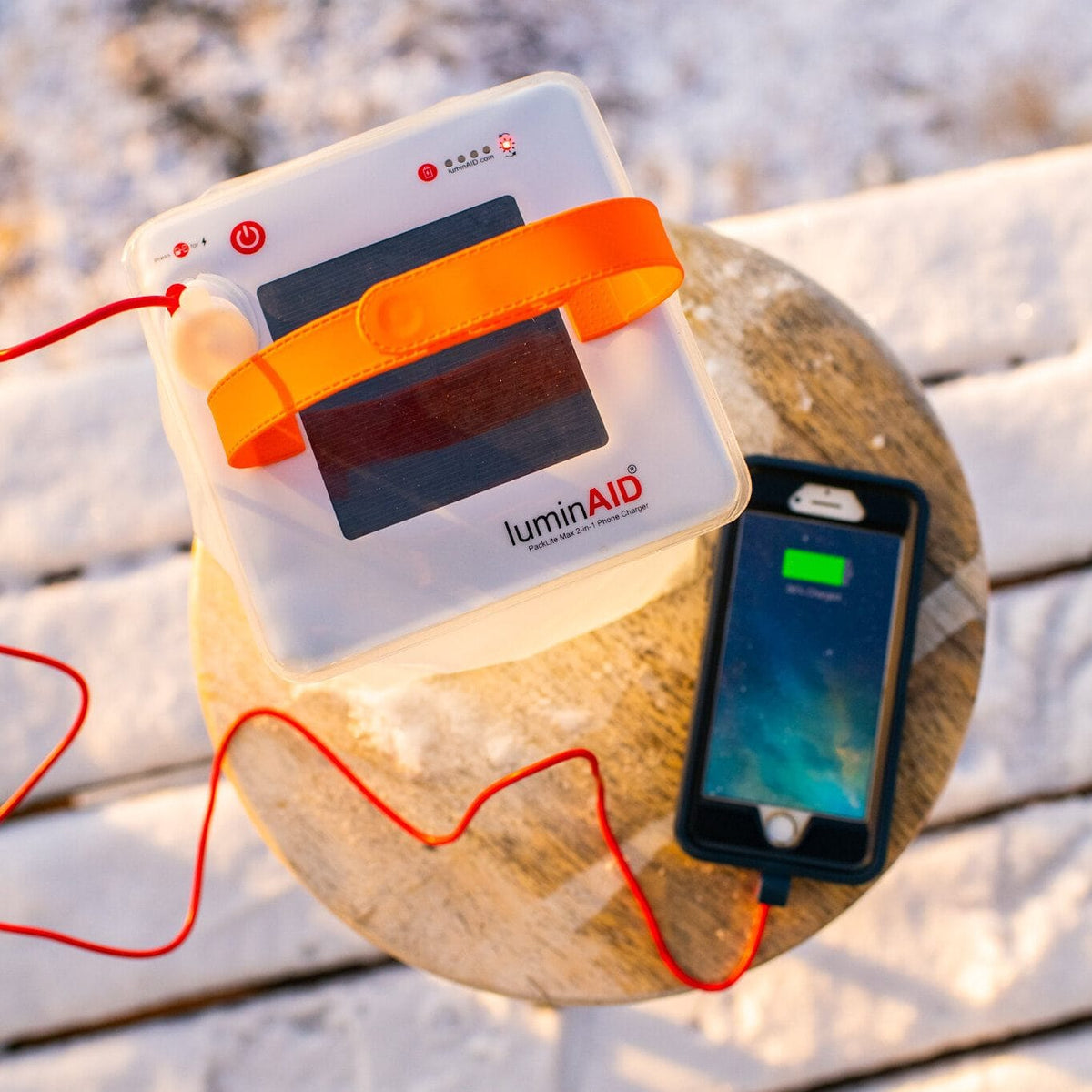
Emergency prep shifts the priority list. Runtime on lower modes matters a lot. So does simple charging. If the light can also top off a phone, that’s helpful, but only after the light itself proves dependable.
The big lesson here is that brightness drains batteries fast. Portable solar lights often show non-linear runtime. One example can run for 7 hours at 2400 lumens but 150 hours at 35 lumens. A 50% brightness reduction can extend runtime by 150 to 200%, which is why REI’s camping lantern guidance is so useful when matching a lantern to task lighting versus ambient lighting.
| Specification | Backpacking | Car Camping / RV | Emergency Kit |
|---|---|---|---|
| Primary priority | Low weight and small packed size | Comfortable area lighting | Reliable runtime and easy storage |
| Best brightness profile | Modest output with useful low mode | Broader range from ambient to task light | Long-lasting low and medium modes |
| Charging preference | Solar plus USB backup if possible | Solar, USB, and flexible placement | USB backup strongly preferred |
| Ideal form factor | Flat, collapsible, easy to clip or hang | Table-friendly or hangable lantern | Easy to find and operate in the dark |
| What to avoid | Oversized batteries and bulky housings | Single-mode harsh light | Lights that depend on ideal sun to stay ready |
Match the light to the trip, not the product page. The wrong lantern usually isn’t bad. It’s just built for someone else’s problem.
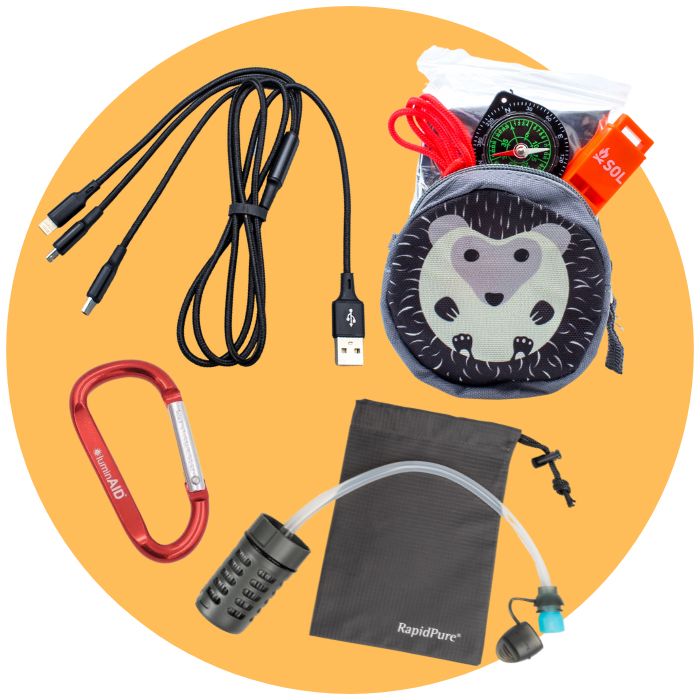
If your goal is preparedness, build the light into a broader system. A solid emergency kit should also cover first aid, water, and shelter basics. Survive Outdoors Longer is a good example of the kind of gear ecosystem that makes a light more useful because the rest of the kit is squared away too.
Pro Tips for Setup Use and Maintenance
Most complaints about solar lanterns come from setup, not from the light itself. People leave the panel dirty, charge it in weak angles, store it dead, or expect one afternoon of casual sun to carry them through several nights. A little routine solves most of that.

The good news is that solar lighting has become much easier to own. Solar light prices have dropped by about 80% over the past six years, and the combination of minimal maintenance and zero ongoing energy cost has made them an accessible option for both recreation and emergency use, according to Allied Market Research’s solar lights market overview.
Setup habits that improve real performance
Use the light like a panel with a lantern attached. That mindset helps.
- Face the panel intentionally: set it where it sees the strongest sun, not just where it’s convenient.
- Move it during the day if needed: the best charging spot at breakfast may be shaded by lunch.
- Keep the panel clean: dust, tree pollen, and fingerprints all hurt charging.
- Use lower modes first: save high mode for cooking, repairs, and short task bursts.
For model-specific setup ideas and charging basics, how to get started with your LuminAID lights walks through the fundamentals clearly.
Storage and long-term care
A lantern that sits forgotten in a basement for months needs some attention if you expect it to work on demand. Recharge it periodically, especially before storm season, road trips, and shoulder-season camping. Store it somewhere you can reach without unpacking half the house.
If it lives in an emergency bin, pair it with the rest of your essentials. A light matters more when it’s next to medical supplies, water treatment, and warmth layers instead of being lost in a garage drawer. Adventure Medical Kits is a useful reference point for building out that side of the kit.
This walkthrough is also helpful if you want to see practical handling and use in context.
Small field tricks that pay off
A few habits make a bigger difference than people expect.
- Hang for softer area light: overhead placement spreads light better than setting the lantern on the ground.
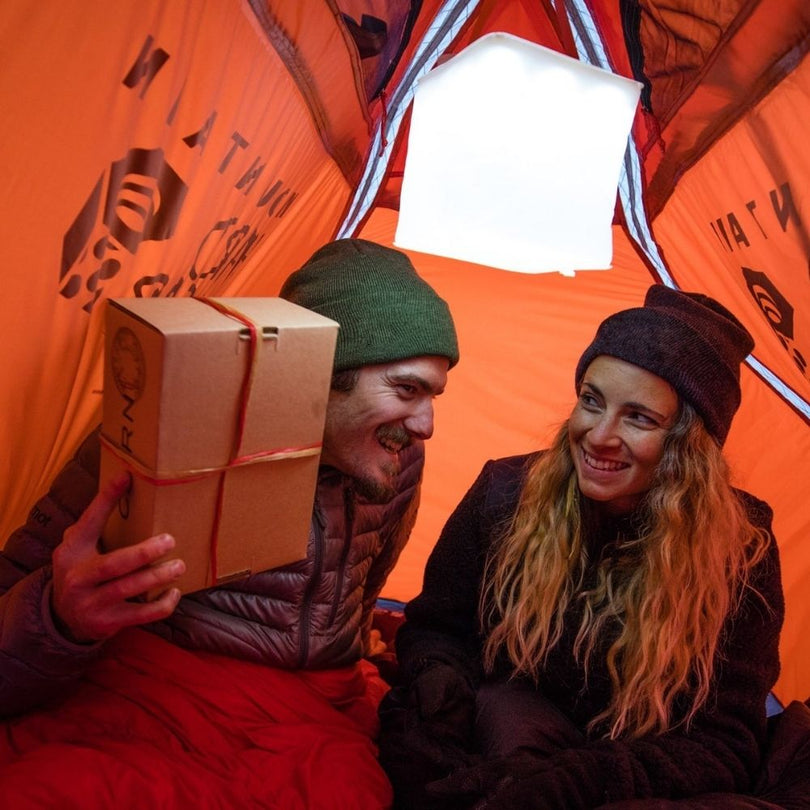
- Use inside reflective spaces carefully: tents and light-colored tarps amplify usable light.
- Keep one charged in the car: road delays and unexpected overnights happen.
- Carry a second light source: redundancy still matters. Solar is strong, not magic.
Shining a Light on Innovation The LuminAID Difference
Some portable solar camping lights are built for a narrow job. Others solve several problems at once. The useful designs are the ones that respect how people store and use gear. They need to pack small, survive being moved around, and provide light that feels usable rather than theoretical.
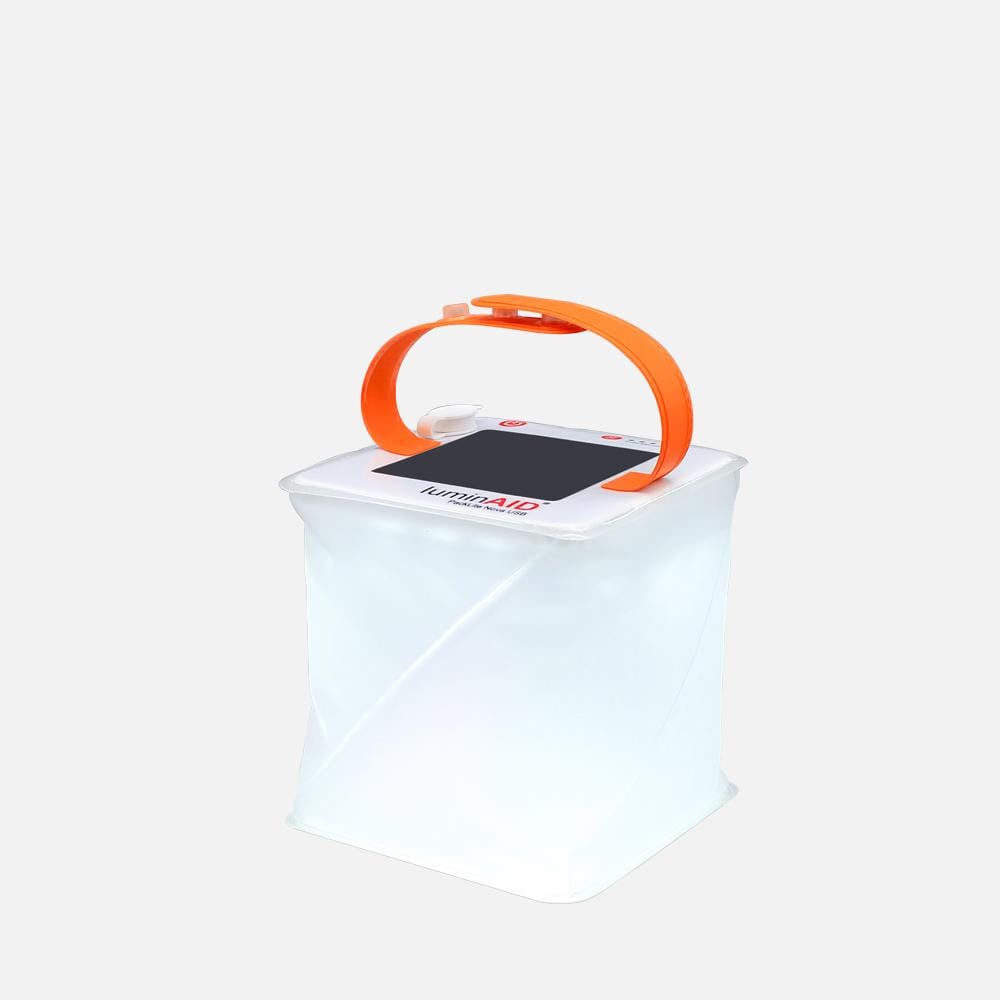
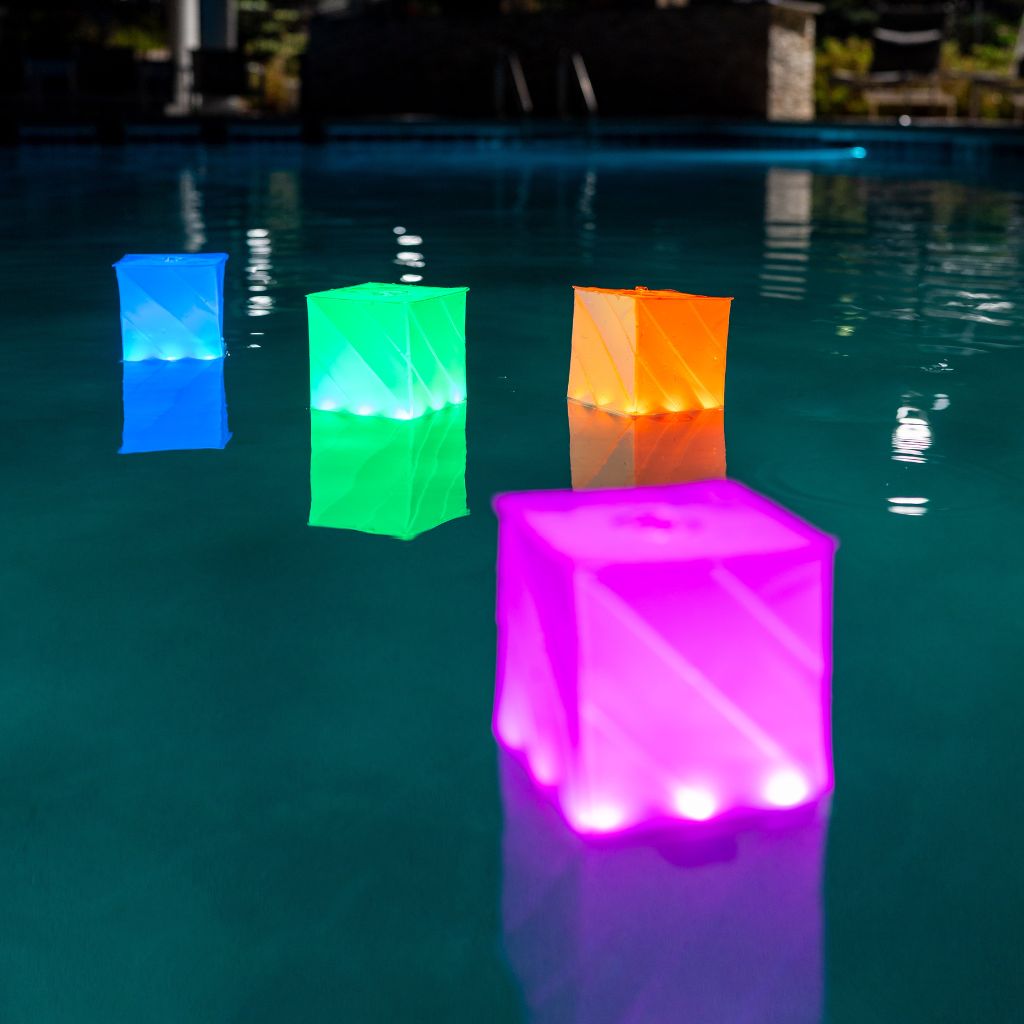
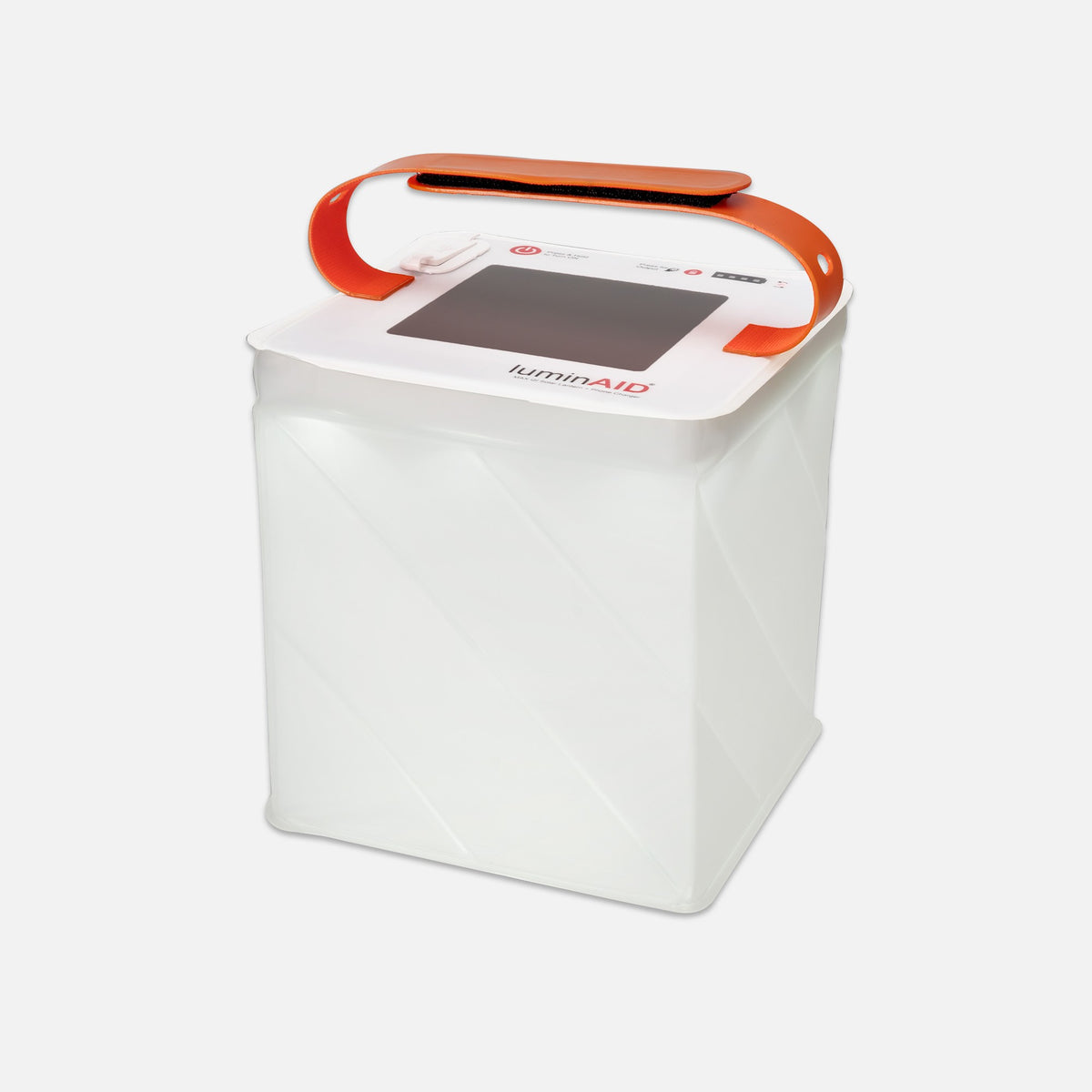
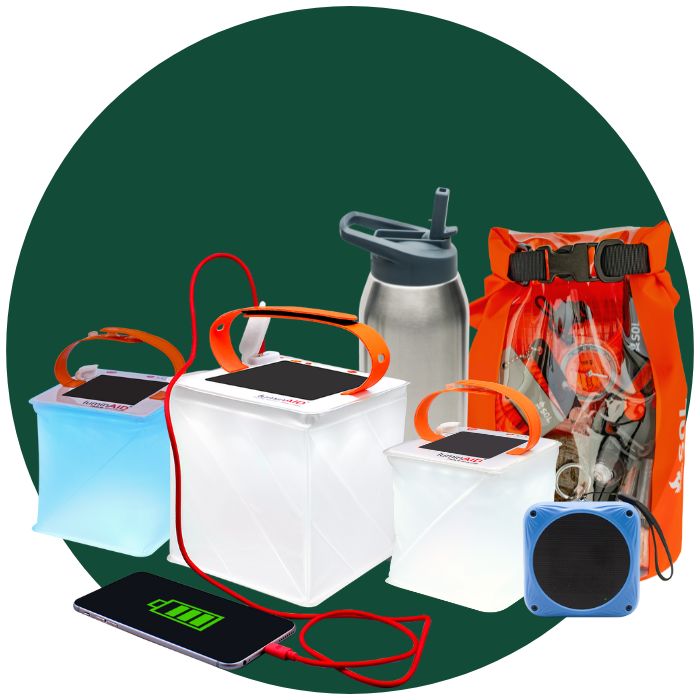
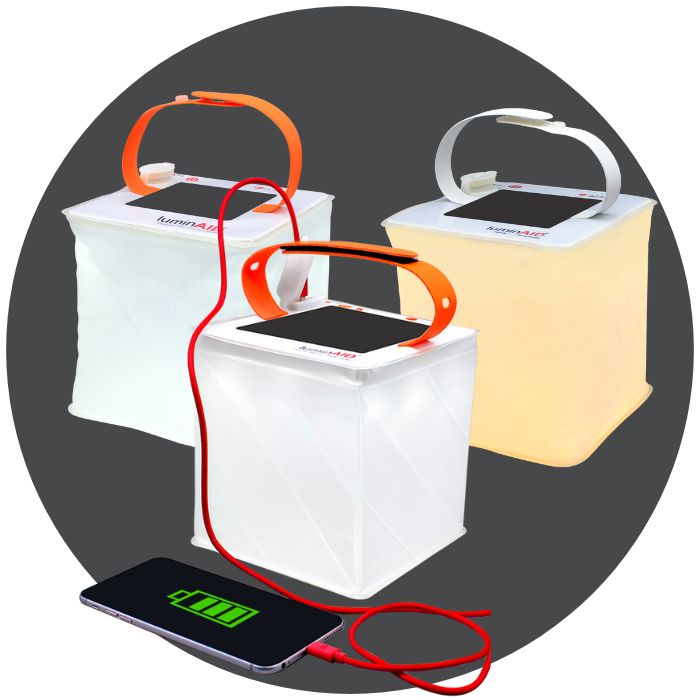
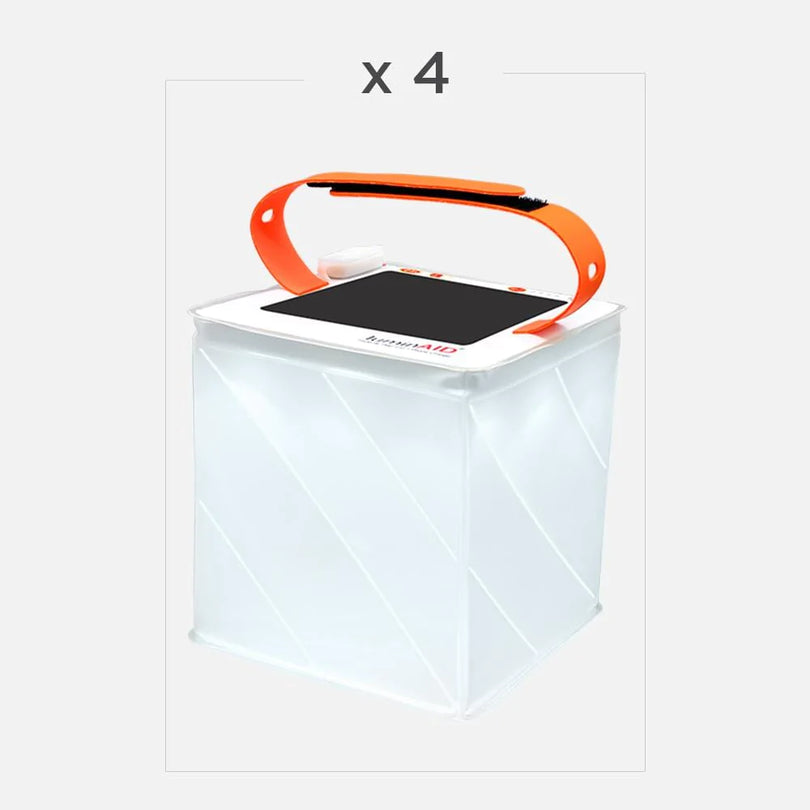
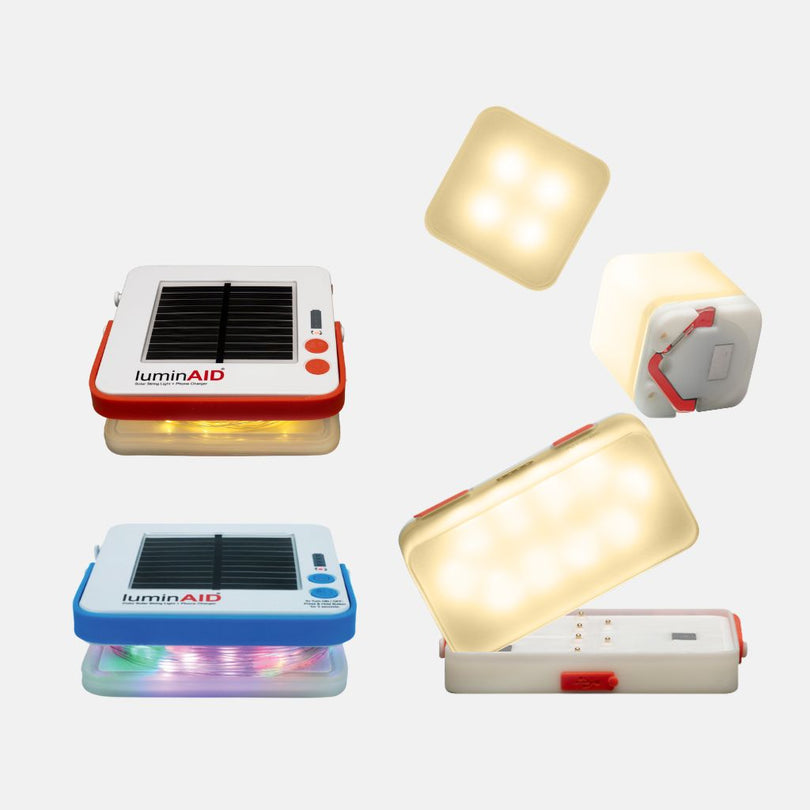
A good example is LuminAID, which makes inflatable solar lanterns and 2-in-1 phone charging lanterns aimed at camping and emergency preparedness. That pack-flat format addresses a real problem. Hard-sided lanterns often waste space in backpacks, bins, and glove compartments, while a compressible light is easier to keep with you rather than leaving behind.
Why design choices matter
The most useful innovation in this category isn’t flashy. It’s practical. A lantern that stores flat, sheds some water and dust, and gives you both ambient light and device charging can fit more situations than a single-purpose camp light.
That matters in three common scenarios:
- Backpacking and travel: easier packability means it’s more likely to make the trip.
- Car kits and storm bins: a soft, compact lantern is easier to stage and store.
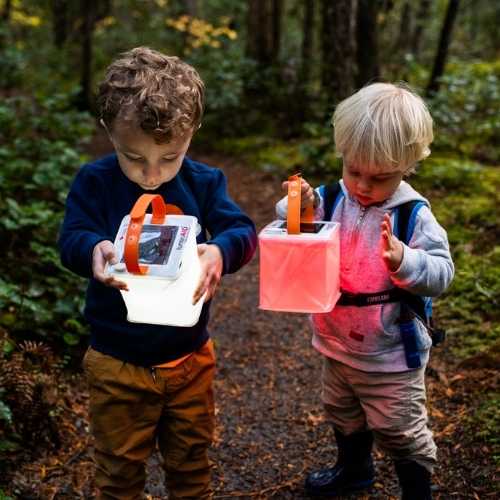
- Family camping: diffuse area light is often more pleasant than a harsh beam lantern.
The best gear isn’t the gear with the longest feature list. It’s the gear people keep close because it fits their routine.
The purchase can do more than solve your own problem
There’s another consideration some buyers care about, and it’s worth including. In this category, impact isn’t just about lower ongoing energy cost. It can also include how a company connects products to disaster response and off-grid access to light.
LuminAID is known for linking its retail business to humanitarian support through programs that help deliver light to disaster and refugee relief efforts. For buyers who want their gear purchase to align with preparedness and practical social impact, that’s a meaningful factor. It doesn’t replace the need to evaluate runtime, charging, and usability. It adds another reason to think carefully about where your money goes.
Common Questions About Solar Camping Lights
People usually ask the right questions once they stop comparing spec sheets and start imagining actual use. Can this charge when the weather turns? Will it really last all night? Is an inflatable light durable enough for repeated trips? Those are the questions that matter.
Do solar camping lights work on cloudy days
They can still collect energy in poor conditions, but charging slows down. That’s why buyers should be careful with runtime claims that sound generous without explaining recharge assumptions.
There’s often a gap between advertised and real-world runtime. A lantern might claim 50 hours of light, but that can depend on ideal solar recharging conditions that won’t be available in every climate or season, as discussed in this review context around solar lantern runtime claims. For emergency use, that means you should never assume tomorrow’s weather will refill tonight’s battery.
Should I trust the highest runtime number on the box
Treat the highest runtime as the best-case version of the light, not the everyday version. It usually reflects the lowest brightness mode. That can still be useful if your main goal is soft tent light or outage lighting through the night.
If you need stronger light for cooking, repairs, or first aid, expect less runtime. That isn’t a flaw. It’s the normal trade-off between brightness and endurance.
Are inflatable solar lanterns durable enough
For many campers and homeowners, yes. They’re especially useful when storage space matters. They’re not indestructible, and they shouldn’t be treated like hard utility lights, but they can be a smart choice when packability is part of the job.
The question isn’t whether they’re inflatable. It’s whether the material, seams, controls, and charging method fit your use. A careful family camper and a rough overlander may want different builds.
Can one solar lantern replace all my other lights
Usually not. It can replace a lot of disposable-battery lantern use, but it shouldn’t be your only light source. A headlamp still does hands-free work better. A flashlight still works better for directed beams and distance. A portable solar camping light shines most as area light, backup power, and low-maintenance readiness.
Build your lighting plan in layers. Lantern for shared light, headlamp for work, flashlight for reach.
Conclusion Lighting Your Way Forward Sustainably
The right portable solar camping light isn’t the one with the most dramatic spec sheet. It’s the one that fits how you travel, camp, and prepare. Backpackers usually need compact size and efficient low modes. Car campers benefit from broader area light and easier placement. Emergency kits need dependable runtime, simple controls, and charging options that don’t fall apart when the weather does.
The bigger shift is practical too. People are buying lighting that asks less from them over time. Fewer disposable batteries, fewer last-minute replacements, and less dependence on outlets changes how ready you are at camp and at home. If sustainability is part of your buying criteria beyond outdoor gear, this 2026 eco promotional guide is a useful look at how people are thinking about lower-waste product choices more broadly.
Choose the light for the outcome you need. Read the charging claims with a skeptic’s eye. Keep it topped off, store it where you can reach it, and treat it like part of a full lighting system.
If you want a compact solar lantern or a light-and-phone-charger setup for camping, outages, or travel, take a look at LuminAID.