

You buy a set of solar lights, place them where they'll catch daylight, and expect them to work when you need them. Then the first cloudy stretch hits, or the lights spend every night burning through stored power for no real reason, and suddenly they're dim when you want light by the patio, in camp, or during an outage.
That's the difference between a basic automatic light and outdoor solar lights with an on off switch. The switch looks minor. In practice, it's the feature that gives you control over battery use, storage, setup, and reliability.
For backyard lighting, that means you're not forced into dusk-to-dawn operation every single night. For camping, it means you can save charge for the hours that matter instead of wasting it in the pack or at an empty site. For emergencies, it means the light can sit ready without draining itself before you need it.
Your Guide to Controllable Solar Lighting
Automatic-only solar lights are fine when conditions are ideal. Full sun, short-term use, no need to manage power. Real life usually isn't that clean.
A common failure pattern looks like this. A homeowner sets solar stake lights along a walkway, leaves them in automatic mode every day, and gets decent performance in summer. Then winter arrives, daylight drops, and the lights start fading early. The same thing happens with camp lanterns that get left active between trips. They aren't broken. They're just working on a limited energy budget with no user control.
That's why the switch matters.
A manual on/off switch turns a passive product into gear you can manage. You can charge it before first use, keep it off when the light isn't needed, store it without needless discharge, and decide when to spend the battery you've collected. That makes a solar light more predictable, which is exactly what you want from any piece of outdoor equipment.
Where the difference shows up fastest
The benefit shows up most clearly in three situations:
- Backyard use: You may want light for guests on the weekend, not every night.
- Camping trips: You need battery power at camp after dark, not while the lantern rides in a tote all day.
- Emergency kits: You want a light that's charged and available after storage, not one that slowly ran itself down.
Practical rule: If a solar light has stored energy and no way to stop spending it, you don't control the tool. The tool controls you.
That's why switched solar lights are more than a convenience feature. They give you a way to manage scarce power on purpose.
Why a Manual On Off Switch Matters
The simplest reason is still the most important. Stored solar energy is limited. Once the battery fills, every minute of light output spends part of that reserve.
A switch lets you choose when to spend it.
Consumer Reports' 2026 lab review specifically recommends models with an on/off switch so users can turn the lights off when they don't need them and conserve battery charge, and notes that the panel can still recharge the battery during daylight even when the light is switched off, as covered in Consumer Reports' review of outdoor solar lights.

It works like battery-saver mode for outdoor gear
Think about a phone power bank. You wouldn't leave it powering a device continuously when nothing needs charging. A solar light battery works the same way. If the light turns on every night by default, it keeps discharging whether or not you need illumination.
That has practical consequences:
- Cloudy weather: You can save charge for the next useful night instead of letting the light run weakly every evening.
- Seasonal use: You can shut the unit down when a deck, path, or campsite isn't in use.
- Dark-sky control: You can stop unwanted glow around the yard or campsite.
- Storage: You can put the light away without it cycling on and off in changing light.
What the switch does and does not do
A lot of buyers assume OFF means the panel stops working. On most switched solar lights, that isn't what happens. The switch disables lighting output or the load side of the system. It doesn't replace the charging function.
That distinction is why the feature matters so much. A true switch gives you manual control over discharge while still allowing the battery to collect energy in daylight.
Turned off doesn't mean disconnected from the sun. It means the battery isn't being spent on light output.
The trade-off is small
There is a trade-off. Manual control asks you to remember to use it.
If you never want to think about your lights, an automatic-only model is simpler. But simplicity and reliability aren't the same thing. For anyone who camps, stores gear between seasons, or wants lighting to be ready during outages, a switch is the more useful setup.
Key Features to Compare in Your Solar Light
Specs matter, but only when they connect to how you'll use the light. Product listings often throw out terms like brightness, battery size, weather resistance, and charge time without helping you decide what they mean at the campsite or in the yard.
A better way to shop is to judge each feature by the job.
Start with the control system
The switch should be easy to find, easy to use with cold hands, and hard to trigger by accident in a bag or storage bin. On many outdoor solar lights with on off switch designs, the switch acts as a hard power-enable or disable control. Guidance from Intelamp also notes that keeping the switch off during the first charge cycle reduces immediate battery drain and helps the battery reach a full initial state of charge, as explained in this guide to charging solar lights with an on off switch.
If you're comparing styles, look at the actual use case:
- Small recessed button: Better protection from accidental bumps, but harder with gloves.
- Raised tactile switch: Easier in the dark, but easier to press by mistake in transit.
- Mode button plus power button: More versatile, but can be annoying if you have to cycle through every brightness setting to shut it off.
Match the body and beam to the job
A patio light, a tent lantern, and a path marker shouldn't be judged the same way.
A broad, diffused lantern works better for camp chores, tent light, and emergency room lighting. A directional beam works better for walking paths, stair edges, or focused task light near a door. String lights are best for atmosphere, not utility.
If you want a second opinion on how portable solar lanterns differ by use case, this solar lantern buyer's guide is a useful comparison point.
Don't ignore weather and hardware quality
Outdoor gear fails at hinges, seals, ports, and mounting points long before the LED itself gives up.
Look closely at:
- Panel protection: A scratched or cloudy panel won't collect light as well.
- Seal quality: Better gasket design matters more than slick marketing language.
- Mounting hardware: Stakes, clips, loops, and hanging handles should fit how you'll deploy the light.
- Charge port covers: If the light includes backup charging, the cover should close securely.
Use this simple comparison table
| Specification | What to Look For | Why It Matters |
|---|---|---|
| Switch design | A clear physical on/off control you can operate easily | Lets you manage battery use, storage, and transport |
| Light pattern | Diffused lantern glow or directional beam, depending on use | Affects whether the light works for patios, camps, or pathways |
| Battery access | Replaceable or well-protected internal battery setup | Influences long-term service life and maintenance |
| Solar panel placement | Panel angle and exposure that won't be blocked in normal use | Better charging starts with better placement |
| Housing durability | Weather-ready body, solid seams, and dependable mounts | Outdoor lights live outside. Weak housings fail early |
| Controls | Simple power logic and sensible brightness modes | Fast operation matters when you need light quickly |
| Portability | Handles, loops, low bulk, or packable form | Important for camping, RV use, and emergency kits |
Buy for the failure points, not the showroom moment. A light that's easy to control, easy to place, and easy to store is usually the one that gets used for years.
Practical Use Cases for Switched Solar Lights
The value of manual control becomes obvious once the light leaves the product page and starts dealing with weather, storage, and imperfect routines.

Backyard and patio use
For home lighting, a switch helps you stop treating every night the same.
Maybe you want warm light for dinner outside on Friday and Saturday, but there's no point draining the battery Sunday through Thursday. In that setup, switched lights give you control over mood and battery reserve. They also cut nuisance glow when you'd rather keep the yard dark.
Homeowners thinking beyond a single fixture often benefit from seeing broader design ideas. If you're planning a full yard setup, these ideas for landscape lighting for Peoria AZ homes are useful for placement, layering, and balancing decorative and practical light.
Camping and off-grid travel
At camp, power management matters more than convenience. If the weather turns or your site gets partial sun, stored charge becomes something you ration.
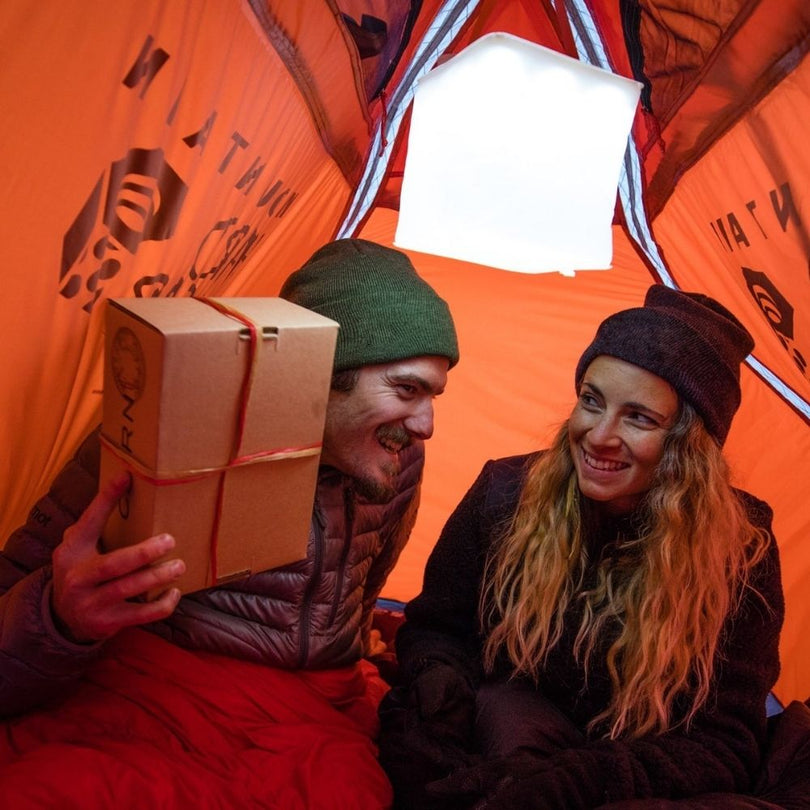
That's where switched lights earn their keep. You can leave the lantern off through the day, save output until you need to cook, sort gear, or make a night walk to the restroom. You can also pack the light without it waking up in a duffel from changing light conditions.
For trip-specific ideas, this guide to a portable solar camping light shows how a compact solar light fits into a camp setup.
The issue gets sharper in poor charging conditions. Guidance from Eco Solar Lights notes that the on/off switch becomes critical in low-sun or winter conditions because it lets users manually manage the light to extend usable runtime during cloudy spells, storms, or outages, as discussed in their FAQ on why solar lights have an on/off switch.
A few preparedness items pair naturally with switched solar lighting. For compact emergency and survival tools, Survive Outdoors Longer is a practical resource to browse alongside your lighting kit.
Here's a quick visual walkthrough of solar lighting in outdoor use:
Emergency readiness
A blackout changes how you judge gear. Decorative features stop mattering. Predictability matters.
A switched solar light belongs in that category because it can stay stored with less risk of slowly draining itself through repeated automatic cycles. When the grid goes down, you decide whether that light is for a hallway, a bathroom trip, a meal prep station, or a phone-check station. That control is what makes it useful, not just nice.
Installation Maintenance and Troubleshooting Tips
Most solar light complaints come from setup mistakes, bad placement, or confusion about what the switch controls. The good news is that these problems are usually fixable without replacing the light.
Get the first charge right
One of the most common user questions is whether a solar light charges while switched off. Guidance from ShoneStore notes that a true on/off switch stops the light from turning on while the panel continues charging the battery, which is why off-mode matters for first-charge best practices and emergency storage, as explained in this article on the purpose of the on/off switch on solar lights.
That leads to the first rule of ownership. When you unpack a switched solar light, don't rush to test it at night. Give it time to charge before asking it to perform.
If you need a brand-specific walkthrough for common charging behavior, this LuminAID charging and power guide is a useful example of the process.
Placement and upkeep
A light can only store what the panel collects. If the panel sits under leaves, roof overhangs, railings, or shade for most of the day, runtime will be disappointing no matter how good the battery is.
Use this field checklist:
- Choose direct sun: Put the panel where it sees open daylight, not filtered light through branches.
- Keep the panel clean: Wipe off dust, pollen, and grime so charging isn't choked off.
- Watch nearby light sources: Porch lights and streetlights can confuse dusk sensors on some units.
- Check after seasonal changes: Sun angles shift, and a good summer location can become a poor winter one.
A dim solar light often isn't defective. It's undercharged.
What to do when performance drops
If a light suddenly seems weak, don't assume the battery is dead. Work through the basic causes first.
- Short runtime after cloudy weather: Turn the light off and let it build charge for a while instead of forcing nightly operation.
- Light won't come on: Make sure the switch is active, then test the sensor in darkness.
- Light turns on too early or acts oddly: Check for artificial light spill or a dirty sensor area.
- Poor performance after storage: Give the unit a full charging session before judging it.
Storage habits that prevent trouble
For seasonal gear, the switch pays off most when the light isn't in use. If you're storing a solar lantern in an RV, garage bin, or emergency tote, power it down first. That reduces unnecessary discharge and helps the light stay more ready for the next trip or outage.
Good maintenance isn't glamorous, but it's what keeps outdoor solar lights with on off switch setups dependable year after year.
The LuminAID Advantage for Off-Grid Lighting
Portable solar lighting has moved away from fixed, automatic-only products and toward gear people can manage directly. PacLights describes this broader shift as an evolution from basic dusk-to-dawn operation to user-controlled systems with on/off switches, allowing owners to disable automatic lighting for storage or seasonal use while still allowing the battery to charge, as explained in their overview of solar lights with a switch.
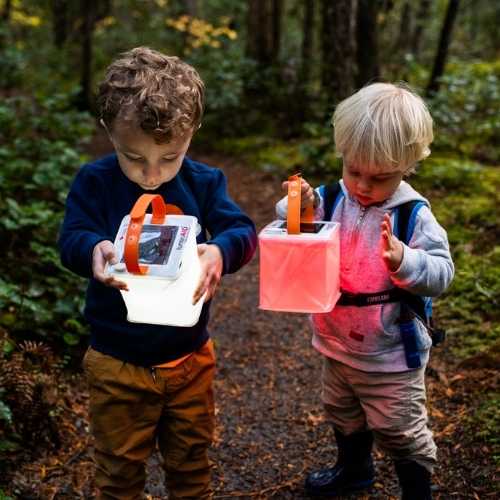
That change lines up well with how people use portable lighting now. Campers need packable gear. Families need blackout-ready light. RV users want flexible placement instead of permanent wiring. Homeowners want outdoor ambience without giving up control.
What matters in an off-grid light
A strong off-grid light should do several things well at once:
- Pack small: Bulky gear gets left behind.
- Handle weather: Rain, splash, and rough storage are part of the job.
- Offer manual control: You need to decide when power gets spent.
- Work in multiple roles: The same light may move from patio to campsite to emergency kit.

One practical example
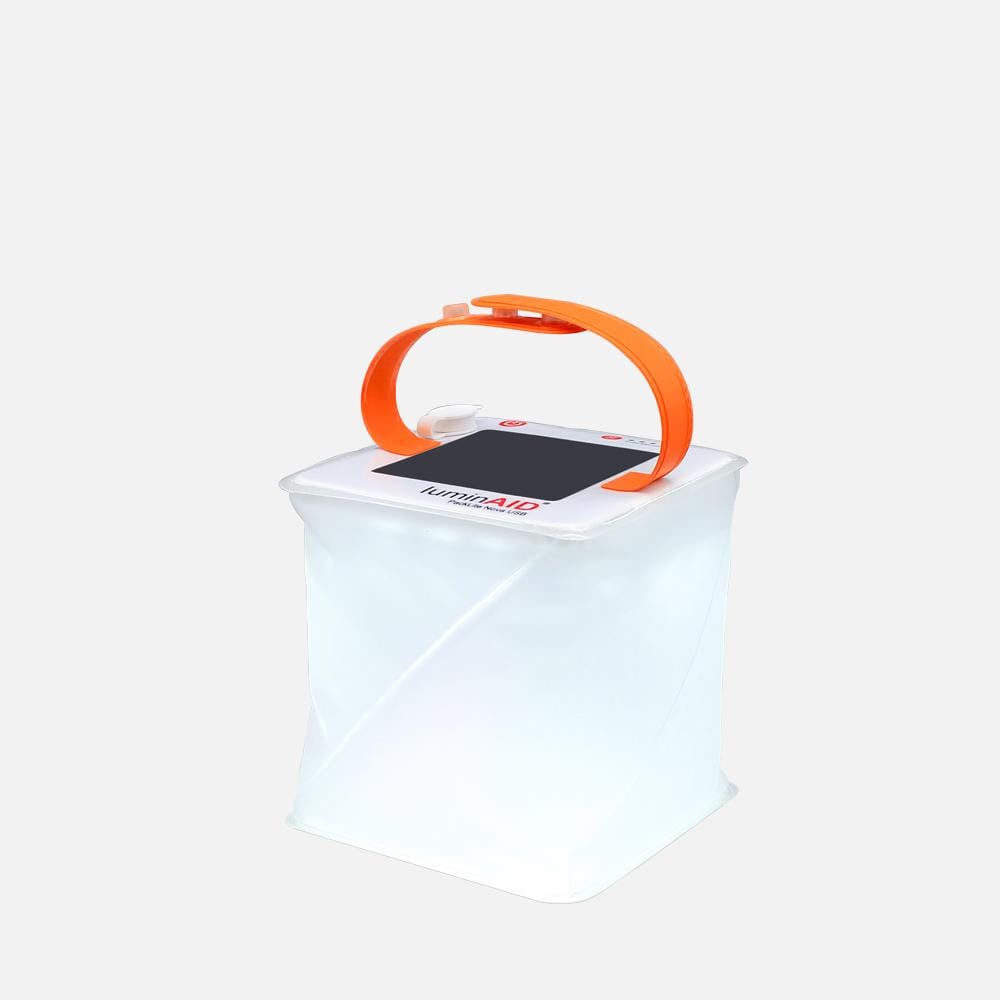
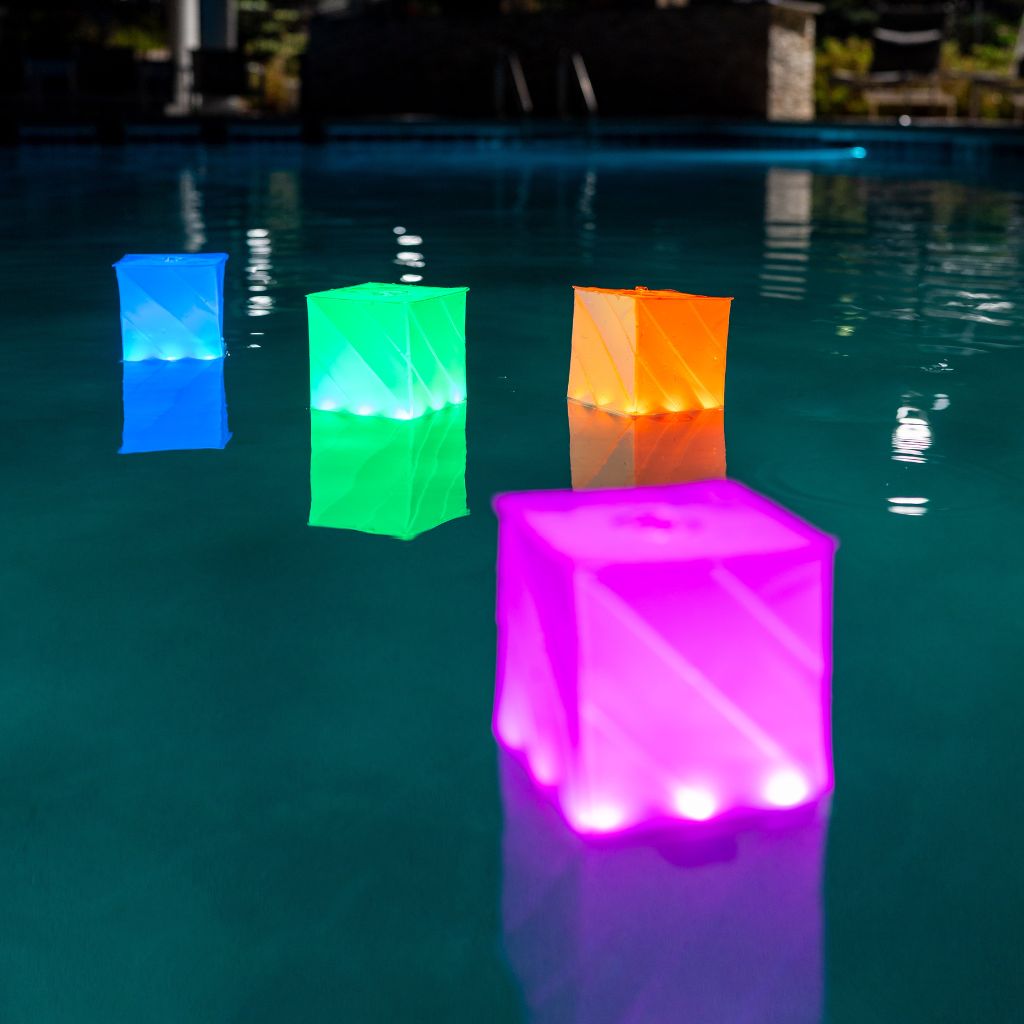
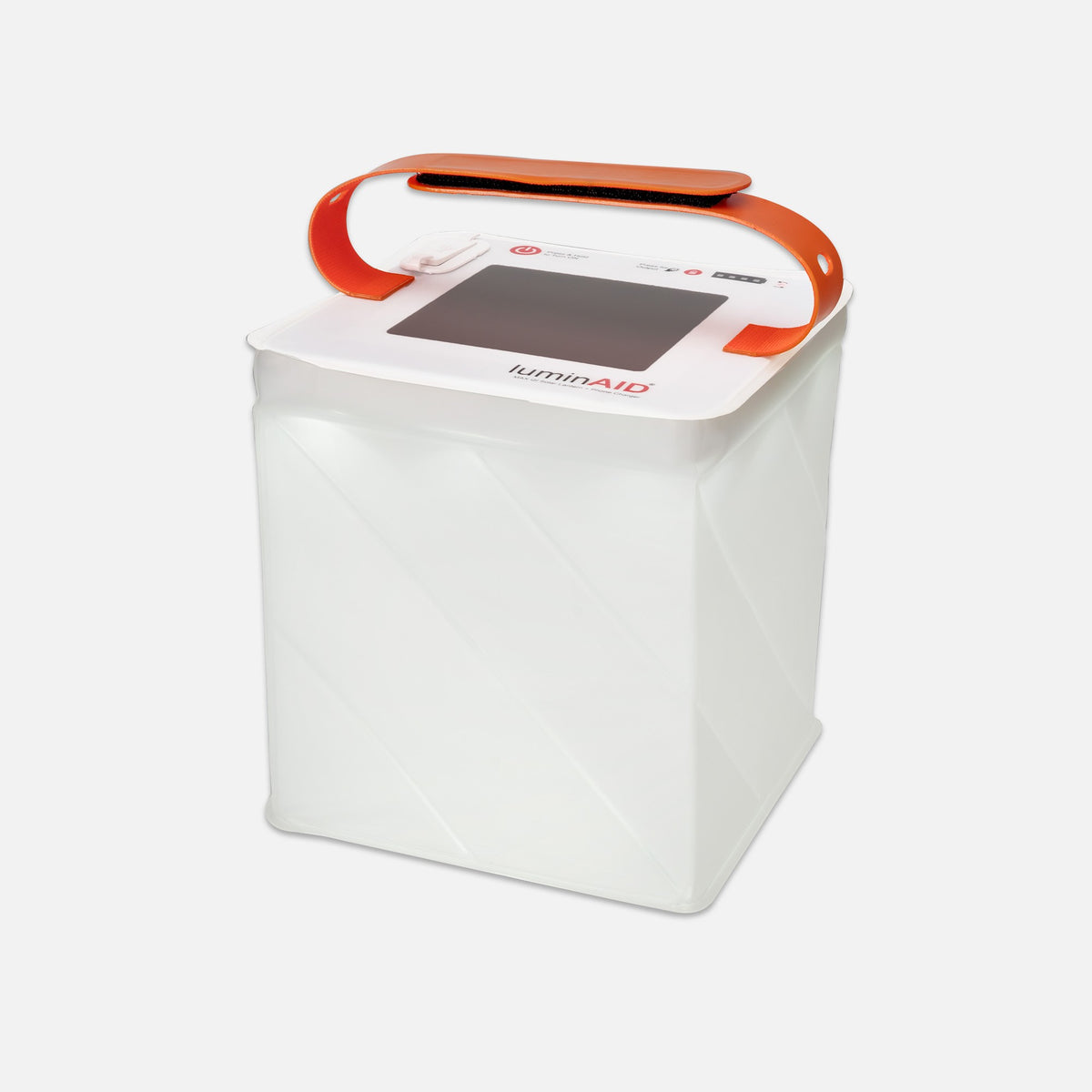
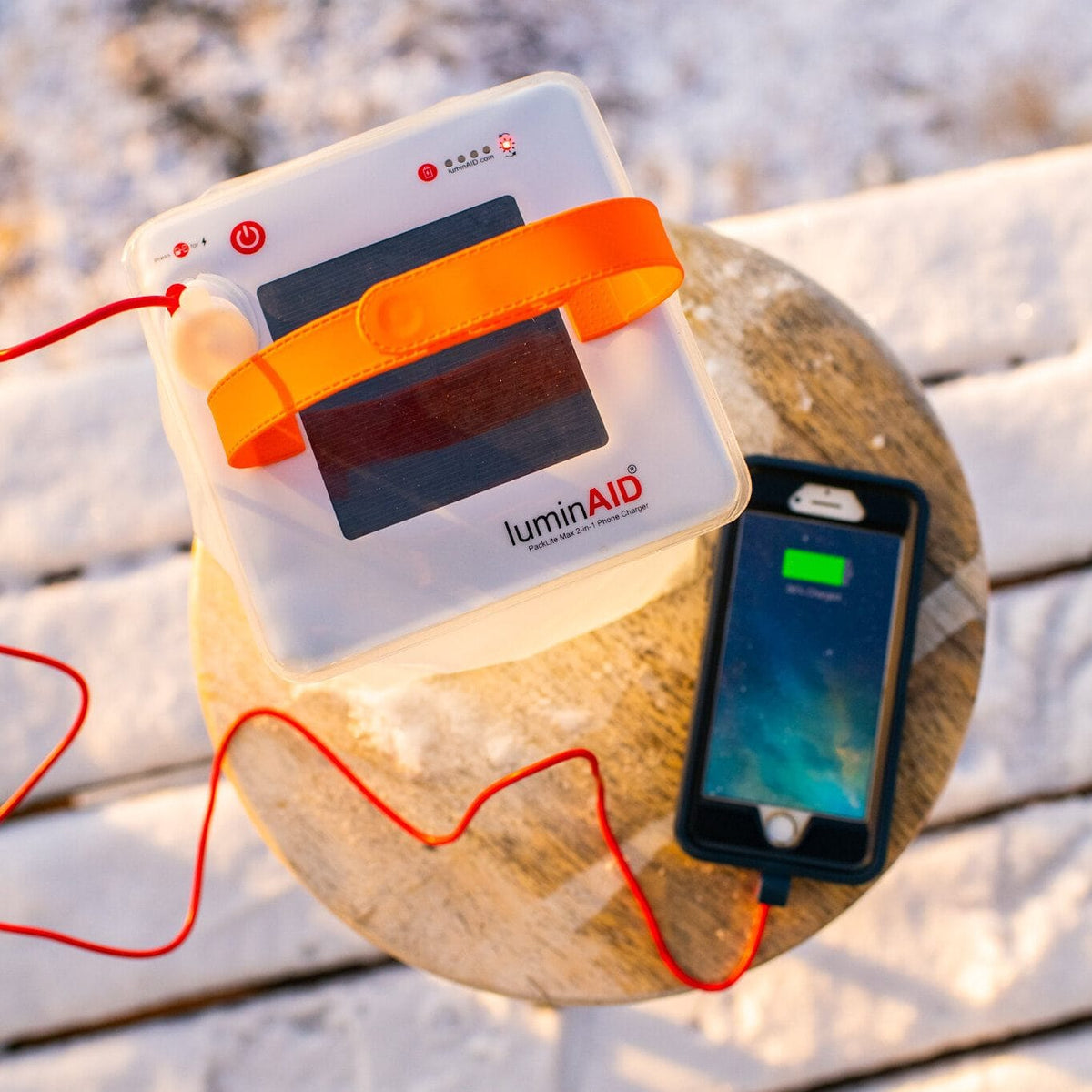
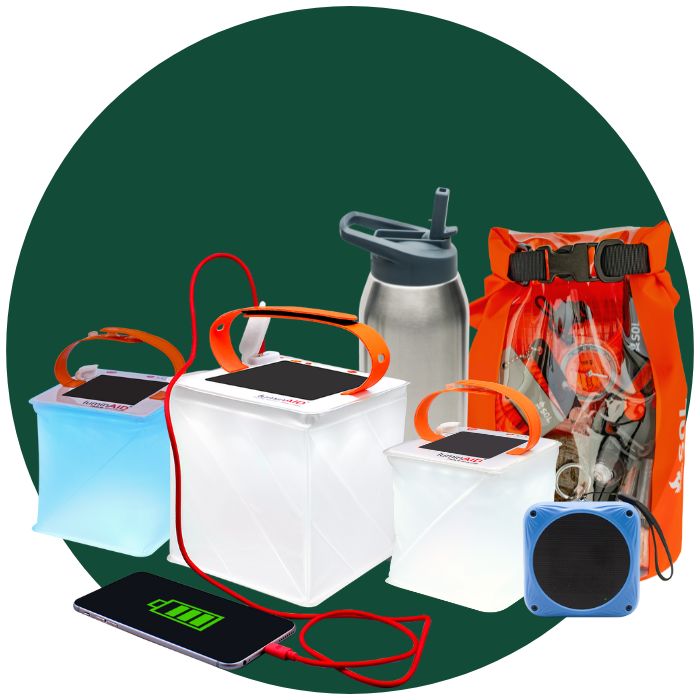
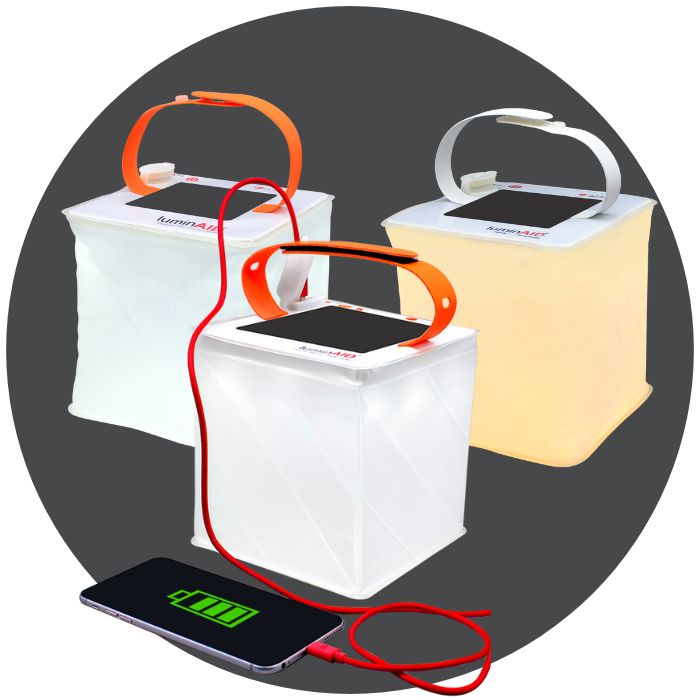
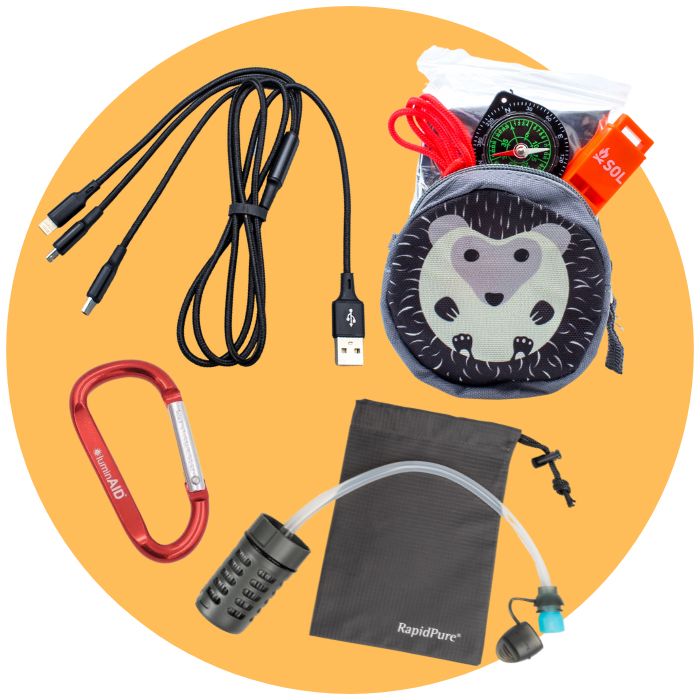
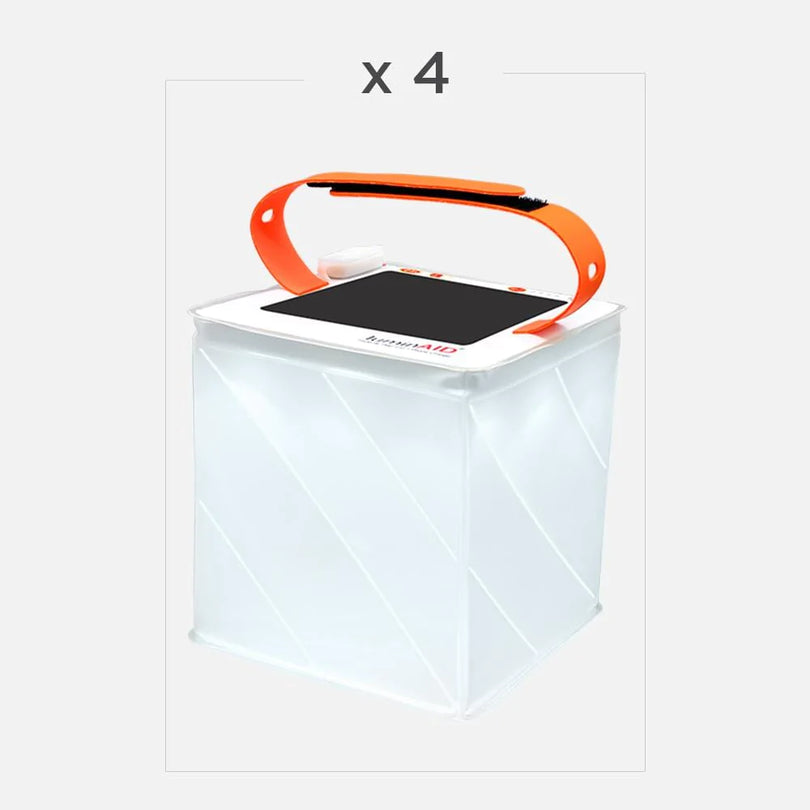
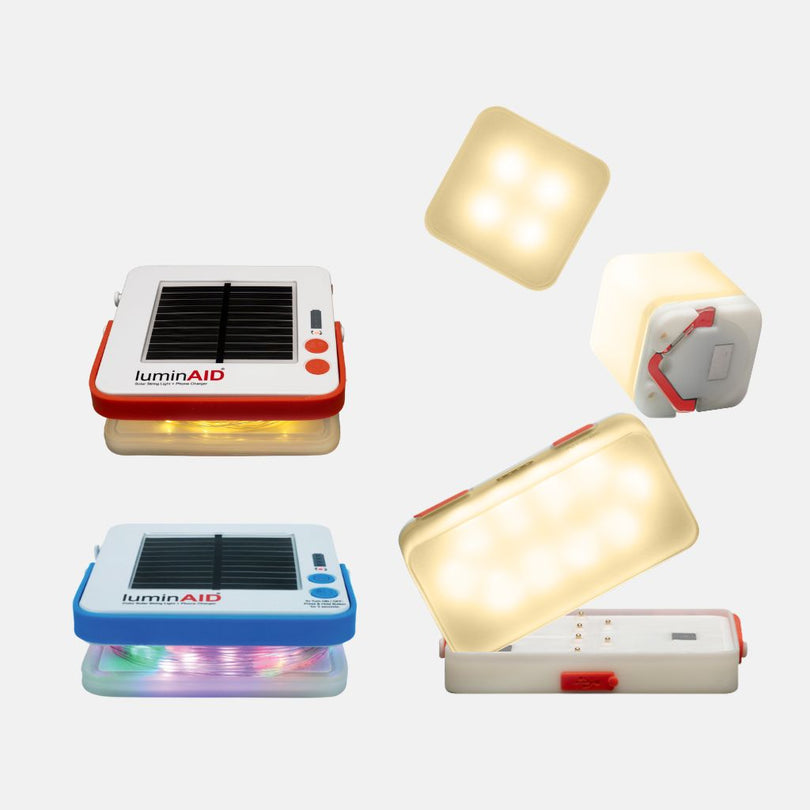
One option in this category is LuminAID, which makes portable solar lanterns, solar string lights, and 2-in-1 Power Lanterns designed for camping, emergency preparedness, and everyday outdoor use. The product fit is straightforward. Manual light control, portable form, weather-ready construction, and phone-charging capability all address the same core problem discussed throughout this guide: stored power is more useful when the user decides how to spend it.
That's also why portable solar lights have become more attractive than old-style decorative-only fixtures. They don't have to stay in one spot or serve one purpose. A light that hangs in the backyard tonight can move into a storm kit tomorrow and into a tent the weekend after that.
The best off-grid light is the one you can charge, store, carry, and control without second-guessing it.
Frequently Asked Questions about Solar Lights
Do solar lights work in winter or cloudy weather
Yes, but performance usually drops when sunlight is weak or inconsistent. In those conditions, manual control helps because you can save battery power for the nights when you need light instead of letting the unit run automatically every evening.
Can I leave a solar light outside in rain and snow
That depends on the product's weather resistance and build quality. Check the housing, seals, and manufacturer guidance. For year-round outdoor use, durability matters just as much as the panel and battery.
Should I leave my switched solar light on all the time
Not necessarily. If you want automatic nightly use, leaving it on makes sense. If the light is in storage, waiting for a trip, or dealing with poor sun, switching it off is the smarter move.
What belongs in an emergency kit besides a solar light
Build around real needs: first aid, water treatment, communication, fire-starting, weather protection, and power backup. For medical and preparedness supplies, Adventure Medical Kits is a solid place to compare kit options.
Are switched solar lights good for bug season at camp
They can be, especially because you control when the light runs and where you place it. That helps reduce unnecessary light around the sleeping area. For insect protection, pair your lighting plan with repellents from Natrapel so the campsite works as a system rather than a single product.
What's the biggest buying mistake
People buy brightness and ignore control. A slightly less flashy light with a real switch, solid housing, and sensible storage behavior is usually the better tool.
If you want a portable solar lighting option built for camping, outages, and everyday off-grid use, take a look at LuminAID.