


Picture this: you're days into a remote trek, deep in the backcountry. Your GPS is your lifeline for navigation, and your phone is your camera and emergency link to the outside world. But all the battery icons are blinking red. This is where a lightweight solar charger for backpacking comes in, transforming from a clunky gimmick into a must-have piece of gear for staying powered up on the trail.

Why a Lightweight Solar Charger Is Essential on the Trail
It wasn’t long ago that heading into the wilderness meant completely unplugging. These days, our electronics are a huge part of the experience—they’re our maps, cameras, and critical safety devices. That makes reliable power less of a luxury and more of an essential, right up there with your first-aid kit.
A good lightweight solar charger for backpacking is your ticket to true freedom from the grid. It lets you stay out for longer, whether you’re tackling a multi-week thru-hike or just want the peace of mind that comes with a solid backup plan.
The Modern Backpacker's Power Dilemma
Any trip that involves multiple days and serious elevation, like the Tour du Mont Blanc, forces you to be ruthless about what’s in your pack. Every single ounce matters. Lugging around multiple heavy power banks will wear you down, but going without power isn’t really an option when your phone is your guide and your connection to help.
A solar charger is like your own personal, portable power plant, constantly pulling energy from the sun. This means you can extend your trip, capture every moment, and keep a vital safety line open without the constant worry of your battery hitting zero.
Whether you’re using a dedicated GPS or following apps for finding amazing hiking trails, a solar setup ensures your devices are ready to go when you are. You can just focus on the trail ahead with a lot less anxiety about managing your power.
More Than Just a Gadget
Thankfully, solar technology has come a long way. These chargers are more efficient and tougher than ever—a far cry from the bulky, unreliable panels of the past. Today’s options give you some serious advantages:
- Energy Independence: You can generate your own power far from any wall outlet, which is a game-changer for trips longer than a weekend.
- Safety and Connection: Keep your phone, satellite messenger (like a Garmin inReach), or headlamp charged for emergencies and check-ins. Other safety gear, like bear spray from Counter Assault, should also be part of your kit for complete peace of mind.
- Weight Efficiency: On longer treks, a solar panel paired with a single power bank is often lighter than carrying a whole collection of bulky batteries.
- Peace of Mind: Just knowing you have a way to recharge takes a load off your mind, letting you really sink into the experience.
As you get your gear list dialed in, it helps to know the difference between charging your device directly from the panel versus storing power in a battery pack. We dig into that in our guide on the solar phone charger you need for power outages. For now, let’s get you on track to picking the perfect solar setup for your own adventures.
How to Decode Solar Charger Specifications

Walking into the world of solar chargers can feel like you need an engineering degree. You’re hit with terms like wattage, monocrystalline, and ETFE, and it’s easy to get lost in the technical jargon.
But figuring out these specs is how you pick a lightweight solar charger for backpacking that won’t let you down when you’re miles from the nearest outlet. Let’s translate these numbers into what they actually mean for you on the trail.
Wattage Is Power
The first number you’ll notice is the wattage (W). This tells you the panel's potential power output. A higher wattage simply means it has the potential to charge your gear faster. Think of it as the size of the bucket you’re using to catch sunlight.
- 5-10W Panels: These are the ultralight options, but they offer a very slow, trickle charge. They're best for topping off a small power bank over a full day or for true minimalists with tiny power needs.
- 15-28W Panels: This is the sweet spot for most backpackers. A panel in this range gives you a solid balance of charging speed and manageable weight. It’s powerful enough to charge a smartphone or power bank in a reasonable amount of time under good sun.
- 30W+ Panels: These pack a serious punch, but the trade-off is a lot more weight and bulk. They’re a better fit for a basecamp or car camping setup, not a multi-day trek where every single ounce is counted.
Panel Type Defines Efficiency
Not all solar cells are the same. The type of panel determines how well it converts sunlight into electricity (its efficiency) and how tough it is.
Monocrystalline Panels These are the high-performers. Made from a single, pure silicon crystal, they're the most efficient panels you can get. That means they generate more power from a smaller surface area—a huge win for backpackers who need maximum power out of a compact, foldable unit. They are usually black in color.
Polycrystalline Panels You can spot these by their speckled, blueish look. They're made from multiple silicon fragments melted together, which makes them a bit less efficient and cheaper to produce. To get the same power as a monocrystalline panel, they need to be bigger, making them less ideal when you’re trying to save space and weight.
The demand for reliable off-grid power is pushing the technology forward. The global solar charger market hit USD 4.4 billion in 2024 and is expected to grow to USD 37.8 billion by 2034. The most popular category is the 21 to 50-watt range, which shows that more and more backpackers are looking for that perfect blend of power and portability.
The Durability Factor
A backpacking solar charger is going to get abused. It will be folded and unfolded daily, scraped against rocks, rained on, and stuffed into a pack. Durability isn’t just a nice-to-have; it’s essential.
Look for panels coated with ETFE (Ethylene tetrafluoroethylene). It’s a huge step up from the older PET standard. ETFE is more resistant to scratches, holds up better to UV exposure without turning yellow, and has a textured finish that actually helps it capture more light. It's a key feature for any serious lightweight solar charger for backpacking.
Also, check the ports. Are they protected by a rubber flap? Having waterproof or water-resistant USB ports will save your charger from a sudden downpour or a clumsy water bottle spill. Protecting your gear is just as important as protecting yourself with items like effective insect repellent from a brand like Natrapel.
By understanding wattage, panel type, and durability, you can see past the marketing hype and confidently pick a charger that will actually work for you on the trail. Our beginner's guide to solar phone chargers has even more foundational tips to help you get started.
Choosing the Right Solar Charger for Your Backpacking Style
The right lightweight solar charger for backpacking is never a one-size-fits-all piece of gear. The perfect charger for a thru-hiker tackling a 2,000-mile trail will be totally different from what a weekend warrior needs for a quick getaway. It all comes down to your personal hiking style, how much power you actually use, and your own tolerance for carrying extra weight.
Your first step is to figure out what kind of backpacker you really are. Are you an ultralight purist who counts every gram? Or are you a photographer, vlogger, or digital nomad who needs to keep a camera, phone, and GPS humming along?
Once you know that, you can start to zero in on the features that matter most.
Solar Charger Feature Comparison for Backpackers
Choosing the right solar charger means balancing weight, power, and durability. What works for a casual weekend trip might not be enough for a multi-week expedition. This table breaks down the key features to help you match your gear to your adventure style.
| Feature | What to Look For | Why It Matters for Backpacking |
|---|---|---|
| Weight & Packability | Look for foldable panels and compact power banks. An ideal panel is under 1 lb and folds down small. | Every ounce counts on the trail. Bulky gear takes up precious pack space and adds unnecessary weight, leading to fatigue. |
| Power Output (Watts) | 15-21W is a good sweet spot for most backpackers. Higher wattage charges faster but adds weight and bulk. | Higher wattage means faster charging for your power bank, which is crucial when you only have a few hours of peak sun. |
| Power Bank Capacity | 10,000 mAh for most hikers; 20,000+ mAh for tech-heavy users. A bigger battery means more weight. | This is your energy reserve. It stores the solar power so you can charge your devices at night or on cloudy days when the panel is useless. |
| Durability | Find panels with a rugged, weather-resistant fabric backing. Check for reinforced grommets for easy mounting. | Your gear will be exposed to sun, rain, dust, and being strapped to a pack. It needs to be tough enough to handle the abuse of the trail. |
Ultimately, the goal is to find a system that provides enough power for your needs without weighing you down. Think about your typical trip length and device usage to strike the right balance.
Matching a Charger to Your Hiker Persona
Let's break down a few common backpacker types and the solar setups that make sense for them.
- The Weekend Adventurer: Hitting the trail for just 1-3 nights? A solar panel is probably overkill. A single, fully charged power bank (10,000-15,000 mAh) is almost always lighter and way less fuss than dealing with a panel.
- The Ultralight Thru-Hiker: For this hiker, every single ounce is under a microscope. You need a mix of low weight and reliable performance. A small, foldable 15-21W monocrystalline panel combined with a lightweight 10,000 mAh power bank strikes the best power-to-weight ratio for long hauls.
- The Tech-Heavy Backpacker: This is the hiker with high power demands for cameras, drones, and other gadgets. You'll need a more powerful system, like a larger 25-28W panel and a beefy 20,000-25,000 mAh power bank to keep everything charged without stress.
We're seeing a huge shift in the outdoor gear world as more people look for off-grid power. The portable solar charger market was valued at about USD 4.59 billion in 2025 and is expected to hit USD 14.70 billion by 2034. That explosive growth is pushing companies to innovate, giving us the kind of lightweight, powerful, and compact designs backpackers have always wanted.
Integrated Systems Versus Separate Components
Another big decision is whether to get an integrated system or stick with separate components. Most backpackers use a separate setup—a foldable solar panel and a standalone power bank. This approach is super flexible, letting you upgrade just one part of your system at a time as new tech comes out.
However, integrated systems are becoming a popular choice for their simplicity and weight savings. These are products that roll two or more functions into a single device.
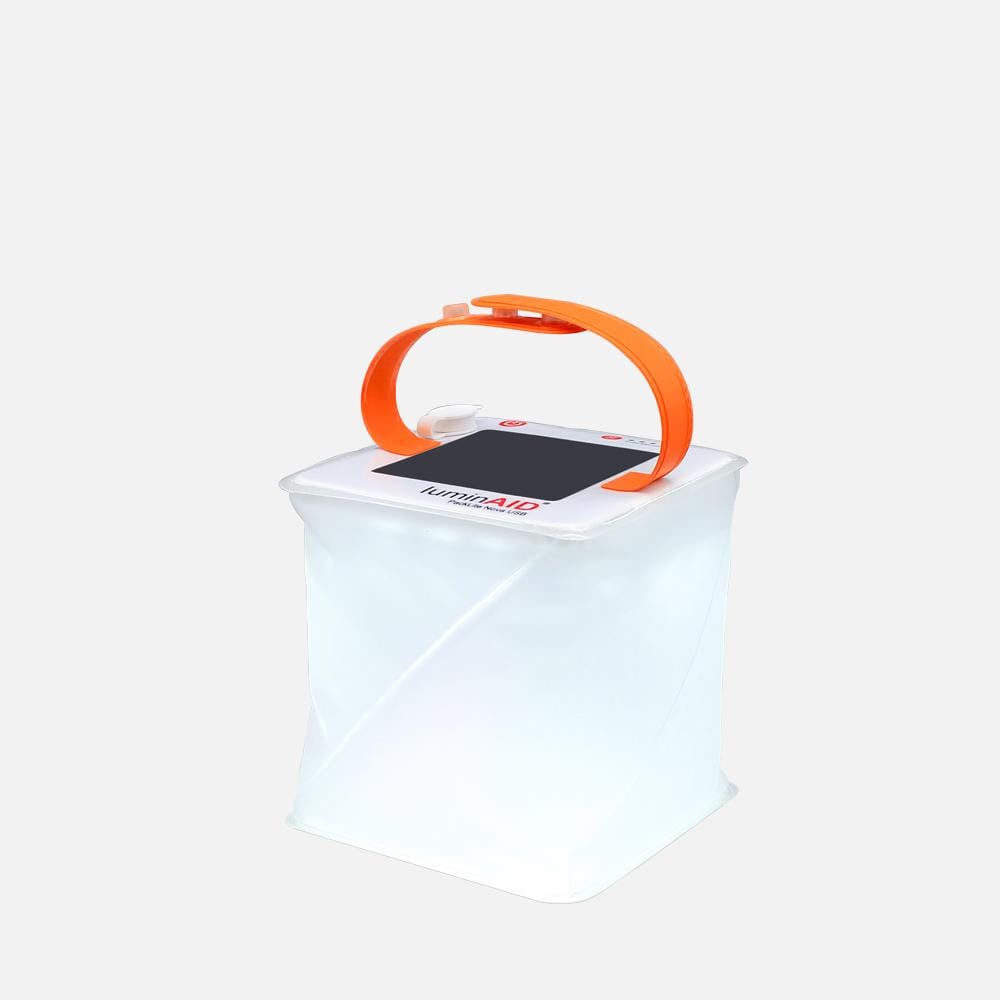
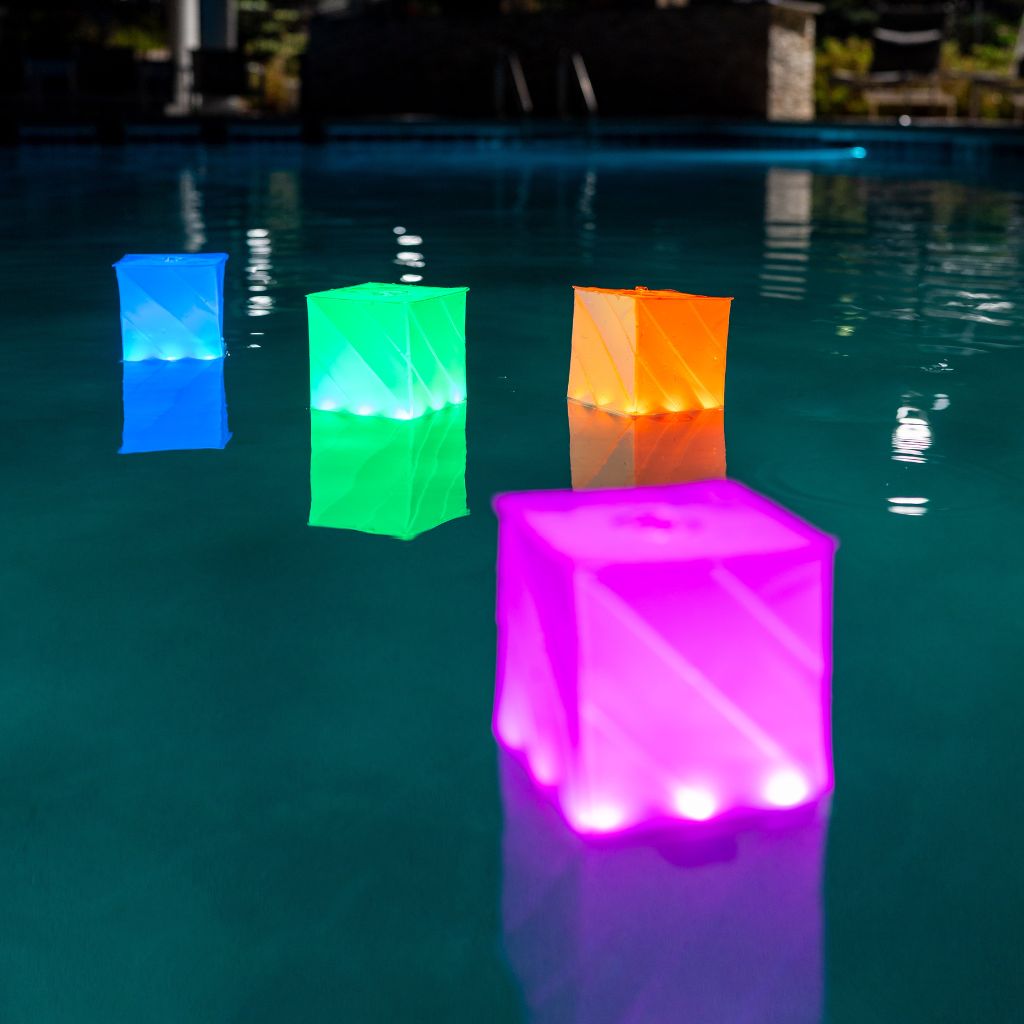
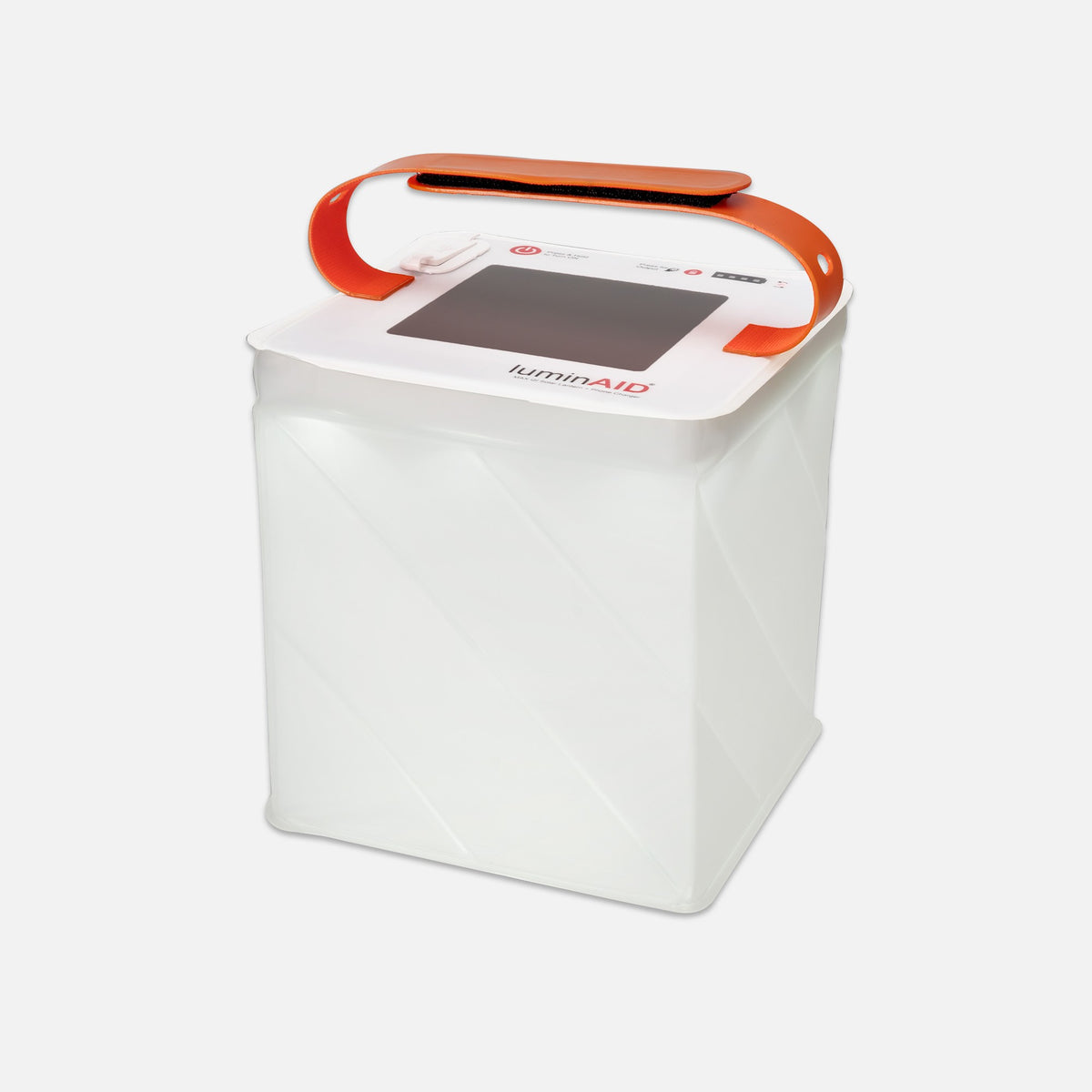
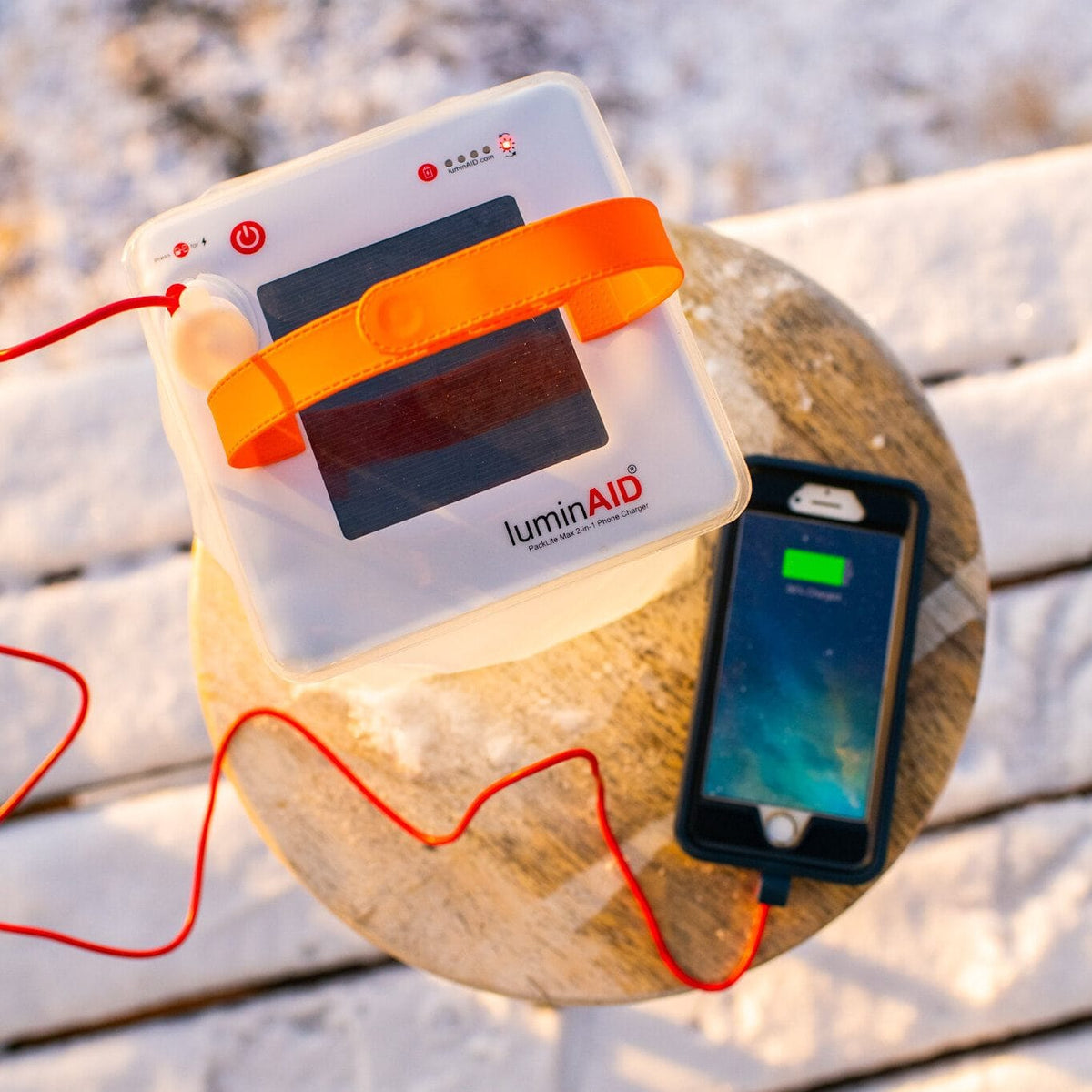
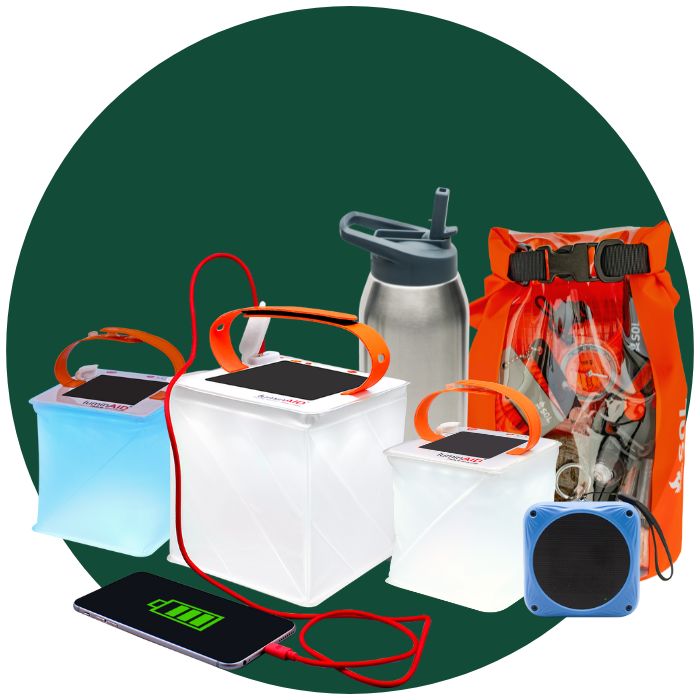
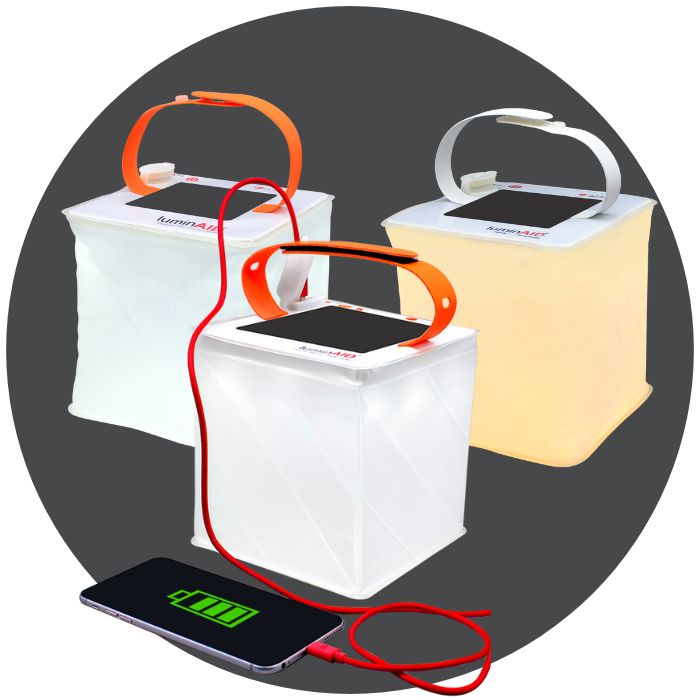
This is exactly where LuminAID’s 2-in-1 Power Lanterns shine. They combine two absolute backpacking essentials—a lantern and a charger—into one ultralight package. This is smart packing at its best, cutting down on redundant gear. You get a reliable light for your tent and a backup power source for your phone, all in a waterproof, packable lantern.
If you want to dive deeper into specific product reviews and comparisons, a good guide on the best portable solar charger can be a fantastic resource to help you sort through all the options on the market.
Of course, being prepared on the trail means more than just having power. A solid first-aid kit is non-negotiable, and thinking about it alongside your power strategy ensures you’re ready for whatever comes your way.
This image from Adventure Medical Kits showcases how their pre-made kits are designed for different trip lengths and group sizes. Picking a lightweight, complete kit like their "Mountain Series" means you have the medical supplies you need without adding a bunch of weight, which fits right in with a smart, minimalist backpacking approach.
Real-World Tips for Maximizing Solar Charger Performance
So you've got a lightweight solar charger for backpacking. That's the easy part. The real trick is getting consistent, reliable power out of it when you're miles from the nearest outlet. The user manual gives you the lab-tested basics, but out on the trail, performance comes down to a few key habits.
Think of your solar panel less like a magic power source and more like a little sun-harvesting machine. Your job is to become an expert harvester. A few simple tweaks can be the difference between a full battery at sunset and a dead phone when you need it most.
Think Like a Sunflower: Always Face the Sun
The single biggest mistake people make is laying their panel flat on their pack or on the ground. It’s convenient, sure, but it can slash your output by 50% or more. Ouch.
For the best results, your panel needs to be angled directly at the sun. This isn't a "set it and forget it" deal. As the sun arcs across the sky, you'll need to reposition your panel. Prop it up on your pack during a break, or lean it against a rock or log to catch that direct light.
Pro Tip: Always charge a power bank first, not your phone. Solar panels provide a fluctuating current that phones don't like, causing them to start and stop charging, which can actually drain the battery. A power bank acts as a buffer, soaking up every bit of juice, which you can then use for a fast, stable charge at night.
Even on overcast days, don't give up! Your panel will still generate some power, although it might only be 10-25% of its sunny-day potential. This trickle charge won't be enough for a quick phone boost, but it’s perfect for slowly topping off your power bank throughout the day.
Tips for Charging on the Move
One of the best things about a packable solar charger is its ability to work while you walk. This is a great way to passively collect energy and keep your power bank full without stopping.
- Mount It High: Use a couple of carabiners or gear ties to strap the panel to the top or back of your pack. This spot usually gets the most sun and keeps your own shadow out of the way.
- Check Your Connection: Make sure the cable running from the panel to your power bank (which should be tucked safely inside a pocket) is secure. You don't want it snagging on a branch and unplugging everything.
- Know Your Route: If you’re spending the day under a thick forest canopy, a panel on your pack won’t be doing much. On those days, it's better to keep it stowed and just pull it out during your lunch break in a sunny meadow.
This little flowchart is a great way to figure out what kind of power system makes sense for your trip, from a quick weekend getaway to a multi-month thru-hike.
 As you can see, a simple power bank is usually plenty for shorter trips. A solar charger really becomes a non-negotiable piece of gear on longer, more remote adventures.
Protect Your Lifeline from the Elements
Your solar charger and electronics are your connection to maps, communication, and safety. Protecting them from the backcountry elements isn't optional—it's critical.
Always, always keep your power bank, phone, and cables tucked away inside a waterproof dry bag. This protects them from a sudden downpour, but also from morning dew or an accidental water bottle spill in your tent. For rock-solid protection, look at gear built for the rough and tumble, like the options from Survive Outdoors Longer.
Even if your panel is water-resistant, the USB ports are its Achilles' heel. Keep those little rubber flaps shut tight whenever they're not in use, and never, ever leave them exposed in the rain. Getting these habits down will ensure you have the power you need, no matter what the trail throws at you.
The LuminAID Advantage: Packable Power and Light in One

If you're a backpacker who obsesses over efficiency, you know the rule: every single item in your pack has to earn its spot. Gear that only does one thing is a luxury you can’t afford. This is where the whole idea of a lightweight solar charger for backpacking gets a much-needed upgrade, moving past a simple panel to something way smarter.
LuminAID’s 2-in-1 Power Lanterns were created with this exact multi-use mindset. We combined two pieces of essential backcountry gear—a dependable lantern and a solar phone charger—to solve the endless struggle of saving weight and pack space. It’s a simple, effective fix for the minimalist who doesn't want to leave their tech behind.
Instead of juggling a separate solar panel, a power bank, and a headlamp, you get your light and your power in one ultralight, packable device. This is what smart, efficient packing is all about.
More Than Just a Charger
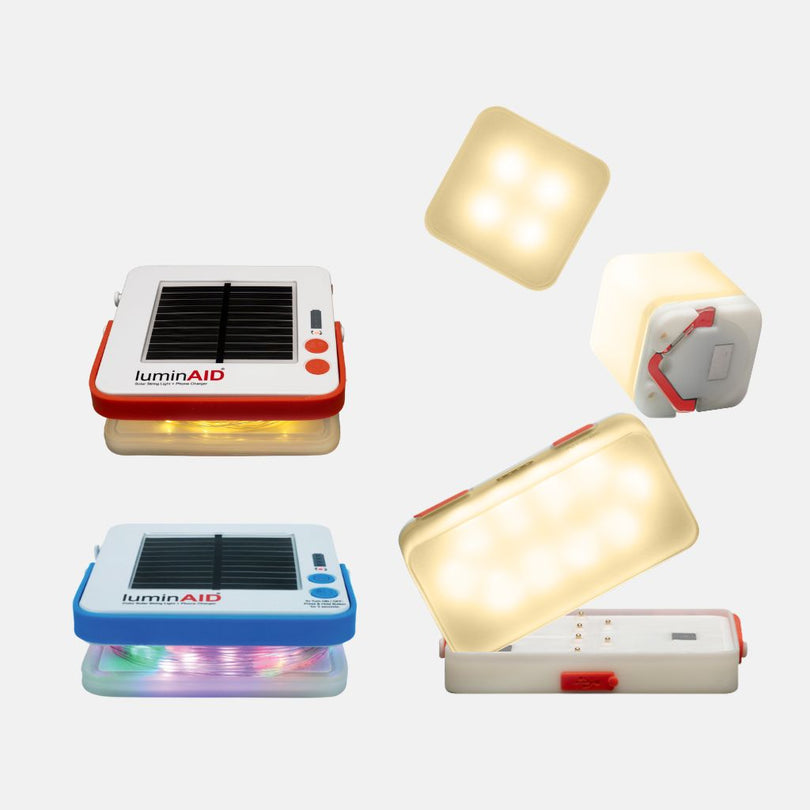
A traditional solar setup means carrying a panel, a battery, and all the cables needed to connect them. A LuminAID Power Lantern gets rid of that entire mess. The solar panel, battery, and bright LEDs are all built into a single, tough, waterproof body.
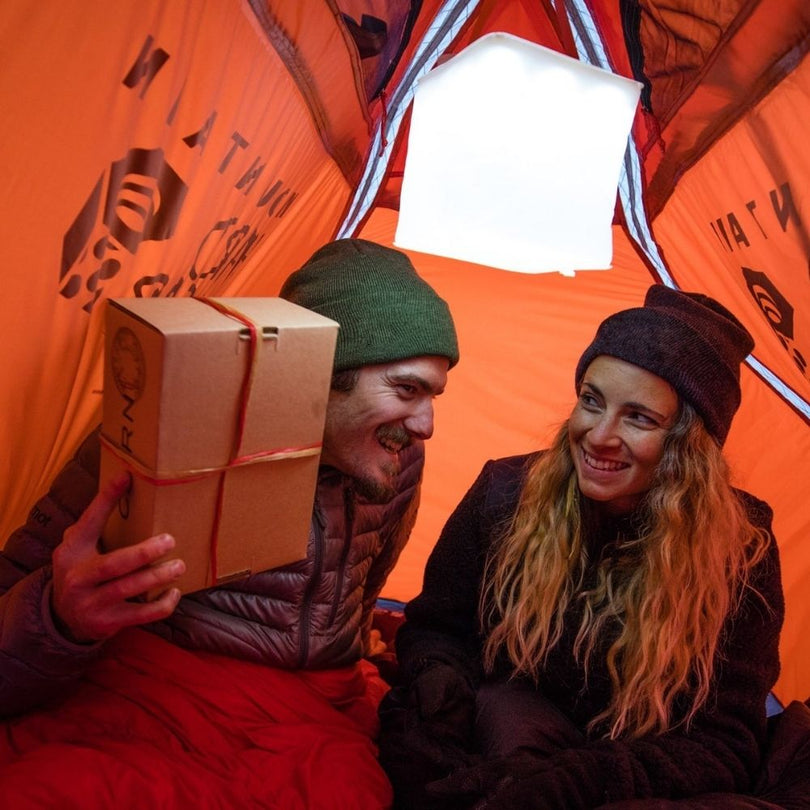
Picture this: you get to camp after a long day on the trail. You inflate your lantern, and your tent is instantly filled with a bright, soft glow. At the same time, you can plug your phone in for a top-up, making sure it’s ready for tomorrow’s maps and photos.
This all-in-one approach is a perfect fit for the backpacker’s ethos. You aren't just carrying a lightweight solar charger for backpacking; you’re carrying a complete lighting and power station that’s good to go the second you need it.
Built for the Backcountry
Any charger you take on the trail has to be tough enough to handle it. LuminAID Power Lanterns are designed from the ground up for exactly that, with features that make them ideal for outdoor adventures.
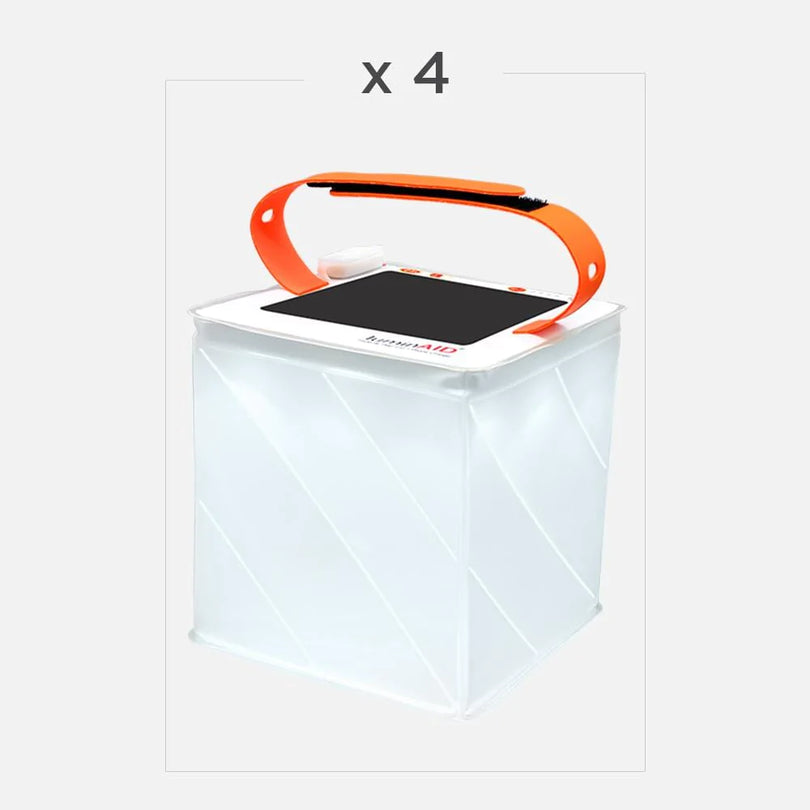
- Ultralight and Packable: The inflatable design lets them pack down completely flat, taking up no more space than a thin paperback. When you need light, it inflates in seconds.
- Fully Waterproof and Dustproof: With an IP67 rating, these lanterns aren't just water-resistant; they're fully submersible. You never have to sweat a sudden downpour or an accidental drop in a stream—peace of mind you just don't get with the exposed ports on a standard solar panel.
- Reliable Dual Charging: Let the high-efficiency solar panel soak up sun during the day, or use the USB-C input to top it off quickly before you even leave the house.
The market for solar chargers is booming, which shows just how much lighter and more effective the tech has become. The solar mobile charger market alone, which was USD 625.0 million in 2025, is projected to hit USD 6,940.6 million by 2035. This growth highlights a clear demand for the kind of truly portable power that backpackers need, as you can learn from these solar charger market insights.
This blend of features makes LuminAID lanterns a seriously practical and resilient choice. For another great example of a powerful yet compact model, you can explore the specs of the PackLite Nova USB, a fan favorite among hikers. It’s also a good idea to make sure your other gear is just as reliable; having a solid insect repellent from a brand like Ben's 30 ensures you’re comfortable and protected from dusk till dawn. When you choose gear that’s both effective and durable, you build a system you can actually depend on.
Frequently Asked Questions About Backpacking Solar Chargers
Even with all the research in the world, you’re bound to have a few questions when picking out a lightweight solar charger for backpacking. We get it. Let’s clear up some of the most common questions we hear from fellow hikers so you can make your choice with confidence and use your gear like a seasoned pro.
How Long Does It Really Take to Charge a Phone With a Solar Charger?
This is the million-dollar question, and the honest-to-goodness answer is: it’s all about the sun and your gear. Many people think they can just plug in their phone for a quick top-up, but the reality on the trail is a bit more complicated.
On a perfect day—we're talking bright, high-noon sun with a powerful 20-25W panel angled just right—you might get a full smartphone charge in as little as 3-5 hours. But the moment some clouds roll in or your panel is hanging at a bad angle, that time can easily balloon to a full day, or even longer.
This is exactly why experienced backpackers almost never plug their phone directly into the solar panel. The golden rule is to always charge a power bank first. Think of the panel as a slow, patient collector gathering sun all day, and the power bank as your deep reservoir of energy. You spend the day filling it up, then get a fast, reliable charge for your devices at night in your tent.
Can I Still Charge My Devices on a Cloudy Day?
You sure can, but it’s crucial to set your expectations. Modern monocrystalline panels are surprisingly efficient and can still pull in some juice even under a gray sky, but the output drops way down.
On a seriously overcast day, your panel might only be working at 10-25% of its full power. That slow trickle isn't usually enough to charge a phone directly, as most phones have a minimum power level they need before they'll even start charging.
This is another huge win for the power bank strategy. Your battery pack doesn't care how slow the charge is; it will happily soak up that trickle all day long. This lets you capture every last drop of solar energy, no matter how weak, storing it up for when you really need it.
Are Solar Chargers Durable Enough for Rough Trails?
They absolutely are. The best solar chargers today are built for the backcountry. Forget the fragile, flimsy panels of the past—modern gear is rugged, weather-resistant, and made to handle being knocked around.
Here’s what you should look for when it comes to durability:
- ETFE Lamination: This tough polymer coating is a game-changer compared to older PET films. It stands up to scratches, UV rays, and water, and its textured surface can even help capture more light.
- Rugged Fabric Casings: Quality foldable panels are sewn into tough, weather-resistant nylon or canvas. This protects the panel’s edges and wiring from the abuse of the trail.
- Reinforced Grommets: You need strong attachment points to lash the panel to your pack without worrying about it ripping off on the first branch you snag.
The most common weak spot is often the USB port. Always look for models with a tight-fitting rubber flap to seal the ports from dust and rain. An integrated system like a LuminAID Power Lantern takes this a step further by being completely sealed and waterproof, giving the internal electronics superior protection. This way, you don't just have a lightweight solar charger for backpacking; you have a truly trail-proof power source.
Is a Solar Charger Better Than Just Carrying Extra Power Banks?
This really comes down to one thing: the length of your trip. There’s a clear tipping point where one strategy makes more sense than the other.
For a quick weekend trip of 1-3 days, bringing one or two fully juiced power banks is almost always the easier, lighter, and more reliable option. You won't have to think about panels, sun angles, or the weather forecast.
A solar charger becomes a non-negotiable piece of gear on trips lasting 4 days or more, especially on long-distance thru-hikes where resupply towns are few and far between. This is where the true energy independence of a solar setup really proves its worth. It's just like how a comprehensive first-aid kit from a provider like Adventure Medical Kits becomes more critical the longer and more remote your hike is.
For those longer journeys, the ultimate setup is a hybrid approach. Start your hike with a fully charged 10,000-20,000 mAh power bank and use your solar panel every sunny day to keep it topped off. This gives you a reliable reserve for cloudy stretches and the ability to regenerate power indefinitely—creating the most resilient off-grid energy system you can carry.
At LuminAID, we design our gear to be as practical and resilient as the people who use it. Our 2-in-1 Power Lanterns combine bright, reliable light with an efficient solar charger, giving you two essential pieces of gear in one ultralight package.