


A large share of gift buyers now weigh sustainability alongside style and usefulness. That change matters because eco friendly gifts for women are easier to choose well when the goal is clear. Buy something she will use, something made with lower-impact materials, and something that will not become clutter by January.
Good intentions are common. Good filters are rarer.
Many gift guides still rely on labels like organic, natural, or ethical without explaining what those claims mean. A better way to judge a gift is to check four things: what it is made from, how long it is likely to last, how much packaging comes with it, and whether the brand backs its claims with repair options, transparent sourcing, or credible certifications. Practical sustainable gifting habits in both personal and business settings have pushed that conversation further, and this look at sustainable gifting as a growing priority shows how buyers are starting to ask harder questions before they purchase.
The strongest gifts usually pass a simple real-world test. They replace a disposable product, improve a routine she already has, or support a hobby without adding waste she has to manage later.
That is the standard used throughout this guide.
Why Thoughtful Eco-Friendly Gifting Matters
Gift buying creates a lot of waste when the item misses its mark. The environmental cost is not just the product itself. It also includes the packaging, shipping, short lifespan, and the replacement item she ends up buying later because the gift was not useful.

That is why thoughtful eco-friendly gifting matters. It shifts the goal from buying something that only looks responsible to buying something that will earn its place in her routine. In practice, the best gifts reduce future consumption. A well-made insulated bottle can replace years of disposable drinkware. A secondhand wool coat with solid construction can outperform a cheap new one that pills after one season.
I use a simple test before I recommend any gift. What problem does it solve, how often will she use it, and what happens when it wears out? Those questions catch a lot of weak options early.
They also help cut through greenwashing.
A gift can use recycled paper packaging and still be a poor sustainability choice if the product breaks in a month. A handmade item can still be impractical if it does not match her home, habits, or taste. Useful and lower impact has to be the standard together. If one side is missing, the gift usually becomes clutter.
What thoughtful gifting looks like in practice
Thoughtful eco-gifts tend to fall into a few reliable categories:
- Replacement gifts that swap out disposables, such as reusable food storage, safety razors, refillable cleaning tools, or durable mugs
- Routine upgrades that improve something she already does, such as cooking, gardening, commuting, journaling, or travel
- Low-clutter hobby gifts that support an interest without adding junk, such as quality consumables, repairable tools, or experience-based gifts
- Long-life essentials that she would buy for herself eventually, but in a better version
This practical mindset is showing up well beyond personal shopping. Broader buying habits in work settings reflect the same shift toward function, longevity, and lower waste, as shown in this look at sustainable gifting as a growing priority.
Where good intentions often fail
The weak spots are predictable. Trend-driven self-care kits with layers of mixed packaging. Decorative objects chosen for the idea of sustainability rather than the recipient's actual taste. Cheap bamboo accessories that sound responsible but crack, warp, or lose their finish quickly.
Trade-offs are real here. A locally made ceramic mug may have a higher upfront price than a mass-produced one, but if it lasts for years and gets daily use, the value is better. Organic cotton sounds appealing, but if the stitching is poor or the fabric is too thin, it is still a bad buy. Sustainability claims matter less than performance over time.
Practical rule: If you cannot picture her using the gift regularly six months from now, it is probably not thoughtful enough.
The memorable eco-friendly gifts for women are rarely the ones with the loudest sustainability language on the label. They are the ones that fit her life, last well, and do not ask her to manage extra waste after the excitement of opening them is over.
Defining Eco-Friendly Beyond the Buzzwords
A large share of products marketed as sustainable rely on vague claims, which is why gift buyers need a filter that goes beyond labels. The most reliable screen is simple: check the material, the full lifespan, and how much the brand is willing to prove.

I treat “eco-friendly” as a performance standard, not a vibe. A gift should use lower-impact materials where possible, stay useful for a long time, and avoid creating unnecessary waste in packaging, maintenance, or disposal. If one of those pieces falls apart, the sustainability claim gets weak fast.
Start with the material
Material is the first screen, but it should never be the only one. Recycled stainless steel, recycled glass, organic cotton, FSC-certified wood, natural rubber, and certified paper are all promising choices. They are still only inputs. A poorly made recycled item that breaks in three months is usually a worse buy than a durable conventional one that lasts for years.
A few questions sort the good options from the greenwashed ones:
- What is it made from? Look for specific wording such as “100% organic cotton” or “post-consumer recycled aluminum,” not broad terms like “earth-conscious materials.”
- Will it survive regular use? Seams, closures, finishes, and replacement parts matter as much as the raw material.
- Can it be repaired, refilled, or recycled realistically? “Recyclable” means little if the item is a mixed-material product that most local programs will reject.
- Does the brand name a standard or certification? FSC for wood and paper, GOTS for textiles, and Fair Trade or B Corp for broader business practices can add credibility, though none of them replaces product quality.
The trade-off is straightforward. Natural and recycled materials are good signs. Durability still decides whether the gift reduces waste or just delays it.
Then assess the full lifecycle
The best eco-gifts earn their keep through repeated use. That shifts the question from “Does this sound sustainable?” to “Will she still be using this next year?”
That is why practical categories tend to outperform decorative ones. Refillable personal care, durable kitchen tools, quality bags, rechargeable lights, and repairable everyday gear often have a clearer case than trend-driven decor or novelty sets.
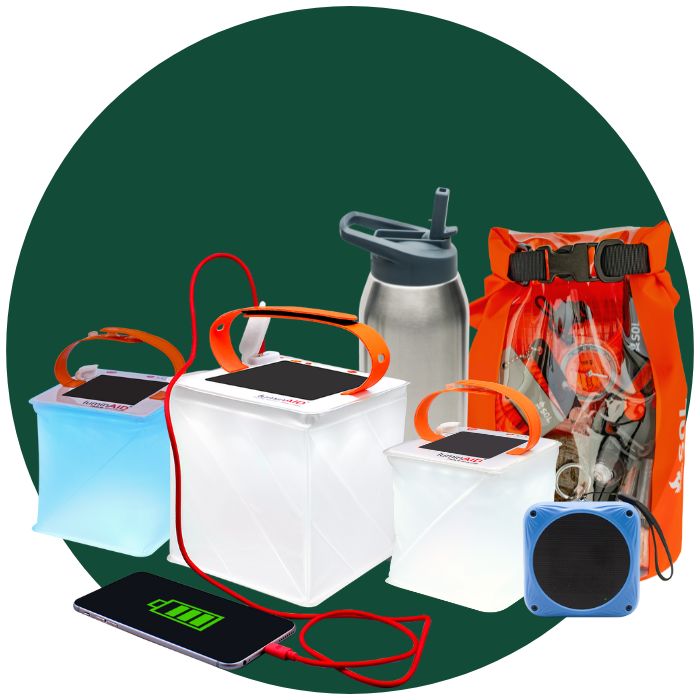
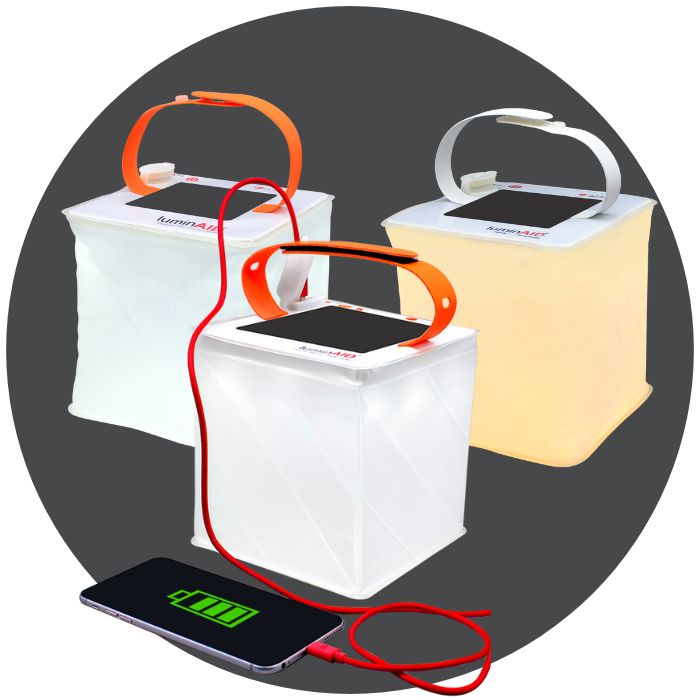
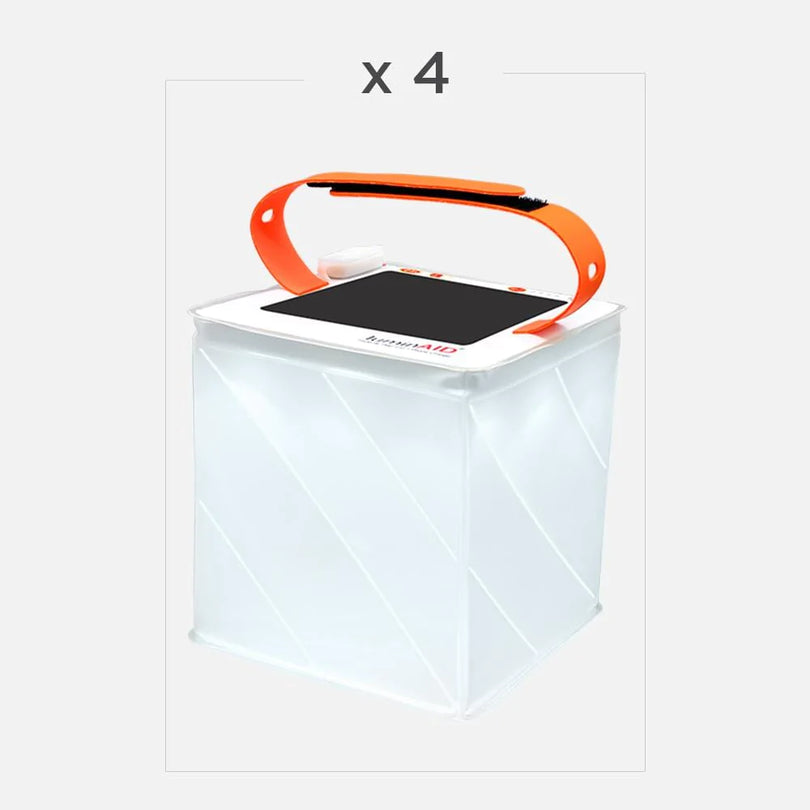
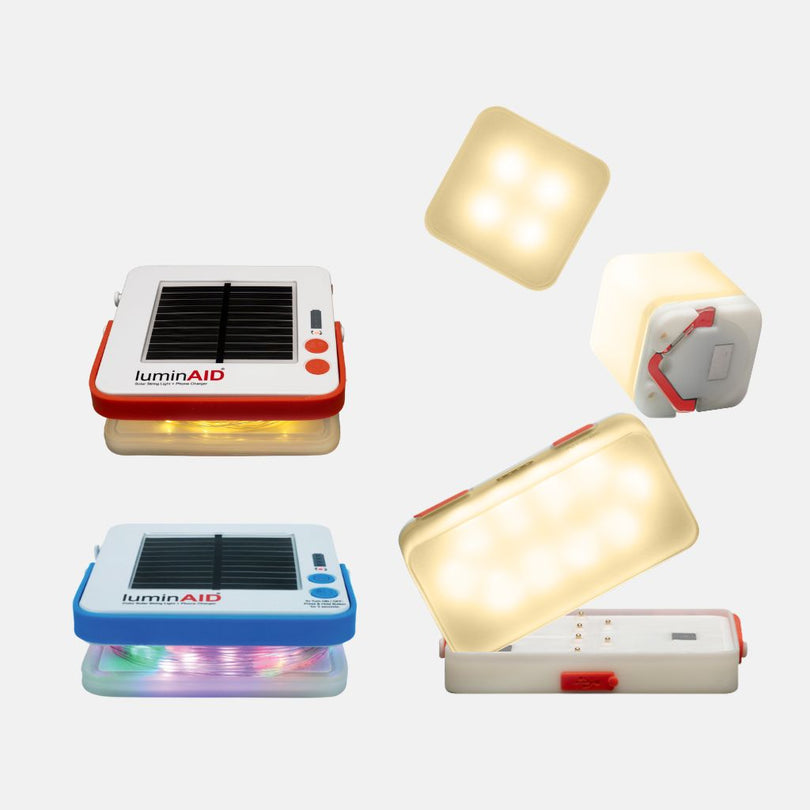
Rechargeable lighting is a good example. A lantern that replaces disposable batteries and gets packed for blackouts, road trips, or camping has a clear use case. This solar camping lantern guide is useful because it points shoppers toward runtime, charging options, and portability instead of just surface-level “green” messaging.
One caution here. A reusable product only helps if it fits the recipient's habits. A glass meal-prep system is great for someone who cooks weekly. It is clutter for someone who orders takeout most nights.
Finally, test the brand's transparency
Brands that are doing the work usually show it plainly. They list materials, care instructions, manufacturing details, packaging choices, and certifications in language a normal shopper can verify. Brands that rely on mood words often stay vague on the facts that matter.
I also check whether the sustainability story matches the product itself. A company can talk at length about recycled packaging while selling a short-lived item with no repair path. That mismatch is a red flag.
Use this quick screen before buying:
| Question | Good sign | Red flag |
|---|---|---|
| Materials | Specific inputs and percentages listed | “Eco blend” or “natural-inspired” |
| Lifespan | Repair, refill, or care guidance | No durability information |
| Packaging | Minimal, recyclable, or reusable packaging | Heavy gift boxing and mixed materials |
| Verification | Named certifications or sourcing standards | Broad claims with no proof |
Style can still matter, of course. The point is to apply the same standards to softer, fashion-led gifts as you would to a kitchen tool or travel item. A good example is this guide to luxury faux fur gifts. The useful question is not whether the category sounds indulgent or practical. It is whether the piece is well made, likely to be worn often, and built to stay attractive over time.
If the product page leaves you with more adjectives than facts, skip it. Reliable eco-friendly gifts stand up to basic scrutiny.
Sustainable Gift Ideas for Home, Hobbies, and Adventure
Examples help most when they're tied to a real lifestyle. The right gift for a home cook isn't the right one for a weekend hiker, and both are different from what suits a creative hobbyist. Instead of chasing a single “perfect” item, match the gift to how she already spends her time.

For the woman who loves home rituals
Home gifts work well when they reduce waste in an everyday routine. Think refillable cleaning systems, sturdy food storage, a quality insulated mug, or a compact indoor herb kit that supports actual cooking instead of becoming shelf decor.
I'd also include practical textile gifts here, but only if you know her taste. A reusable market tote, washable napkins, or a well-made apron can be useful. If you're leaning into cozy style, it helps to look at guides that focus on longevity over novelty then apply the same filter of repeat use and durable construction.
For hobbies, wellness, and creative routines
This category gets cluttered fast, so restraint matters. Good gifts support a habit she already has. They don't assign her a new identity.
A few strong directions include:
- For journaling or sketching. Refillable pens, certified paper notebooks, or locally made art supplies she'll use.
- For movement and self-care. Durable yoga props, solid toiletries for travel or gym bags, or refill-friendly personal care items.
- For reading and learning. Memberships, classes, museum entry, or secondhand books chosen with care.
If you're not sure what product to choose, experience-based gifts often win here. A workshop, class pass, or botanical garden membership can feel personal without adding more stuff to manage.
A short visual roundup can help spark ideas:
For travel and outdoor adventure
Adventure gifts are often some of the most convincing eco-friendly options because they reward durability. The item has to travel well, hold up outdoors, and earn space in a backpack or car kit.
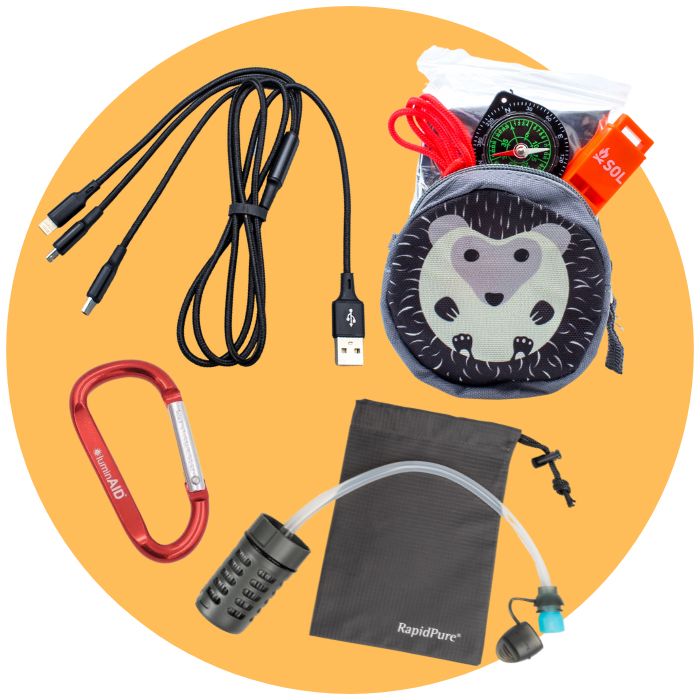
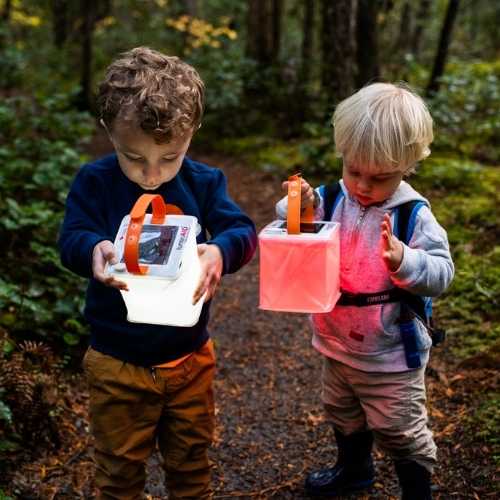
One useful option is a solar lantern or lantern-charger combination. For someone who camps, keeps an emergency kit, or likes low-waste outdoor gear, a product like the LuminAID solar camping lantern guide points to the kind of gear that avoids disposable batteries and stays useful across travel, power outages, and weekend trips. Paired thoughtfully, it also works well alongside a compact first aid kit from Adventure Medical Kits for a practical outdoor gift set.
A few more adventure-friendly ideas:
| Lifestyle | Gift idea | Why it works |
|---|---|---|
| Camper | Rechargeable or solar lighting | High use, low waste over time |
| Hiker | Repairable daypack accessories | Replaces low-quality gear cycles |
| Frequent traveler | Solid toiletries and reusable containers | Cuts down on single-use travel packaging |
| Road trip lover | Reusable food kit and insulated bottle | Useful on every trip |
The pattern is simple. The more often the gift goes with her, the more sustainable it tends to become in real life.
Choosing Gifts That Support People and Planet
A gift can do more than reduce waste. It can also support better labor practices, clearer sourcing, and organizations doing practical work in the world. That social layer matters because sustainability isn't only about the material inside the box.
The strongest options in this category are often durable goods with a clear purpose. As noted in Narwal's discussion of eco-sustainable gifts, the most technically effective choices are high-use, durable goods made from recycled or responsibly sourced materials because longer product life reduces replacement frequency and lowers waste over time. That's why I put more trust in a well-made item that stays in circulation than in a fragile product dressed up with eco language.
What a positive ripple effect looks like
When I'm evaluating brands, I look for signals that they've thought beyond the sale. That can mean fair trade relationships, repairability, transparent sourcing, or a give-back structure tied to a real need. It doesn't have to be dramatic. It does have to be legible.
Useful questions to ask:
- Does the company explain who makes the product?
- Is the product built for long-term use instead of quick replacement?
- Does the purchase support a wider social good in a concrete way?
A good reference point outside the gift category is this overview of sustainable designer shoe practices, which shows the kind of transparency shoppers should look for more broadly. Even if you're not buying shoes, the same principles apply. Material choices matter, but process and accountability matter too.
Gifts with two layers of value
The most satisfying eco-gifts often work on two levels. First, they're useful to the recipient. Second, the purchase supports a better system, whether that means reduced waste, more responsible sourcing, or help directed toward communities that need it.
Buy the item that still makes sense after the sentiment wears off.
That's why high-use gear often stands out. A lantern, a bag, a kitchen staple, or a refillable home product can keep waste down through repeated use. If the brand also supports relief work, fair labor, or stronger transparency, the gift carries more substance without becoming performative.
Matching the Perfect Eco-Gift to Occasion and Budget
Budget matters, but it doesn't have to flatten the thought behind the gift. Some of the most effective eco friendly gifts for women are modest, useful, and chosen with precision. Occasion matters too. A birthday gift can be more personal. A housewarming should usually be broadly useful. A holiday gift can lean cozy or seasonal, but it still needs staying power.
Occasion first, then price
Start with the context before you set the spend. For a housewarming, look for practical home items that won't duplicate badly. For a birthday, you can get more specific to her habits. For travel season or summer celebrations, outdoor and on-the-go gear tends to land well.
This is also where non-product gifts can beat physical items. If she already owns what she needs, a class, park pass, repair service, or local experience may be the cleaner choice.
A simple budget framework
Here's a practical way to think through options without chasing price tags alone.
| Budget range | Good eco-gift direction | Best for |
|---|---|---|
| Lower spend | Reusable produce bags, solid shampoo bars, thrifted book bundles, seed kits | Stocking stuffers, add-ons, casual gifting |
| Mid-range | Durable mug, repairable accessories, refillable home goods, quality scarf | Birthdays, holidays, thank-you gifts |
| Higher spend | Curated low-waste bundles, long-life outdoor gear, premium home staples, experience plus item pairing | Milestone gifts, close family, shared gifting |
For outdoor-minded recipients, practical add-ons can make sense at any tier. A travel-size Natrapel insect repellent can work as a useful stocking stuffer or trip-prep extra, especially when bundled with reusable trail or travel basics.
Match the gift to her stage of life
A new homeowner may appreciate useful kitchen or preparedness items. A frequent traveler may prefer compact gear and low-waste toiletries. A parent may want less clutter, not more. A recent graduate may value one durable item she'll use constantly over several small novelty gifts.
I also like looking sideways into adjacent gift categories for inspiration. If you're shopping for a family with mixed needs, the ideas in eco-friendly children's gifts can help you think in terms of durability, repeated use, and low-waste fun, then adapt that same logic for adults.
A good budget gift says, “I noticed what you use.” An expensive but mismatched gift says the opposite.
Eco-Conscious Wrapping and Presentation Tips
Wrapping is often where an otherwise thoughtful gift slips back into waste. Glossy paper, plastic ribbon, foam filler, and oversized shipping boxes usually serve a few minutes of presentation, then head straight for the bin. A better approach is to judge wrapping the same way you judge the gift itself. Ask whether it is reusable, recyclable, compostable, or likely to become clutter.
That simple filter helps cut through a lot of greenwashed packaging. “Recyclable” cellophane with glitter accents, laminated gift bags, and novelty boxes can sound responsible but still perform poorly in real homes, where mixed materials are hard to sort and rarely reused.

Choose wrapping with a second life
The strongest option is presentation that stays useful after the gift is opened. Fabric works especially well here because it avoids the single-use problem and adds texture without extra filler.
Practical choices include:
- A scarf, bandana, tea towel, or cloth napkin for wrapping soft or medium-size items
- Saved gift bags or sturdy paper bags that can handle another round of use
- Plain kraft paper, old maps, or brown grocery paper that can usually be recycled more easily than coated wrap
- Twine or reusable ribbon instead of plastic curling ribbon
- Natural accents such as rosemary, cedar clippings, dried orange slices, or pressed flowers, used sparingly
There is a trade-off here. Fabric wrap only makes sense if the recipient will use it. If she does not wear scarves or already has too many kitchen linens, a simple reused paper wrap is often the better choice.
Make the packaging part of the gift
One of the easiest ways to cut waste is to stop treating the container as disposable. Build the gift inside something she would have bought or used anyway.
| Gift theme | Reusable presentation idea |
|---|---|
| Kitchen gift | Pack in a mixing bowl or produce basket |
| Spa gift | Use a small fabric pouch or lidded box |
| Gardening gift | Arrange in a planter or watering can |
| Travel gift | Pack inside a zip pouch or tote |
This works best when the container matches her habits. A storage tin is useful for someone who likes organizing small items. A basket can become clutter for someone in a small apartment. Good presentation still needs the same question that guides the gift itself. Will she use this again?
Keep the finishing details low-waste and personal
A handwritten note usually adds more value than another decorative layer. Tags made from recycled card stock are easy to reuse or recycle. Seed paper can be a nice extra for a gardener, but plain card stock is often the safer choice because it avoids turning a simple tag into a novelty item.
For shipped gifts, request minimal packaging if the seller offers that option. For gifts you wrap yourself, use folding, string, or cloth ties before reaching for lots of tape. The goal is a gift that feels deliberate and generous without creating a pile of materials the recipient has to deal with five minutes later.
Your Questions on Eco-Friendly Gifting Answered
The hardest part of sustainable gifting usually isn't finding ideas. It's figuring out what to trust. That's where most shoppers get stuck, and that skepticism is healthy.
A useful framing question comes from a discussion of gaps in eco-gift content at Here I Am Box: How can I tell if an eco-friendly gift is better for the planet, and when is secondhand, reusable, or experience-based gifting a better choice than buying a new product? That's the right question because it pushes past branding and into judgment.
How do I spot greenwashing quickly
Start with what the brand tells you. If the listing leans heavily on words like “natural,” “green,” “conscious,” or “earth-friendly” without explaining materials, sourcing, or packaging, that's not enough.
Watch for these red flags:
- Vague claims without proof. The product sounds responsible, but the details are missing.
- Heavy packaging around a simple item. The presentation creates unnecessary waste.
- Novelty over longevity. The item looks giftable but doesn't seem built for real use.
- No care or end-of-life guidance. Brands that think about sustainability usually explain maintenance, refill options, or recyclability.
Is secondhand gift-giving okay
Yes, if it fits the recipient and the condition is excellent. Secondhand can be one of the smartest choices because it keeps good items in use and avoids new production. Vintage jewelry, out-of-print books, quality wool or leather goods, and restored homewares can feel more personal than something bought new in a rush.
The key is presentation and fit. Clean it well, make sure it functions, and tell the story if the story adds value.
When is an experience better than a product
An experience is usually the better gift when she already has enough stuff, lives in a small space, or values time over objects. Good examples include classes, workshops, park passes, museum memberships, and shared meals.
A product makes more sense when it removes friction from daily life. Think durable tools, refillable staples, or outdoor gear that gets regular use.
What if I want the gift to feel personal, not preachy
Then don't lead with the sustainability angle. Lead with her life. The gift should first feel like a good gift. The lower waste, durability, and better sourcing should support that, not replace it.
The most successful eco-gifts don't ask the recipient to admire your values. They fit naturally into her routine.
That's the true test. If the item is useful, honest, and likely to last, you're on solid ground.
If you want a practical gift that works for camping, travel, emergency kits, and everyday backup light, take a look at LuminAID. Their solar lanterns and lantern-chargers fit well into a low-waste gifting approach because they're designed for repeated use without disposable batteries, and they're easy to give to anyone who values preparedness, outdoor time, or useful gear.