

You're probably here because you don't want to buy one more flashy plastic gift that gets a huge reaction for ten minutes, then disappears into a toy bin, breaks, or needs a drawer full of batteries. That feeling is common, especially if you're trying to give something fun without adding clutter or waste.
The good news is that eco friendly children's gifts have moved far beyond the old stereotype of “a wooden toy and some recycled wrapping paper.” There are now far more thoughtful options that balance play, safety, durability, and real usefulness. Some are classic, like art supplies made from better materials. Some are less obvious, like practical outdoor gear a child will use on camping trips, in the backyard, or during a power outage.
A better gift doesn't have to be austere or boring. It just needs to earn its place in a child's life.
Beyond the Toy Box The Shift to Meaningful Gifting
A lot of parents have had the same moment. You're cleaning up after a birthday or holiday, sorting tiny plastic parts, peeling packaging off the floor, and wondering why gifting so often turns into accumulation.
That frustration isn't just personal. It reflects a broader shift in how families shop. Eco-friendly children's gifts are no longer a niche concept. The global market for sustainable toys was valued at over USD 23.5 billion in 2024 and is projected to grow significantly, driven by parents looking for safer, longer-lasting gifts made from materials like FSC-certified wood and organic cotton, according to this sustainable toys market report.
That matters because it changes what's available. Parents aren't stuck choosing between “fun” and “responsible” anymore. Better-made puzzles, wooden building sets, organic fabric dolls, gardening kits, open-ended craft supplies, and practical outdoor items are all part of the same category now.
For families who want gifts that do more than entertain for a weekend, the strongest options usually share a few traits. They last. They invite repeated use. They support curiosity or independence. And they don't depend on disposable add-ons to work.
Meaningful gifting usually starts by asking a different question. Not “What will impress for a minute?” but “What will still be useful and loved a month from now?”
Sometimes that means choosing books, maker kits, or nature tools over novelty toys. If you're shopping by age and want ideas that still feel playful, this roundup of fun educational gift ideas is a helpful place to branch out from the usual toy aisle.
It also helps to think of gifting as part of a larger sustainability mindset, not just a product choice. LuminAID's perspective on sustainable gifting as a broader trend reflects that bigger shift toward gifts with lasting value.
What meaningful looks like in practice
| Gift type | What tends to work | What often disappoints |
|---|---|---|
| Creative gifts | Reusable art tools, open-ended building materials | Single-purpose kits with lots of waste |
| Outdoor gifts | Gear that works at home and on trips | Fragile novelty gadgets |
| Comfort gifts | Durable textiles, reading lights, keepsakes | Trend toys tied to a short-lived character |
| Learning gifts | Hands-on tools that grow with the child | Loud electronic items with limited replay value |
What Makes a Childrens Gift Truly Eco-Friendly
“Eco-friendly” gets used loosely. In practice, a gift is only as good as its materials, safety profile, and lifespan.

A useful way to judge eco friendly children's gifts is to look at five pillars, not one. A toy made from wood but coated poorly, built to snap, or unsafe for a child's age doesn't deserve a sustainability halo. Likewise, a practical item made from recycled material but designed for years of use may be the better choice.
Start with the material
The material question matters because conventional toy production creates a lot of waste. Plastic accounts for 90% of toys, and in France alone 40 million toys are discarded into landfills each year, while toys make up 6% of all landfill plastics worldwide, as summarized in DePaul University's write-up of toy sustainability research.
That's why material should be your first screen.
Look for:
- Renewable inputs like FSC-certified wood
- Natural fibers such as organic cotton
- Recovered materials like recycled plastic when they're clearly disclosed
- Simple construction instead of heavily mixed materials that are hard to repair or reuse
If you're shopping for younger children, this guide to choosing sustainable baby toys is a helpful example of how to think about natural materials and simple designs.
Safety and durability count just as much
A gift isn't eco-friendly if it becomes trash quickly. That's one of the biggest gaps in many gift guides. They focus on the feel-good material and skip the harder questions.
Ask:
- Will it survive real use? Thin wood, weak stitching, and flimsy hinges can turn a “green” gift into fast waste.
- Is it age-appropriate? Small parts, unsecured batteries, or awkward designs can make an otherwise good product a poor choice for a specific child.
- Can it keep being useful? Open-ended toys, outdoor tools, and practical gear usually stay relevant longer than trend-driven products.
Practical rule: The most sustainable gift is often the one a child uses often, keeps longer, and doesn't need to replace soon.
Production matters, but don't let marketing do the work
It's fine to care about ethical production and lower-waste packaging. You should. But many labels stay vague.
A better buying filter looks like this:
- Specific material disclosure
- Named certifications
- Minimal packaging
- A design that supports repeated use
- A purpose beyond novelty
That last point is where many parents find better options. A child's gardening set, sturdy binoculars, a durable craft kit, or a battery-free outdoor item may serve the family better than a toy that only works in one very narrow way.
How to Evaluate a Gifts Sustainability and Safety
The fastest way to avoid greenwashing is to stop reading the front of the box first. Start with the product details, the materials, and the age guidance.

A lot of products sound responsible because they use words like “natural,” “earth-friendly,” or “conscious.” Those words aren't enough. The strongest eco-friendly claims are backed by proof, which is why it's worth checking for standards like FSC-certified wood or GOTS-certified organic cotton, as explained in this guide to sustainable gift materials. Those benchmarks also help buyers avoid common concerns tied to conventional plastics, including BPA, phthalates, and PVC.
A parent-level screening process
When I'm deciding whether a gift is worth buying, I use a simple filter.
-
Read the materials line
If the listing doesn't tell you what it's made from, that's already a problem. Clear brands usually say wood species, fiber type, or recycled content directly. -
Look for recognized certifications
FSC and GOTS are useful because they tell you more than “eco.” They point to sourcing and material standards you can verify. -
Study the weak points
Check hinges, seams, painted finishes, charging ports, battery compartments, and anything a child will handle repeatedly. -
Think about lifespan
Can it be handed down, repaired, repurposed, or used in more than one setting? -
Check the age recommendation carefully
A sustainable material doesn't override a poor fit for the child's developmental stage.
Questions worth asking before checkout
| Question | Why it matters |
|---|---|
| What is it actually made from? | This reveals whether the “eco” claim is real or decorative |
| Does it list certifications? | Third-party standards are stronger than vague branding |
| Is it likely to break at stress points? | Durability is part of sustainability |
| Does it rely on disposable batteries or refills? | Ongoing waste adds up quickly |
| Will the child use it in more than one way? | Repeated use improves value and reduces churn |
One smart comparison is to evaluate practical lighting and outdoor tools with the same standard you'd use for toys. If you're considering off-grid gifts, this guide to a portable solar camping light is a good example of the kind of product information that helps you assess real use cases instead of just packaging claims.
If a gift needs a lot of explaining to justify its sustainability, it probably isn't the right fit. Good options usually make sense on their own.
What usually works better than impulse buys
Short version: fewer gimmicks, more function.
That can mean:
- Wooden or fabric toys with open-ended play value
- Art supplies that don't dry out or become single-use waste
- Outdoor gear that works at home, on trips, and in emergencies
- Reading, building, or nature-based gifts that grow with the child
What often disappoints is the opposite. Highly branded character items, fragile gadgets, and products with lots of accessories tend to have a short life both physically and developmentally.
Inspiring Gift Categories for Every Age
A strong gift category gives you room to match the child, not just the occasion. That's usually where eco friendly children's gifts become easier to shop for. You stop hunting for one perfect trendy item and start choosing a type of gift that fits how the child plays and lives.

Creative and building gifts
These are often the safest bet because they stay useful across ages. Wooden blocks, magnetic building sets with durable components, knitting looms, watercolor pencils, natural modeling dough, and sturdy easels all encourage repeat use.
Younger children usually do well with simple stacking, sorting, and pretend-play materials. Older kids often get more mileage from open-ended kits that let them design, build, paint, or tinker without one fixed outcome.
What works:
- Loose-part building toys that can become different things every week
- Art materials with refillable or long-lasting formats
- Craft storage that keeps supplies in use instead of lost at the bottom of a bin
What doesn't work as well:
- Overly prescriptive kits that are exciting once and forgettable after completion
- Cheap craft bundles packed with low-grade plastic extras
Learning and reading gifts
Books are still one of the easiest low-waste gifts to get right, especially when you pair them with an activity. A bird guide with child-sized binoculars. A beginner cookbook with a kid apron. A nature journal with colored pencils.
This category also includes memberships, classes, and hands-on science tools. If you're looking for examples aimed at younger gift recipients, LuminAID's collection of gift picks for kids and young adults shows how gifts can cross over from play into practical learning and outdoor use.
A good learning gift doesn't feel like homework. It gives a child a tool, a prompt, or a reason to explore.
Here's a useful video if you want more inspiration around sustainable kids' gifting:
Outdoor and nature-based gifts
This is one of the most underrated categories. Kids often use outdoor gifts longer because the experience changes with seasons, places, and age.
Good options include:
- Gardening kits with child-sized tools and seeds
- Bug viewers or magnifiers for backyard exploration
- Binoculars and field journals for hikes and park visits
- Daypack basics like a water bottle, sun hat, or simple first-aid pouch
For families who spend time outside, practical outdoor retailers can spark ideas beyond toys. Adventure Medical Kits is a useful example because it frames gear around readiness and real use, not novelty.
Experience-based gifts
Not every memorable gift needs to be an object. Museum memberships, swimming lessons, nature center passes, baking days, camping weekends, and “coupon” gifts for one-on-one time can all be more meaningful than another box of stuff.
A nice middle ground is to pair a small physical gift with an experience. Give a journal with a promise to visit a botanical garden. Give a kite with a beach day. Give a flashlight with a backyard fort night.
That combination tends to make the gift feel substantial without making it excessive.
The Power of Practical Gifts for Adventure and Emergencies
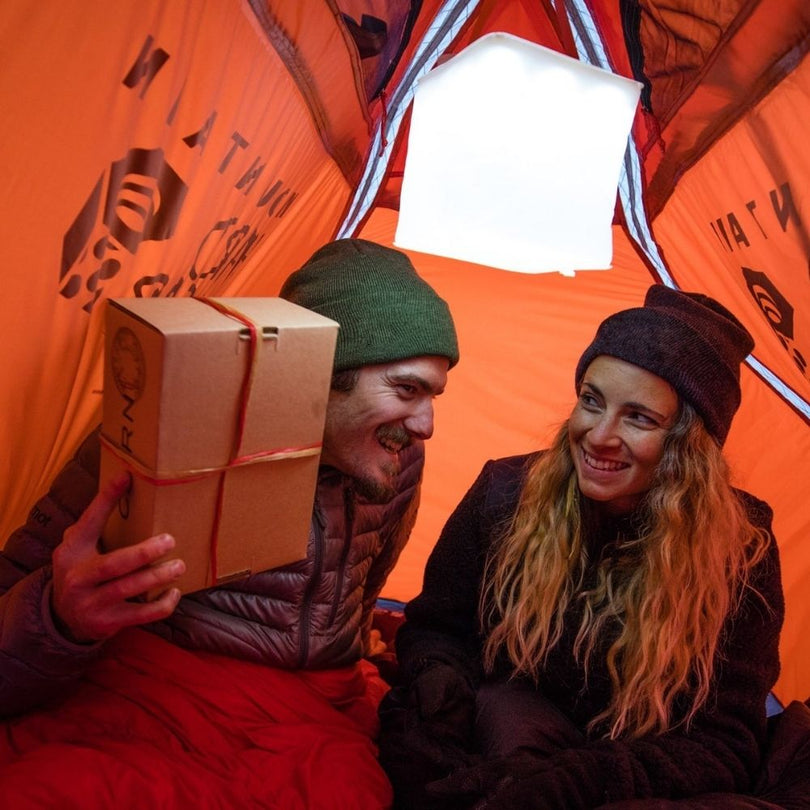
The gift gets opened during a power outage, and it turns into the most-used item in the house. Kids use the lantern for shadow puppets and bedtime reading. Parents use it to light the hallway and find the fuse box. That kind of crossover use is easy to overlook, but it is one of the strongest arguments for practical gifting.

Eco-friendly gifts are often framed as toys made from better materials. That matters, but it is only part of the picture. A well-chosen practical gift can reduce disposable purchases, last through several stages of childhood, and give a child real skills. A solar lantern, small emergency kit, or properly sized daypack does more than entertain. It helps children take part in family routines, outdoor adventures, and basic preparedness.
That wider definition of sustainability is worth keeping in view. A gift can be lower-waste and more useful at the same time, as discussed in this sustainable gift perspective.
Why practical can still feel special
Children usually love gear when it gives them a clear job. A headlamp turns into a tool for camp setup, fort-building, or reading after lights-out. A backpack says, “You carry your own snacks and water now.” A small first-aid pouch can introduce simple skills like cleaning a scrape or handing over a bandage.
Practical gifts also tend to stay relevant longer than novelty items. The same lantern that starts out in the living room blanket fort can move to the campsite, then to the car emergency kit.
A few categories work especially well:
-
Solar or rechargeable lighting
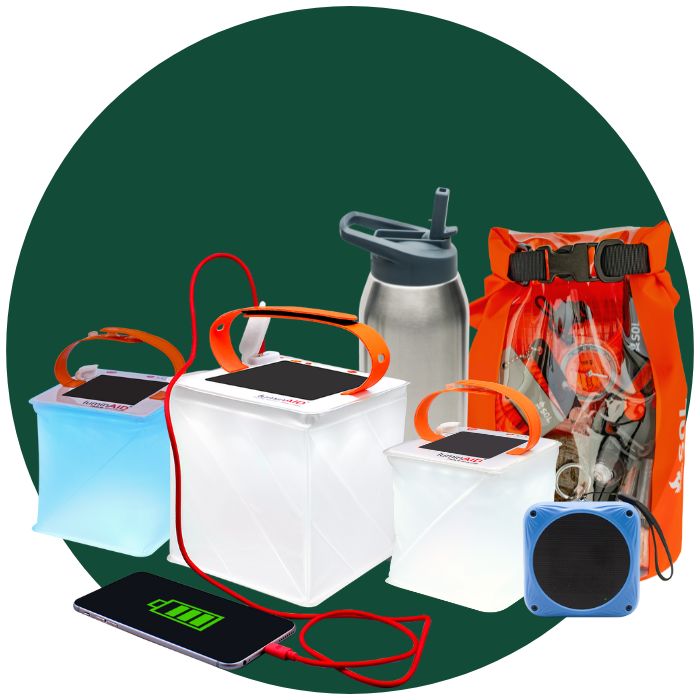
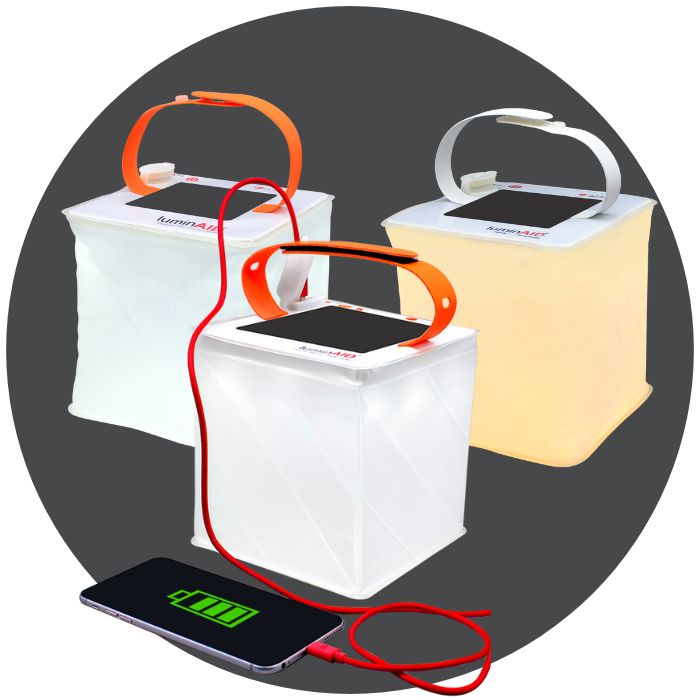
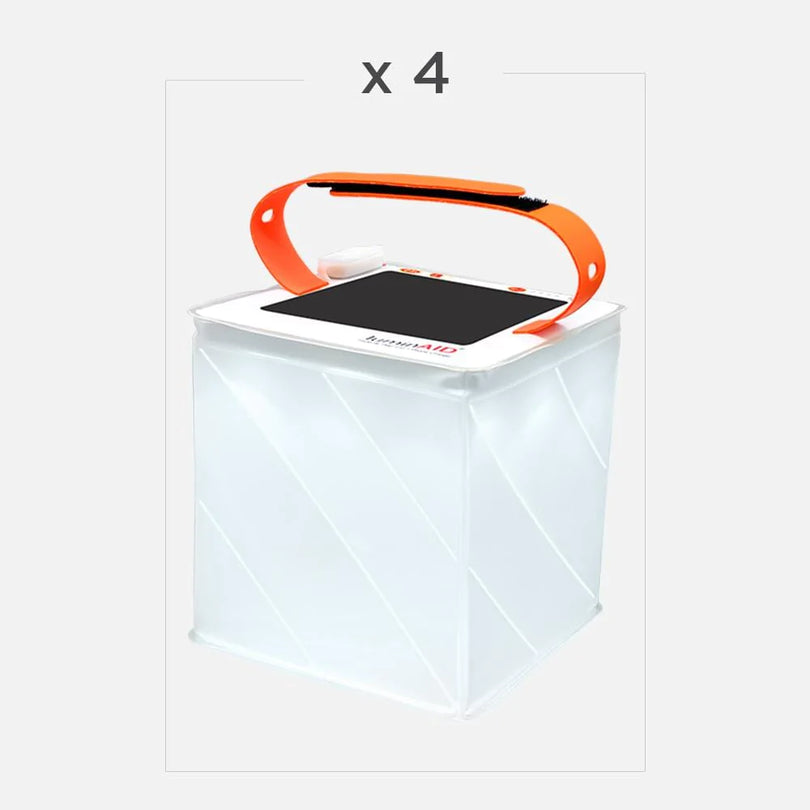
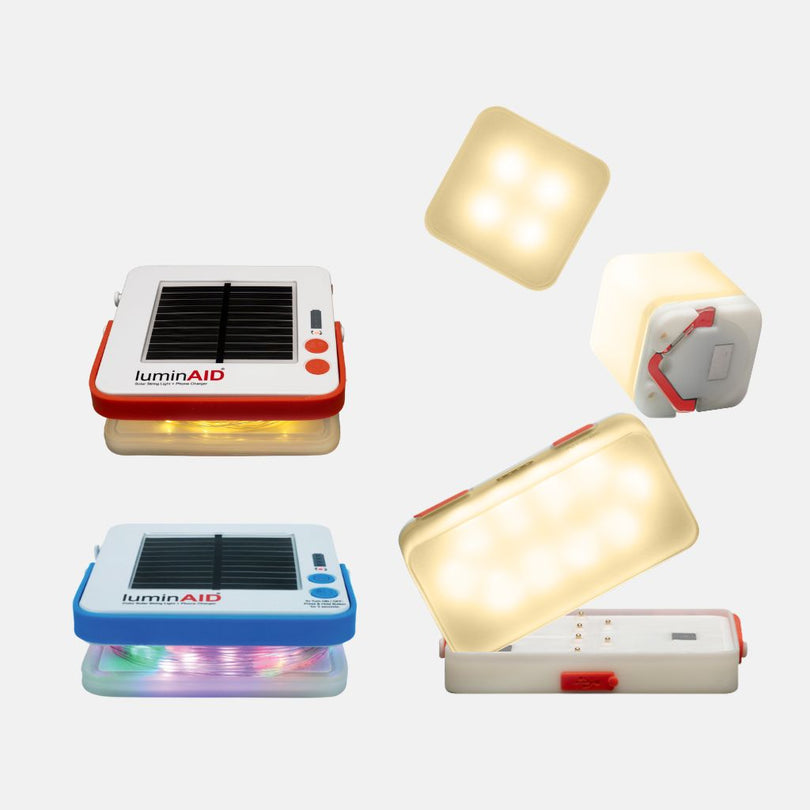
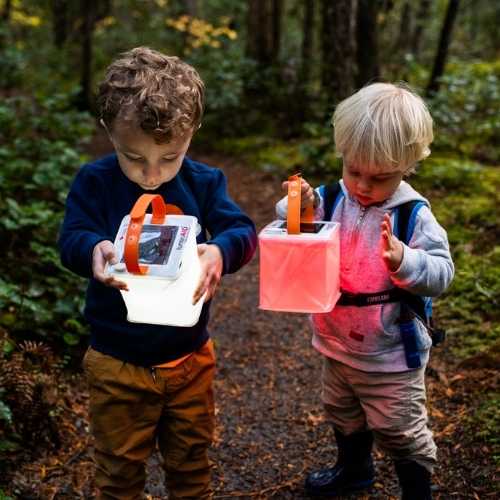
These gifts cut down on disposable batteries and get used for camping, backyard evenings, travel, and outages. One example is a LuminAID solar lantern, which packs down small and suits both play and emergency use. -
Simple emergency gear
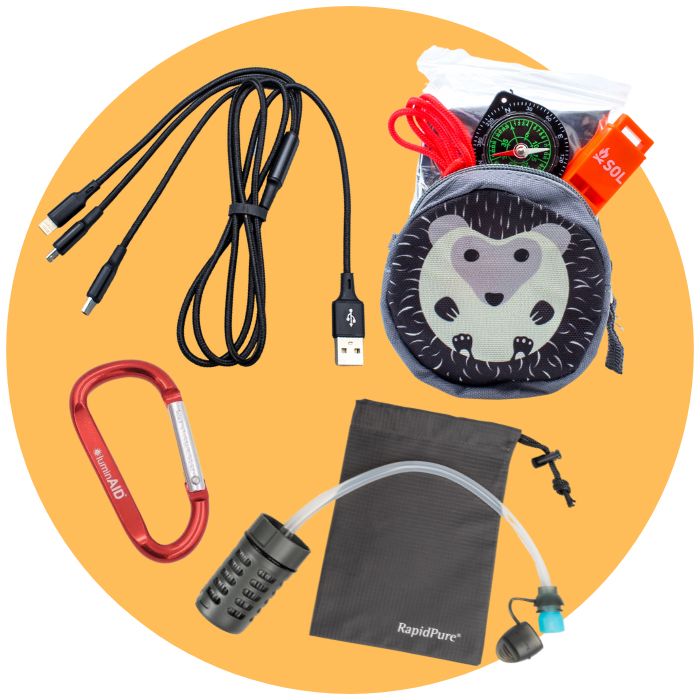
A child-friendly whistle, rain poncho, compact first-aid supplies, or a labeled personal kit can build confidence without making the gift feel heavy. -
Outdoor protection items
For families who hike or camp, practical additions like After Bite itch relief fit naturally into an adventure kit and are easy for kids to understand and use.
Trade-offs to think through
Useful gifts still need to feel like gifts. If the item is too adult, too technical, or tied to a problem the child never has, it will sit on a shelf.
I have found that fit matters more than category. A simple flashlight a child can operate alone often gets more use than a feature-packed lantern with three charging modes and tiny buttons. The same goes for bags and kits. If it is too big, too heavy, or stuffed with “just in case” items, children stop reaching for it.
| Practical gift | Works well when | Falls flat when |
|---|---|---|
| Lantern or flashlight | Child can use it independently and safely | It's too complicated or clearly bought only for adults |
| Backpack or kit bag | Sized for the child and used often | Too large, too technical, or overloaded |
| First-aid or trail kit | Introduced as skill-building | Given in a fear-based way |
| Outdoor protection gear | Tied to actual family activities | It solves a problem the child never encounters |
The best practical gifts feel like an invitation to participate. They tell a child, “You're ready to help. You're ready to explore.”
Smart Gifting Budgeting and Sustainable Wrapping
Eco friendly children's gifts don't have to mean expensive. In many cases, they become more affordable once you stop buying by quantity and start buying by usefulness.
A simple budget strategy is to choose one anchor gift and then keep the rest small or homemade. The anchor gift might be a set of wooden blocks, a quality backpack, a solar lantern, or a museum membership. Then you can add low-cost extras like a used book, a handwritten scavenger hunt, homemade play dough, or seed packets for planting together.
Spend where durability matters
Some categories reward quality more than others.
Spend a bit more on:
- Items with moving parts such as lanterns, tool kits, or ride-on accessories
- Textiles used heavily like backpacks, blankets, or dress-up pieces
- Core open-ended toys that may be used for years
Save money on:
- Books bought secondhand
- Nature gifts like shells, rocks, seeds, and pressed-flower kits
- Experience coupons for baking, fort nights, hikes, or museum dates
If you're shopping for outdoor-minded kids, another way to keep things practical is to bundle one durable item with a consumable or small accessory instead of buying several unrelated gifts.
Wrapping can support the gift instead of undermining it
A thoughtful gift wrapped in layers of disposable glitter paper loses some of the point. Sustainable wrapping doesn't need to look plain.
Try:
- Fabric wrapping using a scarf, bandana, tea towel, or cloth napkin
- Reusable bags that become part of the gift
- Plain kraft paper decorated with stamps, twine, or child-made drawings
- Old maps, sheet music, or newspaper comics for a playful look
- Natural accents like a sprig of greenery or a handwritten tag on recycled card
Wrapping works best when it has a second life. Storage bag, dress-up cloth, picnic napkin, treasure sack. Anything but instant trash.
A calmer way to give
The most sustainable gifting habit may be the simplest one. Buy less, choose better, and match the gift to the child's real life.
That usually means ignoring pressure to make the pile look big. Children remember gifts that became part of routines, adventures, stories, and rituals. They remember the flashlight used in the fort, the journal brought on hikes, the art set that came out every rainy afternoon.
That's the kind of gift worth giving.
If you want a gift that blends fun, off-grid usefulness, and lower-waste design, LuminAID is worth a look. Their portable solar lanterns fit especially well for families who want a child-friendly gift that can work for backyard play, camping, and emergency kits without relying on disposable batteries.