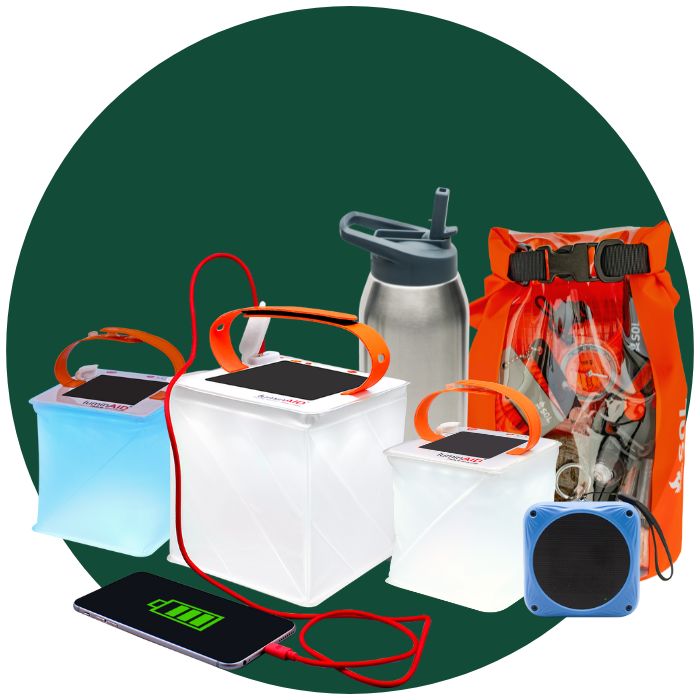
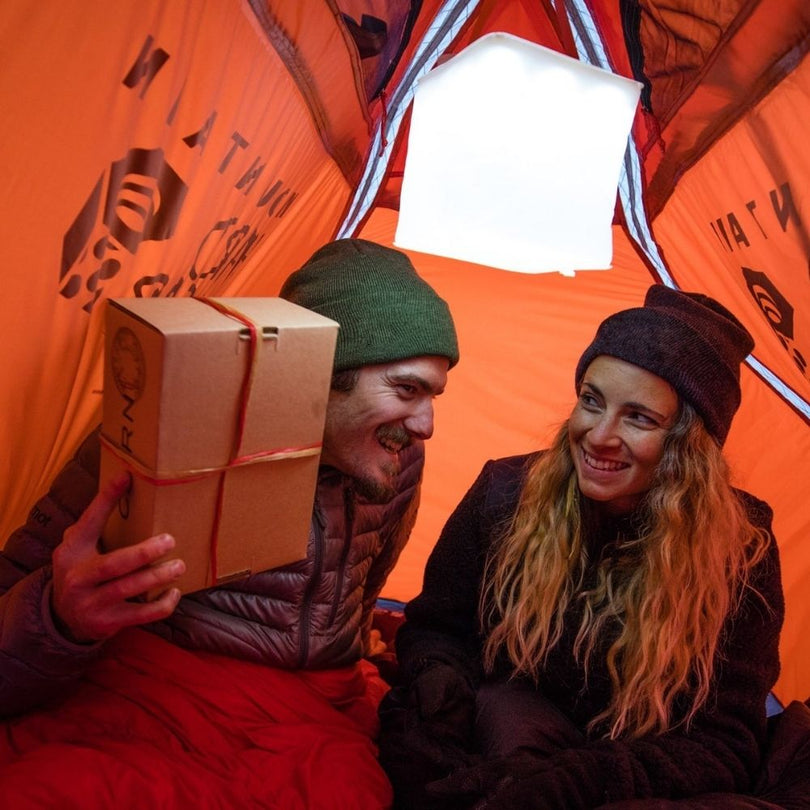


Imagine setting up camp miles from the nearest outlet, but you've still got a reliable light for your tent and a way to charge your phone. That's the freedom solar-powered camping gear brings to the table, turning a rugged trip into a safer, more comfortable adventure. It’s a quiet, clean solution for anyone who wants to stay off-grid longer.
Why Solar Is a Game Changer for Modern Campers
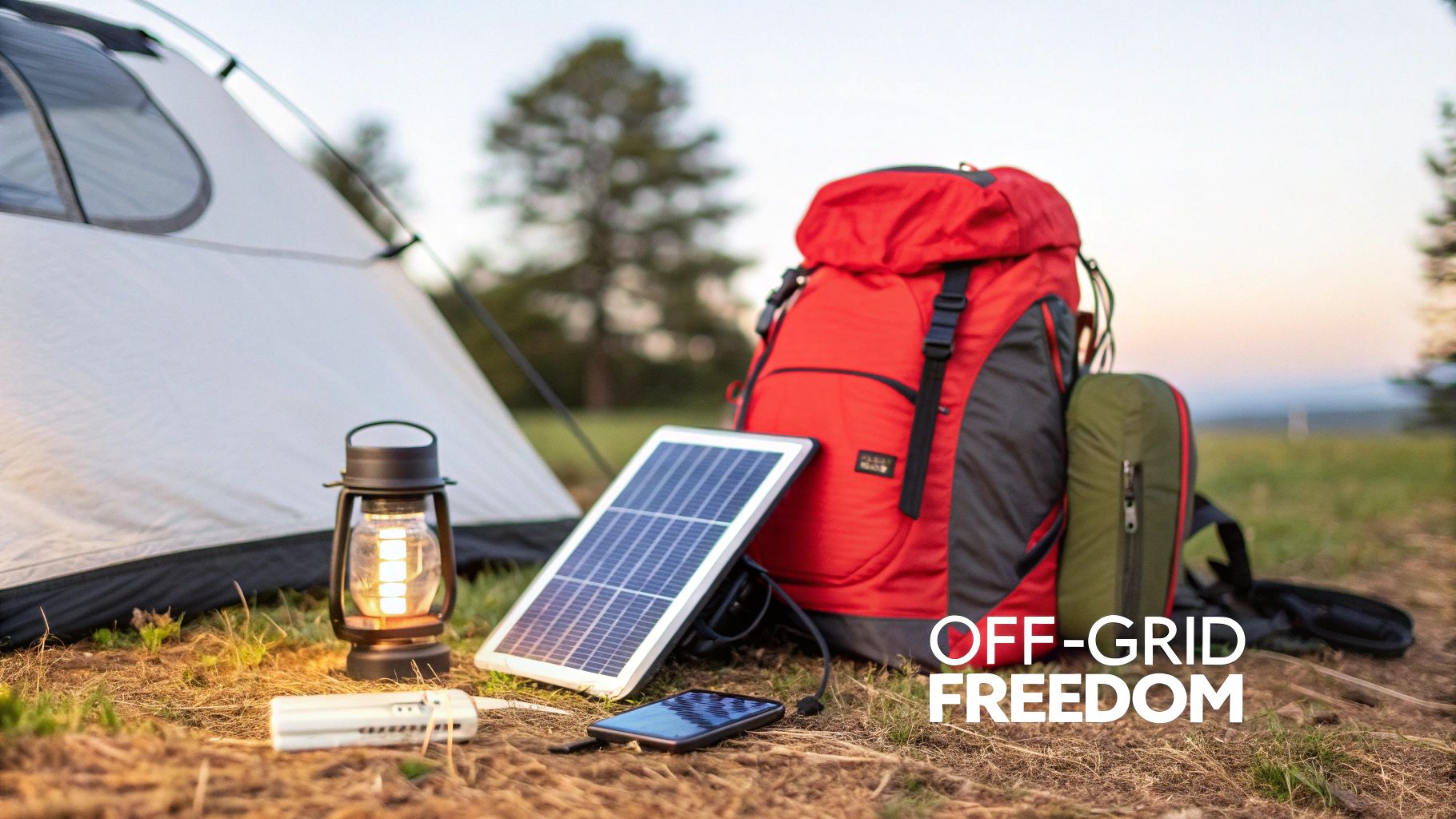
The classic picture of camping usually involves leaving modern comforts behind. But what if you could keep that deep connection to nature without sacrificing safety or a little bit of convenience? Solar power is bridging that exact gap, giving us a self-sufficient way to generate electricity when we're far from any power lines.
This isn't some complicated tech just for hardcore enthusiasts anymore. It's becoming an essential tool for every kind of camper. The whole shift toward sustainable, independent power is reshaping how we get outside, letting us ditch the disposable batteries and noisy generators for the simple power of the sun.
The Rise of Sustainable Adventures
Today’s campers are looking for gear that’s not just effective, but also easy on the environment. This mindset is a huge reason the camping equipment market is projected to hit USD 29.49 billion by 2031. A big piece of that growth comes from solar-enabled and eco-friendly gear, with companies innovating to make everything lighter and more efficient. You can actually explore more camping market trends to see just how fast things are changing.
The real beauty of solar-powered camping gear is its simple reliability. A backpacker can clip a lightweight solar lantern to their pack to charge while they hike, guaranteeing a light source at night. A family at a drive-up campsite can string up solar lights for a bit of ambiance and use a power lantern to keep their phones charged for photos or emergencies.
It just opens up a world of new possibilities for any adventure.
Solar power isn't just about charging a phone; it's about extending your safety net. It means having a reliable light source in an unexpected storm, a charged GPS when a trail becomes unclear, and a way to call for help when you're far from civilization.
Key Benefits of Going Solar
Bringing solar energy on your trips gives you a few clear advantages that make the whole experience better.
- Eco-Friendly Power: Solar gear cuts down your reliance on disposable batteries, which means less waste and a smaller environmental footprint.
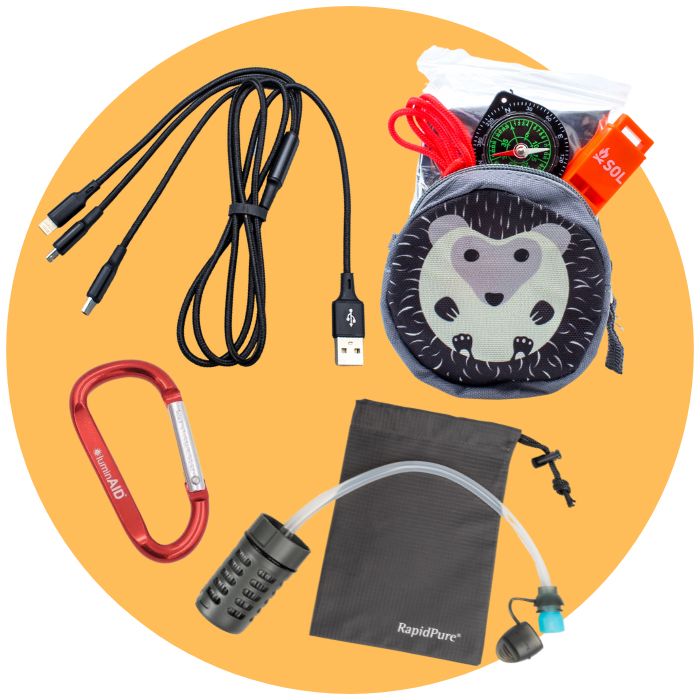
- Ultimate Portability: This gear is built for the outdoors—typically lightweight, durable, and often waterproof. It’s made to go anywhere. It fits right in with other essential supplies, like a reliable water filter from a brand like RapidPure.
- Quiet and Unobtrusive: Unlike gas generators, solar panels work in complete silence, so you can enjoy the peace and quiet of nature.
- Cost-Effective in the Long Run: After the initial purchase, the sun's energy is completely free. Over time, that saves you a lot of money on batteries and fuel.
How Solar Gear Actually Works
At its heart, solar-powered camping gear performs a bit of everyday magic, turning pure sunlight into usable electricity for your phone or lantern. But how does it really happen? It's far simpler than you might think, and once you get the basics, you’ll know exactly how to squeeze the most out of every sunbeam.
Think of a solar panel as a surface covered in millions of tiny buckets designed to catch particles of sunlight, called photons. These special buckets are actually photovoltaic (PV) cells. When sunlight hits these cells, it knocks electrons loose, creating a flow of electricity—kind of like how water flowing through a pipe creates pressure.
This whole process is known as the photovoltaic effect. The more intense the sun, the more energy the PV cells generate. It’s why your solar lantern charges way faster on a bright, clear day than on a cloudy one.
From Sunlight to Stored Power
Once the PV cells kick into gear and start producing electricity, that power needs a place to go. It flows directly into an integrated battery, which works like a reservoir or a storage tank. You can think of the battery as the power bank component of your gear, holding onto all that solar energy until you’re ready to light up your tent or charge your phone after dark.
This all-in-one design is what makes modern solar camping gear so incredibly convenient. You're not fussing with complicated wires or separate pieces; the panel, electronics, and battery are all housed in a single, durable unit. Just set it in the sun and let it do its thing.
Maximizing Your Charge with Peak Sun Hours
If you really want to manage your power like a pro, you need to understand peak sun hours. This isn't just any time the sun is up. It’s the specific time of day when the sun's rays are most direct and powerful, typically between 10 a.m. and 4 p.m.
During these hours, your solar panel is working at peak efficiency, filling up its battery "reservoir" at the fastest possible rate. You can still get a charge outside of these hours, but it will be much slower because the sun's angle is lower and its light is less intense. A panel that charges fully in 7 hours of direct peak sun might take twice as long on a hazy or overcast day.
The key takeaway is simple: Position your gear to face the sun directly during the middle of the day. Even small adjustments to catch the most direct light can dramatically cut down on charging time, ensuring you have a full battery by the time night falls.
Getting the most out of your gear really comes down to smart placement. Here are a few practical tips I’ve learned over the years:
- Angle for Success: Prop your gear up so the panel is perpendicular to the sun’s rays. Laying it flat on the ground is way less effective than leaning it against a rock or your backpack.
- Avoid Shade: This is a big one. Even partial shade from a single tree branch can seriously slash the power output of the entire panel. Always look for a spot with a clear, unobstructed view of the sky.
- Keep It Clean: A dusty or dirty panel can't capture as much light. A quick wipe with a soft cloth can make a noticeable difference in charging speed. Making sure your equipment is in top shape is just as crucial as having a reliable first aid kit from a great brand like Adventure Medical Kits.
Choosing the Right Solar Gear for Your Trip
Walking into an outdoor store or browsing online for solar powered camping gear can feel like trying to read a foreign language. With a wall of technical specifications and unfamiliar terms, it's easy to get lost. Think of this section as your personal translator, here to help you decode those specs and choose the right gear with total confidence.
We'll turn abstract numbers into real-world results. Instead of just knowing a lantern has a certain number of lumens, you'll understand if that's enough to read a book in your tent or light up a whole picnic table for a late-night card game. By the end, you’ll know exactly what matters for your next adventure.
Lumens: Lighting Up Your Campsite
The first term you'll almost always see is lumens (lm). Simply put, it's a measure of brightness. More lumens mean more light, but the biggest number isn't always the best choice. Your perfect lumen count really depends on how you plan to use the light.
- 15-50 Lumens: This is your sweet spot for personal use inside a tent. It gives you enough gentle light to read a book, find your sleeping bag, or get changed without blinding your tent mates.
- 50-150 Lumens: This range is the workhorse for general campsite tasks. It's bright enough to light up a small cooking area, a two-person tent, or the immediate space around your camp chairs.
- 150+ Lumens: When you need to illuminate a bigger area—like a group picnic table or a large family tent—this is the power you're looking for. It throws a wide, functional light that makes group activities easy after dark.
Many of the best solar lanterns offer adjustable brightness settings, giving you the flexibility to go from a low-level reading light to a powerful area light with the push of a button.
Battery Capacity: The Heart of Your Gear
Next up is battery capacity, measured in milliampere-hours (mAh). This spec tells you how much energy the battery can hold when it's fully charged. Think of it like the size of your device's fuel tank—a bigger number means more power on reserve.
A lantern with a 2000 mAh battery might give you light for up to 24 hours on its lowest setting. A more powerful unit with a 4000 mAh battery could run for 50+ hours and charge a smartphone. When you're looking at a 2-in-1 lantern and charger, that mAh rating is everything. It tells you exactly how much juice you have for both light and devices.
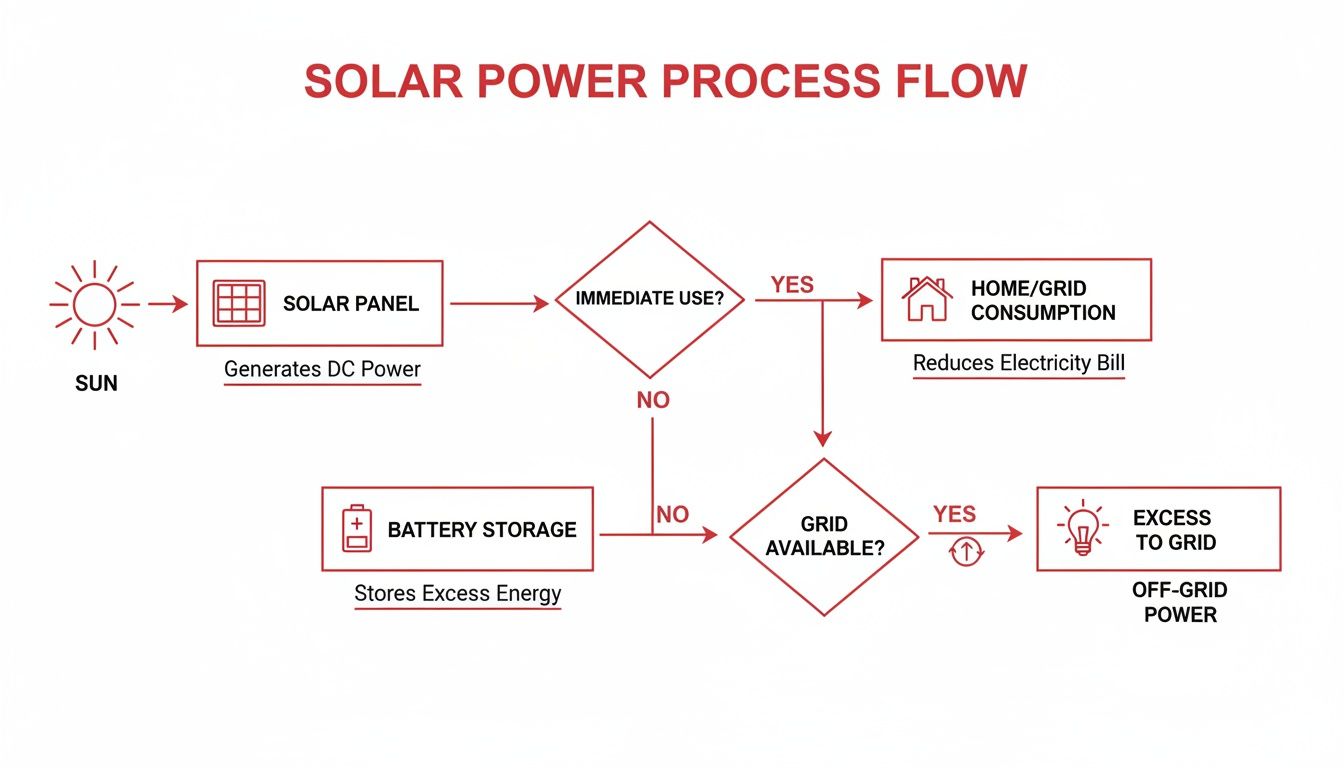
The whole process is beautifully simple: sunlight hits the panel, gets converted into electricity, and fills up the battery. It's a tiny, self-sufficient power plant you can hold in your hand.
Built for the Outdoors: Durability and Packability
Outdoor gear has to be tough. It has to handle whatever nature decides to throw at it. That's where two crucial features come into play: IP ratings and overall packability. These specs are the difference between a reliable partner and a fragile liability.
An IP rating stands for "Ingress Protection." It tells you how well a device is sealed against dust and water with two numbers. The first rates dust protection (from 0 to 6) and the second rates water protection (from 0 to 8).
For camping, you want to see a rating of at least IP67. The "6" means it's completely dust-tight. The "7" means it can be submerged in up to one meter of water for 30 minutes. That's peace of mind against a sudden downpour or an accidental drop in a puddle.
Beyond toughness, packability is a non-negotiable, especially for backpackers. How much does it weigh? Does it collapse or fold down? An inflatable solar lantern, for example, can pack flat to just an inch thick, making it a breeze to slide into a crowded backpack. Always look at the weight and packed dimensions to make sure your solar gear makes your trip better, not heavier.
To make sense of it all at a glance, here's a quick cheat sheet for the specs that matter most.
Solar Gear Specification Cheat Sheet
| Specification | What It Measures | Why It Matters for Camping |
|---|---|---|
| Lumens (lm) | Brightness | Determines if the light is for personal reading or lighting up a whole campsite. More isn't always better. |
| Battery (mAh) | Energy Storage | A bigger "fuel tank" means longer runtimes and more phone charges. Crucial for multi-day trips. |
| Charge Time | How long it takes to recharge | Affects how much sunlight you'll need. A mix of solar and USB charging offers the most flexibility. |
| IP Rating | Dust & Water Resistance | An IP67 rating means it's built to survive rain, splashes, and dirt. Essential for reliability. |
| Weight & Packability | Size & Heft | Inflatable or collapsible designs save precious space in your pack. Every ounce counts on the trail. |
Understanding these key features will help you cut through the noise and find the perfect gear for your needs.
For more ideas on what makes the perfect light, check out our guide on solar lanterns for camping.
Making sure you have reliable gear is paramount, whether it's your lighting or your safety supplies. It's why so many experienced campers also carry expertly assembled first-aid kits from companies like Adventure Medical Kits to stay prepared for anything.
Finding Your Perfect Solar Power Setup
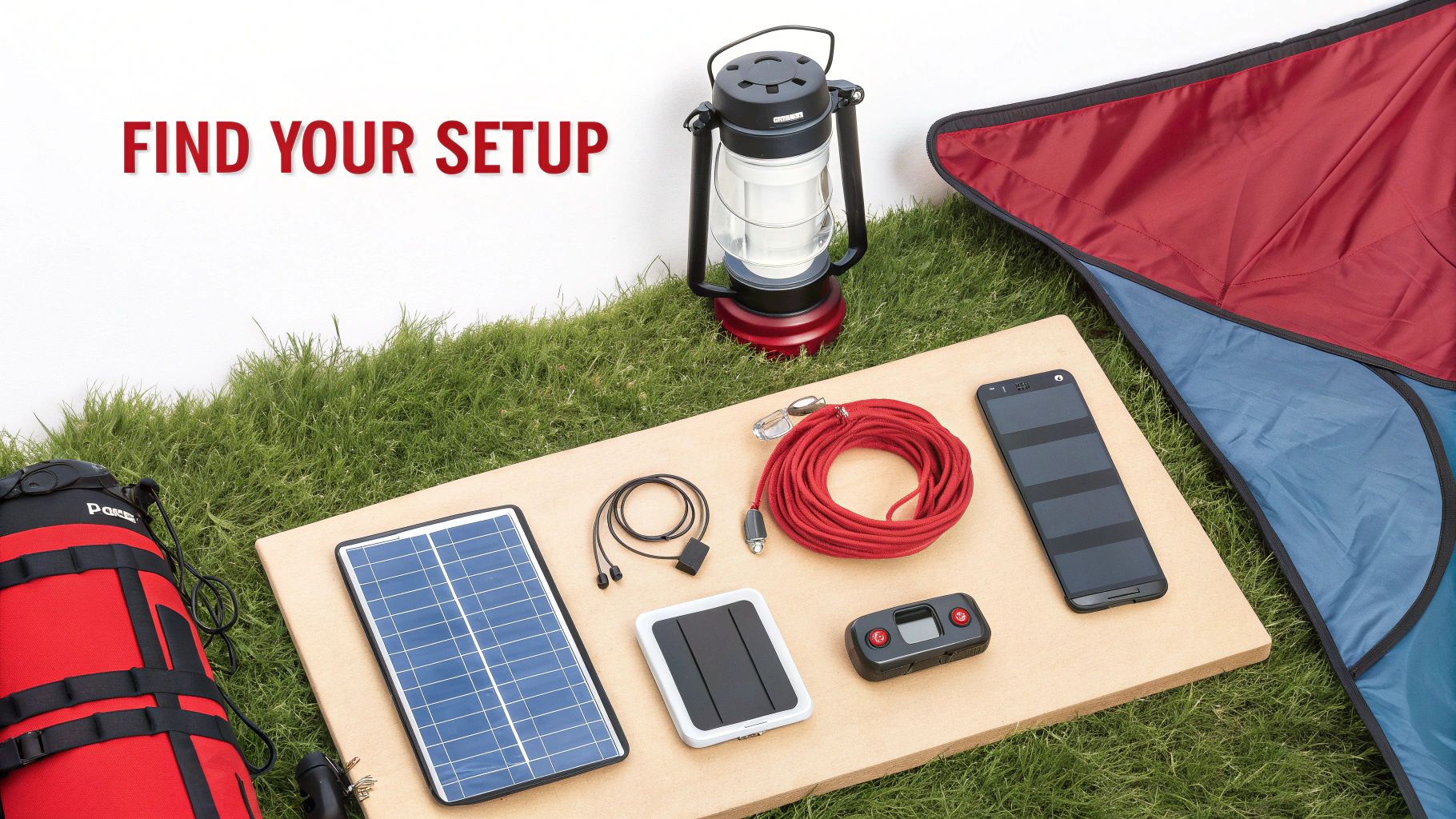
Let’s be honest: not all solar powered camping gear is the same. The perfect setup for a week-long backpacking trip will look wildly different from what a family needs for a weekend of car camping. It all comes down to your adventure style.
Figuring out the main categories of solar equipment is the first step toward building a reliable, off-grid power system that’s just right for you. We'll break down the most common types of solar gear, looking at the good and the bad of each, so you can decide what will become an essential part of your kit.
All-in-One Solar Lanterns
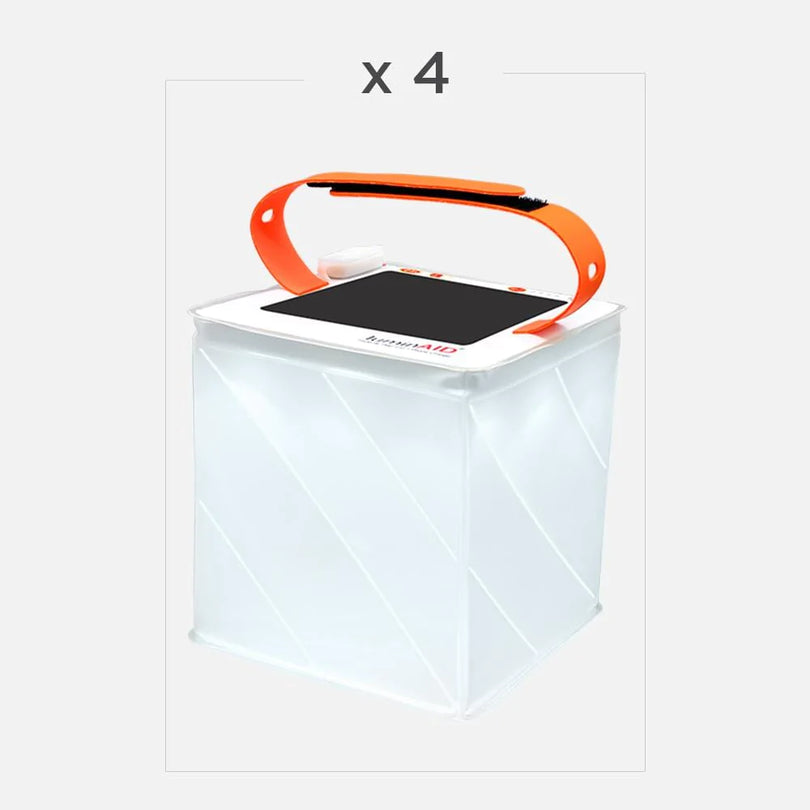
For the minimalist backpacker or anyone counting every single ounce, an integrated solar lantern is a total game-changer. These little powerhouses are the definition of efficiency, combining a solar panel, battery, and LED light into one compact unit. No extra cords, no fuss. You just clip it to your pack during the day and it's ready to go by nightfall.
Their biggest selling point is incredible packability and low weight. Many designs, like LuminAID's inflatable lanterns, pack down to less than an inch thick. They provide that essential in-tent light without the bulk, making them a thru-hiker's best friend.
- Best For: Backpackers, thru-hikers, and anyone building a lightweight emergency kit.
- Pros: Extremely lightweight, compact, simple to use, and often waterproof.
- Cons: Built primarily for light; most don't have the battery capacity to charge other devices.
2-in-1 Power Lanterns and Chargers
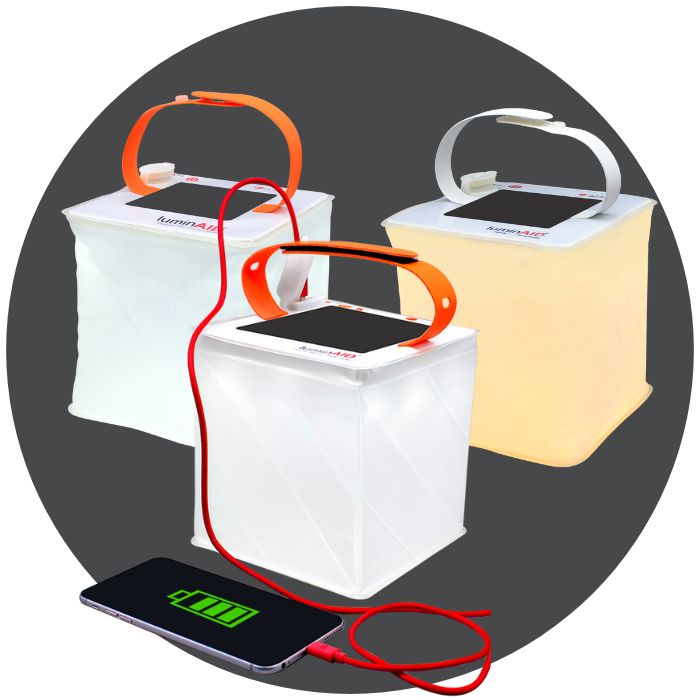
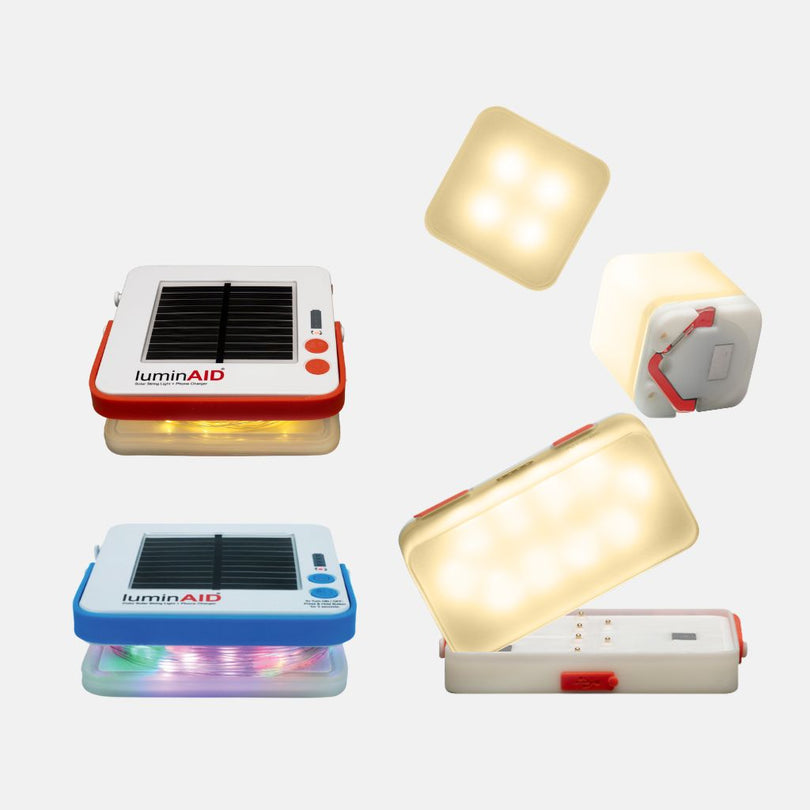
Taking things a step further, 2-in-1 power lanterns are the multitools of the solar world. They give you the same brilliant light as a standard solar lantern but come equipped with a bigger battery and a USB port to charge small electronics like your phone, GPS, or headlamp. This dual function makes them incredibly versatile for modern campers.
These are perfect for anyone who needs to keep their devices topped off without lugging around separate power banks and panels. They offer peace of mind, ensuring you have both a reliable light source and juice for your navigation or communication tools. For a deeper dive into how these devices work, you can check out our guide on solar phone chargers (https://luminaid.com/blogs/news/a-beginners-guide-to-solar-phone-chargers).
A 2-in-1 power lantern bridges the gap between basic needs and modern convenience. It's the assurance that after a long day on the trail, you can not only light up your tent but also charge the phone you used to navigate.
Solar String Lights
Want to create that perfect, welcoming vibe at your campsite? Solar string lights are the answer. They're ideal for car camping, van life, or backyard get-togethers, turning any space into a cozy retreat. They usually have a string of LEDs connected to a central solar panel and battery unit.
While they aren't meant for ultralight backpacking, they excel at creating a comfortable basecamp atmosphere. They provide widespread, gentle light that's perfect for cooking, playing cards, or just relaxing with friends after the sun goes down.
Standalone Solar Panels and Power Banks
For the most power-hungry campers—those running multiple devices, cameras, or even small coolers—a modular setup is the way to go. This involves pairing a separate, often larger, solar panel with a high-capacity power bank. This combination offers the most flexibility and raw charging power.
You can set up the panel in the best sunny spot while keeping your power bank and devices safely in the shade. It’s a heavier and bulkier setup, so it's definitely best for car camping or any situation where power is the top priority. It's the ultimate solution for anyone looking to create a true off-grid power station.
This growing interest in advanced outdoor gear is driving huge market growth. The camping gear market is expected to hit USD 7.5 billion by 2034, largely thanks to innovations in smart features like solar power.
Real World Scenarios for Solar Power
The real magic of solar-powered camping gear isn't about the tech specs. It's about the quiet confidence you get from having a source of light and energy that powers itself, no matter how far off the grid you wander.
Let's look at how this gear goes from being a neat gadget to an essential piece of your kit. These are the moments—from casual weekend trips to serious emergencies—where solar proves its worth.
The Family Car Camping Trip
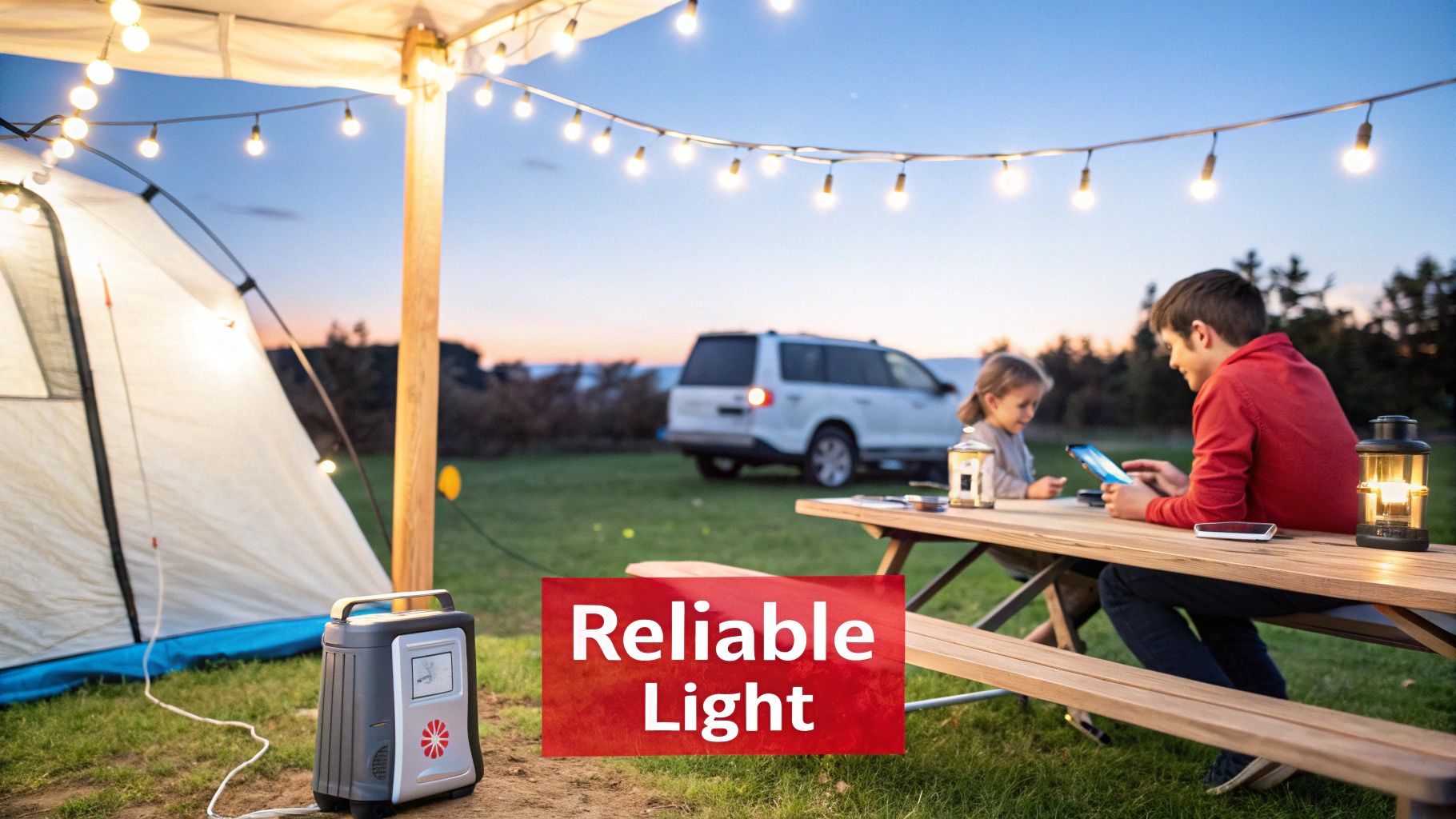
Picture a family setting up their tent as the sun dips below the trees. Instead of fiddling with disposable batteries for a single, harsh lantern, they hang up a set of solar string lights. Suddenly, the whole campsite has a warm, inviting glow, perfect for finishing dinner or playing a round of cards.
On the picnic table, a 2-in-1 power lantern provides light while topping off a parent's phone, ready for snapping photos or checking tomorrow's weather. It’s a simple, sustainable way to make a campsite feel a little more like home. While we're focused on portable gear, it's worth noting how versatile solar is; you can even set up a full solar power system for an RV for longer adventures.
The Backpacker’s Lifeline
For a thru-hiker counting every single ounce, a bulky power bank is a non-starter. This is where an ultralight, inflatable solar lantern becomes absolutely indispensable.
Clipped to their pack, it soaks up sunlight all day long. Come nightfall, it provides more than enough light inside the tent for journaling, planning the next day's route, or organizing gear. It’s a game-changer—delivering safety and convenience without adding any real weight.
The Emergency Preparedness Kit
When a bad storm rolls through and the power grid goes down, your emergency kit is your family's anchor. Solar gear is a must-have in that kit, giving you a renewable source of energy when every other option is gone.
In an emergency, reliable light is not a luxury—it’s a necessity. A solar lantern offers a safe, flame-free light source for moving around a dark home, and a solar power lantern ensures you can keep a phone charged to receive critical alerts or call for help.
When your gear can recharge itself with the sun, you aren’t rationing a finite supply of batteries. Your emergency supplies become truly self-sufficient.
Humanitarian Aid and Disaster Relief
The impact of solar power goes far beyond the campground. In places hit by disaster, where infrastructure has been completely wiped out, a simple solar light can be a beacon of safety and hope.
Aid organizations responding to hurricanes, earthquakes, and other crises distribute solar lanterns to families left without electricity. These lights give children a safe way to study after dark and help communities regain a sense of normalcy. It's a powerful reminder of how simple, dependable off-grid tech can literally change lives.
Tips for Keeping Your Solar Gear Running Strong
Think of your solar-powered camping gear as more than just a gadget—it's a long-term investment in your adventures. And just like any other critical piece of your kit, a little routine care goes a long way. With a few simple habits, you can make sure your gear is always ready to go when you are.
The solar panel is the engine of your device. For it to run at peak efficiency, it needs a clear, direct view of its fuel source: the sun. This means you have to be a bit strategic about where you place it throughout the day.
Simply laying a panel flat on the ground is a common mistake, and it can slash its energy intake by as much as 50%. Instead, always try to angle it directly toward the sun. Propping it against your backpack, a log, or a rock can make a huge difference, especially during those precious peak sun hours.
Mastering the Charge
To truly get the most out of your solar gear, you need to think beyond just sun exposure. Keeping the panel's surface clean and understanding its battery are just as crucial for long-term health and reliability.
A dirty solar panel is an inefficient one. Dust, pollen, and trail grime can easily block sunlight and seriously slow down charging speeds. Understanding how often to clean solar panels is a simple way to prevent that efficiency loss. A quick wipe with a soft, damp cloth before you set it out to charge is usually all it takes.
You’ll also want to pay attention to the battery. For the lithium-ion batteries found in most modern gear, it's best to avoid storing them completely empty for long periods. If you're putting your lantern away for the off-season, charge it up to about 50-75% first. This simple step helps preserve the battery’s overall health for years to come.
Proper maintenance isn't just about cleaning; it's about creating a routine that protects your investment. A well-cared-for solar lantern will be a reliable companion on countless trips, from weekend getaways to serious expeditions.
Your Solar Maintenance Checklist
Keeping your gear in top shape is pretty straightforward. Just follow this quick checklist for both solar and USB charging to ensure your equipment is always adventure-ready. For more specific advice, you might find our article on traveling with LuminAID lights helpful.
- Angle for the Sun: Always position your panel to directly face the sun. A good habit is to adjust its angle as the sun moves across the sky.
- Keep It Clean: Regularly wipe the panel's surface with a microfiber cloth to remove any dust or debris that could block light.
- Avoid Extreme Temps: Try not to leave your gear sitting in a blazing hot car or in freezing temperatures, as this can degrade battery performance over time.
- Pre-Charge at Home: Before any trip, give your gear a full charge via USB. This gives you a full battery to start with, letting the sun handle the top-offs while you're out there.
Common Questions About Solar Camping Gear
Jumping into the world of solar powered camping gear can bring up a few questions. It’s a brilliant technology, but you want to be sure it’s the right fit for your adventures. Let's tackle some of the most common queries to help you feel confident about your choice to go off-grid.
One of the first things people ask is what happens when the sun disappears behind the clouds. The good news is, you're not totally out of luck.
Does Solar Gear Still Charge on Cloudy Days?
Yes, but it charges much more slowly. Think of it like trying to fill a bucket in a light drizzle instead of a downpour. The solar panels can still capture ambient light filtering through the clouds, but their energy output is way lower than in direct sun.
This is exactly why so many high-quality solar devices, including ours, come with a USB charging option. It’s always a good strategy to fully charge your gear at home via USB before a trip. Then, you can use the sun to top it off in the field. This hybrid approach gives you the best of both worlds—a full battery to start and free, renewable energy to keep you going.
How Long Will a Solar Lantern Battery Last?
A quality solar lantern's battery is built for the long haul and should last for years. A battery's lifespan is measured in charge cycles, and most modern lithium-ion batteries are rated for 500-1000 full cycles.
With proper care—like avoiding extreme hot or cold and not storing it completely dead for months—your gear will be a reliable companion on countless adventures. It’s a durable investment, not a disposable gadget. This is important for all your essential equipment, from your lighting to your first aid supplies from a trusted brand like Survive Outdoors Longer.
The longevity of your solar gear is a testament to its design. It’s engineered to be a sustainable, long-term solution, reducing waste from disposable batteries and providing reliable power trip after trip.
Can I Charge My Laptop with Camping Solar Panels?
For the most part, no. The portable solar panels and lanterns designed for camping are made for small electronics like phones, GPS devices, and headlamps. Laptops are just too power-hungry.
To power up a laptop, you’d need a seriously beefy setup—a large, high-wattage panel (often 60W or more) paired with a high-capacity power station. That kind of kit is usually too heavy and bulky for backpacking or car camping trips where every ounce counts.
Is Solar Powered Gear Durable Enough for the Outdoors?
Absolutely, but you have to choose products built for rugged conditions. Always look for gear with a high IP rating, such as IP67. This number tells you it's completely protected from dust and can even be submerged in water without issue.
Materials make a huge difference, too. Many top-tier solar lanterns are made from shatterproof TPU plastic that can handle being dropped, squashed in a backpack, or tossed around the campsite. When gear is built specifically for the outdoors, it will hold up to the elements and become a trusted part of your kit.
Ready to find the perfect solar-powered solution for your next adventure? LuminAID offers a full range of durable, packable, and reliable solar lanterns and 2-in-1 phone chargers built for camping, emergencies, and everything in between.