

A lot of camping injuries start small. A slip on a root. A knife nick at dusk. A blister that got ignored all afternoon and suddenly changes how someone walks back to camp.
The problem usually isn't just the injury. It's the conditions around it. Light is fading, hands are cold, gear is spread across a tent floor, and the one item you need is buried under snack wrappers and spare socks. That's why a serious approach to first aid kit camping has to go beyond “pack some bandages.”
Modern outdoor guidance treats a camping first aid kit as a compact field-care system, not a little plastic box of household leftovers. The American Red Cross camping checklist includes 21 core supply categories and 8 categories of general medications, including items like a tourniquet, emergency blanket, antihistamines, pain relievers, insect repellent, and personal medicines, which shows how much broader camping kits have become than the old bandage-only model (American Red Cross camping checklist).
That shift matters in real use. On a remote campsite or trail, you may need to clean a wound properly, manage severe bleeding, deal with dehydration, handle an allergic reaction, or keep someone warm until they can move or get help. A camping kit has to work where there's no bathroom sink, no overhead light, and no quick trip to the medicine cabinet.
A first aid kit that only works in daylight, on a dry kitchen counter, isn't finished.
Good kits also need to be organized for stress. You should be able to open one pouch and find wound care, another for medications, and another for trauma tools without digging. You should know which items require training and which anyone in the group can use. And you should assume you may need to use the kit in rain, wind, or darkness.
That last part gets skipped far too often. Reliable light and backup power aren't luxuries in camp medicine. They're what let you read labels, inspect a cut, remove debris, monitor someone after dark, and use your phone for navigation or emergency contact if things get worse.
Introduction
A useful camping first aid kit starts with one idea. Build it for the problems you're likely to face, not for a generic shopping list.
That sounds simple, but many campers still pack the wrong way. They throw in a few adhesive bandages, an ointment packet, and whatever pain reliever is already in the house. Then they assume they're covered. In camp, that kind of kit handles only the easiest situations, and only when conditions are perfect.
What a camping kit really has to do
Outdoor kits have to bridge the gap between minor care and urgent response. That means dealing with routine trail issues like cuts, scrapes, blisters, bug bites, and upset stomachs, while also keeping some capacity for time-sensitive problems such as serious bleeding, contamination, dehydration, and exposure.
A practical way to think about the kit is in three working groups:
- Wound care for cuts, abrasions, burns, hot spots, and dressing changes
- Medications for pain, allergies, stomach issues, and personal prescriptions
- Tools for cleaning, cutting, irrigating, protecting, and assessing
If you sort your kit that way from the start, you're already ahead of most campers.
Why the environment matters as much as the supplies
Supplies alone don't solve much if you can't use them quickly. A dark campsite changes everything. So does wind-driven rain. So does the moment when someone is hurt and three people start talking at once while nobody can find gloves or tape.
That's why the strongest first aid kit camping setup treats visibility and access as part of care. A headlamp, lantern, charged phone, and moisture protection all affect treatment quality. If you can't clearly see a wound, you can't clean it well. If you can't read a dosage label, you're guessing. If your phone dies, you lose a major tool for maps, weather, notes, and emergency contact.
Practical rule: Pack medical supplies as if you'll need them at the worst time of day, in the worst weather of the trip.
What works and what doesn't
What works is a compact, labeled kit that matches your trip, your group, and your skill level.
What doesn't work is an overstuffed pouch full of random items, duplicates, and tools nobody knows how to use. Neither does a minimalist kit that saves weight by cutting the very items that make field treatment possible.
The goal isn't to carry a clinic on your back. It's to carry a system that's fast, clear, and usable when camp stops feeling casual.
Beyond Bandages Assembling Your Core Supplies
The backbone of first aid kit camping is a well-built core. Not fancy. Not bloated. Just complete enough to handle common trail problems cleanly and organized enough that you can find everything under pressure.
REI's checklist is a strong benchmark because it covers both everyday care and more advanced field treatment. It includes a core set of bleeding-control and wound-care tools such as adhesive bandages, gauze pads, nonstick sterile pads, rolled gauze, medical tape, blunt-tip shears, tweezers, nitrile gloves, an emergency blanket, and a tourniquet for severe bleeding. REI also prefers BZK-based antiseptic wipes over alcohol-based wipes when possible and includes oral rehydration salts, a CPR mask, and an irrigation syringe (REI first aid checklist).

Wound care that actually covers camp problems
Start with the basics, but don't stop there.
- Adhesive bandages and sterile pads handle the small stuff and buy time for the bigger stuff.
- Rolled gauze and tape matter because dressings rarely stay put on sweaty knees, heels, fingers, and elbows without reinforcement.
- Nonstick pads help when you need to cover a wound without sticking to tissue.
- Blister treatment earns its space on almost every trip because foot issues can end a hike faster than many people expect.
For cleaning, field practicality matters. Alcohol wipes sting, dry tissue, and can make wound cleaning harder when someone's already tense. That's one reason REI's preference for BZK-based antiseptic wipes is useful in camp settings. If you want a plain-language refresher on when wipes are for skin prep versus wound cleaning, this guide to understanding antiseptic wipe applications is worth reading before you pack.
Medications and personal items
A camping kit should cover routine discomforts and the common problems that can escalate if ignored.
The Red Cross list includes general medication categories such as antihistamines, pain relievers, insect repellent, and personal medicines. That's a practical reminder that medications aren't an optional add-on. They're part of the system.
Pack these as a baseline:
- Pain relievers for headache, muscle soreness, and minor injury discomfort
- Antihistamines for mild allergic reactions and some bite or sting responses
- Oral rehydration salts for heat, exertion, or stomach-related fluid loss
- Personal prescriptions in clearly marked packaging
- Insect bite relief if bugs are part of the trip
If you'd rather start from a commercial base and customize from there, Adventure Medical Kits offers pre-made options that many campers use as a starting point instead of building from scratch.
Tools that save time and reduce mistakes
Small tools often determine whether treatment is smooth or frustrating.
- Tweezers help with splinters, ticks, and debris
- Blunt-tip shears cut tape, gauze, and clothing safely
- Gloves keep the process cleaner for everyone
- An irrigation syringe gives you much better control when flushing dirt out of a wound
- A CPR mask belongs in kits that aim to cover higher-risk situations, not just minor cuts
If you're building from scratch, this checklist of first aid kit supplies for emergency preparedness is a good companion resource for cross-checking your loadout.
Pack by module, not by pile
Don't toss all of this into one pouch.
Use small, labeled, moisture-resistant bags. Keep one for wound care, one for medications, and one for tools. The kit becomes easier to teach, easier to restock, and much faster to use.
That's the difference between owning supplies and having a usable system.
Organizing Your Kit for Real World Emergencies
Having the right items isn't the same as being ready. Readiness shows up when somebody says, “I need the bleeding kit,” and another person can grab it instantly without unpacking half the tent.

The American Alpine Institute recommends organizing a wilderness kit around Basic Life Support/trauma, environmental, and medical categories, and it also advises using clearly labeled, moisture-protected compartments so the kit stays usable under stress and search time drops (American Alpine Institute wilderness first aid kit guidance).
That approach works because people don't think in inventory lists during an incident. They think in problems. Bleeding. Blister. Nausea. Cold stress. Allergic reaction.
Build around problems, not products
A flat shopping list makes sense in a store. It's less useful in the field.
Instead, set up the kit as small sub-kits:
- Trauma and bleeding with gloves, gauze, compression materials, tape, shears, and any higher-risk bleeding tools your group is trained to use
- Wound cleaning and dressing with wipes, syringe, pads, ointment if you carry it, and closure materials you know how to use
- Blisters and foot care with moleskin or blister pads, tape, and a few alcohol-free cleaning options if appropriate
- Medications separated by purpose and labeled clearly
- Environmental support with emergency blanket and any cold, heat, or hydration-related items
This setup reduces the most common field mistake. Digging while the patient waits.
Keep fast-access items truly accessible
Some things should never be buried.
Your quick-access pocket should hold the items you're most likely to use first: gloves, a small light, a couple of dressings, tape, and whatever you need to stop the scene from getting messier. If you're leading a group, at least one other person should know exactly where that pocket is.
If the first minute turns into a gear search, the kit isn't organized well enough.
Color-coding helps more than people think. A red pouch for trauma, blue for medications, yellow for foot care. It's simple, visual, and easy to explain to less experienced campers.
Light and power belong in the system
Most first aid kits often fall short. People treat light as camp gear and medical gear as a separate category. In real emergencies, that separation doesn't hold.
You need light to sort pills, inspect skin color, check wound depth, and keep your hands free. You may need phone power for maps, notes, emergency contact, or step-by-step reference if someone in the group remembers the basics but wants confirmation. If you've ever tried to place tape on dirty skin by weak flashlight spill, you already know how quickly treatment quality drops.
For a useful review of one basic but often forgotten skill, this article on the ProMed Certifications first aid recovery position is a solid pre-trip read.
A short visual walkthrough can help if you're rebuilding your layout from scratch:
Train the group, not just the leader
A well-organized kit is still weak if only one person understands it.
Before the trip, show the group where the trauma pouch is, where medications live, and which items require training. Keep advanced tools separate from general-use supplies if that helps avoid misuse. Make labels large enough to read in low light. Keep everything dry enough to survive a wet pack or tent floor.
That's how a first aid kit starts acting like a system instead of a bag of gear.
The Missing Link Light and Power in Your First Aid System
The most overlooked part of first aid kit camping isn't another bandage type. It's whether you can see what you're doing.
Outdoor guidance often mentions a headlamp or flashlight, but many kits still treat light as an accessory instead of a treatment tool. This overlooks how camp injuries often occur. A lot of care happens after sunset, in storms, inside dim tents, or under tree cover where natural light is already poor.
Blackbird Guides points to this gap directly. First aid often happens after dark or in bad weather, and tasks like reading instructions, finding medications, irrigating a wound, or checking for embedded debris become harder without reliable light. The same guidance argues that illumination is not just convenience. It's a safety enabler for treatment quality, tying light, power, and medical response together in one off-grid readiness system (Blackbird Guides wilderness first aid kit contents).

What poor lighting does to treatment
Bad light slows everything down.
You miss grit in a wound. You can't tell if the label says one tablet or two. You fumble with tape and contaminate the clean side of a dressing. You overlook a second cut because the first one got your attention. None of those mistakes sound dramatic on paper, but they stack up fast in the field.
A light source for first aid should do three things well:
- Provide broad area light so people can see the scene and the supplies
- Allow close task lighting for detailed work like splinter removal or dressing placement
- Free up your hands as much as possible
That usually means carrying more than one lighting option in camp, even if one of them is small.
Why power belongs in the same conversation
Phone battery is part of emergency readiness now. Not because a phone replaces skill, but because it extends it.
A charged phone may help you contact assistance, check weather, confirm location, review downloaded first aid guidance, or communicate changing conditions to someone offsite. In a minor situation, it's convenience. In a bigger one, it can become part of your decision-making chain.
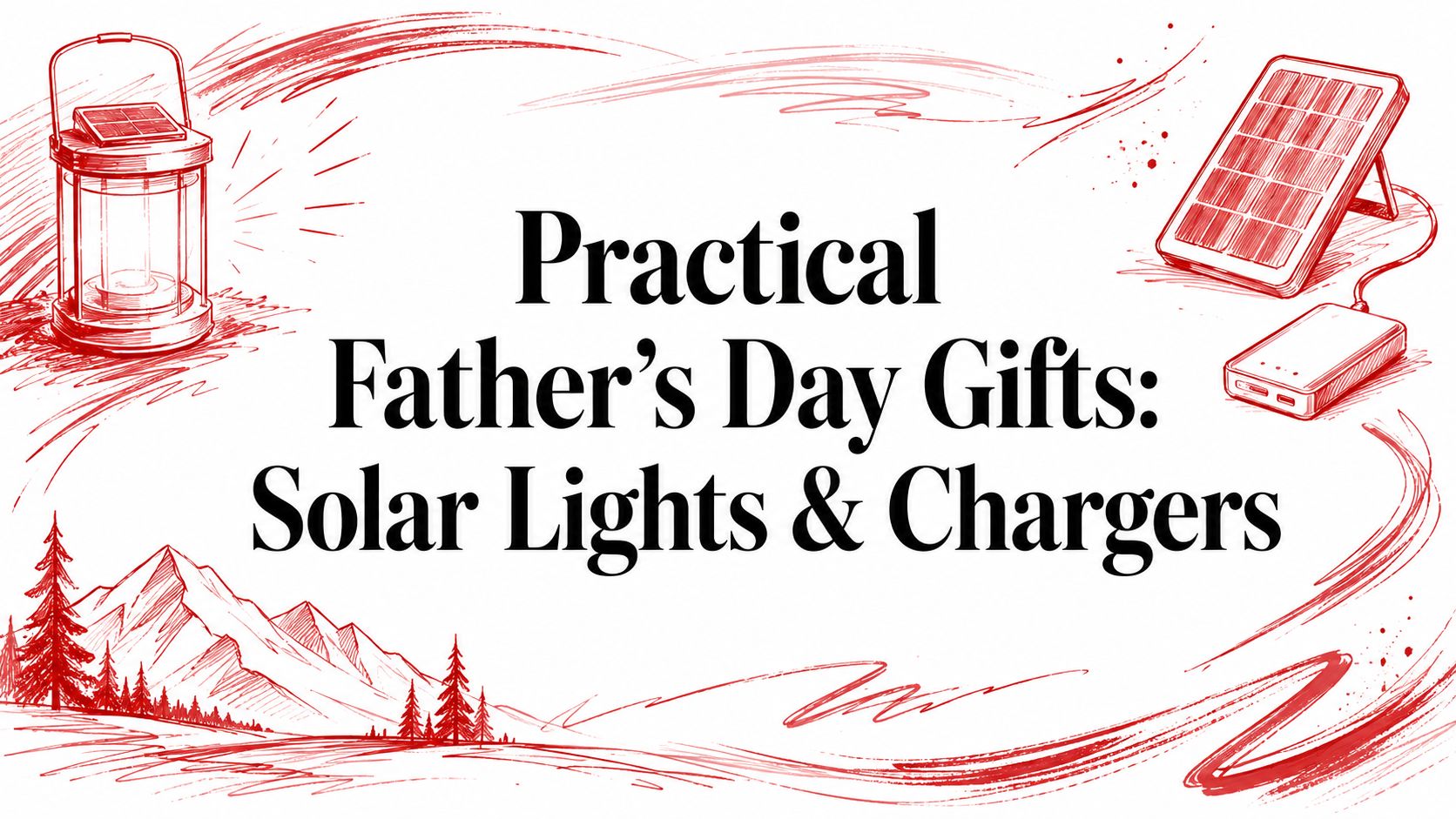
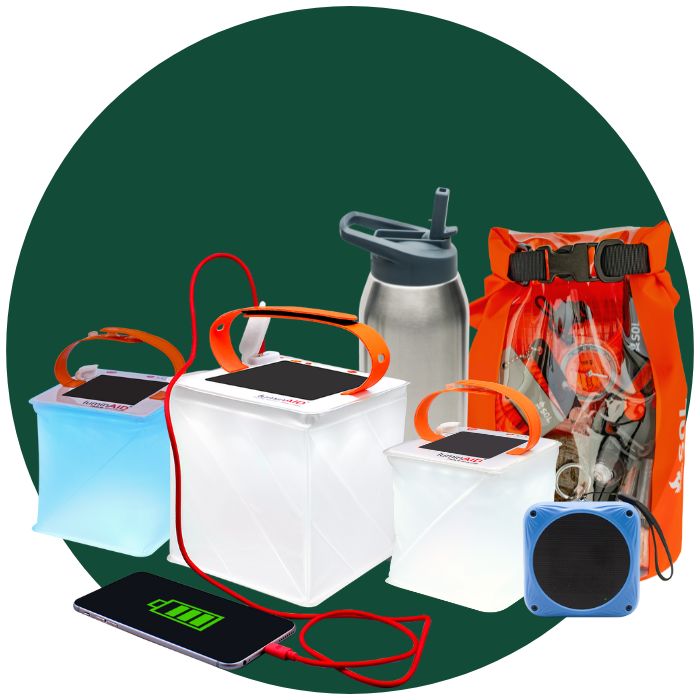
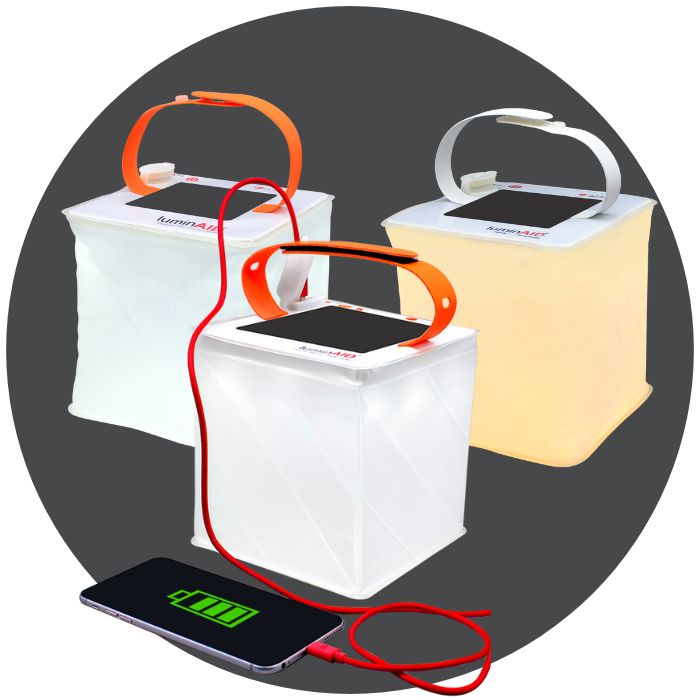
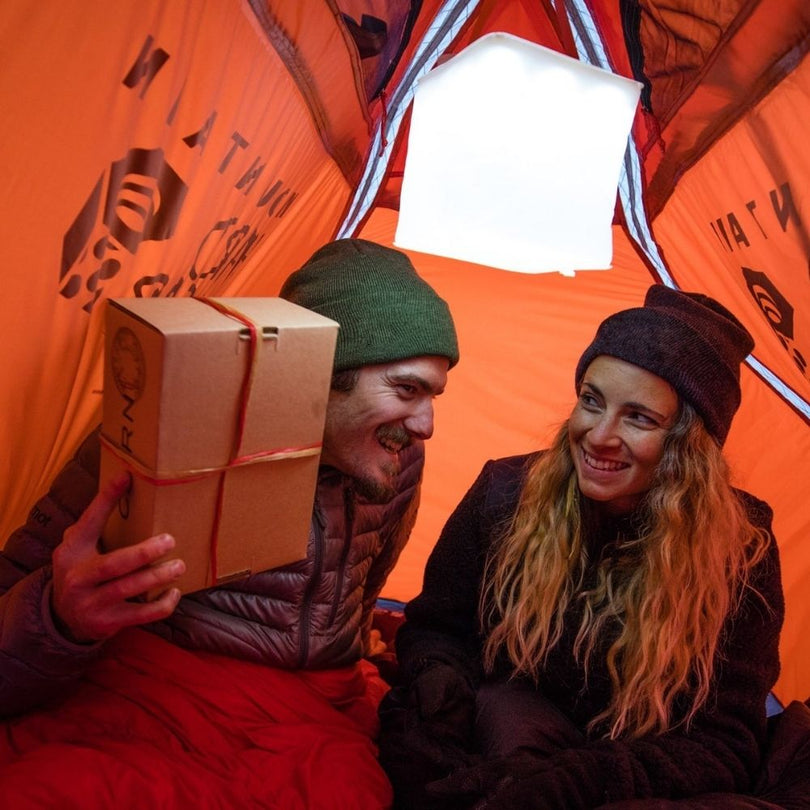
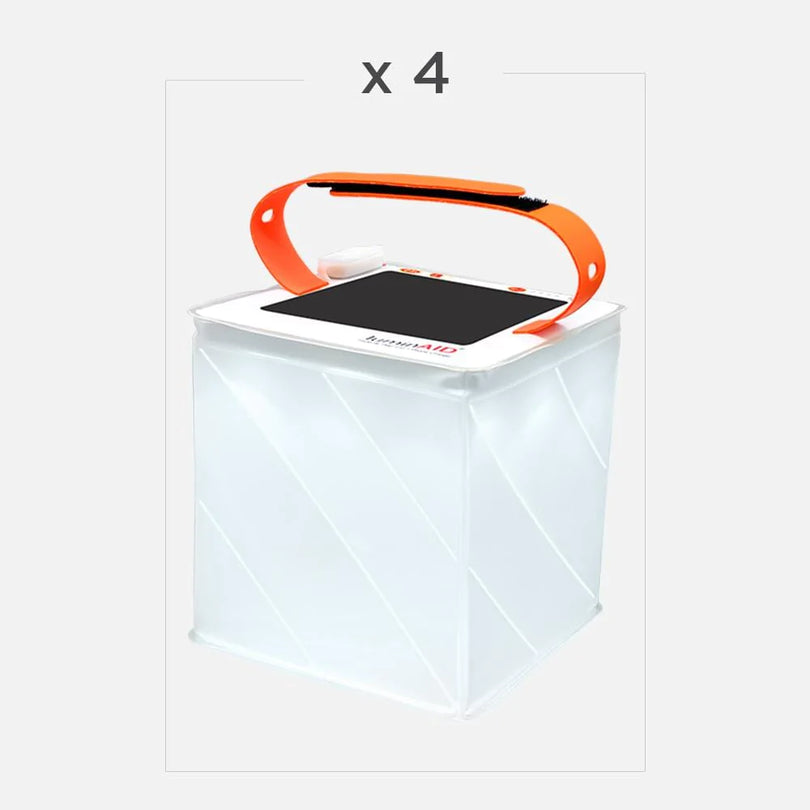
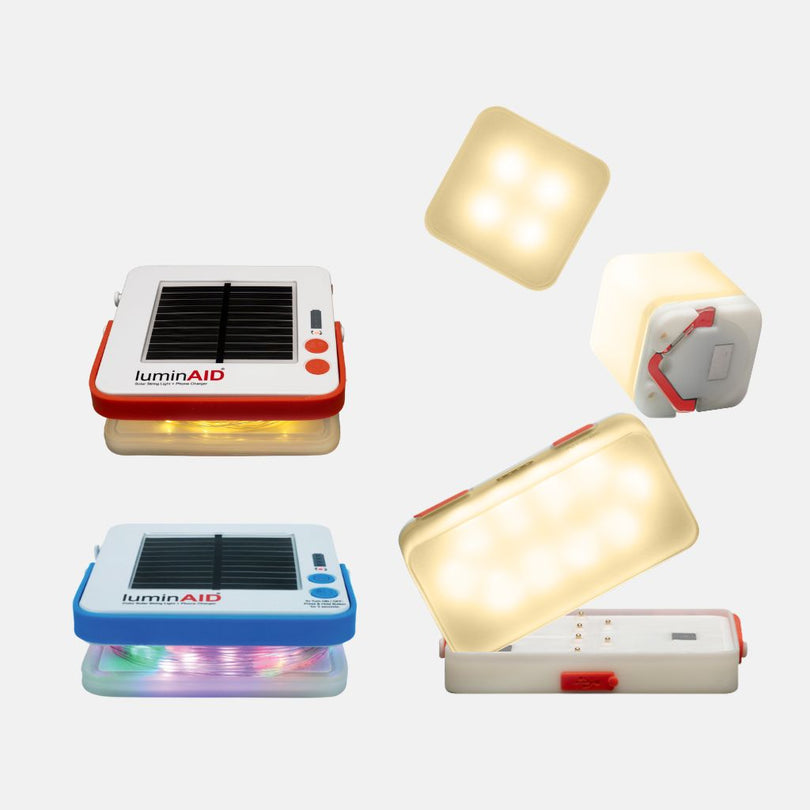
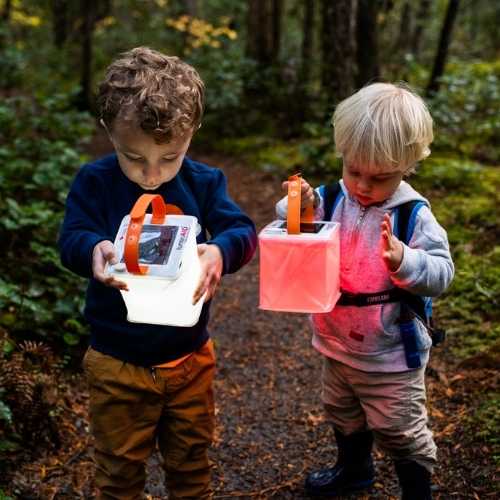
For campers who want one item to cover both visibility and backup charging, a product like the LuminAID PackLite Max 2-in-1 Power Lantern fits that role because it combines area light with phone-charging capability and is intended for camping and emergency kits. If you're comparing options in that category, this overview of a solar power bank for camping helps clarify what matters.
Reliable light changes the quality of care. Reliable power changes how long you can keep making good decisions.
Match light and power to the trip
A short campground weekend and a remote backpacking route don't need the same setup.
Think in layers:
- On-body light such as a headlamp for immediate hands-free use
- Area light for tent treatment, gear sorting, and monitoring overnight
- Backup charging for phones and other small essentials
- Weather tolerance so your system still works when everything is damp, muddy, or cold
A first aid kit isn't complete when the zipper closes. It's complete when you can use it in the dark without improvising.
Customizing Your Kit for Trip Type and Terrain
The smartest kits aren't the biggest ones. They're the most specific.
Trip length, terrain, weather, bugs, remoteness, and group makeup all change what belongs in your bag. Sea to Summit shows this scaling clearly. A day hike kit should include basics like bandages, gauze, antiseptic wipes, tweezers, gloves, sunscreen, bug repellent, and water-treatment tablets, while longer trips should add items such as splints, blood-stopping gauze, a CPR mask, duct tape, and an emergency beacon. It also gives a practical ultralight example of a backpacking kit that weighed only 4 ounces (Sea to Summit first aid kit guide).
That doesn't mean every day-hike kit should chase minimal weight. It means you can scale intelligently.
Start with the trip profile
Ask these questions before every pack:
- How long are you out? Longer trips usually need more medication depth, more blister support, and more resupply awareness.
- How remote is the route? The farther you are from help, the more your kit needs to handle stabilization and monitoring.
- Who's going? Kids, older campers, and anyone with personal medical needs can change the loadout fast.
- What's the environment? Heat, insects, altitude, wet terrain, and wildlife all shift priorities.
A compact day hike kit may be sufficient for a familiar trail near the road, but a family weekend at a remote location requires more redundancy, particularly for medications, lighting, and dressings, which tend to be used more frequently than anticipated. Adventure Medical Kits offers a variety of kits designed for different activities, which can be found here.
Sample kit customizations by trip
| Item Category | Day Hike (Minimalist) | Weekend Camping (Standard) | Backpacking Expedition (Comprehensive) |
|---|---|---|---|
| Wound care | Adhesive bandages, a few gauze pads, tape, wipes | Broader dressing selection, blister care, irrigation option | Expanded dressings, rolled gauze, nonstick pads, bleeding-control depth |
| Medications | Pain reliever, antihistamine, personal meds | Add stomach support, bite relief, hydration support | Larger medication reserve, trip-specific personal needs, rehydration focus |
| Tools | Tweezers, gloves, small scissors or shears | Add thermometer, better organization, CPR barrier if carried | More robust tool set, moisture protection, redundant access |
| Environmental support | Sunscreen, bug repellent | Emergency blanket, better lighting setup | Expanded light and power planning, water treatment integration |
| Documentation | Basic contact info | Group medical notes and emergency contacts | Full trip notes, personal conditions, evacuation plan details |
Terrain-specific adjustments that matter
Some changes are obvious. Others get missed.
In buggy woods or marshy areas, give insect prevention and bite relief more room in the kit. If you need stronger repellent planning, Ben's is one of the outdoor brands many campers look at for bug-heavy trips. In bear country, the first aid kit doesn't replace wildlife tools. It sits beside them. If your route calls for deterrents, Counter Assault is relevant to that planning.
In dry, hot terrain, hydration support becomes more important. In wet environments, moisture protection for your entire kit becomes essential. For paddle trips or shoulder-season camping, assume your supplies may get soaked or cold unless you pack aggressively against it.
Keep the system current
A custom kit isn't a one-time build. It changes by season and route.
Use a repeatable maintenance habit:
- Restock after every trip so the next outing doesn't start with half-empty modules.
- Check packaging and labels seasonally because damp, crushed, or unreadable supplies slow you down.
- Review personal meds before departure and confirm they're packed where others can find them if needed.
- Refresh your skills along with your gear. A well-packed item you can't use is just extra weight.
If you camp with youth groups or family groups, this resource on a scout first aid kit setup gives a useful lens for balancing preparedness with simplicity.
Pack for the route you're taking, the people you're taking, and the conditions most likely to go wrong.
That mindset keeps your kit lighter than overpacking and much safer than guessing.
Frequently Asked Questions About Camping First Aid
Should I buy a pre-made kit or build my own
Buy a pre-made kit if you need a quick starting point and are unsure of what your group typically uses in the field. Consider building your own if you're familiar with your trip style, typical issues, and personal medication requirements. For more information, visit Adventure Medical Kits.
In practice, many campers do best with a hybrid approach. Start with a decent commercial kit, then strip out the filler, add the items you trust, and fix the weak spots manufacturers often miss. I see the same gaps over and over: poor labeling, flimsy packaging, weak lighting, and no charging plan for a phone, headlamp, or medical device. Supplies matter, but a kit you cannot sort in the dark is only half-built.
How should I modify the kit for kids, older campers, or pets
Adjust the kit for the person, not just the destination.
For kids, pack medications in forms they can take, and make dosing information fast to read under stress. For older campers, give extra attention to prescription meds, spare glasses, readable labels, and packaging that opens without a fight. For pets, carry pet-specific items separately and stick to tools and treatments you know how to use safely.
Shared gear and personal gear should stay distinct. That lowers the chance of handing out the wrong medication when people are tired, cold, or working by headlamp.
How often should I check the kit
Check it after every trip. Then do a fuller review before any longer outing or season change.
Use a simple standard:
- Replace anything used, wet, expired, or crushed
- Test lights, check battery levels, and confirm your power bank is charged
- Read every label once, while you are calm and dry
- Make sure someone besides you can find the important items fast
That last point gets missed. If you are the injured person, your system still needs to work.
What's the most common packing mistake
The most common mistake is packing items instead of building a usable system.
Campers often spend money on gauze, tape, and medications, then toss them into one pouch with no internal order. At home, that looks prepared. At 10 p.m. in rain, with a shaky camper holding a flashlight in the wrong direction, it falls apart. Good first aid gear needs three things: you can find it fast, you can identify it fast, and you can see to use it fast.
Do I need advanced tools like a tourniquet or CPR mask
Carry advanced tools only if they match your training and the type of trip you are taking.
A CPR mask takes little space and makes sense for many group kits. A tourniquet can also be reasonable, especially for remote travel, hunting camps, or trips involving axes and saws. But gear alone does not solve the problem. If you pack higher-consequence tools, protect them from damage, label them clearly, and make sure the likely user has practiced with them before the trip.
Where should I store the kit in camp
Store the main kit where any adult in camp can reach it in seconds. Near the cook area, inside a clearly marked bin, or clipped inside the same shelter every night all work better than burying it in a duffel.
I also recommend splitting your system. Keep a larger camp kit in a fixed location and carry a smaller pocket or day-use module with blister care, bleeding control, gloves, light, and a charged phone or compact power source. That setup addresses a key challenge: injuries rarely happen beside your full kit, in daylight, with both hands free.
A camping first aid kit should do more than hold supplies. It should still work when the trail runs late, weather turns, and treatment starts where you are, not where your gear is neatly packed. If you want to add dependable off-grid light and backup charging to that system, LuminAID makes portable solar lanterns and 2-in-1 power lanterns designed for camping and emergency readiness.