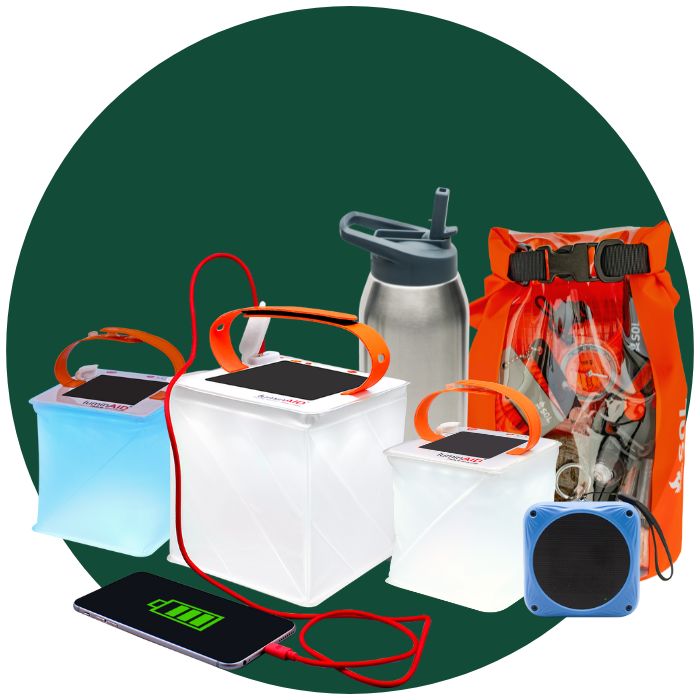
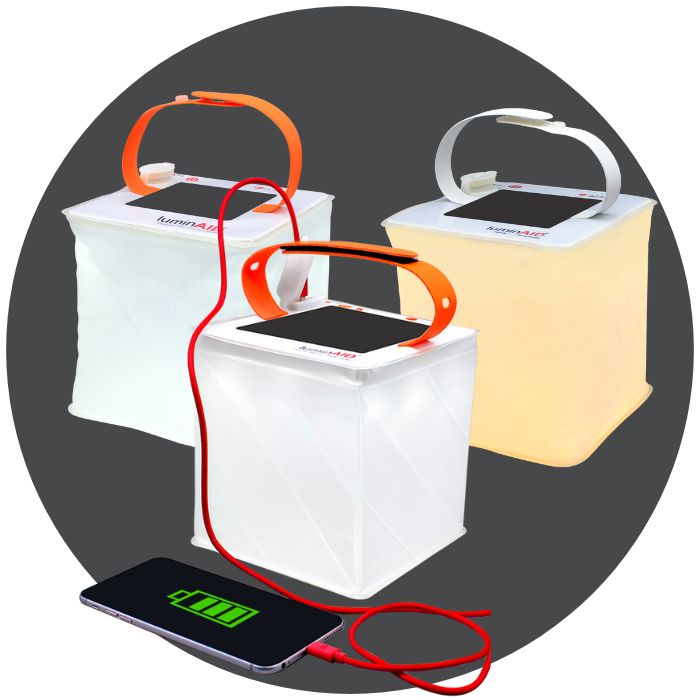
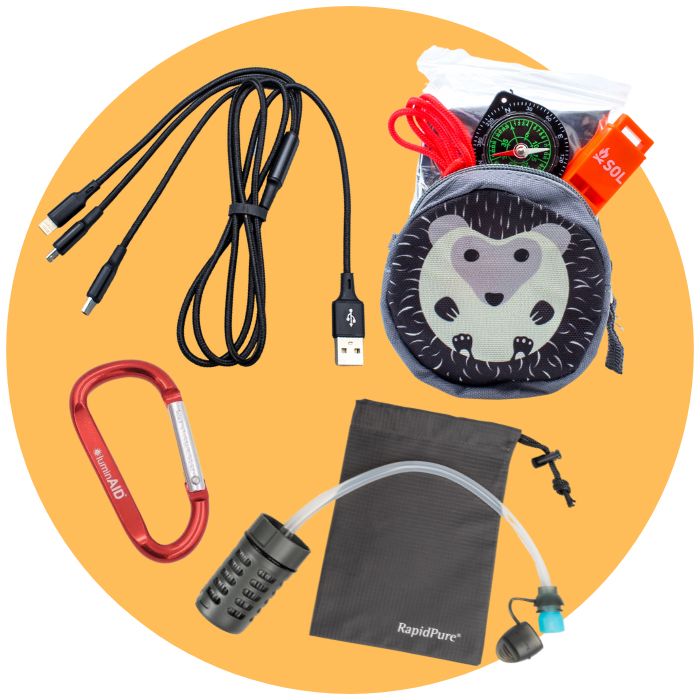
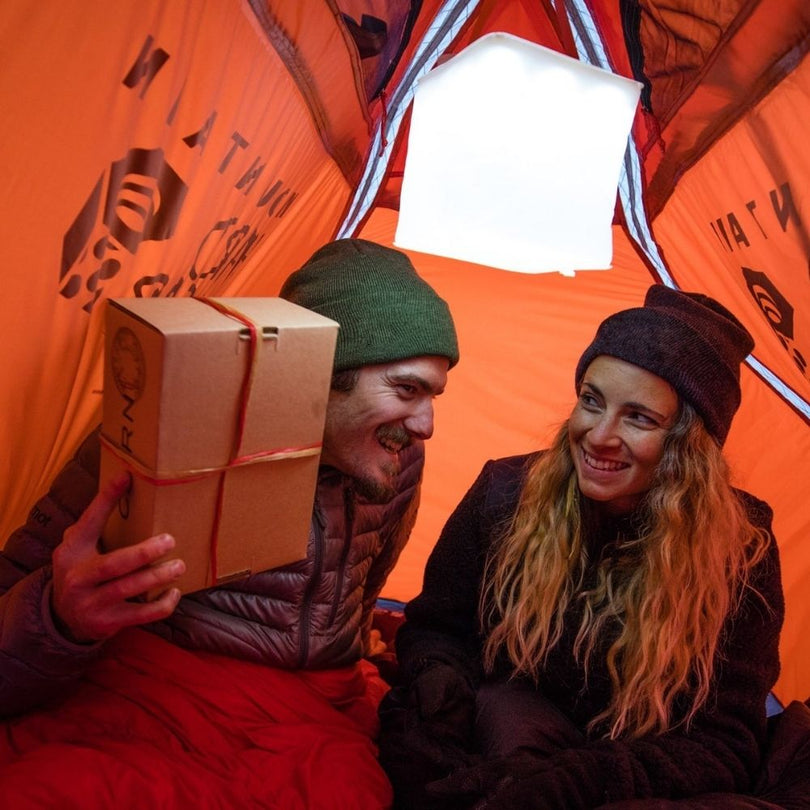


Figuring out the best solar camping lantern really comes down to balancing brightness, battery life, and portability for whatever adventure you have planned. If you're an ultright backpacker, a super-compact, inflatable model is your best friend. But for car campers? You might want a beast of a lantern that's brighter and can even charge your phone. The perfect choice is all about matching the lantern’s features to your specific camping style.
How to Choose Your Perfect Solar Camping Lantern
Remember the days of fumbling with spare batteries in the dark or trying to cook by the dim, flickering light of a headlamp? Those days are over. Modern solar camping lanterns give you a sustainable, convenient, and truly reliable source of light for any trip outdoors. They soak up the sun's power to provide hours of light, cutting out the waste and weight of disposable batteries—a huge reason so many campers are making the switch. You can dive deeper into this in our article on why you need to swap in solar for your battery-powered lanterns.
This isn't just a small trend, either. The global market for camping lanterns was pegged at roughly USD 1.2 billion in 2023 and is expected to climb. In fact, a recent survey found that 68% of campers across the US and EU now choose solar over battery options, pointing to sustainability and long-term savings as the main drivers. You can see more on this growing market trend for yourself.
A Framework For Your Decision
Before you start comparing specific models, it helps to understand the core trade-offs. The brightest lanterns often come with bigger batteries and solar panels, which means more weight. On the flip side, the most packable, feather-light designs might not last as long on a single charge.
Think about what you'll really be using it for:
- Backpacking: Weight and packability are king. Every ounce matters.
- Car Camping: Go for brightness and cool features like a USB charging port.
- Emergency Kits: Your priorities here are long-lasting battery life and pure durability. It's also smart to round out your kit with other essentials from a trusted source like Survive Outdoors Longer to make sure you're truly ready for anything.
The ideal solar camping lantern isn't just about the highest lumen count; it's about finding the right balance of features that enhances your specific adventure, whether that’s a solo trek through the mountains or a weekend getaway with family.
This guide is designed to give you a clear framework for making that choice. The table below breaks down the key features to look for, helping you zero in on what truly matters for your kind of trip.
Quick Guide to Key Solar Lantern Features
Here’s a simple cheat sheet to help you compare lanterns at a glance. Think of these as the non-negotiables to consider before you buy.
| Feature | What to Look For | Why It Matters for Your Trip |
|---|---|---|
| Brightness (Lumens) | Adjustable settings from 15 to 150+ lumens | Low light is perfect for tent ambiance, while high beams are essential for cooking or setting up camp. |
| Runtime | 12 to 50+ hours on a full charge | You want enough power for multiple nights so you're not constantly worried about recharging. |
| Portability | Inflatable, collapsible, or lightweight designs (under 10 oz) | Absolutely critical for backpacking to keep your pack weight and bulk to a minimum. |
| Durability (IP Rating) | IP67 or higher for waterproof and dustproof qualities | Guarantees your lantern won't fail you in a downpour, after an accidental drop in a puddle, or on a dusty trail. |
| Charging Options | Solar panel and USB input for versatile charging | Gives you the flexibility to charge with the sun during your trip or top it off with a power bank before you even leave. |
By keeping these five factors in mind, you'll be able to quickly sort through the options and find a lantern that feels like it was made just for you.
What Makes a Great Solar Lantern?
When you’re picking a solar camping lantern, it's easy to get lost in the marketing jargon. But what really matters when you're miles from the nearest outlet? It boils down to a few key features that directly impact how a lantern will perform in the wild. If you understand these, you can confidently choose a light that’s perfect for your kind of adventure.
The single most talked-about spec is brightness, measured in lumens. This number tells you the total amount of light the lantern puts out. But more isn't always better. The real magic is in having the right light for the right job.
How Much Brightness Do You Really Need?
A lantern’s true usefulness comes from its range of settings. One blindingly bright mode isn’t very practical inside a small tent or when you’re trying to keep your night vision.
- Low Setting (15-30 Lumens): Think of this as your in-tent MVP. It's just enough gentle, ambient light to read a book, find your headlamp, or move around without waking everyone up. This is also your battery-saving hero.
- Medium Setting (50-75 Lumens): Perfect for cooking dinner on the picnic table or organizing your gear. It gives you enough focused light to see what you're doing without that harsh, operating-room glare.
- High Setting (100+ Lumens): This is for lighting up a bigger space, like your whole campsite, or for tasks that demand you see every detail. It's also great for a quick blast of light to see what that noise was over in the trees—and to grab your bear spray just in case.
The most versatile solar lanterns give you several brightness levels that are easy to switch between. This flexibility lets you adapt to any situation, from cozy tent lighting to wide-open campsite illumination, all while getting the most out of your battery.
Understanding Battery Capacity and Runtime
The battery is the heart of your solar lantern. Its capacity, measured in milliampere-hours (mAh), tells you how long the lantern can go on a single charge. Generally, a higher mAh means a longer runtime, but that’s not the whole story.
The efficiency of the LED bulbs and the quality of the solar panel are just as important. A well-designed, efficient lantern can squeeze way more hours of light out of a smaller battery. When you're comparing different models, always check the runtime on the lowest setting—this is the best gauge of its maximum potential. Some of the best lanterns out there can run for over 50 hours on their dimmest mode.
Of course, the solar panel is your off-grid power plant. How well it works depends on its size, the material (monocrystalline panels are typically the most efficient), and how much direct sun it gets. A good panel can fully juice up a lantern in about 10-14 hours of direct sunlight, but a cheaper one could take a lot longer. For extra peace of mind, many modern lanterns also have a USB port so you can top off the battery with a power bank or car charger before you even leave home.
Built to Withstand the Elements
Durability isn't a luxury; it's a necessity for outdoor gear. Your solar lantern needs to be able to shrug off rain, dust, and the occasional drop. This is where IP ratings (Ingress Protection) are your best friend. This two-digit code spells out exactly how tough a device is against solids and liquids.
The first digit is for solids (like dust), and the second is for liquids (like water).
- IPX4: This means the lantern is splash-resistant from any direction. It’ll be fine in a light rain shower but don’t go dropping it in the lake.
- IP67: This is the gold standard for camping gear. The "6" means it's completely sealed against dust, and the "7" means you can submerge it in up to one meter of water for 30 minutes. A lantern with an IP67 rating means you can stop worrying about the weather.
Being ready for anything is what makes a trip successful. A lantern that can handle the elements is just as critical as a good first-aid kit. To round out your emergency gear, it’s always smart to include proven supplies from brands like Adventure Medical Kits.
Portability and Design
Finally, think about how you're going to carry the thing. The lantern's design has a huge impact on its packability and weight, which is a massive deal for anyone counting ounces on the trail.
- Inflatable Designs: These are the undisputed champions of portability. They pack down to about the size of a wallet, taking up almost no space in your backpack, and they weigh next to nothing.
- Collapsible Designs: These lanterns squish down into a compact, puck-like shape. They're a bit more rigid than inflatable models but still save a ton of space.
- Rigid Designs: Your traditional, hard-bodied lanterns are the most durable but also the bulkiest and heaviest. They’re a great choice for car camping or any trip where pack size isn’t your top priority.
Solar lanterns have become a powerhouse in the LED camping light world, all thanks to hyper-efficient tech that can deliver up to 100 lumens per watt. The best models on the market can throw 360-degree light at over 400 lumens for more than 10 hours on a single charge, all while being tough enough to work in extreme temperatures. You can explore the data behind this trend in the LED camping lantern market reports.
By really thinking through these core features—brightness, battery, durability, and portability—you can cut through the noise and find the perfect light to pack for your next adventure.
Comparing The Top Solar Camping Lanterns Head-to-Head
A spec sheet can only tell you so much. To find the right solar camping lantern, you have to look past the numbers and think about how it will actually perform out in the field. This is where a side-by-side comparison really makes a difference.
Instead of just listing pros and cons, we're going to dig into what separates the good from the great. We’ll look at how top contenders stack up in real-world situations, because the perfect lantern for a thru-hiker is completely different from what a family needs for their weekend campsite.
Scenario-Based Showdown: The Ultralight Vs. The Workhorse
Think about two very different trips. First, a multi-day backpacking trek where every ounce matters. Second, a relaxed car camping weekend where comfort is king. The lantern you'd pack for each couldn't be more different.
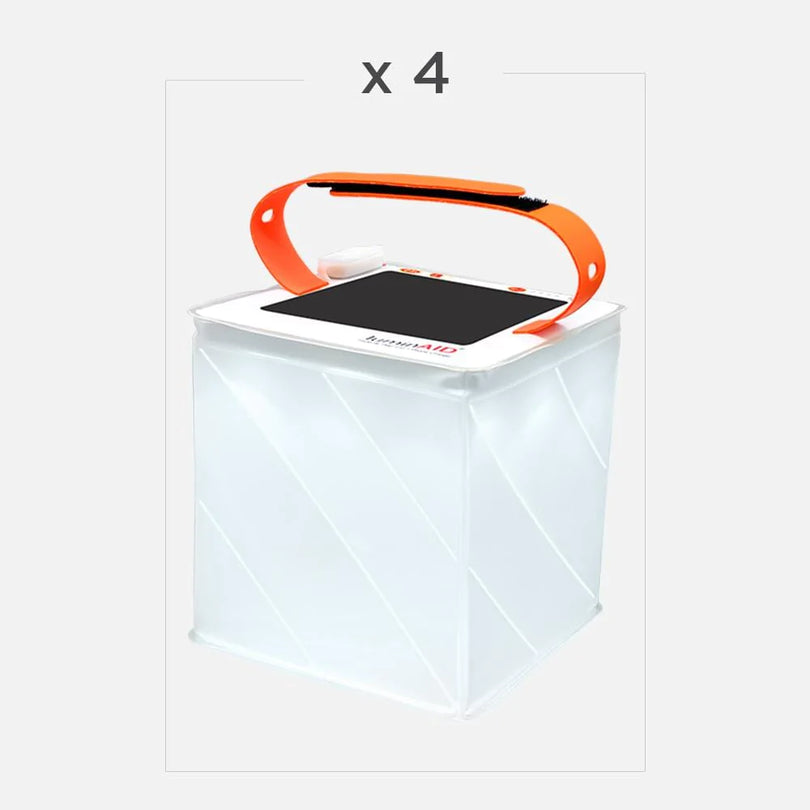
- For the Backpacker (The Ultralight): Weight and packability are everything here. Inflatable models, like those in LuminAID's collection of solar camping lanterns, are the clear winner. They collapse down to almost nothing and weigh less than 5 ounces. Their softer, diffused glow is perfect for inside a tent, and 75 lumens is plenty for cooking or getting organized.
- For the Car Camper (The Workhorse): When you're not carrying it on your back, you can afford to go bigger. A workhorse lantern with 200+ lumens, a beefy battery (over 4,000 mAh), and phone-charging capabilities is ideal. The extra weight is a non-issue, and the bright, wide light is perfect for cooking for a group or playing cards late into the night.
The core difference really boils down to this: inflatable lanterns win on packability and weight, making them unbeatable for any adventure where you're carrying your own gear. On the other hand, rigid "workhorse" lanterns are all about high-lumen output and extra features like power banking, making them the go-to for car camping.
The Durability Test: Waterproofing And Build Quality
Your gear is going to get beat up—it’s just a fact of outdoor life. A sudden downpour or an accidental drop shouldn't leave you in the dark. That’s why you have to pay close attention to the build quality and IP rating.
A lantern with an IP67 rating can be completely submerged in water and keep on shining, giving you total peace of mind in a storm or near a river. Something with a lower IPX4 rating is just splash-proof; it’ll handle some light rain, but you don't want it getting soaked. If you camp in unpredictable weather, this spec is non-negotiable.
This chart breaks down the key pillars of a top-tier solar lantern: performance, durability, and brightness.
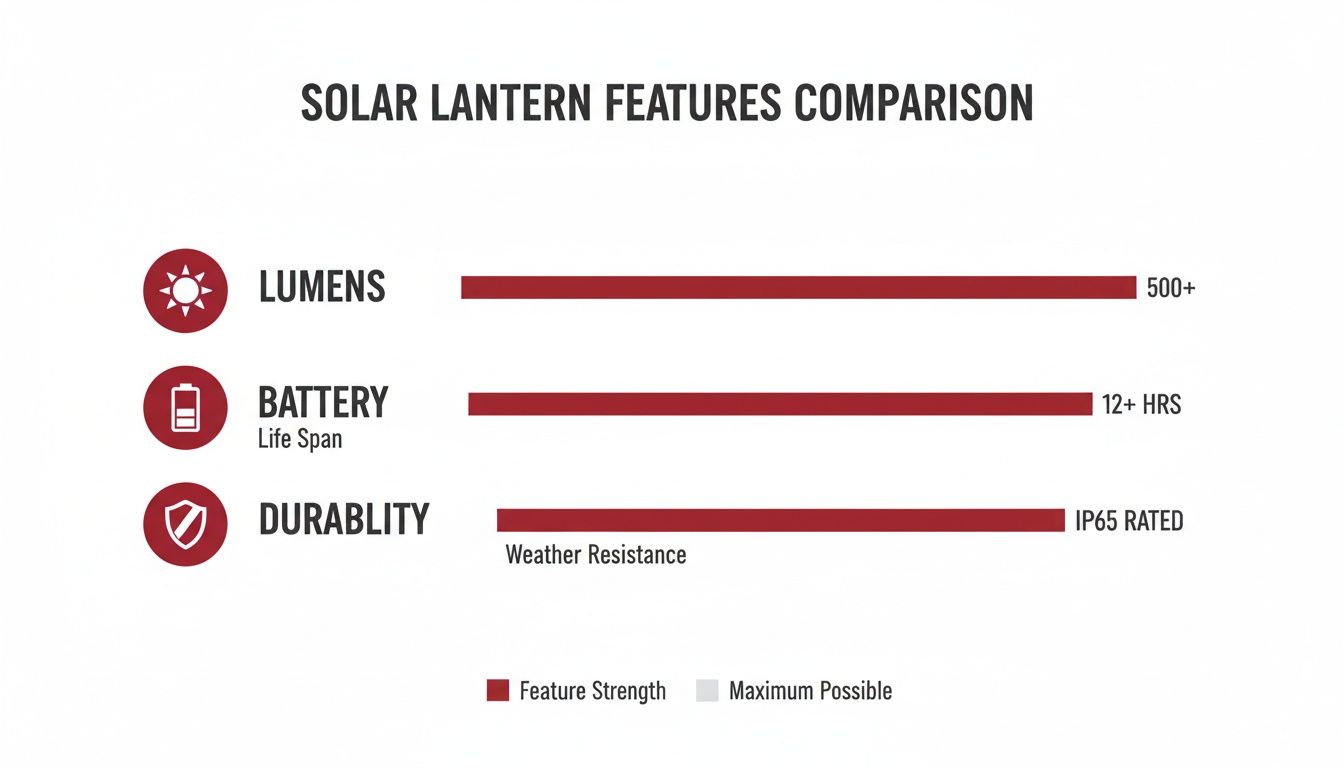
It’s all about finding the right balance between these three essentials for how you plan to use your light.
Matching Your Lantern to Your Adventure
The best solar camping lantern isn't just about the specs—it's the one that feels like it was made for your specific plans. A truly great lantern is versatile, ready to pull its weight far beyond the typical campsite. By looking at how you'll actually use it, you can zero in on the exact features that will make your next trip brighter, safer, and a whole lot easier.
After all, not every lantern is built for every kind of outdoor life. The demands of a multi-day backpacking trip are worlds away from a relaxed weekend of car camping with the family. Matching your gear to the adventure ensures you have what you need without being weighed down by features you'll never touch.
For the Ultralight Backpacker and Thru-Hiker
When every single ounce in your pack is accounted for, portability isn't just a nice-to-have; it's everything. For backpackers and thru-hikers, the perfect solar lantern is one that basically disappears when you aren't using it. This is where ultralight, compressible, and inflatable designs are absolute game-changers.
These lanterns are engineered to pack down to the size of a wallet and weigh less than a deck of cards. Their real genius is providing plenty of light for life inside the tent without adding any noticeable bulk or weight to your pack. Look for models 5 ounces with a simple, durable design and a reliable waterproof rating to handle an unexpected downpour, like the LuminAID Nova.
For the backpacker, the ultimate lantern is a master of efficiency. It has to be exceptionally lightweight, pack down to almost nothing, and offer a long runtime on its lowest setting to last through several nights on the trail.
For Car Camping and Van Life Enthusiasts
Car camping and van life completely change the game, opening up a world of possibilities for more powerful and feature-rich gear. Since weight and packed size are no longer your primary concerns, you can go for a brighter, more robust solar lantern that acts as a central hub for your whole campsite.
In this scenario, you'll want to look for lanterns that offer:
- High Lumen Output: A bright light pushing 200+ lumens can easily illuminate an entire picnic table area for cooking, playing cards, or just kicking back after dark.
- Power Bank Functionality: Many larger solar lanterns come equipped with a USB port and a decent-sized battery, letting you charge your phone, GPS device, or other small electronics right from your lantern.
- Multiple Light Modes: Features like warm light settings create a cozy ambiance, while a red light mode is perfect for preserving your night vision when you need to find something in the dark without blinding everyone.
This kind of lantern becomes more than just a light source; it's a versatile piece of camp equipment that adds real comfort and convenience to your setup. Just be sure to pack your favorite bug repellent from a brand like Natrapel so you can enjoy the evening light in peace.
For Emergency Preparedness and Home Backup
A reliable solar lantern is a cornerstone of any well-stocked emergency kit. During a power outage, having a light source that doesn't depend on disposable batteries or the grid is critical for both safety and peace of mind. For this job, durability and long-term reliability are what matter most.
The best solar lantern for an emergency kit needs to have a long shelf life, meaning its battery can hold a charge for months without significant loss. Key features to prioritize include a high waterproof rating (at least IP67), a sturdy build that can handle being dropped, and an emergency SOS flashing mode to signal for help. To round out your kit, think about adding other essential survival items from a trusted source like Survive Outdoors Longer to make sure you're fully prepared for anything.
Rechargeable lanterns, especially solar models, have become a huge part of the market, now making up almost 40% of sales in North America and Europe. Their success comes from this very versatility. The top models offer multiple light modes, IP67 waterproof ratings, and large batteries for device charging, making them a perfect fit for emergency use. You can dive deeper into the data on the rechargeable camping lantern market to see these trends for yourself.
Why LuminAID Lanterns Stand Out From the Crowd
Sure, there are a lot of solar camping lanterns on the market, but LuminAID consistently makes it to the top of our list. It’s not just one killer feature; it’s the whole package. They've nailed the combination of a patented design, real-world performance, and a genuine commitment to social good that truly sets the brand apart.
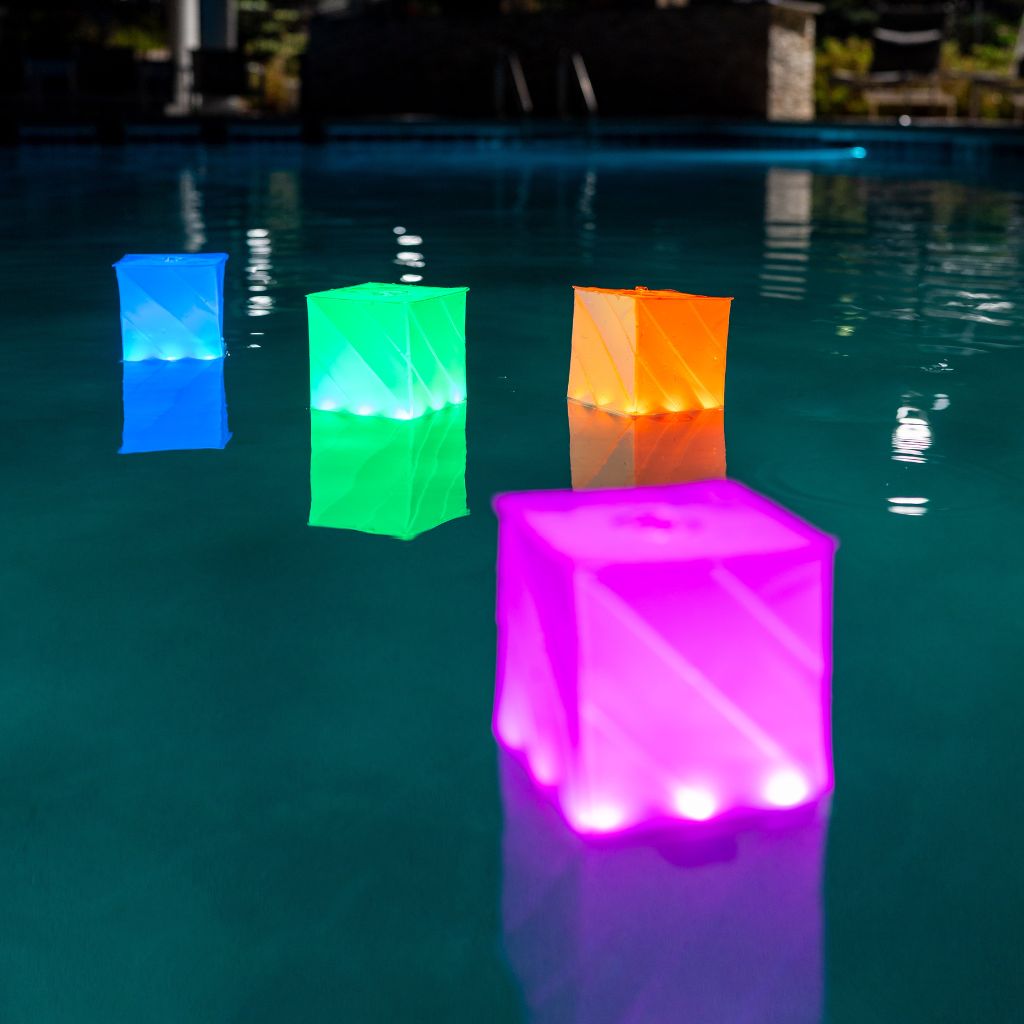
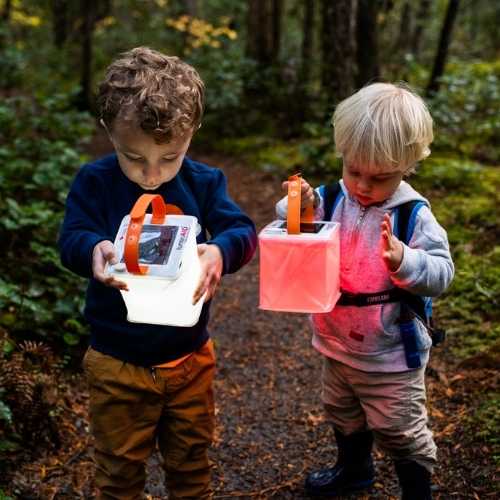
The secret sauce is their inflatable and waterproof design. This isn't just a gimmick—it solves the two biggest headaches for backpackers: weight and pack space. When deflated, a LuminAID lantern packs down to the thickness of a wallet, easily vanishing into a side pocket. Then, once you inflate it, the frosted material diffuses the LED light into a soft, even glow. It’s perfect for a tent or campsite and gets rid of that harsh glare you see with so many other lanterns.
Unmatched Durability for Real-World Use
Beyond just being clever, these things are tough. Most LuminAID models come with an IP67 rating, which means they're completely sealed against dust and can be fully submerged in water. That rugged build gives you peace of mind that your light source won’t die on you during a sudden downpour or after an accidental drop in a stream.
This kind of resilience makes it the perfect companion not just for camping, but for any situation where things might get unpredictable. When you're putting together an emergency kit, pairing a LuminAID with essentials from a trusted brand like Adventure Medical Kits means you’re ready for whatever Mother Nature decides to throw at you.
More Than a Product, A Mission
But here’s what really makes LuminAID different: their deep-rooted commitment to social impact. Through their "Give Light, Get Light" program, your purchase helps send solar lights to communities hit by natural disasters and humanitarian crises all over the world. A simple gear purchase becomes a meaningful way to help someone else.
When you choose a LuminAID, you aren't just buying an excellent piece of outdoor equipment. You're backing a mission to bring safe, clean light to people who need it most. It's a powerful combination of smart design and social responsibility that makes their products easy to stand behind.
By integrating patented inflatable technology with a mission-driven business model, LuminAID has created more than just a solar lantern. They’ve built a reliable tool for both outdoor adventurers and global communities in need of light.
Finding the Right LuminAID for You
LuminAID has a whole lineup of models, each built for different needs, so you can find the perfect solar camping lantern for your kind of adventure.
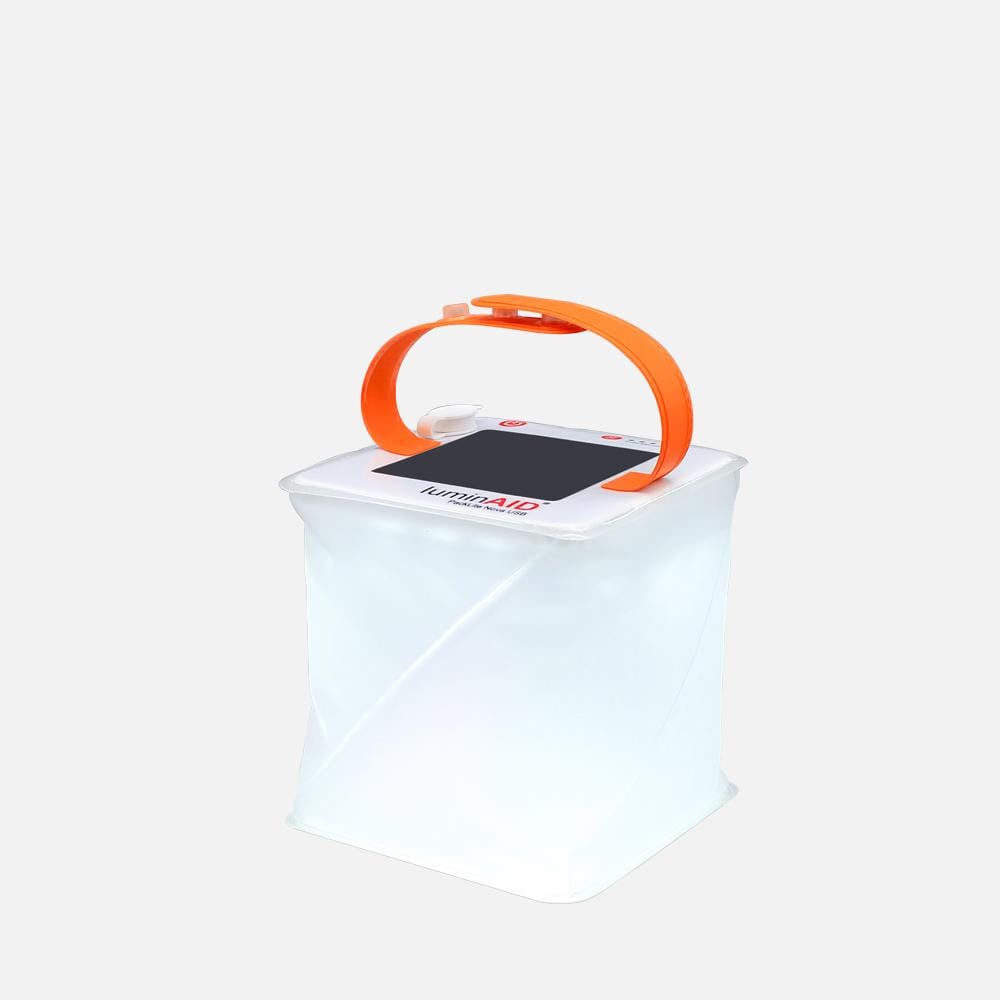
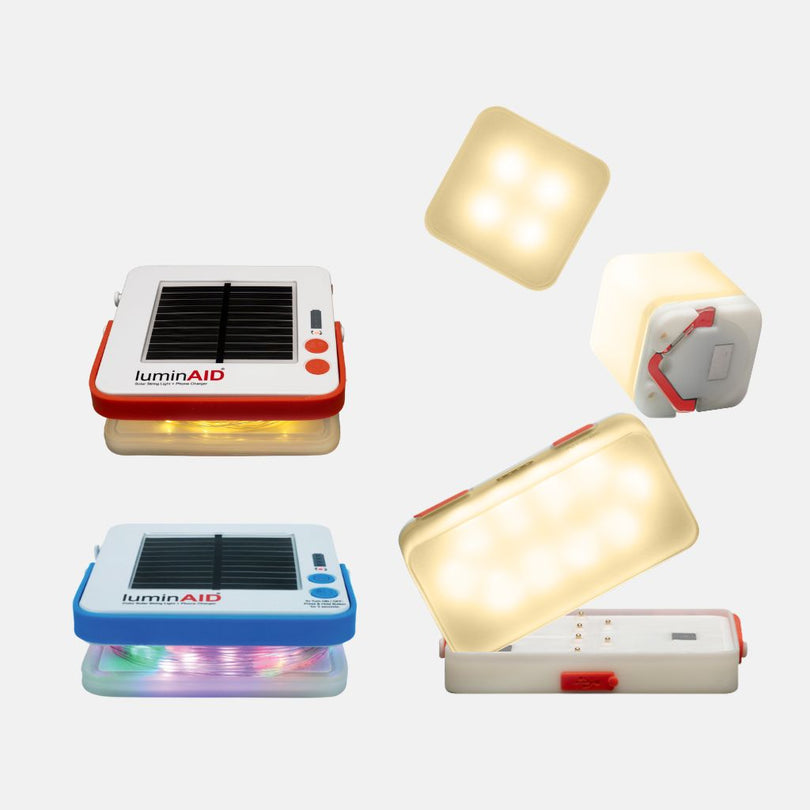
- For the Minimalist Backpacker: The PackLite Nova USB is your go-to. It’s incredibly light at just 5 ounces and kicks out up to 75 lumens, making it ideal for anyone counting every ounce on the trail.
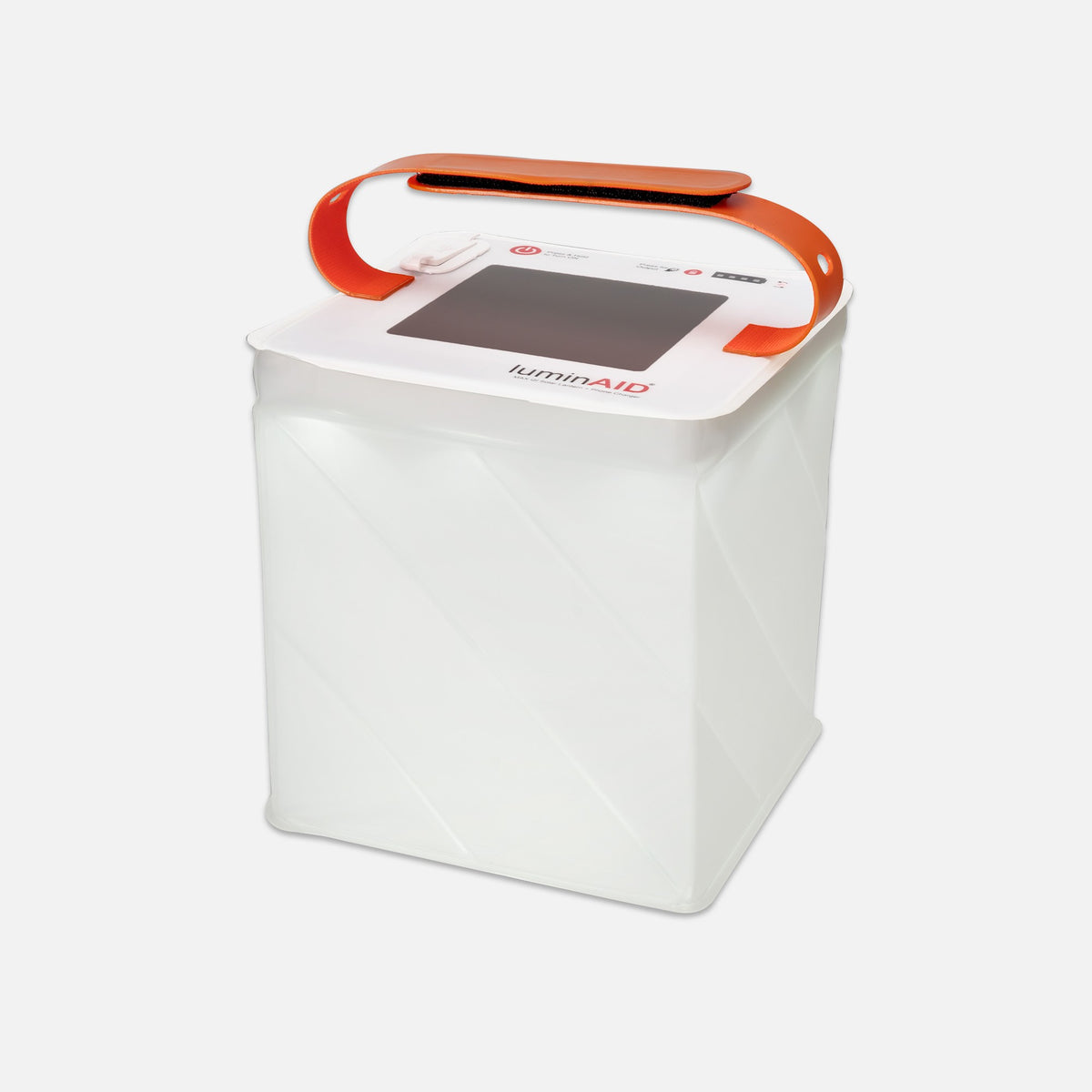
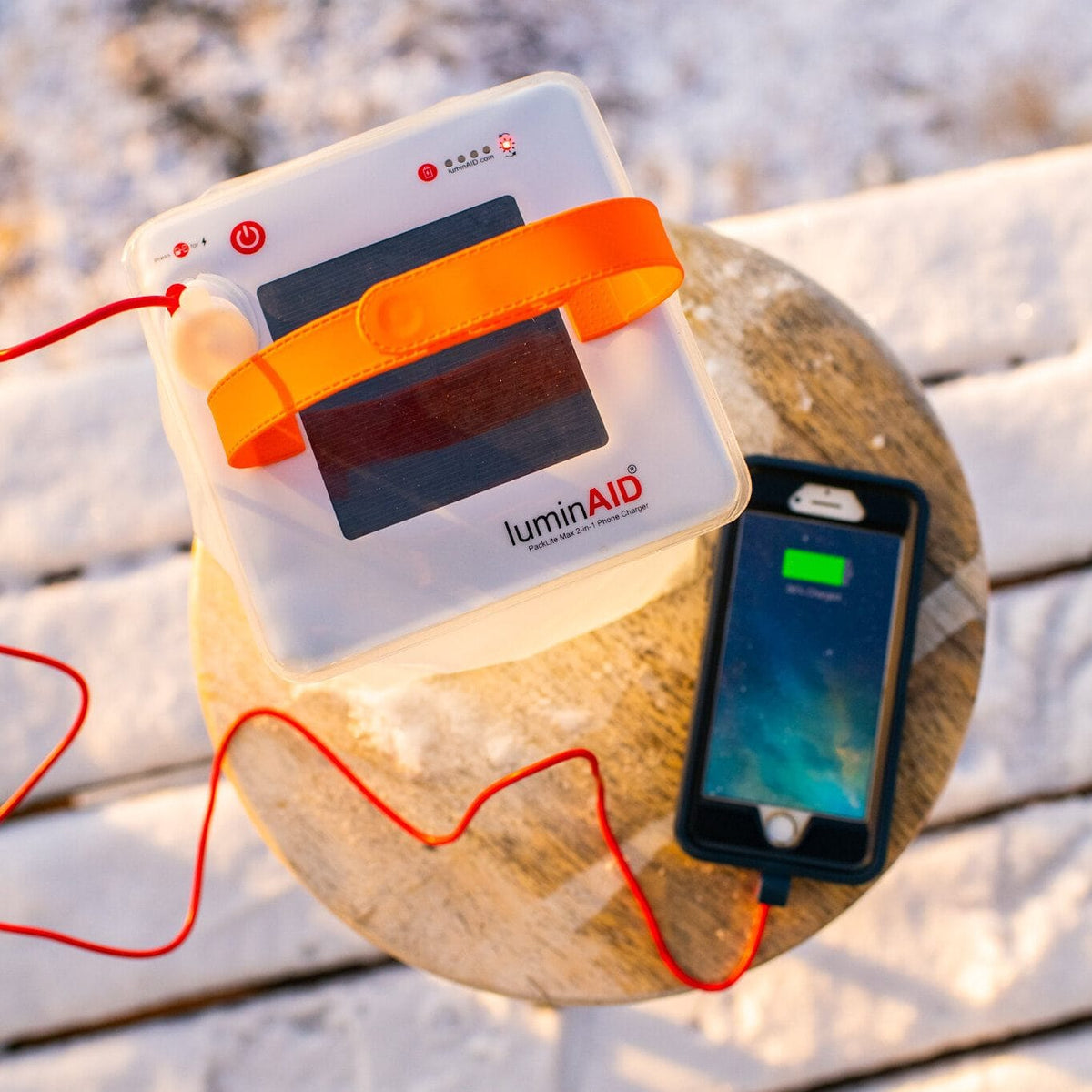
- For the All-Around Camper: Check out the PackLite Max 2-in-1 Phone Charger. This one is way more versatile. With a bright 150 lumens and a built-in battery to give your phone a boost, it’s a fantastic all-purpose lantern for car camping, backpacking trips, and your home emergency kit.
How to Maintain Your Solar Lantern for Peak Performance
To get the most out of your investment, you’ll want to take good care of your solar lantern. A little TLC goes a long way in extending its lifespan and making sure it’s ready to go when you are. The best solar camping lantern is one that works flawlessly trip after trip, and a few simple habits can make all the difference.
Proper care really starts with the solar panel itself. Over time, things like dust, pollen, and general grime can build up on the surface, which seriously cuts down on its ability to soak up sunlight and charge efficiently. Before you head out on an adventure, just give the panel a gentle wipe with a soft, damp cloth to clear away any debris. It’s a simple step that ensures you’re getting the fastest charge possible.
Proper Storage and Battery Care
How you store your lantern when you’re not out on the trail actually matters quite a bit. For any long-term storage, it's best to keep the battery at about a 50-70% charge. Leaving a lithium-ion battery completely full or totally empty for months on end can degrade its health and shorten its overall capacity.
Find a cool, dry place to store it, away from direct sunlight or extreme heat and cold. Every few months, it’s a good idea to take it out and cycle the battery—charge it up completely and then let it run down before bringing it back to that ideal storage level. This simple practice helps keep the battery healthy for years.
A well-maintained solar lantern is a reliable lifeline in the outdoors and during emergencies. Consistent care not only extends its life but also ensures it performs at its best when you're counting on it.
Pre-Trip Inspection Checklist
Before you head out, run through a quick check to make sure everything is in working order.
- Test the Light: Flip through all the brightness settings and any special modes like SOS just to confirm everything is working as it should.
- Check for Damage: Give it a quick once-over, looking for any cracks or damage to the lantern's body or the solar panel.
- Confirm a Full Charge: Always give it a full charge before you leave. You can learn more about the best ways to top off the battery by reviewing these tips on how to charge your LuminAID.
This quick check ensures your lantern is as prepared as the rest of your gear, including your essentials from trusted brands like Adventure Medical Kits.
Answering Your Questions About Solar Lanterns
Even with all the specs laid out, you probably have a few practical questions floating around. That’s normal. We’ve pulled together some of the most common things campers ask to give you clear, straightforward answers. The goal is to make you feel completely confident in picking the right solar lantern.
So, one of the first things everyone wants to know is about charging. How long does it really take? In bright, direct sunlight, you can expect most high-quality solar lanterns to get a full charge in about 10-14 hours. On a cloudy or overcast day, they’ll still charge, but much more slowly. You might be looking at twice that time to get the same amount of juice.
Charging and Lifespan Questions
It’s a common thought: "Can I just charge my lantern on the windowsill?" While that seems like an easy shortcut, it’s not very effective. Window glass actually filters out a lot of the UV rays that the solar panels need to work their magic, which slows down charging to a crawl. For the best, most efficient charge, always place your lantern in direct, unfiltered sunlight outdoors.
Another big question is how a solar lantern’s battery stacks up against traditional battery-powered gear. Sure, a fresh set of disposable AAs gives you instant power, but that’s where their advantage ends. A solar lantern offers incredible long-term reliability. The rechargeable batteries inside modern solar lanterns are built to last for hundreds of charge cycles, which often translates to years of dependable light.
A top-tier solar lantern's lithium-ion battery can typically be recharged 500 or more times before its capacity starts to noticeably drop off. This longevity makes it a far more sustainable and cost-effective choice compared to the endless cycle of buying disposable batteries.
This impressive lifespan means your initial investment pays for itself over and over again, giving you reliable light without the recurring cost and waste. It’s also a game-changer for emergency preparedness. You’ll have a light source you can count on, one that won't fail you because the single-use batteries you stored went dead. For total peace of mind, pair your lantern with other essential gear, like a well-stocked kit from Adventure Medical Kits.
Ready to find the perfect solar lantern for your next adventure or emergency kit? Explore the full collection of durable, packable, and reliable solar-powered lights at LuminAID.