

A lot of camping power problems start the same way. You get to camp with a full plan for food, shelter, and layers, then realize your phone is your map, your headlamp is low, and the one charging cable you brought won't matter unless you can make power in the first place.
That's why the best solar power for camping usually isn't the biggest panel or the most expensive power station. It's the setup that matches the trip. A solo hiker who only needs light and a phone top-up shouldn't carry the same system as a family running lights, tablets, and a cooler from the car.
Most bad solar choices fall into two categories. People either overbuy and haul a bulky setup they barely use, or they underbuy and spend the second day rationing battery life. The fix is simple. Start with your actual daily power need, then choose the lightest, least complicated gear that can cover it reliably.
Choosing Your Power Before You Pack
A solar setup should solve a camp problem, not create one. If your trip is a quick overnight with a phone, headlamp, and backup light, your gear should stay simple. If you're camping for several days with multiple people sharing power, that changes the equation fast.
The mistake I see most often is buying by category instead of by use. Campers shop for “solar generators” or “portable panels” before they've decided what needs charging, how often, and whether they'll be moving camp every day. That's backwards.
To approach this practically:
- Start with the trip length. A weekend trip is different from a basecamp stay.
- Count the devices that matter. Focus on essentials first, not every nice-to-have gadget.
- Decide how mobile camp will be. Gear that works well next to a parked vehicle often makes no sense in a backpack.
- Separate lighting from charging. Sometimes the smartest answer is a dedicated light plus a small charging solution, not one oversized system.
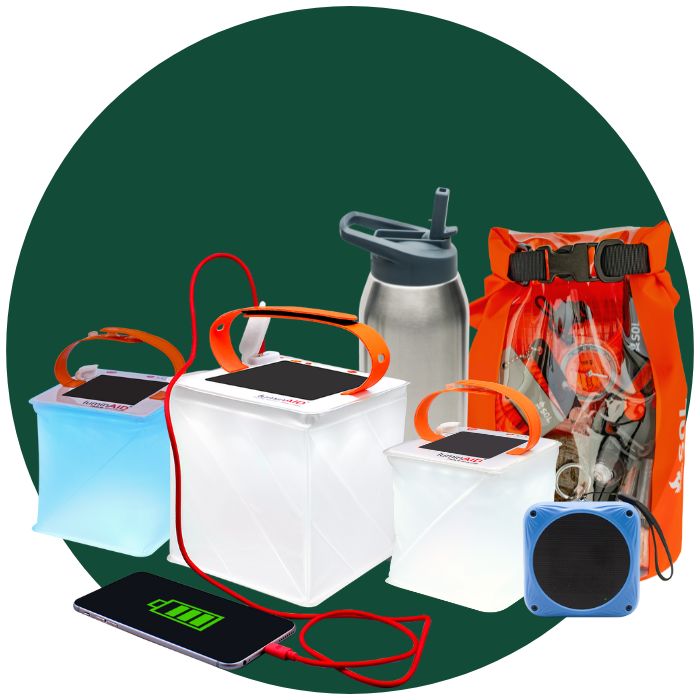
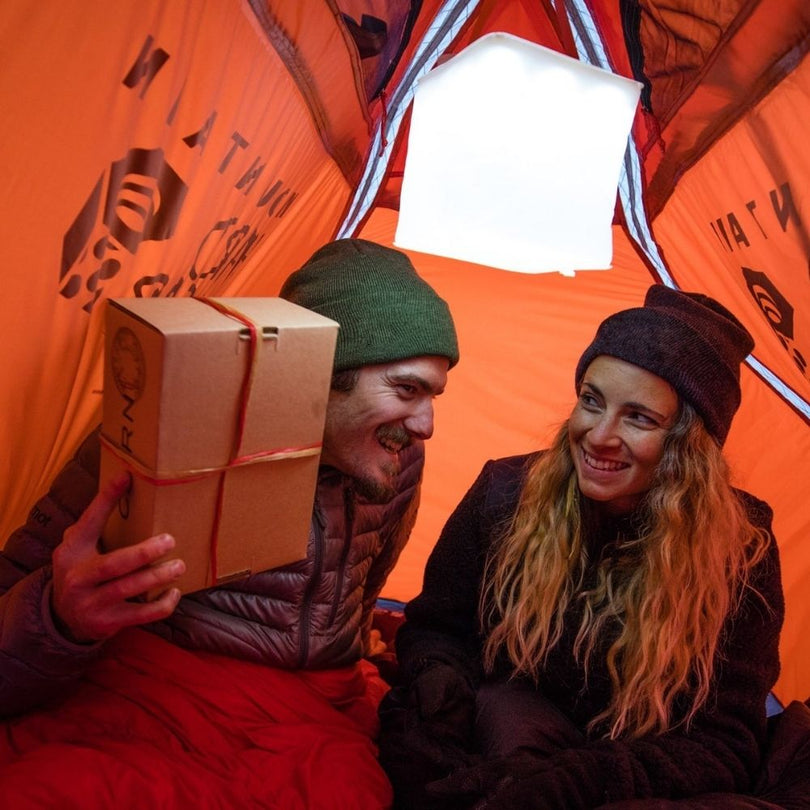
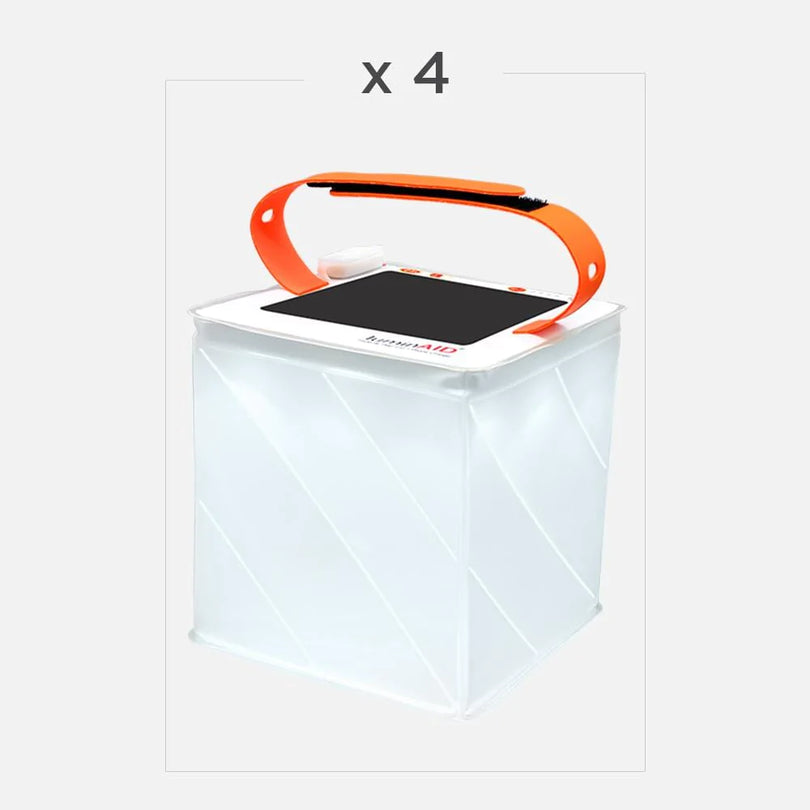
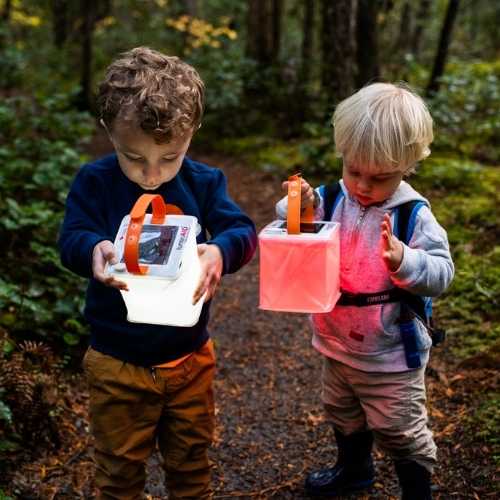
A lot of campers also lump all off-grid power into one bucket. That hides an important reality. Light-duty camping power is its own category, and it often makes more sense to build around simple tools like solar lanterns for camping instead of chasing a full power station setup you'll resent carrying.
The right solar kit should feel boring once camp is set. It should quietly cover your needs without taking over your packing list, your vehicle space, or your attention.
If you approach solar this way, the gear gets easier to sort. You're no longer asking what's “best” in the abstract. You're asking what's enough, what's reliable, and what's worth carrying.
How to Size Your Camping Solar System
The cleanest way to size camping solar is to work in watt-hours, or Wh. That tells you how much energy you use in a day. Once you know that number, gear choices get a lot less confusing.
A practical rule is simple. Multiply each device's wattage by the number of hours you'll use it, then add everything together. One published example uses a 60 W light for 5 hours, a 40 W fan for 3 hours, and a 100 W laptop charger for 2 hours to reach 620 Wh per day, which is the amount the kit should be able to generate and store, as shown in this solar kit sizing example.

Use the basic formula
Write down each device you expect to use:
Watts × hours used per day = watt-hours per day
Then total the list.
You don't need a perfect spreadsheet. You need an honest estimate. Most campers go wrong by either forgetting key items like lights and fans, or by assuming they'll use everything less than they really do.
Build a simple power audit
Use a rough trip worksheet like this:
| Device | Wattage | Hours per day | Daily Wh |
|---|---|---|---|
| Phone charger | check your charger label | estimate use | watts × hours |
| Headlamp or camp light | check device or charger label | estimate use | watts × hours |
| GPS watch charger | check charger label | estimate use | watts × hours |
| Small fan | check device label | estimate use | watts × hours |
| Camera battery charger | check charger label | estimate use | watts × hours |
| Laptop charger | check charger label | estimate use | watts × hours |
If you want a refresher on battery math, this guide on how to calculate watt-hours of a battery is useful.
Practical rule: Size for the gear you'll actually use at camp, not the gear you might toss in a bin at the last minute.
Add a buffer
Solar in the field is never perfect. Clouds roll in. Panels get partial shade. You forget to reposition one for half a day.
The infographic above suggests adding a buffer for those losses and surprises, and that's the right mindset. If your math says you need a certain amount of daily energy, don't shop as if every panel will perform at its sticker rating all day.
Think in systems, not single products
A panel makes power. A battery stores it. Your devices consume it. If one part is undersized, the whole setup feels weak.
That's why “best solar power for camping” depends less on brand hype and more on matching generation and storage to your real daily use. Once you have your number, you can sort gear by category and skip a lot of bad options.
The Four Main Types of Camping Solar
Camping solar breaks into four practical categories. Each solves a different problem. If you choose the right category first, you avoid comparing gear that was never built for your kind of trip.
Here's the fast comparison.
| Solution Type | Best For | Portability | Power Output |
|---|---|---|---|
| Portable solar panels | Campers who already have battery storage or want modular charging | Moderate to low, depends on panel size | Varies by panel wattage |
| Solar power stations | Car camping, basecamps, multiple devices, appliance support | Lower than small chargers, easier from a vehicle | Higher storage and broader device support |
| Solar power banks | Minimal charging needs, short trips, backup phone power | High | Low to moderate |
| Integrated solar lanterns and chargers | Campers who need light first and phone backup second | Very high | Low, focused on essentials |
Portable solar panels
Portable panels are best when you already know how much energy you need and want flexibility. A panel alone isn't a full solution unless it can directly charge what you carry, but it's the most modular option.
A useful benchmark is that 100W solar panels can generate about 500 to 600Wh per day under roughly 5 to 6 hours of usable summer sunlight, while 50W panels may produce about 250 to 300Wh per day, according to the Camping and Caravanning Club's guide to solar power for camping. That's why wattage matters less than matching panel output to your daily energy use.
Solar power stations
Power stations are the easiest way to manage several devices at once. They simplify charging, storage, and output ports in one unit. They also add weight and bulk fast.
For car campers, they make sense. For backpackers, they usually don't.
There isn't one best setup. There's a best fit for a short hike, a family campsite, a storm-ready vehicle kit, or a long overland stop.
Solar power banks
A solar power bank works best as a light-duty charger and backup battery, not as a magic replacement for a larger system. For a camper who only needs a phone, watch, and maybe a small USB light, it can be enough. For a group, it usually won't keep up.
The appeal is obvious. Small size, low fuss, easy packing.
Integrated solar lanterns and chargers
These are the most overlooked category, and for many campers they're the smartest one. If your biggest needs are light, visibility in camp, and occasional phone charging, an integrated light-and-power tool is often more practical than a panel-plus-station combo.
This category also avoids a common failure in camping content. Many guides chase larger products, while simpler task-based needs like tent lighting and phone top-ups get less useful coverage.
Deep Dive on Panels and Power Stations
Large panels and power stations are the right answer when camp power starts looking more like a small off-grid system. If you're running several devices, charging work gear, or trying to support a cooler, the power situation warrants serious attention.

What these systems do well
A good panel-and-station setup gives you three things that smaller options don't:
- Stored power after sunset. That matters more than panel wattage once the sun drops.
- Multiple output options. You can charge several devices without juggling adapters.
- More forgiving daily use. A larger battery smooths out a weak solar window.
This is also the category that makes sense for dual use. A car camping power station can pull weekend duty outdoors, then sit in a home closet or vehicle as outage backup. If that's part of your thinking, compact emergency gear from brands like SOL survival tools and preparedness essentials fits naturally alongside your power kit.
Why rated wattage isn't real camp output
The biggest mistake with larger panels is assuming the sticker number is what you'll see in the field. You usually won't.
One field test reported a 220 W portable panel producing about 155 W in a morning test and peaking near 178 W later in the day, while a 300 W panel reached about 245 W early and about 270 W at noon, showing real-world reductions of roughly 20% to 30% from the rating in those conditions, as shown in this portable panel field test on YouTube.
That tracks with what campers run into all the time. Heat, imperfect sun angle, moving shade, haze, and panel placement all cut output.
How to make a larger setup work better
A few habits matter more than fancy specs:
- Chase direct sun. Move the panel instead of leaving it flat all day.
- Keep panels clean. Dust and pollen reduce useful output.
- Charge the battery early. Good morning sun is often better than hot afternoon conditions.
- Protect cable connections. Loose or stressed connectors kill charging sessions.
- Use the battery for bursts. Let the station buffer your devices instead of plugging everything into the panel directly.
When this category is worth it
Choose a larger system when convenience matters more than pack weight and when your daily loads are steady enough to justify real generation and storage. If camp includes a fridge, fan, laptop use, shared charging for several people, or longer stays in one place, a power station stops feeling excessive and starts feeling practical.
If your needs stop at lights and a phone, this category is usually too much gear.
Lightweight Power for Backpackers and Minimalists
Most campers don't need a rolling battery box and a large folding panel. They need dependable light, a way to top up a phone, and gear they won't curse on the trail.
That's where small solar chargers, compact power banks, and integrated light-and-charge gear make sense. This is the part many buying guides skip. As OutdoorGearLab's coverage of portable solar power for campers highlights indirectly through the gap in available content, many top results focus on broader product picks rather than real-world sizing for a simple phone-and-lantern setup.

Why smaller setups often win
Backpacking changes the rules. Every item has to earn space and weight. If your actual need is modest, a tiny system is often the better system because you'll carry it willingly, use it correctly, and keep it accessible.
A minimalist kit usually works better because it offers:
- Lower carry penalty. You keep pack weight under control.
- Less setup time. No spreading out a large panel every time camp moves.
- Fewer failure points. Fewer cables, fewer adapters, less troubleshooting.
- Better task fit. Light-first tools solve real camp problems immediately.
If you're already trimming your kit, this guide to reducing base weight is worth a look because power gear can often become one of the heaviest “just in case” categories in a pack.
What to choose for simple needs
For most hikers and weekend campers, I'd look at three compact options:
- A small power bank for predictable stored energy.
- A compact panel only if you'll have enough daylight exposure and time to use it.
- An integrated solar lantern and charger when camp lighting is just as important as phone backup.
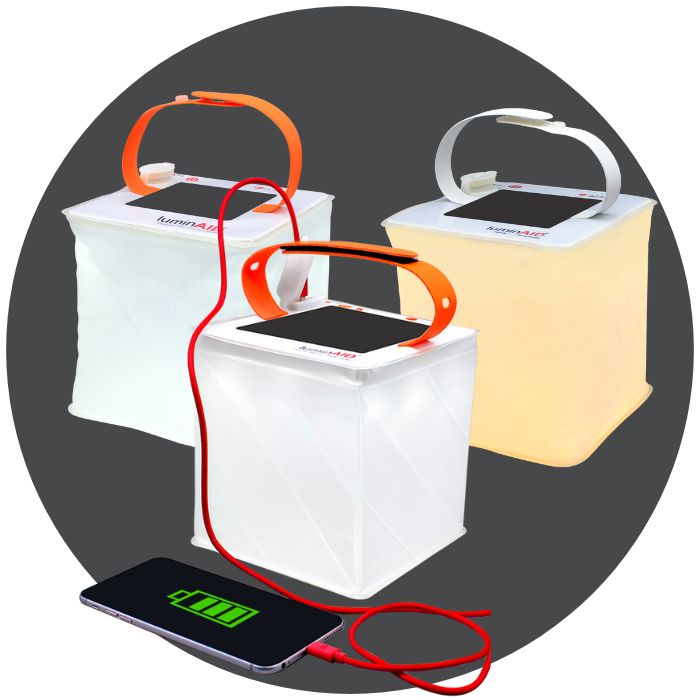
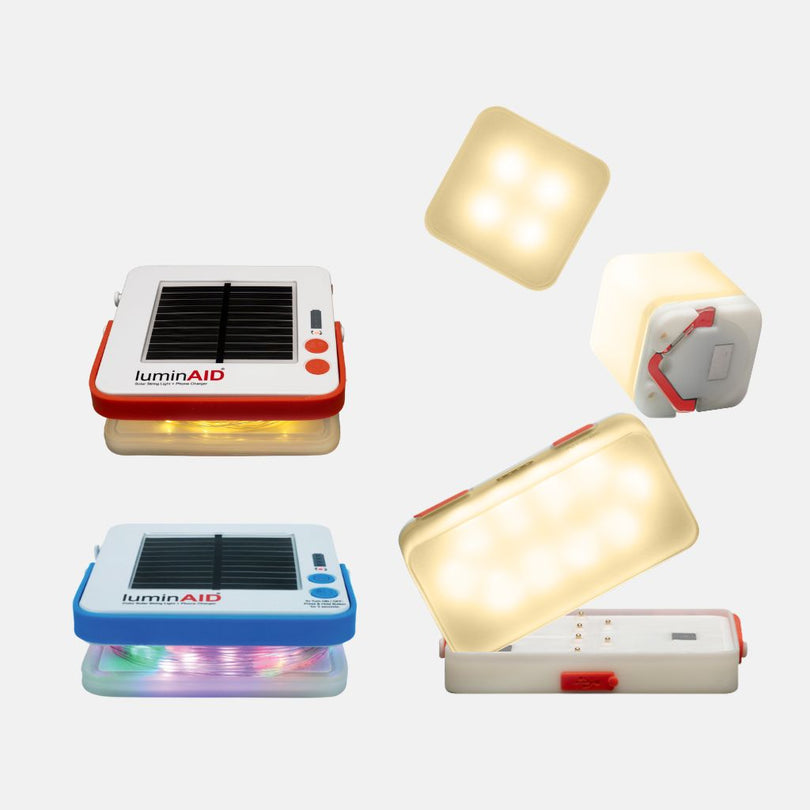
A product in that third category is the lightweight solar charger for backpacking, including options like LuminAID's PackLite-style lanterns that combine off-grid light with phone charging in one compact item.
If your trip only demands light and occasional USB charging, a large panel and power station aren't “future proof.” They're extra weight.
What doesn't work well
Minimal systems still have limits. Tiny solar panels can disappoint if your route stays shaded or if you're moving all day with the panel folded away. Small power banks also disappear fast when people start charging tablets, speakers, or multiple phones from one unit.
So the rule for lightweight solar is simple. Keep expectations narrow. If the mission is phone, headlamp, and backup tent light, small gear shines. Once you start adding comfort devices, the lightweight category runs out of runway.
For a lot of campers, that trade-off is exactly why it's the smart choice.
Example Setups for Three Camping Styles
The easiest way to choose the best solar power for camping is to picture your trip accurately. These three setups cover most real camps.
The weekend backpacker
This camper needs the fewest moving parts. Think short trips, a phone for photos or navigation, and a headlamp or lantern after dark.
A smart setup looks like this:
- Primary power with a small power bank
- Primary light with an integrated solar lantern or compact camp light
- Optional solar top-up from a very small panel only if the trip has good sun exposure and downtime
The reason this works is simplicity. The pack stays light, camp setup stays fast, and your critical items stay powered. You're not trying to run comfort gear. You're covering essentials.
The family car camper
This group wants convenience. Several phones, camp lights, maybe a tablet, maybe a fan. The car is close, so weight matters less than ease of use.
A practical kit is:
- A folding panel in the moderate range
- A mid-size portable power station
- Dedicated camp lighting so you're not draining the station for every small task
“Enough” matters more than chasing oversized specs. A family camping from the car usually benefits more from tidy storage, easy charging ports, and fast setup than from building a miniature off-grid power plant. If you're dialing in the whole campsite, these tips for your car camping adventure pair well with your power planning.
The extended stay power user
This is the overlander, remote worker, or long-stay camper who wants to support heavier daily use. The setup has to generate and store meaningful power day after day.
A useful rule of thumb is that a user needing about 75Ah at 12V requires roughly 900Wh of daily energy, and with 6 hours of daylight that points to about 150W of solar panel capacity, with a 20% buffer bringing the target to around 180W, according to this camping solar sizing rule of thumb.
Bigger systems make sense when your daily routine depends on them, not when they just sound reassuring in a gear list.
For this camper, a larger panel setup and a substantial power station are justified. This is the one profile where capacity, storage discipline, and panel placement become a daily habit instead of an occasional convenience.
Solar Maintenance and Emergency Readiness
Camping solar gear earns its keep when it works after sitting unused, after a rough road in, or during a power outage at home. That's where maintenance matters.
A major content gap in this category is durability under emergency conditions. As noted in EnergySage's look at portable solar panel products, most coverage compares portability and charging speed but says less about storage, post-storm use, and performance in heat, smoke, or high humidity.
Keep your kit ready with a short routine:
- Clean panels before and after trips. Dust and grime cut charging.
- Check cables and ports. Loose connections are one of the most common field problems.
- Store batteries properly. Don't toss them in a hot vehicle for months and assume they'll be fine.
- Test the full kit before departure. Panel, battery, lights, and charging cables should all work together.
- Pack for dual use. If a light is waterproof or dust resistant, it's useful at camp and in an outage box at home.
That last point matters. Good camping solar isn't only recreation gear. It's part of a practical home and vehicle backup plan.
If you want a compact setup for the two jobs most campers care about (light and phone charging), take a look at LuminAID. Their solar lanterns and 2-in-1 charging lights fit especially well for backpacking, car camping, and emergency kits where packability matters as much as power.