


You're probably here because you want light outside for a simple reason. You want to see where you're walking, make a space feel inviting, or be ready when the power goes out. That could mean a few path lights by the garden, a lantern at camp, or a dependable light in the closet for storm season.
Sustainable outdoor lighting helps with all three. It can make a backyard more usable, a campsite more comfortable, and an emergency kit more practical, without relying on wasteful bulbs, disposable batteries, or unnecessary glare. It also isn't just a niche idea anymore. The global outdoor lighting market was estimated at USD 17.06 billion in 2024 and is projected to reach USD 28.43 billion by 2030, while LEDs accounted for 49.52% of the market in 2024, according to Grand View Research's outdoor lighting market report.
That matters because it tells you something simple. Sustainable outdoor lighting isn't a fringe upgrade for tech enthusiasts or high-end exterior design projects. It's quickly becoming the normal way people light yards, walkways, campsites, public spaces, and emergency setups.
An Introduction to Smarter Outdoor Lighting
Individuals often first consider outdoor lighting in one of two moments. Either they're trying to enjoy the evening outside, or they've suddenly realized how dark everything gets when normal power isn't available.
That's why this topic is bigger than décor. Good lighting helps prevent missed steps, makes gear easier to find, and lets people keep using outdoor spaces after sunset. In a power outage, it also turns confusion into something much more manageable.
Why smarter lighting matters
“Sustainable” can sound like a complicated label, but the idea is straightforward. Use less energy. Waste less light. Choose gear that works well for the place and the moment.
A hardwired patio system and a solar lantern for a storm kit can both fit that goal. They solve different problems, but both can reduce waste and improve safety when chosen well.
Practical rule: The most sustainable light isn't always the brightest one. It's the one that gives you enough visibility, in the right place, for the time you actually need it.
Where people often get stuck
Many buyers assume sustainable outdoor lighting only means permanent fixtures in a designed yard. That's part of the story, but not all of it. Fixed lights help with paths, entrances, and gathering areas. Portable lights help when you're camping, traveling, dealing with outages, or setting up somewhere temporary.
That off-grid side matters more than people realize. If a light only works when the grid works, it's efficient, but it isn't always resilient.
What Makes Outdoor Lighting Sustainable
A simple way to judge any lighting setup is to think in three parts: where the power comes from, how the light uses that power, and what impact it has beyond your property line.
If you appreciate analogies, food offers a useful comparison. A sustainable meal isn't just about one ingredient. You care about sourcing, waste, and the effect on the larger environment. Lighting works the same way.
Start with the power source
Some outdoor lights pull power from the grid. Some use a low-voltage transformer. Some run on built-in solar panels and rechargeable batteries.
None of those is automatically perfect or terrible. The question is whether the power source fits the job. A fixed walkway near your home may work well with wired low-voltage LED fixtures. A campsite, trailhead table, RV awning, or blackout kit usually makes more sense with solar and USB-rechargeable gear.
For a broader look at waste reduction and product choices, LuminAID's article on the environmental impact of lighting and energy decisions is a useful companion read.
Then look at energy use
Efficiency is where many people stop, but it still matters a lot. A light that produces useful illumination without burning excess energy is doing real work for sustainability.
That means asking practical questions:
- Is the light output appropriate: You want enough light to cook, walk, open a gate, or sort gear. You don't want the outdoor version of a stadium lamp.
- Does it run only when needed: Motion sensors, timers, dimming, and manual low modes all help.
- Is the battery rechargeable: Rechargeable systems reduce the churn of throwing away spent batteries.
Impact matters too
A sustainable light can still be badly used. If it blasts into a neighbor's window, spills into the sky, or stays on all night for no reason, it wastes energy and creates problems even if the bulb itself is efficient.
The environmental side includes more than power bills:
- Light pollution: Extra glare and upward spill make it harder to see comfortably.
- Wildlife disruption: Harsh, poorly aimed light can disturb natural activity patterns.
- Material waste: Frequent replacements create more trash and more hassle.
Sustainable outdoor lighting means more than “LED.” It means choosing the right power source, using only the light you need, and avoiding waste in both energy and materials.
A quick test for marketing claims
When you see a product described as eco-friendly, ask three questions:
| Question | Why it matters |
|---|---|
| How is it powered | This tells you whether it depends on grid power, solar charging, or disposable batteries. |
| Can it be controlled | Timers, dimming, and sensors reduce unnecessary runtime. |
| Where does the light go | Good fixtures direct light where you need it instead of creating glare. |
If a product checks only one of those boxes, it may be efficient, but it's not necessarily a sustainable outdoor lighting solution in the full sense.
Comparing Power Sources Solar vs Low-Voltage Electric
When people narrow their options, they usually land on two practical choices. Solar lighting and low-voltage electric lighting.
Both can be sustainable. They just solve different problems.

Where solar makes more sense
Solar works especially well when portability, simple setup, and outage readiness matter. You don't need trenching. You don't need an outlet nearby. You can move the light when your needs change.
That makes solar a strong fit for:
- Camping and overlanding: Lanterns, string lights, and task lights can move with you.
- Emergency kits: Rechargeable solar lights still work when grid power doesn't.
- Renters and temporary setups: You can add useful light without permanent installation.
- Remote corners of a yard: Spots where wiring would be inconvenient are often ideal for solar.
Modern LED outdoor lighting can use up to 80% less energy than traditional incandescent or halogen alternatives, and for off-grid use, solar fixtures eliminate grid electricity and disposable batteries entirely, as noted in this guide on switching from battery-powered lanterns to solar options and supported by Light It Right's discussion of energy-efficient outdoor lighting.
Where low-voltage electric wins
Low-voltage electric shines in permanent spaces where you want predictable performance every night. If you're lighting a front path, steps, a gate, or a larger outdoor area, wired low-voltage fixtures often give you more control over consistency and placement.
That can be helpful for:
- Entrances and stairs: You want dependable light every evening, regardless of weather.
- Spacious outdoor areas: Multiple fixtures can be coordinated from a central transformer.
- Design-heavy layouts: It's easier to fine-tune beam spread, spacing, and timing.
The tradeoff is setup. Wiring takes planning, and some projects benefit from professional help. It's not hard to understand why many people start with solar for flexible areas and reserve wired systems for locations where permanent lighting matters most.
A simple decision table
| Priority | Better fit |
|---|---|
| No wiring and easy DIY setup | Solar |
| Portable lighting for trips or outages | Solar |
| Consistent nightly output in a fixed location | Low-voltage electric |
| Large permanent yard layout | Low-voltage electric |
| Zero grid use at the point of operation | Solar |
If your lighting needs move around, solar usually wins. If the location never changes and dependable nightly runtime matters most, low-voltage electric is often the cleaner answer.
The hybrid approach works well
Many households don't need to choose only one. A wired low-voltage path system can handle stairs and entries, while portable solar lanterns cover the deck, picnic table, campsite, or blackout supply bin.
That combination is often the most practical form of sustainable outdoor lighting because it matches the tool to the job instead of forcing one system to do everything.
Key Design Principles for Effective Lighting
A sustainable light can still be annoying if it's too bright, aimed badly, or too harsh in color. Design matters as much as the power source.

Lumens in plain English
Lumens tell you how much light a fixture puts out. More lumens means more total light, but not always better visibility.
That confuses people because they shop as if brighter automatically means safer. In reality, too much brightness can create glare, flatten depth perception, and make dark areas beyond the beam feel even darker. For steps, paths, patios, and camp tables, comfort often matters more than raw output.
A better question is, “What task am I trying to do?” Reading a map, finding the cooler, and walking to the gate need different amounts of light.
Color temperature without the jargon
Color temperature describes whether light looks warm or cool. Warm light feels softer and more relaxed. Cooler light looks crisper, but it can also feel harsher outdoors, especially at night.
For many outdoor uses, warmer light is easier on the eyes and creates a friendlier atmosphere. It's often a better match for patios, tents, porches, and property edges where you want visibility without that stark parking-lot effect.
Aim the light where it belongs
This is one of the biggest upgrades you can make tonight without buying anything new. Point lights down. Shield the bulb when possible. Don't flood the whole yard if you only need to light a path, table, or door.
According to the U.S. Department of Energy, improved LED optics and targeted, fully shielded fixtures can reduce the total amount of light needed for a task, which directly lowers energy use and reduces impacts like skyglow, as explained in the DOE's article on responsible outdoor lighting and LED optics.
Less wasted light usually means better visibility, not worse. Your eyes work better when they aren't fighting glare.
For homeowners who want examples of how this looks in practice, this overview of residential garden lighting gives useful placement ideas for paths, planting beds, and outdoor living areas.
A few design habits that pay off quickly
- Light the task, not the whole property: Put illumination on steps, handles, tables, and paths.
- Use layers: A small path light, a lantern on the table, and a dim ambient string light often work better than one intense fixture.
- Avoid eye-level glare: If you can see the bare bulb from where you sit or walk, it's probably poorly positioned.
- Think in zones: Entryways need a different treatment than a fire pit, tent door, or side yard.
The five-principle mindset
DarkSky and the Illuminating Engineering Society describe responsible outdoor lighting as useful, targeted, low level, controlled, and warm-colored. That's a practical filter, not just a professional guideline.
If a light fails one or two of those tests, it may still function, but it's probably not giving you the best balance of safety, comfort, and sustainability.
Sustainable Lighting in Action Real-World Use Cases
Real life is where sustainable outdoor lighting becomes easy to understand. The same principles look very different on a patio, at a campsite, and during a blackout.

Backyard evenings
A backyard rarely needs blanket brightness. For occupants, enough light is usually sufficient to move around safely, see food and drinks, and make the space feel comfortable.
A good setup might include a few solar path markers, a warm lantern on the table, and string lights over a seating area. That gives you layered light instead of glare. It also lets you move pieces around when the furniture layout changes or guests gather in a different corner.
Campsites and road trips
Camping exposes a problem with fixed-installation advice. It doesn't help much when your “outdoor space” changes every night.
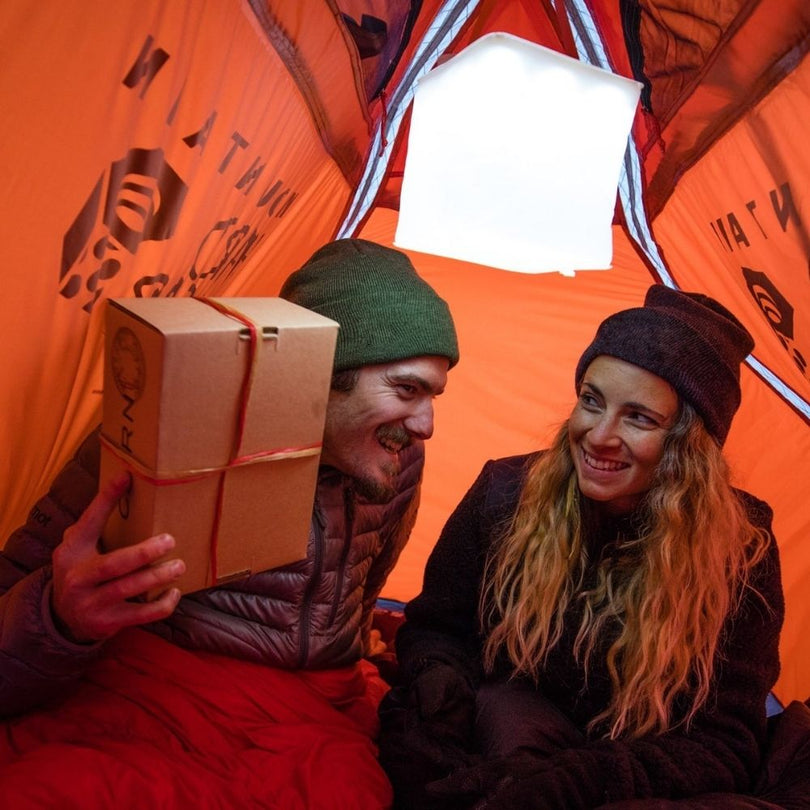
Portable solar lighting easily earns its place here. A rechargeable lantern can hang in a tent, sit on a picnic table, or clip near a camp kitchen. Solar string lights can mark a guyline area or create a softer social space around camp.
Most guides on sustainable lighting focus on fixed installations, overlooking the need for portable, off-grid solutions for camping, outages, and disaster response. For many people, a rechargeable solar lantern that needs no wiring, disposable batteries, or grid power is the more resilient option, as discussed in this article on innovative lighting ideas for outdoor spaces and off-grid use.
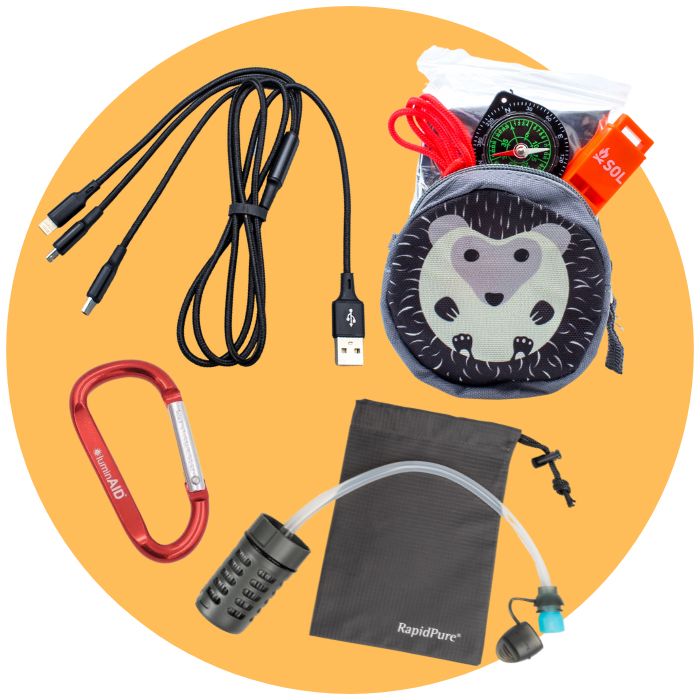
If you're building out a camping or vehicle kit, it also helps to think beyond lighting alone. Basic emergency and outdoor gear from brands like Survive Outdoors Longer pairs naturally with portable light, because once the sun goes down, every other task gets harder without dependable illumination.
A quick visual can help if you're comparing formats and use cases:
Emergency readiness at home
This is the use case people tend to overlook until the lights go out. Then everything changes fast. Hallways, bathrooms, stair landings, chargers, and pet areas all become friction points.
Portable solar lighting solves a different problem than outdoor fixtures. You can place it exactly where the need appears. A lantern can move from kitchen counter to bedroom to porch in one evening. That flexibility is why many families keep one in a go-bag, one in the car, and one in a general home emergency bin.
A resilient lighting plan isn't only about your yard. It's about what still works when the usual setup doesn't.
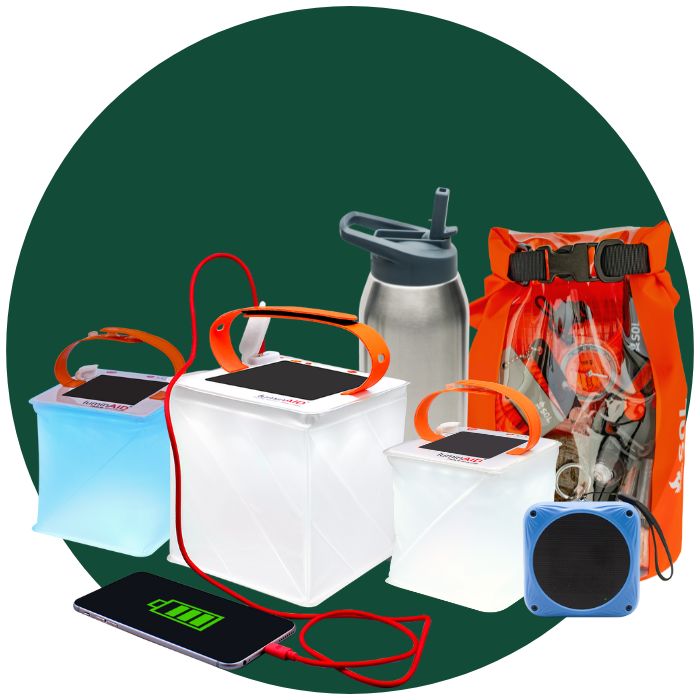
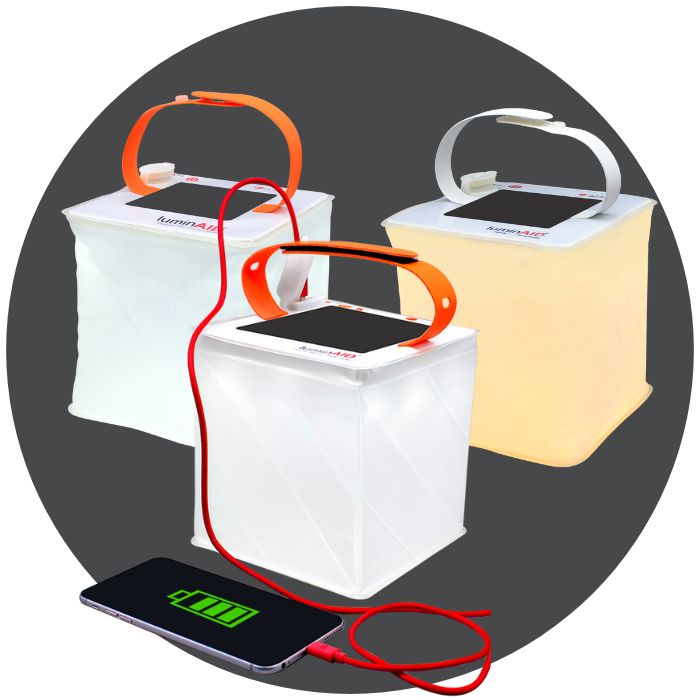
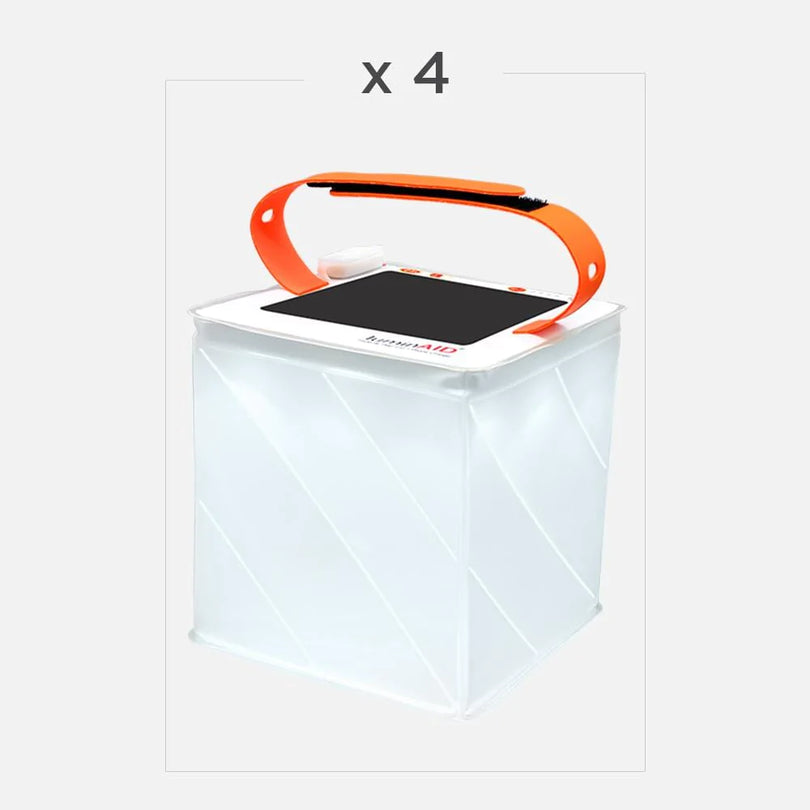
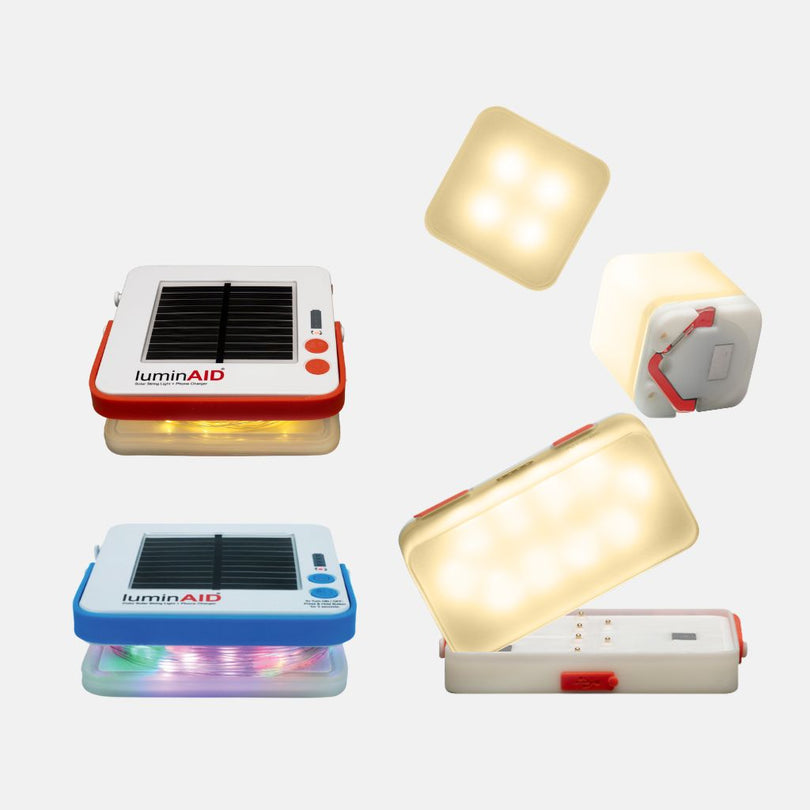
One practical example is a compact solar lantern with USB charging, such as those sold by LuminAID, which can provide portable light for camping and outages without disposable batteries.
Your Practical Guide to Selection and Setup
Buying sustainable outdoor lighting gets easier when you ignore the marketing language and focus on a short checklist. You're looking for fit, not hype.

Buying checklist
DarkSky and the Illuminating Engineering Society recommend choosing products that are useful, targeted, low level, controlled, and warm-colored, which helps save energy, reduce light pollution, and minimize wildlife disruption, as outlined in the Five Principles for Responsible Outdoor Lighting.
Use that framework while checking the basics:
- Power method: Pick solar or USB-rechargeable lights for portability and outage use. Choose low-voltage wired fixtures for permanent areas.
- Light output: Match brightness to the task. For a path or tent, “enough to see clearly” beats “as bright as possible.”
- Controls: Look for dimming, timers, or motion activation if available.
- Durability: Outdoor gear should handle rain, dirt, and repeated use.
- Charging practicality: For solar models, think about where the panel will get sunlight.
If you want a product-specific checklist, LuminAID's solar lantern buyer's guide is a practical reference for comparing portable options.
Quick setup checklist
A good light can still disappoint if it's placed badly. Setup matters.
- Give solar panels real sun: A shady decorative corner may look nice, but it won't charge well.
- Aim downward: Keep light on paths, tables, and entry points, not in people's eyes.
- Test before committing: Walk the route at night. Sit in the chair. Open the gate. Small adjustments make a big difference.
- Space lights by function: Put more attention on steps and transitions than open, empty areas.
- Use layers carefully: One task light and one softer ambient light usually feel better than several competing beams.
Common mistakes to avoid
| Mistake | Better move |
|---|---|
| Choosing by brightness alone | Choose by task and placement first |
| Mounting solar lights in shade | Place charging panels where they get direct sun |
| Lighting everything equally | Prioritize hazards, entries, and gathering spots |
| Ignoring controls | Use timers, dimming, or manual low modes when possible |
For a homeowner-oriented perspective on layout and fixture planning, R.E. and Sons Landscaping's lighting guide is a helpful resource.
The Future is Bright and Sustainable
The easiest way to think about sustainable outdoor lighting is this. Choose a sensible power source, use light efficiently, and keep its impact contained to the place and purpose you care about.
For some people, that means a low-voltage LED system along a front walk. For others, it means solar string lights over a patio, a lantern in the camping bin, or a rechargeable backup light ready for storm season. The smartest setups often combine permanent and portable options.
What changes once you start thinking this way is that outdoor lighting stops being just another utility purchase. It becomes part of comfort, safety, and preparedness. You use less wasteful light, get better visibility where it counts, and stay more capable when conditions aren't ideal.
That's a good trade.
If you want portable, off-grid lighting for camping, backyard evenings, and emergency preparedness, explore LuminAID for solar lanterns, solar string lights, and rechargeable lighting options that work without disposable batteries or constant access to an outlet.