


The backyard usually looks finished at sunset. Chairs are in place, the grill is ready, the plants look great in daylight, and then darkness wipes out all of it. The table where dinner should happen feels dim. The walkway disappears. The far corner of the yard turns into a blank patch nobody wants to cross.
That's where most homeowners get stuck. There are path lights, spotlights, wall lights, string lights, solar stakes, transformers, motion fixtures, and portable lanterns, all claiming to be the best outdoor lighting for backyard spaces. Too many setups end up either underlit and disappointing or so bright they feel like a parking lot.
A better approach is to think in layers and power sources, not just products. Some backyards need a permanent low-voltage backbone. Others benefit from portable solar lighting that can move with the season, the party, or the person using the space. For many homes, the smartest answer is a hybrid plan that mixes both.
Table of Contents
- Your Guide to a Brighter Backyard
- The Four Layers of Backyard Lighting
- Decoding the Technical Specs for Outdoor Lights
- Powering Your Lights The Smart Way
- Designing Your Backyard Lighting Layout
- Installation Maintenance and Budgeting Tips
- When Portable Solar Lights Are the Perfect Choice
Your Guide to a Brighter Backyard
A familiar backyard lighting project starts the same way. A family wants to eat outside more often, let the kids stay out a little longer, or make the patio useful after work. They buy a few random fixtures, install them wherever there's room, and the result feels scattered. One area is too bright, another is still dark, and nothing looks intentional.
The best outdoor lighting for backyard spaces doesn't come from buying the fanciest fixture. It comes from matching the light to the job. A path light should guide movement. A dining light should make faces and food easy to see. A tree uplight should add depth, not glare. A portable light should go where wiring can't or shouldn't.
That's why a hybrid plan works so well for modern homes. Permanent low-voltage lighting handles the structure of the yard. Solar and portable lighting add flexibility. They can support a party one weekend, sit by a hammock the next, and move into an emergency kit when the weather turns rough.
Practical rule: Treat the backyard like an outdoor room. Every light needs a purpose, and every purpose needs the right power source.
A good plan doesn't need to be complicated. It needs a clear layout, realistic brightness, weather resistance that fits the site, and a power strategy that won't become annoying after the first season.
The Four Layers of Backyard Lighting
A backyard feels right at night when each area has a job and the light matches it. One fixture type cannot handle dining, walking, safety, and atmosphere equally well. The strongest setups layer those roles, then split them between permanent fixtures and portable pieces where that choice makes sense.

Ambient light sets the mood
Ambient light gives the yard a base glow. It helps the space feel occupied, calm, and easy to read after sunset. Over a patio, that may come from string lights, sconces, or a few well-placed lanterns. Around a lounge area, it may come from portable solar lamps you can move with the furniture.
This layer works best when it stays soft. If ambient light is too bright, the whole yard starts to feel exposed and flat. I usually advise homeowners to light the main gathering zone first, then stop before the perimeter becomes as bright as the patio.
Portable and solar fixtures are especially useful here because ambient needs change. A quiet weeknight setup often looks different from a birthday dinner or a late summer gathering.
Task lighting supports the places where people actually do things
Task lighting belongs where accuracy matters. Grill stations, outdoor counters, steps, gates, and dining tables all benefit from more direct light than the rest of the yard.
This is usually where wired fixtures earn their keep. A grill area or a set of stairs needs dependable light every time you flip the switch. Battery and solar lights can help fill gaps, but they are usually better as support than as the only source in spots tied to cooking or footing.
Good task lighting should make work easier without shining into someone's eyes. Aim matters as much as fixture choice.
Accent lighting adds depth
Accent lighting gives the yard shape after dark. It can pull attention to a tree, a textured wall, a planter cluster, or a water feature. Used well, it creates contrast and keeps the yard from reading as one flat, bright plane.
A little goes a long way. One or two accent points often look better than trying to light every plant in sight. The goal is to guide the eye, not create a showroom.
This is another place where a hybrid plan helps. A wired uplight can anchor a favorite tree year-round, while a portable solar fixture can highlight seasonal containers or a temporary seating area without trenching new cable.
Security and path lighting keep the space usable
Security lighting covers entrances, side yards, and other areas where clear visibility matters. It should be bright enough to identify faces, door hardware, and changes in grade. It should not blast the entire yard with harsh light all night.
Path lighting has a different job. It guides movement, marks edges, and helps guests see where to step. In many backyards, this layer ends up being the one people appreciate most because it unobtrusively makes the whole space easier to use.
Low-voltage LED systems are a common choice for residential backyard paths because they are efficient, reliable, and well suited to permanent routes. Solar path lights also have a place, especially along secondary paths, garden beds, or rented spaces where digging is not practical. For exposed locations, choose fixtures built for outdoor conditions, especially if you are comparing weather-resistant solar lights for year-round use.
The best results usually come from mixing these layers with intent. Keep the hard-working lights wired where consistency matters most. Use portable and solar fixtures where flexibility, lower installation effort, or seasonal changes matter more.
Decoding the Technical Specs for Outdoor Lights
A lot of outdoor lighting mistakes start at the product box. A fixture can look sharp online, then arrive too bright for dinner, too cool in color for the rest of the yard, or too lightly sealed for a spot that gets hit by rain and irrigation. The specs help you avoid that.

For most homeowners, three numbers matter first. Check lumens for brightness, IP rating for weather exposure, and color temperature for visual consistency. Get those right and the rest of the shopping process gets much easier.
What lumens feel like in a real backyard
Lumens tell you how much light a fixture puts out, but the better question is how that light will feel at night. A gentle path light and a floodlight can both be useful. They just do different jobs.
For seating areas, path edges, and small patio zones, lower-output fixtures usually create the most comfortable result. A light in the 100 to 200 lumen range is often enough for wayfinding and casual use, as noted earlier in the article. At that level, people can move around safely and still enjoy a softer evening atmosphere.
Security and task lighting need more output. Entry points, dark corners, and broad open areas usually call for a stronger beam and wider spread. That is where higher-lumen fixtures make sense.
A simple reference point:
| Use case | Recommended brightness |
|---|---|
| Cozy patio and pathways | 100 to 200 lumens per fixture |
| Security lighting for driveways and patios | 700 to 1,300 lumens |
| Larger open spaces | 2,000+ lumens |
Use those ranges as a starting point, not a rule carved in stone. Fixture height, beam spread, surface color, and nearby walls all change how bright a light feels. I usually tell homeowners to be cautious with output near seating. It is easier to add one more fixture than to live with glare every night.
Portable solar lights deserve the same scrutiny. Many are labeled for ambiance, but their weather rating and light output vary widely. If you are comparing movable fixtures for exposed beds, side yards, or seasonal seating areas, this guide to weather-resistant solar lights for outdoor use helps sort out which products are built for real outdoor conditions.
Why IP ratings deserve a close look
A fixture's finish does not tell you how well it handles weather. The IP rating does.
For general outdoor use, IP44 is a common minimum. For fixtures sitting in open rain or near irrigation spray, IP65 or higher is a safer target, based on outdoor fixture guidance cited earlier in the article. That difference matters more than many first-time buyers expect.
Covered patios, under-eave walls, and sheltered corners can often use fixtures with lighter protection. Open beds, fence lines, and exposed paths need better sealing. Hybrid lighting plans benefit from this distinction because wired fixtures often stay in place for years, while portable solar lights may be moved into harsher spots as the yard changes.
Buy for the hardest conditions the fixture will face.
Color temperature should stay coordinated
Color temperature shapes the mood of the yard more than wattage does. Warm light usually feels more inviting around dining and lounging areas. Cooler light can work for security or utility zones, but it often feels stark if it is mixed randomly with warmer fixtures nearby.
The common mistake is buying lights one at a time and ending up with three different color temperatures across the same backyard. Paths look amber, the patio looks white, and the accent lights look slightly blue. Even good fixtures can feel disjointed that way.
A better approach is to choose a narrow color range for the whole project and break that rule only on purpose. Keep entertaining areas and paths visually related. Then, if you want a brighter or cooler security light at a gate or service area, it reads as a functional choice instead of a mismatch.
CRI and wattage still matter, especially if you care about how plants, finishes, and food look under the lights. For a first backyard project, though, these three checks do most of the heavy lifting. Match the lumens to the task, match the IP rating to the exposure, and keep the color temperature coordinated across both your permanent fixtures and your flexible solar additions.
Powering Your Lights The Smart Way
A backyard usually feels its best when the power plan is invisible. Path lights turn on every night without fuss, the patio has reliable light for dinner, and a few portable fixtures can move with the occasion. That is why I rarely treat wired, battery, and solar as competing systems. In a well-designed yard, they each have a job.

Low-voltage wiring is the permanent backbone
Low-voltage LED lighting is still the best choice for the parts of the yard that need to work every night. Use it for primary paths, steps, key patio lighting, and the architectural or planting features you know will stay in place for years.
The main advantage is consistency. Once the transformer, cable runs, and fixture locations are set correctly, the system asks for very little from the homeowner beyond occasional cleaning and routine fixture checks. It also gives the yard a built-in look that portable fixtures usually cannot match.
Transformer sizing still matters. Leave headroom so the system is not running at its limit and so you can add a few fixtures later without rebuilding the power plan. I also like wired systems when homeowners want timers, dimming, or zone control, because those features are easier to manage when the backbone is fixed.
Battery lights solve a narrow problem
Battery fixtures are useful, but their role is small. They work well for a weekend gathering, a dark corner that needs a temporary test light, or a spot where you are not ready to commit to wiring yet.
For nightly backyard use, battery lights tend to become chores. Some units fade before others. Some need charging just when you want the yard to feel ready. That maintenance pattern is what pushes many homeowners toward either wired fixtures or newer solar options instead.
Solar works best in the right places
Modern solar lighting has earned a real place in backyard design. The mistake is expecting it to do every job equally well.
Solar performs best in open areas with dependable daytime sun, especially where trenching wire would be disruptive, expensive, or unnecessary. Fence lines, dining tables, detached seating areas, pergolas, and movable accent lighting are all good candidates. Shaded side yards, spots under dense tree canopy, and covered corners usually are not.
By combining wired and solar lighting, the hybrid approach pays off. Let wired lighting handle the fixed structure of the yard. Use solar where flexibility matters more than permanence. Homeowners planning for both everyday use and backup lighting often pick up good ideas from this guide to off-grid solar power, especially for portable lanterns and solar fixtures that can serve more than one purpose.
I also recommend borrowing placement ideas from larger projects before you buy fixtures. Even if your yard is residential, these 10 commercial landscape lighting design ideas show how layered lighting and clear zoning create a cleaner result.
A simple split works well for many backyards:
- Use low-voltage for paths, steps, the main patio, and permanent focal points.
- Use solar for movable seating zones, table lighting, fence accents, and spots where digging a trench makes no sense.
- Use battery lights for short-term needs, seasonal decor, or trial placement before installing something permanent.
That mix gives you reliability where you need it and flexibility where you want it. For a first backyard project, that balance is usually smarter than forcing the whole yard onto one power source.
Designing Your Backyard Lighting Layout
The layout usually decides whether a backyard feels calm and usable or busy and uneven. A good plan starts with how people move through the yard at night, then adds light where they stop, cook, eat, or relax. For most homeowners, the strongest result comes from a hybrid layout. Keep fixed routes and core gathering areas on dependable wired lighting, then use portable or solar fixtures where the setup changes with the season, the party, or the furniture.
Start with movement first
Begin at the back door and walk the yard after dark. Notice where someone could miss a step, clip the edge of a bed, or hesitate because the route is unclear. Those are the spots that need light first.
Path lights work best when they guide people without turning the yard into a runway. The Home Depot's lighting placement ideas recommend spacing path lights with enough room between fixtures to avoid a crowded look, and that advice holds up in real backyards. A little darkness between pools of light is normal. In fact, it usually looks better than lining every edge with fixtures.
A few layout habits improve almost every yard:
- Light the route people use. Skip decorative paths nobody walks at night.
- Stagger fixtures where possible. A single side of the path often looks cleaner than placing lights in strict pairs.
- Protect sightlines from chairs and tables. If you can see the bulb from a seated position, adjust the fixture or choose a shielded model.
- Use permanent lights for fixed circulation. Main walks, steps, and transitions deserve the consistency of wired low-voltage fixtures.
Spacing takes restraint. Homeowners often add one or two fixtures too many, especially near short paths and patio edges.
Build the seating area in layers
A patio should feel anchored, not isolated in a dark yard. The best layouts usually combine a low level of ambient light, one practical light for tasks like grilling or serving, and a small amount of background illumination beyond the seating area. That last piece matters more than people expect. If the yard disappears completely outside the table or sofa, the whole space can feel smaller at night.
Trees, fence lines, textured walls, and large planters can all help create depth. Use them selectively. One well-placed accent light often does more than several scattered fixtures competing for attention. For inspiration, the partner resource on 10 commercial landscape lighting design ideas is useful because larger projects often solve visibility, zoning, and layering problems in ways that translate well to a backyard.
This is also the point where the hybrid approach earns its keep. Keep the grill zone, steps, and primary seating edge on wired fixtures if those elements stay put year-round. Use solar table lights, rechargeable lanterns, or movable solar stakes for overflow seating, a fire pit circle, or a corner that changes use through the year. Homeowners who want lower-waste options can borrow ideas from these sustainable outdoor lighting approaches and apply them where flexibility matters more than permanence.
Test the layout before you commit
Set out temporary lights before installing anything permanent. Even a few portable fixtures or lanterns can help you judge brightness, glare, and spacing in a real backyard at night.
I recommend checking the yard from three positions. Walk the path. Sit at the dining table. Look back at the house from the far edge of the yard. If one fixture draws all your attention, it is usually too bright, too exposed, or aimed poorly. The best layouts feel intentional without calling attention to every individual light.
Installation Maintenance and Budgeting Tips
The smoothest backyard lighting projects aren't always the biggest ones. They're the ones that match installation effort, upkeep, and spending to how the yard gets used.
Choose the right level of installation
Solar and portable lights are the easiest to deploy. There's little to install beyond placement, charging exposure, and occasional repositioning. They're ideal for renters, seasonal entertaining, and homeowners who want visible improvement without trenching or cable runs.
Low-voltage systems ask more upfront. Cables have to follow a plan, fixture positions need testing, and transformers need to be sized correctly. The payoff is a cleaner, more permanent result.
A simple rule helps here. If the light needs to work in the same spot every night, permanent installation usually makes sense. If the use changes often, flexibility matters more.
Maintain the system before it looks neglected
Outdoor lighting ages faster when nobody checks it. Lenses get dirty. Solar panels collect pollen and dust. Plants grow in front of beam spreads. Connections loosen. None of that is dramatic, but all of it reduces performance.
A short maintenance routine goes a long way:
- Clean exposed lenses and panels: Dirt softens output and cuts charging efficiency.
- Trim back plant growth: Shrubs and grasses can block beams within a season.
- Check aiming after storms or yard work: A shifted spotlight can throw glare into a seating area.
- Inspect fixtures for moisture issues: Catching a failing seal early is easier than replacing a group of lights.
Spend where the effect is visible
Budgeting gets easier when the yard is treated like a priority map, not a catalog order. Spend first on the areas people use and notice most. That usually means the main path, the primary seating zone, and one or two focal points that give the space depth at night.
Everything doesn't need to happen at once.
Buy the backbone first. Then add atmosphere in layers as the yard shows what it still needs.
Portable solar lights can stretch a budget because they add usable light without committing the homeowner to a permanent layout on day one. For emergency planning, it also makes sense to keep lighting alongside supplies from trusted outdoor readiness brands such as Adventure Medical Kits, especially for homes that prepare for outages, storms, or evacuation scenarios.
When Portable Solar Lights Are the Perfect Choice
Some backyards don't need more wiring. They need freedom. Portable solar lights are the better solution when the space changes often, the homeowner rents, or the lighting has to do more than one job.
A renter can hang temporary lights for a patio dinner without altering the property. A family hosting a graduation party can add light to a fence line, kids' table, or yard game area, then pack everything away the next morning. A homeowner can keep a portable lantern by the back door for power outages and still use it on the deck the rest of the year.
Portable solar lighting also fits people who split time between home and the outdoors. The same light can move from backyard dining to a campsite, RV, porch, or emergency bin. That versatility is hard for fixed fixtures to match.
There's also a practical safety angle. Outdoor evenings don't just bring darkness. They often bring bugs, especially around seating and dining zones, so it's smart to pair lighting plans with sensible comfort basics like outdoor insect protection from Ben's when people will be outside for hours.
The best outdoor lighting for backyard spaces isn't always the most permanent system. Sometimes it's the light that can go exactly where it's needed, exactly when it's needed.
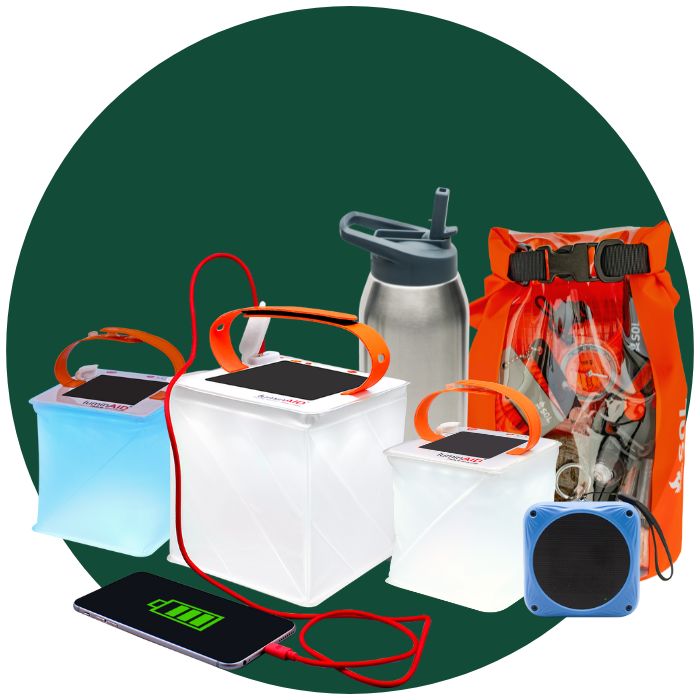
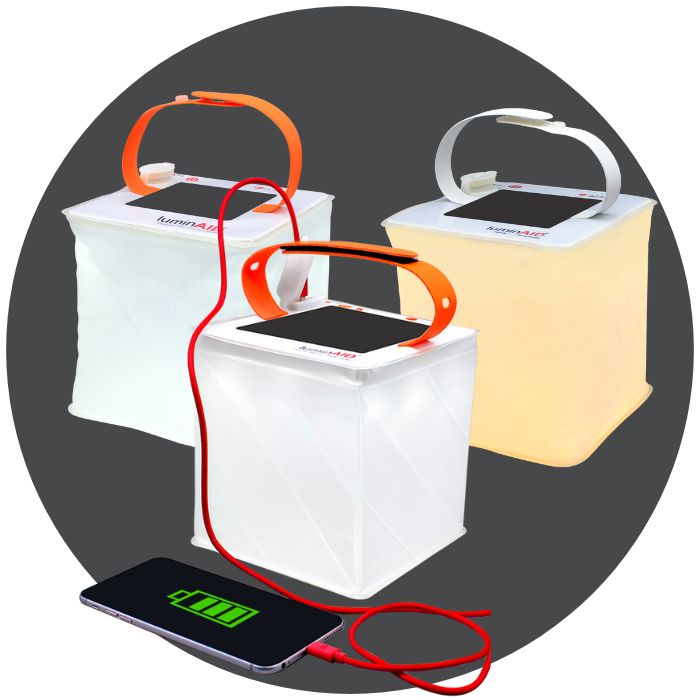
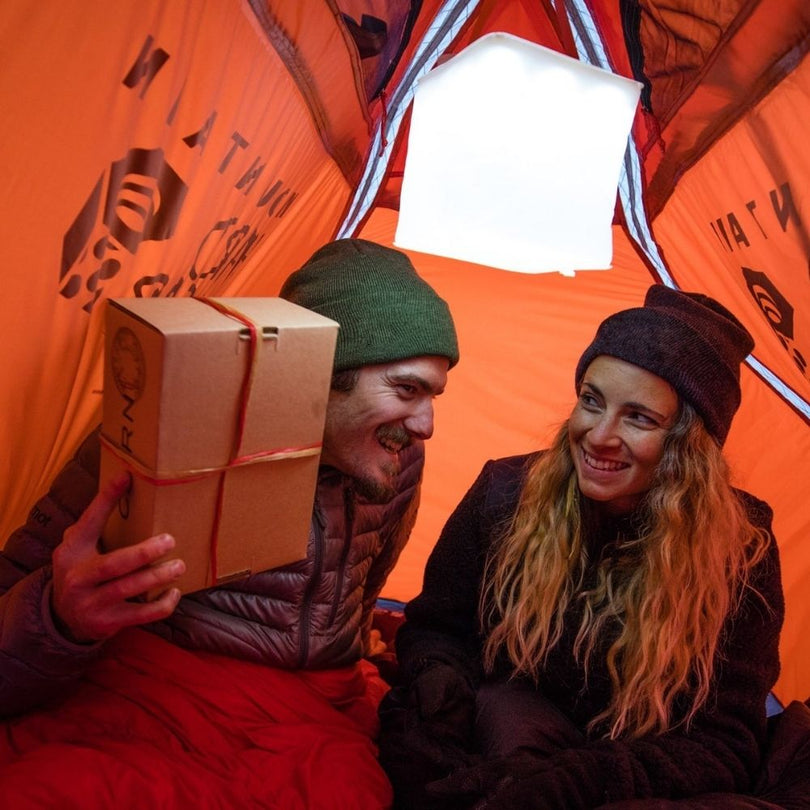
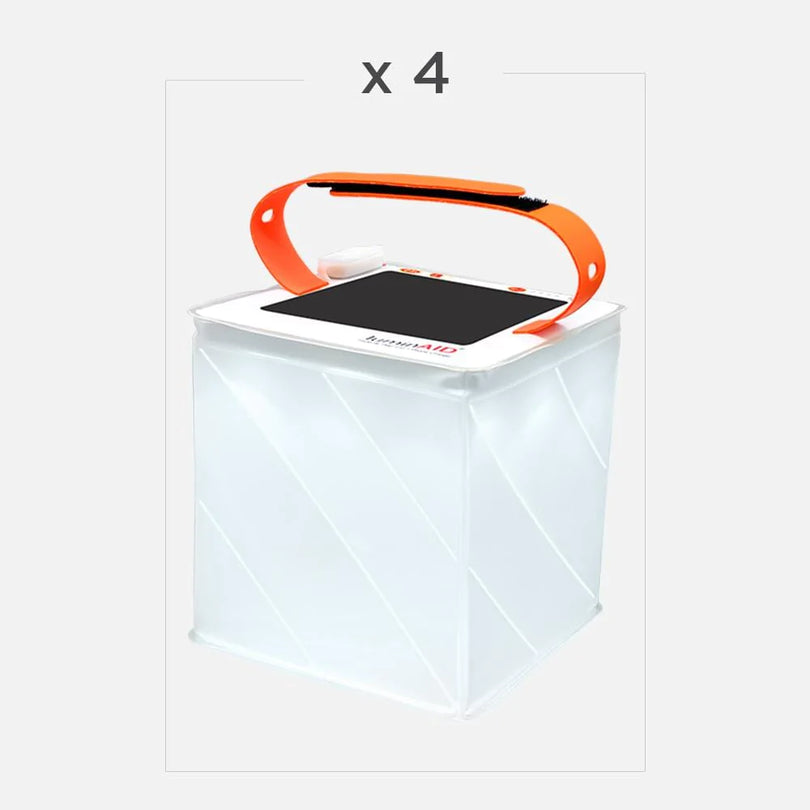
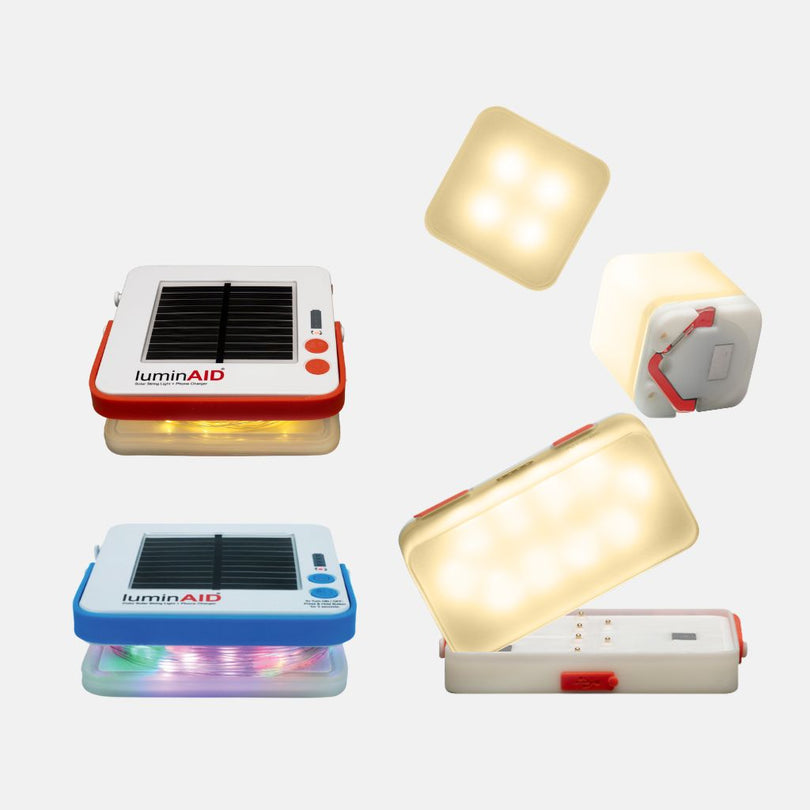
For homeowners who want flexible backyard lighting that also works for camping, travel, and emergency kits, LuminAID offers portable solar lanterns, solar string lights, and off-grid lighting options designed for practical everyday use.