

A lot of people start shopping for solar lights after one bad night. A storm rolls in at camp. The garden lights that looked fine on a product page fade out early. A power outage hits at home, and the “emergency” lantern in the closet turns out to be more decorative than dependable.
That's usually when the primary question shows up. Not “Which solar light is brightest?” but “Which one will still work after rain, cold, storage, and repeated use?”
That's the right question. Weather resistant solar lights aren't all built for the same job. Some are casual accent lights for fair weather. Others are meant to ride in a camping bin, sit on a patio all year, or stay ready in an emergency kit. The difference comes down to how well the housing is sealed, what battery sits inside, and how the whole system handles real outdoor wear instead of showroom conditions.
Why Dependable Off-Grid Lighting Matters
The problem shows up when you need light right now. Rain starts hitting the tent, the path back to the car turns slick, or the power drops at home and the hallway goes black. In those moments, a solar light stops being a nice extra and starts acting like safety gear.

Reliable off-grid lighting helps you do ordinary tasks under bad conditions. You can find a zipper, check a fuse box, walk stairs without guessing, or keep one room usable during an outage. The basic appeal is simple. The light charges during the day, stores that energy, and gives it back after dark without needing wall power or a stash of disposable batteries.
That sounds straightforward, but long-term durability is where the real buying decision happens. A solar light can work fine on a clear evening and still fail early after damp storage, wind-driven rain, repeated charging cycles, or months of sitting outside. That gap between first-week performance and year-three reliability is what separates decoration from dependable gear.
Where people often choose the wrong light
Shoppers often buy by appearance first. A lantern has thick plastic corners, so it looks rugged. A path light says “outdoor,” so it seems ready for all-season use. That is a bit like choosing hiking boots by tread pattern alone. They may look capable, but the stitching, materials, and water sealing decide how they hold up after real miles.
A better rule is to buy for the hardest conditions you expect, not the nicest evening on the box.
A camper dealing with wet ground, a homeowner preparing for storm season, and someone lighting a patio for dinner all ask different things from the same category of product. If you're planning a larger self-reliance setup, this practical guide for Florida off-grid homeowners is useful because it treats lighting as one part of a bigger resilience plan.
For smaller setups, portable lighting still matters. This guide to outdoor lighting without electricity shows how untethered lights fit into campsites, patios, and emergency kits without adding wiring.
What dependable really means in the field
Dependable off-grid lighting usually comes down to three plain tests:
- It keeps working after bad weather. Rain, dust, splash, and humid storage should not end the light's useful life.
- It gives usable light for the whole job. A brief burst of brightness is less helpful than steady runtime through the night or through an outage.
- It stays ready between uses. Good gear should still perform after sitting on a shelf, in a camping bin, or outside for weeks at a time.
Those points matter because every extra feature brings a trade-off. Higher brightness can shorten runtime. A smaller body is easier to pack, but it may leave less room for battery capacity or heat control. Strong durability usually comes from boring details that marketing copy tends to skip, such as seals, housing quality, charge management, and replaceable parts.
That is why dependable weather resistance is not just a bonus feature. It is one of the clearest signs that a solar light was built to last, not just to sell.
Decoding What Weather Resistant Really Means
“Weather resistant” is one of the loosest phrases in outdoor gear marketing. One brand uses it for a light that can handle a drizzle. Another uses it for a lantern that can sit through a storm. You need a better filter than the label.
That filter is the IP rating, short for ingress protection. It serves as a report card for how well the light's housing keeps out dust and water.

Read the rating like a jacket label
An IP rating works a bit like checking whether a rain jacket is water resistant or fully waterproof. The label tells you what kind of exposure the product is built for.
For outdoor solar lights, a common benchmark is IP65, which indicates dust-tight construction and resistance to water jets. Higher ratings such as IP67 provide stronger protection because they can tolerate temporary submersion (PacLights explanation of key solar lighting metrics).
A separate engineering guide breaks that difference down more precisely. IP65 means the enclosure is dust-tight and protected against low-pressure water jets from any direction, while IP67 means the fixture can survive temporary immersion up to 1 meter for 30 minutes (Sigo Street Light guide to IP65, IP66, and IP67 ratings).
What those ratings mean in real life
Here's the plain-English version:
- IP65 fits rain, sprinklers, wet patios, and routine outdoor exposure.
- IP67 adds a stronger safety margin if your light might get knocked into water, sit in pooled rain, or live in harsher conditions.
A light with no stated IP rating might still work outside for a while. It just hasn't given you a clear standard to judge.
That matters more now than it used to. Solar lights aren't judged only on looks anymore. Buyers now compare them using durability measures such as brightness, battery capacity, panel efficiency, and ingress protection. That shift tells you the category has matured. People expect these lights to perform through bad weather, not just on calm summer nights.
Don't confuse “outdoor” with “sealed”
Some event buyers run into this same problem with temporary outdoor setups. Weather changes expose weak seams fast. That's one reason broader shelter planning matters too, and Premier Marquee Hire's guide is a useful companion read if you're thinking about lighting for covered outdoor spaces over a longer term.
If you remember one thing from this section, make it this: weather resistant solar lights should be judged by their IP rating first, not by packaging language.
Key Technical Features of a Durable Solar Light
Durability comes from how a solar light ages, not how it looks on day one.
A reliable outdoor light is really a small system with three wear parts working together: the solar panel, the LEDs, and the battery. Those parts do not age at the same pace. Industry guidance on solar light lifespan notes that panels often outlast the other components, LED fixtures can run for many years, and the battery is usually the first part that limits service life (industry durability guidance on solar light lifespan).
The battery usually decides the practical lifespan
This trips up a lot of buyers. The panel sits in full sun and rain, so it looks like the part most likely to fail first. In many lights, the battery is the consumable part instead.
Battery chemistry matters for the same reason tire quality matters on a truck. Two vehicles can look similar in the driveway, but the one with better tires handles rough use for longer. Low-cost NiMH or lead-acid batteries tend to wear out sooner, while LiFePO4 batteries usually hold up better through repeated charging and seasonal temperature swings.
Field note: If a product page spends more time on color modes than battery chemistry, replacement options, or cycle life, I assume the light was designed to sell fast, not last long.
That one spec tells you a lot about the light's role. Some models are fine as occasional accent lights. Others are built more like tools you expect to keep through multiple seasons.
Materials and weak points decide whether the seal lasts
IP ratings tell you how well a product resists water and dust when tested. They do not tell you how well the housing holds up after months of heat, cold, and handling. A solar light works like a rain jacket. The label matters, but the zipper, cuffs, and stitching often fail before the fabric does.
That is why experienced buyers inspect the stress points, not just the headline specs:
- Panel cover: A cover that scratches, hazes, or yellows can reduce charging over time.
- Switch design: Loose or soft rubber buttons are common moisture entry points.
- Port covers: USB ports and charging inputs add convenience, but every opening is another place for water to creep in.
- Body material: Better plastics and polymers resist sun damage, cracking, and repeated packing more effectively.
One practical feature that helps with everyday control is an outdoor solar light with an on-off switch. It lets you save power when you do not want the light turning on automatically at dusk.
Brightness, runtime, and lifespan pull against each other
A brighter light is not always the more durable choice. High output drains stored energy faster, creates more heat, and can put more pressure on a small battery if the light runs at full power every night.
That trade-off matters in the yard as much as it does at camp. A decorative pathway light can prioritize long, modest output. A task light near stairs or a shed may need a stronger beam, but you should expect tighter runtime limits unless the panel and battery are sized to match. The same balancing act shows up in wired systems too, which is why this guide for luxury backyard lighting is useful if you are comparing solar durability with low-voltage setups.
A durable solar light is a balanced package. Good battery chemistry, decent thermal control, stable materials, and sensible brightness levels usually matter more over three years than a flashy lumen number on the box.
How to Choose the Right Light for Your Needs
You hear rain on the tent fly at 2 a.m., or the power drops during a storm, or the path to the RV is darker than expected. In each case, the wrong solar light fails in a different way. That is the essential starting point for choosing one. Pick the light based on the kind of failure you can live with, and the kind you cannot.
A good buying shortcut is to match the light to the job, then check whether its design supports that job over months and years, not just on the first weekend. A patio accent can tolerate dimmer output or occasional inconsistency. A camp lantern or outage light cannot.

For campers and backpackers
Camp lighting has to earn its space in your pack. A light that is bright but awkward to carry, hard to charge, or fussy to operate with cold hands usually gets left behind.
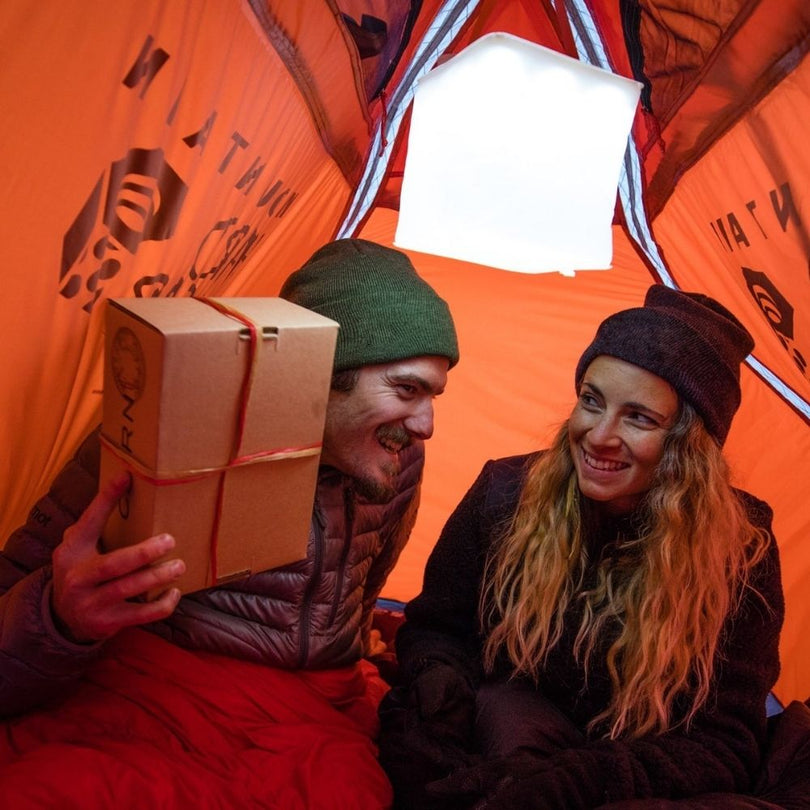
For camping, look for three things working together. First, a form factor that packs flat or clips easily. Second, enough runtime for dinner, cleanup, tent use, and a middle-of-the-night trip outside. Third, controls that make sense when you are tired. As noted earlier, many solar lights can run through the night on a full charge, but that depends heavily on sun exposure and brightness setting. In wooded campsites, winter conditions, or cloudy stretches, lower modes often matter more than a high peak output.
One practical check is to review the brand's charging guidance before you buy. A clear solar lantern charging guide usually tells you a lot about how the product is meant to be used in real conditions.
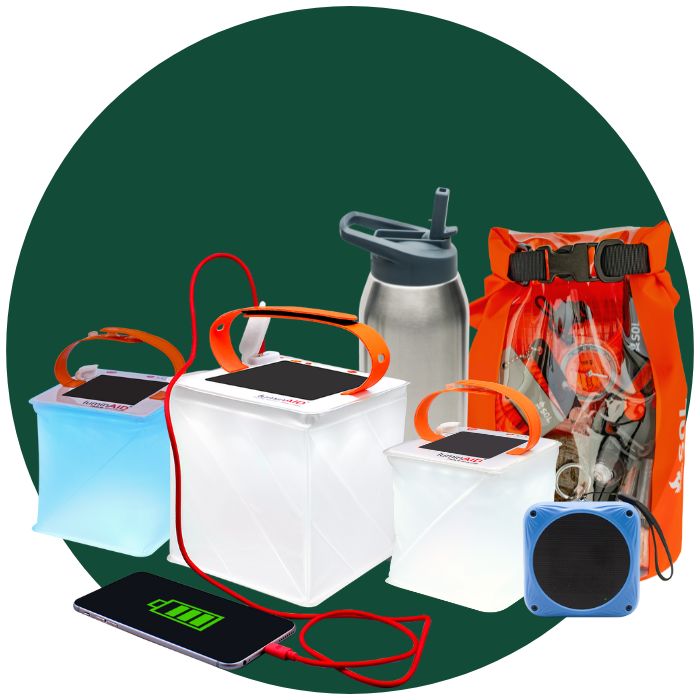
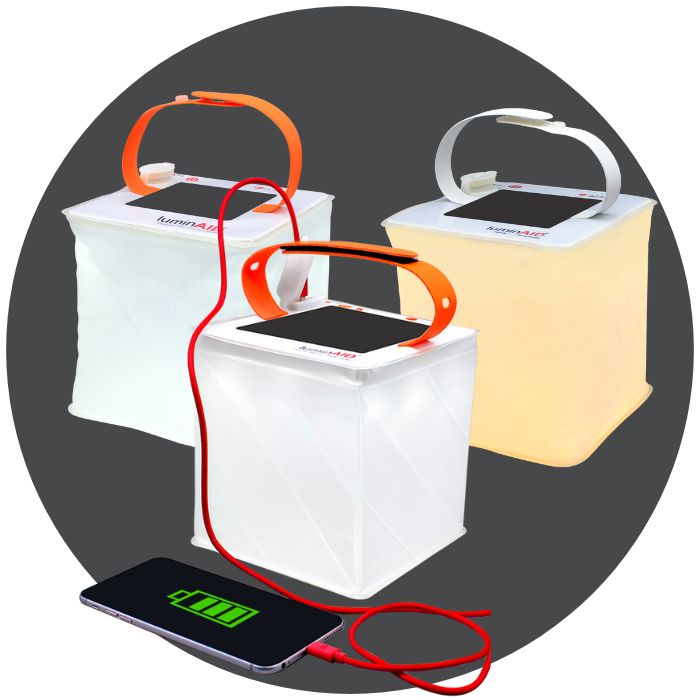
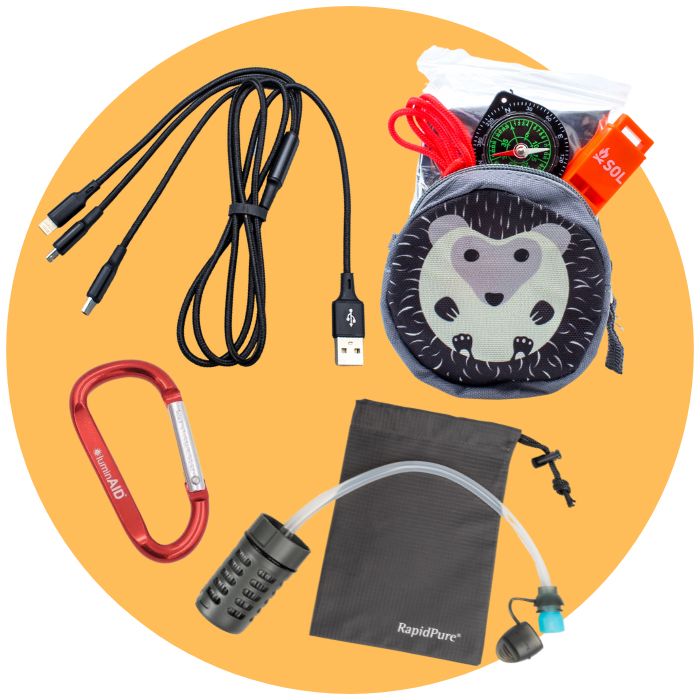
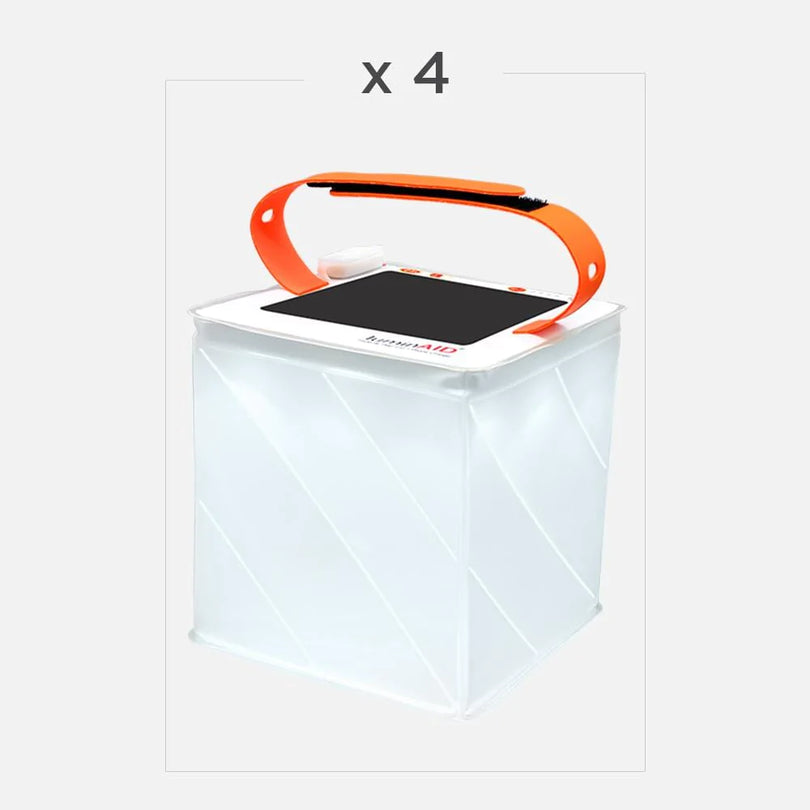
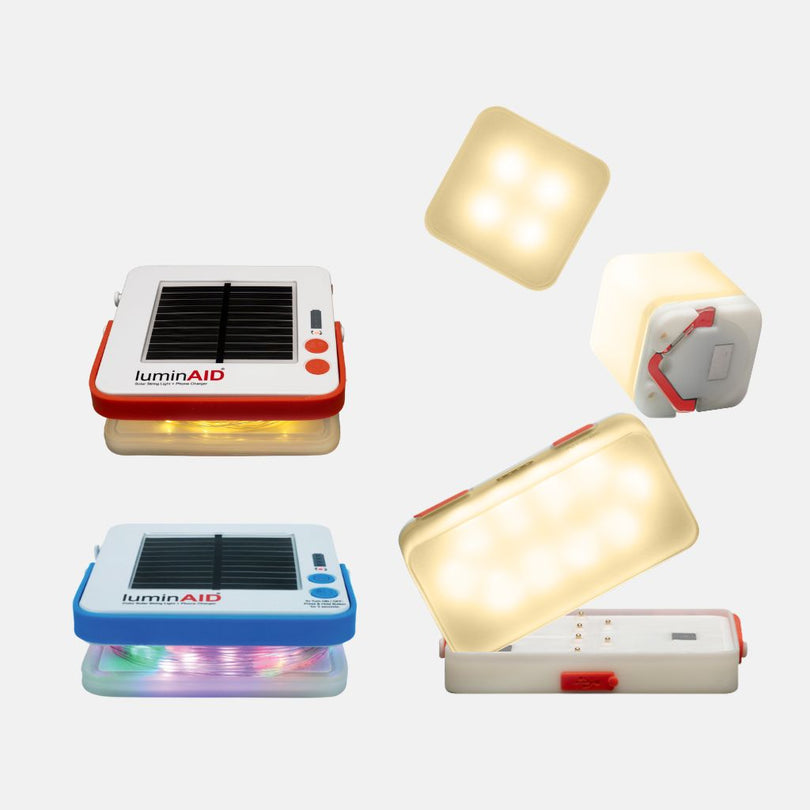
One example in this category is LuminAID, which makes portable solar lanterns and phone-charging lanterns for camping and emergency use. The main appeal here is portability and sealed construction, not permanent installation.
For emergency kits and storm prep
A preparedness light should be simple enough that anyone in the house can use it without instructions. Under stress, that matters more than extra features.
Choose a light that is easy to find in a storage bin, easy to top off before storm season, and easy to switch on in the dark. Lantern-style light often works better indoors than a narrow beam because it fills a room instead of creating one bright spot. A stable shape also helps. If the light rolls, collapses awkwardly, or turns on accidentally in storage, it becomes annoying fast.
Keep these priorities in mind:
- More than one charging option: Solar helps during outages, and USB charging adds flexibility before or after a storm.
- Straightforward controls: One button is often better than a long cycle through flashing and color modes.
- Useful indoor light pattern: Wide, even light helps with power outages, stairs, and shared rooms.
- Storage durability: A light for a go-bag or closet should handle months of waiting without cracked parts or drained batteries.
Medical and safety supplies matter alongside lighting. If you're building a home kit or go-bag, Adventure Medical Kits is a practical companion resource for first-aid planning.
For patios, backyards, and RV setups
This category rewards honesty about the job you need the light to do. Decorative lighting and dependable utility lighting overlap, but they are not the same purchase.
For pathways, steps, and entry points, consistency matters more than a dramatic lumen claim on the box. You want a light that charges predictably, survives long sun exposure, and still works after repeated weather swings. For table lanterns or RV use, portability and easy placement may matter more. For string lights and accent pieces, treat them as atmosphere first. They can look great, but they usually should not be your only source of useful outdoor light.
A simple rule helps here. Use small solar lights for mood, medium ones for general visibility, and purpose-built lights for tasks like stairs, gates, sheds, or cooking areas. If you're mixing solar accents with a more designed outdoor setup, this guide for luxury backyard lighting gives useful context on how decorative and functional lighting can work together.
Simple Maintenance for Long-Lasting Performance
A good solar light doesn't need much babysitting. It does need occasional attention.
One of the most overlooked realities is that weather resistance can degrade in real use. Long-term failure modes such as moisture ingress after repeated rain/freeze cycles are common, which is why periodic inspection and maintenance matter after the original rating is printed on the box (expert discussion of real-world solar light failure modes).

The short checklist that prevents most problems
- Clean the panel: Dust, pollen, and grime reduce charging performance.
- Check the seals: Look at buttons, port covers, and housing seams after storms.
- Watch for cracks: Even small body damage can let water creep in over time.
- Trim obstructions: A branch that shades the panel can diminish nightly runtime.
- Store smartly: If a light won't be used for a while, keep it dry and avoid rough compression in a gear box.
Most “bad battery” complaints start with poor charging conditions, not a dead light.
Pay attention after hard weather
The best time to inspect a weather resistant solar light is after it has been stressed. Heavy rain, a freeze-thaw cycle, or a drop onto hard ground can expose problems that don't show up during normal use.
Check whether the lens has fogging inside, whether the switch feels looser than before, and whether charging performance drops suddenly. If your light has specific charging guidance, follow the manufacturer's instructions. For example, this how to charge your LuminAID guide shows the kind of product-specific care information worth reviewing for any solar lantern you own.
Routine maintenance isn't glamorous. It's what separates gear that lasts one season from gear that stays useful.
Light Your Way with Confidence
The smartest way to buy weather resistant solar lights is to ignore the marketing glow and inspect the working parts. Check the IP rating. Look at the battery chemistry. Think about how the light will be used, stored, and exposed to weather over time.
That approach changes what you notice. You stop asking only whether a light is bright on day one. You start asking whether it can still charge well, stay sealed, and deliver usable light after months of rain, sun, packing, and standby duty.
That's the difference between novelty lighting and dependable gear.
For a campsite, a storm kit, or a backyard setup, durable solar lighting gives you more than convenience. It gives you a light source that doesn't depend on cords, outlets, or a last-minute battery run when conditions get messy.
If you want portable off-grid lighting for camping, emergencies, or everyday outdoor use, take a look at LuminAID. Their solar lanterns and light-and-charger options are designed for situations where compact storage, simple charging, and dependable illumination matter.