
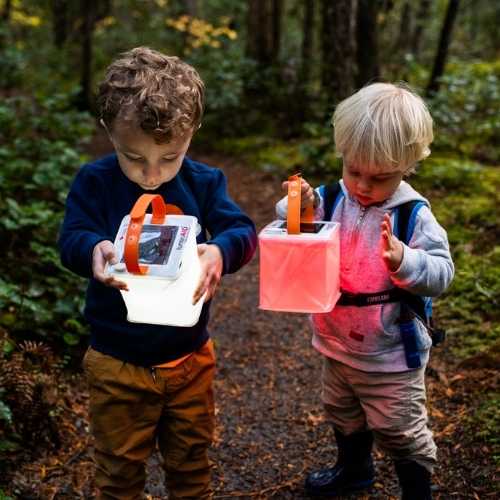

A lot of outdoor spaces look great at 5 p.m. and feel unusable by 8. A patio disappears into shadow, a balcony turns flat and cold, or a campsite becomes a circle of harsh flashlight beams. The furniture is there. The view is there. The comfort isn't.
That's where outdoor ambient lighting earns its keep. Soft, low-glare light can turn a backyard, RV site, or tent setup into a place people want to stay in after dark. It works a bit like painting with light. Instead of flooding every corner, it highlights only what matters and lets the rest of the scene breathe.
Table of Contents
What Is Outdoor Ambient Lighting
Outdoor ambient lighting is the base layer of light that makes an exterior space feel comfortable, welcoming, and easy to use after sunset. It isn't the sharp beam over a grill station, and it isn't the bright security floodlight over a driveway. It's the gentle glow that helps people relax, talk, move around safely, and enjoy being outside longer.
A simple way to think about it is this: task lighting helps people do something, accent lighting helps people notice something, and ambient lighting helps people feel something. On a deck, that might mean soft string lights overhead. At a campsite, it could mean a lantern hung high enough to glow through the whole setup without shining directly into anyone's eyes.
The interest in this kind of lighting keeps growing. The ambient lighting market surpassed USD 70 billion in 2023 and is projected to reach USD 150–155 billion by 2032, driven by LED advances and growing demand for sustainable outdoor living design, according to GM Insights on ambient lighting market growth.
Outdoor ambient lighting doesn't need to be permanent to feel polished. Portable solutions can create the same sense of place with far less effort.
That matters for homeowners and for people who travel light. A renter with a small balcony, a family with a backyard patio, and a camper setting up at dusk all want the same thing: usable light that doesn't feel harsh. Flexible setups often do that better than complicated installs.
For readers exploring no-outlet setups, outdoor lighting solutions without overcomplicating the space can open up more options than a traditional outdoor area plan.
Why Ambiance Is Your Most Important Outdoor Upgrade
Furniture gives a space function. Plants give it texture. Light gives it mood.
That's why ambiance often changes an outdoor area more than any other upgrade. A table and chairs on a dark patio still feel unfinished. Add a warm, soft layer of light, and the same patio starts to feel like an outdoor room. The shift is emotional as much as practical.
Atmosphere changes how a space feels
Ambient light works like a film score. Two scenes can use the same setting, but the mood changes completely depending on what surrounds it. Warm, indirect light makes people slow down. It softens faces, calms visual clutter, and makes simple materials like wood, canvas, and stone look richer.
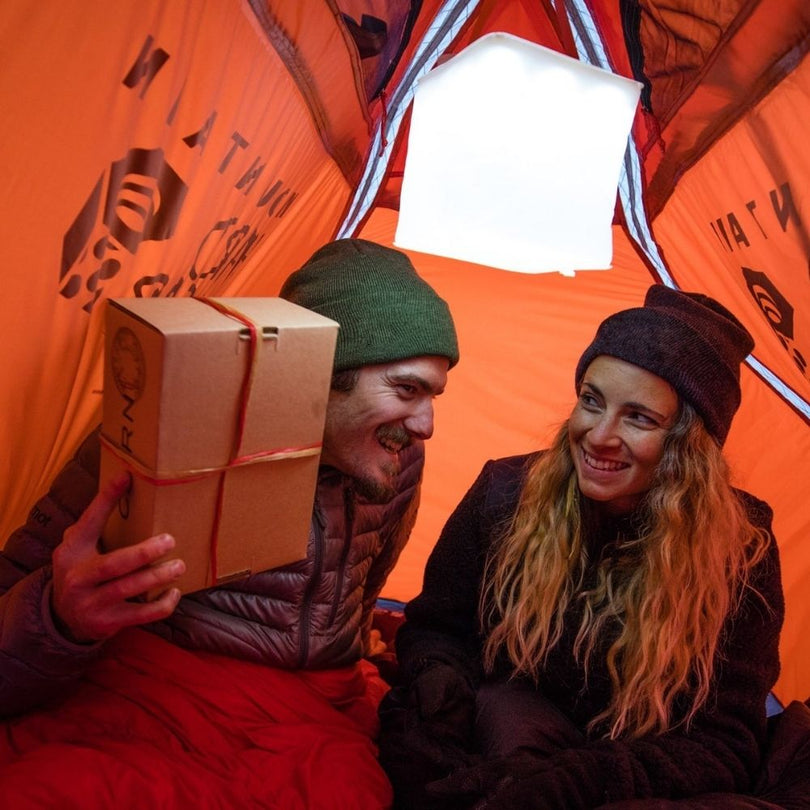
That's true in backyards and in campsites. A lantern set low beside a camp chair creates a very different mood than a headlamp cutting across everyone's line of sight.
Soft light improves safety without turning the space into a parking lot
Good ambiance isn't only decorative. It helps people see edges, changes in level, and movement paths. Steps, tent lines, cooler handles, and the perimeter of a seating area become more easily managed when the light is spread gently and placed with intention.
A harsh floodlight can technically increase visibility, but it often creates glare and deep shadows at the same time. That's why many outdoor spaces feel less usable after someone installs lighting that's too bright.
Practical rule: If people squint, shield their eyes, or look away from the fixture, the setup is working against the space.
Better evenings start with better visibility
Ambient lighting extends the useful life of an outdoor area. Dinner can continue after sunset. A family can play cards at camp without balancing flashlights on water bottles. An RV site can feel settled instead of improvised.
Three common upgrades do the most work:
- Overhead glow: String lights or suspended lanterns define the ceiling of an outdoor room.
- Low pathway guidance: Small pools of light help people move without flattening the whole yard.
- Comfort lighting near seating: Warm lantern light close to chairs makes conversation easier and more natural.
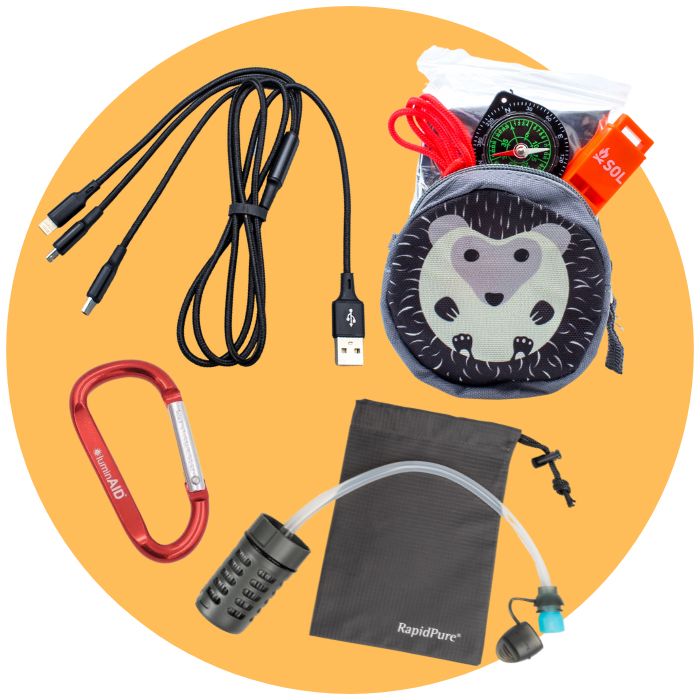
For campsites, the same thinking supports safety. A softly lit perimeter and a clear path to the tent or restroom area can make nighttime movement calmer. Outdoor travelers who also want practical emergency gear often keep camping and survival essentials from Survive Outdoors Longer with their lighting kit so the site stays both comfortable and functional.
The Three Principles of Lighting Design
The best outdoor ambient lighting usually looks effortless. Under the surface, it follows a few simple rules. Once those rules are clear, choosing fixtures gets much easier.

Light layering
A well-lit outdoor space rarely depends on one fixture. It uses layers. Ambient light is the foundation, then smaller task and accent elements support it.
A backyard example makes this easy to see:
- Ambient layer: string lights over a pergola
- Task layer: a brighter light over the grill or prep table
- Accent layer: one focused light on a tree, planter, or wall texture
At a campsite, the same principle applies with simpler tools. One lantern inside the tent, another near the cooking area, and a softer hanging light near chairs often feels more balanced than a single bright source in the center.
Color temperature
Color temperature controls whether light feels cozy or clinical. For outdoor ambient use, 3,000K or lower is the target range for warm, welcoming light, according to Screwfix's guide to outdoor lighting color temperature.
Warm light tends to flatter outdoor materials. Wood looks warmer, stone feels softer, and faces look more natural. Cooler light has its place in high-visibility security zones, but it usually feels out of place around dining tables, fire pits, hammocks, and tents.
For readers who care about dark-sky friendliness, the warm end of the spectrum also aligns better with lower-glare outdoor environments.
Intensity and restraint
Brightness causes the most confusion. Many people assume more lumens always means better results. For ambience, that's usually wrong.
A useful benchmark for outdoor ambient lighting is 10 to 20 lumens per square foot, while task areas often need 30 to 50 lumens per square foot, based on City Lights SF guidance on outdoor lighting lumens. The same source notes that string lights commonly run at 50 to 100 lumens per bulb, which fits the softer role ambient lighting plays.
That lower level matters because ambient lighting is about comfort, not interrogation.
| Lighting goal | Typical output |
|---|---|
| Ambient mood lighting | 10 to 20 lumens per square foot |
| Task-oriented outdoor areas | 30 to 50 lumens per square foot |
The fastest way to ruin ambiance is to light every surface equally. Good outdoor light leaves room for shadow.
When the light level stays modest, the eye relaxes. People notice the scene instead of the fixture. That's the sweet spot.
Choosing Your Fixtures and Power Source
The fixture sets the mood. The power source sets the level of effort.
That's why a smart lighting plan starts with two questions. What kind of glow does the space need, and how permanent should the setup be?

What each fixture does best
Different fixtures create different emotional effects.
- String lights soften overhead space. They're good for patios, awnings, balconies, picnic shelters, and between trees.
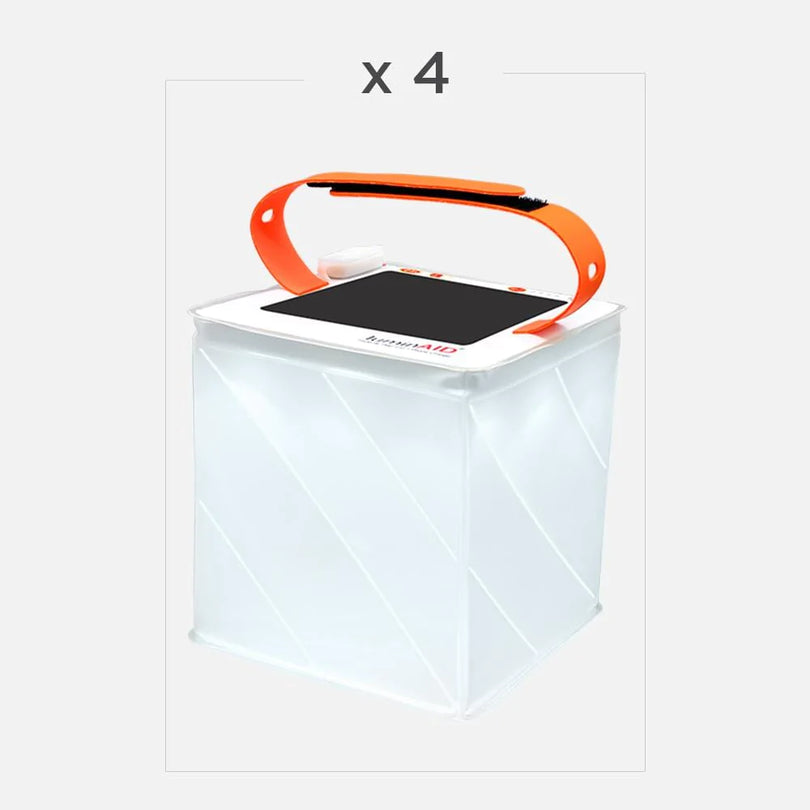
- Lanterns create a portable pool of light. They work on tables, inside tents, beside chairs, or hanging from a branch or hook.
- Path lights guide movement. They help on walkways, around deck edges, or near the route to a bathroom or storage area.
- Uplights add drama by lifting attention upward onto trees, posts, or textured walls.
A quick comparison helps:
| Fixture | Best effect | Best use case | Typical flexibility |
|---|---|---|---|
| String lights | Festive, overhead glow | Patios, awnings, pergolas | High |
| Lanterns | Soft portable light | Campsites, tables, tents | Very high |
| Path lights | Directional safety | Walkways, edges, entries | Medium |
| Uplights | Focus on features | Trees, walls, structures | Medium |
Portable and solar versus hardwired systems
Hardwired lighting can look clean and permanent. It also asks more from the space. Installation is more involved, fixture locations are harder to change, and the plan usually has to be right the first time.
Portable and solar systems solve a different problem. They let people test a layout, move pieces seasonally, and add light where power doesn't exist. That's especially useful for renters, RV owners, campers, and homeowners who don't want to trench a yard or hire electrical help.
A portable setup can follow the gathering. That's hardwired lighting's biggest weakness and solar lighting's biggest strength.
Solar and battery-based fixtures also make sense when the space changes often. One weekend it's a backyard dinner. The next it's a campsite. Later it may be a power outage. The same lighting kit can move through all three jobs.
For readers comparing no-outlet options, outdoor lighting without electricity gives a useful overview of how portable setups fit spaces that would be awkward or expensive to wire.
Smart Placement for Yards Campsites and RVs
Placement matters more than fixture count. A few lights in the right spots will usually look better than many lights dropped everywhere.

Yards and patios
Start by deciding where people will sit, stand, and move. Then light those zones gently, not evenly. That distinction matters.
Many homeowners make the same mistake. They try to eliminate all darkness. The result often feels flat and overdone. A better approach uses selective darkness. Light one tree, one planter cluster, or one dining area, and let the surrounding shadows frame it.
A simple backyard layout might look like this:
- Over the seating area: hang string lights to define the room
- Near steps or edges: add low lights for safer footing
- On one focal feature: aim a small uplight at a tree, trellis, or textured wall
- Away from the focal point: leave some areas dim so the lit features feel intentional
Mixed-height placement helps too. Light from above, below, and eye level creates depth. If every source sits at the same height, the scene can feel stiff.
A yard looks more inviting when the eye has somewhere to land. One lit feature often does more than six evenly spaced fixtures.
Campsites and tents
At camp, the goal is comfort first, then navigation. The best ambient setups keep the main area visible without blasting neighboring sites.
A good arrangement often includes one warm lantern inside the tent, one hanging at the center of camp, and a lower light near the cooking or table area. Keeping lights diffused and shielded helps preserve night vision.
The U.S. Department of Energy recommends that outdoor luminaires reduce intensity between 70° and 90° vertical angles, with zero to little intensity between 90° and 100°, because those angles contribute most to skyglow, as outlined in DOE guidance for LED outdoor luminaires. In plain language, the light should stay directed where people need it, not into faces or the sky.
Campers who want the site to feel more polished can use this sequence:
- Hang the main lantern high enough to spread light across camp, but not so high that it shines broadly into other sites.
- Place low guidance light near tent lines, coolers, or the route to the tent door.
- Keep one zone intentionally dim so the campsite still feels like the outdoors, not a temporary living room.
RVs and awnings
RV lighting works best when it supports setup, entry, and outdoor living. The awning usually becomes the natural ceiling of the space, so that's where ambient light can do the most visual work.
String lights clipped or draped along the awning edge create immediate definition. A lantern on the outdoor table adds a softer second layer. Low, portable lights near the steps help with footing after dark.
If the awning fabric or hardware isn't in good shape, it's smart to fix that before adding hanging lights. RV owners who need to repair an RV awning before adding lighting can use that guide to avoid attaching weight to damaged parts.
For insect-heavy evenings, ambient comfort also depends on what's happening beyond the light itself. Camps and RV sites often benefit from keeping insect repellent options from Natrapel close by so the seating area stays pleasant once the lights come on.
Portable Solar Lighting in Action
Portable solar lighting makes the most sense when it solves more than one problem. Good gear should create atmosphere, travel easily, and still be useful when conditions change.

The backyard oasis
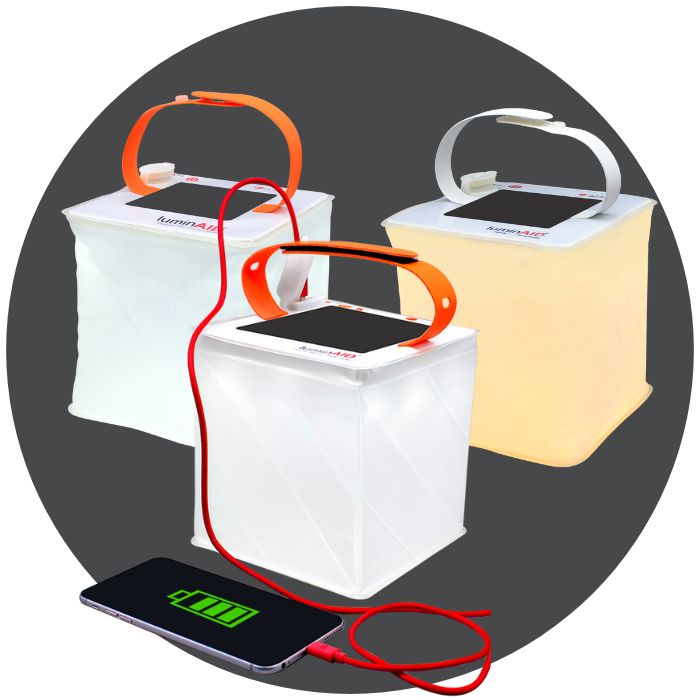
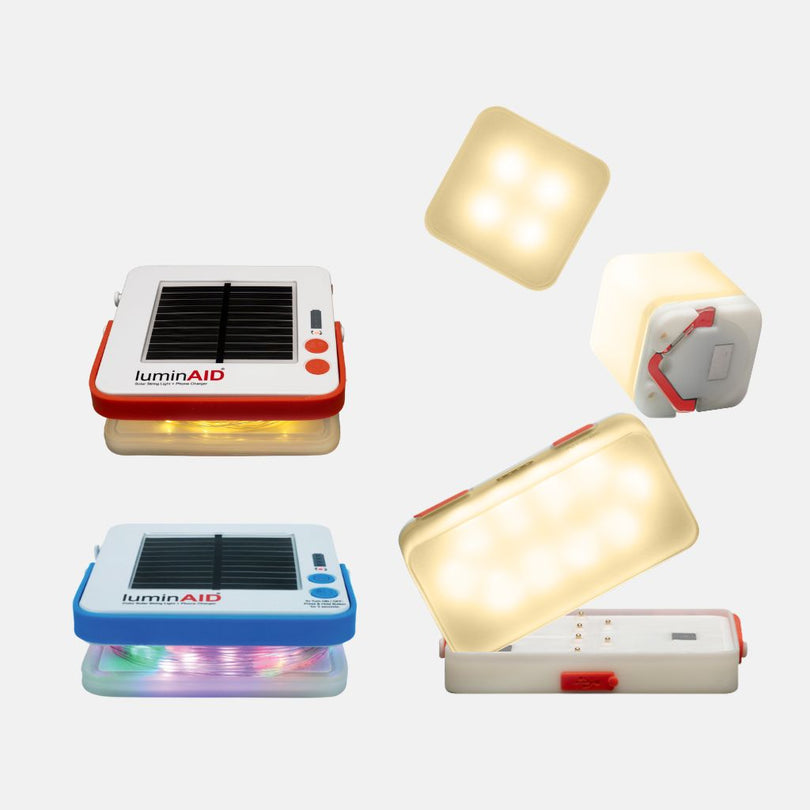
A small patio dinner doesn't need a contractor. A strand of solar string lights overhead can shape the dining area, while a Titan 2-in-1 Power Lantern on the table or side bench adds a warmer glow at eye level. The setup feels finished, but it can still come down at the end of the night.
That kind of flexibility helps with balconies and rental spaces too. Nothing has to be permanent for the result to feel intentional.
The connected campsite
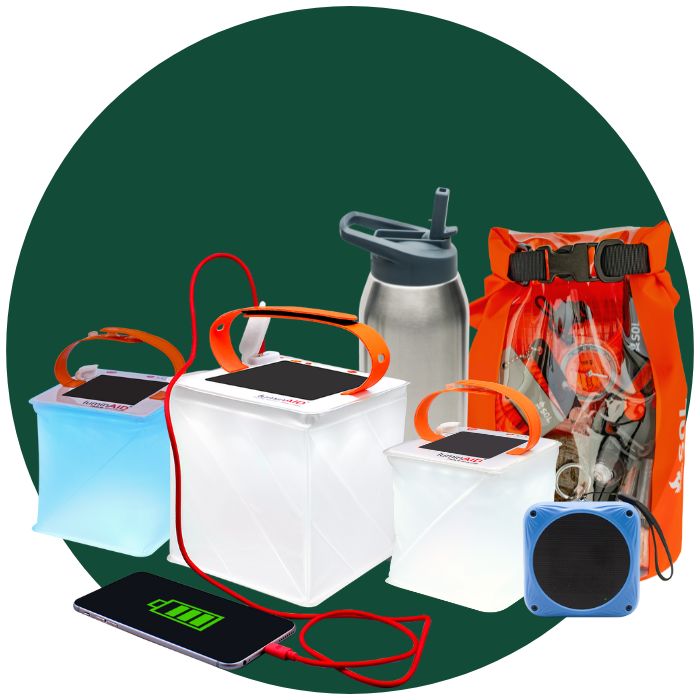
At camp, a LuminAID Max Power Lantern can do double duty. It can light the inside of a tent for reading or gear sorting, then help top off a phone when battery anxiety starts creeping in. Outside, solar string lights can define the common area without turning the site into a bright beacon.
Readers planning a more comfortable camp layout can borrow ideas from campsite setup ideas for lighting and organization and adapt them to tent camping, car camping, or overlanding.
The power outage sanctuary
Portable solar lighting distinguishes itself from purely decorative gear. The same lantern used on a patio or at a campsite can move indoors during an outage, then back outside to light a porch, steps, or yard perimeter. The same string lights that made a gathering feel festive can help a family keep calm during a dark evening at home.
That overlap matters. It means outdoor ambient lighting doesn't have to live in one category. It can support beauty, convenience, and preparedness at the same time.
LuminAID makes that kind of flexible lighting possible with portable solar lanterns, phone-charging power lanterns, and solar string lights built for backyards, campsites, RV trips, and emergencies. Readers looking for warm, packable, no-outlet lighting can explore LuminAID for practical setups that create ambiance anywhere.