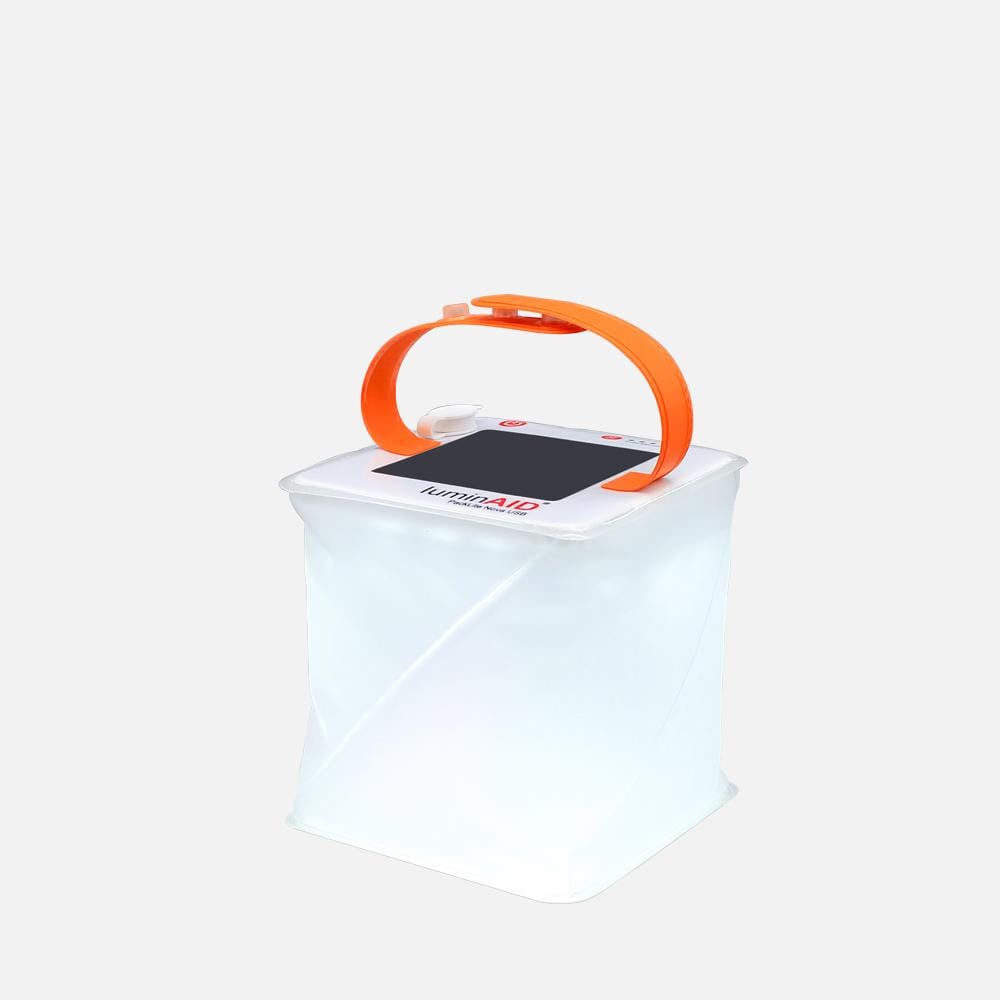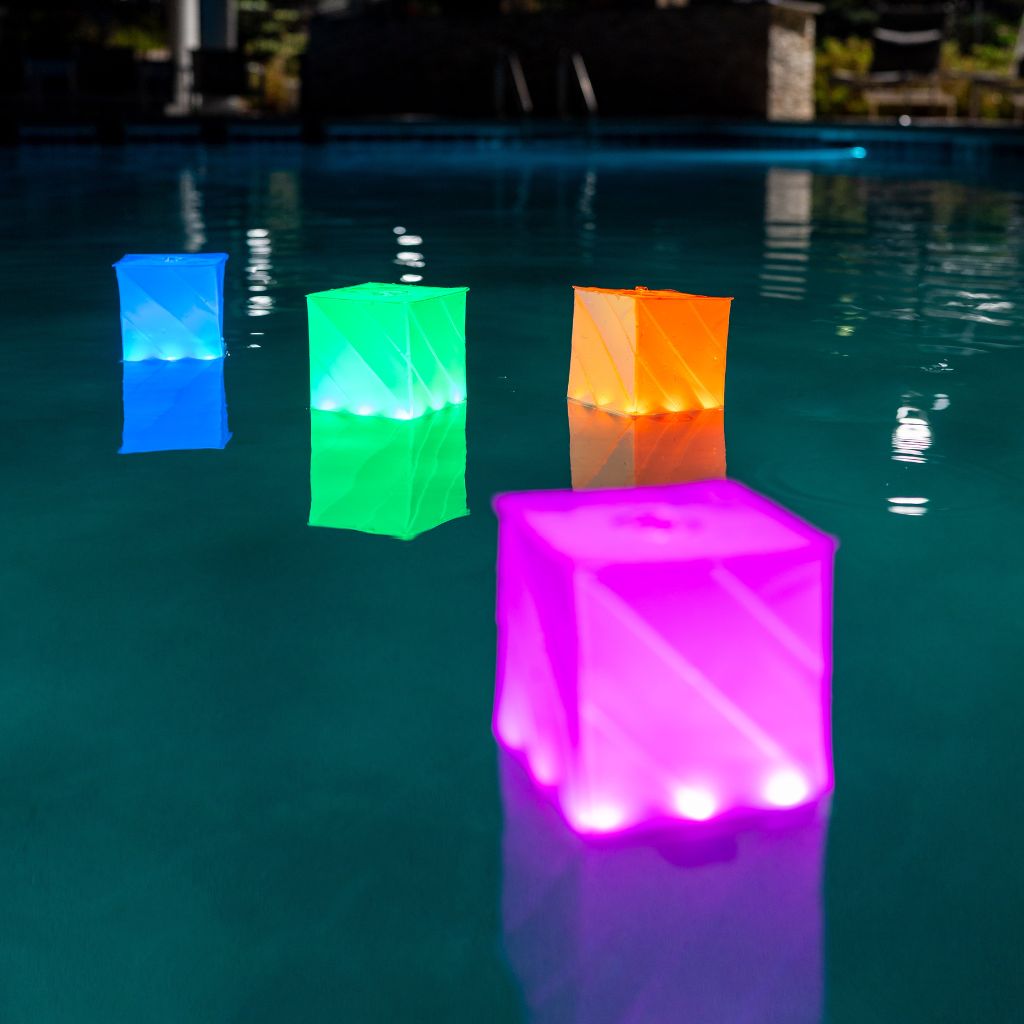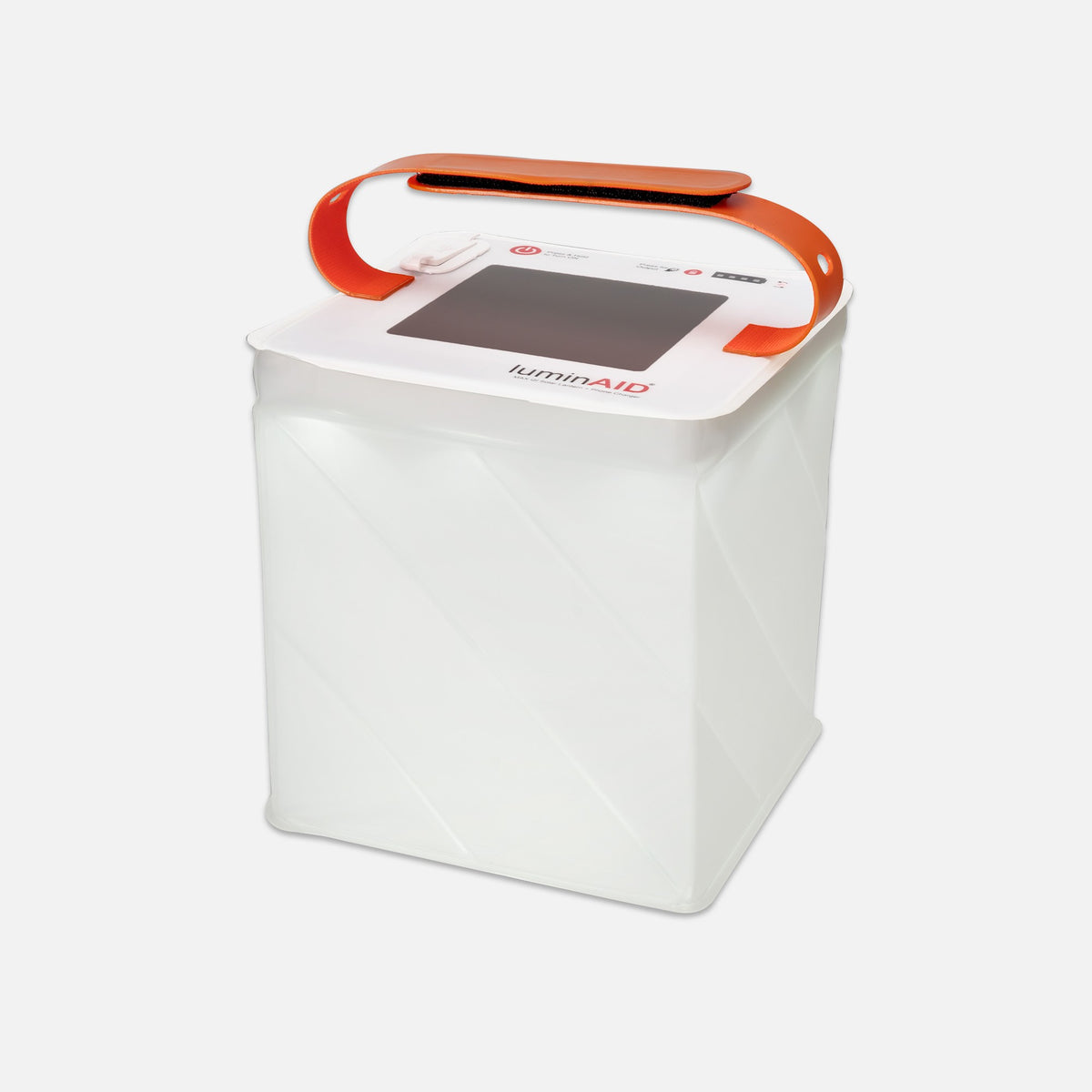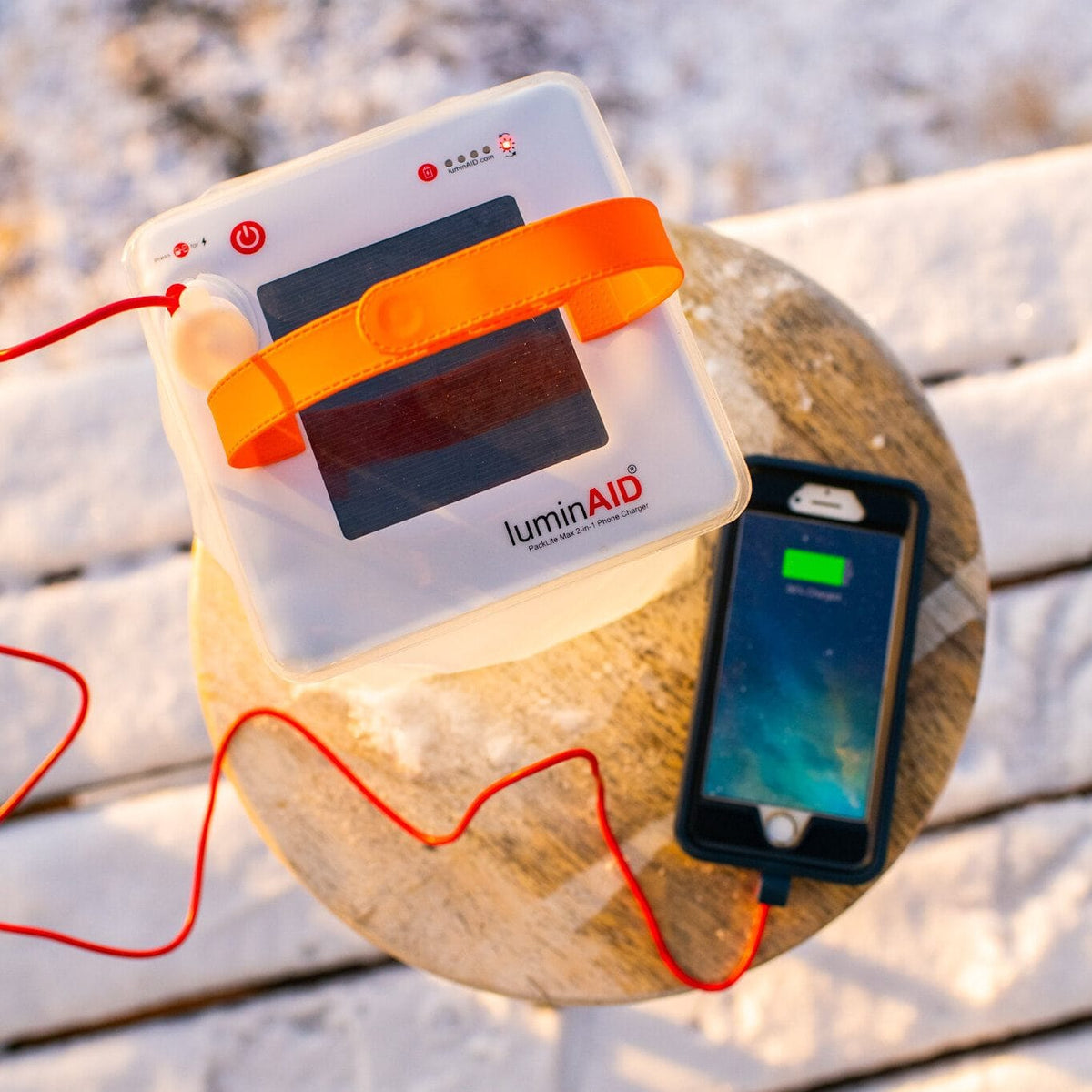



The moment thoughts turn to off grid solar power is usually not during a sunny, perfect day. It's when the power goes out, your phone battery drops into the red, or you're setting up camp and realize the nearest outlet is many miles away.
That's why off-grid solar is worth understanding. It isn't only for remote cabins or full-time homesteads. It's a practical way to generate and store your own electricity when the grid isn't available, isn't reliable, or isn't where you are.
The useful mindset is to think of off-grid solar as a spectrum. On one end, you have a small solar lantern or phone charger for a trail, campsite, or emergency kit. On the other, you have a residential system with panels, batteries, and an inverter that can support daily life in a home. The principles are the same. Only the scale changes.
What Exactly Is Off-Grid Solar Power
Off grid solar power means making electricity from sunlight and using it without depending on the utility grid.
That sounds technical, but the core idea is simple. Sunlight hits a panel. The panel makes electricity. You use that electricity right away or store it in a battery for later. If the grid goes down, your off-grid setup can still work because it was never relying on the grid in the first place.
A grid-tied system works differently. It stays connected to the utility network. That can be useful in many homes, but it isn't the same thing as energy independence. Off-grid means your system has to stand on its own.
Off-grid is a spectrum
A lot of beginners get stuck because they picture only one version of off-grid living. They imagine a cabin in the woods, a roof full of panels, and a wall of batteries. That is one version. It isn't the only one.
Off-grid can look like:
- A single light source for blackouts, camping, or storm prep
- A small charging setup for phones, headlamps, GPS units, or radios
- A mobile system in an RV, van, or overlanding rig
- A residential setup that supports lights, refrigeration, tools, pumps, or whole-home essentials
That spectrum matters because it gives you permission to start where you are.
Off-grid solar isn't an all-or-nothing decision. It's a way of matching power tools to real-life needs.
Why it matters beyond hobby use
Off-grid solar has also become much bigger than a camping convenience. The number of people worldwide without access to electricity fell from 1.2 billion in 2010 to 759 million in 2019, a 36% decline, and the UN attributes part of that progress to accelerated electrification through off-grid and mini-grid solar deployment, as noted in this overview of off-grid solar and energy access.
That matters because it proves something important. Off-grid solar isn't just a backup gadget category. It's a real part of how people get light, charging, communication, and basic power where traditional infrastructure doesn't fully reach.
For you, the lesson is practical. The same idea that helps a rural clinic, a family during an outage, or a camper at a remote site is the same idea you can use at your own scale. Capture energy. Store it. Use it when and where you need it.
The Four Core Components of a Solar System
A good way to understand an off-grid system is to compare it to a rainwater setup. You collect something when it's available, control the flow, store it, and then use it when you need it.

Solar panels collect the energy
Solar panels are the roof in this rainwater analogy. They gather incoming energy, just like a roof gathers rainfall.
If sunlight is available, the panels produce electricity. More sun usually means more production. Less sun means less. Panels don't store anything on their own, which is a point many people miss at first. They are collectors, not reservoirs.
For a camper, that collector might be a compact panel built into a small device. For a home, it might be a larger rooftop or ground-mounted array.
The charge controller regulates the flow
If you ran rainwater straight from a roof into a tank with no control, you'd eventually have overflow or damage. A charge controller is the smart valve in the system.
It manages the electricity moving from the panels into the batteries. Its job is to protect the battery bank from being charged in the wrong way and to help the system operate safely.
Without this part, battery performance and lifespan can suffer. In small all-in-one products, this function is built in. In larger systems, it's a separate piece of equipment.
The battery bank stores power for later
Batteries are your storage tank. They hold surplus energy so you can use it after sunset, during cloudy weather, or whenever your loads need more power than the panels are producing in that moment.
It is then that off-grid systems become useful instead of merely clever. A battery turns daytime solar collection into around-the-clock usefulness.
Think of battery capacity like the size of a water tank. A small tank is fine if you only need enough water to wash your hands. It won't support a whole house. The same logic applies to stored electricity.
For larger residential systems, industry guidance commonly points to 48V architecture because higher system voltage lowers current, reduces energy loss over wires, allows smaller conductors, and makes it easier to support larger inverters, as explained in this off-grid solar system design and installation guide.
The inverter makes the power usable
Many batteries store power in a form that common household appliances don't use directly. The inverter is the part that converts stored electricity into usable power for everyday devices.
If the battery is the storage tank, the inverter is closer to the pump and delivery hardware that gets water where it needs to go in a usable form.
Some loads are gentle. A phone charger or LED light is easy to support. Others hit hard at startup. Refrigerators, pumps, and tools can create a brief surge that a weak inverter can't handle.
Practical rule: The more your system starts to look like a home power system instead of a charging setup, the more important inverter quality and system voltage become.
If you're comparing compact gear for short trips or outages, this guide to a solar power bank for camping helps show how the same core ideas appear in a much smaller package.
Sizing Your System From a Phone to a Fridge
Most off-grid mistakes start with shopping for hardware too early.
People often ask, "What panel should I buy?" The better first question is, "What do I need to power each day?" A technically sound design starts with an accurate daily load estimate in kWh, then sizes the solar array against peak sun hours and checks whether the inverter can handle both continuous and surge loads, as described in this guide on designing off-grid hybrid solar systems.

Start with an energy audit
You don't need advanced software to begin. You need a list.
Write down every device you want to power. Then note how long you expect to use it each day. This is your load audit, and it's the foundation of the whole system.
A simple audit usually follows this order:
- List each device you want to run
- Add expected daily use time for each one
- Calculate daily energy use in watt-hours or kWh
- Allow for losses and real-world inefficiency
- Match battery storage and panel size to that daily need
If you're new to battery math, this explainer on how to calculate watt-hours of a battery can make the numbers much less abstract.
A small example for a weekend
Say your needs are modest. You want light in camp and enough power to keep a phone alive. That's a very different job than running a refrigerator, and your system should reflect that.
A small setup can work well when your loads are predictable and limited. In that situation, the smartest move is often to prioritize only the essentials:
- Light first: Good lighting changes safety and comfort fast
- Communication second: Keep a phone charged for maps, weather, and emergencies
- Skip luxury loads: Hair dryers, coffee makers, and heaters quickly change the size of the system you need
That last point is where many systems go sideways. A tiny system performs well when you ask it to do tiny-system jobs.
Here's a helpful overview if you want to identify energy waste at home before sizing any backup or off-grid setup. It can reveal loads you don't need to support during an outage.
Scaling up to cabin-style loads
Now change the scenario. You want lights in several rooms, device charging, and a fridge in a small cabin. Suddenly, the system isn't about convenience anymore. It's about daily reliability.
Two beginner issues show up:
- Underestimating runtime: People count the appliance but forget how often it cycles or runs
- Ignoring surge demand: A fridge may need more power at startup than its steady-state operation suggests
The inverter has to handle both the normal running load and the startup spikes of certain appliances. If it can't, the system may shut down even when the battery still has energy.
To see the sizing process in action, this video gives a useful visual walkthrough:
Your loads choose your system. Your system doesn't choose your loads.
That one mindset shift prevents a lot of wasted money. Start with what must run, not with what looks impressive on a spec sheet.
Choosing Your Ideal Off-Grid System Type
Not everyone needs the same kind of off-grid setup. The right fit depends on where you use it, how often you need it, and whether your goal is portability, mobility, or residential independence.
The broader market reflects that range. One industry analysis segments off-grid solar by power ratings such as up to 10 kW, 11 kW to 50 kW, 51 kW to 100 kW, and above 100 kW, and by applications including residential, commercial, industrial, and utility, showing how the category has expanded from small kits to larger independent systems. The same analysis points to rising demand for carbon-neutral energy, policy incentives, and cost barriers that still shape adoption, as outlined in this off-grid solar power market analysis.
Three common paths
For most readers, the decision comes down to three practical system types.
| System Type | Best For | Power Output | Approx. Cost | Complexity |
|---|---|---|---|---|
| Portable system | Camping, blackout kits, short trips, phone charging, light | Low | Lower than larger installed systems | Low |
| RV or van system | Mobile living, road trips, travel with daily power needs | Moderate | Moderate | Medium |
| Residential off-grid system | Cabins, remote homes, full backup planning, utility independence | High | Higher than smaller systems | High |
Portable systems
Portable systems are the easiest place to start. They work well for lighting, charging, and short-duration needs where low weight and simplicity matter more than high output.
This category is where many people first experience off grid solar power. You carry it, set it in the sun, and use it later. No wiring plan. No roof penetration. No permanent install.
RV and van systems
Mobile systems sit in the middle. They usually involve a more deliberate battery setup, more charging sources, and a closer eye on daily consumption.
Off-grid living instills energy discipline rapidly. If you want fans, lights, device charging, and perhaps a small fridge in a van, every choice starts to matter. Shade, weather, driving time, and battery level become part of daily planning.
Residential systems
A residential off-grid system is a different level of commitment. It calls for serious load planning, thoughtful component selection, and a realistic backup strategy.
The upside is independence. The trade-off is responsibility. You become your own utility manager, at least for that property.
A portable lantern and a full home system are different in scale, but they belong to the same continuum. Both are answers to the same question: how will you get power when no outlet is available?
Planning for Installation and Real-World Conditions
A solar setup can look perfect on paper and still disappoint in real life. Most failures don't come from the concept. They come from weather, poor placement, weak assumptions, or loads that creep upward after installation.

Cloudy days are the real test
The hard question isn't whether your system works on a bright day in ideal conditions. It's what happens during a long stretch of poor solar production.
A major practical challenge in off-grid solar is getting through extended low-sun periods. Neutral guidance notes that this often means sizing the battery bank for multiple days of autonomy and sometimes planning for a backup generator, as discussed in the European Investment Bank's piece on solar power in rural Africa and low-sun resilience.
That idea of "days of autonomy" confuses people at first. Think of it as food stored in the pantry. If the store closes for a while, how many days can you keep going with what you already have?
Installation choices matter more than people expect
Even a well-sized system can underperform if the panels spend part of the day shaded, dirty, or pointed poorly for the site.
A few practical checks go a long way:
- Watch seasonal shade: Trees, rooflines, and nearby structures can change the solar window
- Protect cable runs: Keep wiring secure, appropriately selected, and out of obvious damage paths
- Leave room to grow: People often add loads later, so physical layout matters
- Plan maintenance access: You need to reach components without turning every small task into a project
If you're thinking about panel cleanliness and exposure, this article on maximizing solar energy output offers practical reminders about keeping panels clear so they can do their job.
Build a backup plan before you need it
Reliability doesn't come from optimism. It comes from planning.
Some people use a generator as a backup for long low-sun stretches. Others reduce loads aggressively during rough weather. Many do both. What matters is deciding in advance which devices are essential and which can wait.
You should know the answer to questions like these before an outage or storm arrives:
- What must stay on: lights, phones, refrigeration, medical devices, communication gear
- What can pause: entertainment devices, nonessential appliances, decorative lighting
- What is your fallback: generator, spare batteries, alternate charging, or stricter load discipline
For broader emergency readiness beyond power alone, preparedness resources from Survive Outdoors Longer can help you think through shelter, warmth, and field essentials alongside your energy plan.
A resilient off-grid system is never just a panel-and-battery purchase. It's a set of decisions about weather, habits, and backup options.
Off-Grid Power for Every Scenario
The easiest way to see where off grid solar power fits is to look at real-life situations.

The camper or hiker
For a camper, the most valuable off-grid power usually isn't a big inverter. It's dependable light and phone charging in a small package.
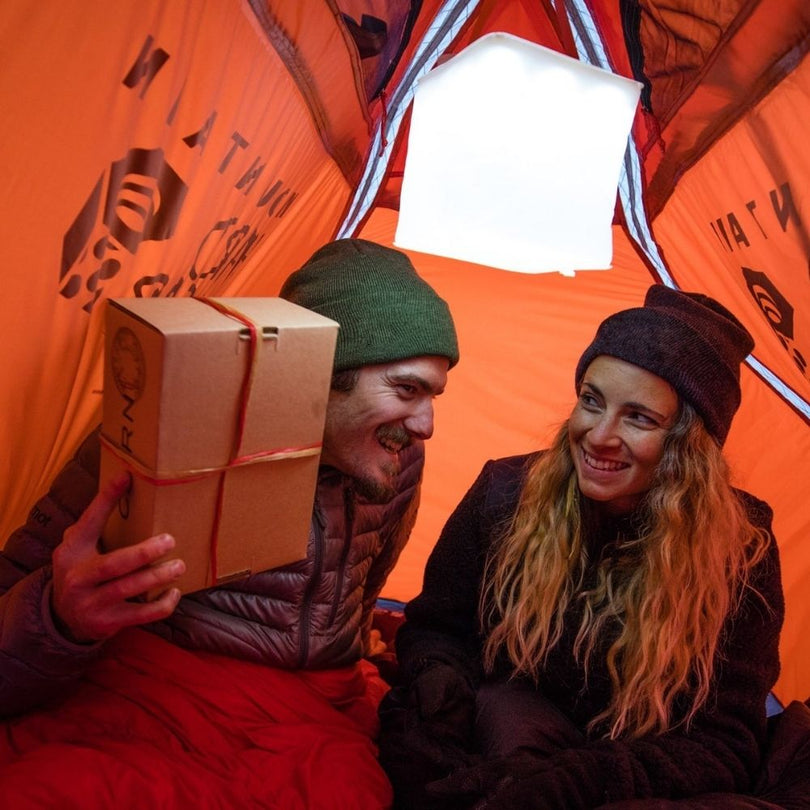
A compact solar lantern or charger makes sense because it solves common outdoor challenges. You need to see at camp, find gear after dark, and keep a phone available for navigation or emergencies. If you're building a gear list, this roundup of off-grid camping gear is a practical place to compare what belongs in a lightweight setup.
The homeowner preparing for outages
At home, the priorities shift. During a blackout, people usually care first about visibility, communication, and the ability to get through the night without scrambling for batteries.
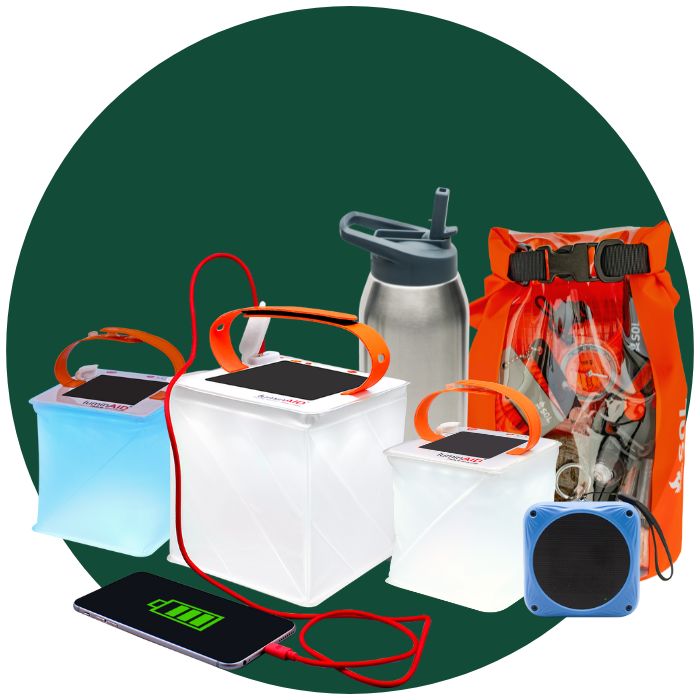
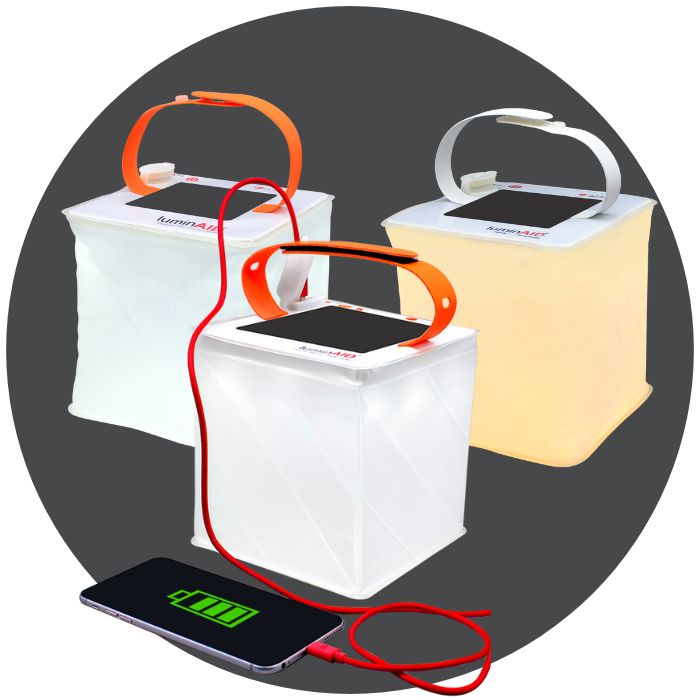
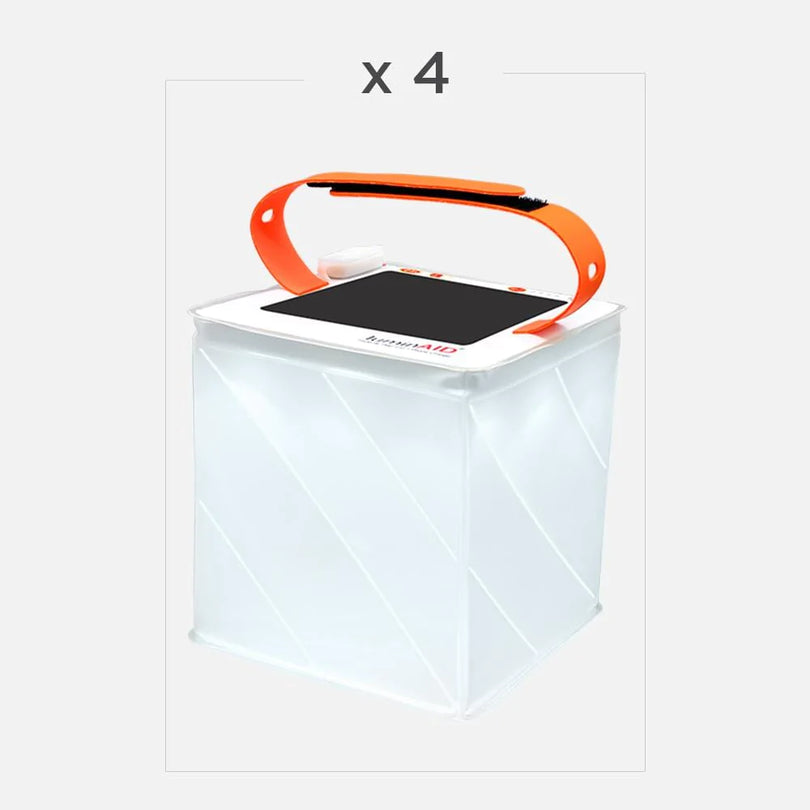
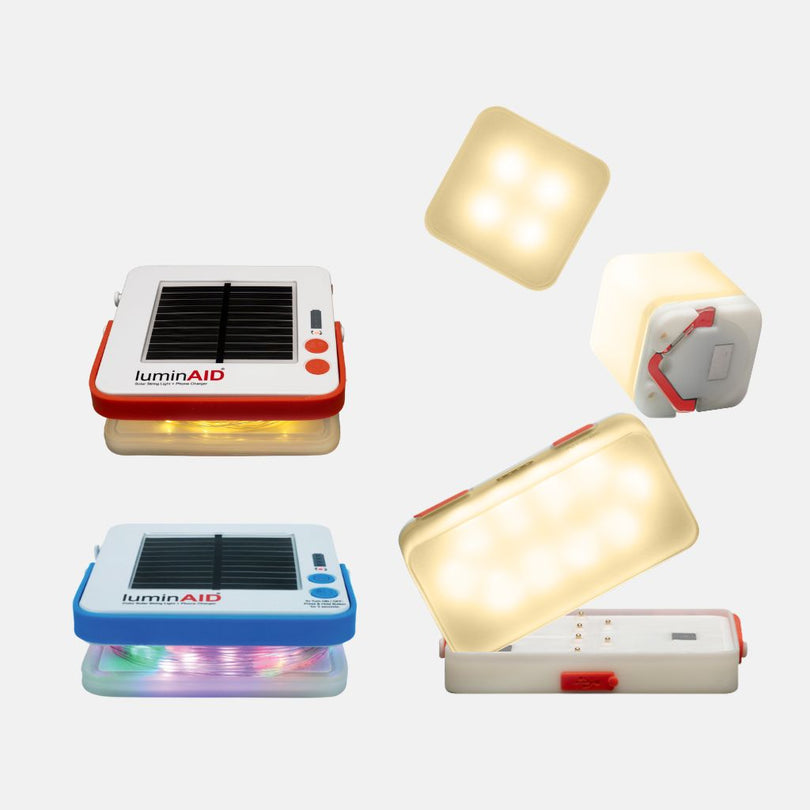
Even if you eventually want something larger, a portable solar device can still play a useful role. A LuminAID Power Lantern is one example of a portable light-and-charging tool for outages, campsites, and go-bags. It's not a whole-home system, and it isn't trying to be. It's part of the off-grid continuum, covering small but important needs without installation.
The aid worker or crisis responder
In humanitarian settings, portable solar can do something simple and powerful. It can provide light, safer movement after dark, and basic charging where infrastructure is damaged, distant, or overloaded.
That same principle applies to family emergency kits and evacuation bags. Small-scale solar doesn't replace larger systems. It fills the gap between no power and full infrastructure.
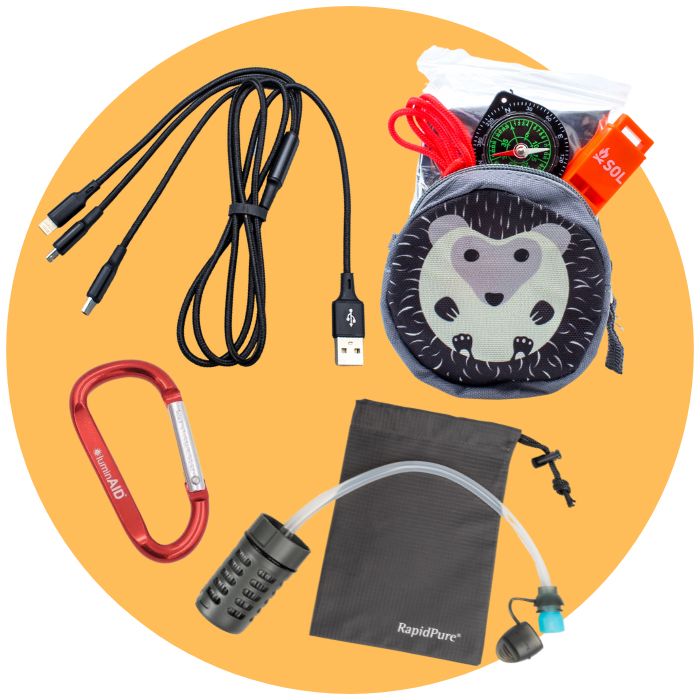
If you're assembling a more complete emergency kit, Adventure Medical Kits is a useful resource for first aid supplies that pair naturally with off-grid lighting and charging tools.
Your First Step Toward Energy Independence
You don't need to jump straight to a full cabin system or a battery room to start using off-grid solar well.
The smartest first move is usually the smallest one that solves a real problem. Maybe that's light during outages. Maybe it's phone charging on the trail. Maybe it's a simple backup for storm season. When you start there, you learn your habits, your priorities, and your actual energy needs without overbuilding.
That's the fundamental lesson of off grid solar power. It scales. The same thinking applies whether you're supporting one lantern or planning a home system. Collect energy when it's available. Store what you can. Use it intentionally.
If you're waiting until you know everything, you'll probably wait too long. Start with one need you can name clearly, then choose the simplest off-grid tool that meets it.
If you're ready to take that first practical step, explore LuminAID for portable solar lanterns and phone-charging lights designed for camping, emergency kits, and everyday off-grid convenience.