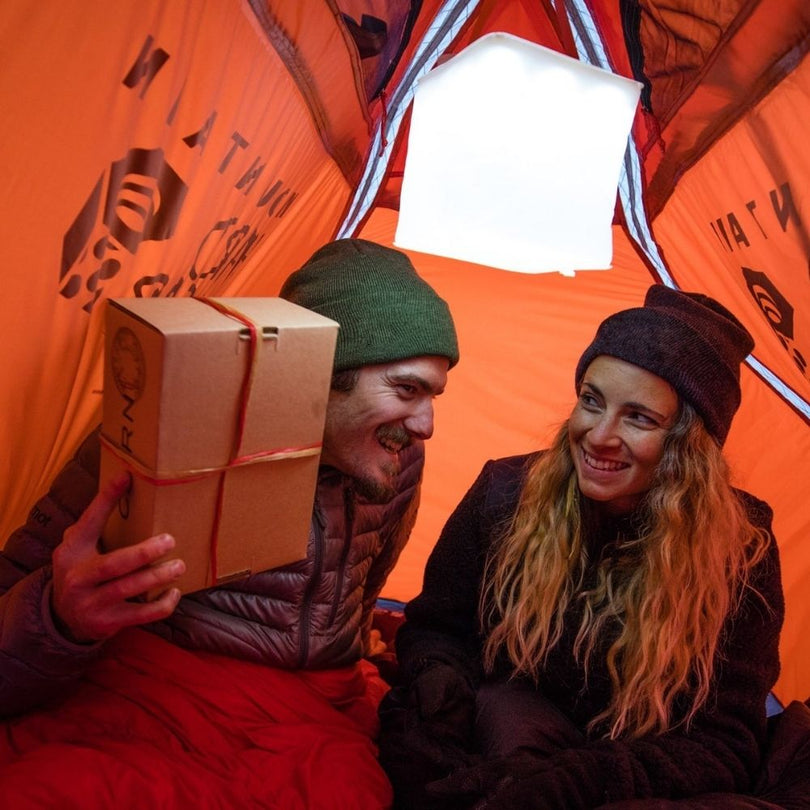

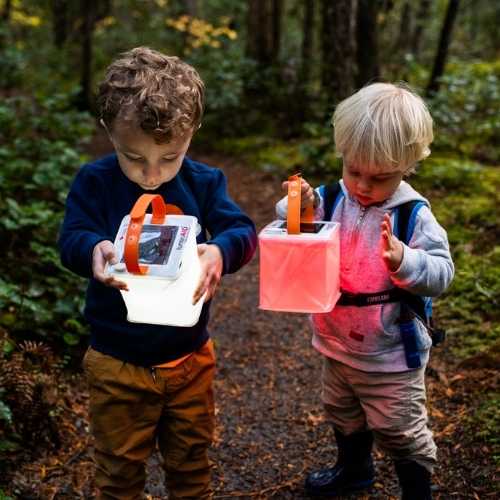

That magical glow you see at campsites these days? It's more than just for looks—it’s completely changed the game for modern camping. The best tent string lights aren't just about creating a warm, inviting vibe; they're about practical, useful illumination that turns a simple shelter into a cozy home base.
They bring together safety, convenience, and a great atmosphere, all without the hassle of bulky lanterns or constantly swapping out disposable batteries.
Transform Your Campsite Experience
Remember the old days of campsite lighting? It was usually a single, harsh lantern that seemed to create more shadows than it chased away. We've come a long way since then.
Today’s string lights offer a much softer, more distributed glow that genuinely improves visibility and changes the entire feel of your outdoor space. They let you stretch your time outdoors long after the sun goes down, making it easy to play a round of cards, have a late-night chat, or just relax under a gentle canopy of light.
This one simple upgrade makes camping way more accessible and fun for everyone, whether you're a seasoned backpacker or a family out for a weekend getaway. The move toward lightweight, efficient, and often solar-powered options has made them a piece of gear I rarely leave behind.
More Than Just Ambiance
Sure, the cozy vibe is a huge plus, but the practical upsides of tent string lights are what really sell them. They make your site safer by lighting up pathways and pointing out trip hazards, which is a lifesaver for those midnight bathroom runs.
Inside the tent, they give you just enough light to find your gear without blinding your tent-mates. It's really the best of both worlds:
- Enhanced Safety: A well-lit tent and its immediate surroundings are just plain safer.
- Extended Usability: Your outdoor space doesn't have to shut down when it gets dark.
- Improved Comfort: It’s amazing how a little light can make a tent feel more like home.
- Lightweight Packability: Modern designs are so compact they can fit into any backpack without a second thought.
The explosion in popularity for this kind of gear isn't just anecdotal. The global camping lighting market was valued at a hefty USD 1.5 billion in 2026 and is expected to hit USD 2.8 billion by 2033. That tells you just how essential good lighting has become for campers everywhere.
To really nail the experience, pairing the right lights with the right shelter can take the ambiance to a whole new level. For some great tips on picking the best tent, especially for adventures with kids, check out this ultimate guide to kids tents outdoor.
How to Choose the Right Tent String Lights
Picking the perfect set of tent string lights isn't just about grabbing the brightest ones off the shelf. The right choice really comes down to your specific adventure—you've got to balance power, portability, and features to match your camping style. Let's walk through how to find the perfect lights for you.
Consider Your Power Source
The heart of any good set of tent string lights is how they get their juice. This decision will impact your convenience, sustainability, and how reliable they are when you're truly off-grid.
- Solar-Rechargeable: For self-sufficient and sustainable camping, this is the gold standard. Models with an integrated solar panel give you endless power from the sun, making them a game-changer for multi-day trips. They're incredibly eco-friendly and mean you can leave the extra batteries at home.
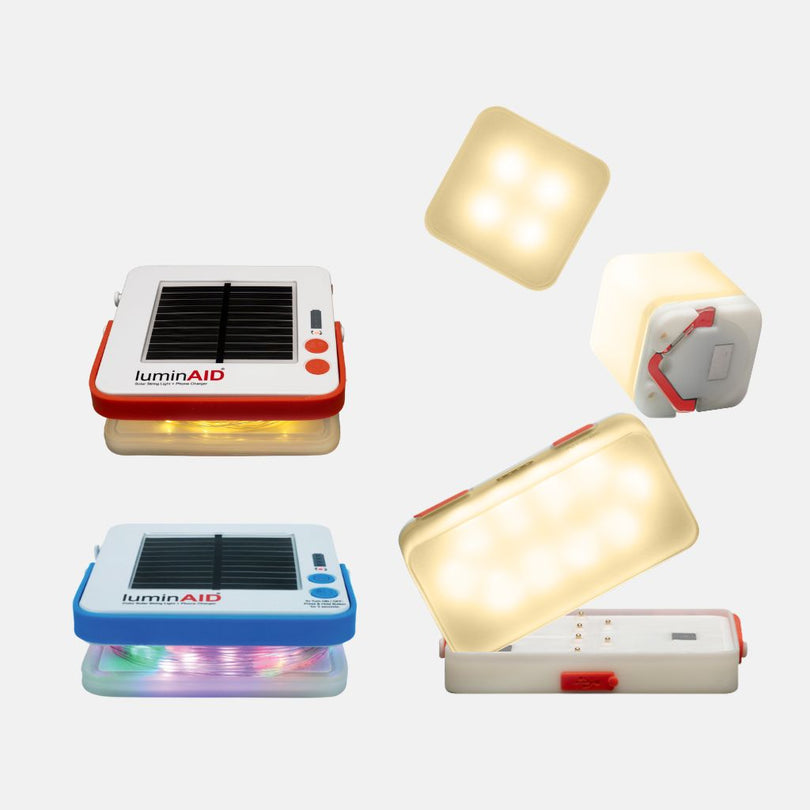
- USB-Rechargeable: These lights offer awesome flexibility. You can top them off with a power bank, car charger, or solar panel before heading out, guaranteeing you have a full charge for the first few nights. Many top-tier solar lights, like the LuminAID Solar String Light, smartly include USB charging as a backup.
- Disposable Batteries: While they used to be the only option, battery-powered lights are becoming less common. They force you to pack spare batteries, which adds weight, creates waste, and can be a real headache if you run out. They’re best saved for short, one-off trips or as a last-resort backup.
The shift toward sustainable gear is undeniable. In fact, 55% of campers now actively look for solar features, a massive jump from just 20% in 2015. This trend shows a real demand for equipment that’s better for the environment and more convenient for off-grid adventures.
To help you decide, let's quickly weigh the pros and cons of each power option.
Comparing Power Sources for Campsite Lights
Use this table to quickly weigh the advantages and disadvantages of each power option, so you can pick the best fit for your trips.
| Power Source | Pros | Cons | Best For |
|---|---|---|---|
| Solar-Rechargeable | Eco-friendly, self-sufficient, no recurring costs, lightweight. | Requires sunlight to charge, initial cost can be higher. | Multi-day backpacking, car camping, emergency kits. |
| USB-Rechargeable | Flexible charging options (power bank, car), reliable initial charge. | Requires a separate power source to recharge, limited runtime. | Weekend trips, van life, campers with power banks. |
| Disposable Batteries | Widely available, simple to use. | Creates waste, requires packing spares, adds weight, can fail in cold. | Short trips, backup lighting, infrequent use. |
Ultimately, choosing a power source comes down to how and where you camp. For us, the reliability and freedom of solar is tough to beat.
Match the Light to Your Campsite
The size of your setup should guide the length and brightness you need. A classic mistake is getting lights that are too short to be useful or so long they become a tangled mess.
Think about your typical campsite. For a cozy two-person backpacking tent, a 10 to 18-foot string with a warm, gentle glow is usually perfect. It’s just enough light to see by without feeling like you’re under a spotlight.
If you’re setting up a larger family tent or a basecamp common area, a longer 30 to 45-foot string with brighter, adjustable settings is far more practical. That length lets you illuminate the whole space, from the camp stove to the seating area, creating a safe and inviting atmosphere.
Look for Essential Features
Beyond power and length, a few key features separate the mediocre lights from the truly great ones.
A light's durability often comes down to its IP rating. This number tells you exactly how resistant it is to dust and water—critical information for any gear that's going to live outdoors.
At a minimum, look for an IP44 rating, which ensures protection against splashing water from any direction. For more rugged trips or unpredictable weather, an IP65 rating offers even better defense against rain and dust.
Other handy features to keep an eye out for include:
- Dimmable Settings: Perfect for conserving power and setting the right mood.
- Packability: Look for designs that coil neatly into a compact case or bag to avoid tangles.
- Integrated Power Bank: Some units can share their battery to give your phone a small boost in a pinch.
- Durability: Shatterproof bulbs and a braided, tangle-resistant cord are signs of a well-made product.
While you're checking your gear list, don't forget other safety essentials. Packing a solid first-aid kit is just as important as having good lighting. For some comprehensive options, it's worth checking out the kits from Adventure Medical Kits.
Setting Up Your Campsite Lights Safely and Securely
Getting your string lights set up is about more than just a pretty glow—it's about creating a safe, functional space. When you hang your lights the right way, you can relax and enjoy the ambiance without worrying about damaging your gear or tripping over a stray cord in the dark.

The first rule of thumb is to work with your tent, not against it. That means absolutely no methods that involve piercing the fabric—put away the pins, staples, or any sharp hooks. Even a tiny puncture can wreck your tent's waterproofing and eventually turn into a major tear.
Gear-Friendly Hanging Methods
The easiest approach is to use the attachment points your tent already has. Look for the internal gear loops or external guy line points on your tent; they're the perfect anchors for string lights.
To get a secure, damage-free setup on any kind of shelter, from a dome tent to a big tarp, always keep a few of these tools in your kit:
- Mini Carabiners or S-Clips: They’re light, strong, and super versatile. Just clip them to your tent’s loops and thread the light string through.
- Reusable Gear Ties: These bendy, rubber-coated wires are a game-changer. You can twist them around tent poles or loops, and they’ll hold your lights exactly where you want them without slipping.
- Small Binder Clips: If you're in a pinch, binder clips can gently grip the fabric along a tent seam (just never the flat wall) without causing any harm. They're a solid temporary fix.
Using these tools prevents you from putting any stress on the tent fabric or its seams. Your tent is your most important piece of shelter, so keeping it in top shape should always be priority number one. While you're at it, this is a great time to make sure your first-aid kit is fully stocked. Having a reliable kit from a trusted source like Adventure Medical Kits brings a lot of peace of mind to any trip.
Essential Campsite Safety Practices
Once the lights are up, a few quick checks can save you from a headache later. Managing your cords is key to preventing trips and falls, especially after the sun goes down.
Your lighting setup is only as safe as its weakest link. Pay close attention to cord placement and battery pack protection to create a truly hazard-free campsite.
Tuck any extra cordage along the tent walls or wrap it around the poles, using gear ties to keep it out of the way. This keeps your walking paths clear and stops someone from accidentally yanking the whole string down.
Be smart about where you put the power source, too. Don't just leave your battery pack or solar unit on the ground where it can get soaked by morning dew or an unexpected rain shower. The best move is to hang it from a gear loop inside the tent or stash it in a waterproof bag. A little foresight here will ensure your lights keep working perfectly for the whole trip.
Keeping Your Lights Powered on Any Adventure
The real magic of today's tent string lights is their ability to work completely off-grid. Keeping your power source topped up is a lot easier than you might think. With just a few smart habits, you can keep your campsite glowing night after night, no outlet required.
If you're using solar-powered lights, the key is maximizing sun exposure. You've got to think like a plant and chase the sun. Don't just leave the solar panel flat on the ground where it can easily get shaded. Instead, prop it up on a rock or hang it from a tree branch so it gets a direct hit from that strong afternoon sun.
Even better, strap the panel right to the top of your backpack while you're hiking. This genius trick turns your travel time into charging time. You'll arrive at your campsite with a fully juiced battery, even after a full day on the trail.
Smart Power Management Techniques
For a long weekend or when the weather looks a little gloomy, you absolutely need a backup plan. This is where USB-rechargeable lights paired with a solid power bank really come in handy. A fully charged power bank can give you several extra nights of light, acting as a reliable buffer against those cloudy days.
To make that power last as long as possible, get to know your light's settings.
- Use the Dimmer: Just running your lights at 50% brightness can often double the runtime. It's a simple tweak that saves a surprising amount of energy.
- Be Strategic: Flip the lights on when you actually need them for tasks like cooking or sorting gear. Afterward, dim them way down for a little ambiance.
- Keep Them Warm: Cold weather is a battery killer. On chilly nights, tuck your power pack or the light unit itself inside your sleeping bag or wrap it in a spare shirt. Keeping it warm helps maintain its efficiency.
Having reliable light isn't just a luxury—it's a critical part of staying safe and prepared. In an emergency, a fuel-free light source is priceless.
LuminAID solar string lights, for example, have been used in major emergency responses, from wildfire evacuations in California to massive winter storm blackouts. Experience from outdoor pros backs this up, showing that well-lit campsites see 30% fewer mishaps. It's just a smart addition to any kit. You can dive deeper into camping equipment trends in this detailed industry report.
Building a Complete Off-Grid Power System
For true energy independence, start thinking of your gear as an interconnected system. Your solar string lights are just one piece of the puzzle. The same strategies you use for them can keep your other essentials—like your phone or GPS—charged and ready.
When you pair your main power bank with a dedicated solar charger, you create a self-sustaining loop. You can recharge everything straight from the sun. If you want to learn more about putting together a setup like this, check out our beginner's guide to solar phone chargers. With the right system, you can stay powered up no matter how far from the grid you wander.
Using String Lights for More Than Just Camping
The best gear isn't just for one thing—it’s the stuff that pulls double or even triple duty in your life. Tent string lights are a perfect example. Their usefulness goes way beyond the campsite, making them a seriously smart investment for emergency preparedness, life on the road, and even just sprucing up your backyard.

When the power grid goes down during a big storm, a reliable, fuel-free light source stops being a luxury and becomes an absolute necessity. Solar string lights give you safe, steady illumination without the fire risk of candles or the constant hunt for C-batteries. They can light up a hallway for a safe exit, create a calm little bubble of light for the kids, or just help you find the first aid kit in the dark.
An Essential Part of Your Emergency Kit
Every home and vehicle should have a go-bag or emergency kit ready to go. Right next to the flashlights, medical supplies, and extra food, a set of solar-powered tent string lights is a critical addition.
Think about it: during a long outage, a flashlight gives you one narrow, focused beam. But string lights? They can illuminate an entire room. That makes it easier to do everything from making a meal to reading a book, or simply keeping your family feeling secure and comfortable. They’re lightweight, pack down small, and need nothing more than a bit of daylight to keep going.
A truly solid go-bag pairs your lights with other survival essentials. A well-built kit should prepare you for anything, from minor scrapes to more serious situations where you need to be completely self-sufficient.
To round out your preparations, look into gear from a specialized provider like Survive Outdoors Longer. They offer high-quality emergency blankets, fire starters, and other tools that create a complete system, ensuring you’re ready for whatever comes your way.
Lighting Up Life on the Road and at Home
The appeal of these lights doesn't end when the emergency is over. For the growing communities of van lifers and RVers, they’re the perfect way to add a warm, inviting glow to a small living space or an outdoor awning. Since you don’t need an electrical hookup, you can create a beautiful vibe no matter where your travels take you.
And back at home, those same lights can turn a simple patio, deck, or garden into a cozy retreat for evening get-togethers. This dual-purpose functionality is what proves that investing in a quality set of solar string lights is one of the smartest gear decisions you can make—ready for both adventure and everyday life.
Troubleshooting and Caring for Your Lights
Your gear lasts longer when you take care of it, and your tent string lights are no different. A little bit of maintenance goes a long way, ensuring they’re ready for any adventure or emergency and protecting your investment for years to come.
Proper cleaning is simple but absolutely essential, especially for solar models. After a dusty or muddy trip, just give the light string and power unit a gentle wipe with a damp cloth. Pay special attention to the solar panel—use a microfiber cloth to clear away any dirt or pollen. Even a thin layer of grime can slash charging efficiency by up to 20%.
Storage and Troubleshooting Tips
When it’s time to pack everything away, we all want to avoid that tangled mess of wires. The best trick I've found is to wrap the lights around a small, flat piece of cardboard or just coil them loosely inside their storage bag. This simple step prevents knots and protects the delicate cord from getting damaged in transit.
If your lights aren't behaving, don't worry. A few quick checks usually solve the most common issues.
- Lights Won't Turn On: First things first, make sure the unit is fully charged. For solar models, this means giving it several hours of direct, clear sunlight.
- Flickering or Dim Lights: This is almost always a sign of a low battery. Try charging it via USB if that's an option, or move the solar panel into a sunnier spot.
- Not Holding a Charge: A dirty solar panel is the usual suspect here. A quick cleaning is often all it takes to get it charging effectively again.
A well-maintained light is a dependable one. Taking a few minutes to clean and properly store your gear after each trip is the single best way to extend its lifespan and guarantee performance when you need it most.
For more specific issues, like problems with charging or turning on your device, you can find extra guidance in this product support section. This easy care routine will make sure your lights are always ready for your next outing.
Common Questions About Tent String Lights
Even after you've picked out the perfect set, a few questions always seem to pop up. We get it. Here are the most common things people ask us, with quick, practical answers to get you ready for your next trip.
How Many Lumens Do I Really Need for My Tent?
For that cozy, comfortable glow inside a small or medium tent, you’ll find that 30-100 lumens is the sweet spot. It’s enough to see by without being overwhelming.
If you’re trying to light up a larger common area for cooking or games, or just need to see clearly around your campsite, aiming for 100-200 lumens is a better bet. The best options out there let you adjust the brightness, so you can easily switch between soft ambient light and brighter, more functional task lighting.
Are Solar String Lights Reliable on Cloudy Days?
Surprisingly, yes! Modern solar panels are incredibly efficient and can still pull in a decent charge even on an overcast day. But if you’re heading out for a multi-day trip where you know the weather might be iffy, grabbing a model with a backup USB charging port is a smart move.
Pro Tip: While you’re hiking, just strap the solar panel to the top of your backpack. It’ll soak up energy all day long as you move, no matter the weather, so you'll arrive at your campsite with a full battery ready to go.
Speaking of being ready for anything, don't forget to pack some good insect repellent. A reliable one like Ben's 30 can make your evenings way more comfortable, letting you enjoy your beautifully lit campsite without a swarm of uninvited guests.
Can I Leave My Tent String Lights Out in the Rain?
This is a big one, and it all comes down to the IP (Ingress Protection) rating. For most camping situations, you want a rating of at least IP44, which means the lights are protected against splashes of water from any direction.
If you’re expecting heavy downpours or just want something a bit more rugged for peace of mind, look for an IP65 rating or higher. That gives you much better protection. And don't forget to check the rating for both the light string and the power pack to make sure the whole setup is weatherproof.
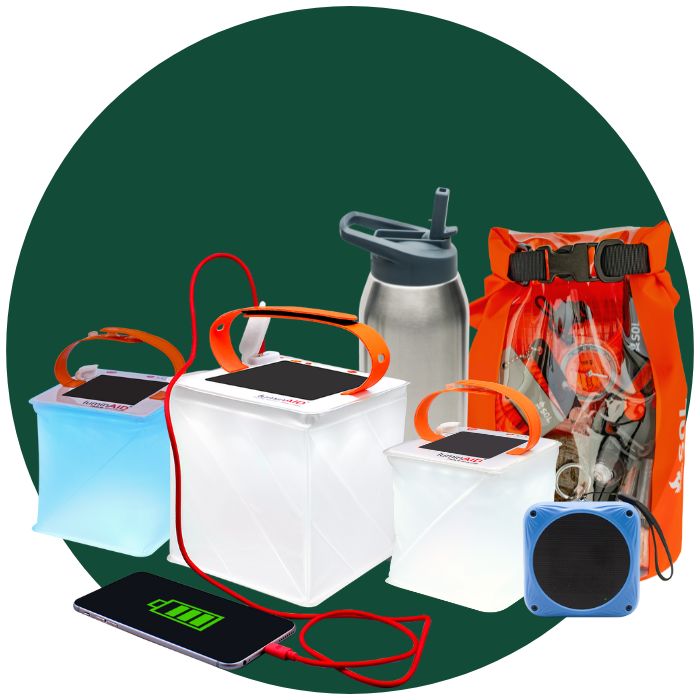
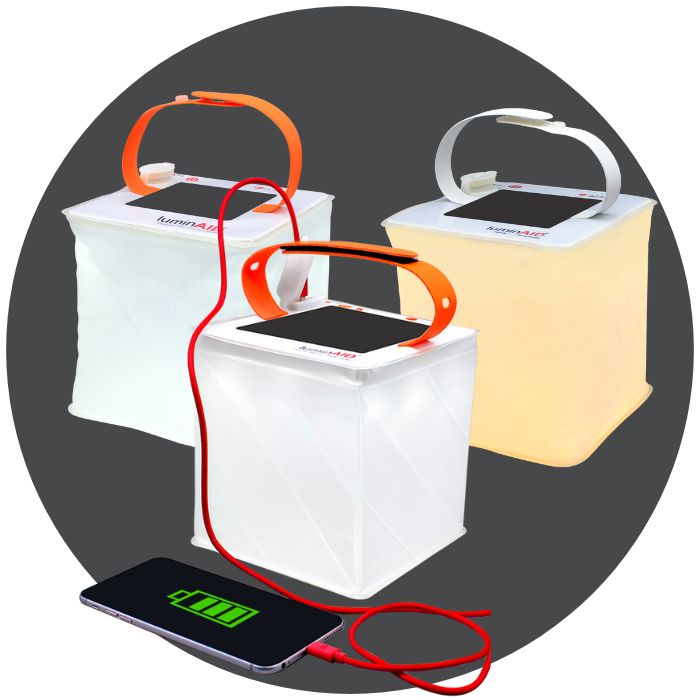
At LuminAID, we’re all about creating gear you can count on, whether you're on a weekend adventure or facing an emergency. Our solar lights, from the versatile Solar String Lights to our packable Power Lanterns, are designed to be durable and reliable, giving you bright, sustainable power wherever you are. Find the perfect lighting for your next trip at LuminAID.com.