



Staring into the darkness of a powerless home is a feeling we all know. It starts as an inconvenience, but it quickly becomes a real disruption to just about everything we do. Having a reliable home backup power system used to be a luxury, but now, it’s becoming a must-have for keeping your family safe, connected, and comfortable when the grid goes down.
Why Home Backup Power Is Now an Essential Upgrade

It wasn’t long ago that backup power was something you only thought about if you lived way out in the country or in a place known for wild weather. That's definitely not the case anymore. The truth is, power outages are hitting more of us, more often, every year. Between our aging electrical grid and the rise of extreme weather, no one is immune to losing power.
This isn't just about keeping the lights on, either. Our lives are completely woven into the electrical grid. For many of us, a power outage doesn't just mean a few hours of quiet—it can bring our entire lives to a halt.
The Modern Need for Constant Power
The push for a solid home backup power solution comes from how much we rely on electricity for the basics. Think about it: remote work, online school, and just staying in touch with the people you care about all depend on having power.
When an outage hits, what's really at stake?
- Work and School: Remote workers lose productivity, and students who need the internet for their classes are left behind.
- Health and Safety: For many, powering medical devices like CPAP machines or keeping medications refrigerated isn't optional—it's a lifeline.
- Food Preservation: Without power, a fridge can only keep food safe for about four hours. That can easily mean hundreds of dollars in spoiled groceries down the drain.
- Basic Comfort: Keeping the heat on during a cold snap can be the difference between a cozy night and a dangerous situation with frozen pipes. For more on this, check out our guide on how to prepare for a winter power outage.
We’re seeing a big change in why people get backup power. It's not just about convenience anymore. It’s about feeling secure when the grid feels less and less stable. With outages on the rise from severe weather and a bigger push toward renewable energy, people are realizing they need to have their own plan B.
At the end of the day, a home backup power system is an investment in your own peace of mind. It’s about building a safety net for your family, your work, and your well-being in a world that feels increasingly unpredictable. A good emergency kit is part of that plan, too—it's the perfect place for a first-aid kit from a great brand like Adventure Medical Kits. This guide is here to walk you through the options so your home can stay a safe haven, no matter what’s happening outside.
Exploring Your Home Backup Power Options
Trying to figure out home backup power can feel a bit overwhelming. You'll hear a lot of jargon thrown around—inverters, kilowatt-hours, transfer switches. But you don't need to be an electrician to get a handle on the basics.
Think of it like picking the right tool for a job. You wouldn't use a hammer to drive a screw, and you wouldn't use a screwdriver to pound a nail. The best backup power solution is simply the one that fits what you actually need to do. Let's break down the main options so you can find the right fit for your home and family.
Portable Power Stations: The Grab-and-Go Solution
Picture a smart, super-sized power bank that can do way more than just charge your phone. That’s a portable power station. These are self-contained battery units, usually about the size of a small cooler, loaded with different outlets (AC wall plugs, USB-A, USB-C) to run your electronics and even small appliances.
They are the definition of "plug-and-play." There's no complicated installation, no fuel to store, and no dangerous fumes, which means they're perfectly safe to use indoors. They're ideal for getting you through a short outage by keeping your most important devices online.
- What they power: Laptops, phones, Wi-Fi routers, lights, and sometimes even a small TV or mini-fridge.
- Best for: Short-term power outages, apartment living, or as the first layer in a more comprehensive emergency plan.
The only real catch is their capacity. Once the battery runs dry, it needs a recharge. You can plug it into a wall outlet before the power goes out, use a car charger, or—the most versatile option—hook it up to solar panels. This is where you hear the term "solar generator" a lot; it's really just a portable power station paired with solar panels for off-grid recharging. Getting the most out of it often comes down to knowing how to pair a bigger solar panel with a big battery pack.
Fuel-Powered Generators: The Traditional Workhorse
When most people think of backup power, the image of a gas or propane generator is what usually pops into their head. These machines are the undisputed heavy-lifters of the power world, capable of cranking out a serious amount of electricity by burning fuel. They’re the go-to for running power-hungry appliances like central air, well pumps, and electric stoves.
But all that power comes with some serious trade-offs. Generators are incredibly loud, need a constant supply of fresh fuel, and produce deadly carbon monoxide gas. That means they must only be operated outdoors, well away from any windows or doors. They also require regular maintenance, like oil changes, to make sure they’ll actually start when you need them most.
Below is a quick comparison of the backup power solutions we've discussed so far, plus a couple of others we'll get into. It’s a great way to see how they stack up side-by-side.
Home Backup Power Options at a Glance
This table offers a side-by-side comparison of the most common backup power solutions to help you choose the right fit for your home's needs and budget.
| Power Solution | Initial Cost | Best For | Pros | Cons |
|---|---|---|---|---|
| Portable Power Station | $200 - $3,000 | Short outages, apartments, charging devices | Quiet, no fumes, portable, no installation | Limited capacity, can't power large appliances |
| Fuel-Powered Generator | $500 - $15,000+ | Powering whole homes, running large appliances | High power output, widely available | Loud, requires fuel, produces fumes, maintenance |
| Whole-Home Battery | $10,000 - $25,000+ | Instant, seamless backup for key circuits | Silent, no fumes, automatic, low maintenance | High upfront cost, limited capacity |
| Solar + Storage | $20,000 - $50,000+ | Long-term resilience, energy independence | Can run indefinitely with sun, lowers bills | Highest initial cost, weather-dependent |
As you can see, there's no single "best" option—it all depends on your budget, what you need to power, and how much convenience you're looking for.
Whole-Home Battery Systems: The Silent Reservoir
A whole-home battery system is like having your own personal energy reservoir, wired directly into your home’s electrical panel. Unlike a clunky generator, it's completely silent, creates zero emissions, and kicks on so fast you probably won't even see the lights flicker. These systems store up electricity—either from the grid or from your own solar panels—and then release it whenever you need it.
These systems are a huge deal in the home backup power world. While generator prices have stayed pretty much the same for years, the cost of battery systems has been dropping. This is sparking some major growth in the market as more people lean towards clean, quiet, and hassle-free solutions.
A whole-home battery delivers instantaneous power, which means your Wi-Fi, computers, and other sensitive electronics won't even skip a beat. This is a game-changer for anyone working from home or who just can't afford to be disconnected.
Solar and Storage: The Path to Energy Independence
This is the ultimate setup for anyone serious about resilience and self-sufficiency. A solar and storage system combines rooftop solar panels with a whole-home battery. During the day, your panels power your home and top off the battery. Then, at night or during an outage, your home seamlessly switches over to run on the stored battery power.
With a setup like this, you could potentially keep your home running for days on end, as long as you get enough sun to recharge the batteries. It’s an approach that doesn’t just give you backup power; it also slashes your daily electricity bills. For those who want to take it a step further, learning about off-grid homes can offer a fascinating look into what true self-sufficient living looks like.
Figuring out how much juice you actually need for a home backup system can feel a bit like guessing. It’s a classic Goldilocks problem: buy something too small, and it’s useless when you need it most. Go too big, and you’ve just spent a ton of money on power you’ll never use.
But finding that "just right" setup doesn't require an engineering degree. It really just starts with a walk through your own home. What absolutely, positively has to stay on during an outage? What’s a nice-to-have? And what can you easily live without for a couple of days? Once you have those answers, you’ve got a clear path to the right system for you.
Tier 1: Lifeline Essentials
Think of this tier as your absolute non-negotiables. These are the things you need to keep running to maintain basic safety, health, and a connection to the outside world. Thankfully, they’re usually low-power items.
Your Tier 1 list might look something like this:
- Medical Devices: A CPAP machine, nebulizer, or any other critical health equipment.
- Communication: Your Wi-Fi router and modem are key for getting news and staying in touch with family.
- Charging: You’ll need a way to keep your phones, tablets, and a weather radio powered up.
- Basic Lighting: A few efficient LED lights or portable lanterns are essential for safely getting around your house in the dark.
For this tier, a small-to-medium portable power station is often the perfect tool for the job. It has just enough power to run these lifelines for hours, or even a full day, without the cost or hassle of a bigger system. These smaller devices are a crucial part of any emergency kit, alongside other essentials from suppliers like Survive Outdoors Longer.
Tier 2: Modern Comforts
Okay, now we're moving past pure survival and into maintaining a bit of normalcy. This is the sweet spot for most families. On top of your Tier 1 lifelines, you're adding appliances that prevent major headaches like food spoilage and make waiting out the power outage much less of a drag.
Here’s what Tier 2 usually adds:
- Refrigerator and Freezer: A modern fridge pulls about 300-800 watts when it’s running, and keeping it on can save you from throwing out hundreds of dollars' worth of food.
- Sump Pump: If you have a basement, this is a non-negotiable to prevent a flooded disaster.
- Television or Computer: A little entertainment or the ability to get some work done can make a world of difference for your sanity.
Powering this tier means stepping up your game. You’ll be looking at a large portable power station, a small portable fuel generator, or maybe a single home battery. You’re not trying to power the whole house, just the critical systems that keep your home safe and functional.
This diagram shows how you can scale your approach, starting with the basics and moving up to more robust solutions.

As you can see, you can start small and build up your home's resilience over time, layering solutions as your needs and budget allow.
Tier 3: The Whole Home Approach
This is the top of the mountain for home backup power. The goal here is simple: to make a power outage feel like a total non-event. We're talking about running not just the essentials and comforts, but the big energy hogs, too.
A whole-home backup system is designed to handle everything, from your air conditioner kicking on during a summer heatwave to running a load of laundry. It provides the ultimate peace of mind, but it also comes with the highest price tag and the most complex installation.
Loads in this tier typically include:
- Central Air Conditioning or Heating (HVAC)
- Electric Stove and Oven
- Washing Machine and Electric Dryer
- Well Pump for rural homes
- Electric Water Heater
Powering an entire house requires a serious solution, like a large standby generator (often 20kW or more) or a system of multiple home batteries, usually paired with solar panels. This kind of setup requires very careful planning and professional installation to make sure it can handle the huge "surge" of power needed to start big appliances like your AC unit. And before you start any project with new equipment, it’s always a good idea to have a solid first aid kit nearby from a brand like Adventure Medical Kits.
Building Your Layered Emergency Power Strategy

The best emergency plans don't bet everything on a single, all-or-nothing solution. Just like you wouldn't pack only a parka for a trip with unpredictable weather, true preparedness comes from having layers. That same thinking is the key to a smart and modern home backup power strategy.
Instead of putting all your eggs in one basket—like a big generator that takes time and effort to start—a layered approach builds in redundancy. It makes sure you have immediate power for critical needs while you get your larger, more powerful systems online. This strategy creates a smooth transition from the moment the lights go out.
The First Layer: Your Grab-and-Go Lifeline
Picture this: a storm knocks out your power in the middle of the night. The house is suddenly plunged into pitch-black darkness. What’s your very first move? Fumbling for a flashlight with dead batteries is a frustrating and unsafe way to start an emergency.
This is where your first layer of power comes in. These are your small, portable, and instantly accessible tools. Think of this as your "grab-and-go" gear, strategically placed in an emergency kit or on a shelf for immediate use.
This first layer acts like your personal emergency response team. Its job is to provide three crucial things the second an outage hits:
- Immediate Light: Safely move through your home to check on family, find supplies, or get to your breaker panel.
- Essential Communication: Keep at least one phone charged so you can contact loved ones, receive emergency alerts, or check for outage updates.
- A Sense of Calm: The simple act of switching on a light can instantly cut through the stress and help you think clearly about what to do next.
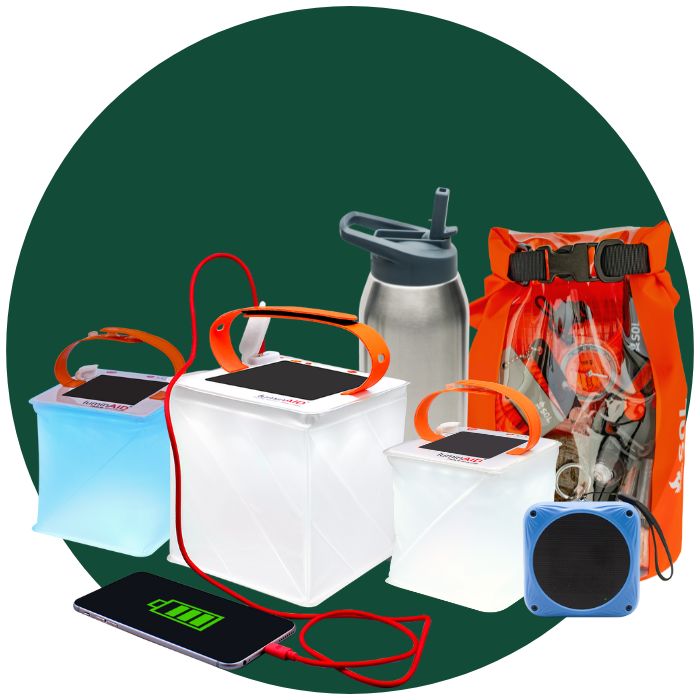
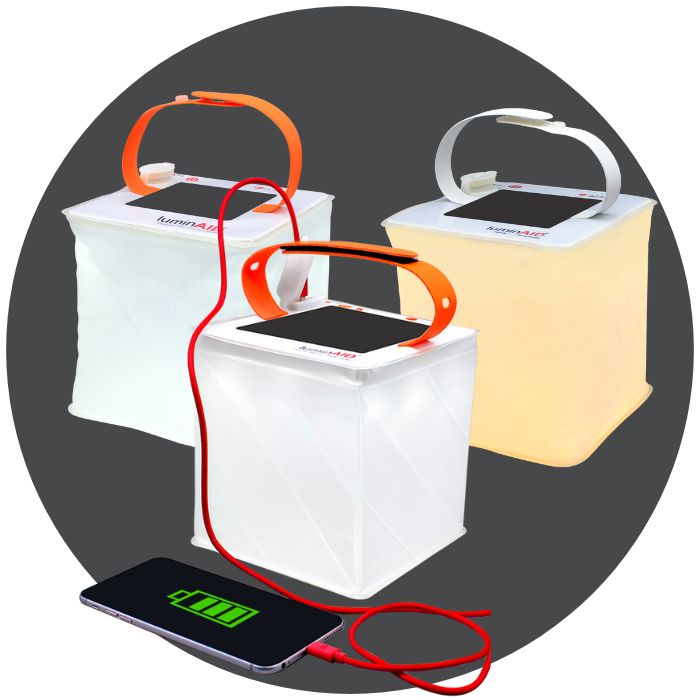
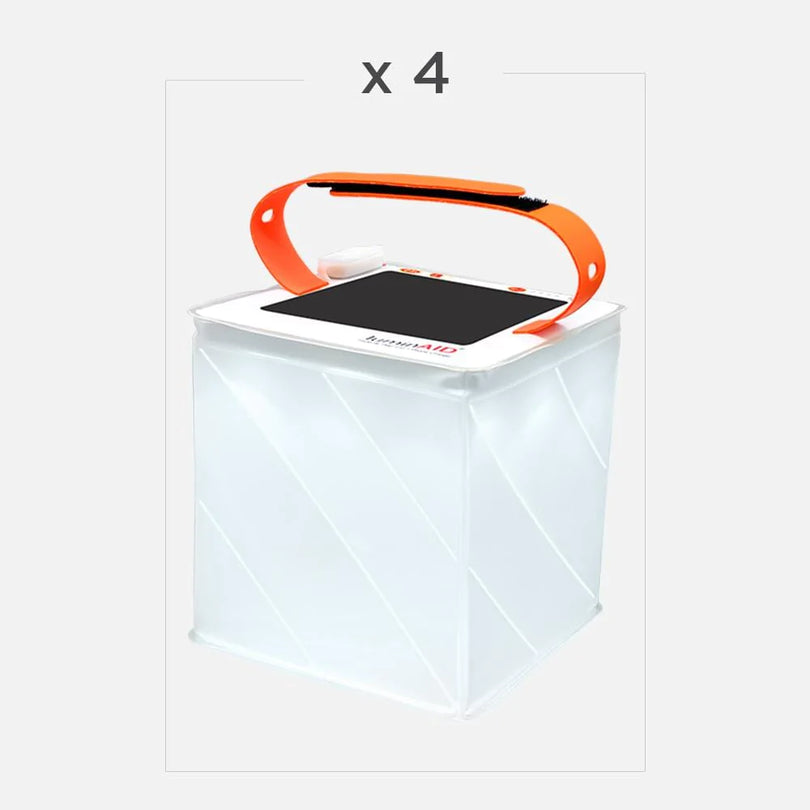
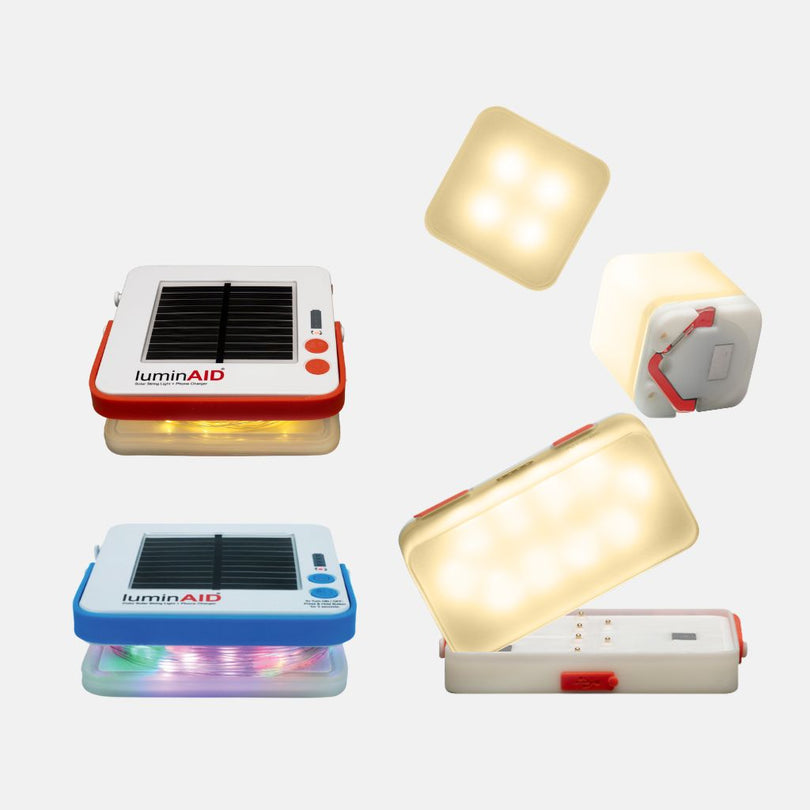
LuminAID Solar Lanterns and 2-in-1 Power Lanterns are a perfect fit for this first layer. They’re lightweight, always charged and ready thanks to the sun, and provide both reliable light and a USB port to give your phone that critical power boost. This isn't about running your refrigerator; it's about having the immediate tools to manage the first few minutes of a blackout safely.
Integrating Layers for Total Resilience
Once your immediate needs for light and communication are handled, you can safely move on to activating your second or third layer of home backup power. Your portable LuminAID lantern can light the way to the garage to start a fuel generator or to the basement to check the status of a whole-home battery system.
This approach builds a bridge between your different power solutions, making your entire plan far more robust.
A layered power strategy is about creating a sequence of responses. Your smallest, most portable tools solve the immediate problem of darkness and disconnection, buying you the time and safety needed to activate your larger, more powerful backup systems.
This tiered system ensures you're never left completely in the dark. It also makes your overall preparedness more flexible. For a quick, hour-long outage, your first layer might be all you need. For a multi-day event, it becomes the essential first step in a much larger plan.
Building Your Comprehensive Emergency Kit
Your layered power strategy is a core piece of your bigger family emergency plan. The same kit that holds your LuminAID Power Lantern should also be stocked with other essentials to cover a range of situations. Having a well-organized kit means you aren't scrambling for supplies when stress is high.
A complete emergency kit should include more than just power. Consider adding these items to round out your preparations:
- First-Aid Supplies: A comprehensive medical kit is absolutely non-negotiable.
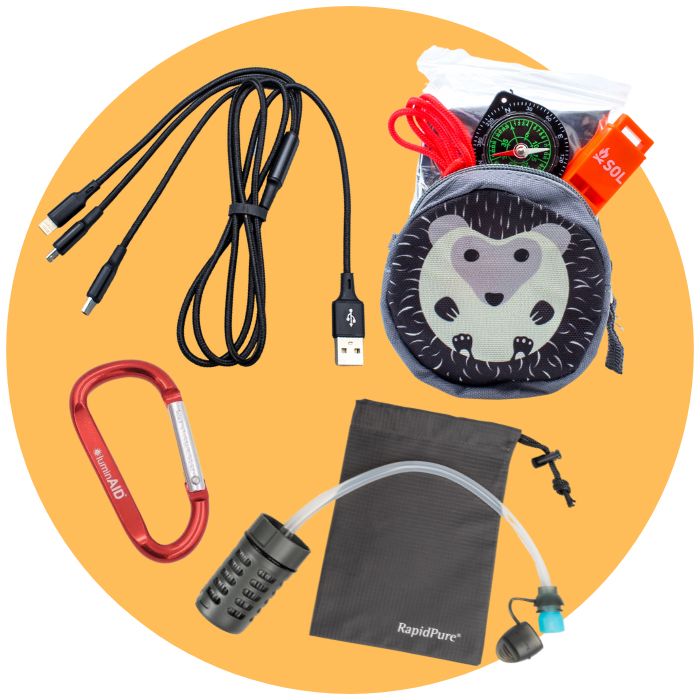
- Water and Food: Have at least a three-day supply of non-perishable food and one gallon of water per person, per day. Consider a reliable water filter from a brand like RapidPure for extended emergencies.
- Tools: A good multi-tool, duct tape, and a manual can opener can be invaluable.
- Shelter-in-Place Gear: Keeping essential gear organized and ready is key. You can find great options in the survival kits from Survive Outdoors Longer.
By thinking in layers, you transform your home backup power plan from a single point of failure into a resilient, adaptable system. It all starts with that first, simple step: grabbing a reliable light to see what comes next.
What To Expect: Installation Costs And Safety
When you're looking at a home backup power system, the price tag on the box is just the beginning of the story. The true investment goes far beyond that initial purchase, especially for bigger systems that need a professional touch. It's smart to get the full picture of these costs upfront to avoid any surprises down the road.
But even more important than the budget is safety. Every type of backup power has its own set of safety rules that you just can't ignore. Following them isn't just a good idea—it’s absolutely essential for keeping your home and family safe.
Factoring In The Full Cost
If you're buying a standby generator or a whole-home battery, the equipment itself is only one part of the final bill. You'll also need to budget for professional installation, which is a significant—and necessary—expense to make sure everything runs safely and correctly.
Here are the key costs to keep in mind:
- Professional Installation: A certified electrician is the only person who should be connecting a standby generator or battery system to your home's electrical panel. This is definitely not a DIY job.
- Transfer Switch: Think of this as the brain of your backup system. It safely disconnects your home from the utility grid during an outage and switches over to your generator or battery. This prevents dangerous back-feeding, which can endanger utility workers.
- Permits and Inspections: Your town or city will likely require permits for installing a large battery system or standby generator. This comes with fees and a final inspection to make sure everything is up to code.
- Fuel Storage and Lines: For generators that run on propane or diesel, you’ll need a dedicated storage tank. If you opt for a natural gas model, you might need a plumber to run a new gas line to the unit.
It's clear that more and more homeowners are prioritizing energy security. The global market for residential backup power is expected to jump from $12.86 billion in 2025 to a massive $21.69 billion by 2034. Here in the U.S., homeowners are projected to spend about $5.01 billion a year by 2032 on these systems, showing just how much we value having reliable power.
Safety Is Non-Negotiable
When you're dealing with any kind of home backup power, safety has to be your number one priority. Each option comes with its own risks, and cutting corners is a recipe for disaster.
For any fuel-powered generator, the golden rule is ventilation. These engines produce carbon monoxide (CO), a deadly gas that you can't see or smell. Always, always run a generator outdoors and at least 20 feet away from any doors, windows, or vents. Never, ever run one inside a garage, basement, or any other enclosed space.
For hardwired systems like whole-home batteries and standby generators, professional installation by a licensed electrician is non-negotiable. Improper wiring can lead to electrical fires, damage to your appliances, and pose a severe shock hazard.
Battery System Safety
While battery systems are much safer to use indoors, they still need to be handled with care. A critical part of their safety and performance is the Battery Management System (BMS). This internal brain monitors the battery to prevent overcharging, overheating, and other potential dangers.
A Simple Maintenance Checklist
A little regular maintenance goes a long way in making sure your system is ready when an outage hits. Here’s a quick rundown for each type.
Portable Power Stations:
- Charge Every 3-6 Months: To keep the battery healthy, be sure to top it off every few months, even if you aren't using it.
- Keep It Clean: Just wipe down the outside and make sure the air vents are free from dust or anything that could block them.
Fuel-Powered Generators:
- Run It Monthly: Start your generator and let it run for 15-20 minutes every month. This keeps the engine parts lubricated and the starter battery charged. Our guide has more great tips on how to use a generator safely during an outage.
- Check Oil and Fuel: Always check the oil level before you start it up. If you're using gasoline, add a fuel stabilizer to keep it from going bad in storage.
- Annual Service: It's a good idea to have a professional service it once a year to check the spark plugs, filters, and other key components.
Whole-Home Battery Systems:
- Monitor Performance: Most modern systems have an app that lets you keep an eye on its status and performance right from your phone.
- Keep Area Clear: Make sure the space around the battery unit is clear of clutter, especially anything flammable.
- Visual Inspection: Give it a quick look-over every now and then for any visible signs of damage or wear.
Your Home Backup Power Questions, Answered
Diving into home backup power can feel overwhelming. There are so many new terms, technologies, and choices that it’s easy to get lost. We get it.
That’s why we’ve put together this guide. We’re tackling the most common questions homeowners have, giving you clear, simple answers so you can make the right choices for your family's safety and comfort.
Can a Home Backup Power System Take Me Completely Off-Grid?
While it’s a tempting thought, most home backup systems are designed for temporary outages, not for cutting ties with the utility company for good. Think of a standard backup system like a spare tire—it’s a lifesaver meant to get you through an emergency until things are back to normal.
Going completely off-grid is a whole different ballgame. It demands a much larger, more complex setup, typically with huge solar panel arrays and a massive bank of batteries. The system has to be powerful enough to cover 100% of your energy needs all year, even through long, cloudy winter weeks.
For most of us, a grid-tied backup system hits the sweet spot between staying resilient during an outage and being cost-effective for daily life.
How Long Will a Backup System Actually Power My Home?
This is the big question, and the honest answer is: it depends. There’s no single runtime for a home backup power solution. How long the lights stay on comes down to two things: your system's capacity and what you choose to run.
Let's break it down with some real-world examples:
- Small Portable Power Stations: These are your lifeline for the absolute essentials. They're great for keeping phones charged and a few LED lanterns glowing for a full day.
- Fuel-Powered Generators: Fill up a mid-sized portable generator, and you can probably run essentials like a refrigerator and some lights for 8-12 hours before it needs more gas.
- Whole-Home Battery Systems: Their runtime is all about capacity, measured in kilowatt-hours (kWh). A common 15 kWh battery could keep your key circuits—like the fridge, Wi-Fi, and a few lights—running for anywhere from 12 to 24 hours.
- Solar-Plus-Storage Systems: This is where you get real long-term power. As long as the sun is out long enough to recharge your batteries each day, you could potentially keep your home powered indefinitely.
Getting the right size system for your specific needs is the most important step. It’s what guarantees you have enough juice to ride out an outage without worry.
Are There Any Tax Credits for Installing a Home Backup Power System?
Yes, and you might be surprised by how much you can save! Significant financial incentives are out there, especially for systems that use renewable energy, and they can make a huge difference in the final cost.
The biggest one is the Federal Solar Investment Tax Credit (ITC). It allows you to claim a credit on your federal taxes for a percentage of what you spend on a new solar-plus-storage system. The best part? The credit usually applies to the whole project cost, including the batteries, solar panels, and the installation itself.
Don't stop at the federal level, though. Many states, counties, and even local utility companies have their own rebate programs, state tax credits, or special low-interest loans for adding energy storage.
These programs are always changing, so it's a good idea to check the online Database of State Incentives for Renewables & Efficiency (DSIRE). A good, qualified installer will also be your best friend for finding all the latest incentives in your area.
What Is the Difference Between a Portable Power Station and a Solar Generator?
This is a great question, and it causes a lot of confusion because people often use the terms interchangeably. The difference is actually pretty simple.
A portable power station is the heart of the system. It’s a big, rechargeable battery inside a portable case that has all the outlets you need (AC, USB, and DC). You can charge it from a wall outlet, your car, or by hooking up solar panels.
So, what’s a "solar generator"? It’s just a portable power station that comes bundled with solar panels or is sold as being solar-compatible. The name is a bit misleading, since it doesn’t actually generate power on its own—it just stores it.
Think of it this way: a solar generator is the complete, self-sustaining kit. You get the power station (the battery) and the solar panels (the charger) all in one. This combo gives you a renewable power source you can take absolutely anywhere, making it perfect for camping, working remotely, or as a key piece of your emergency kit—which, of course, should always include a solid first aid kit from a trusted brand like Adventure Medical Kits.
Ready to build your layered power strategy? LuminAID provides the perfect first layer of defense with our solar-powered lanterns and 2-in-1 phone chargers. Ensure you have immediate, reliable light and power the moment an outage strikes.
Shop Our Emergency Power & Lighting Solutions Now