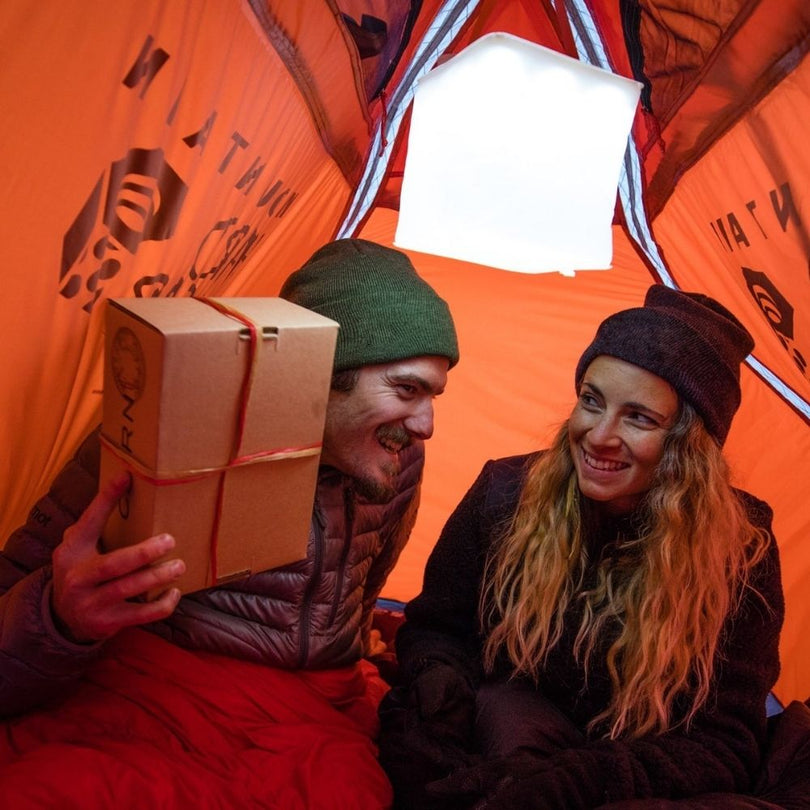

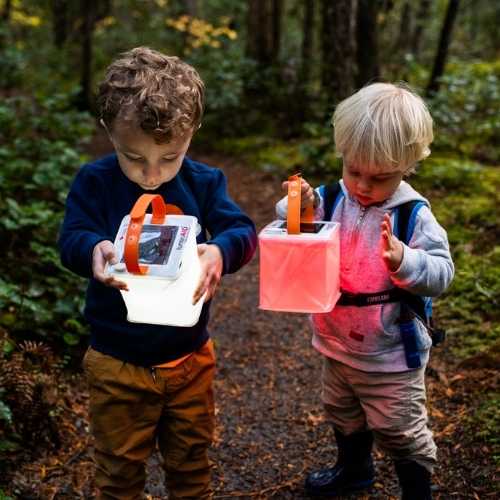

A tent rarely goes dark at a convenient moment. It happens when the zipper is half closed, the phone battery is nearly empty, and the one light in camp has already been clipped to the wrong loop. That's when weak gear shows its limits.
When selecting tent lighting options, it's common to look for a single product that does everything. It won't. A usable setup is a system: one light for ambient glow, one for tasks, one for moving around outside, and one power plan that still works when weather turns bad or the grid goes down. That matters for camping, vehicle-based travel, family trips, and home outage kits.
That shift is getting bigger, not smaller. The global tent lighting market is projected to grow at a 6.1% CAGR and reach $1.65 billion as outdoor recreation and emergency preparedness demand rise, with growing interest in sustainable off-grid lighting such as solar-powered options, according to Data Insights Market tent lighting research. Buyers aren't only looking for brightness anymore. They're choosing rechargeability, packability, and lights that can do more than one job.
Campers who want a more dependable setup can start by reviewing practical tips for traveling with packable solar lights, then build from there with a clearer idea of how the whole system fits together.
Illuminating Your Adventures
Good tent lighting does three jobs at once. It helps people see safely, keeps the shelter comfortable after dark, and reduces dependence on throwaway batteries and extension-cord thinking that doesn't belong in camp.
A poor setup usually fails in familiar ways. A single lantern creates harsh shadows. A bright headlamp blinds everyone inside the tent. Decorative string lights look good in product photos but don't help much when someone needs to sort gear, find medicine, or step outside in rain.
Practical rule: The right tent lighting options don't start with a product. They start with what has to work after sunset, during bad weather, and when charging gets complicated.
The strongest setups treat lighting as part of a larger off-grid kit. That means matching light type to use, choosing a realistic charging method, and avoiding fragile solutions that only work on short, fair-weather trips. Solar has become more relevant because it can support repeated use without a box of spare batteries, especially for people who camp often or keep gear ready for outages.
Three questions sort out most decisions fast:
- Where will the light be used most often: inside the tent, around camp, or during short walks outside?
- What's the power plan: solar recharge, USB recharge, replaceable batteries, or a mix?
- What's the failure consequence: mild inconvenience, or a serious problem during a storm or outage?
Those answers matter more than marketing language on the package.
The Main Types of Tent Lights Explained
Good tent lighting works as a small system, not a single gadget. In the field, the most reliable setups usually combine one broad light for the shelter, one directional light for jobs and movement, and one small light for a problem spot like the entry, gear loft, or cook table.
Lanterns for ambient light
Lanterns do the heavy lifting inside a tent. They spread light across the whole shelter, which makes them the default choice for sorting gear, getting kids settled, changing clothes, or cooking under a vestibule.
Power source matters more than many buyers expect. Solar lanterns are a strong fit for frequent campers, emergency bins, and anyone trying to cut down on disposable batteries. They work best with a real recharge plan, not wishful thinking after a cloudy day. Guides on solar lanterns for camping and backup use are useful because they frame solar as part of a power system, not a magic answer.
USB-rechargeable lanterns are simple for weekend trips and car camping. Charge them before you leave, top them off from a power bank, and they are easy to live with. Their weakness shows up on longer trips where every recharge has to be rationed.
Battery lanterns still earn their place in cold weather, long outages, and backup kits. Replaceable cells are dependable if you pack spares and store them well. The trade-off is bulk, recurring cost, and the old problem of dead or leaking batteries discovered at the wrong time.
Headlamps for task work and movement
Headlamps solve a different problem. They put light exactly where your eyes are pointed, which makes them useful for night walks, map checks, zipper repairs, cooking, and bathroom runs.
Inside the tent, they are easy to misuse. A bright beam at face level turns every glance into glare, and close walls bounce light back harder than people expect. I carry a headlamp on every trip, but I rarely use it as the main tent light unless I am solo.
String lights for comfort and zone lighting
String lights work best as secondary lighting. They add soft light along a ridgeline, under a canopy, or around a vestibule where people want enough visibility to relax without blasting the whole shelter.
Placement matters. High and indirect usually feels better than eye-level and exposed. Event crews use the same basic idea in larger covered spaces, and this event planner's guide to PAR lighting explains the logic well. Broad wash often feels more comfortable than a single hard point of light.
String lights still have limits. They help a setup feel livable, but they usually do not replace a lantern when someone needs to find medication, repair gear, or pack in the rain.
Clip lights and puck lights for targeted spots
Clip lights and puck lights fix local problems. They are useful when one area needs light and the rest of the tent does not.
Good uses include:
- Reading spots: low, focused light near a sleeping area
- Tent doors: enough light to manage boots, zippers, and wet gear
- Camp tables or storage bins: direct light where hands are working
Their downside is narrow coverage. One small light can make a corner work well while leaving the rest of the shelter dim.
LED candle alternatives for ambiance
This category is mostly about comfort. For glamping, family camping, or tented gatherings, a flicker-style LED can add warm light without creating heat and flame inside a fabric shelter. Real candles do not belong in a tent. Economy Tent's commercial tent lighting overview makes the same point in an event setting, and the rule applies just as strongly at camp.
Use LEDs for enclosed spaces. They run cooler, are safer around fabric and sleeping gear, and are easier to leave on briefly while people settle in.
Tent Lighting Options at a Glance
| Light Type | Best For | Typical Power Source | Key Feature |
|---|---|---|---|
| Solar lantern | Camping, outages, repeated off-grid use | Solar, sometimes USB backup | Broad ambient light without disposable batteries |
| Rechargeable lantern | Car camping, weekend trips, indoor backup use | USB rechargeable | Simple charging before departure |
| Battery lantern | Backup kits, cold-weather redundancy | Replaceable batteries | Easy field swap if extra cells are packed |
| Headlamp | Walking, cooking, reading, setup tasks | Rechargeable or battery | Hands-free directional light |
| String lights | Tent ambiance, vestibules, canopies | USB, solar, battery | Soft distributed light |
| Clip or puck light | Gear lofts, entry points, reading spots | Rechargeable or battery | Focused light in tight spaces |
| LED candle alternative | Warm ambiance in enclosed spaces | Battery | Candle-like glow without flame |
One light type rarely handles every job well. A mixed setup usually works better, lasts longer, and creates fewer headaches after dark.
How to Compare Tent Lighting Like a Pro
A package can look impressive and still be wrong for the trip. The trick is to ignore the hype words and read the specs like they affect real camp use, because they do.
Start with lumens, then match the tent size
Brightness matters, but only in context. A small tent doesn't need the same output as a large family shelter. For practical camp use, an average four-berth tent needs about 50 to 100 lumens, while an eight-man tent needs about 150 to 250 lumens for adequate coverage, according to Pitchup's tent lighting guide. The same guide notes that IP44 should be treated as the minimum waterproof rating for tent lighting exposed to condensation or outdoor conditions.
That's the baseline. More light isn't always better. Too much brightness in a small nylon shelter creates glare, harsh shadows, and the miserable feeling of being interrogated by your own lantern.

Read the rest of the label carefully
A smart comparison checks more than output. These five factors decide whether a light works in the field:
- Run time: A bright setting that drains too fast is often less useful than a moderate mode that lasts through the night.
- Beam type: Flood patterns suit tent interiors. Focused beams suit trail use and task work.
- Color tone: Warm light feels easier inside fabric shelters. Cooler light can be better for sorting gear or first-aid tasks.
- Packability: Backpackers care about bulk and weight. Car campers can afford larger lights with broader output.
- Charging method: Solar helps on longer trips and outages. USB is convenient before departure. Replaceable batteries are useful as redundancy, not as the default plan.
A good way to evaluate all of that is to compare how solar models are designed for camp conditions, especially with solar lanterns built for camping and similar off-grid use.
What often works better than expected
The most reliable purchases are often moderate, not extreme. A lantern with several output settings, a decent hanging point, and a realistic charging method usually beats a huge-output model that's awkward to place and hard to recharge.
Buy for the third night, not the first fifteen minutes. Almost any light feels bright right after sunset.
The Right Light for Your Adventure
The right system looks different depending on who's using it. A solo backpacker, a family car camper, and someone building an outage kit shouldn't buy the same setup.

The ultralight backpacker
A backpacker needs gear that earns its place. That means one primary lantern for inside the tent, one headlamp for moving and cooking, and a charging plan that doesn't depend on luck.
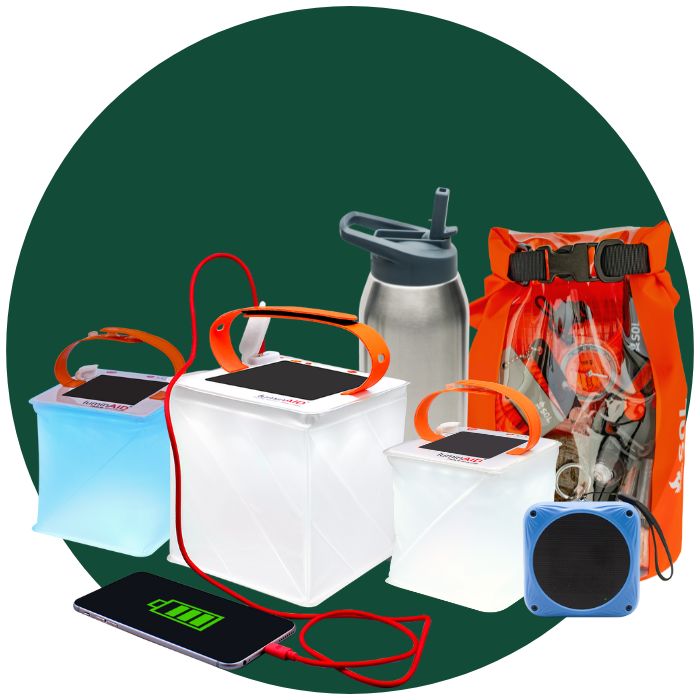
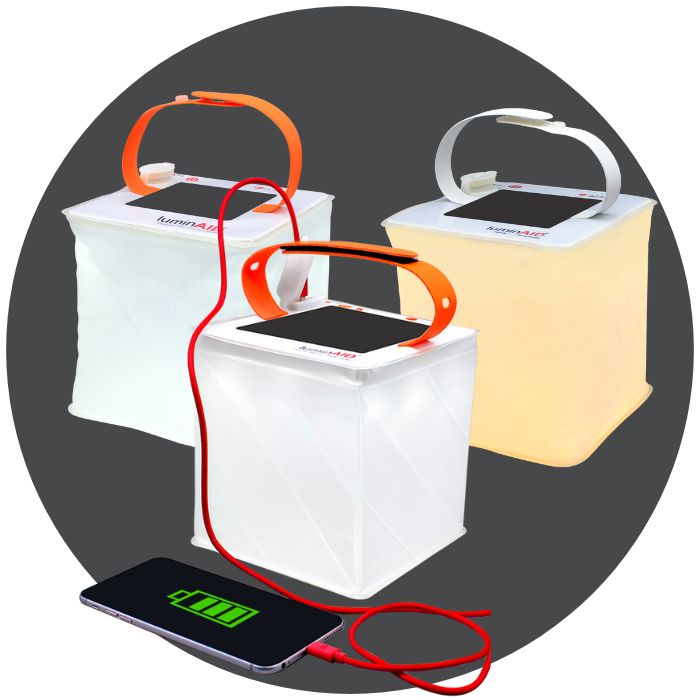
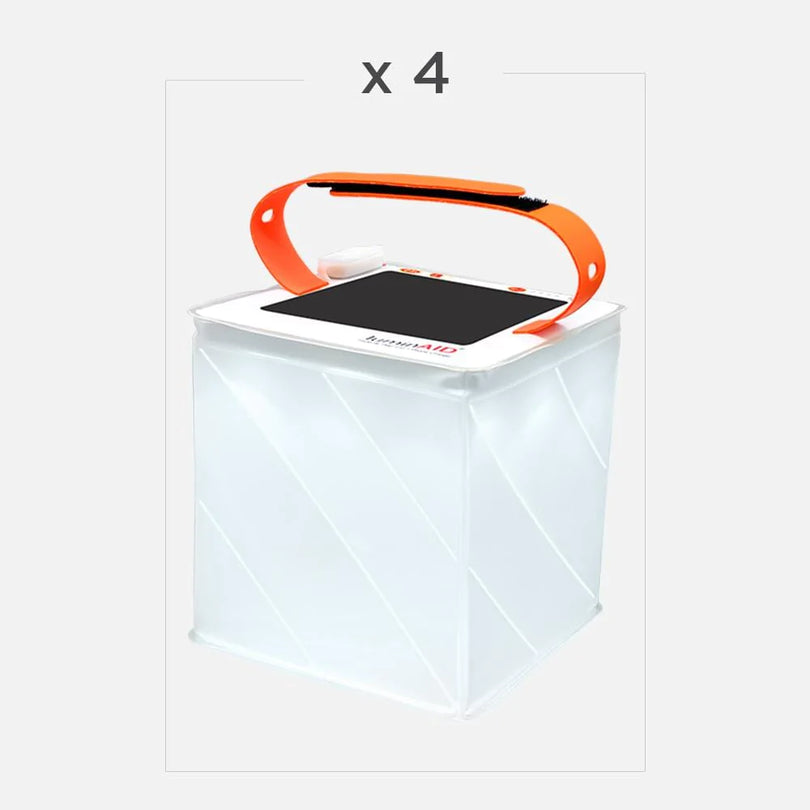
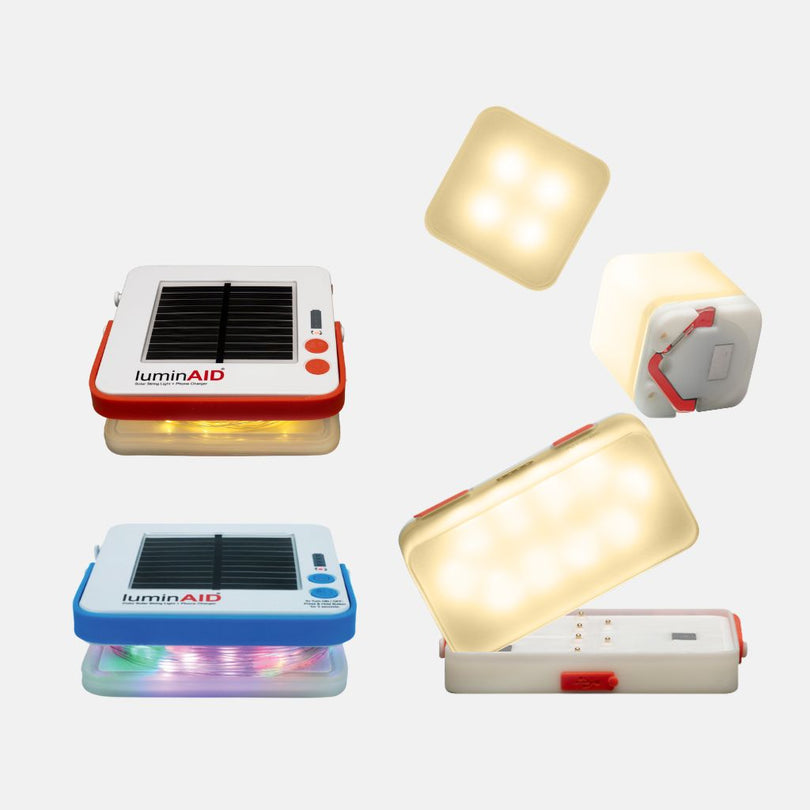
The smart choice here is usually a compact lantern that collapses or packs flat, with rechargeable power and some form of solar capability if the trip runs beyond a quick overnight. A 2-in-1 light and phone charger can make sense because it reduces duplication. One example is a LuminAID Power Lantern, which combines portable light with USB phone charging for camping and emergency use.
What doesn't work well for this user is decorative lighting, oversized battery lanterns, or anything with awkward hard-shell bulk. Every ounce and every cubic inch matter.
The comfort-focused car camper
Car campers can build a layered setup that feels far more livable after dark. They have room for a brighter central lantern, softer ambient lighting, and a dedicated task light for the camp table or stove.
A strong arrangement often looks like this:
- Overhead lantern: the main light for the tent interior
- String lights: low-glare comfort lighting along the ridgeline or canopy
- Headlamp: personal task light and bathroom-run light
- Backup light: a small clip light in the tent pocket or gear bin
This kind of setup is less about survival and more about reducing friction. Everyone can find shoes, sort clothing, and wind down without one person controlling the only light source.
For broader household and camp readiness, practical gear planning often overlaps with emergency thinking. Sites such as Survive Outdoors Longer are useful because they keep the focus on what still works when conditions get less forgiving.
The emergency prepper
A prepper's lighting system has a different standard. It can't be chosen only for comfort. It has to work during a power outage, in bad weather, and after batteries in a junk drawer have already failed.
That changes the buying criteria:
- Independent charging matters more. Solar becomes valuable because it can restore function without wall power.
- Long shelf readiness matters. Gear should be easy to store, easy to find, and simple to use under stress.
- Multi-use matters. A light that can also help top off a phone or mark a room has real value.
For this user, the best system often includes one lantern in each key area of the home or kit, plus a separate personal light for movement. The point isn't luxury. It's to avoid a single point of failure.
A quick visual example helps show how compact tent and camp lighting systems can be set up for practical use:
The best emergency light is the one that's charged, reachable, and simple enough for anyone in the household to use in the dark.
Tent Lighting Setup and Safety Rules
A good tent light can still make camp miserable if it is mounted in the wrong spot, run on the wrong mode, or treated like the only light you need. I have seen bright lanterns create more problems than they solve. Glare, dead batteries, and unsafe heat sources usually come from setup mistakes, not bad marketing copy.
Start with placement.
Hang light to reduce glare and shadows
The worst setup is a lantern hanging right at face height in the middle of the tent. It blasts everyone in the eyes, throws hard shadows, and makes the corners feel darker. A better setup puts the main light slightly above eye level and off to one side, where it can spread light across the roof and walls.
Use the tent fabric to your advantage. A lantern pointed into a light-colored wall or ceiling gives a softer fill than a bare beam aimed straight down. Small clip lights work better near the jobs they support, such as the door, gear loft, or pocket where a headlamp and keys live.
For bigger shelters, borrow a page from event crews. They light by zone, not by bulb. The same logic in this 1021 Events outdoor lighting guide applies inside camp. Light the sleeping area, the entry, and the task area separately, and the whole setup works better.

Soft ambient lighting has its place. String lights for tents can make a shelter feel calmer and easier to move around in, but they work best as background light. They are rarely enough for cooking, gear repair, first aid, or reading a map.
Layer the light by job
The simplest reliable system uses more than one light source, with each one assigned to a job.
Ambient light fills the tent without harsh glare.
Task light handles cooking, repairs, reading, and sorting gear.
Safety light stays ready at the door, along the path, or clipped where it can be grabbed instantly.
This setup saves battery power and prevents fumbling. There is no reason to run a lantern on high just to find a zipper or refill a water bottle. A small low-output light often does that work better.
Follow the fire and weather rules
Inside a tent, heat matters more than ambiance. LEDs are the safe default because they stay much cooler than flame-based lighting and are easier to manage in tight fabric shelters. Candles, fuel lanterns, and improvised flame sources do not belong inside a tent. If you want warm-looking light, use an LED with a low mode or a flicker setting.
Weather changes the rules too. Rain and condensation find weak charging ports fast. Cold temperatures shorten battery performance. Wind can turn a loosely hung light into a swinging nuisance or a broken housing on the tent floor. Check seals, charge levels, and attachment points before sunset, not after.
A few habits prevent the failures I see most often:
- Charge before the trip: solar and power banks are backups, not excuses to leave with half-full lights
- Keep one personal light in a fixed spot: the same pocket, loop, or door hook every time
- Test every hanging point: mesh, elastic loops, and cheap clips fail under less weight than people expect
- Protect the backup from moisture: a dry bag or zip pouch matters in wet weather
- Store first aid with the lighting kit: if someone needs tweezers, tape, or bandages in the dark, both should be reachable together. A compact option from Adventure Medical Kits fits that system well
A safe tent lighting setup should feel boring. The light stays where you put it, batteries last through the night, and nobody has to guess which switch to hit in the dark.
Choose a Brighter and More Sustainable Future
Most disappointing tent lighting options fail because they're chosen one at a time. A stronger approach is to build a small system around three things: use case, power source, and safety.
Use case decides the form. Backpackers need compact multi-use gear. Car campers benefit from layered light. Emergency kits need simple, independent, rechargeable tools that still make sense when the power is out. Power source decides whether the light stays useful after the first charge. Safety decides whether it belongs inside a tent at all.
Sustainability isn't separate from practicality. It's part of it. Off-grid lighting that can recharge and be used again and again reduces waste, cuts dependence on disposable batteries, and makes more sense for people who camp regularly or prepare for outages at home. That same thinking shows up outside the campsite too, especially in broader conversations about sustainable outdoor living for homeowners.
The smartest purchase usually isn't the brightest light on the shelf. It's the light that fits a real system, survives repeated use, and solves problems without creating new ones. For buyers who care about where that choice leads, there's also value in supporting companies that connect portable light with wider relief efforts and practical access to safe illumination.
Reliable light changes a campsite, a roadside stop, and a blackout at home in the same way. It lowers stress fast. To build a simpler off-grid lighting system with portable solar lanterns, phone-charging options, and tent-ready ambient lighting, explore LuminAID.