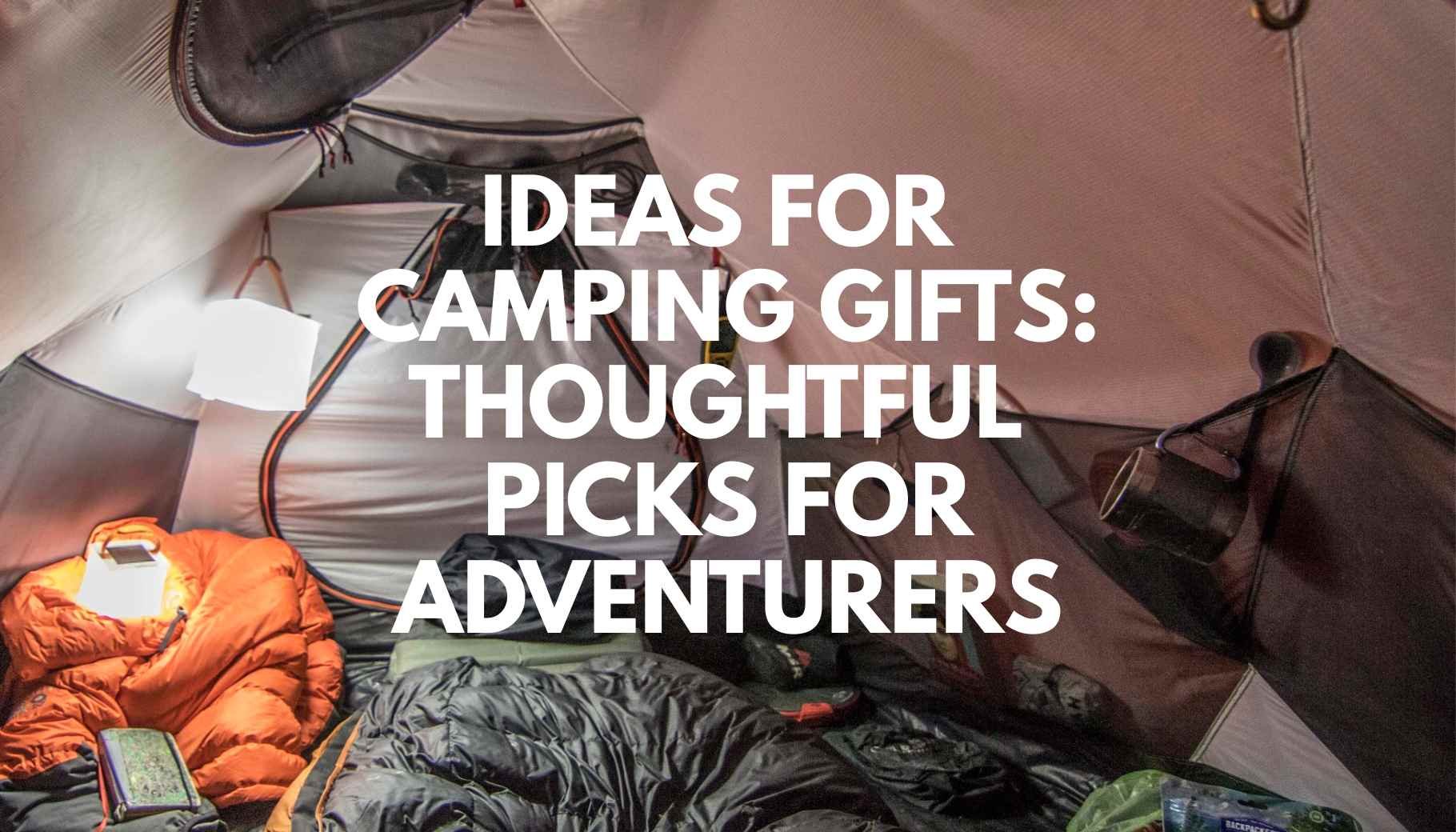

Let’s be honest, fumbling for a headlamp in a pitch-black tent is a classic camping fumble we've all experienced. But what if you could swap that frantic search for a warm, inviting glow? That's where the right string lights for tents come in. They do more than just light up your space; they turn a simple shelter into a cozy basecamp, making your evenings safer, more comfortable, and a whole lot more memorable.
Why String Lights Elevate Your Camping Experience
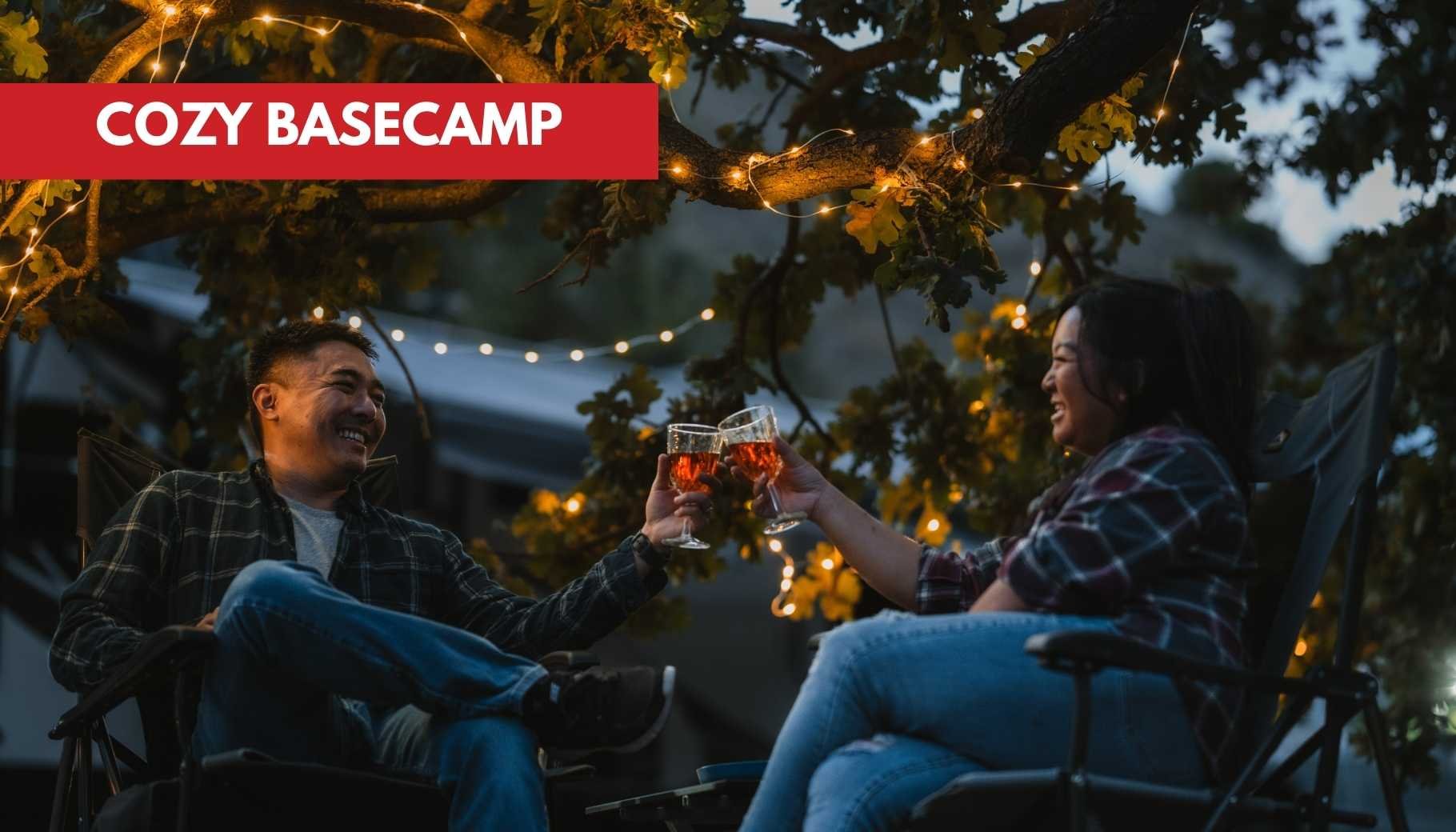
This isn't just about making your tent look good for the 'gram. Adding ambient lighting is a game-changing practical upgrade. It gets you away from the harsh, single-point beam of a headlamp and gives you a soft, diffused light that makes your entire tent feel like home after the sun goes down.
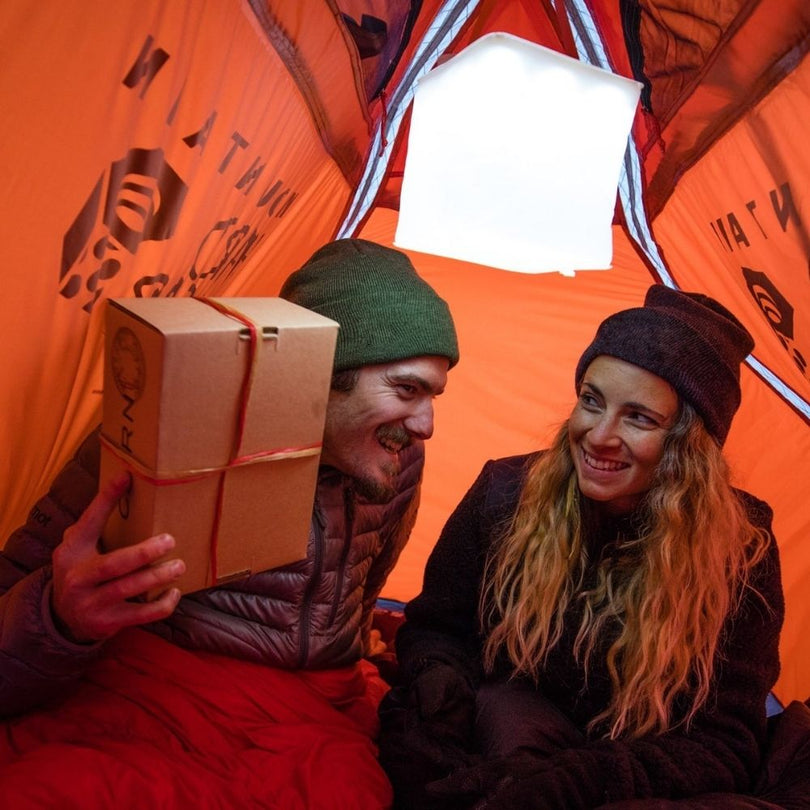
Think about it: a well-lit tent makes it way easier to find your spare socks, organize your gear for the next day, and just move around without tripping over everything. It instantly creates a welcoming hub for your campsite—the perfect spot to wind down with a book or a card game after a long day on the trail.
More Than Just Light
The rising popularity of string lights mirrors a bigger trend in outdoor recreation. People want to bring more comfort and style to their campsites, and the numbers back it up. The market for camping lights is expected to climb by USD 95.4 million between 2024 and 2029. It’s all part of a desire to make our outdoor spaces feel more like an extension of home, and you can learn more about the growing popularity of camping illumination.
In this guide, we’re moving past the basics to give you real-world advice pulled from countless nights spent outdoors. We'll cover everything from picking the perfect lights to getting creative with your setup. Of course, great lighting doesn't replace solid preparation, so while you’re packing, make sure you have essentials like a well-stocked first-aid kit to handle any bumps and scrapes after dark. Now, let’s get ready to completely transform your camping experience.
How to Choose Your Ideal Tent String Lights
Navigating the world of portable lighting can feel like a chore, but picking the right string lights for your tent really just boils down to a few key things. Forget getting lost in endless product pages; let's focus on what actually makes a difference at the campsite. Your best bet will always depend on how you camp, what power you have on hand, and the vibe you're going for.
The biggest decision you'll make right out of the gate is the power source. This one choice has a ripple effect on everything from what you pack to how you manage your campsite each day. Each option comes with its own set of trade-offs, balancing convenience against sustainability and reliability.
Power Source Showdown
The two main players in the portable power game are battery (rechargeable and conventional) and USB. Let's break down which one might be right for you.
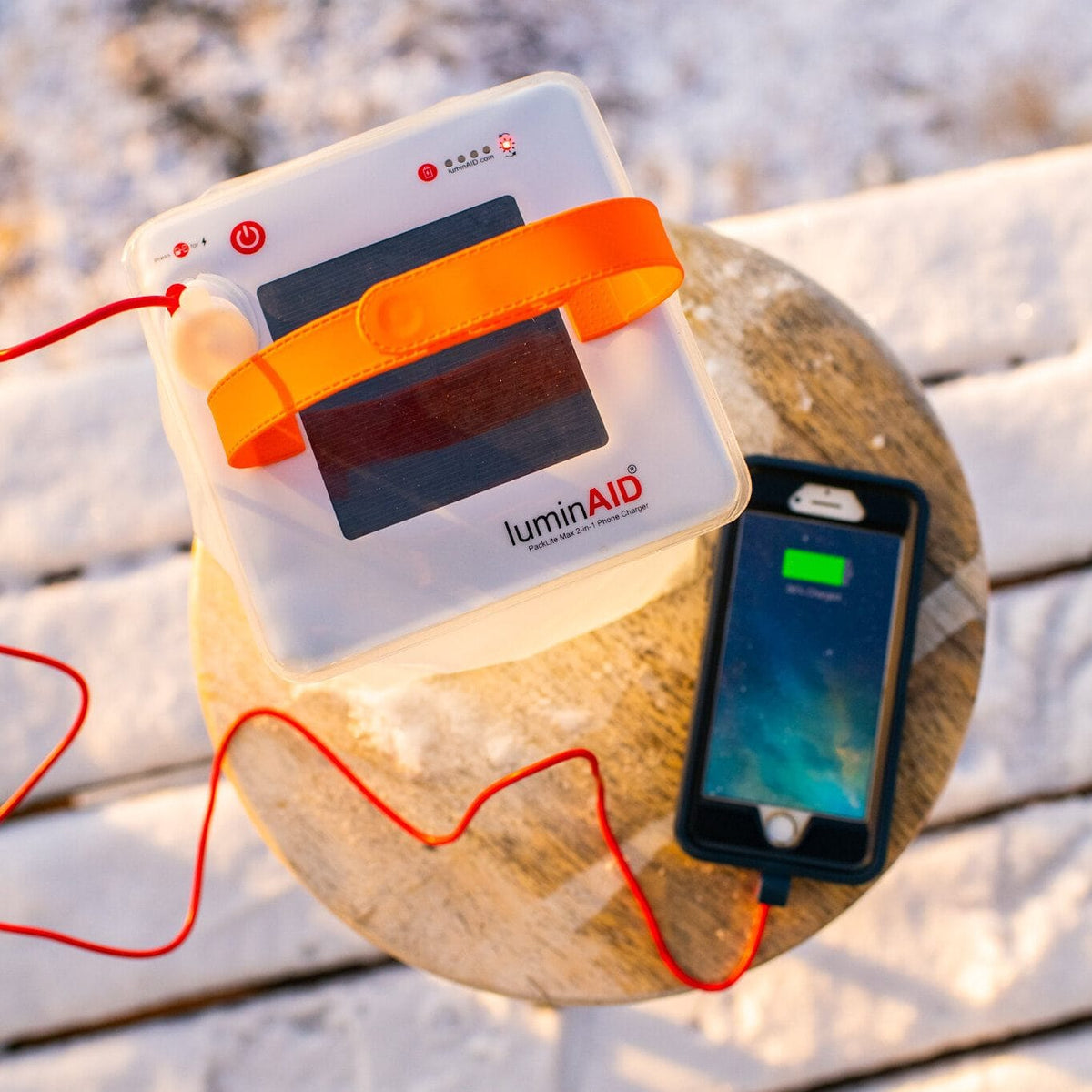
Additionally, there are string lights with a solar-rechargeable battery. These solar string lights are a game-changer for multi-day, off-grid trips where you want a setup that just works. They soak up sun all day and keep your tent glowing all night, freeing you from a dependency on disposable batteries or a power bank with a limited charge.
Battery-operated lights are the definition of straightforward reliability. Just pop in some AAs, and you're set. This makes them a no-brainer for quick weekend trips or car camping where you don't want to overthink things.
Then you have USB-powered string lights, which offer awesome flexibility. You can run them off the same portable power bank you use for your phone. For minimalist backpackers trying to consolidate their gear, this is a huge win.
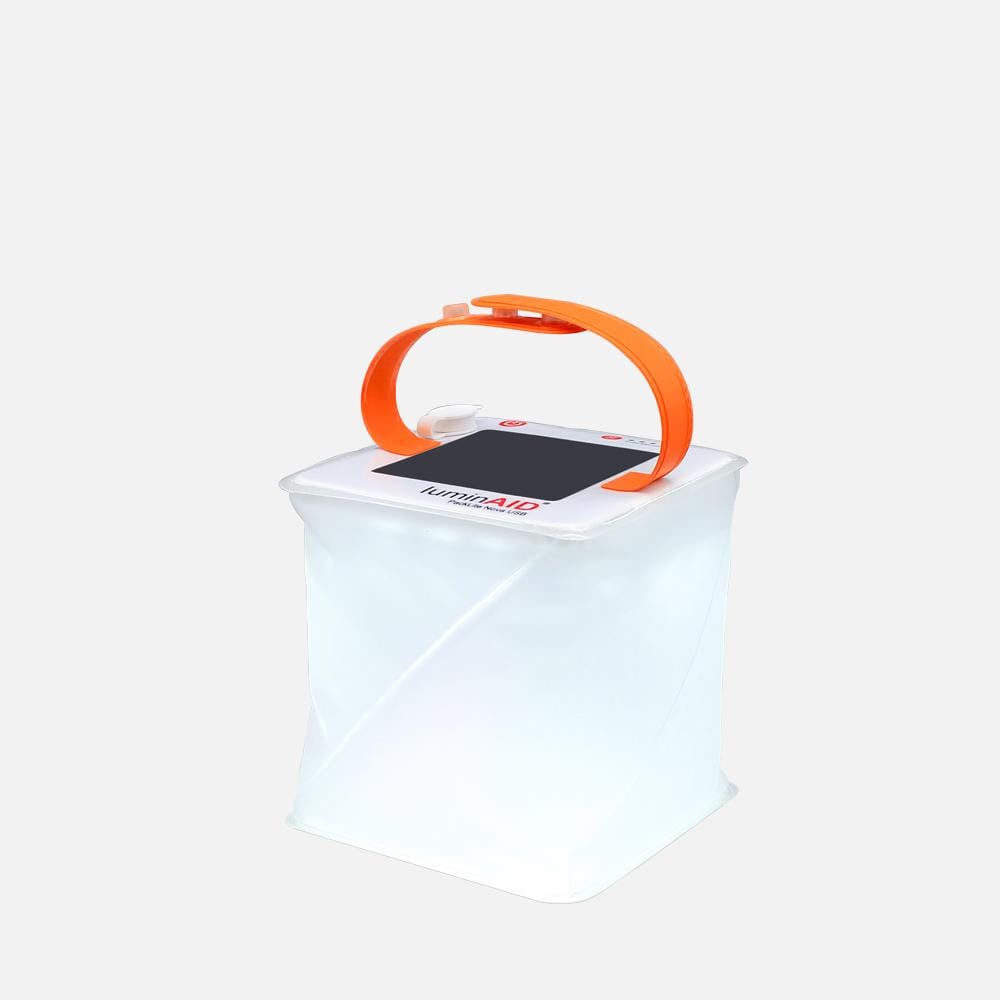
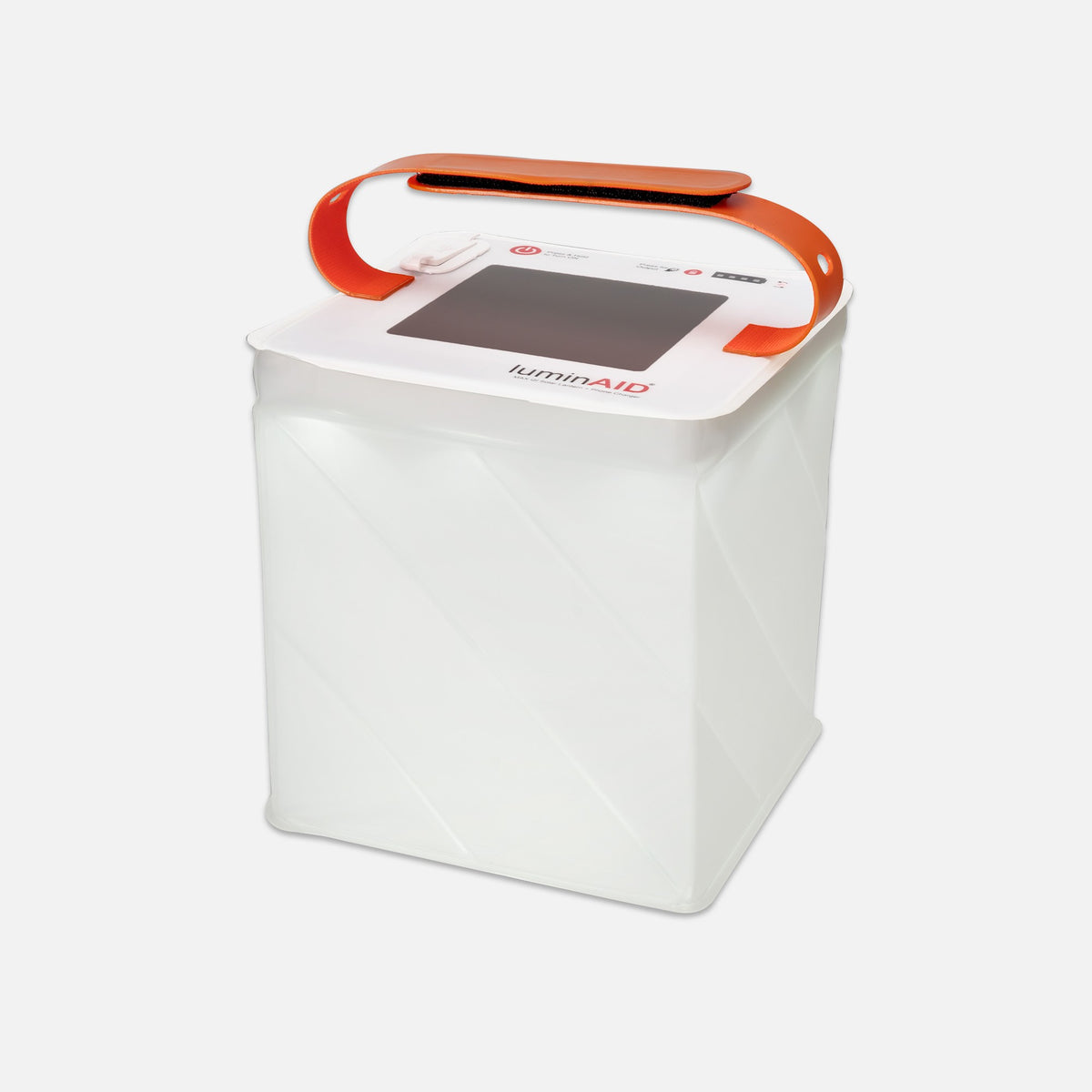
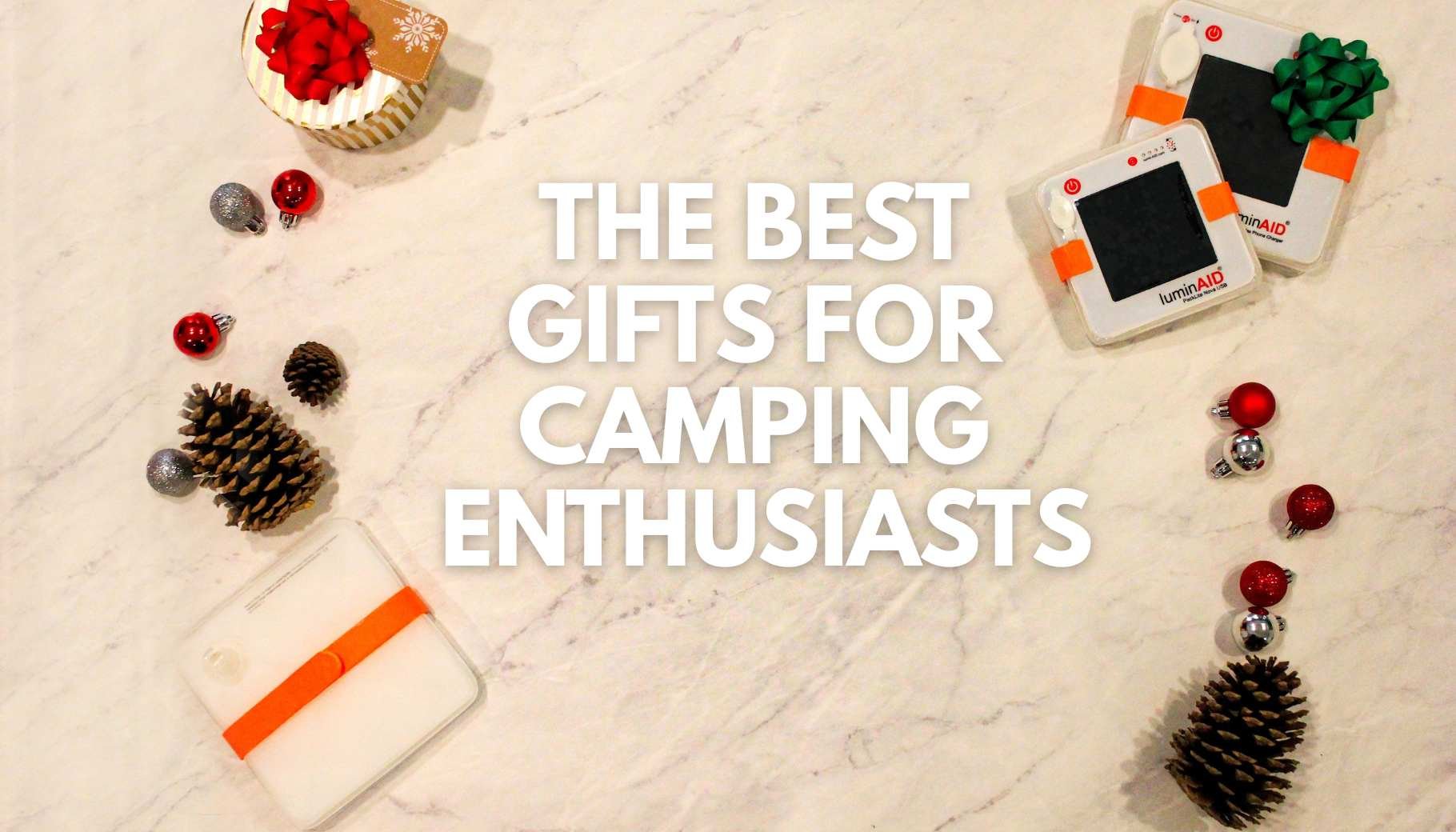
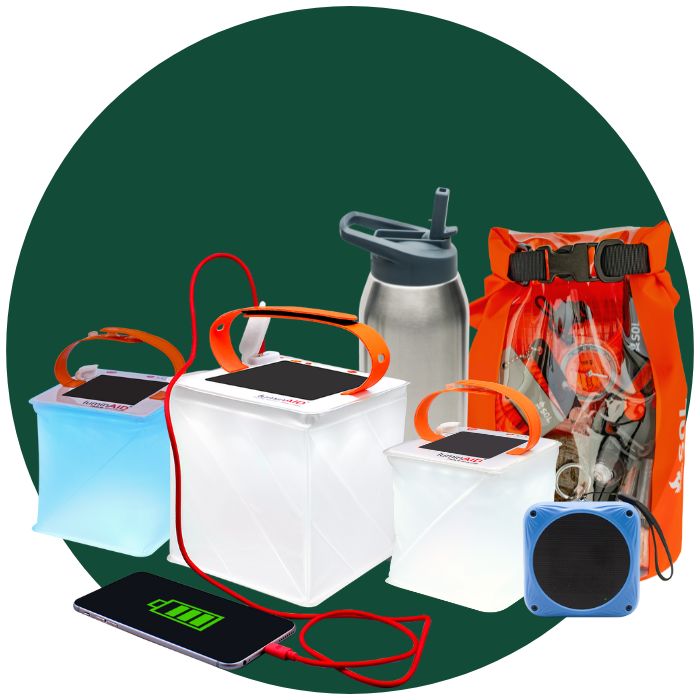
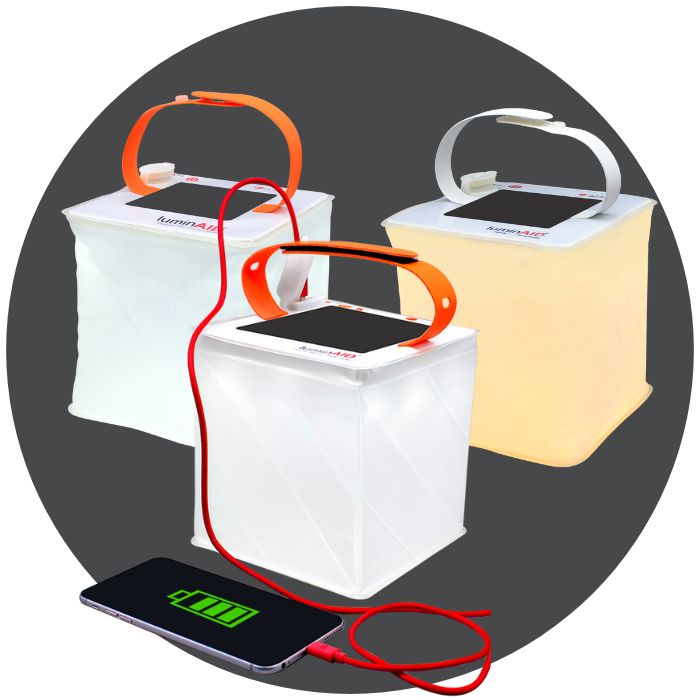
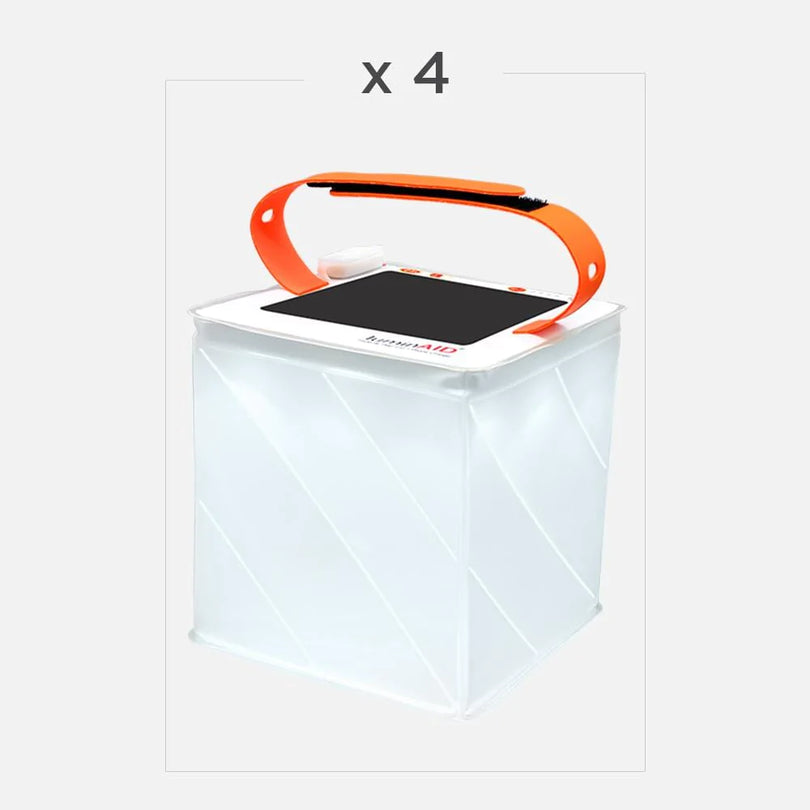
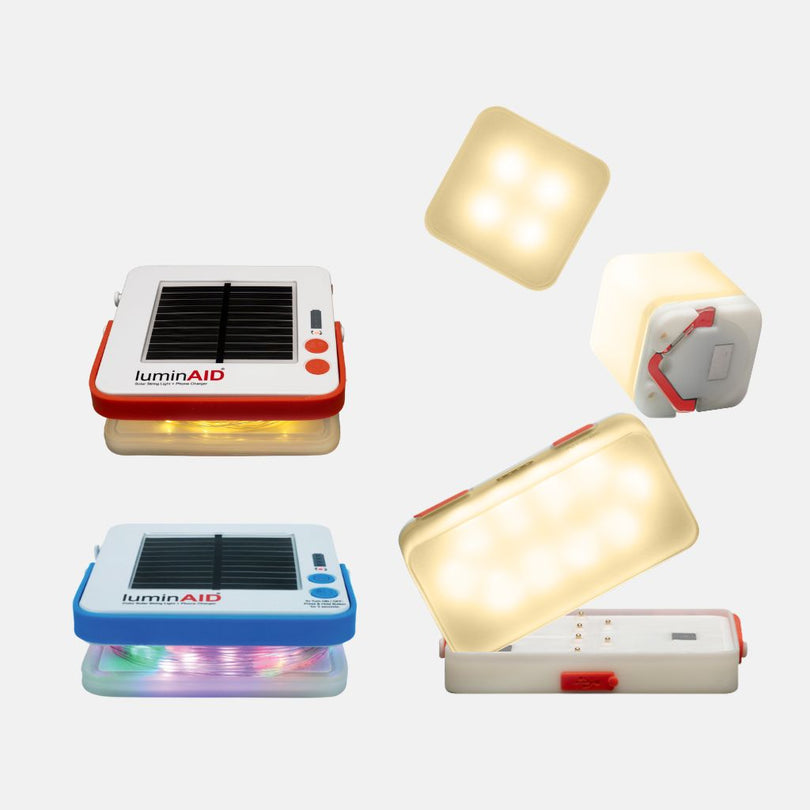
A fantastic example of a light that does it all is the LuminAID Solar String Light. It combines a solar panel, a built-in rechargeable battery, and a USB charging port, so you really get the best of all worlds. - Kou V.
Comparing Power Sources for Tent String Lights
Still weighing your options? This table breaks down the essentials to help you find the perfect match for your next trip.
| Power Source | Best For | Pros | Cons |
|---|---|---|---|
| Solar-Powered | Multi-day trips, off-grid camping, eco-conscious campers | Self-sufficient, renewable energy, no extra batteries needed | Dependent on sunny weather, higher initial cost |
| Battery-Operated | Weekend trips, car camping, festivals, ease of use | Simple to operate, instantly ready, widely available batteries | Creates waste, ongoing cost of batteries, can dim as batteries drain |
| USB-Powered | Backpacking, tech-savvy campers, minimalist setups | Highly flexible, runs off existing power banks, lightweight | Drains your power bank, limited by battery capacity, requires pre-charging |
Ultimately, the best choice is the one that aligns with your gear and your destination. A long backpacking trip in a sunny location is perfect for solar, while a cloudy weekend getaway might be better suited for a simple battery-powered set.
Decoding Light Specifications
Once you’ve nailed down your power source, it's time to think about the lights themselves. The technical specs can look a little intimidating, but they're what really dial in the perfect atmosphere.
-
Lumens (Brightness): This is just a measure of how much light you're getting. For a soft, ambient glow inside a two-person tent, 100-200 lumens is usually the sweet spot. If you're lighting up a big family tent or a small outdoor area, look for something in the 200-500 lumen range. Lights with a dimming feature are even better, letting you switch from bright task lighting to a gentle nightlight. While those numbers are great for lanterns, string lights can be sufficient for soft ambience at 40 lumens or less.
-
Color Temperature: This spec determines the color of the light. A warm white (around 2700K) gives off that cozy, yellowish glow you get from an old-school incandescent bulb—perfect for winding down. Cool white (around 5000K) is a sharper, more bluish light that's better for tasks like cooking or reading, but it can feel a bit clinical.
-
Bulb Type: For camping, LEDs are the undisputed champions. There's really no contest. They are incredibly energy-efficient, tough enough to get knocked around in a pack, and they run cool to the touch, which is a massive safety plus inside a fabric tent.
Built for the Backcountry
Finally, don’t overlook the rugged stuff. Your gear has to stand up to the elements and the general abuse of being on the road.
Always check the IP (Ingress Protection) rating, which tells you how well the lights are sealed against dust and water. A rating of IPX4 is a solid baseline, meaning it can handle water splashing from any direction. If you know you'll be out in rougher, all-weather conditions, look for IP65 or higher for more peace of mind.
Also, think about how the lights pack down. A tangled mess of wires is the last thing you want to deal with after a long day of hiking. Look for smart designs that wrap around a spool or pack neatly into a small case. A well-designed set of string lights will be a trusty companion for years, not a one-trip wonder. And while you're packing, don't forget other essentials to keep your campsite comfortable, like a reliable bug repellent from a trusted brand like Natrapel.
A Practical Guide to Powering Your Campsite
A gorgeous set of string lights for tents is really only as good as its power source. Without a solid plan for keeping the juice flowing, even the best lighting setup is going to leave you in the dark. Thinking through your power needs before you even leave the driveway is the key to making sure your lights, phone, and other gear stay charged up for the whole trip.
The first step is a quick mental inventory of what you’ll be powering. It doesn't have to be a complicated spreadsheet. Just think: lights, maybe a phone or two, a small speaker? And for how many hours a day? This simple exercise will tell you if a small power bank will cut it or if you need to level up to a larger portable power station, especially for a multi-day trip with more gadgets.
Maximizing Your Battery Life
Once you're at the campsite, a few simple habits can make a huge difference in stretching the life of your batteries or power bank. Luckily, a lot of modern string lights come with energy-saving features baked right in, making it pretty easy to be efficient.
-
Leverage Dimmer Functions: You’d be surprised how much less power your lights use on a lower brightness setting. A soft, ambient glow is usually all you need inside a tent anyway, and it's way more efficient than blasting them at full power.
-
Be Strategic: Only fire up the full light display when you actually need it for tasks like cooking dinner or digging through your pack. For just finding your way around, a single lantern or your headlamp is often plenty.
Mastering Solar Power Management
If you're going the solar route with your string lights or charging stations, managing your power becomes a bit of a daily ritual. Getting the most out of solar really boils down to smart panel placement and having a plan for those gray, cloudy days. If you're new to this, getting a basic handle on how solar panels work can make you much better at harnessing that free energy from the sun.
Try to position your solar panel where it will get the most direct sunlight, and don't be afraid to move it a couple of times as the sun arcs across the sky. On overcast days, your panel will still charge, just much more slowly. Those are the days to be extra mindful and use your lights a bit more sparingly. For integrated units like our lanterns, we’ve put together detailed guides on how to charge your LuminAID to get the best performance.
Creative Ways to Hang Lights on Any Tent
Just draping a strand of lights over your rainfly is fine, but let's be honest—you can do better. With a little thought, you can use string lights for tents to completely transform your campsite's vibe and function, no matter what kind of shelter you're working with. The idea is to make your lighting look intentional, beautiful, and genuinely useful.
You don't need a complex setup. The best anchor points are usually already part of your tent's design. These simple, damage-free methods work with the gear you probably already have packed.
The Cozy Interior Glow
Creating a warm, inviting space inside your tent is easily the most rewarding way to use string lights. It turns your sleeping area into a proper lounge for reading, playing cards, or just organizing your gear after the sun goes down.
Look inside your tent—most have gear loops or mesh pockets built into the ceiling. These are your new best friends.
-
Mini Carabiners or S-Hooks: These are my go-to. They're lightweight and perfect for clipping the light string to your tent’s gear loops. This lets you zig-zag the lights across the ceiling for a gentle, even spread of light.
-
Removable Adhesive Hooks: If your tent is short on loops, small, removable hooks can be a game-changer. Stick them to the interior poles to guide the string exactly where you want it. Just double-check that they're fabric-safe first.
-
Weave Through Mesh Pockets: This is a fantastic trick. If you have a gear loft or a ceiling pocket, just weave the lights through the mesh. It creates a wonderfully diffused, soft glow that kills any harsh shadows.
By spreading out the light source, you get rid of that single, blinding glare from a headlamp. This approach gives you a soft, uniform light that’s way easier on the eyes and makes the whole tent feel bigger and more welcoming.
The Guiding Pathway
Let's be real: tripping over a guy line in the dark is a rite of passage for campers. It’s also a great way to get a twisted ankle or a face full of dirt. Using your string lights to mark these hazards is both a brilliant safety move and a beautiful addition to your site.
It's simple. Just run a strand of lights along your main guy lines, securing them with small clips or by loosely wrapping the wire. This makes the lines impossible to miss and creates a lovely, illuminated border for your campsite. It's a small thing that makes a huge difference, especially if you're camping with kids or a larger group.
The Campsite Canopy
If you want to create a true social hub, nothing beats a canopy of lights. This method extends your cozy, well-lit space beyond the tent itself, setting up an "outdoor living room" for cooking, eating, or just hanging out.
When you've got trees or a couple of sturdy poles nearby, you can string lights between them to create a magical ceiling over your main gathering area.
Remember to consider estimating your needs first, using batteries or power banks to get you through the night, and then managing your solar harnessing resources during the day.
When you're securing wires for a canopy, especially if it's windy, use reusable gear ties or clips to attach them firmly. Always give trees or poles a quick check for any sharp edges that could fray the wire's insulation—you want your setup to be both beautiful and safe. And for total peace of mind, packing a reliable emergency tool means you're ready for anything unexpected the trail throws at you.
Lighting Safety and Weatherproofing Tips
A campsite glowing with warm, inviting light is a beautiful thing, but making sure it’s also a safe one is non-negotiable. When you're hanging any kind of string lights for tents, safety has to be the top priority—from the lights you choose to how you set them up.
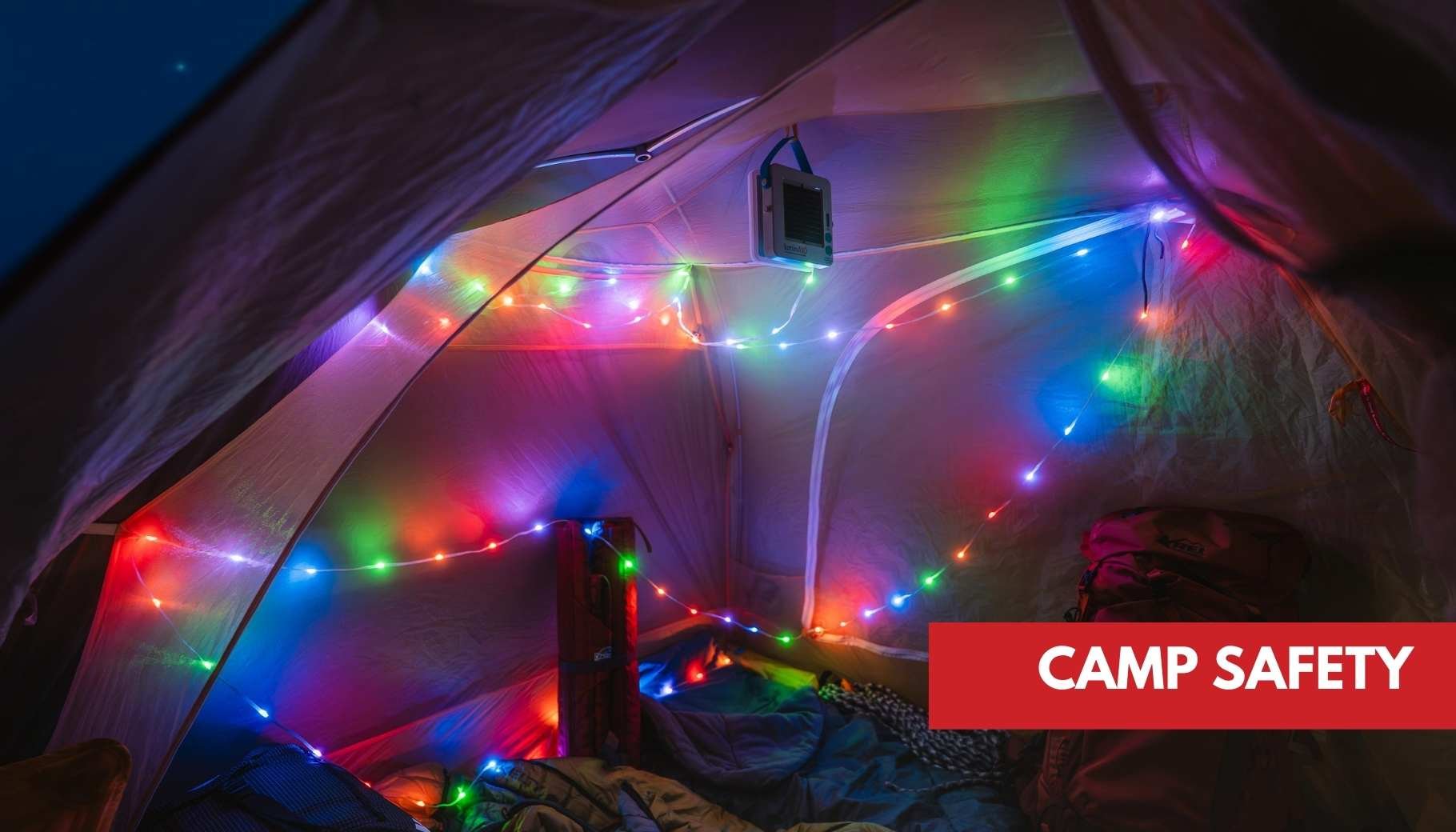
If you remember only one thing, make it this: exclusively use low-voltage, cool-to-the-touch LED lights. Tent fabrics are almost always synthetic and flammable. Traditional incandescent bulbs get hot, and that heat creates a serious fire hazard. LEDs, on the other hand, stay cool for hours, which pretty much eliminates that risk.
Beyond the bulb type, you also need to think about how your lights will stand up to the elements. An unexpected downpour shouldn't turn your cozy setup into a dangerous one.
Understanding Weatherproof Ratings
This is where Ingress Protection (IP) ratings are a lifesaver. The two-digit code tells you exactly how resistant your lights are to solids (like dust) and liquids (like rain).
-
IPX4: This is a solid baseline for most casual camping trips. It means the lights are protected from splashing water coming from any direction, which is perfect for handling a light rain shower.
-
IP65: If you're a more serious, all-weather camper, you'll want to look for this rating. IP65-rated lights are completely sealed from dust and can handle low-pressure water jets—meaning even a heavy, driving rain won't be an issue.
A well-prepared campsite is about more than just your gear; it's also about being ready for your environment. For more information, you can brush up on some general campsite fire safety tips to keep your entire area secure.
Responsible Camping and Light Etiquette
Your beautiful lighting shouldn’t come at the expense of wildlife or your fellow campers. Light pollution is a real problem in natural spaces. It can disrupt the cycles of nocturnal animals and completely ruin another camper’s view of a star-filled sky.
So, use your lights thoughtfully. Dim them down when you're just relaxing, and turn them off completely when you go to bed or leave your campsite. It’s a small act of respect that helps preserve the peaceful, wild atmosphere we all head outdoors to enjoy.
Got Questions About Tent Lighting? We've Got Answers.
Even the best-laid plans run into little snags at the campsite. When it comes to setting up string lights for your tent, a few practical details can make all the difference. We've gathered some of the most common questions campers have, with straightforward answers to help you get your setup dialed in.
It's not just about making your tent look cool—it’s about creating a more comfortable, functional, and safe space. And you're not alone in thinking so. The global string lights market was valued at around USD 1.15 billion in 2024 and is projected to climb to USD 1.68 billion by 2030. That's a lot of campers discovering this simple upgrade. You can see more insights on the growing string lights market here.
How Many Lumens Do I Need?
For a soft, ambient glow inside a standard two- or three-person tent, anywhere from 40 lumens of strung around string lights or 100-200 lumens with a lantern is the sweet spot. This gives you enough light to find your gear and move around without feeling like you're under a spotlight.
If you're lighting up a big family tent or an outdoor cooking area, you'll want something brighter, probably in the 200-500 lumen range. Honestly, the best bet is a set of string lights with a adjustable brightness. That way, you have control to adjust the vibe for any situation, from bright task lighting to a low, cozy glow.
Can I Just Use My Indoor String Lights?
It's tempting to grab those holiday lights from the attic, but you really shouldn't. Indoor string lights just aren't built for the outdoors. They can't handle the moisture, dirt, and general abuse that comes with being packed up and hauled to a campsite.
Speaking of being prepared, the right gear goes beyond just lights. Having a solid first-aid kit, like the ones from Adventure Medical Kits, is another non-negotiable for tackling campsite surprises.
What Is the Best Way to Store Them?
Nothing kills the camp setup vibe faster than a tangled bird's nest of wires. The key is to never, ever just shove your lights into a stuff sack. A little care when you're packing up goes a long way.
-
The Cardboard Trick: Grab a flat piece of cardboard and cut a small slit in each end. Tuck one end of the string into a slit, wrap the lights neatly around the cardboard, and secure the other end. Simple and effective.
-
A Dedicated Cord Winder: For a few bucks, you can buy a cord winder or spool. These are designed specifically to keep cords tidy and protected from damage.
-
The LuminAID Solar String Light's Body: The LuminAID Solar String Light is a lantern with string light integrated into it's spool body. Additional bonus is this light can act as a back up power bank and charge via USB or Solar.
This simple habit doesn't just prevent tangles; it protects the tiny bulbs and fragile wiring from getting crushed in your gear bin. Your lights will be ready to go the moment you pull them out on your next adventure.
Ready to turn your campsite into a glowing, comfortable haven? LuminAID has you covered with durable, solar-powered string lights and lanterns built for any adventure. Our gear is lightweight, easy to pack, and provides reliable off-grid light whenever you need it. Explore the LuminAID collection and light up your next trip.