



Picture this: you're deep in the backcountry, miles from the nearest outlet, but your phone, GPS, and headlamp are all fully charged. That’s the kind of freedom a solar power bank for camping offers. It’s a completely self-sufficient power source, turning sunlight into juice for your essential gear, so you can stay safe and connected no matter where you set up camp.
Your Off-Grid Power Companion

These days, camping isn't always about a total digital detox—it’s about having the choice. Whether you're relying on your phone for trail maps, a headlamp for a late-night bathroom run, or a speaker for some campsite tunes, you need reliable power. A solar power bank is like your own personal, portable power station, giving you the independence to wander without constantly checking your battery percentage.
But these devices are more than just a nice-to-have. Think of a solar charger as your renewable safety net. With one in your pack, you have a dependable way to keep your most critical gear running, from your navigation tools to your camp lights.
Why Every Modern Camper Needs Solar Power
Just a decade ago, a portable charger was a luxury. Now, a solar power bank for camping has become a non-negotiable piece of gear for a few very good reasons:
- Safety and Navigation: It keeps your GPS, satellite messenger, and phone powered up. When you're off the grid, that’s your lifeline for staying on course or calling for help.
- Convenience and Comfort: Let’s be honest, being able to power lights, a small fan, or even a speaker can make your campsite feel a lot more like home.
- Emergency Preparedness: Its usefulness extends far beyond the trail. A solar charger is a crucial addition to any home emergency kit, keeping you connected during power outages from storms or other unexpected events.
For serious outdoor enthusiasts, a full suite of off-grid solar charging solutions can be a total game-changer, providing ultimate energy independence for long-term adventures.
A Smarter, More Sustainable Way to Explore
The appeal of a solar charger isn't just about utility. It fits perfectly with the leave-no-trace philosophy that's at the heart of responsible outdoor ethics. By using a renewable power source, you cut down on disposable batteries and your reliance on the grid, shrinking your environmental footprint.
This shift toward sustainability is changing how we think about our gear. Just like you pack out everything you pack in, using the sun to power your electronics is one more way to respect the wild places we love to explore. It makes the solar power bank more than just a gadget—it’s a reflection of your commitment to both adventure and the environment.
How a Solar Power Bank Actually Works

Ever wondered what’s actually going on inside that little gadget while it soaks up the sun? A solar power bank for camping isn’t magic, but it’s pretty close. The simplest way to think about it is like a personal, pocket-sized rain barrel for electricity.
A rain barrel catches water when it's available so you can use it later. A solar power bank does the exact same thing with sunlight, storing that energy in an internal battery. That way, you can fill up your devices whenever you need to, long after the sun has gone down.
This simple concept is why these devices have exploded in popularity. The global market for camping power banks is expected to jump from $6.67 billion in 2024 to over $21 billion by 2034, with solar models leading the way. You can dig into the full market trends to see just how much outdoor recreation is driving this growth.
The Three Key Components
At its core, every solar power bank has three main parts working together. Once you know what they are, the whole process makes perfect sense.
- Photovoltaic (PV) Panels: These are the small, dark squares covering the surface. In our rain barrel analogy, they're the "collectors." They grab sunlight and convert it directly into electrical energy. When photons from the sun hit the silicon cells, they knock electrons loose, creating a direct current (DC).
- Internal Battery: This is the "barrel" itself—usually a lithium-ion or lithium-polymer battery. It’s the reservoir that holds the DC electricity generated by the solar panels until you're ready to use it. The battery’s capacity is what determines how much power it can store.
- Output Ports: These are the familiar USB ports where you plug in your phone, headlamp, or other gear. This part of the system takes the stored DC power from the battery and converts it into a stable current your devices can use to charge.
Think of a solar power bank as a tiny, self-sufficient ecosystem. The panels harvest energy, the battery stores it, and the ports deliver it right when you need it. It gives you a completely independent power source in the wild.
From Sunlight to Full Battery
The whole process is incredibly straightforward. You just lay your solar power bank for camping out in the sun, and the PV panels get to work generating electricity. A tiny, built-in charge controller manages the flow of power, safely topping off the internal battery without overcharging it.
You’ll usually see indicator lights that show you how full the battery is. Once you need a charge, just plug your device into an output port. The power bank releases its stored energy and gets your gear back up and running.
Of course, power is just one part of a comfortable trip—making sure you have other essentials like a good insect repellent from brands like Ben's 30 can be just as important. But having a reliable cycle of capturing, storing, and delivering power is what makes these devices a game-changer for any off-grid adventure.
Decoding the Specs That Matter for Camping
Choosing the right solar power bank for camping can feel overwhelming. You’re faced with a wall of technical terms like mAh, watts, and IP ratings, and it’s easy to get lost in the numbers. Let's cut through the jargon and figure out what actually matters for your next trip.
Think of these specs as the power bank’s resume. Is it a lightweight specialist perfect for long hikes, or a heavy-duty workhorse ready for a family weekend? Understanding these details ensures you bring the right partner for your adventures, not just a dead weight in your pack.
Capacity (mAh): How Much Juice Is in the Tank?
Capacity, measured in milliampere-hours (mAh), is the first number you should look at. It simply tells you how much energy the power bank can store when it’s full. The easiest way to think about it is like the gas tank in your car—a bigger tank means more miles, and a higher mAh means more charges for your devices.
A modern smartphone has a battery somewhere between 3,000 to 5,000 mAh. So, a 10,000mAh power bank should give you two or three full charges, right? Not quite. Some energy is always lost during the transfer, so a good rule of thumb is to expect about 60-70% of the advertised capacity in the real world.
- For Solo Backpackers: A 5,000-10,000mAh unit is usually the sweet spot. It's enough to keep your phone and headlamp going for a weekend without weighing you down.
- For Car Campers: With a 10,000-20,000mAh bank, you’ve got a great balance of power for a couple of people and their gadgets over a few days.
- For Family or Group Trips: Go big with 20,000mAh or more. This will keep multiple phones, tablets, and maybe even some camp lights running without anyone fighting over the charger.
Power Output and Solar Panel Efficiency
Next up is power output, measured in watts (W) and amps (A). This number tells you how fast the power bank can charge your devices. A higher wattage means a quicker top-up. For a decent charge speed on most devices, look for a bank that offers at least 2.4A from its USB port.
The solar panel's efficiency is just as important. This tells you how well the panel converts sunlight into electricity. The small, built-in panels on most power banks are fantastic for topping off the battery on a sunny day, but don't expect them to fully charge a massive battery in one afternoon. As you'll find when exploring a beginner's guide to solar phone chargers, solar is best for maintaining a charge in the field, not starting from zero.
Durability (IP Rating) and Weight
Let’s be honest, camping gear gets dropped, rained on, and covered in dust. That’s where the IP rating comes into play. It’s a simple two-digit code that tells you how protected the device is from solids (like dust) and liquids (like rain).
An IP65 rating is a solid benchmark for most camping trips. The first digit, "6," means it's completely sealed against dust. The second digit, "5," means it can handle being sprayed with water from any direction—perfect for surviving an unexpected downpour. While you're at it, don't forget other essentials; a well-stocked kit from Adventure Medical Kits is just as critical as reliable power.
Finally, you have to consider weight. For backpackers and thru-hikers, every ounce counts. A high-capacity, ultra-rugged power bank will naturally be heavier, so it’s all about balancing your power needs with what you’re willing to carry on your back.
Matching Solar Power Bank Specs to Your Camping Style
Use this table to find the right solar power bank specifications for your specific type of camping trip.
| Specification | Backpacking/Thru-Hiking | Weekend Car Camping | Family/Group Camping & RVing |
|---|---|---|---|
| Capacity (mAh) | 5,000-10,000mAh (Lightweight focus) | 10,000-20,000mAh (Balanced power) | 20,000mAh+ (Maximum capacity) |
| Power Output | 1A-2.4A (Standard charging) | 2.4A+ (Faster charging for multiple devices) | 3A+ or ports with PD/QC for rapid charging |
| IP Rating | IP65+ (High water/dust resistance is critical) | IP54-IP65 (Good weather resistance) | IP54+ (Basic splash resistance is fine) |
| Weight | Under 1 lb (Every ounce matters) | 1-2 lbs (Weight is less of a concern) | 2+ lbs (Portability is secondary to power) |
Finding the perfect solar power bank really comes down to being honest about how you camp. By matching these key specs to your needs, you'll end up with a reliable power source that fits right into your gear list.
Choosing the Right Solar Partner for Your Adventure
Let's be honest, the solar power bank you’d toss in the car for a family camping weekend would be a lead weight in an ultralight backpacker's setup. Not all trips are the same, and your power source shouldn't be either.
Picking the right device isn't just about buying a gadget; it’s about finding a reliable partner for your specific adventure. The key is to think about what you actually need. Are you just keeping a phone alive for emergencies, or are you running a small basecamp for the whole crew?
Matching Your Charger to Your Trip Type
For the thru-hiker or minimalist backpacker, every single ounce counts. Your ideal solar power bank for camping is going to be compact and lightweight, probably something under 10,000mAh. Its main job is to act as a safety net—keeping your phone and headlamp charged. The solar panel is there to trickle-charge the bank during sunny breaks, stretching its life just a bit further.
The family car camper or RVer, on the other hand, has the luxury of space. This is where a bigger unit, 20,000mAh or more, really shines. It can juggle multiple devices at once—phones, tablets for the kids, a Bluetooth speaker, and camp lights. For these larger batteries, learning how to pair them with a bigger solar panel for a big battery pack can be a real game-changer.
This quick guide breaks down how different camping styles match up with specific power bank features.

As you can see, there's a clear trade-off. As your power demands increase, so do the size and capacity of the solar bank you'll want to bring.
Power Beyond the Trail: Emergency Preparedness
A solar power bank’s job doesn't end when you get home from the trail. It’s a crucial piece of any home emergency kit, especially for events like hurricanes or winter storms that knock out power for days. Having a dependable, off-grid way to charge your phone and other devices provides critical peace of mind when you need it most.
A good emergency kit is more than just power. Think about pairing your solar charger with other essentials. Having a comprehensive first aid solution from a trusted source like Adventure Medical Kits means you're prepared for anything from a scraped knee to a major power outage.
This dual-use value is a big reason why the market is growing. The North America camping power bank market, largely driven by solar tech, was valued at USD 224.45 million in 2024 and is expected to hit USD 429.35 million by 2030. With outdoor enthusiasm booming—U.S. national parks saw over 325 million visitors in 2023 alone—more people are seeing the benefit. When you choose a versatile power bank, you're investing in both your next adventure and your family's safety at home.
Pro Tips for Using and Maintaining Your Solar Bank
So you’ve got your new solar power bank. Now what? Getting the most out of it in the wild comes down to a few key habits for charging and care. With a little know-how, you can keep that power bank running efficiently for many adventures to come.
First things first, and this is the most important tip I can give you: always pre-charge your power bank at home. Use a regular wall outlet to get it to 100% before you even think about packing it. Those small built-in solar panels are really meant for topping up in the field, not for charging a dead battery from scratch.
Think of solar as your backup plan to extend your power, not your primary way to fill up the tank.
Maximizing Solar Charging Efficiency
When it's time to rely on the sun, placement is everything. You can’t just toss your power bank on the ground and hope for the best. You need to think like a sunflower and actively follow the light.
- Follow the Sun: Make sure the solar panel is facing the sun directly. As the sun moves, you’ll want to reposition the bank every hour or so to keep that perfect angle.
- Avoid Shadows: Even a tiny shadow from a backpack strap or a single leaf can slash your panel's output. Hunt for a spot with clear, direct sunlight.
- Cool It Down: Solar panels hate extreme heat. Leaving your charger on a hot rock or the dashboard of your car will make it overheat, which slows down charging and can degrade the battery over time.
This focus on efficiency is a huge deal in the industry right now. Brands are getting smarter, embedding high-efficiency panels with MPPT technology that converts sunlight 20-30% better than older models. And thanks to breakthroughs giving us 40% better battery density since 2021, these units are getting smaller and tougher—perfect for stashing in a pack, as noted in recent camping power bank market analysis.
Simple Maintenance for a Long Lifespan
Keeping your solar bank in good shape is surprisingly easy. A little care goes a long way toward ensuring it’s ready for years of use.
Your main job is keeping the solar panel clean. Just wipe it down with a soft, damp cloth to get rid of dust, pollen, or grime. A clean panel absorbs way more sunlight than a dirty one.
When the trip is over, store your power bank somewhere cool and dry. For any device with a lithium-ion battery, understanding how to go about safely storing lithium batteries is key to its health and your safety.
To really protect your battery's long-term health, don't let it sit completely empty or fully charged for months at a time. The sweet spot for long-term storage is around a 50% charge level. This simple step reduces stress on the battery cells and can make a huge difference in its overall lifespan.
Beyond Camping: Solar Power for Emergencies and Daily Life
A good solar power bank for camping is a game-changer on the trail, but its usefulness doesn't end when you get back home. Think of it less as a piece of single-purpose gear and more as a tool for resilience, ready for everything from power outages to backyard hangouts.
Imagine a bad storm or a summer heatwave knocks out the power. The lights are off, and your phone—your main link to news and family—is slowly dying. This is where that solar bank becomes invaluable. It gives you a reliable, off-grid way to keep your phone, lights, and other small USB devices running.
Your Go-To for Home and Vehicle Readiness
Keeping a fully charged solar bank in your home emergency kit is one of the smartest things you can do. During a long outage, you can set it in a sunny window to recharge during the day and use its stored power at night. It’s a simple step that brings a lot of calm when the grid is down.
That same preparedness applies to your car. A solar charger is a perfect fit for any roadside emergency kit. If your car battery dies and you’re stranded, you’ll still have a way to charge your phone to call for help.
Having a plan for the unexpected is key to safety. Your solar power bank provides the energy, while a comprehensive kit from a reliable brand like Survive Outdoors Longer can supply the tools and shelter needed to handle a roadside emergency with confidence.
Everyday Convenience Powered by the Sun
You'll find that your solar power bank easily finds a place in your day-to-day life, too. It’s not just for emergencies.
- Backyard Power: Want to run a small speaker or some string lights on the patio? Skip the extension cords and use your solar bank.
- Mobile Office: Keep your phone or tablet topped off while you work from a park bench or any sunny spot away from a wall outlet.
- Sustainable Top-Ups: Instead of plugging into the wall every time, you can use the sun's energy for a greener, more sustainable daily charge.
When you see a solar power bank as a multi-use tool, its true value becomes clear. To see how else solar can light up your life, check out the benefits of using solar lanterns for camping and other activities. It's a smart, sustainable way to stay powered up for adventure, emergencies, or just everyday life.
Frequently Asked Questions
Still have a few things you're wondering about? Let's clear up some of the most common questions we hear about using a solar power bank for camping.
How Long Does It Take to Charge a Solar Power Bank with Sunlight?
This is the big question, and the honest answer is: it depends. The charging time is a moving target based on the size of your solar panel, the intensity of the sun, and your power bank's capacity.
To give you a ballpark figure, a typical 10,000mAh power bank could take anywhere from 20 to 40 hours of direct, bright sunlight to get a full charge from its built-in panel alone. That’s why you should always charge it fully at home before you leave. Think of the sun as your way to top off the battery, not fill it from empty.
Can I Charge My Solar Power Bank on Cloudy Days?
You can, but you'll need to manage your expectations. Solar panels will still pull in some energy from indirect or overcast light, but the efficiency plummets.
On those gray, cloudy days, you're looking at more of a trickle charge than a substantial power boost. It might be enough to keep it from dying, but don't count on it to recharge your phone from zero.
Is It Safe to Leave My Solar Power Bank in the Rain?
Before you do anything, find its IP rating. Many solar banks are built to be water-resistant and can shrug off a light drizzle—look for a rating of IPX4 or higher.
However, "water-resistant" is not the same as "waterproof." Very few models can survive a real downpour or being fully submerged, so unless the manufacturer specifically says it's safe, it's best to pull it under the tarp when the skies open up.
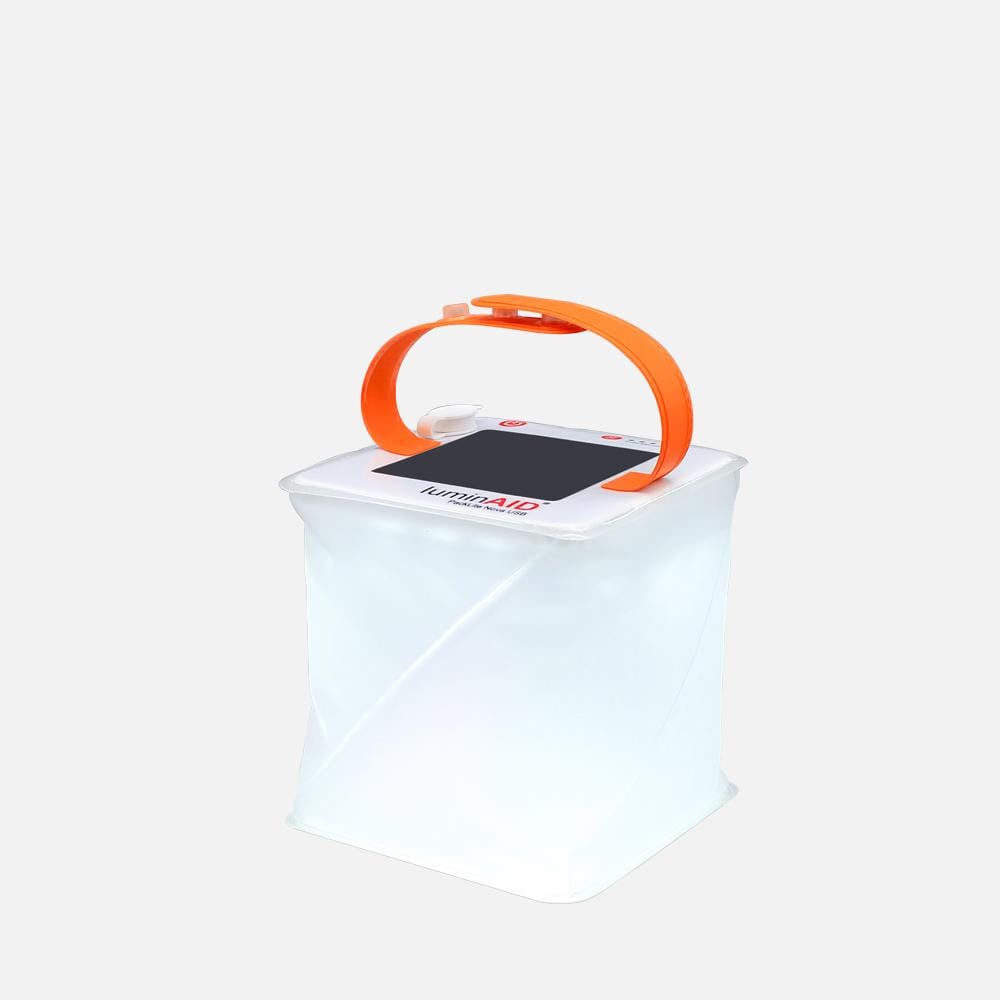
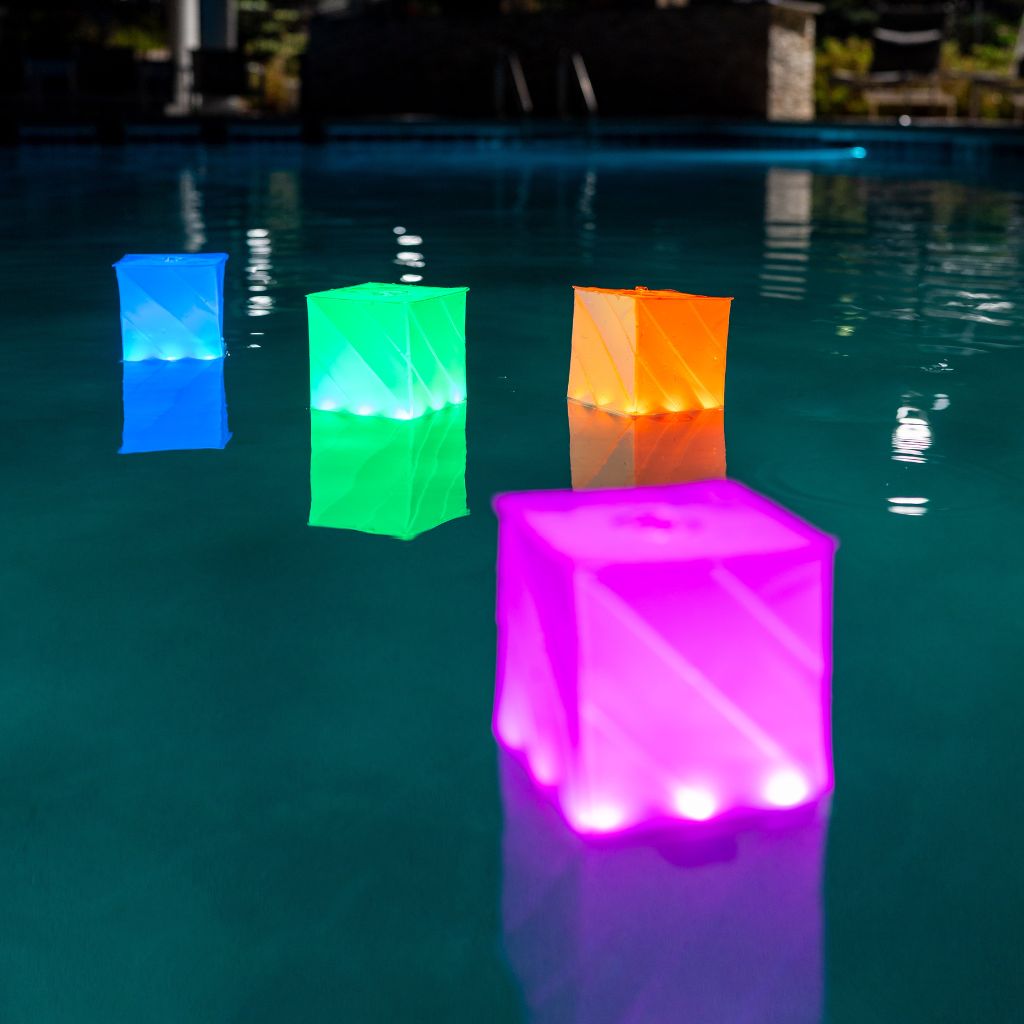
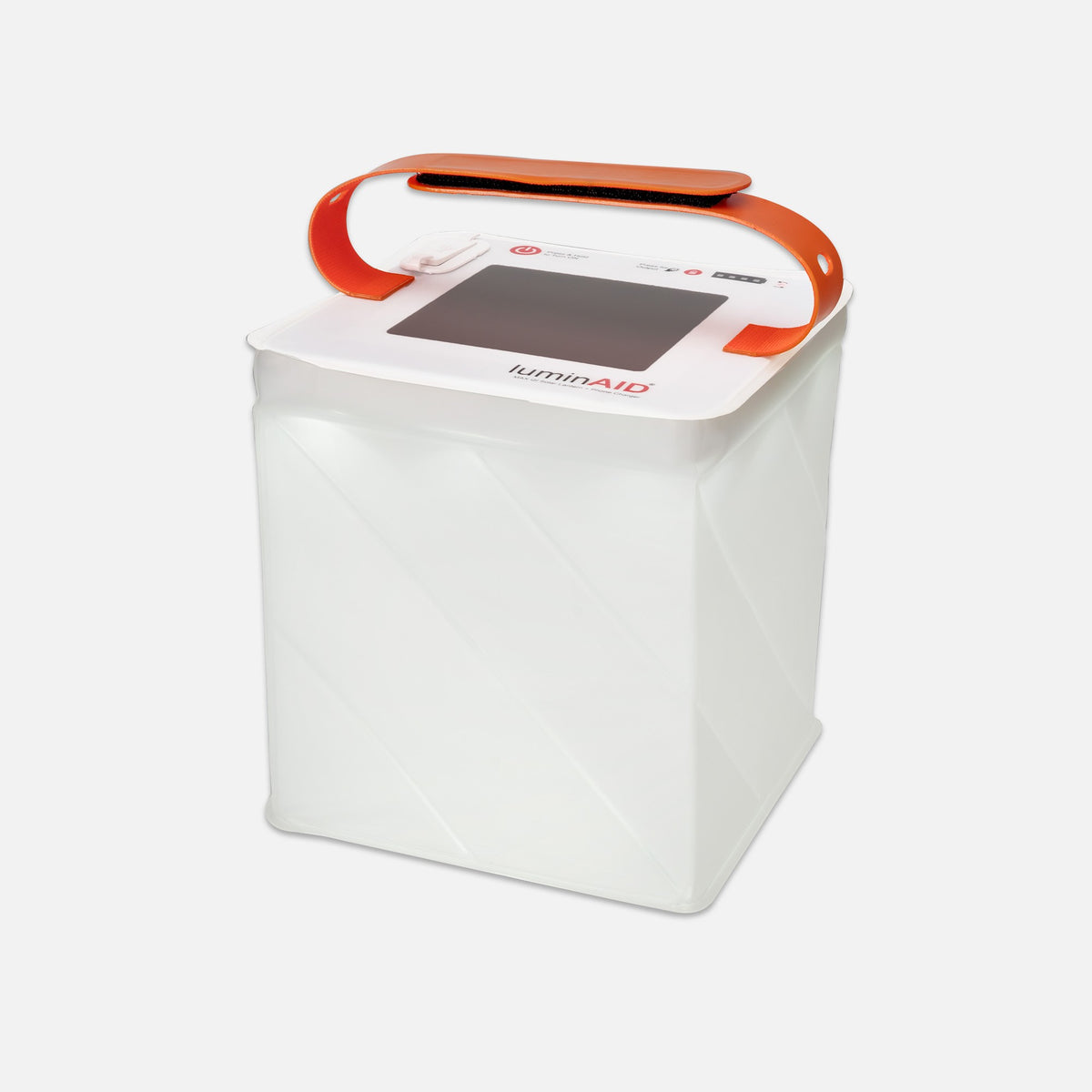
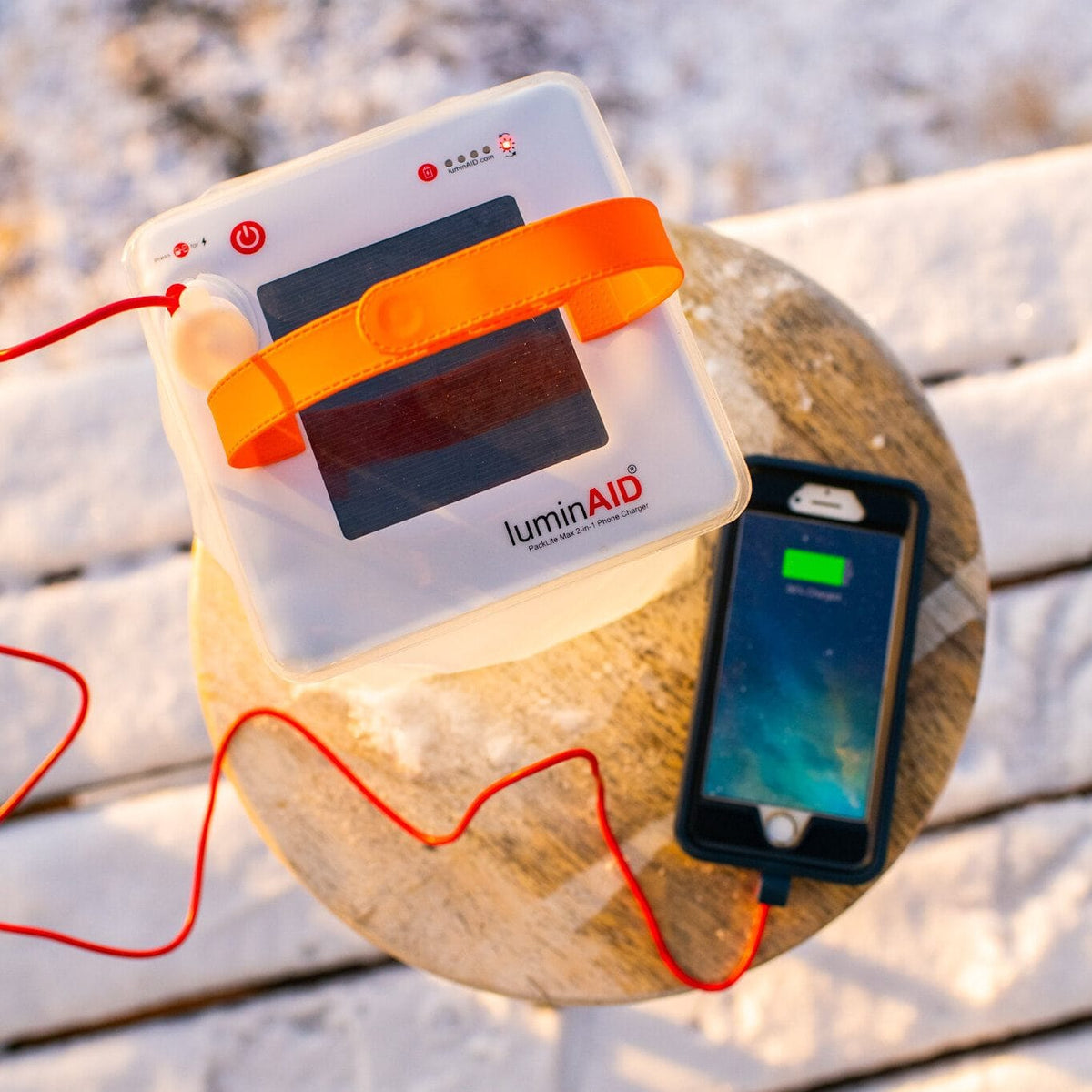
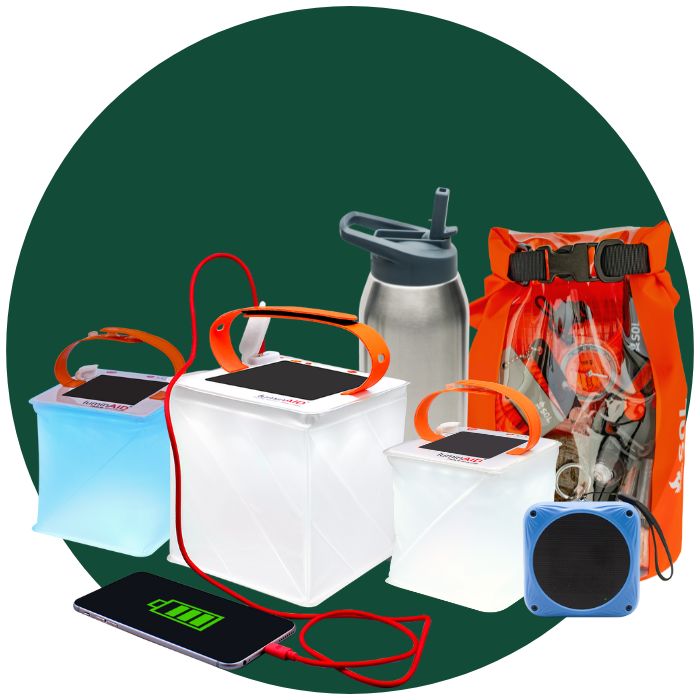
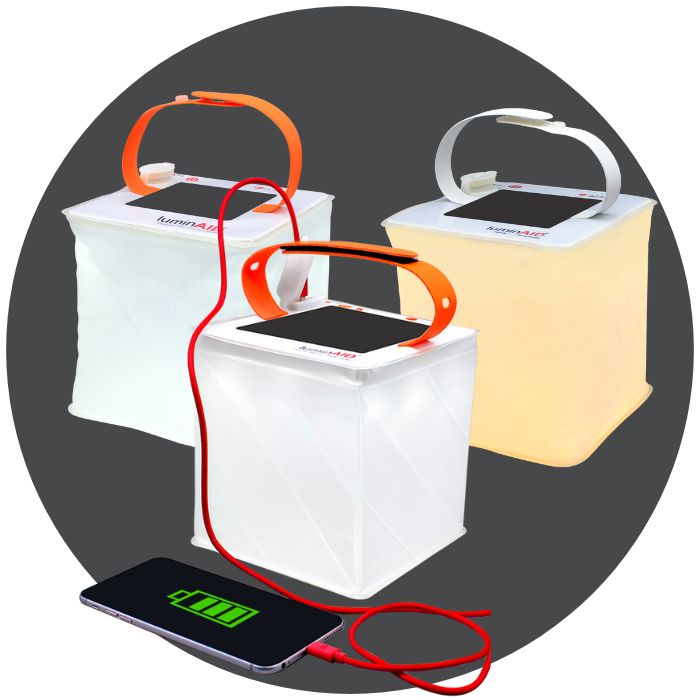
Ready to power your next adventure with reliable solar energy? The LuminAID Power Lantern combines bright, efficient lighting with a built-in phone charger, making it the perfect companion for any campsite or emergency kit. Explore our full range of solar gear at https://luminaid.com.