

You may be reading this because you want to help, or because someone close to you is trying to figure out what support exists after displacement. In practice, refugee support services rarely feel like a neat system. They feel like a series of urgent questions.
Where will this family sleep tonight? Who can explain their legal status in a language they understand? How do they get medicine, enroll a child in school, replace lost documents, or call relatives safely?
People often talk about refugees as a policy issue. On the ground, it's a logistics and dignity issue. A parent needs to know where to find a clinic. A teenager needs a path back into school. An older adult may need medication, translation, and help navigating transit. Good refugee support services do more than hand out essentials. They create enough stability for people to make decisions again.
The Human Need Behind the Headlines
A mother arrives at a reception center late in the evening with two children, one backpack, and a phone that is nearly out of battery. She does not need a speech about refugee policy. She needs to know where her family will sleep, how to find a toilet, who can explain the next step in a language she understands, and whether she can safely call the relatives expecting news.
That first stretch after arrival sets the tone for everything that follows. Clear intake, safe shelter, food, basic health checks, and a reliable way to contact family reduce panic and lower risk fast. When those pieces are missing, small problems turn into serious ones. Missed information can lead to missed appointments. A dead phone can cut off a legal contact, a case worker, or a family member sending money or documents.
Support services are what turn arrival into protection. They give people enough stability to make decisions, follow procedures, and avoid harmful shortcuts. On the ground, that means reducing exposure to exploitation, untreated illness, unsafe housing, and bureaucratic confusion at the same time.
Much of this work happens in places that are already carrying a heavy load. As noted earlier, most refugees are hosted in lower-income settings, where public systems often have limited space, staff, and funding. In practice, that creates a constant trade-off. Aid teams have to respond quickly without sidelining the host community that uses the same clinics, schools, transport, and rental housing.
The public conversation often treats support only as an expense. The longer view is different. Resettlement and local inclusion do require upfront investment, but refugees also work, pay taxes, start businesses, care for family members, and strengthen communities over time. Anyone who has worked in this field has seen the gap between the headline and the lived reality.
A useful test is simple. What does this family need by tomorrow morning to stay safe, informed, and able to act?
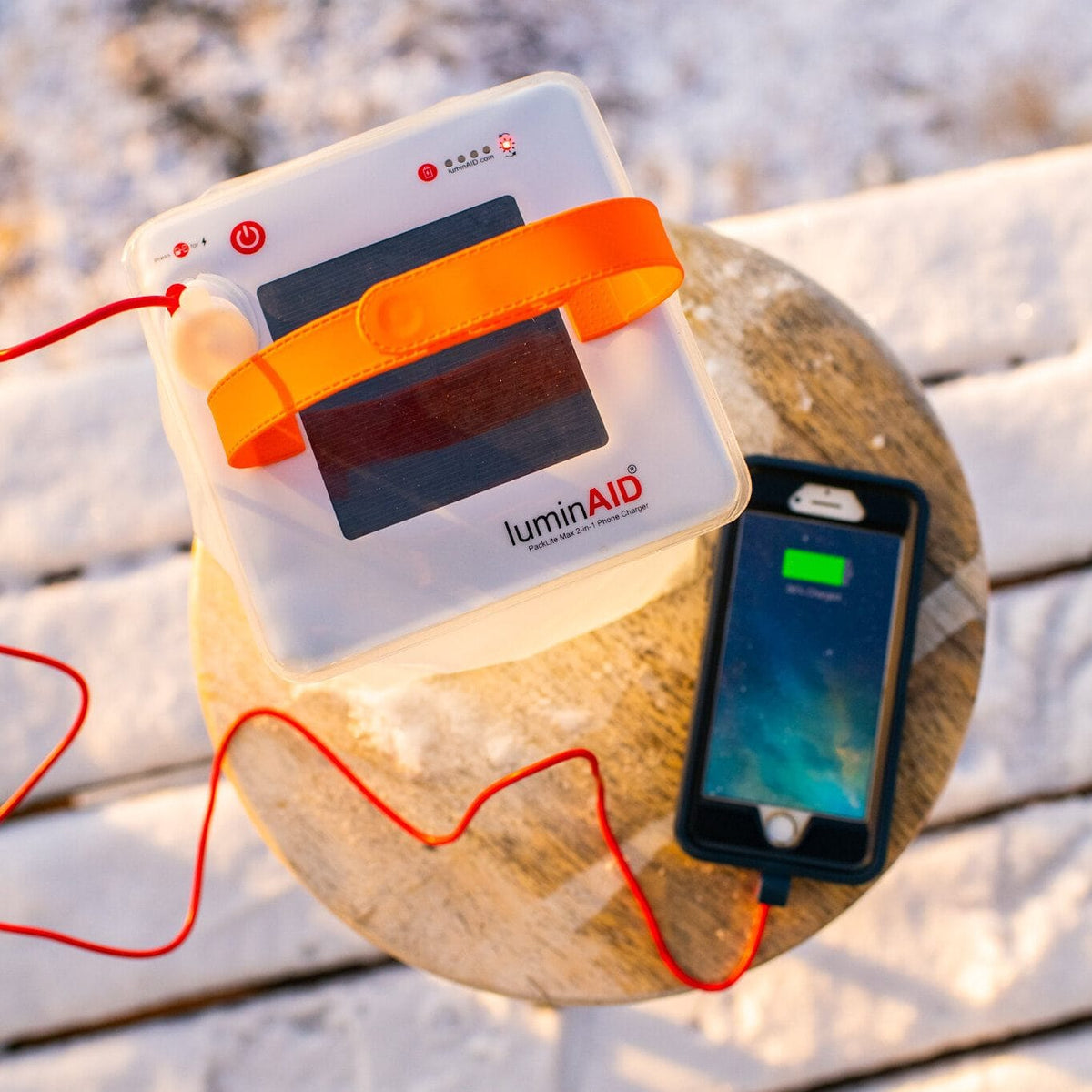
Small practical tools sit inside that larger system. Light after dark, phone charging, and safe movement through a shelter or settlement can affect whether a parent feels secure enough to rest or whether a child can get to a latrine without fear. LuminAID's field reporting on how safe light brings comfort to refugees and survivors of natural disasters shows that connection clearly. Small infrastructure gaps can become human ones very quickly.
The Pillars of Support Service Categories
Refugee support services usually work in layers. Some services protect life right away. Others make daily life workable. The strongest programs do both, because emergency aid without long-term planning leaves people stranded in dependency, and long-term planning without immediate protection doesn't work at all.
A useful way to understand the system is to look at its main service pillars.
What the core categories actually do
| Service Category | Primary Goal | Common Examples |
|---|---|---|
| Protection and legal assistance | Secure status, safety, and rights | Registration, asylum support, legal orientation, document help, anti-exploitation referrals |
| Housing and shelter | Provide immediate and transitional safety | Emergency shelter, camp coordination, rental support, host family placement, household setup |
| Health and mental health | Stabilize physical and psychological well-being | Primary care, screenings, maternal care, trauma support, counseling referrals |
| Education and language training | Restore learning and improve navigation | School enrollment, language classes, tutoring, literacy support, vocational preparation |
| Employment and livelihoods | Build income and independence | Job readiness, credential help, skills training, employer referrals, small business support |
| Financial and material aid | Cover essential needs quickly | Cash assistance, food support, hygiene kits, clothing, transport help, basic household goods |
Protection and legal aid often gets less public attention than food or shelter, but it's one of the first things experienced practitioners worry about. If a person doesn't understand their status, deadlines, or rights, every other service becomes harder to access. Missed appointments, fear of authorities, and document loss can derail a case before it starts.
Housing is similar. A safe place to sleep isn't just shelter. It's the base from which a person can attend school intake, receive mail, rest, store medication, and keep children safe.
Where the system works, and where it falls short
The system is generally better at immediate aid than long-term integration. A multinational study found that 98.7% of refugees received primary health care, while only 34.7% received employment or training support in the study on refugees' perceptions of post-arrival services. The same study found that the services refugees most wanted were help with employment at 31.8% and further education or training at 20.5%.
That pattern matches what many field teams see. Health care and basic material assistance are easier to organize quickly. Livelihoods take more time, more coordination, and more local market knowledge. They also require language access, transportation, childcare, employer engagement, and document clarity. If one part fails, the whole pathway weakens.
Practical rule: Early aid keeps people safe. Employment, language learning, and training help them stay safe.
Health support also has a daily-life dimension that's easy to overlook. In crowded shelters or temporary settlements, something as simple as dependable lighting changes whether clinicians can work after sunset, whether parents can manage a child's fever, and whether people feel safe using communal facilities. That's part of why solar lanterns in humanitarian aid settings fit into the broader refugee support picture.
Why categories must connect
The categories above aren't separate lanes. They overlap constantly.
A job program won't succeed if someone has no transport, no child care, and untreated trauma. School enrollment can stall if legal paperwork is unresolved. A medical referral can fail if a family can't charge a phone or find their way around a new city. The best refugee support services use case management to connect these needs instead of treating each one as a standalone task.
That's what newcomers often need most. Not one perfect service, but a sequence that makes sense.
The Ecosystem of Service Providers
People new to this field often assume one organization handles everything. It doesn't work that way. Refugee support services are delivered by an ecosystem, and each part has a different job.

Who does what
UN agencies and national authorities usually handle formal protection frameworks, registration systems, camp coordination, and high-level policy roles. In many settings, they create the legal and operational space in which services can happen at all.
International NGOs often deliver large-scale programs across health, shelter, cash assistance, education, and livelihoods. They're set up to move quickly, manage grants, procure supplies, and coordinate across multiple regions.
Local community-based organizations are often the most trusted actors in day-to-day integration. They understand neighborhood realities, language communities, school systems, and informal barriers that big agencies can miss. If a newly arrived family needs a landlord who won't discriminate, a culturally familiar women's support group, or help translating school notices, local groups are often where practical problem-solving happens.
Faith groups and volunteer networks can be highly effective when they work within a coordinated system. They're often strong at accompaniment, donated furnishings, friendship, rides, local orientation, and social connection. They're less effective when they operate independently of case managers and duplicate services people already received.
What coordination looks like in practice
Strong coordination is less glamorous than public fundraising campaigns, but it's what prevents waste. Good providers share referral protocols, agree on eligibility rules, map what each organization can deliver, and close the loop when a handoff fails.
This is also where management quality matters. Teams that rely on volunteers need structure, role clarity, and supervision. For organizations building that side of operations, Alignmint's guide to managing nonprofit volunteers effectively is useful because it focuses on systems, not just good intentions.
When refugee support breaks down, it's usually not because no one cared. It's because no one owned the handoff.
Why better data changes service quality
Modern resettlement work is more data-driven than many people realize. According to Deloitte's analysis of refugee resettlement strategies, State Refugee Coordinators in the U.S. use advanced data systems that can reduce administrative burdens by 20% to 30% and improve client retention in services by 15% to 25% in the Deloitte review of data infrastructure in refugee resettlement. The same analysis notes that states with this infrastructure, including Utah, report outcomes such as 92% employment improvement for assessed adults.
That matters because refugee support services generate a lot of practical decisions. Who still needs housing follow-up? Which clients missed health appointments? Where are language barriers blocking employment? Better systems free staff from repetitive reporting and help them focus on actual casework.
Technology doesn't replace relationships. It helps staff protect them.
How Refugees Access Support Services
For someone trying to find their way through the system, the first challenge is rarely motivation. It's knowing where to start, whom to trust, and which steps matter most right now.
The path isn't identical in every country, but the practical sequence is usually similar. Register. Get assessed. Ask for referrals. Keep records. Follow up. Repeat when circumstances change.

A working roadmap
-
Register with the correct authority
This may be a national asylum office, a reception center, or a recognized international agency. Registration creates the official record that many later services depend on. -
Complete the first needs assessment
Be specific. Mention medications, pregnancy, disability, urgent legal concerns, missing family members, safety risks, and children's needs. If something feels hard to say, say it anyway. -
Request referrals in writing when possible
If a caseworker refers you to housing, health care, school enrollment, or legal aid, ask for the organization name, location, contact method, and any appointment details. -
Track every appointment and document
Keep paper copies if you can. Photograph them if it's safe. Save names, dates, and case numbers in one place. -
Ask again if your situation changes
Systems often respond to current need. New illness, pregnancy, eviction risk, school problems, or job loss may make you eligible for support that wasn't offered earlier.
Documents to gather and protect
If you have any of the following, keep them together and make copies when possible:
- Identity documents such as passports, national IDs, or temporary protection papers
- Family records including birth certificates, marriage certificates, and custody documents
- Immigration paperwork such as asylum receipts, registration cards, appointment notices, and case numbers
- Medical records including prescriptions, vaccination cards, pregnancy records, and disability documentation
- Education and work records such as diplomas, transcripts, licenses, references, or proof of training
- Contact information for relatives, sponsors, former employers, lawyers, and aid workers
If you don't have these documents, still ask for help. Missing paperwork is common. Service providers can often help with replacement, alternative verification, or interim steps.
How to avoid scams and dead ends
Newcomers are often targeted by people who promise housing, legal help, jobs, or documents in exchange for cash. A legitimate provider should be able to tell you who they are, what service they offer, and whether there is a fee. If payment is required for something official, ask for a receipt and confirm the process through a recognized office.
A good rule is simple:
If someone pressures you to pay quickly, keep your documents, or avoid official channels, treat that as a warning sign.
Reliable communication is part of access. When a family can keep a phone charged, they're more likely to receive appointment reminders, map directions, and referral updates. That's one reason off-grid charging matters in transit and camp settings, as described in LuminAID's field note on how solar phone charging helps refugees stay connected.
Ask for mental health support directly
This part gets missed too often. Research indicates that refugees often arrive with significant trauma, yet mental health care remains a critical blind spot in resettlement programs, with most agencies lacking dedicated funding for ongoing services despite the high need, as noted in the Weinberg Spirit article on refugee support gaps and mental health.
If you're seeking services, don't assume you must wait until you are in crisis to mention distress. Tell a provider if you can't sleep, panic often, feel constantly unsafe, have intrusive memories, or are worried about a child's behavior after displacement. Even where formal therapy is limited, staff may be able to connect you with crisis support, peer groups, community health providers, or trauma-informed case management.
Mental health isn't separate from resettlement. It affects school, work, parenting, and safety.
How Donors and Volunteers Can Help Effectively
Many individuals desire to provide assistance in ways that feel tangible. That instinct is helpful, but it can lead to inefficient support if it is not aligned with the mechanics of refugee response.

Why cash usually helps more than things
Cash gives organizations room to respond to real needs in real time. Staff can use it for rent support, transport, phone credit, medical copays, school supplies, interpretation, or emergency gaps that donated goods rarely match. In-kind donations can be useful, but only when they fit current requests, local standards, and actual storage capacity.
That's the part many donors don't see. Unrequested items create sorting work, warehousing pressure, disposal costs, and distractions for staff who should be focused on people. A box of random gear may feel generous, but if no one can use it promptly, it becomes a logistics problem.
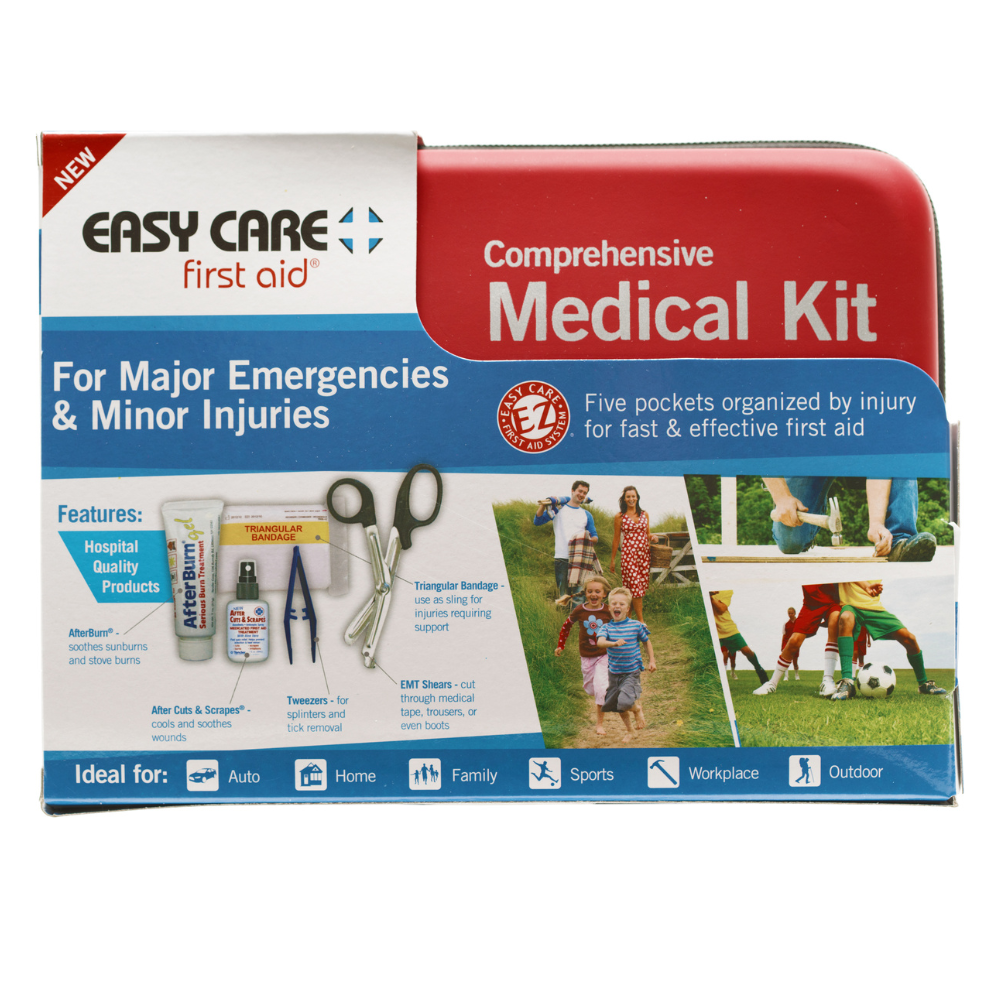
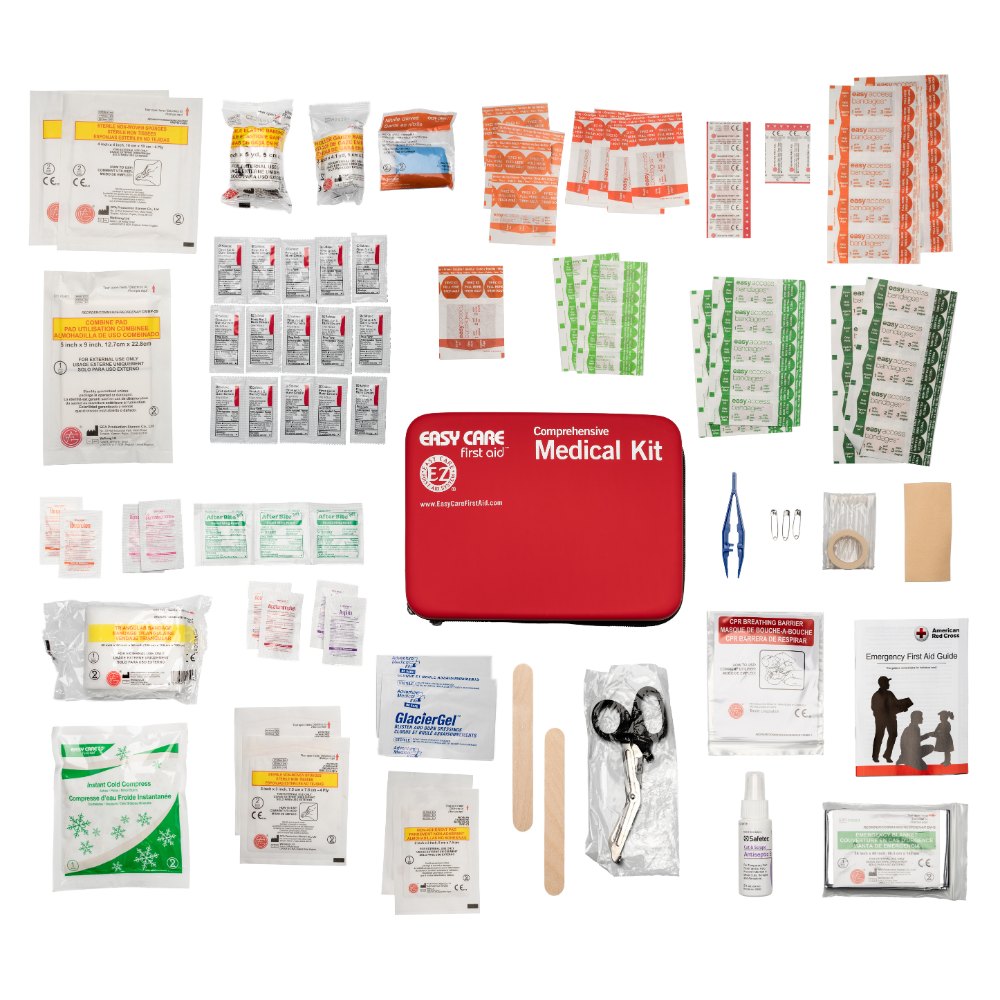
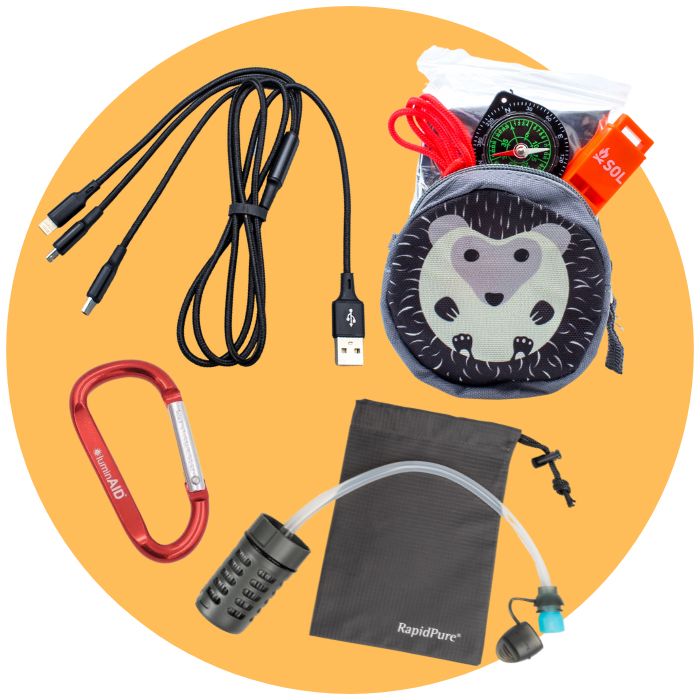
If you want to donate goods, start by checking the organization's current list. Focus on practical items that are durable, simple to use, and easy to distribute. For examples of compact emergency-oriented gear categories, outdoor preparedness brands like Survive Outdoors Longer can help people understand what field-usable essentials look like, though aid groups should always set the final specifications.
Support groups that can target need precisely
Well-run organizations don't just distribute aid widely. They try to distribute it accurately. According to the American Immigration Council material on refugee resettlement data, data-sharing frameworks can cut service duplication by up to 35% and boost newcomer outcomes, including achieving employment 18% faster through targeted workforce matching in the American Immigration Council overview of refugee resettlement data frameworks.
For donors, that means due diligence matters. Look for organizations that can explain:
- What they deliver in concrete terms, such as legal aid, cash assistance, housing navigation, school enrollment, or mental health referrals
- How they coordinate with public agencies and other nonprofits to avoid overlap
- How they track referrals and outcomes rather than only counting distributed items
- Where flexible funds go when needs shift quickly
- What local partners do and how decisions are made close to the affected community
Volunteering that actually reduces pressure
Unstructured volunteering can create work for staff. Skilled volunteering can remove it.
Good volunteer roles include interpretation, job coaching, tutoring, transportation coordination, childcare support during appointments, legal support from licensed professionals, and landlord engagement. Community sponsorship also works well when volunteers commit for the long term and follow the lead of case managers.
A simple field test helps. Ask, “Will this save staff time or consume it?” If the answer is unclear, the role probably needs redesign.
Here's a helpful example of practical aid in motion:
What to avoid
Some forms of help create more friction than relief.
- Unannounced drop-offs can overwhelm small offices with sorting and storage.
- One-day volunteering often provides too little continuity for families navigating complex systems.
- Donor-driven kits can miss local climate, cultural needs, or existing service plans.
- Public storytelling without consent can expose vulnerable people to risk or humiliation.
Effective help respects coordination. It doesn't compete with it.
If you're choosing between writing a check, donating supplies, or volunteering, choose the option the receiving organization says they need most right now. That answer is usually the right one.
Bringing Light Where It Is Needed Most
A family arrives in a temporary settlement late in the day. Registration may be finished, but the practical problems are just starting. The path to the latrine is dark, one phone battery is nearly gone, and a child still needs to read the next day's school instructions.

On the ground, light is not a minor comfort item. It affects safety, communication, and how much control a family has over the evening hours. In camps and temporary shelters, darkness limits movement, especially for women, girls, older adults, and anyone caring for young children. It also shortens the working day for health staff, protection teams, and community volunteers trying to reach people after formal services close.
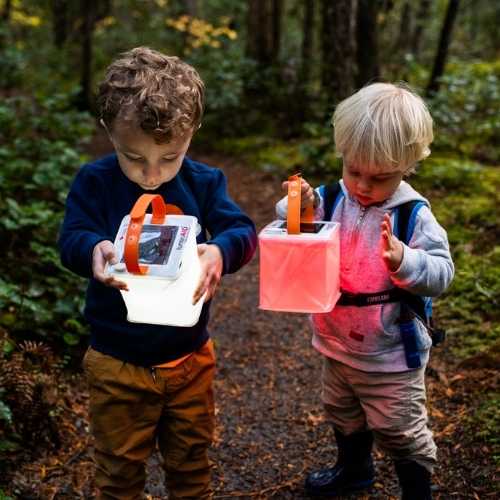
A reliable light source changes small decisions that matter. People can walk to shared facilities with less risk. Parents can check on children without using a candle or draining a phone flashlight. Students get another hour to read. Case updates, maps, appointment messages, and contact with relatives stay within reach when a device can still be charged.
That is why simple equipment often carries more operational value than outsiders expect.
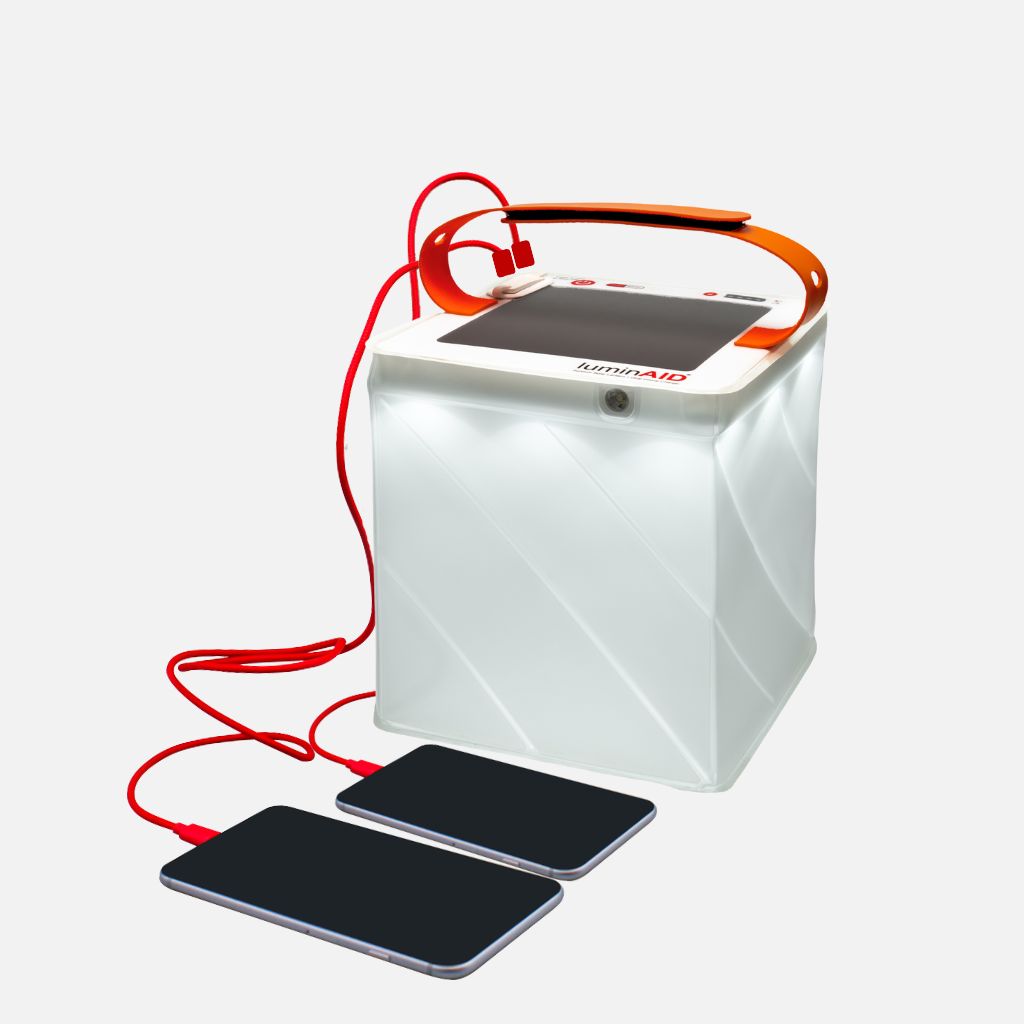
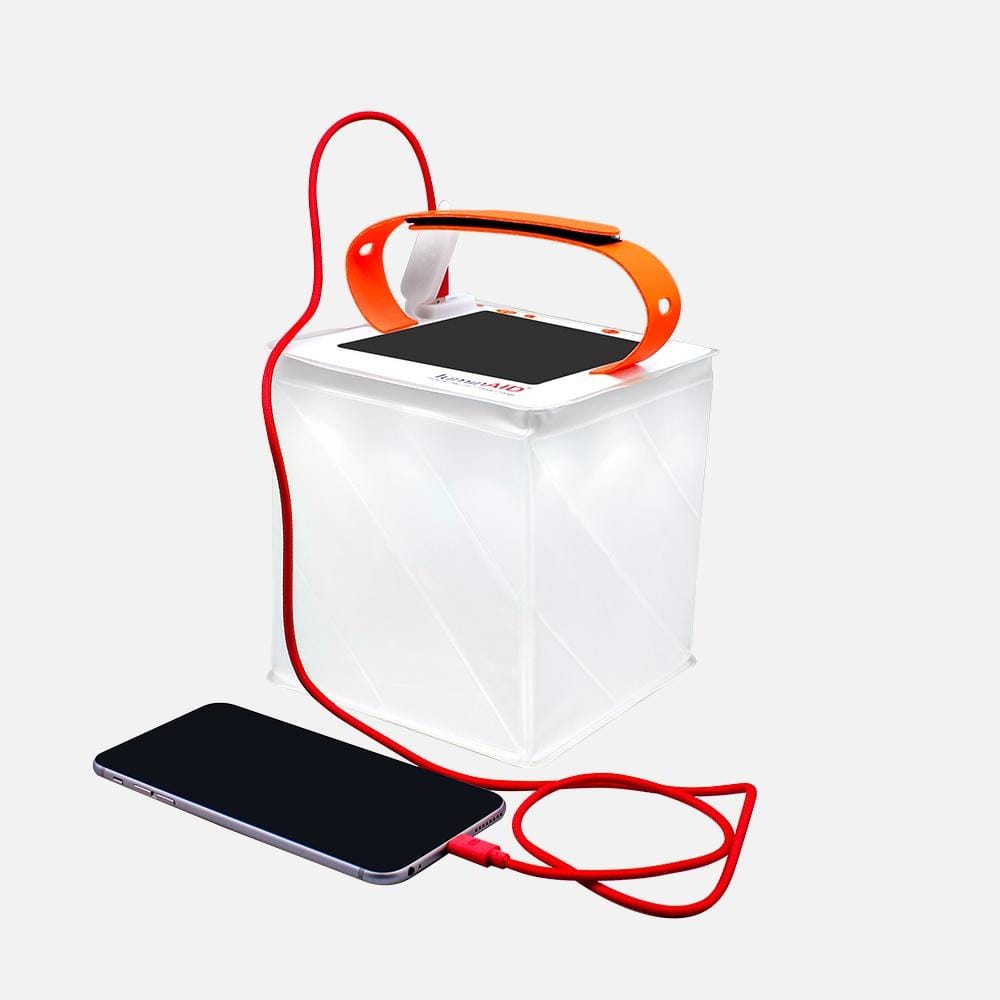
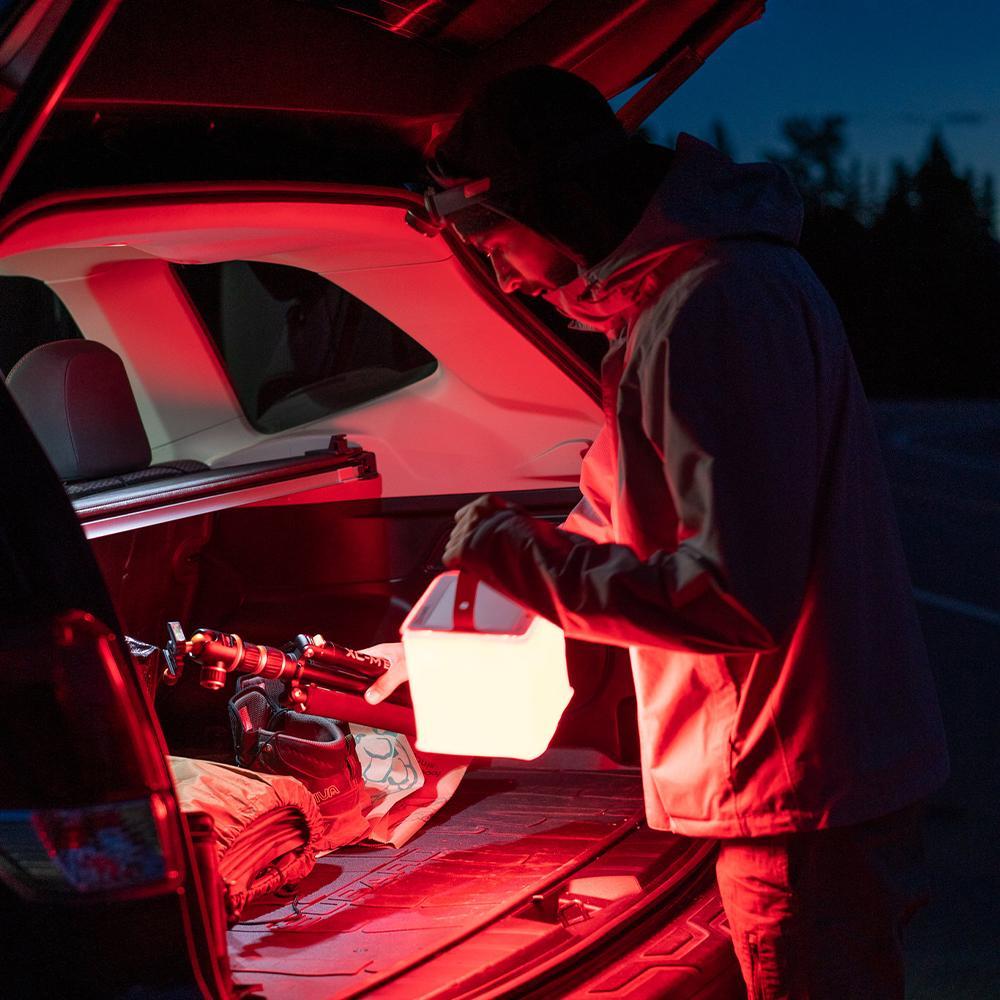
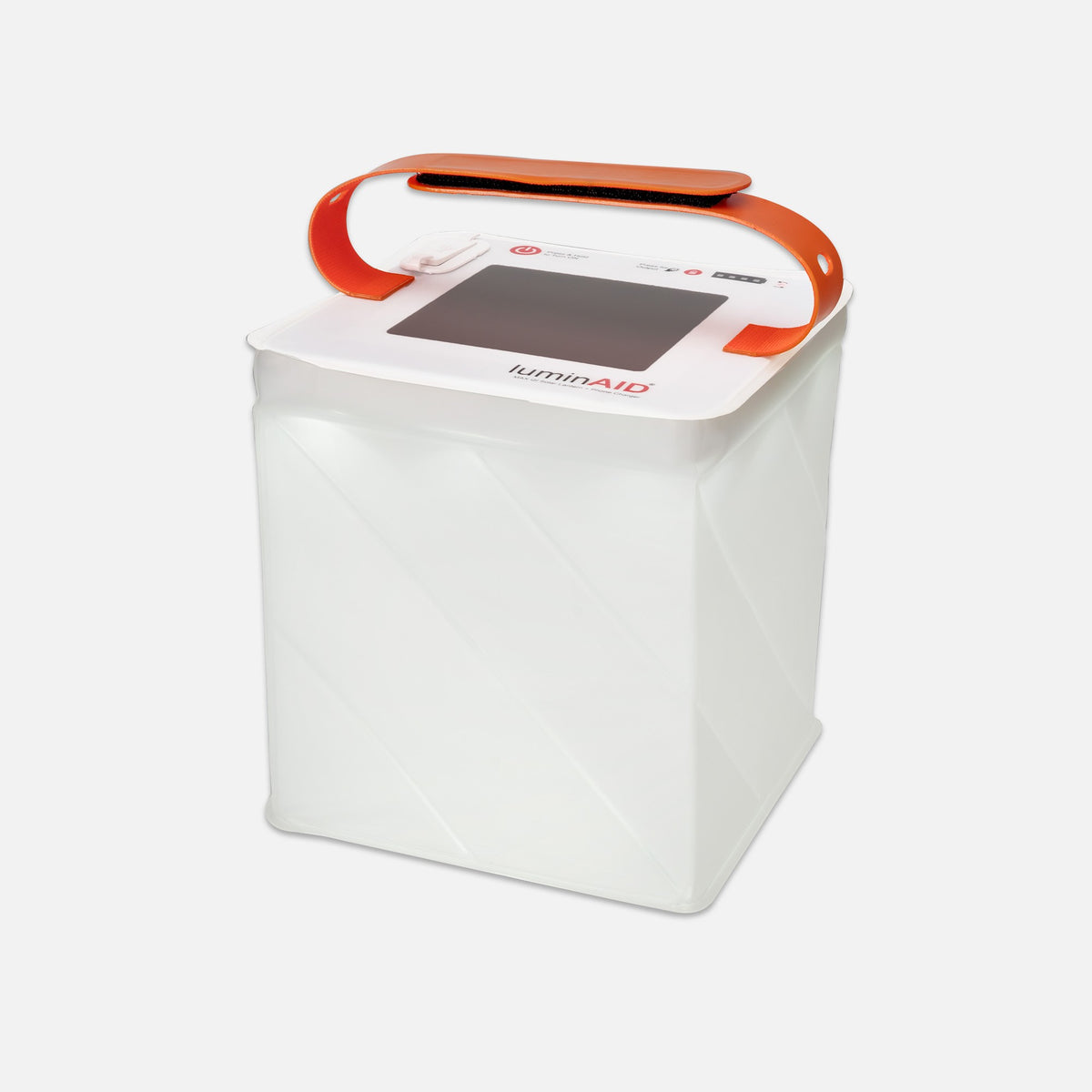
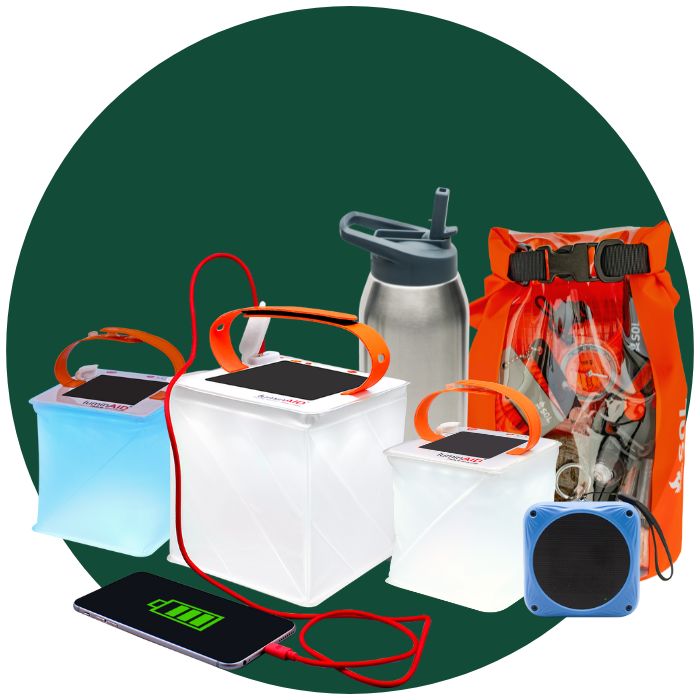
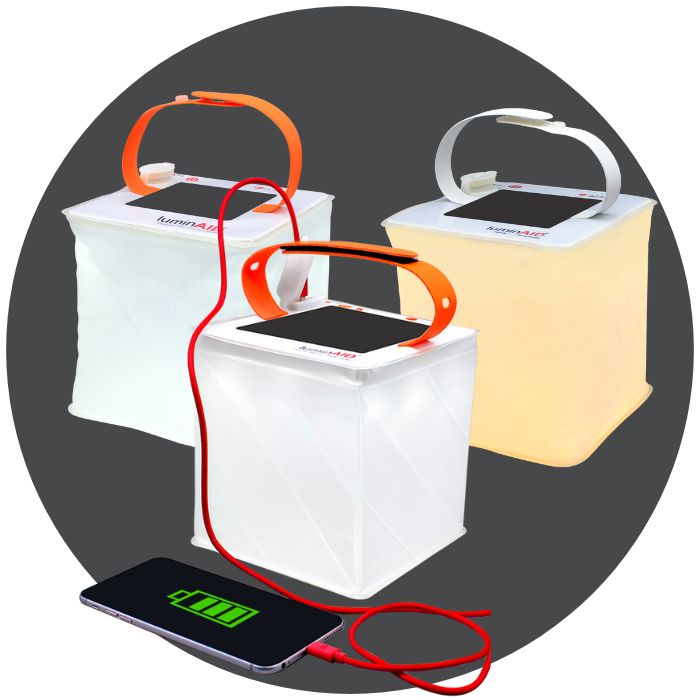
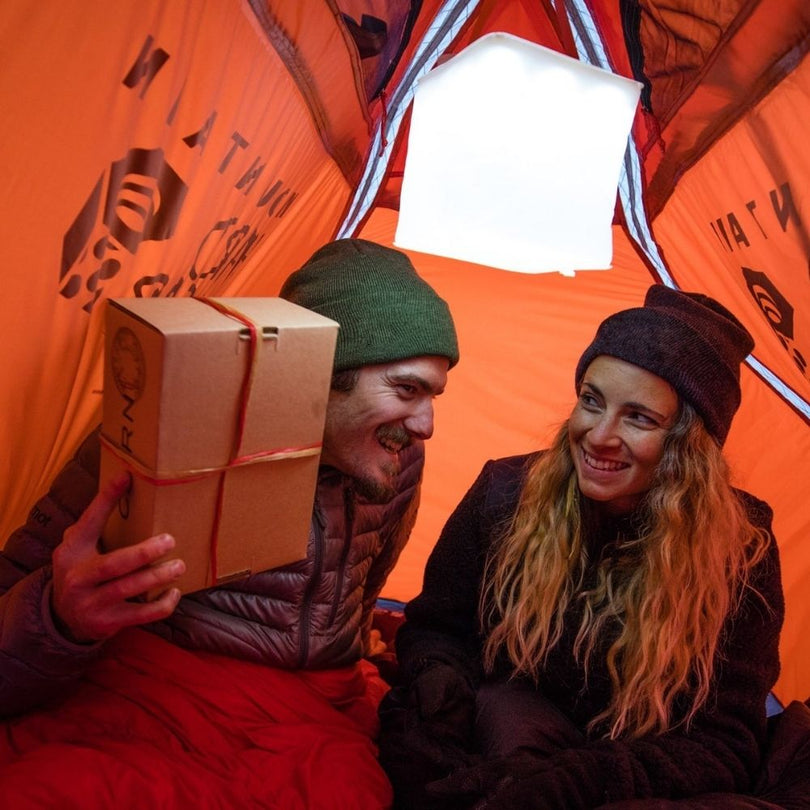
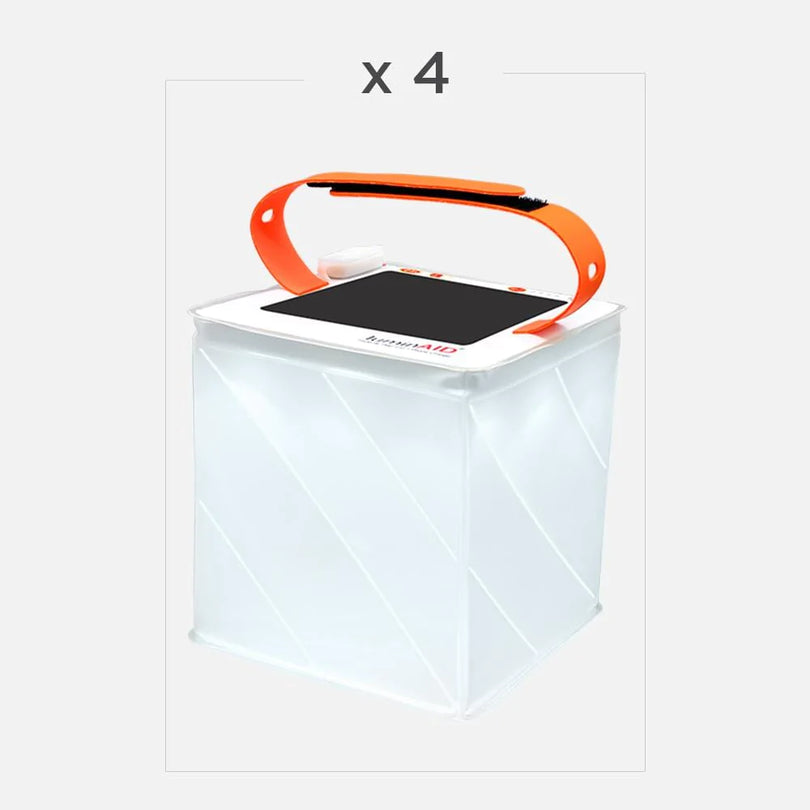
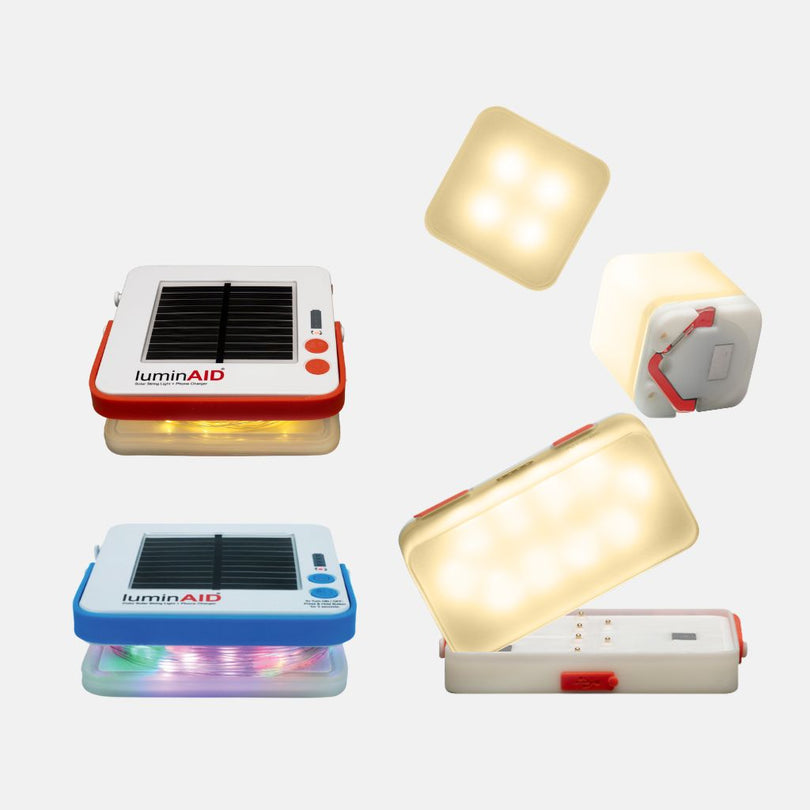
One example used in emergency preparedness and humanitarian response is the LuminAID Power Lantern, which combines portable light with USB phone charging. In settings where grid power is inconsistent or absent, that kind of tool supports safer movement at night and helps families stay connected to information and support networks.
The broader lesson matters more than any single product. Refugee support works best when the system addresses both headline needs and ordinary ones. Shelter, legal help, food access, and medical care remain central. So do the smaller interventions that make those services usable after dark.
Dignity often shows up in practical forms. A lit shelter. A charged phone. A child able to finish homework. A mother able to move through the night without guessing what is in front of her.
Support becomes real when it helps people get through the next twelve hours with more safety, more information, and a little more control.
Building a More Welcoming World Together
Refugee support services work when they are practical, connected, and responsive to how people rebuild their lives. That means legal help that protects status, shelter that creates immediate safety, health care that includes psychological well-being, and longer-term pathways into language learning, education, and work.
It also means recognizing who carries this work. Governments, international agencies, local nonprofits, faith groups, volunteers, and donors each have a role. The strongest results come when those roles are coordinated and when support follows real needs rather than assumptions.
For refugees navigating the system, persistence matters. Keep records. Ask questions. Request referrals. Raise mental health concerns early. For supporters, the best help is usually the kind that increases flexibility and reduces friction for frontline teams.
A welcoming response isn't only about charity. It's an investment in safety, stability, and human capacity. When people have the right support at the right moment, they don't just survive displacement. They regain the ability to plan, contribute, and belong.
LuminAID supports off-grid safety and communication with portable solar lanterns and phone-charging tools that fit emergency preparedness, outdoor use, and humanitarian response. If you want a practical way to equip your own kit or support light access in crisis settings, explore LuminAID.