
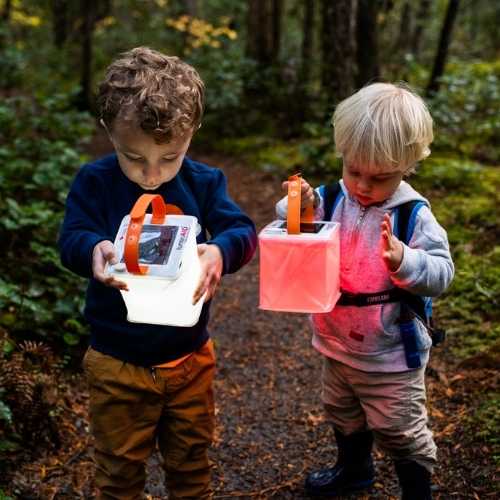

Picture your backyard glowing for a lively party, your campsite safely lit, or your home bright during a power outage—all without a single electrical outlet. It's not just possible; it's surprisingly easy. By tapping into the power of the sun, batteries, or fuel, you can create brilliant outdoor lighting without being tethered to the grid. This guide is your complete resource for finding the perfect off-grid solution that works for you.

Illuminating Your World Beyond the Grid
Lighting your outdoor space without electricity is about more than just getting through a blackout. It’s about reclaiming a piece of independence. Think of it as creating magical ambiance for an evening with friends, ensuring safety on a remote trail, or just being ready for the unexpected with reliable, self-sufficient gear.
This isn't some complex technical challenge. It’s simply a choice to embrace smart, versatile solutions that work anywhere, anytime. Whether you’re an avid camper, a homeowner prepping for emergencies, or hosting an event, understanding your options is the first step. This guide will walk you through everything you need to know to choose and use the best outdoor lighting without electricity.
Finding Your Perfect Off-Grid Light
The real key is matching the right light to the right job. You wouldn't rely on a single candle to light up a whole campsite, just like you wouldn't need a high-powered gas lantern for a small balcony. Success comes from layering different types of light to create both function and atmosphere.
- For Ambiance: Solar string lights and lanterns, tiki torches, and candles are perfect for this. They create a warm, inviting glow that’s ideal for social gatherings.
- For Task & Safety: When you need to see what you're doing, you'll want bright, focused light. Think battery-powered LED lanterns, headlamps, or powerful propane lanterns for cooking, navigating, or working after dark.
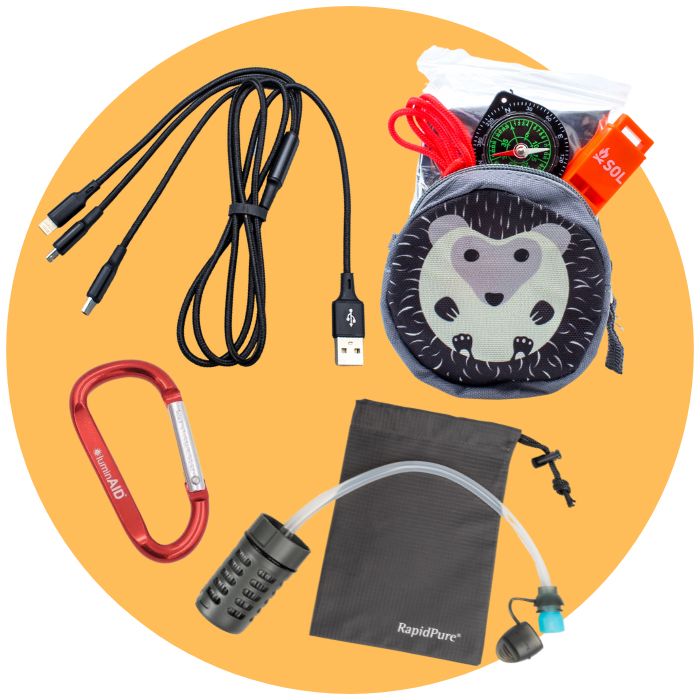
- For Emergencies: A mix is your best bet. You’ll want long-lasting and reliable options like solar-powered lights paired with a versatile battery-powered flashlight from an essential kit, like those offered by Adventure Medical Kits.
An unlit outdoor space at night can feel unusable. But with the right off-grid lighting, it transforms into a true extension of your home or campsite—a place for connection, safety, and enjoyment.
To make your decision even easier, we've put together a quick comparison of the most popular methods. Use this table to instantly see which type of lighting best suits your needs, whether you're planning a quiet backyard dinner or stocking up for a serious emergency.
Quick Guide to Non-Electric Outdoor Lighting
Here's an at-a-glance comparison of the most popular methods for outdoor lighting without electricity, highlighting their best use cases, pros, and cons.
| Lighting Type | Best For | Pros | Cons |
|---|---|---|---|
| Solar-Powered Lights | Ambiance, low-maintenance safety lighting, eco-friendly setups, and emergency prep. | Free to run, eco-friendly, low-maintenance, and easy to install. | Dependent on sunlight, lower initial brightness, and long-term battery degradation. |
| Battery/USB-Powered Lights | Task lighting, portability, camping, and reliable emergency brightness. | Very bright, portable, instant-on, and highly versatile (lanterns, headlamps, string lights). | Ongoing cost of batteries, limited runtime, and produces e-waste. |
| Passive Reflectors | Enhancing existing light and marking trails or hazards in the dark. | No power needed, durable, and highly effective for visibility. | Don't produce their own light; only reflect other sources. |
This table should give you a solid starting point. As we dive deeper into each category, you'll get a better feel for the specifics—like brightness levels, runtimes, and a buying checklist—to help you find the exact lighting you need.
Tapping Into the Sun with Solar Powered Lighting
When it comes to easy, sustainable outdoor lighting without electricity, solar power is king. A solar-powered light is really just a tiny, self-sufficient power plant. During the day, its photovoltaic panel soaks up sunlight, converting it into energy that gets stored in a built-in battery.
Once the sun goes down, that stored energy kicks in, firing up bright LEDs to light up your space. This simple cycle gives you total freedom from wall outlets and power bills, making solar the best bet for everything from backyard mood lighting to remote campsites and emergency kits.
How to Pick the Right Solar Light
Not every solar light is built the same. To get the right one for your needs, you have to look past the design and check the specs that really matter for performance. These numbers will tell you if you're getting a soft glow for a patio or a powerful beam for security.
- Brightness (Lumens): This is simply how much light it puts out. A decorative set of solar string lights might give off 50-100 lumens for a nice ambiance. A security spotlight, on the other hand, could blast out 800 lumens or more to keep an eye on things.
- Battery Capacity (mAh): Measured in milliamp-hours, this tells you how much juice the battery can hold. A bigger mAh number usually means a longer runtime, which is critical for multi-day camping trips or long winter nights.
- Panel Quality and Size: The solar panel is the engine. A larger, more efficient monocrystalline panel will charge faster and work better on cloudy days than smaller, older polycrystalline panels.
Getting a handle on these features is the first step. For anyone serious about going solar for their outdoor lighting, digging into a beginner's guide to a solar power system can be a huge help, offering tips that work for any off-grid setup, not just RVs.
The real beauty of solar lighting is its "set it and forget it" nature. Once you place it, the light manages its own power cycle, giving you reliable light night after night with zero running costs or effort.
Types of Solar Lighting Solutions
The world of solar lighting is incredibly varied, with options for just about any outdoor scenario. Whether you need a portable lantern for your tent or permanent fixtures for your home, there’s something out there for you. Each type serves a specific purpose, letting you layer light for both function and feel. You can explore different models by reading a detailed solar lantern buyer's guide that breaks down all the features.
https://luminaid.com/blogs/news/solar-lantern-buyers-guide
Popular Solar Lighting Options
| Type of Light | Primary Use | Key Features to Look For |
|---|---|---|
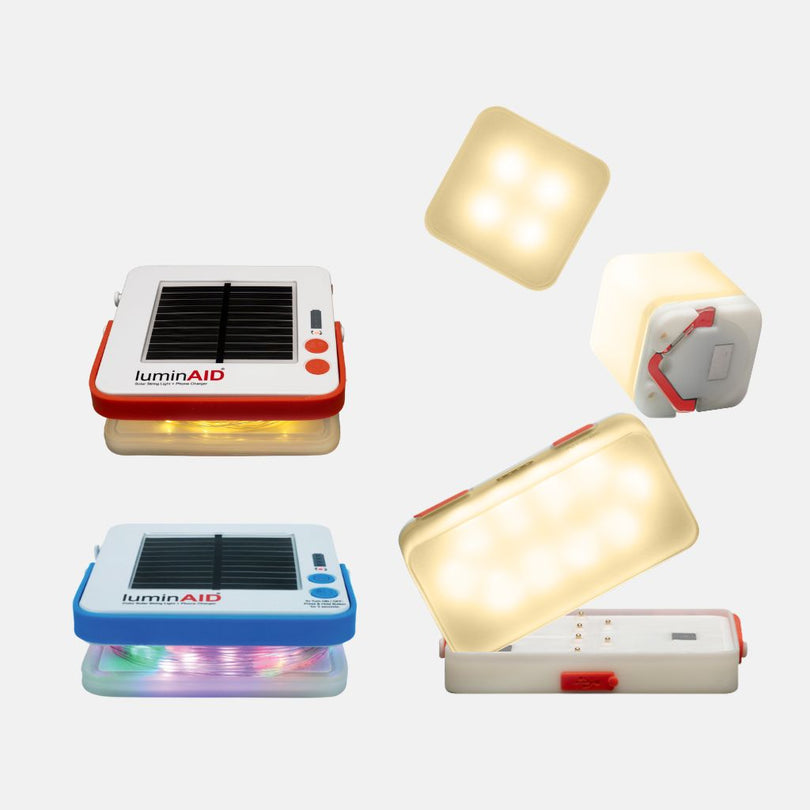
| Solar String Lights | Ambiance for patios, decks, and campsites. | Shatterproof bulbs, multiple light modes (like blinking or fading), and enough length for your space. |
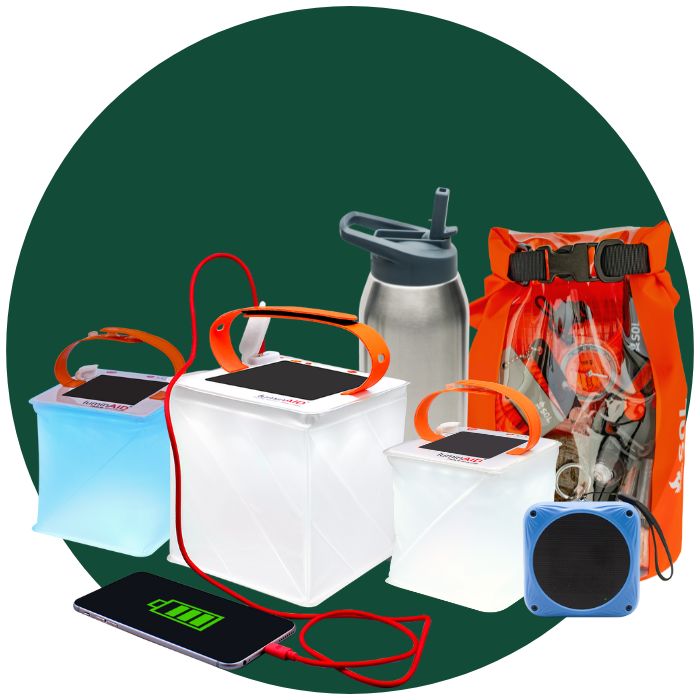
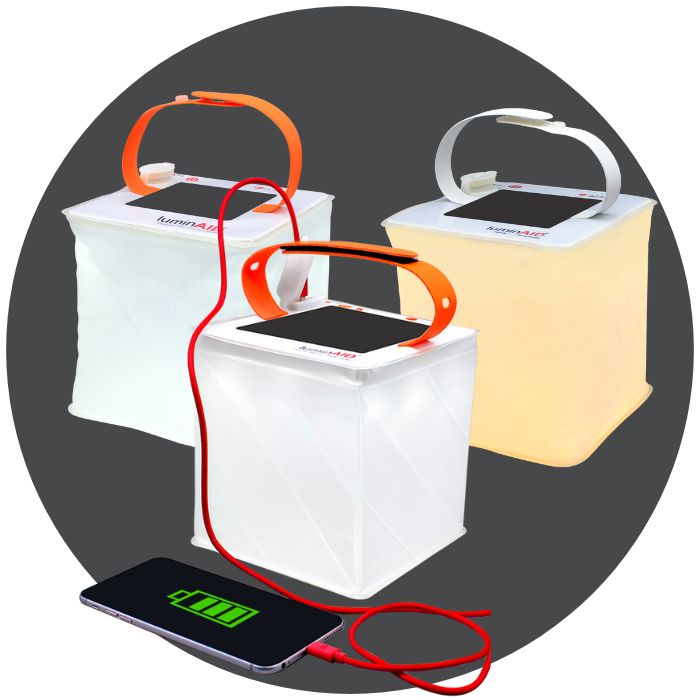
| Integrated Solar Lanterns | Portability for camping, emergencies, and task lighting. | Lightweight and packable design, adjustable brightness, and extras like a built-in phone charger. |
| Solar Path Lights | Safety and navigation along walkways and garden beds. | Tough, weather-resistant materials (stainless steel or aluminum) and the right height to cast light where you need it. |
| Solar Spotlights | Security and accent lighting for trees, flags, or house features. | High lumen output, adjustable heads for aiming, and motion-sensor options. |
By mixing and matching these types, you can build a complete, self-sustaining lighting system for any outdoor area. From the warm glow of string lights at a dinner party to the practical beam of a spotlight watching over your property, solar power offers a versatile, eco-friendly, and cheap solution for all your off-grid lighting needs.
The Power and Portability of Battery Operated Lights
While solar offers incredible, sustainable freedom, sometimes you just need guaranteed, on-demand brightness that doesn't depend on a sunny day. That's when you reach for a battery-operated light. From a compact headlamp for navigating a dark trail to a big LED lantern that lights up your whole campsite, they offer reliable outdoor lighting without electricity at the flip of a switch.
These lights are the workhorses of the off-grid world. Think of them as a pre-charged power source you can carry right in your pocket. Because they aren't waiting on the sun or sipping from a fuel can, they give you instant, consistent light. This makes them absolutely essential for task lighting, emergency kits, and any time when reliability is non-negotiable.
Disposable vs Rechargeable Batteries
The world of battery lighting really comes down to two choices: disposable or rechargeable. For decades, those disposable AA or D-cell batteries were all we had, but thankfully, modern tech has moved heavily toward rechargeable lithium-ion systems.
- Disposable Batteries: They’re convenient in a pinch and you can find them anywhere. The downside? They create a ton of environmental waste, and the cost really adds up over the years. They're best for backup use or in small devices you rarely touch.
- Rechargeable Batteries (USB): This is where portable lighting is headed. Most modern LED lanterns now have high-capacity, built-in batteries you can top up with a simple USB cable from a power bank, solar panel, or even your car. They're far more sustainable and way cheaper in the long run.
The environmental difference is huge. A single rechargeable battery can take the place of hundreds of disposables, keeping all those nasty chemicals out of our landfills. It's a major win for both your wallet and the planet.
This image from Adventure Medical Kits shows just how vital lighting is, packing it right into their emergency and adventure kits.
You can see how a dependable flashlight or headlamp is considered a core piece of gear right alongside first-aid supplies—a clear signal of its importance for safety and survival. Along with light, a good bug repellent like After Bite is another small but crucial item for outdoor comfort and safety.
Your Guide to Choosing the Best Battery Light
Picking the right battery-powered light is all about understanding a few key features. These specs tell you exactly how a light will perform out in the real world, so you end up with a tool you can truly count on. For anyone building a preparedness kit, our guide on the best emergency flashlights digs even deeper into these features.
A game-changing feature in modern battery lights is that they do more than just shine. Many high-end lanterns now double as portable power banks, letting you charge your phone or other small gadgets directly from the lantern’s own battery. This turns your light source into the central hub of your off-grid power setup.
Essential Features to Check:
| Feature | What It Really Means for You | Why It’s Important |
|---|---|---|
| Water Resistance (IP Rating) | This rating (like IPX4 or IP67) shows how well the light handles water and dust. | An IPX4 rating is splash-proof, which is fine for general use. An IP67 rating means it can be fully submerged, making it perfect for nasty weather and rugged trips. |
| Brightness (Lumens) | This is the raw measure of how much light the device puts out. | 50-150 lumens is plenty for inside a tent or for reading a book. You'll want 300-1000+ lumens to properly light up a large campsite or for security. |
| Specialized Light Modes | Extra settings like a red-light mode, SOS flashing, or dimmable brightness. | Red light saves your night vision, which is a must for stargazing or moving around camp without blinding everyone. The SOS flash is an essential emergency signal you hope to never use. |
How to Choose the Right Off-Grid Lighting for Your Needs
With all the different ways to get outdoor lighting without electricity, picking the right one can feel overwhelming. The secret isn't finding the single "best" light, but finding the one that's best for your specific situation.
It’s a bit like choosing the right pair of shoes. You wouldn't wear hiking boots to a fancy dinner, and you definitely wouldn't wear flip-flops on a snowy trail. The perfect off-grid light for a backpacker deep in the woods is completely different from what a homeowner needs during a power outage.
Lighting for the Outdoor Adventurer
For campers, hikers, and overlanders, every single ounce counts. Your gear has to be lightweight, tough, and, ideally, serve more than one purpose. You need something that performs reliably and won't fail you when you're miles from the nearest town.
- Top Picks: Your best bet is a combination of packable solar lanterns and USB-rechargeable headlamps. Solar lanterns, like the ones from LuminAID, are incredibly light, waterproof, and can recharge on the back of your pack while you hike. A quality headlamp is absolutely non-negotiable for hands-free tasks.
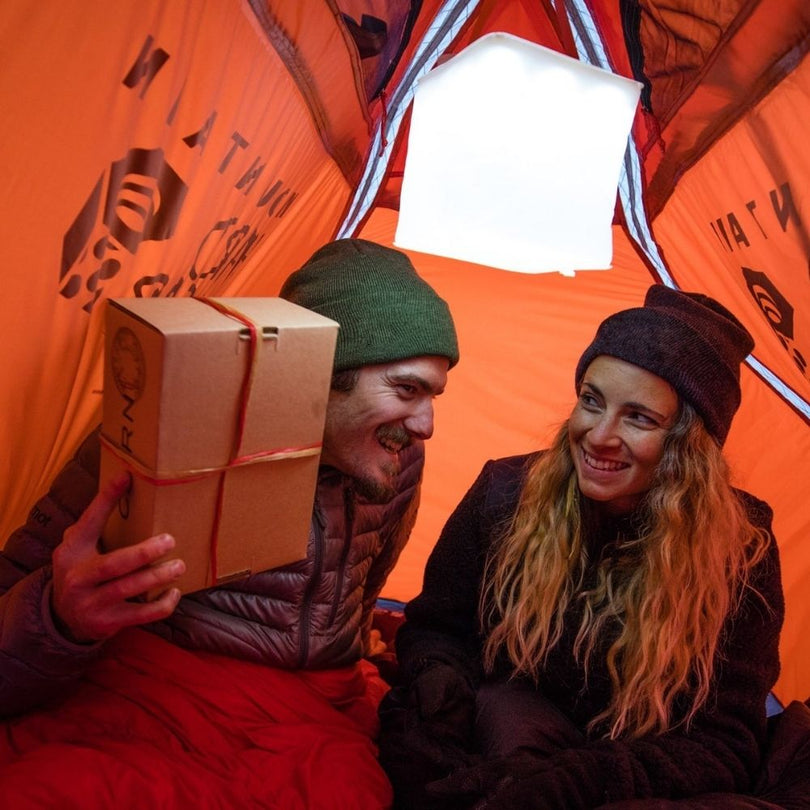
- Why It Works: This setup gives you both broad ambient light for your campsite and a focused beam for things like cooking or finding your way in the dark. Many modern solar lanterns even double as a power bank to give your phone that crucial extra bit of charge.
Lighting for the Homeowner Prepper
When a storm rolls in and the grid goes down, your priorities change. Now it’s all about safety, reliability, and runtime. You need powerful light that is safe to use indoors and can last through a potentially long outage.
- Top Picks: A solid system includes a mix of large solar lanterns, high-capacity battery-powered LED lanterns, and a couple of powerful flashlights. Solar gives you a sustainable, free source of energy, while battery lanterns provide bright, instant light when you need it most.
- Why It Works: This layered strategy means you always have a backup. You can charge the solar lanterns during the day to use at night, saving your battery-powered options for when you need immediate, powerful illumination. Most importantly, they're flameless, which eliminates the serious fire and carbon monoxide risks that come with using candles or gas lanterns inside your home.
Lighting for the Backyard Host
If you're hosting a party, a dinner, or just enjoying a quiet evening on the patio, your goal is all about atmosphere. You want lighting that creates a warm, inviting mood and transforms your outdoor space into something special.
- Top Picks: Nothing beats solar string lights for creating instant ambiance. Drape them over a pergola, run them along a fence, or string them between trees for a festive glow.
- Why It Works: This is all about creating layers of light. The string lights provide a beautiful ambient base. It's a simple way to turn a normal backyard into a memorable event space.
Making sure you have the right tools is essential for any situation. That's why we've put together this quick comparison to help you weigh the pros and cons of each lighting type at a glance.
Choosing Your Ideal Off-Grid Lighting Solution
| Feature | Solar Lanterns | Battery/USB Lights |
|---|---|---|
| Best For | Backpacking, power outages, eco-friendly lighting | Home emergencies, car kits, task lighting |
| Brightness | Moderate to High (up to 300 lumens) | Varies (from 50 to over 1000 lumens) |
| Runtime | 24-100+ hours on a full charge | 8-200+ hours depending on battery/settings |
| Portability | Excellent; often inflatable and ultra-light | Good; compact but batteries add weight |
| Safety | Excellent; no flame, no heat, no fumes | Excellent; flameless and safe for indoor use |
| Cost | Low to Moderate upfront, free to run | Low upfront, ongoing cost for batteries |
This table makes it clear: there's no single winner. The best choice comes down to balancing brightness, safety, and convenience for your specific needs.
The demand for dependable, grid-free light is growing fast. The outdoor solar LED market is projected to skyrocket from USD 9,823.9 million in 2024 to USD 41,123.5 million by 2030. This incredible growth is happening because everyone from adventurers to homeowners sees the value in having a sustainable, portable power source.
As our friends at Survive Outdoors Longer know well, a reliable light source is a core part of any survival or preparedness kit. You can find more outdoor safety essentials on their website to round out your gear.
The perfect off-grid lighting setup isn't one-size-fits-all. It's a personalized toolkit built around your specific activities, environment, and priorities—whether that's portability, safety, or style.
Building Your Essential Emergency Lighting Kit

When the power goes out, reliable light isn't just a convenience—it becomes a critical tool for safety. A well-thought-out emergency kit is your family's first line of defense against the chaos, and having the right outdoor lighting without electricity is a cornerstone of that preparation.
The reality is, we all need to be ready. Just look at hurricane season, which knocks out power for an average of 1.5 million U.S. households every year. Having dependable, grid-free lights on hand means you won't have to rely on a noisy, fume-belching generator or resort to dangerous open flames.
Why Flameless Lighting Is a Must
In the middle of a crisis, the last thing you need is to create another one. Candles are a surprisingly common cause of house fires during outages, posing a huge risk, especially if you have kids or pets running around.
That's where flameless solar and battery-powered lights come in. They completely remove that fire hazard, giving you bright, steady light with no open flame, no intense heat, and no toxic fumes. It makes them the only truly safe choice for lighting up your home, a cramped storm shelter, or a tent if you have to evacuate.
When Hurricane Maria plunged millions into darkness for months in 2017, solar lanterns were a genuine lifeline. Relief groups managed to get these lights into 70% of affected homes in just a few weeks, which drastically cut down on the injuries and fire risks that come with using candles.
Assembling Your Emergency Lighting Kit
Putting together a solid kit is all about layers and redundancy. You never want to be caught with just one option. If a battery dies or a lantern breaks, you need a backup ready to go, no questions asked.
The best strategy is to mix solar-powered lights with battery-operated ones. This gives you a sustainable, rechargeable source for the long haul and an instant-on light for when you need it right now.
Your Essential Kit Checklist:
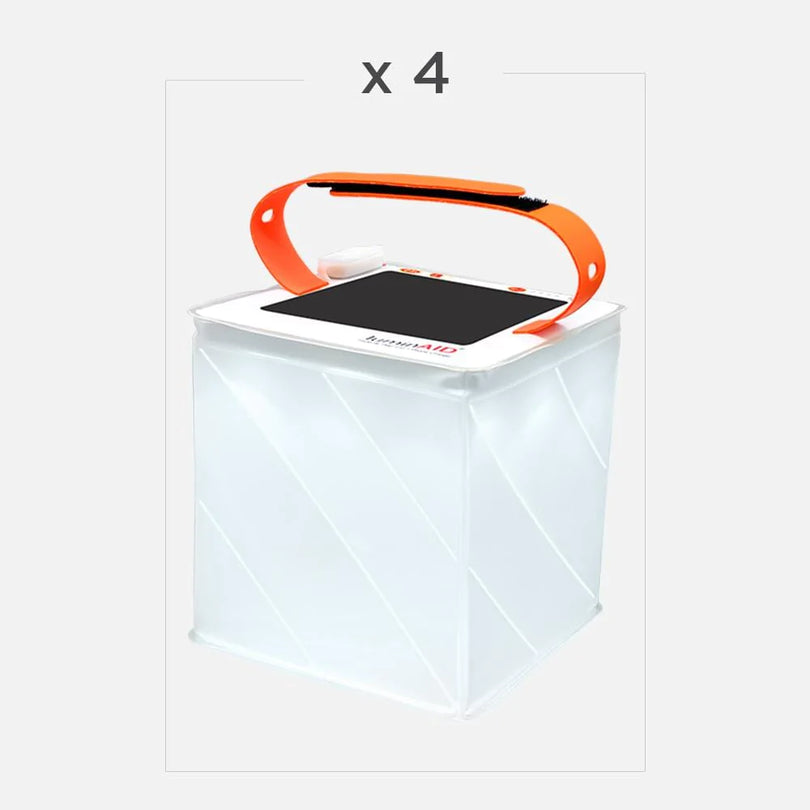
- Primary Solar Lanterns (2-3): Go for packable, waterproof models you can charge up during the day. These are your workhorses for extended outages, giving you hours of renewable light night after night.
- High-Lumen Battery Lantern (1): One powerful LED lantern with fresh batteries is perfect for immediate, bright area light when you're cooking or checking on things.
- Headlamps (1 per person): These are non-negotiable. They give you hands-free light to navigate a dark house or make a quick repair.
- Compact Flashlights (2): Stash a couple of small, reliable flashlights where you can grab them fast—think a nightstand or kitchen drawer.
- Solar Power Bank or 2-in-1 Charger Lantern: Keeping your phone charged is vital for staying connected. Many modern solar lanterns, like those from LuminAID, have a built-in USB port to do just that.
- Extra Batteries: Double-check the sizes you need for your gear and stock up.
- Waterproof Storage: Keep your lights and batteries safe from rain or floodwater in a good dry bag or a waterproof bin.
Having your kit ready isn't just about having light. It's about maintaining a sense of control and safety when everything feels uncertain. While you're at it, make sure your kit includes a solid first-aid supply, like the ones from Adventure Medical Kits, for any minor scrapes or injuries. By getting your emergency lighting prepared today, you're giving your family the confidence to handle whatever comes next.
Answering Your Top Questions About Off-Grid Lighting
When you're new to outdoor lighting without electricity, a few questions always pop up. It’s smart to get the details sorted out before you head outdoors or face a power outage. Here are some straightforward answers to the questions we hear most often.
How Long Do Solar Lights Last On a Single Charge?
This really depends on the light you choose, its battery, and how bright you have it set. A small, decorative path light might only give you 6-8 hours of glow. But a quality solar lantern can run anywhere from 12 to over 50 hours on one full charge.
The trick is to check the product specs before you buy. If you need a light to last through a multi-day camping trip or a long outage, look for a model with a bigger battery capacity (measured in mAh) and different brightness settings. That way, you can stretch out the runtime when you need to.
Can Solar Lights Still Charge On Cloudy Days?
Yes, they can. Modern solar panels are pretty impressive and can pull in power from ambient light, even when it's gray and overcast. They won't charge as quickly or as fully as they would in direct sun, but they're definitely still working.
To make the most of it, just put your solar light in the brightest spot you can find during the day. Even without direct sun, the panel is still topping off the battery for when darkness falls.
Safety First: When it comes to lighting inside a tent, there's no room for shortcuts. The only truly safe options are flameless LED lights, whether they're solar or battery-powered.
What Is the Safest Lighting for Inside a Tent?
Never, ever use anything with a flame inside a tent or any other enclosed space. This includes gas lanterns, candles, and tiki torches. It's not just the fire risk; they also release deadly, odorless carbon monoxide gas.
For tent safety, you have to stick with flameless options. Solar-powered lanterns or a good battery-operated headlamp will give you plenty of bright, dependable light without any danger of fire or poisoning. Being prepared also means thinking about all aspects of safety; for example, you can learn how to protect yourself from common pests on your trips at Natrapel. A focus on safety from all angles is what makes an adventure successful.
At LuminAID, we’re all about making safe, dependable, and sustainable light accessible to everyone. Our portable solar lanterns and 2-in-1 phone chargers are built to light up your campsite, backyard, or emergency kit without a single outlet. Find the perfect off-grid lighting solution for your next adventure or for getting your home ready for the unexpected at https://luminaid.com.