


You're probably here because you want to camp farther from the grid without gambling on comfort or safety. Maybe you've already had one of those trips where a headlamp dies on night two, your phone drops into power-saving mode just when you need maps, or damp gear turns a simple overnight into a long, cold lesson.
That's the primary job of off grid camping gear. It isn't to make camp look rugged or expensive. It's to keep your shelter dry, your sleep system warm, your water safe, your route clear, and your light working when the weather turns.
Why Your Off-Grid Gear Choices Matter
A lot can go wrong once you leave hookups, outlets, camp stores, and easy exits behind. A wet sleeping bag, a stove that hates wind, or a light that depends on batteries you forgot to pack can all create the same problem. Your margin shrinks fast.
That's why I treat off grid camping gear as a personal self-sufficiency system, not a pile of products. Each item either supports that system or adds weight without solving a real problem. Good gear buys time, warmth, visibility, clean water, and options. Bad gear creates extra tasks when you're already tired.

This matters even more because off-grid camping isn't a fringe habit anymore. In North America, boondocking made up 7% of all U.S. camping nights in 2021, then rose to 16% in 2022, and by 2023, dispersed off-grid locations such as backcountry and national forest land were estimated to account for roughly 44% of camping nights according to RVs of America's reporting on the rise of boondocking.
What self-sufficient gear really does
A reliable setup does three things at once:
- Protects your baseline needs so weather, darkness, and distance don't become emergencies.
- Reduces dependency on campsites with infrastructure, disposable batteries, or fuel-hungry equipment.
- Keeps the system simple enough that you can use it when you're cold, wet, or moving fast.
Practical rule: If a piece of gear only works in ideal conditions, it doesn't belong at the center of an off-grid setup.
The strongest kits usually aren't the biggest. They're the most coherent. Shelter matches climate. Sleep system matches temperature. Water treatment matches your route. Lighting matches your actual nighttime use, not just what looked good in a product listing.
That mindset changes how you buy. Instead of asking, “What else should I bring?” ask, “What failure does this item prevent?”
The Core Off-Grid Gear Categories
Before you fine-tune brands or trim ounces, get the main categories right. Every off-grid setup needs shelter, sleep, water, food, navigation, and safety covered. Miss one, and the rest of the kit starts compensating.
Shelter and sleep
Shelter isn't just a tent. It's your weather management plan.
A simple tent works well when bugs, wind, and sustained rain are likely. A tarp gives more flexibility and less bulk if you know how to pitch it well. In exposed country, I'd rather carry a shelter that goes up fast in bad weather than one that saves a little weight but demands perfect ground and calm hands.
Your sleep system has two jobs. It must keep you warm and keep you insulated from the ground. A sleeping pad matters as much as the bag because cold ground strips heat all night. If your bag is excellent but your pad is poor, you'll still sleep cold.
Water and cooking
Water gear should answer two separate questions: how you'll carry water and how you'll make it safe. Those aren't the same thing. A bottle or reservoir handles transport. A filter, purifier, or treatment method handles risk.
Cooking gear should match trip style, not campsite fantasy. On a short trip, a compact stove and one pot can do nearly everything. On a vehicle-based trip, you can afford a more stable cooking setup, but even then, fuel efficiency and wind performance matter more than fancy features.
A few kitchen items earn their keep every time:
- A stove with predictable flame control for boiling water and simple meals.
- One metal pot or mug that can heat, eat, and clean easily.
- A lighter plus backup ignition stored separately.
- A small spoon or spork that won't snap under real use.
For a broader baseline list, LuminAID's camping must haves and essentials guide is a useful cross-check before a trip.
Navigation and field tools
Phones help, but off-grid navigation can't depend on constant signal or constant battery. Carry a paper map if the area is large enough to get turned around in, and carry a compass if you know how to use one. GPS devices and offline maps add convenience, not immunity from bad decisions.
A cutting tool also belongs in this category. You don't need a giant survival knife for most trips, but you do need something dependable for cordage, food prep, repairs, and camp tasks. If you're comparing practical field options, this selection of camping fixed blade knives NZ shows the kind of sturdy, simple designs that make sense outdoors.
Safety and medical
Safety gear is the part people pack with optimism. That's a mistake. Pack for what's annoying, common, and solvable first. Blisters, cuts, hot spots, minor burns, splinters, headaches, and insect bites happen far more often than dramatic emergencies.
Build around these basics:
- First aid kit with wound care, blister care, tape, and personal medications. A purpose-built kit from Adventure Medical Kits is a solid starting point.
- Wildlife protection where appropriate. In bear country, carry the deterrent recommended for that area, and learn how to use it. Counter Assault is one recognized source for bear spray equipment.
- Bug and bite support for warm-weather trips. After Bite, Ben's 30, and Natrapel all fit naturally into that layer of protection.
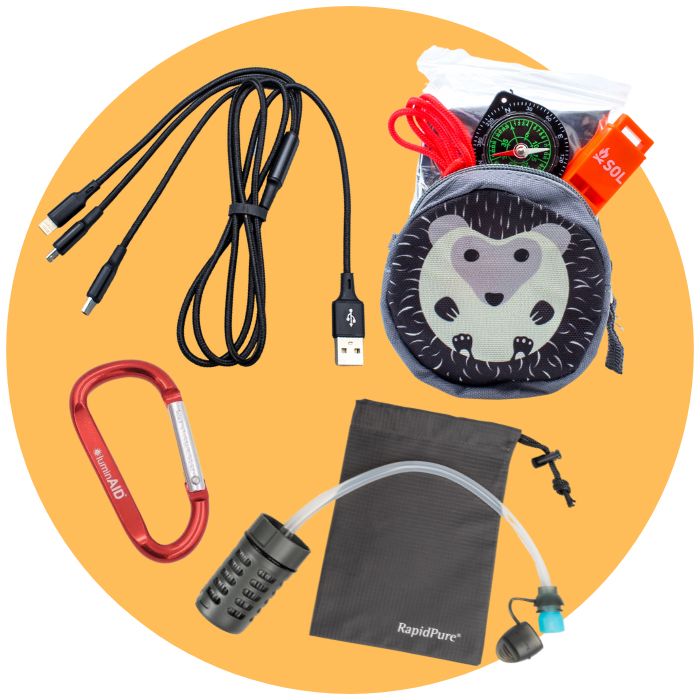
- Emergency warmth and signaling such as a whistle, emergency blanket, and fire-starting backup.
Most safety failures start as small inconveniences that went unmanaged for too long.
How to Select the Right Equipment
Choosing off grid camping gear gets easier when you stop looking for the perfect item and start measuring trade-offs. Every piece of gear costs something. Usually that cost is weight, bulk, money, setup time, or durability.
Spend pack weight like currency
Weight is your most limited budget on foot and still matters in a vehicle. Heavy gear is easier to tolerate in a parking lot than on a muddy trail, but bulk steals space either way.
An overland gear guide recommends keeping equipment “light and small” and notes that multi-purpose tools reduce what you need to carry, making efficiency a real requirement rather than a convenience in remote travel, as explained in Tuff Stuff Overland's essential overland gear list.
That advice holds up well beyond overlanding. A metal mug that cooks and drinks beats a separate pot and cup. A light that also charges a phone beats carrying a lantern and a separate small battery bank. A tarp that serves as shelter, shade, and rain cover can replace multiple niche items if you know how to use it.
Judge durability by likely failure points
Don't ask whether gear feels tough in your hands. Ask where it usually fails.
On tents, check zippers, pole sections, and stake-out points. On sleeping pads, valve quality matters. On stoves, look at pot support stability and how exposed the flame is to wind. On lanterns or power gear, port covers, seams, and switch reliability matter more than styling.
A few quick tests tell you a lot:
- Set it up with cold hands. If it's annoying in the yard, it'll be worse in rain.
- Pack it when dirty or wet. Some gear is easy to restore. Some becomes a chore.
- Use it after dark. Lighting, stove controls, and shelter entry all feel different at night.
Weather resistance beats feature overload
Extra features look attractive online. In camp, simple gear usually wins.
A jacket with a clean closure and dependable hood is better than one with a dozen adjustment points you'll never touch. A shelter with solid rain performance is better than one with clever extras but marginal weather protection. Water resistance also needs context. A “water-resistant” stuff sack is not the same as a true dry bag, and a “weather-ready” light still needs a charging plan.
Gear that's easy to trust is usually gear that's easy to operate.
Match gear to your trip, not your identity
A lot of bad buying comes from shopping for the camper you want to be instead of the trip you're taking. If most of your nights are short walk-ins, roadside camps, or storm-season weekends, buy for those conditions first.
The best setup is the one you'll use correctly, maintain well, and understand under stress. That usually means fewer moving parts, less duplication, and stronger overlap between items.
Mastering Off-Grid Light and Power
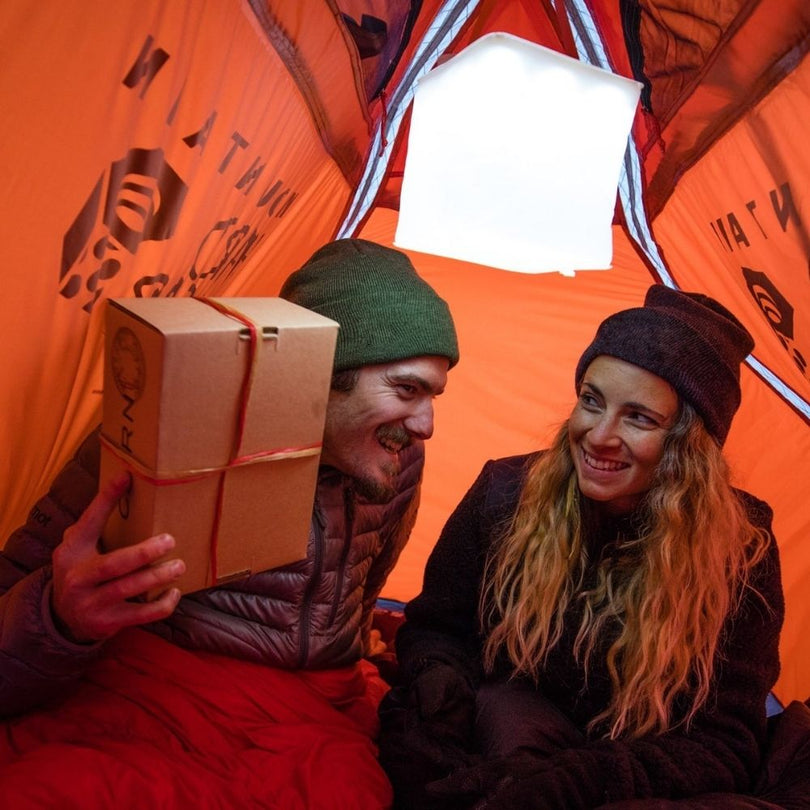
Light and power get treated like accessories until the first dark, wet evening when everyone starts hunting for the only working flashlight. In remote camps, that's backwards. Illumination and charging are part of your safety system.
REI's family camping checklist includes headlamps or flashlights, lanterns, and extra batteries as essentials, and it also flags solar and portable power plus navigation tools for remote camps in its family camping checklist. That's the right framing. You need an energy plan, not just a lantern.

Build an energy budget first
Often, power gear is purchased by category. Generator, panel, battery bank, lantern. That's not how dependable systems are built.
Start with your daily needs:
- Task lighting for cooking, organizing gear, and short walks from camp
- Personal light such as a headlamp for hands-free use
- Phone charging for maps, weather checks, photos, and emergency contact
- Navigation backup if your phone or GPS is part of your route plan
Then ask four practical questions:
- What must work every night?
- What can be limited if weather turns bad?
- How many charging cables and port types does the system require?
- What happens after two cloudy days?
That last question is where weak setups show themselves. A bright lantern means little if it can't be recharged reliably or if charging it drains the same battery you need for navigation.
Why smaller systems often work better
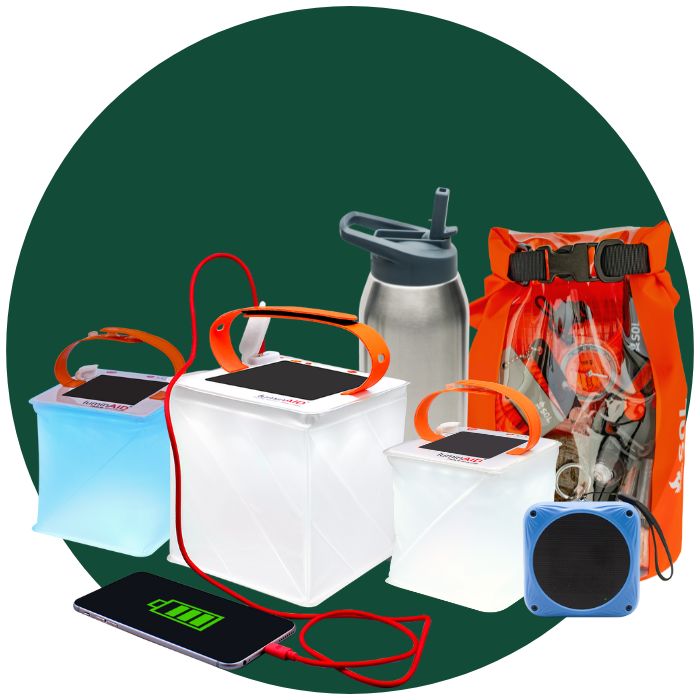
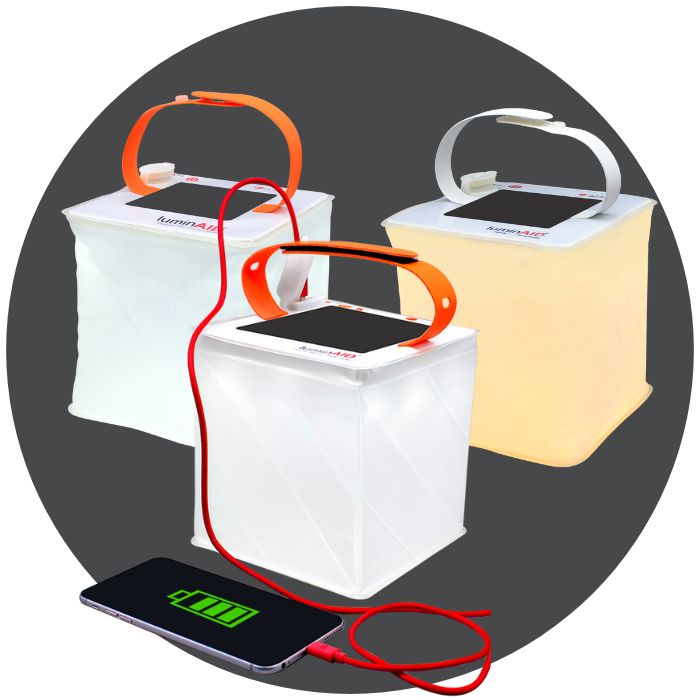
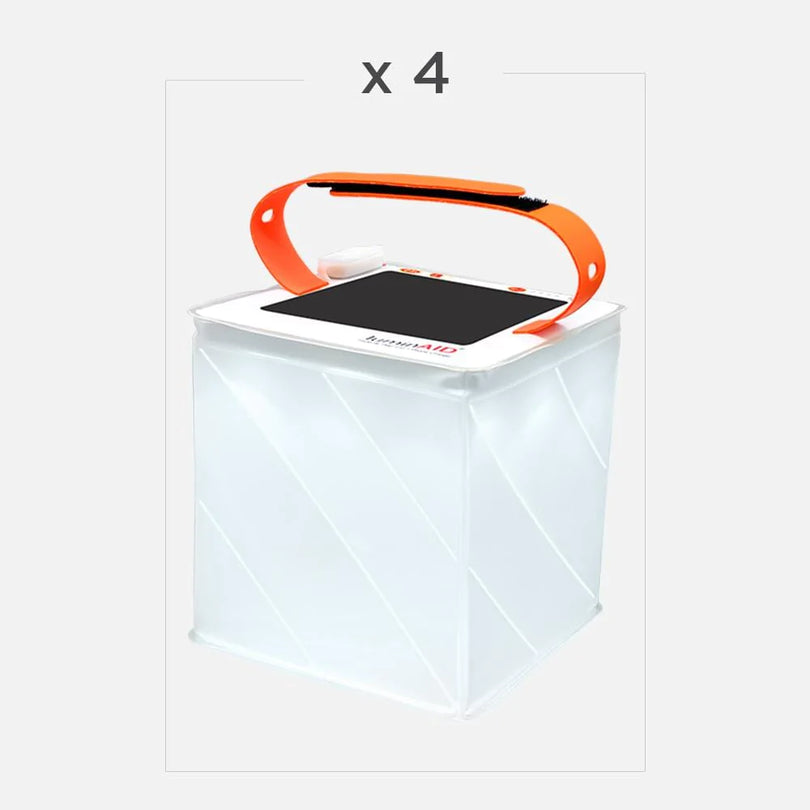
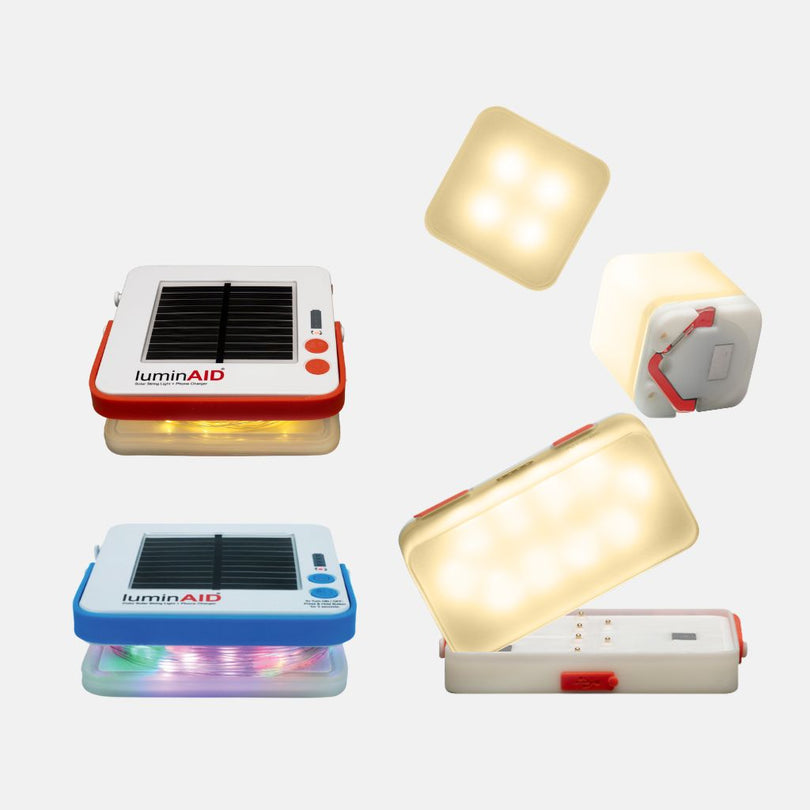
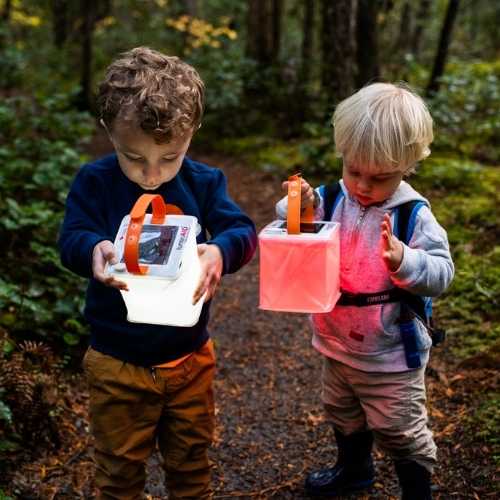
For many campers, the most useful solution isn't a bulky generator. It's a compact lighting and charging setup that handles the essentials free from noise and with less fuss. A packable solar lantern with USB charging covers a surprising amount of real camp use, especially when you're trying to cut noise, fuel, and weight.
That's also why this guide from LuminAID on choosing a portable solar camping light is worth reading. It's focused on the actual role these devices play in camp rather than treating light as an afterthought. A LuminAID solar lantern with USB charging is one example of a compact tool that combines area light with phone-charging backup.
Here's a practical walkthrough on what to evaluate in a power setup:
What specs matter in the field
Specs matter, but only if you connect them to use.
Lumens tell you peak brightness, not how long the light remains useful. For camp tasks, a moderate, stable output is often better than a super-bright mode that drains quickly.
Battery capacity matters because it sets your reserve. More reserve helps, but not if the unit becomes bulky enough that you stop carrying it.
Charge method's importance is often underestimated. Solar-ready gear is useful when you can expose it consistently, rotate it during the day, and avoid shading. USB recharge is equally important because many trips start with a full charge at home or in the car.
Form factor matters because gear that packs flat or clips easily tends to get used more. A lantern buried in a tote is less valuable than one you can hang in seconds.
If your power system is too big to carry or too complicated to manage, it isn't resilient. It's just expensive.
Building Your Ideal Off-Grid Gear Kit
One reason people struggle with off grid camping gear is that they build one imaginary master kit. Real use is messier. The gear for a fast backpacking trip shouldn't look like the gear for vehicle-based camp life or a home outage bin.
Most gear guides stop at category lists. They don't help much with runtime planning, charge loss, or deciding when a small solar lantern and USB charging setup is more practical than a heavier generator. That's the useful distinction highlighted in RV Life's discussion of off-grid camping gear.

Three kit styles that solve different problems
Ultralight backpacking kit
This setup favors overlap and low bulk. Shelter is compact. Cooking is minimal. Water treatment is simple and field-fast. Lighting needs to be light enough to carry every time, not only on optimistic packing days.
Car camping or overlanding kit
This setup gives you room for comfort and redundancy. You can carry a roomier shelter, a more stable stove, extra water, and a stronger camp-light setup. The mistake here is overpacking duplicate tools that do one small job each.
Home emergency kit
This one isn't for recreation first. It's for outages, evacuation delays, and nights without normal power. The priorities are light, phone charging, water access, warmth, first aid, and easy storage.
Off-Grid Gear Kits Compared
| Gear Priority | Ultralight Backpacking | Car Camping / Overlanding | Home Emergency Kit |
|---|---|---|---|
| Shelter and sleep | Small tent or tarp, compact sleeping bag, lightweight pad | Roomier tent, thicker pad, extra blanket | Tarp or emergency shelter, warm bedding, compact pad if needed |
| Water and food | Filter or purifier, one bottle system, simple stove | Larger water storage, stove with stable cooking surface, cooler or food box | Stored water plan, simple cook method if appropriate, shelf-stable food tools |
| Light and power | Headlamp plus small rechargeable lantern, minimal cable setup | Area lantern, personal lights, USB charging plan, optional solar support | Lanterns, phone charging, easy-to-use backup lighting stored together |
| Tools and safety | Compact first aid, map, compass, repair tape, small blade | Expanded first aid, recovery basics, repair kit, wildlife-specific protection | First aid, whistle, batteries or rechargeable backup, essential documents nearby |
How to choose between them
Use the trip environment to pick the kit, then trim from there.
- If you're walking everything in, remove comfort items before you remove core safety.
- If you're vehicle-based, use the extra space for weather margin, not clutter.
- If the kit lives at home, pack for easy access in the dark and under stress.
A good test is whether each kit still works if conditions are worse than expected. The ultralight version should still handle rain and low visibility. The car kit should still function without a campsite pedestal. The home kit should still work when the outage lasts longer than you hoped.
Smart Packing and Gear Maintenance Tips
The field punishes disorganized packing. Gear maintenance punishes procrastination later. Both are easier if you build repeatable habits.

Pack for access, not for the driveway
A pack should get more stable as the day gets harder. Put dense items close to your back. Put the gear you need during breaks or weather changes where you can reach it without exploding the whole load.
A simple order works well:
- Bottom layer for camp-only items like sleeping clothes and sleep insulation
- Core layer for dense gear such as food, stove, and water treatment
- Top layer for rainwear, insulation, first aid, and quick-grab items
- Outside pockets for water, map, snacks, and headlamp
In bins or vehicle drawers, make sub-kits. One for cook gear. One for water. One for repairs. One for hygiene. An eco-friendly travel toiletry set can make the hygiene kit cleaner, more compact, and easier to refill than carrying mismatched bottles.
For a practical reset if your packing has become chaotic, this camping packing list is useful as a pre-trip check.
Use color and containment
Dry bags and zip pouches do more than keep gear dry. They shorten decision time.
Try a simple color code:
- Red for first aid and urgent items
- Blue for water treatment and kitchen
- Green for sleep gear
- Yellow for electronics, cables, and light
That system matters most at night and in rain, when rummaging through loose gear wastes warmth and patience.
The best organization system is the one another tired person could understand in the dark.
Maintain gear before storing it
The end of the trip is when expensive gear gradually gets damaged. Mud, moisture, food residue, and battery neglect don't ruin things dramatically. They wear them down a little at a time.
Use a short post-trip routine:
- Dry everything fully before long-term storage, especially tents, tarps, and sleeping gear.
- Clean stoves and cookware before grease hardens and odors spread.
- Inspect for wear at zippers, cords, buckles, valves, and seams.
- Recharge electronic gear and store charging cables with the device.
- Restock consumables like tape, meds, water treatment tabs, and repair patches.
For rechargeable lanterns and power gear, don't toss them into storage dead and forgotten. Charge them, check ports and seals, and test them before the next trip. Reliability comes from small routines, not last-minute packing.
Your Journey to Self-Sufficiency
Good off grid camping gear gives you independence, but its main advantage comes from how well the pieces work together. A dry shelter, warm sleep system, dependable water treatment, and sensible power plan will do more for your trip than a pile of expensive extras.
That matters beyond recreation. The camping market itself points in the same direction. Mordor Intelligence estimates the global camping equipment market at USD 22.08 billion in 2026 and projects it will reach USD 29.49 billion by 2031, with online retail growing fastest, as outlined in its camping equipment market forecast. The bigger takeaway isn't just market size. It's that people keep choosing packable, practical equipment that works for both outdoor trips and resilience at home.
Start with what fails most often
If you're building your setup from scratch, don't buy everything at once. Start with the items that most often create trouble in the field:
- Reliable shelter
- Warm sleep system
- Safe water plan
- Light and charging setup that you've tested
Then use your gear before the bigger trip. Sleep in the yard. Cook in wind. Charge your phone from your camp power setup. Pack in the dark once. Those small tests reveal weak points faster than any product page.
Self-sufficiency isn't a shopping spree. It's a skill set backed by dependable tools. Build slowly, keep the system simple, and choose gear that still makes sense when the weather turns or the power goes out.
If you want a simple place to start with off-grid lighting and phone charging, take a look at LuminAID. Their portable solar lanterns and 2-in-1 charging lights fit the kind of low-bulk, self-sufficient system that works well for camping, emergency kits, and power outages at home.