

In an increasingly screen-focused world, the call to get outdoors is stronger than ever. Finding engaging activities to do outside is not just about escaping our devices; it's about reconnecting with the natural world, improving our physical and mental well-being, and creating lasting memories. The possibilities are vast, whether you are an avid adventurer planning your next summit or a homeowner looking to transform your backyard into an oasis. This guide offers a complete roundup of diverse outdoor pursuits designed to inspire your next adventure.
We'll cover everything from remote backcountry expeditions to cozy patio gatherings, complete with actionable tips, gear recommendations, and essential safety advice. You'll discover how portable solar lighting can improve safety and ambiance, turning any outdoor space into a place of wonder, day or night. We even look ahead to future adventures; for instance, you can explore the Top 10 Big Island snorkeling spots for 2026 to combine water activities with forward-looking planning.
This article is your resource for making the most of the great outdoors. We provide specific, practical details for a wide range of interests, including:
- Daytime Adventures: Hiking, cycling, fishing, and beach activities.
- Nighttime Experiences: Stargazing and illuminated backyard entertainment.
- Essential Preparedness: Tips for road trips, emergencies, and winter excursions.
Our goal is to equip you with the knowledge needed to step outside with confidence. By preparing properly with first aid supplies from a reliable source like Adventure Medical Kits and understanding the fundamentals, you can ensure every outing is both safe and memorable. Let's dive into the best ways to embrace the world outside your door.
1. Camping and Backcountry Hiking
From weekend car camping at an established state park to multi-day expeditions deep into the wilderness, camping and backcountry hiking represent some of the most immersive activities to do outside. This activity involves setting up a temporary shelter to spend one or more nights away from developed infrastructure, combining hiking, navigation, and outdoor living skills. Its wide range of difficulty makes it accessible, whether you're a family enjoying a KOA campground or an experienced thru-hiker on the Appalachian Trail.

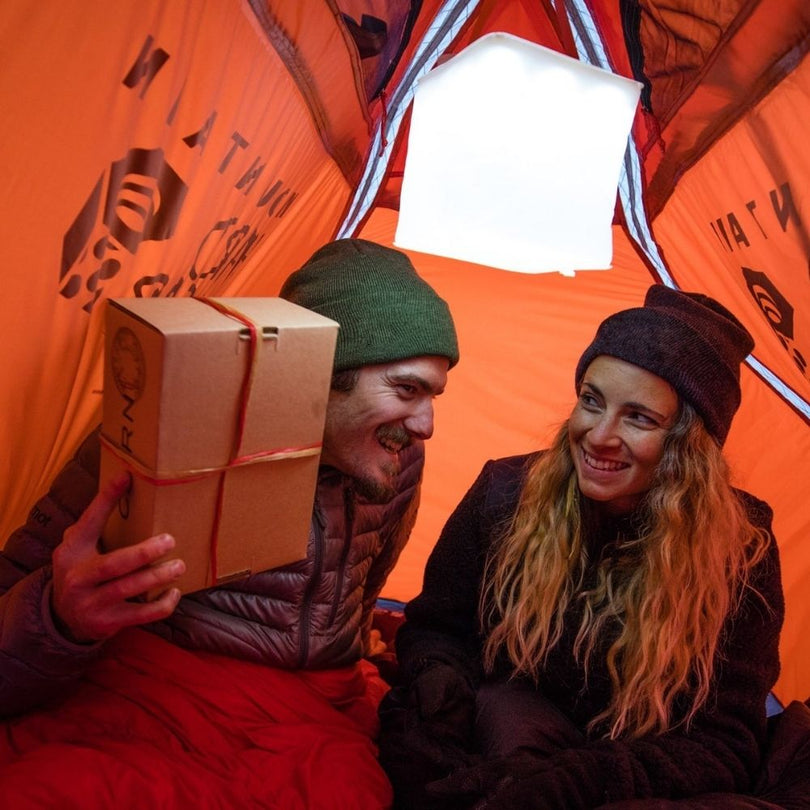
Successfully enjoying the outdoors overnight, especially far from your vehicle, depends entirely on preparation and reliable gear. Nighttime brings challenges like cooking, navigating your campsite, and handling unexpected situations in complete darkness. A dependable, portable light source is not just a convenience; it's a critical safety tool.
Key Insight: The difference between a memorable trip and a dangerous one often comes down to preparation. Before attempting a remote backcountry trip, gain experience by car camping or staying at established campgrounds to test your gear and skills in a lower-stakes environment.
Getting Started: Essential Gear and Safety
For a safe and comfortable experience, focus on a few key areas of preparation. Your equipment choices will directly impact your safety and enjoyment.
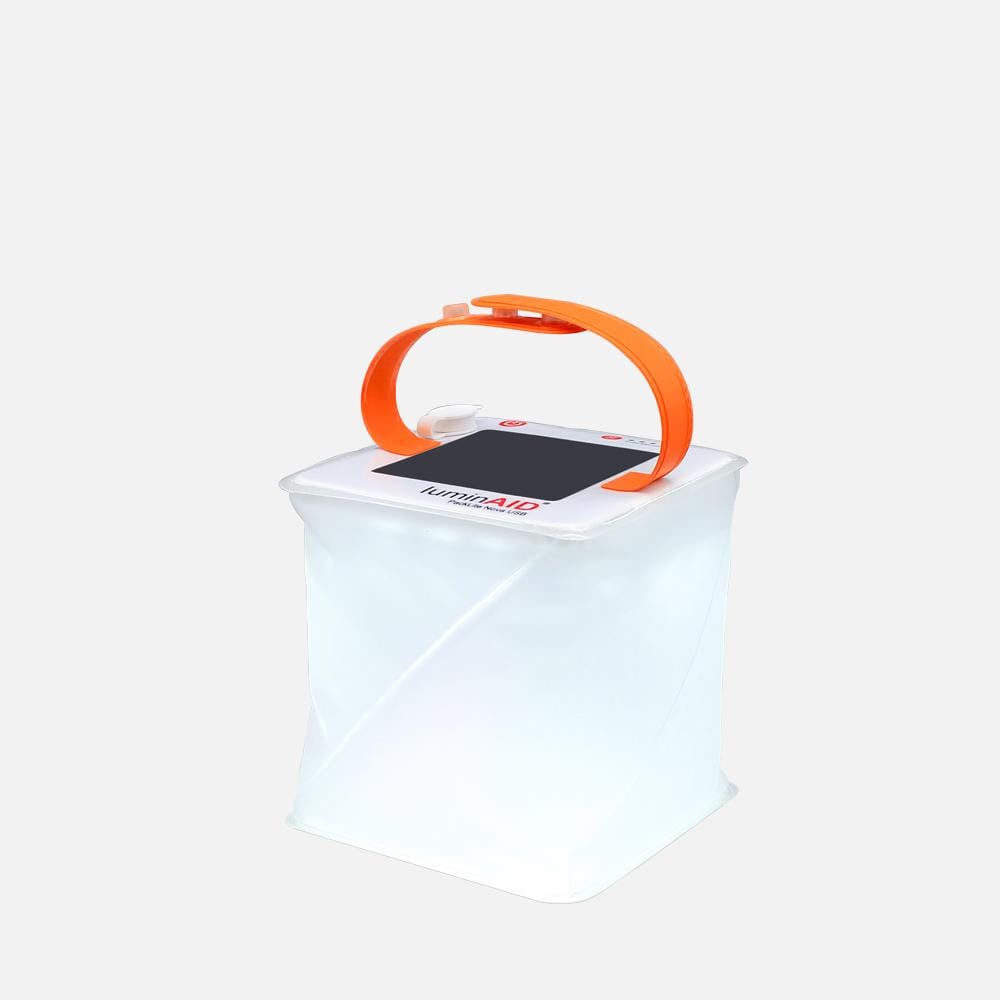
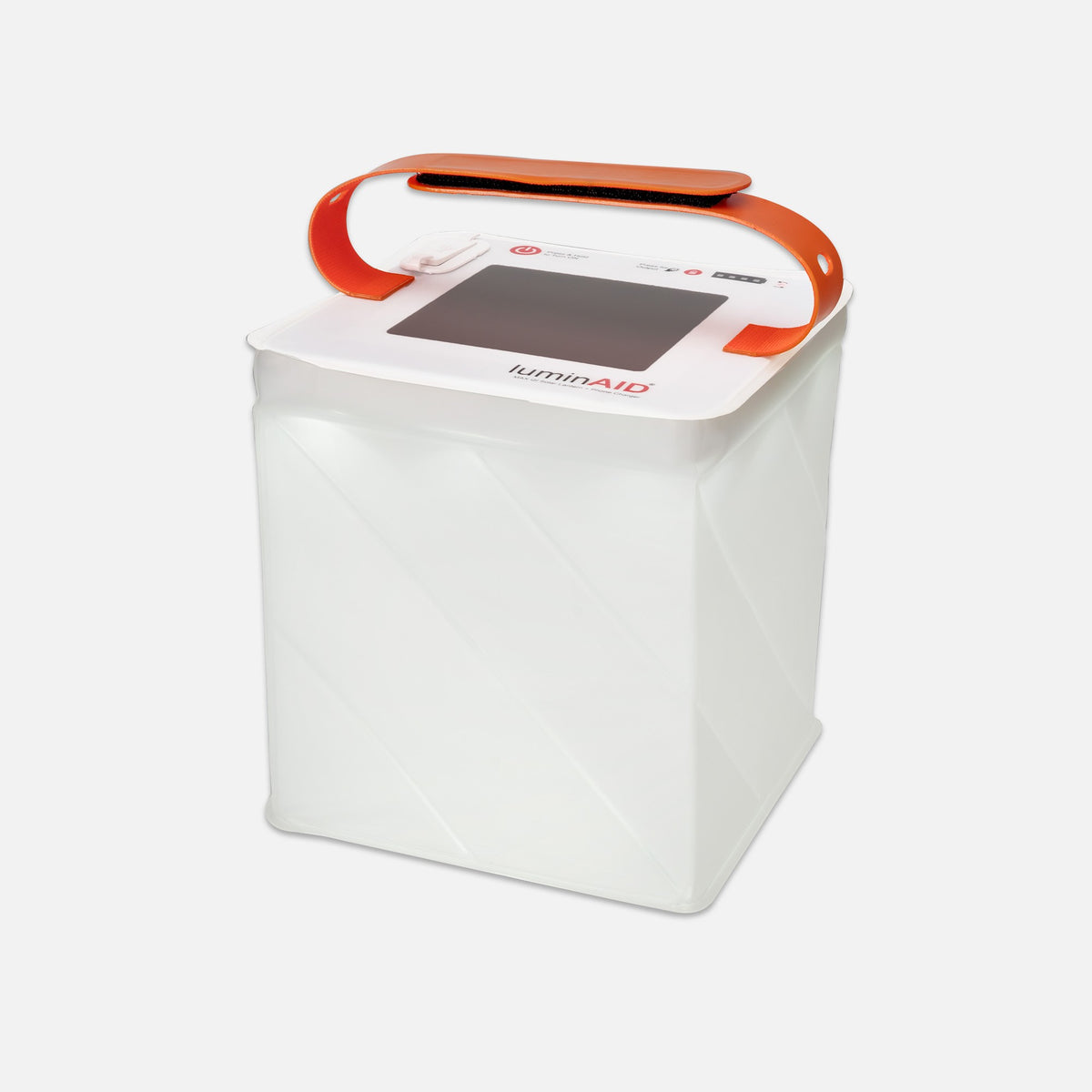
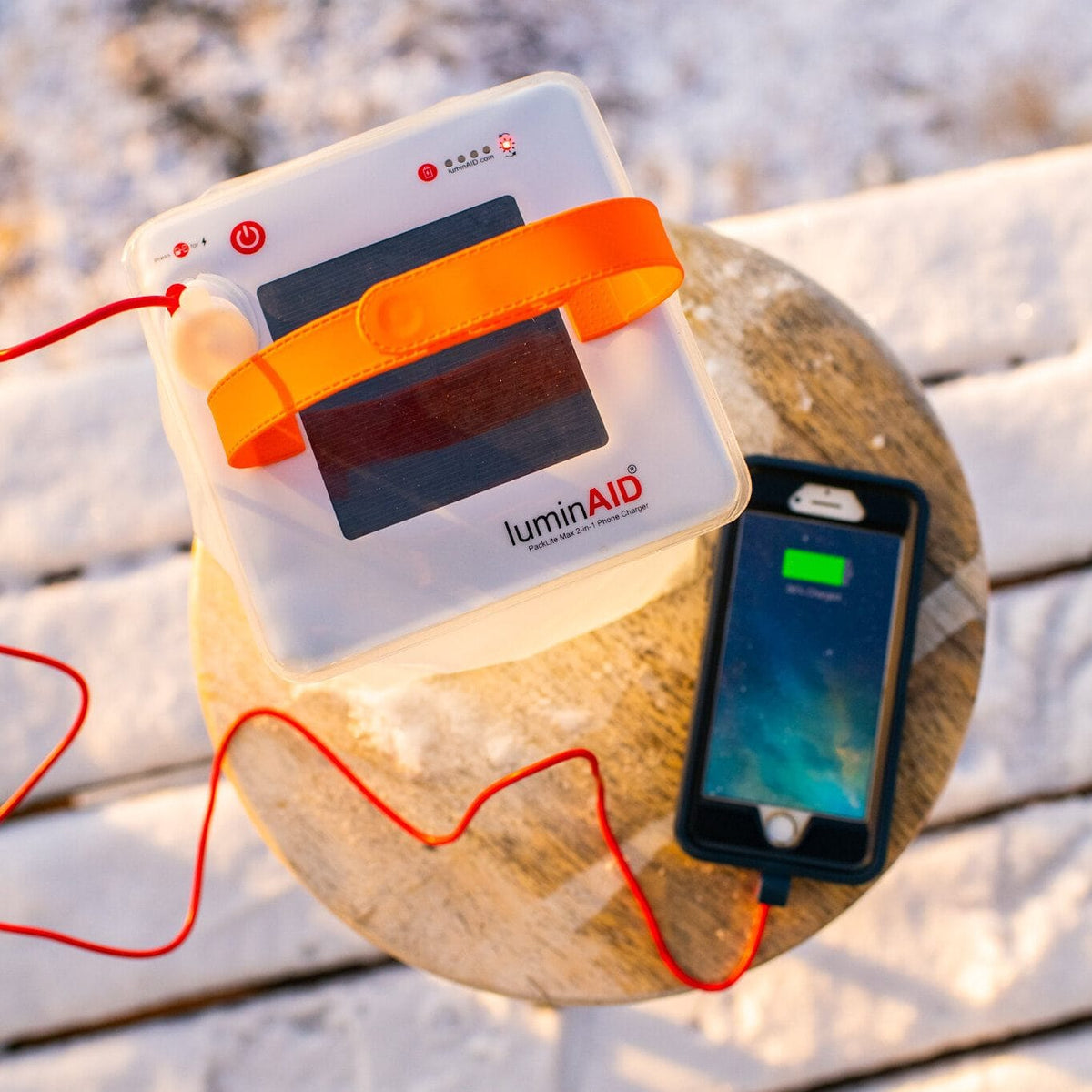
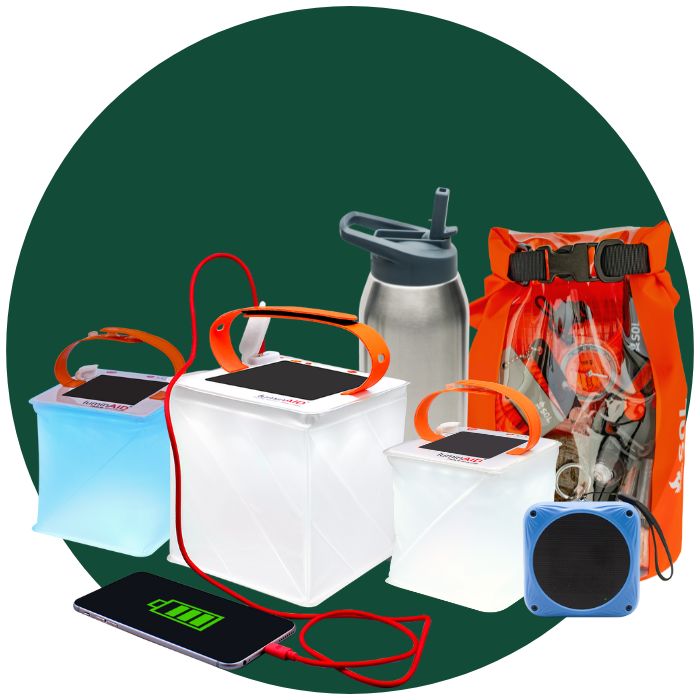
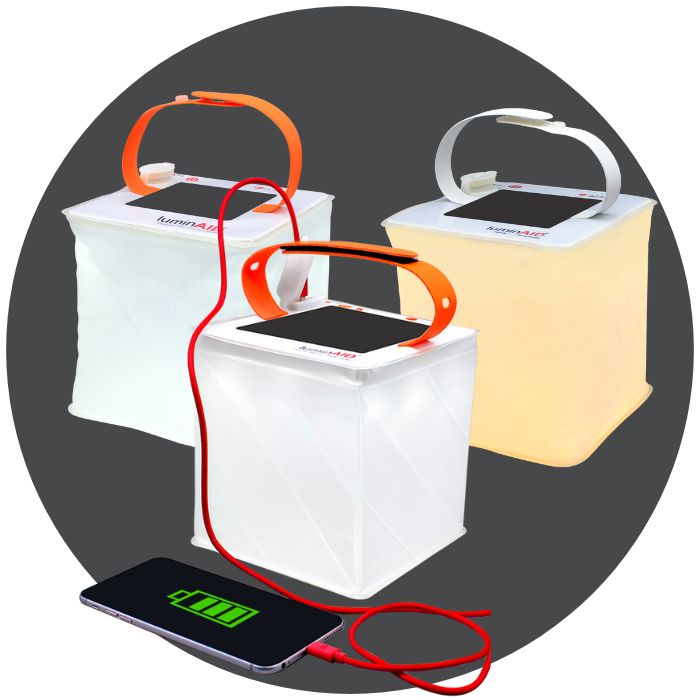
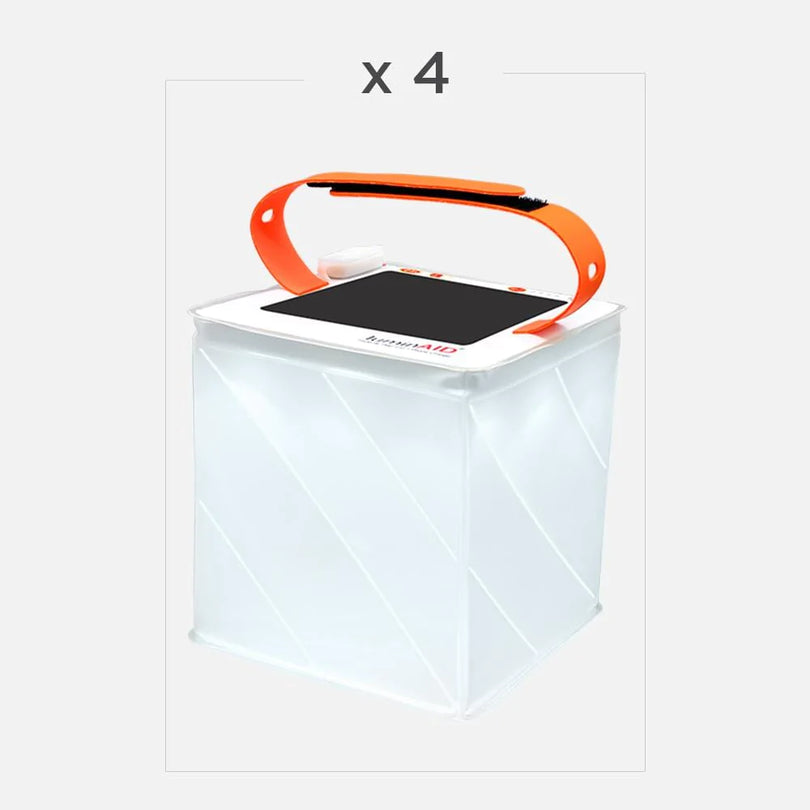
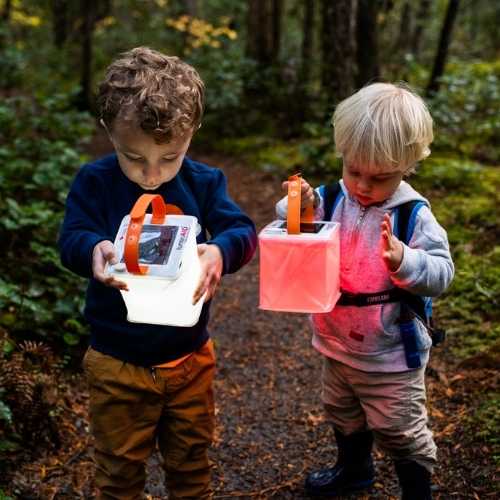
- Lighting and Power: Reliable, hands-free lighting is essential for everything from cooking to reading in your tent. A LuminAID Power Lantern offers bright, packable light and doubles as a solar phone charger, keeping you connected for navigation and emergencies. You can discover more about solar lanterns for camping and find the right fit for your trip.
- First-Aid: You are your own first responder in the backcountry. Pack a comprehensive, lightweight first-aid kit designed for common outdoor injuries from a trusted brand like Adventure Medical Kits.
- Wildlife Safety: If you're in bear country, carrying and knowing how to properly use bear spray is non-negotiable. Reputable products from brands like Counter Assault are a standard for wilderness travelers. Always store food and scented items securely in a bear canister or using a proper bear hang.
- Trip Plan: Always leave a detailed itinerary with a trusted person, including your planned route, campsites, and expected return date. This is your most important safety net.
2. Backyard and Patio Entertainment
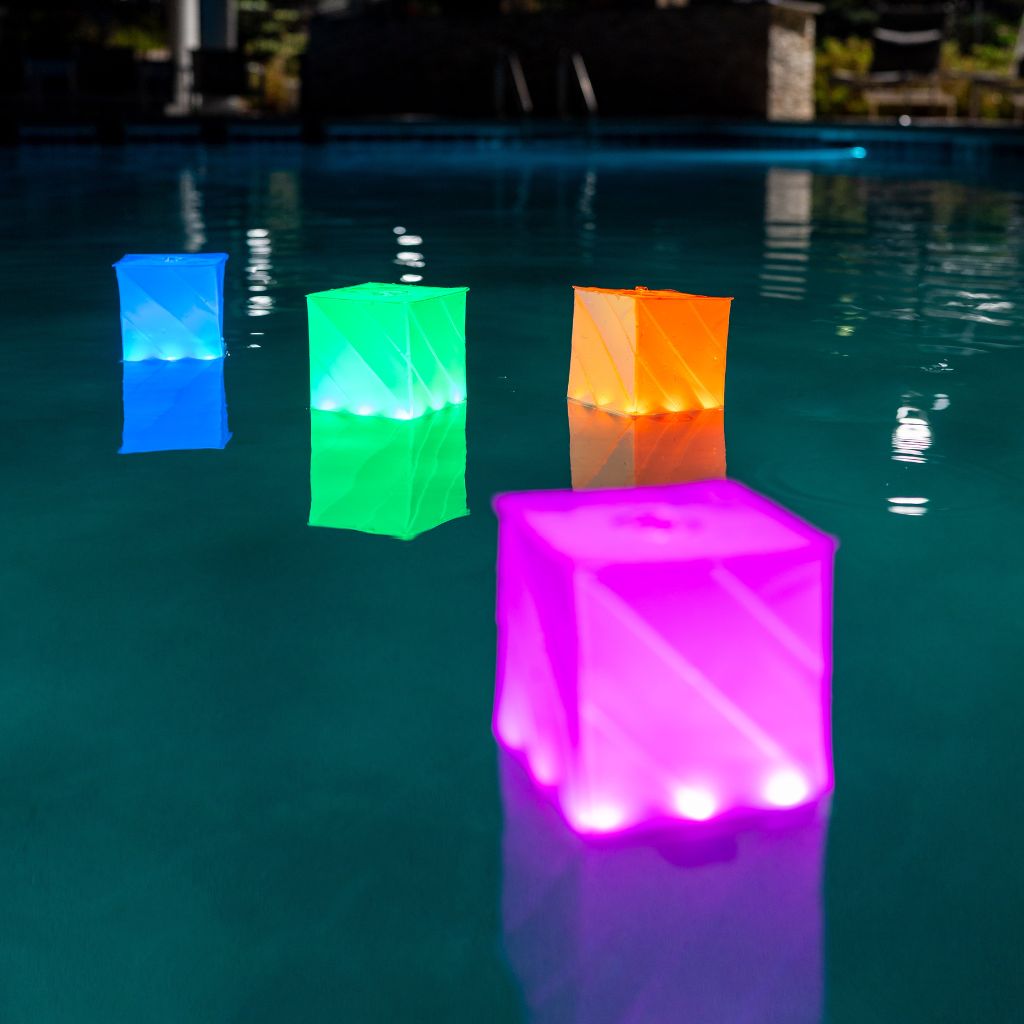
Your own backyard or patio can be the perfect setting for some of the most memorable activities to do outside, transforming a familiar space into a vibrant hub for entertainment, dining, and relaxation. This concept involves turning residential outdoor areas like gardens, decks, and patios into true extensions of your living space. From casual family dinners and poolside hangouts to sophisticated garden parties and outdoor movie nights, modern backyard entertainment makes your home the ideal destination.

The key to a great outdoor living area, especially after sunset, is creating the right atmosphere and ensuring functionality. Ambiance, visibility for cooking and socializing, and guest comfort are all dependent on thoughtful planning and the right tools. Good lighting, in particular, can make or break the experience, setting the mood and providing necessary task light without the hassle of running extension cords.
Key Insight: Don't limit your outdoor enjoyment to daylight hours. Layered lighting-ambient, task, and accent-is the most effective way to create a versatile and inviting atmosphere that works for any occasion, from a quiet evening alone to a lively party.
Getting Started: Creating Your Outdoor Oasis
Transforming your space is easier than you think. Focusing on lighting, furniture, and pest control will dramatically improve the comfort and appeal of your backyard or patio.
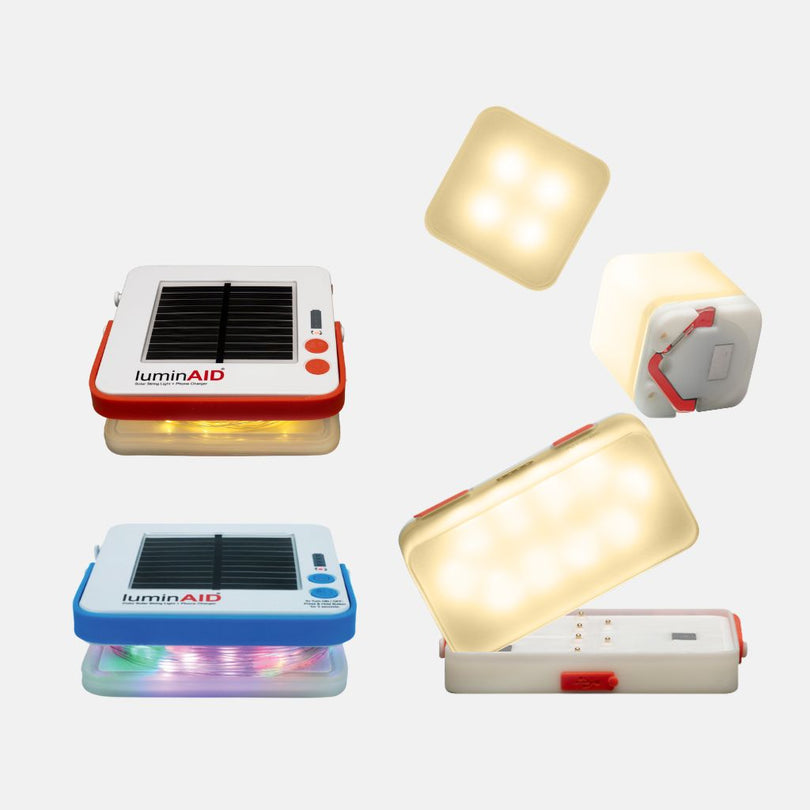
- Lighting and Power: Create a magical atmosphere without needing outdoor electrical outlets by using solar-powered string lights. For dining tables or specific task areas like a grill, a portable LuminAID Power Lantern can serve as a bright centerpiece and a convenient phone charger for guests. You can learn how to create the perfect backyard atmosphere with the right lighting choices.
- Comfort and Style: Durable, weather-resistant furniture is a cornerstone of any outdoor living area. To elevate your outdoor living space, consider the durability and style offered by quality sustainable teak garden furniture, which stands up to the elements while adding a touch of elegance.
- Pest Control: Nothing ruins an evening outside faster than biting insects. Keep mosquitoes and other pests at bay with an effective repellent. A product like Natrapel, which offers DEET-free protection, allows you and your guests to enjoy the evening comfortably and without worry.
- Minor Mishaps: Be prepared for small scrapes or insect bites. Having a fast-acting itch relief stick like After-Bite on hand is a small detail that shows you've thought of your guests' comfort.
3. Road Trips and Van/RV Travel
Combining transportation, accommodation, and exploration, road trips in a car, van, or RV offer unparalleled freedom to discover the outdoors. This mobile lifestyle, which includes the popular "vanlife" movement and traditional RVing, allows for flexible routes and spontaneous detours, making it one of the most adaptable activities to do outside. Adventures can range from a weekend trip exploring nearby national parks to a cross-country journey living and working from the road.
Life on the road means your vehicle is your home base for everything from cooking to sleeping. Reliable, off-grid systems are essential for comfort and safety, especially when parked in remote areas without hookups. Managing power is a primary concern, as draining your vehicle’s main battery can leave you stranded. A sustainable, independent power and lighting solution is a game-changer for any road-based adventure.
Key Insight: The success of a long-term road trip depends on self-sufficiency. Invest in systems that provide power, light, and safety without relying on campgrounds or your vehicle's engine, giving you the freedom to explore more remote and less crowded locations.
Getting Started: Essential Gear and Safety
Equipping your vehicle for comfort and emergencies is key to a smooth journey. Focus on reliable, space-saving gear that enhances your mobile living space.
- Lighting and Power: Vehicle electrical systems can be complex and finicky. Using independent solar-powered lighting prevents battery drain and provides reliable illumination. A LuminAID Power Lantern is perfect for interior ambient light or as a task light for cooking, and it can also charge your phone. For creating an outdoor living space, you can learn how to set up solar string lights to define your campsite without noise or hassle.
- First-Aid: Space is at a premium, but a first-aid kit is non-negotiable. The ultralight and watertight kits from Survive Outdoors Longer are designed for travel and contain supplies for common injuries you might face on the road or trail.
- Emergency Preparedness: Vehicle breakdowns or unexpected weather can happen anywhere. Keep an emergency kit with basic tools, tire repair items, and survival gear. Always have a backup plan for communication and a designated check-in contact who knows your general route.
- Navigation: While phone GPS is convenient, it's wise to have a backup. Keep paper maps of the regions you're exploring, especially for areas with no cell service. A dedicated GPS device is also a reliable alternative.
4. Beach and Water Activities
From catching a perfect wave in Hawaii to a serene sunset paddle on a quiet lake, beach and water activities offer some of the most diverse and refreshing activities to do outside. This category covers everything from active sports like surfing and kayaking to more passive enjoyment like sunbathing and beach bonfires. The universal appeal of water makes these pursuits popular for solo adventurers, families on vacation, and groups of friends gathering for a sunny day.

Enjoying the beach doesn't stop when the sun goes down. Evening gatherings, bonfires, and night fishing extend the day, but require reliable lighting to remain safe and fun. A portable and waterproof light source is essential for navigating the shoreline after dark, packing up gear, or simply creating a pleasant ambiance for a beachside cookout without worrying about water damage.
Key Insight: The allure of the water can be distracting. Always check local conditions before you go. Tides, currents, and weather can change quickly, so consult forecasts and be aware of your surroundings, especially when participating in sports like surfing or paddleboarding.
Getting Started: Essential Gear and Safety
Your preparation for a day on or near the water should focus on sun protection, visibility, and hydration, ensuring a great time from sunrise to sunset and beyond.
- Lighting and Power: A day at the beach can easily turn into an evening bonfire. Pack a waterproof LuminAID Power Lantern to illuminate your site and use its solar charging capability to keep your phone powered for photos or emergencies. Solar string lights are perfect for safely lighting up a beach gathering space.
- Sun and Bug Protection: Unprotected sun exposure is a major risk. Beyond sunscreen, use a high-quality insect repellent, as biting insects are common near water, especially at dusk. Products from brands like Natrapel offer effective, DEET-free options. For stings and bites, having something like After Bite on hand provides instant relief.
- Safety Plan: Always inform someone of your plans, especially if you are heading out on the water alone. For group outings, establish a clear meeting point and check-in times. Never swim alone, and be mindful of your skill level in relation to the water conditions.
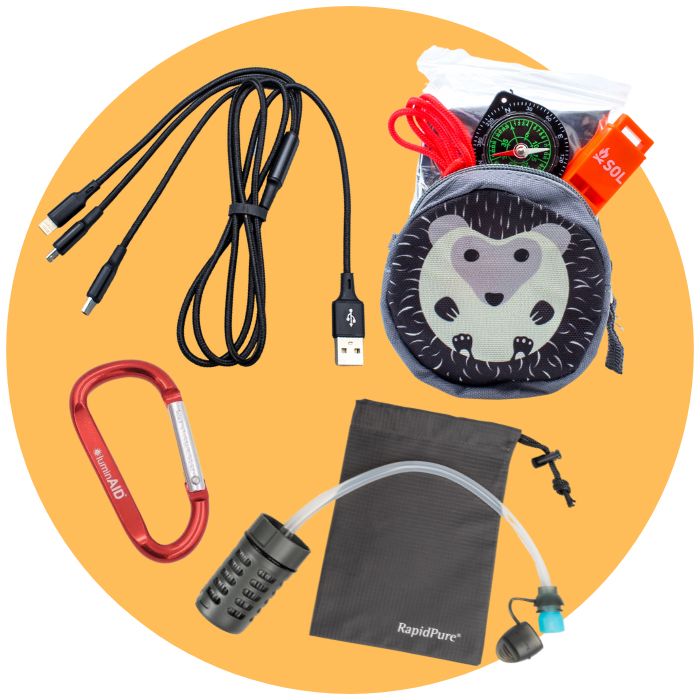
- Hydration: The sun and salt water can dehydrate you quickly. Bring more fresh water than you think you will need. Using an advanced water filter from a company like RapidPure can be a lifesaver if you need to refill from a freshwater source during a long kayaking or paddleboarding trip.
5. Hiking and Trail Walking
From a leisurely stroll through a local nature preserve to a strenuous ascent of a mountain peak, hiking and trail walking are some of the most fundamental and rewarding activities to do outside. This activity involves recreational walking on marked or unmarked paths through natural environments. It's incredibly versatile, encompassing short day hikes in urban parks, challenging desert treks like those in Zion National Park, and everything in between, making it accessible to nearly all fitness levels and ages.
Even on a well-marked trail, conditions can change quickly. A hike that starts in the morning sun might end in dusk or an unexpected storm, making navigation difficult and safety a concern. A reliable light source and a charged phone for maps and communication can be the difference between a minor inconvenience and a serious situation, especially when your outing lasts longer than planned.
Key Insight: Many hikers underestimate how long a trail will take. Always start challenging hikes early in the day and pack for the unexpected, including the possibility of finishing in the dark. A simple headlamp or lantern can prevent a stressful end to a beautiful day.
Getting Started: Essential Gear and Safety
A successful hike hinges on proper planning and packing the right gear for your specific trail and conditions. Focusing on safety essentials allows you to fully enjoy the scenery.
- Lighting and Power: If there's any chance your hike could extend into the evening, pack a lightweight light source. A LuminAID Power Lantern is compact enough for any daypack and provides both bright area light and a solar phone charger to keep your navigation apps and emergency contacts accessible.
- Hydration and First-Aid: Dehydration is a serious risk. Carry more water than you think you'll need, and consider a backup water filter from a brand like RapidPure. A small, trail-specific first-aid kit is also a must-have for treating blisters, scrapes, or insect bites.
- Navigation: While phone apps are excellent, they can fail. Always tell someone your planned route and expected return time. For longer or more remote hikes, carry a physical map and compass and know how to use them.
- Insect Protection: In many environments, insects can turn a pleasant hike into a miserable experience. Packing a reliable insect repellent, like one from Natrapel, is a small step that provides significant comfort and protection from insect-borne illnesses.
6. Cycling and Mountain Biking
From leisurely neighborhood rides to adrenaline-fueled descents down technical mountain trails, cycling is one of the most versatile activities to do outside. This activity uses bicycles for transportation, fitness, and pure adventure across pavement, gravel, and dirt. It encompasses road biking, mountain biking, and even multi-day bikepacking, offering a unique blend of cardiovascular exercise, exploration, and community.
Successfully completing a ride, especially one that extends into the evening or across multiple days, requires careful planning and the right gear. As daylight fades, visibility and navigation become primary concerns, making a reliable light source essential for safety and for setting up an overnight camp.
Key Insight: The best bike for you is the one that matches your intended terrain and goals. Before investing heavily, test different styles like road, mountain, or gravel bikes to discover what type of riding you enjoy most.
Getting Started: Essential Gear and Safety
Your preparation and equipment choices are fundamental for a safe and enjoyable ride, whether you're on a city path or a remote trail.
- Lighting and Power: For evening rides or bikepacking, dependable lighting is non-negotiable. A LuminAID Power Lantern is compact enough to fit in a pannier, provides bright light for campsite tasks, and acts as a solar phone charger to keep your navigation and emergency communication devices powered. This ensures you're never left in the dark or without a lifeline.
- First-Aid: Minor crashes and scrapes are common. A lightweight, cycling-specific first-aid kit is crucial for treating injuries on the go. Look for compact options from trusted brands like Adventure Medical Kits that fit easily into a saddle bag or backpack.
- Visibility: When sharing roads or trails, being seen is as important as seeing. Wear bright, high-visibility clothing and use reflective gear, especially during dawn, dusk, and night rides.
- Navigation: While phone GPS is useful, it can drain your battery quickly. Always carry a physical map as a backup and use your phone sparingly to conserve power for emergencies. A detailed trip plan left with a friend is your most critical safety net.
7. Fishing and Angling
Fishing and angling offer a unique blend of patience, skill, and connection with nature, making it one of the most contemplative activities to do outside. This pursuit involves catching fish using various methods like rods, reels, or nets in freshwater and saltwater environments. It spans a wide spectrum, from fly-fishing in Rocky Mountain streams to deep-sea angling in the Gulf Stream, and even ice-fishing on frozen northern lakes. This activity is as much about the process and environment as it is about the catch.

Many of the best fishing opportunities happen during low-light hours at dawn and dusk when fish are most active. These prime times demand reliable lighting for tasks like tying knots, selecting lures, and safely navigating the shoreline or boat. A dependable, waterproof light source is essential for maximizing these golden hours and ensuring you can see what you're doing when the action heats up.
Key Insight: Successful angling often depends on timing. Arriving before sunrise or staying after sunset can dramatically increase your chances of a catch, but it requires the right gear to manage the darkness safely and effectively.
Getting Started: Essential Gear and Safety
To make your fishing trips productive and safe, particularly during early mornings or late evenings, a few key preparations are vital. Your gear choices directly influence your success and well-being on the water.
- Lighting and Power: Hands-free, portable lighting is a game-changer for low-light fishing. A LuminAID Power Lantern can illuminate your tackle box or boat deck and serve as a solar phone charger to keep your weather apps and GPS running. For a base camp or social area, solar string lights add great ambient lighting.
- Insect Protection: Biting insects are a constant nuisance near water, especially at dawn and dusk. A reliable repellent is non-negotiable for staying comfortable and focused. Products from a brand like Ben's 30 offer effective, DEET-based protection against mosquitoes, ticks, and other biting insects.
- First-Aid: Minor injuries like hook pricks, cuts, or scrapes are common. A compact, waterproof first-aid kit should always be in your tackle box or bag. Look for kits specifically designed for outdoor and marine environments.
- Regulations and Licensing: Before your first cast, always check local regulations. You will likely need a fishing license, and there are specific rules regarding size limits, bag limits, and seasons. This ensures sustainable fish populations for future generations.
8. Emergency Preparedness and Outdoor Survival
While not an "activity" in the recreational sense, practicing emergency preparedness is one of the most vital activities to do outside, building skills that ensure safety during natural disasters or unexpected survival situations. This involves developing the knowledge and equipment to manage crises like hurricanes, wildfires, or winter storms. It bridges the gap between home disaster readiness, as promoted by FEMA and the Red Cross, and wilderness survival skills needed when an outdoor trip goes wrong.
Modern preparedness means creating a self-sufficient system with emergency kits, communication plans, and reliable off-grid resources. During a power outage or evacuation, having dependable tools to provide light, power, and safety can make a critical difference. A solar-powered light and charger is a cornerstone of this system, providing indefinite function without relying on batteries or the grid.
Key Insight: Preparedness is not about paranoia; it's about empowerment. Practicing emergency scenarios, like a simulated power outage for a night, builds muscle memory and reveals gaps in your plan, turning theoretical knowledge into practical confidence.
Getting Started: Essential Gear and Safety
Building a robust emergency plan starts with assembling the right gear and creating actionable protocols for your family. Focus on sustainability, reliability, and accessibility.
- Lighting and Power: In any emergency, light and communication are top priorities. A solar-rechargeable LuminAID Power Lantern offers a sustainable light source and can keep your phone charged for emergency calls or accessing information. For a comprehensive kit, explore these essential items for your go-bag and learn what to include.
- First-Aid and Survival: Your ability to handle injuries is crucial when emergency services are unavailable. Pack a well-stocked first-aid kit from a trusted brand like Adventure Medical Kits. Supplement it with survival tools, such as an emergency bivvy or blanket from Survive Outdoors Longer, to protect against exposure.
- Family Communication Plan: Designate an out-of-state contact person for all family members to call and check in with. This is often more reliable than local calls when networks are overloaded. Ensure everyone has this number saved in their phone and written down in their emergency kit.
- Practice and Placement: Store your kits in an accessible location, like a hall closet or garage, and ensure every family member knows where they are. Regularly practice using your gear to build familiarity and confidence before a real crisis occurs.
9. Stargazing and Astronomy
From casual naked-eye viewing in your backyard to serious deep-sky observation with a telescope, stargazing is one of the most awe-inspiring activities to do outside. This activity involves observing celestial objects like stars, planets, and galaxies, offering a unique blend of scientific discovery and quiet contemplation. Its popularity has grown as awareness of light pollution increases, encouraging people to seek out dark, clear skies.

The quality of your stargazing experience depends on minimizing artificial light, both from your surroundings and your own equipment. While darkness is key for seeing faint objects, you still need safe, usable light to set up gear, consult star charts, or move around. This is where a light source designed for preserving night vision becomes an essential tool.
Key Insight: Protecting your night vision is critical. It takes 20-30 minutes for your eyes to fully adapt to the dark, but a single flash of bright white light can reset the process, ruining your ability to see faint celestial wonders.
Getting Started: Essential Gear and Safety
For a successful and comfortable night under the stars, your preparation should focus on vision, comfort, and knowledge. Your choice of equipment makes a significant difference.
- Lighting and Power: A lantern with a red-light mode is crucial. Red light has a longer wavelength that doesn't trigger the same pupil-constricting response as white light, helping preserve your night vision. A LuminAID Power Lantern provides this red-light setting and can also act as a solar phone charger, keeping astronomy apps on your phone powered up for identifying constellations. You can learn more about solar lanterns for stargazing to find the best option.
- Comfort and Warmth: Temperatures can drop quickly after sunset. Bring layers of warm clothing, blankets, and a comfortable reclining chair. For longer sessions, a lightweight emergency blanket from a brand like Survive Outdoors Longer can provide excellent insulation against the cold.
- Navigation and Knowledge: Download a reliable stargazing app like SkyView Lite or Star Walk before you go. These apps use your phone’s GPS and compass to identify stars, planets, and constellations in real-time.
- Location Planning: Use a light pollution map to find a designated Dark Sky Park or a remote area with minimal artificial light. Check the weather forecast and moon phase calendar; a new moon phase provides the darkest skies for viewing events like the Perseid meteor shower.
10. Winter Sports and Cold-Weather Adventures
When the temperature drops and snow blankets the landscape, a new world of activities to do outside opens up. Winter sports like skiing, snowboarding, ice skating, and snowshoeing offer exhilarating ways to embrace the cold. These pursuits range from relaxed family outings on a frozen pond to high-adrenaline descents down alpine peaks, combining physical challenge with the serene beauty of a winter wonderland.
The joys of winter adventures are matched by their inherent risks, as shorter days, frigid temperatures, and unpredictable conditions demand serious preparation. Darkness can fall quickly on a ski trail or winter hike, making reliable off-grid lighting a necessity for safety at a base camp, mountain cabin, or even just getting back to your car after dusk. Dependable gear is your lifeline in a harsh environment.
Key Insight: Cold weather suppresses thirst signals, making dehydration a sneaky and serious risk. Make a conscious effort to drink water regularly throughout your activity, even if you don't feel thirsty, to maintain performance and safety.
Getting Started: Essential Gear and Safety
Success in cold weather depends on specialized gear and a healthy respect for the environment. Your clothing, equipment, and safety knowledge are critical for a positive experience.
- Lighting and Power: Short winter days mean you'll likely start or end in the dark. A LuminAID Power Lantern provides bright, solar-powered light for your cabin or base camp and can charge your phone for checking avalanche forecasts or contacting help. You can explore how solar lanterns are ideal for winter enthusiasts to find the right model for your adventures.
- Emergency Preparedness: The stakes are higher in the cold. Carry an emergency kit specifically designed for winter conditions, including items like a space blanket and fire starter from a trusted brand like Survive Outdoors Longer.
- Avalanche Safety: If you venture into the backcountry, you must carry an avalanche beacon, shovel, and probe, and know how to use them. Always check the local avalanche forecast before heading out and never travel alone in avalanche terrain.
- Layering: Dress in layers: a moisture-wicking base layer, an insulating mid-layer (like fleece or down), and a waterproof, windproof outer shell. This system allows you to adapt to changing conditions and activity levels.
Top 10 Outdoor Activities Comparison
| Activity | Complexity 🔄 | Resource Requirements ⚡ | Expected Outcomes 📊 | Ideal Use Cases 💡 | Key Advantages ⭐ |
|---|---|---|---|---|---|
| Camping and Backcountry Hiking | Variable (low→high) — navigation & logistics | Moderate→High — shelter, cooking gear, durable pack, solar lantern/charger | Extended nature immersion, fitness, self-reliance, night safety | Overnight wilderness trips, backpacking, car camping | Deep nature connection, scalable difficulty, battery-free lighting |
| Backyard and Patio Entertainment | Low — simple setup, ongoing maintenance | Low→Medium — furniture, ambient lighting, weatherproofing, solar string/lanterns | Enhanced outdoor living, social gatherings, increased property appeal | Home entertaining, small gatherings, al fresco dining | Convenient, controllable environment, sustainable ambient lighting |
| Road Trips and Van/RV Travel | Medium — vehicle systems, route planning | Medium→High — vehicle, sleeping/cooking setup, solar panels/chargers | Mobility, varied experiences, comfort on the move | Cross-country travel, vanlife, multi-stop itineraries | Flexible routing, self-contained comfort, portable power backup |
| Beach and Water Activities | Low — minimal setup; water-safety considerations | Low→Medium — boards/wetsuits, sun protection, waterproof lighting/chargers | Recreation, full-body exercise, relaxation, socializing | Day beach visits, paddleboarding, beach camping at sunset | Accessible, family-friendly, saltwater-resistant lighting |
| Hiking and Trail Walking | Low→Medium — trail choice affects difficulty | Low — good footwear, hydration, lightweight lantern/charger | Cardiovascular fitness, mental well-being, exploration | Day hikes, nature walks, trail training | Low cost, accessible, minimal gear, emergency lighting |
| Cycling and Mountain Biking | Medium — bike skills & maintenance | Medium — quality bike, helmet, tools, compact solar power options | Improved fitness, transport efficiency, community engagement | Road rides, bike-packing, trail mountain biking | Efficient travel, low environmental impact, portable lighting |
| Fishing and Angling | Low — basic outings; skill adds complexity | Low→Medium — rod/reel, license, bait, optional lantern/charger | Relaxation, potential food source, skill development | Shore/boat fishing, dawn/dusk sessions, camping near water | Meditative, accessible, compatible with solar lighting |
| Emergency Preparedness and Outdoor Survival | High — planning, training, kit upkeep | High — comprehensive kits, backup power, renewable chargers | Increased resilience, safety, reduced disaster impact | Power outages, natural disasters, go-bag readiness | Life-saving readiness, long-term reliability, battery-free power |
| Stargazing and Astronomy | Low→High — casual to technical observing | Low→High — dark site, telescope (optional), red-light lantern, charged devices | Educational insight, awe, low physical demand | Dark-sky outings, meteor showers, club observation nights | Low-cost entry, educational, red-light preserves night vision |
| Winter Sports and Cold-Weather Adventures | High — specialized skills, avalanche awareness | High — insulated clothing, technical gear, reliable cold-weather lighting | High-intensity fitness, alpine experiences, seasonal tourism | Resort skiing, backcountry snowshoeing, winter base camps | Adrenaline-rich, scenic, durable cold-weather lighting |
Light Up Your Next Adventure
From the serene solitude of a backcountry trail to the lively laughter of a backyard gathering, the most rewarding activities to do outside are those that fill your life with joy, connection, and a renewed sense of wonder. Throughout this guide, we've journeyed through a wide array of outdoor pursuits, from the simplicity of a family picnic to the challenge of a winter expedition. A common thread connects them all: thoughtful preparation is the foundation of every successful and memorable experience.
The difference between a good outing and an unforgettable adventure often lies in the details. It’s about having the right gear, the right mindset, and the foresight to anticipate your needs. As we’ve seen, this means more than just packing a snack or checking the weather. It involves creating a system that supports your safety, comfort, and ability to stay present in the moment.
Your Actionable Outdoor Blueprint
The ideas presented in this article are more than a simple checklist; they are a launchpad for your next excursion. To turn these concepts into reality, start by focusing on one or two activities that genuinely excite you. Don't try to do everything at once.
- For the Hiker and Camper: Your next step is to audit your gear. Do you have a reliable light source for setting up camp after dark? Are your power banks sufficient for a multi-day trek? Consider upgrading to solar-powered options to reduce weight and dependency on the grid.
- For the Home Entertainer: Look at your backyard or patio with fresh eyes. How can you extend its use into the evening? Plan a stargazing night or an outdoor movie screening, using ambient solar lighting to create a magical atmosphere without the hassle of extension cords.
- For the Road Tripper and RVer: Before your next journey, think about your lighting and power needs inside and outside your vehicle. Inflatable solar lanterns are perfect for illuminating your van's interior or providing a portable light source at a roadside stop, saving your vehicle’s battery for when you truly need it.
- For the Safety-Conscious Family: Emergency preparedness is an ongoing activity. Revisit your family's go-bags and home emergency kits. Ensure every member has a personal, waterproof light source and that your communication devices have a reliable off-grid charging solution. Integrating this into your routine is one of the most important activities to do outside of an actual emergency.
The True Value of Preparedness
Mastering the art of outdoor preparation does more than just prevent mishaps. It builds confidence. When you know your gear is reliable, your safety measures are in place, and you have a plan for the unexpected, you are free to fully immerse yourself in the experience. You can focus on the beauty of the sunset, the thrill of the trail, or the conversation with a loved one, rather than worrying about a dying headlamp or a dead phone battery in an emergency.
Key Takeaway: True freedom outdoors comes from self-sufficiency. Having dependable, renewable sources of light and power, like solar lanterns and chargers, is not just a convenience; it is a critical element of safety and autonomy that allows you to push your boundaries and extend your adventures responsibly.
Furthermore, being well-equipped means you're also prepared to help others. A well-stocked first aid kit from a trusted brand like Adventure Medical Kits or having extra light can make you a valuable asset on the trail or in a community-wide power outage. This readiness cultivates a sense of capability and community, reinforcing the positive impact of spending time in nature. The great outdoors is calling-will you be ready to answer?
Ready to illuminate your adventures and ensure you're prepared for anything? Explore the full range of durable, solar-powered lanterns and phone chargers from LuminAID. Perfect for everything from backcountry camping to backyard parties, our products provide the reliable, off-grid light and power you need to make your outdoor activities safer and more enjoyable. Visit LuminAID.com to find the perfect gear for your next journey.