

You don’t notice your lighting plan when everything is normal. You notice it when the power drops during dinner, when you’re digging through a bin in the garage after dark, or when you pull into camp later than planned and still have to pitch a tent.
That’s when a basic flashlight starts to show its limits. One narrow beam ties up a hand. It rolls off the picnic table. It’s great for finding the fuse box, but not for lighting a room, cooking at camp, or keeping a phone alive long enough to get weather updates.
A multi purpose light fills that gap. It isn’t just a beam in a tube. It’s a light you can hang, set down, carry, recharge, and often use as backup power. For people who camp, travel, prep for outages, or just want fewer single-use gadgets, that kind of flexibility matters.
The Moment You Need More Than Just a Flashlight
A storm hits after sunset. The house goes dark. One person grabs a flashlight from the junk drawer, another opens the phone flashlight, and suddenly everyone is trying to share one harsh beam.
That works for a minute. It doesn’t work well for an evening.

The same thing happens outdoors. You arrive at camp late, and now you need to unload the car, find the tent stakes, keep the kids close, and still have enough light left to cook. A beam light can help with one task at a time. A lantern-style light with charging capability can support the whole scene.
That shift became possible because lighting technology changed. As of 2017, 58% of U.S. households reported using LEDs, and LEDs consume at least 75% less energy and last 25 times longer than incandescents according to Payless Power’s summary of U.S. lighting data. That’s a big reason portable lights now feel practical instead of disposable. Efficient LEDs make solar charging and long runtimes far more useful in practice.
For preparedness, the best lights aren’t luxury items. They’re part of a household system, right alongside water, first aid, and backups for communication. If you’re building that system, this guide to getting prepared for short and long term emergencies is a smart place to start.
A good emergency light doesn’t just help you see. It helps you stay organized when everything else gets harder.
What Elevates a Light to Multi-Purpose Status
A true multi purpose light is the Swiss Army Knife of illumination. It handles more than one job without making you carry three separate tools.
A standard flashlight has one main purpose. Point it, click it, use it. That’s fine for short tasks. But if you need area light, hands-free use, and backup charging, you need something built as a system.
It does more than shine forward
The first test is simple. Can the light adapt to different jobs?
A useful multi purpose model usually gives you some mix of:
- Area lighting for tents, tables, bedrooms, or kitchens during an outage
- Task lighting for fixing a tire, reading a map, or cooking
- Low-output modes for preserving battery and avoiding glare
- Signal modes such as flashing or red light for visibility and courtesy
A narrow beam is like a pencil. A lantern is more like a lampshade. The best multi-use lights let you switch between those roles depending on what’s in front of you.
It supports power independence
A multi purpose light also helps when the grid, outlets, or spare batteries aren’t available.
That often means:
- Rechargeable battery so you’re not hunting for disposables.
- Solar charging for off-grid use and emergency backup.
- USB charging or power bank function so one item can support your phone or other small electronics.
This matters more than many people think. A light that can charge from the sun and top off a phone changes how you pack for road trips, blackouts, and travel delays.
It’s built to be used, not just stored
Some lights look good in packaging and disappoint in the field. Multi-purpose status depends on how the body is designed.
Look for practical details like:
- A hanging strap or hook for tents and shelters
- A stable base so it can sit on a table without tipping
- Compact packability for glove boxes, carry-ons, or emergency bins
- Simple controls you can use when you’re cold, tired, or wearing gloves
Practical rule: If a light only works well in one position, it’s probably not multi-purpose.
Durability is part of the definition too. A decorative patio lantern may cast a warm glow, but it isn’t automatically ready for rain, travel, or an emergency tote.
A strong multi purpose light sits in the overlap between outdoor gear, home backup, and travel convenience. That overlap is what makes it worth carrying year-round.
Illuminating Every Scenario From Campsites to Crises
Use is what separates a clever gadget from a trusted tool. A multi purpose light earns its place when you reach for it in completely different settings and it still makes sense.

At camp it replaces three separate items
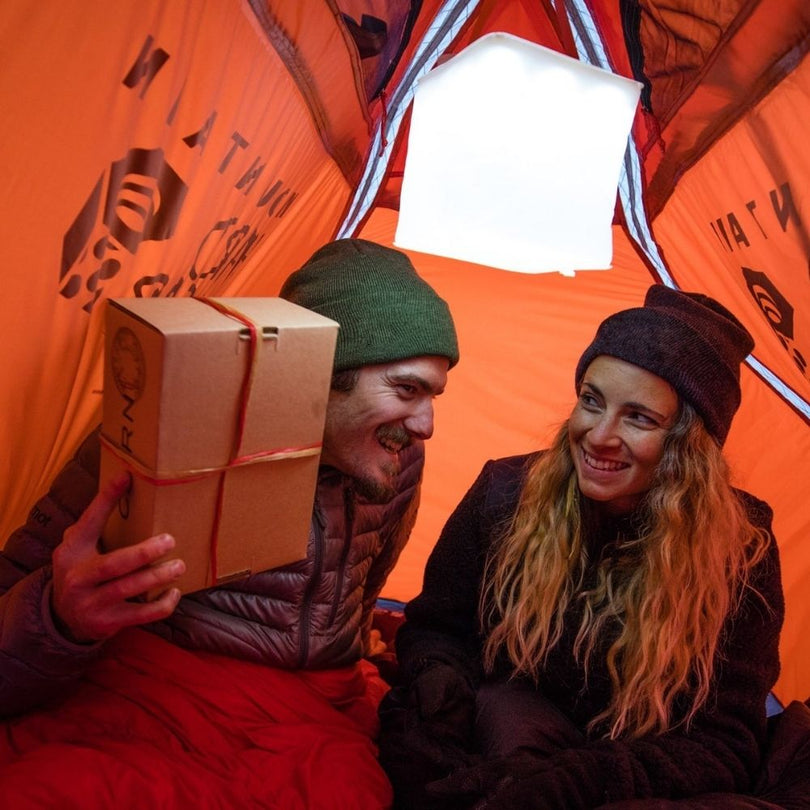
At a campsite, the right light becomes overhead tent light, dinner-table light, and late-night path light.
You hang it inside the tent while sorting sleeping bags. Later it moves to the picnic table so you can cook without balancing a flashlight under your chin. When it’s time for a bathroom walk, you switch to a lower mode so you can see the trail without blasting everyone else in the campground.
That’s why campers often prefer a light that spreads illumination instead of just throwing a tight beam. For trip planning and product-specific ideas, this overview of solar lanterns for camping is useful.
During an outage it becomes household infrastructure
When the power goes out, a multi purpose light stops being “camp gear” and starts acting like a portable room light.
Set one in the kitchen so people can move safely. Hang one in the bathroom. Keep another near the entry door if you need to step outside. If the outage runs long, a solar-rechargeable design gives you another option during daylight instead of depending only on wall charging.
Cold weather changes the equation. For winter storm emergency kits, a multi-purpose light's performance in low-light, freezing conditions is critical. With winter storm frequency projected to increase, the ability of a portable light to recharge via an indoor window offers a significant advantage over fixed solar panels that can be covered by snow, as discussed by PacLights in its article on solar fixture selection and placement.
That indoor-window point is easy to overlook. Fixed solar hardware can disappear under snow. A portable light can move with the available light.
In the yard and on the patio it changes the mood
Not every use case is high stress. Sometimes you just want better light outside without extension cords.
A warm portable lantern can soften a patio dinner, add useful light to a deck stair, or make a backyard corner feel finished. If you’re also thinking about event atmosphere, this explanation of how uplighting can transform environments gives a helpful look at how placement changes the feel of a space.
The point is the same in both worlds. Light isn’t only about brightness. It’s about where the light lands and what job it’s doing.
Here’s a quick visual on real-world use cases:
- Campsite setup means broad, hands-free light.
- Power outage use means room lighting and battery conservation.
- Backyard use means softer ambiance and easy placement.
- Roadside stops mean quick deployment without fumbling.
- Travel delays mean compact gear that works anywhere.
In the car or RV it earns permanent storage space
A lot of drivers keep a flashlight in the glove box and forget about it until the batteries corrode. A rechargeable multi purpose light is better suited to roadside reality.
If you’re changing a tire, you need both hands. If you’re unloading an RV compartment after dark, you want broad light, not a tunnel. If you’re stopping overnight, you may want one light that moves from cab to campsite to picnic table.
That kind of flexibility also reduces clutter. Instead of one lantern for camping, one light for outages, one patio light, and one emergency car light, you can carry one durable tool that covers all four roles.
The strongest gear choices are often the ones that solve several ordinary problems before they ever have to solve an emergency.
Decoding the Features That Truly Matter
Specs can get confusing fast. Brands throw around brightness claims, weather ratings, and charging language that sound impressive but don’t always tell you how the light will perform in daily use.
Here’s the simpler way to read a multi purpose light.

Brightness is only part of the story
People fixate on lumens, but lumens only tell you how much light is coming out. They don’t tell you how useful that light feels.
Think of lumens like water volume from a hose. More volume can help, but nozzle shape still matters. A harsh, narrow blast and a wide, even spray behave very differently.
For real use, ask:
- Is the light diffused or concentrated
- Can it dim low enough for close-up tasks
- Does it light a whole area or only a small target
- Will the color of the light feel comfortable indoors
Key takeaway: Lumens measure quantity, not quality.
For camp chores or outage lighting, even spread often beats raw intensity. For trail finding or roadside inspection, a stronger directional mode may matter more.
Battery and charging determine whether it’s dependable
A light can be bright and still be frustrating if the charging setup is weak or inconvenient.
What matters most is how easily you can keep it ready:
- Solar charging helps when outlets aren’t available.
- USB charging makes topping off easier before a trip.
- Power bank capability can keep a phone useful during a blackout.
- Multiple output levels let you stretch battery life instead of running full blast all night.
Charging flexibility matters because your situation can change quickly. At home you may use wall power. On the road you may use a car port. During an outage you may rely on daylight and careful battery management.
Weather resistance is not optional
A lot of lights fail for boring reasons. Moisture gets inside. Dust clogs a switch. Cold stiffens seals and weakens parts.
That’s where IP ratings come in. Think of an IP rating like a raincoat label. Some jackets are fine for mist. Others are built for hard weather. You don’t need to memorize the entire code system. You do need to know that better protection usually means fewer ugly surprises.
For use in harsh weather, a light's Ingress Protection rating holds significant importance. An IP65+ rating ensures it's protected against dust and water jets, while a low-temperature operating range down to -40°F prevents failure from condensation or brittle gaskets, according to naturaLED’s guide to winter weather and LED fixture choice.
If you live where storms blow sideways, or if your gear rides in a vehicle year-round, that matters.
Modes and controls affect everyday usefulness
A light with too many confusing settings can be as annoying as one with too few. Good controls should feel obvious in the dark.
Useful mode choices often include:
- High mode for setup, cleanup, and bigger spaces
- Medium mode for regular room or tent use
- Low mode for preserving battery and reducing glare
- Red or flashing mode for signaling or night vision courtesy
The best test is simple. Could you operate it half-awake?
Portability matters more than people expect
You can own a powerful light and still never use it if it’s bulky, awkward, or annoying to pack.
A practical multi purpose light should fit naturally into at least one of these places:
- A go-bag or emergency tote
- A kitchen drawer
- A glove box or door pocket
- A backpack side pocket
- A travel pouch
If it’s compact and easy to stash, it’s more likely to be with you when you need it.
Attachment options turn a good light into a hands-free tool
Small design details can change how often you use a light. A hanging strap, loop, magnetic point, or stable base often matters as much as the brightness itself.
Here’s a simple feature check:
| Feature | Why it matters in real life |
|---|---|
| Diffused light body | Lights a tent, room, or table more evenly |
| Low mode | Saves battery and avoids eye strain |
| Recharge options | Gives you more than one way to stay powered |
| IP65+ weather protection | Helps the light handle wet, dusty conditions |
| Packable size | Makes everyday carry realistic |
| Hanging or mounting option | Frees both hands for cooking, repairs, or setup |
A multi purpose light should feel easy to live with, not just impressive on a product page.
Your Buyer's Guide to Choosing the Perfect Light
The right choice depends less on brand and more on your main use. Start with the job you need the light to do most often. Then check whether it can handle the secondary jobs too.
That approach usually leads to a better purchase than chasing the biggest brightness number.
If you’re a backpacker
Weight and packability come first.
You want a light that collapses small, charges easily, and provides soft area light in a tent or at camp. A huge body with lots of bulk is less appealing when every ounce lives on your back. Solar charging can be helpful on longer trips, but compact shape and low-mode usability usually matter first.
Look for a PackLite-style lantern family if your priority is minimalist camp use and low-bulk packing.
If you’re a homeowner preparing for outages
Your priorities shift toward runtime, easy charging, room lighting, and the ability to support communication.
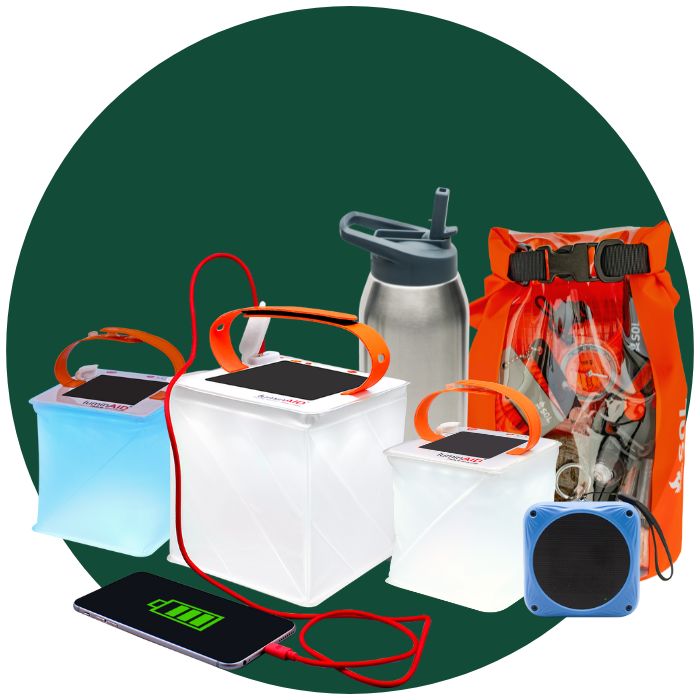
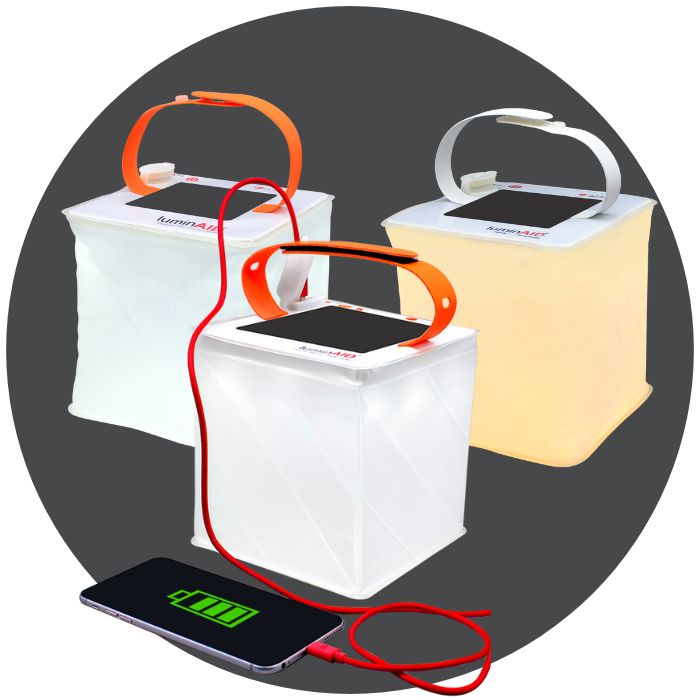
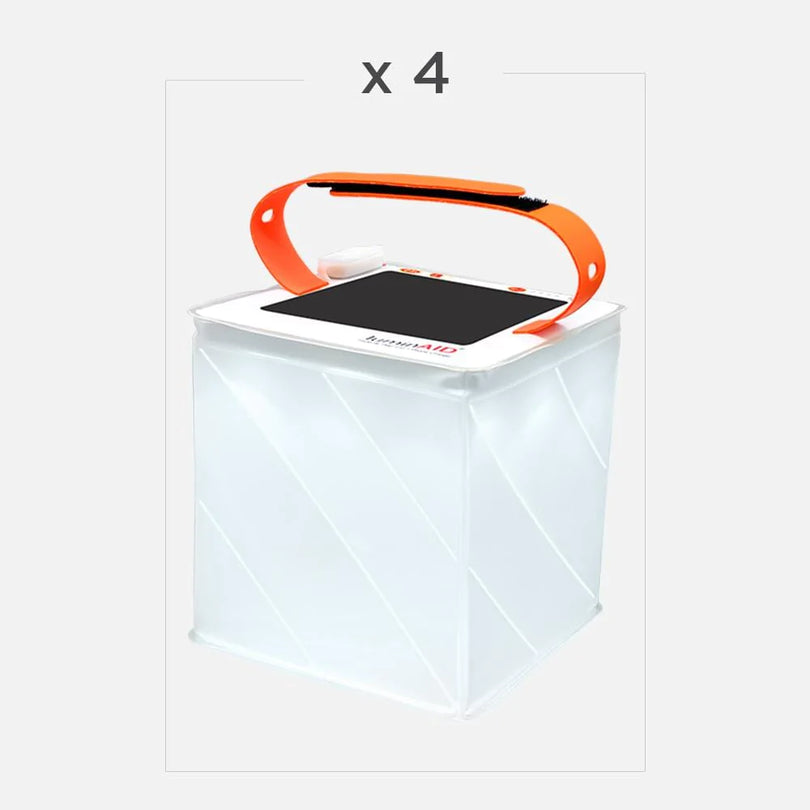
A larger lantern with phone-charging capability often makes more sense here than an ultralight trail model. One example is the LuminAID PackLite Titan, a solar lantern that also functions as a phone charger. That type of setup fits outage bins, storm prep kits, and family households better than a tiny keychain light.
This decision has an efficiency angle too. Widespread adoption of LED technology could reduce global electricity consumption for lighting by 40% by 2030, and the average U.S. home uses 13% of its electricity on outdoor lighting, according to FES Lighting’s LED lighting facts. Efficient portable LED lighting supports preparedness while also cutting waste in everyday use.
If you want a product-specific framework, this solar lantern buyer’s guide can help you match features to home backup needs.
If you’re an RV traveler or van user
You’re balancing utility and atmosphere.
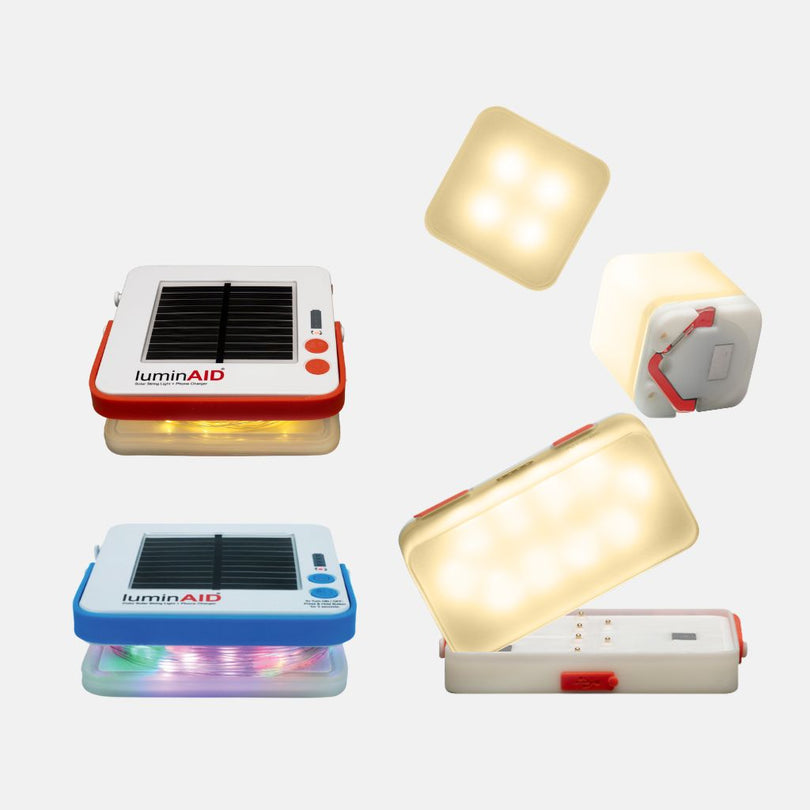
You may need task light for storage compartments and cooking, but you also want softer ambient light for evenings outside or inside the rig. In this case, consider a mix of lantern-style lighting and string-style lighting so one setup can support work mode and relax mode.
If you want one light for daily life
Some people aren’t hardcore campers or dedicated preppers. They just want a light that makes life easier.
For that user, simple controls matter more than advanced features. A model that works for dog walks, closet searches, hotel outages, and patio dinners is usually the right fit. Clean charging, compact storage, and a stable base often beat niche tactical features.
Which Multi-Purpose Light Is Right For You?
| Primary Use | Key Features to Prioritize | Recommended LuminAID Family | Bundle Suggestion |
|---|---|---|---|
| Backpacking and tent camping | Low weight, packability, soft area light, simple charging | PackLite | Pair with a compact emergency kit |
| Home outage backup | Longer runtime, room-filling light, phone charging, easy storage | Titan | Add extra household backup lights for key rooms |
| RV, van, and road trips | Mix of task light and ambient light, rechargeable convenience | Solar String Lights or lantern-and-string setup | Combine one lantern with one ambient light option |
| Everyday household use | Simple controls, compact storage, versatile placement | PackLite or compact lantern family | Keep one in the car and one in a drawer |
A buyer’s mistake I see often is buying for the rarest scenario instead of the most common one. If you’ll use the light for outage prep, don’t choose solely for ultralight hiking. If you mainly camp by car, don’t overpay for extreme weight savings you won’t notice.
Buy for your normal life first. Then make sure the light can stretch into emergencies.
Setup Use and Care for Lasting Reliability
A multi purpose light is only useful if it’s charged, clean, and easy to find. Most failures I see aren’t dramatic. People just put a light away empty, bury it in a bin, and forget about it until the next storm.

First setup should be simple
When you first get the light, don’t toss it straight into storage.
Do this instead:
- Charge it fully first so you start from a known baseline.
- Cycle through every mode in a dark room so you know what each setting does.
- Practice the hanging or placement method before you need it under stress.
- Decide its home location so nobody has to hunt for it later.
A light you’ve already tested feels very different from a sealed-box backup item.
Solar charging works better with a few habits
Solar is convenient, but it isn’t magic. Dirt, poor angle, and indoor shadows all slow it down.
Use these habits:
- Keep the panel clean because dust and grime block available light.
- Aim it toward the strongest daylight instead of leaving it flat in random shade.
- Move it during the day if needed when charging conditions change.
- Use windows strategically during storms or outages when outdoor placement isn’t practical
Long-term storage needs occasional attention
Rechargeable gear likes maintenance. It doesn’t need constant fuss, but it does need periodic checks.
A simple routine works well:
- Check the charge on a regular schedule
- Inspect the body and seals for damage
- Clean off dirt, salt, or sticky residue
- Test the charging cable and ports
If you keep emergency supplies in one place, pair this with your first-aid review. Companies like Adventure Medical Kits offer good reminders of how layered emergency gear works together. Light, medical supplies, water, and communication support should all be checked on the same routine.
Battery care matters too. If you want a plain-language refresher on storage habits, this article on lithium battery charging best practices is a helpful companion read.
Keep one where you’ll actually use it
A final tip. Don’t store every light in one master bin.
Spread them out:
- One near the bed
- One in the kitchen or utility area
- One in the vehicle
- One in your camping or travel kit
That way the gear matches how real life happens. You want light at the point of need, not all in one closet.
Beyond Personal Use Lights for a Brighter World
Multi purpose lights aren’t only personal gear. They also fit corporate kits, event logistics, staff safety programs, and branded gifting.
That makes sense because they solve a practical problem. They’re useful at home, during travel, and in emergencies. Unlike novelty gifts, they tend to stay in circulation because people can use them.
Utility can carry a social impact too
There’s also a wider reason some buyers choose this category. Portable solar lighting can support disaster response and humanitarian aid, not just convenience.
For companies, schools, and organizations, that creates a rare overlap. The same product category can serve internal preparedness, useful gifting, and broader relief-oriented programs. That gives a multi purpose light a longer life and a stronger story than many common promo items.
Frequently Asked Questions
Can I use a multi purpose light while it’s charging my phone
That depends on the specific design. Some models allow simultaneous lighting and device charging, while others may reduce output or prioritize one function. Check the user instructions before depending on both functions at once during an outage.
How well does solar charging work on cloudy winter days
It still works, but slower. In winter, available light is weaker, days are shorter, and snow or window placement can affect performance. That’s why flexible charging options matter. A portable solar light can often be moved to the best available daylight source instead of staying fixed outside.
Are all multi purpose lights waterproof
No. Some handle splashes, some handle rain, and some are built for rough weather. That’s why the IP rating matters. If you expect storm use, wet campsites, or year-round vehicle storage, look for weather protection that matches those conditions.
Is a lantern better than a flashlight
For room light, tent light, cooking, and group use, usually yes. For spotting something far away or checking a trail marker, a flashlight may still be better. Many people end up using both, but if you want one tool to cover the most situations, a multi purpose lantern-style light is often more flexible.
What’s more important, brightness or runtime
Runtime and usable modes are often paramount. Extreme brightness is helpful in short bursts, but long-lasting medium and low modes are what make a light practical for outages, camp chores, and overnight use.
Should I keep one light or several
Several is smarter if your budget allows. One near the bed, one in the kitchen, one in the vehicle, and one in your camp or travel kit covers the places problems usually happen. If you start with one, choose the location where you’d most regret not having it.
If you want a portable lighting option built for camping, emergency preparedness, and everyday off-grid use, take a look at LuminAID. Their solar lanterns and phone-charging lights fit the exact overlap this guide covered: packable enough for adventure, practical enough for outages, and simple enough to keep ready year-round.