

You're probably doing what most campers do the night before a trip. Tent by the door. Sleeping bag somewhere in the house. Stove fuel in one tote, utensils in another, headlamp missing when you need it most. Then the same thought shows up: what did I forget?
That feeling usually comes from treating camping as a pile of objects instead of a working setup. A good list for camping gear isn't just a shopping list. It's a way to make sure shelter, sleep, water, light, food, and emergency backup all support each other when the weather turns, the sun drops, or someone gets hurt.
Experienced campers don't pack by habit alone. They pack by systems. That's what keeps a weekend trip comfortable and what keeps a minor problem from turning into a long night.
Beyond the List Building Your Gear System
The most common packing mistake isn't forgetting a luxury item. It's forgetting one small part of a larger system. People remember the tent and forget the stakes. They bring the stove and leave the lighter. They pack the lantern but no charging plan. That's how a trip that looked dialed in from the driveway starts unraveling at camp.
A usable list for camping gear starts with categories that match real campsite jobs. Shelter keeps weather off you. Sleep restores you. Water and food keep you functioning. Light and power extend your margin after dark. Safety and repair keep small failures from multiplying.
Think in linked systems, not single items
A tent only works as part of a shelter system. That system usually includes the tent body, rainfly, stakes, guylines, ground protection, and a dry place to store sleeping gear. Your kitchen works the same way. A stove without fuel, ignition, cookware, and cleanup gear is just dead weight.
That same logic matters for power. If you rely on a rechargeable headlamp, phone GPS, or lantern, you need to know your runtime and recharge plan before leaving home. A simple way to sort that out is to understand how to calculate watt hours of a battery, because it tells you whether your power setup matches the trip instead of just sounding good in the garage.
Most packing stress disappears when every item has a job and every job has a backup.
A field-tested way to pack
Use these buckets, then check each one for completeness:
- Shelter: Tent, stakes, rainfly, footprint or tarp, repair patch
- Sleep: Sleeping bag, pad, pillow, dry sleep clothes
- Water: Bottles or reservoir, treatment method, backup storage
- Kitchen: Stove, fuel, ignition, pot, mug, utensils, cleanup kit
- Light and power: Headlamp, lantern, charging cable, battery or solar option
- Safety: First aid, navigation, weather layers, knife, repair supplies
That's the difference between random gear and a dependable camp setup. When you pack this way, you stop asking what's missing and start seeing what each part is supposed to do.
The Foundation Your Non-Negotiable Camping Essentials
Before camp chairs, coffee gadgets, or extra blankets, there's a baseline every camper should respect. A technically sound camping kit treats navigation, illumination, shelter, fire, water, food, and repair as separate risk controls, not one generic gear pile. REI's guidance on the Ten Essentials is useful for exactly that reason. It names map, compass, altimeter or GPS or PLB, headlamp with extra batteries, shelter, extra food and water, a knife, and repair supplies because failure in one category can trigger bigger problems.

Navigation and light
Navigation is not your phone alone. Carry a map. Carry a compass. If you use GPS, great, but electronics fail and batteries drain. In bad weather or poor visibility, that backup stops a short detour from becoming a search problem.
Headlamps beat flashlights for almost every camp task because they keep both hands free. Bring extra batteries or a charging plan. Darkness makes simple chores harder, and it makes mistakes more likely.
Shelter and insulation
Even if you expect clear weather, carry enough shelter to handle a change. That may be your tent, a tarp, or an emergency shelter item depending on the trip. What matters is that you can block wind, rain, and ground moisture.
Insulation belongs in this same conversation. Dry layers, a sleeping bag appropriate for expected conditions, and protection from the cold ground all do more for your comfort than most camp gadgets ever will.
Practical rule: If an item protects your body temperature, vision after dark, or ability to find your way, it isn't optional.
Water, food, and fire
Bring more water than the absolute minimum and a way to make additional water safe when the trip calls for it. Hydration problems sneak up on people because fatigue, heat, and altitude don't announce themselves politely.
Extra food matters for the same reason. You may hike slower than planned, arrive late, or stay out longer because of weather or route changes. Keep a reserve of simple calories you don't need to cook.
Fire-starting tools should also live in more than one place. A lighter in your kitchen tote is fine until that tote is wet, lost, or left in the car.
First aid and repair
A first-aid kit handles the ordinary problems that happen all the time. Blisters, cuts, minor burns, scrapes, headaches, insect bites. A repair kit does the same for gear. Tape, cord, a patch, and a multitool can save a sleeping pad, rainfly, pack strap, or stove setup well enough to finish the trip safely.
Here's the short version:
- Carry what keeps you found: Map, compass, GPS if used
- Carry what keeps you functional after dark: Headlamp plus spare power
- Carry what keeps you dry and warm: Shelter, layers, sleep system
- Carry what keeps small issues small: First aid and repair gear
Your Home in the Wild Shelter Sleep and Kitchen Systems
The backbone of most camping setups is simple. Tent, sleeping bag, sleeping pad, flashlight or headlamp, water, first-aid kit, and navigation tools show up again and again on major checklists, including the Appalachian Mountain Club's three-season backpacking gear list. That consistency tells you something important. Camping gear isn't random. It's a stable set of systems built around weather, rest, food, and basic safety.
Shelter that matches the trip
Choose a shelter by conditions first, then by convenience. For car camping, a larger tent with better headroom and easier entry is usually worth the extra bulk. For backpacking, packed size and trail weight matter much more.
A few trade-offs are worth remembering:
- Space versus weight: More room is comfortable, but you carry or store that bulk somewhere.
- Ventilation versus weather protection: More airflow reduces condensation, but exposed mesh can feel drafty in rough weather.
- Fast pitch versus bombproof pitch: Quick setup is nice at dusk. Stability matters more when the wind starts pushing.
If you expect sustained rain, include a tarp or extra covered area for cooking and gear handling. Living only inside the tent gets old fast.
Sleep is not a luxury
New campers often spend too much on tents and too little on sleep. That's backward. A poor night of sleep makes every part of the next day harder.
Your sleeping bag handles air temperature. Your pad handles ground loss and comfort. Both matter. If your pad is too thin, too cold, or too narrow, you'll feel it even with a good bag. If you're sorting through options, this guide to a camping mattress pad is a useful place to think through thickness, support, and trip style.
Buy your sleep system for the worst realistic night of the trip, not the best afternoon in the forecast.
Kitchen that fits how you actually camp
A camp kitchen should reflect your trip style, not someone else's social feed. If you like simple meals, bring a simple stove, one pot, one pan, one mug, and a cleanup kit. If breakfast matters, prep for it at home so camp cooking stays easy when you're cold or under-caffeinated.
For ideas that are realistic at camp and not fussy, Cartograph Coffee's camp breakfast recipes are worth bookmarking. The useful part isn't novelty. It's seeing which meals need real cookware, which work with one burner, and which can be prepped before you leave.
A solid kitchen system usually includes:
- Heat source: Stove and the right fuel
- Ignition: Lighter and a backup
- Cook set: Pot, pan, utensil, mug, knife
- Water support: Containers, treatment if needed
- Food storage: Cooler, dry bag, or animal-resistant storage as conditions require
- Cleanup: Soap, scrubber, trash bags, towel
The best kitchen setups are boring in the right way. They light quickly, cook predictably, and don't leave you washing dishes with no soap and no plan.
Tailoring the List Gear for Car Camping Backpacking and Family Trips
Not every trip needs the same list for camping gear. That's where people either overpack badly or cut the wrong things. The right kit depends on what carries the load, how far you're walking, who's coming, and how much downtime you need to manage.
Modern checklists reflect that shift. Some now run to 100+ items, with separate categories for shelter, sleep, kitchen, food, water, clothing, lighting, safety, and personal gear, as shown in Outdoorithm's camping packing checklist. That expansion makes sense when you compare car camping, backpacking, and family trips side by side.

Three trip styles, three priorities
| Trip style | What matters most | What usually gets cut |
|---|---|---|
| Car camping | Comfort, cooking flexibility, camp furniture, bigger shelter | Ounce-counting and compactness |
| Backpacking | Weight, packability, multi-use gear, quick setup | Redundant luxuries and bulky extras |
| Family trips | Space, routine, spare clothes, snacks, kid comfort, organization | Minimalism for its own sake |
Car camping
Car camping lets you build a more comfortable basecamp. Bring the larger tent if weather might pin you inside. Bring real chairs if you plan to sit around the fire for hours. A cooler, bigger stove, lantern, and thicker sleeping pad all make sense when you're parking nearby.
That doesn't mean bring everything. Car campers still overpack dead weight. The fix is to choose gear that improves camp life in a clear way.
Good additions for car camping:
- Comfort upgrades: Camp chairs, table, lantern, extra blankets
- Kitchen depth: Larger stove, cooler, proper cookware, wash bin
- Weather buffer: Tarp, spare dry clothes, extra lighting
Backpacking
Backpacking punishes bulky gear and rewards gear that solves more than one problem. Every item should either be essential or useful in multiple situations.
That means a smaller shelter, a compact stove, fewer clothing duplicates, and food that cooks fast or only needs hot water. It also means being stricter about “just in case” items. Most of them stay at home.
A backpacking list should favor:
- Low bulk shelter: Lightweight tent or tarp setup
- Lean sleep kit: Bag and pad matched to expected conditions
- Simple food plan: Minimal cookware, efficient meals
- Compact safety gear: Headlamp, navigation, first aid, repair
Family camping
Family trips have a different challenge. It's not just survival or comfort. It's friction management. Kids get wet, hungry, bored, cold, and tired on their own schedule. Packing for that reality is smart, not excessive.
Bring extra layers, more wipes than you think you'll need, a lighting plan each child can use, and a predictable sleep setup. Familiar blankets, kid-sized bags, and a designated “night box” for headlamps, toilet paper, and jackets prevent a lot of chaos.
If one adult can find every critical item in the dark without unpacking half the car, your family system is working.
Off-Grid Light and Power Integrating Solar into Your Kit
Lighting used to be a small line on the checklist. Now it's infrastructure. Camps increasingly rely on phones for maps, weather, campground details, and emergency contact. Many campers also use rechargeable headlamps, lanterns, and small devices. If your power plan is weak, your entire camp routine gets shaky after sunset.

An industry report estimates that technology-forward products such as solar charging and integrated lighting command 35–58% price premiums, which suggests buyers are paying for off-grid reliability rather than just lower weight or lower cost, according to Dataintelo's camping equipment market report.
Why solar belongs in a modern camp kit
Disposable batteries still have a place. So do power banks. But solar adds something neither of those does on its own. It gives you a path to recovery when a trip runs long, a storm delays you, or a power outage hits at home after you unpack.
That's why I treat light and power as one system:
- Personal light: A headlamp for each person
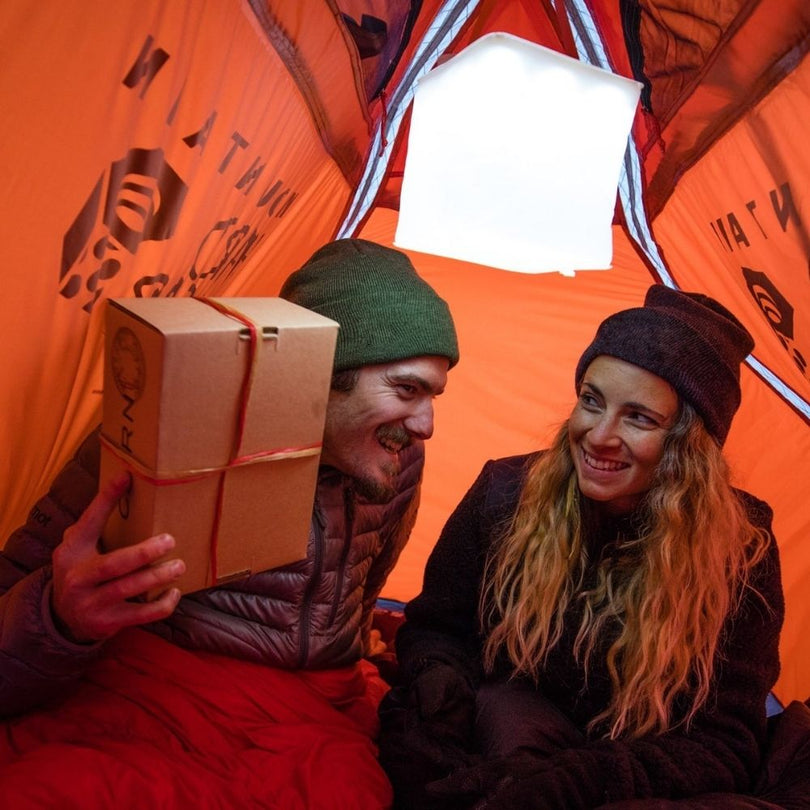
- Area light: A lantern for cooking, gear sorting, and tent use
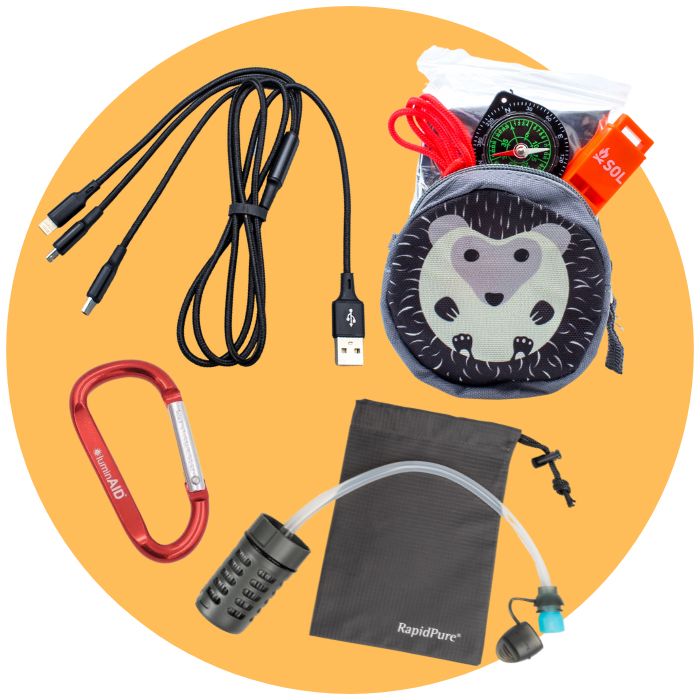
- Charging layer: A solar or battery backup option for phones and rechargeable gear
- Cable discipline: Correct cords, packed where you can find them
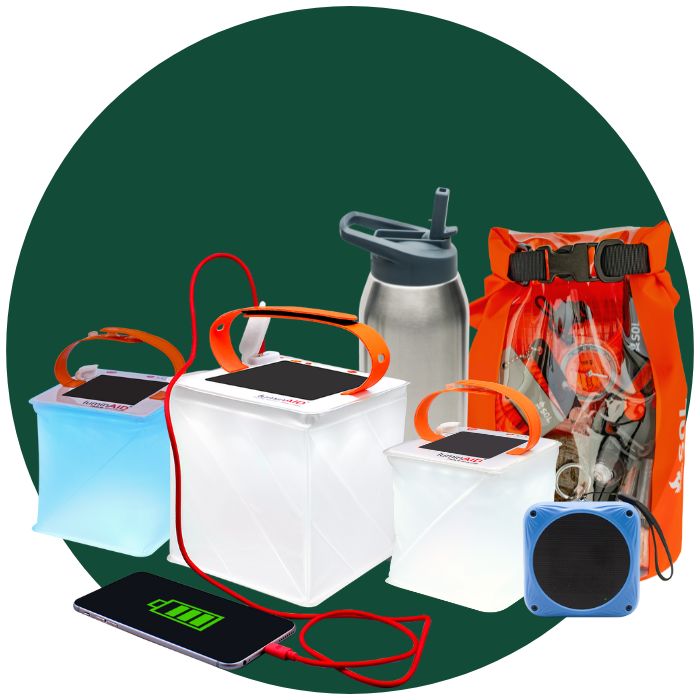
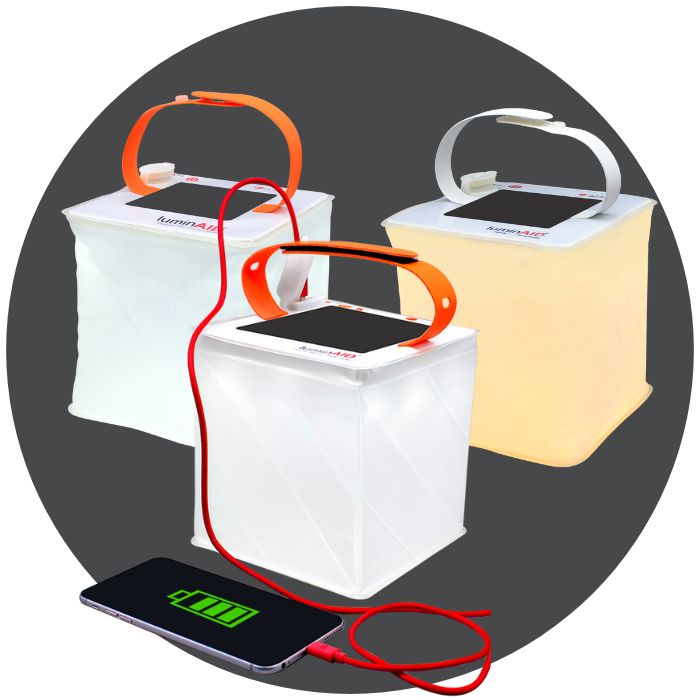
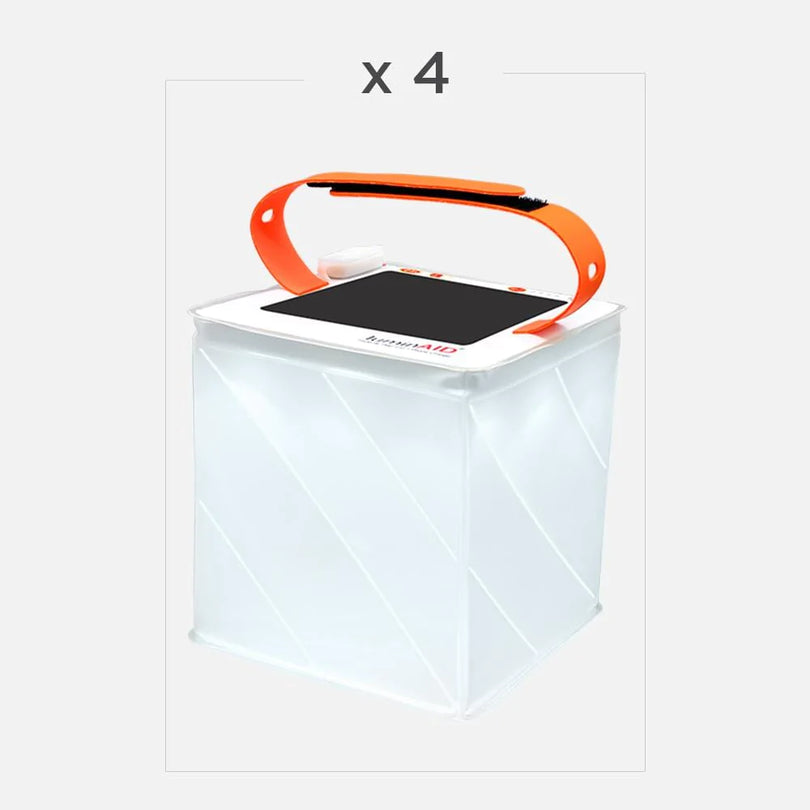
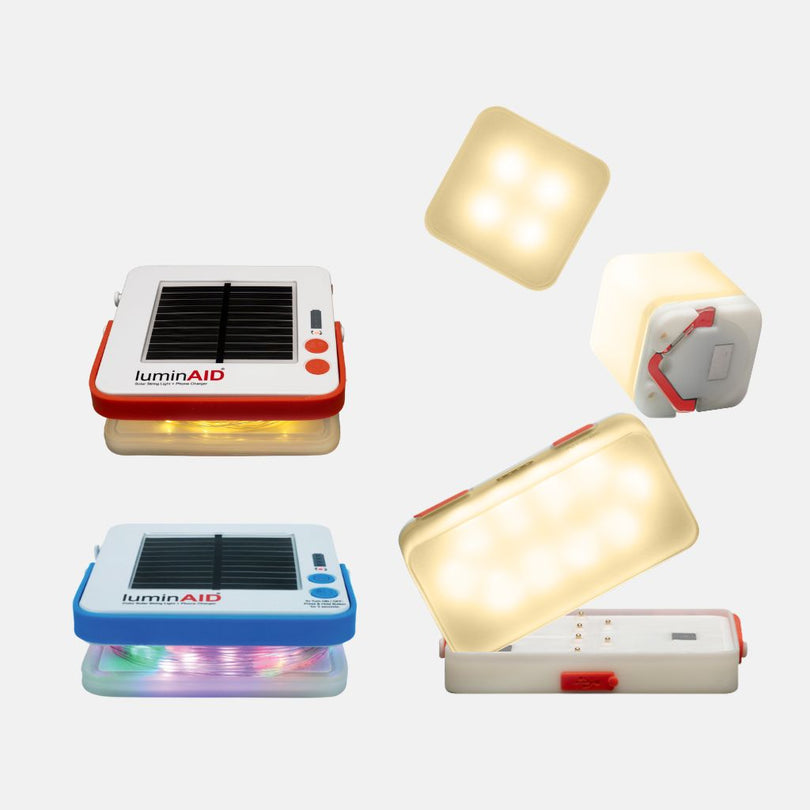
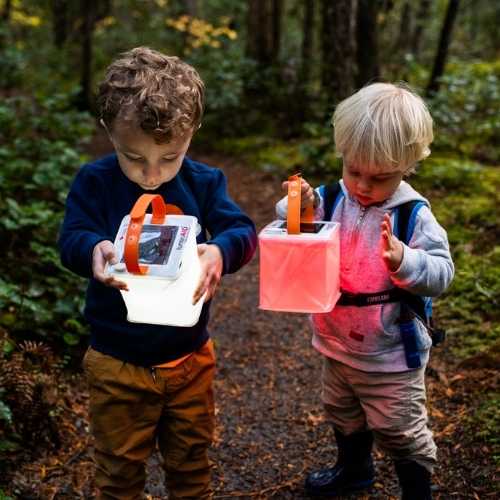
A portable solar lantern with phone charging can cover two jobs at once. LuminAID makes packable solar lanterns and 2-in-1 phone chargers built for camping and emergency use, which is why gear like that fits naturally into a camp system instead of feeling like an add-on.
What works and what doesn't
What works is simple. One dependable personal light, one shared camp light, and one realistic charging plan. What doesn't work is bringing a pile of gadgets with overlapping functions and no way to keep them topped up.
A few field rules help:
- Avoid single-point failure: Don't rely on one rechargeable device for all lighting
- Separate task light from ambient light: Cooking needs different light than tent lounging
- Charge whenever conditions allow: Don't wait until everything is low
- Test before departure: Cables, ports, and battery levels fail unnoticed at home
If you're comparing options, this guide on choosing camping solar panels is useful for sorting through panel size, portability, and likely use cases.
Later in the evening, a broad area light can change camp life more than people expect. It makes cooking easier, cleanup faster, and moving around camp less clumsy.
The old checklist asked, “Do you have a flashlight?” The better question is, “Can your camp still function after dark if the trip runs longer than planned?” That's why power now belongs on any serious list for camping gear.
Stay Safe and Prepared: First Aid, Animal Safety, and Emergency Kits
A basic first-aid pouch is a start. A practical safety system goes further. It covers routine injuries, insects, animals, and the fact that the same gear you trust in camp may need to serve during a storm outage or evacuation at home.
A 2025 National Fire Protection Association report indicates that 42% of households in wildfire-prone zones now integrate camping gear into their emergency kits. That matters because it shows how often recreational gear is already doing double duty, especially for lighting and shelter-related needs.

Build a real first-aid kit
Prebuilt kits save time, especially for newer campers. What matters is opening the kit before the trip and adjusting it to the group, season, and remoteness. A short roadside campsite and a remote backcountry route don't ask for the same level of preparation.
A helpful starting point is the range of kits from Adventure Medical Kits, then customize from there. It also helps to review a practical camping first-aid kit guide so you're thinking in terms of likely problems, not just buying a pouch and hoping it covers them.
Useful additions often include:
- Wound care: Bandages, gauze, tape, antiseptic
- Foot care: Blister treatment and moleskin
- Minor meds: Pain relief, allergy support, stomach support
- Trip-specific items: Burn care, tweezers, any personal prescriptions
Insects, animals, and pet-related risks
Bug protection gets overlooked until the bugs arrive. That's avoidable. Skin repellent and clothing strategy matter a lot more than swatting after the fact. Products from Ben's or Natrapel are common choices for campers who want a straightforward insect defense layer.
For bear country, know local guidance and carry the right deterrent where appropriate. Counter Assault is one established source for bear spray and related education. The bigger lesson is that animal safety is mostly about behavior, storage, and awareness before it ever becomes about equipment.
If pets come along, plan for them like members of the group, not accessories. Identification, lighting visibility at night, and location tracking all matter. For anyone adding tracking tools to a pet setup, Nandog Pet Gear's guide to tracking cats and dogs is a useful read.
A dual-use kit is usually the smarter kit. If it can handle camp and a home outage, it earns its space.
Think beyond the campsite
The strongest camping kits now overlap with go-bag logic. A solid first-aid setup, dependable lighting, charging backup, water handling, and weather layers help on a trip and during a sudden disruption at home. That overlap isn't mission creep. It's efficient packing.
Final Checks Seasonal Gear and Smart Packing Strategies
Good campers don't just pack a master list. They adjust for season, forecast, terrain, and how fast they need to access gear. That last part matters more than people think. The right item buried in the wrong place might as well be left at home.
Adjust for conditions
Cold weather raises the bar on insulation, dry storage, and nighttime readiness. Rainy trips demand faster shelter setup, better ground protection, and more disciplined clothing management. Hot-weather camping shifts the focus to shade, water capacity, ventilation, and sun protection.
Use a final condition check before you leave:
- For cold: Warmer sleep setup, dry base layers, gloves, hat
- For rain: Tarp, extra stakes, rainwear, dry bags
- For heat: More water carrying capacity, shade options, breathable layers
Pack by urgency, not by category alone
A smart pack puts critical gear where you can reach it fast. Headlamp. rain layer. first-aid kit. water treatment. snacks. navigation tools. These shouldn't require a yard sale on the trail or in a storm.
One method works well across trip styles:
- Immediate access: Headlamp, map, rain shell, snacks, water
- Camp setup layer: Shelter, stakes, insulation, kitchen
- Deep storage: Spare clothes, comfort items, tomorrow's food
Cut weight without cutting safety
The easiest way to lighten a load is to remove duplication, not essentials. One good knife beats three little tools. One reliable light plus one backup plan beats a crate of random lanterns. Clothing should layer well instead of multiplying.
If you keep one habit from this guide, keep this one. Review every item and ask two questions. What problem does it solve, and what happens if it fails? That's how a list for camping gear turns into judgment.
A smart camping kit should do more than survive a weekend. It should keep you lit, oriented, and ready when plans change. If you want to add compact solar lighting and phone-charging capability to your setup, LuminAID is worth a look for camp use, emergency kits, and power-outage backup.