

The outage usually starts with a small inconvenience. A porch light flickers off. The Wi-Fi dies. Someone reaches for a flashlight and finds weak batteries or none at all. In camp, the version is different but just as familiar. Sunset comes faster than expected, the fire burns low, and the one light source in the gear bin isn't enough for cooking, finding layers, and making a safe walk to the tent.
That's where the modern solar lantern earns its place. It's no longer a novelty clipped to a backpack or a dim plastic light saved for occasional use. Today's designs are built for storms, roadside emergencies, family camping, backyard gatherings, and relief work where dependable light matters for comfort and safety.
The shift is practical. Instead of depending on disposable batteries, open flame, or fuel, a modern solar lantern stores energy from the sun and turns it into usable light when the grid goes down or daylight disappears. For many households, that means one compact tool can cover several jobs at once: area lighting, task lighting, and in some models, backup phone charging.
Table of Contents
The End of Darkness in a Box
The power goes out at 6:20 p.m. Dinner is half-finished. One child is doing homework at the table, the dog is pacing underfoot, and the kitchen suddenly feels smaller because you cannot see the floor, the stove, or the breaker panel clearly. In that moment, light is not a comfort item. It is a safety tool. The same is true at a rain-soaked campsite, where one steady lantern can keep hands free, reduce trips and falls, and let everyone move without the tunnel vision of a flashlight beam.
Older solar lanterns earned a mixed reputation for good reason. Many were dim, slow to charge, and built more like gadgets than dependable equipment. Modern models changed that experience. They are easier to carry, easier to store, and far more capable when a real outage or a long night outdoors puts them to work.

What changed matters in practical ways. Better lanterns do more than replace a candle or backup flashlight. They improve visibility for cooking, first aid, and safe movement through a dark room. They reduce indoor fire risk. They make it easier for a family or group to share one reliable light source instead of scattering several weaker ones.
A good modern lantern can help in several common situations:
- Home blackouts: It lights a room or work area without an open flame near curtains, kids, or pets.
- Camp chores after sunset: It spreads usable area light for cooking, gear sorting, and tent setup.
- Emergency kits: It cuts dependence on disposable batteries that may be dead or missing when you need them.
- Shared use: It can support neighbors, relatives, or community spaces when the grid is down.
Practical rule: The best emergency light is the one that is charged, easy to grab, and bright enough to handle more than one job safely.
Demand has grown well beyond niche off-grid use. Analysts at Growth Market Reports found that the global solar lantern market reached USD 1.71 billion in 2024, reflecting wider use for camping, emergency preparedness, and everyday household backup.
That broader appeal makes sense. A modern solar lantern is a small box of stored daylight, ready to protect eyesight, lower fire risk, and keep ordinary tasks possible when the dark arrives at the wrong time.
What Makes a Solar Lantern Modern
Set an older solar lantern beside a current one during a long outage, and the difference shows up fast. The older unit often behaves like a small light with a token panel. A modern lantern works more like a compact energy system you can carry in one hand. It collects power, stores it efficiently, controls how that power is used, and delivers steadier light when people need to cook, treat a scraped knee, check a breaker panel, or calm a child in a dark room.

A simple way the technology works
At the center is the photovoltaic effect. The panel works like a tiny rooftop solar system. Sunlight hits the panel's semiconductor material, that energy becomes electricity, and the electricity is stored in a battery for later use. Modern solar lanterns use this process to charge lithium-ion batteries, which is why they can turn daylight into dependable nighttime lighting.
What makes that feel modern in practice is the coordination between parts. A better panel captures more useful energy in limited sun. A rechargeable lithium-ion battery stores that energy in a smaller, lighter package than older battery setups. LEDs stretch each charge because they convert more stored power into usable light instead of wasting as much as heat. Control electronics act like a traffic manager, preventing overcharging, limiting deep discharge, and helping runtime stay more predictable.
That package changes how the lantern performs in real life.
A basic lantern may give light. A modern lantern gives controlled light, stored power, and repeatable performance. That matters more than it sounds. During an outage, repeatable performance means you can trust low mode to last overnight, trust high mode for a short repair job, and trust the battery to survive many charge cycles instead of fading after a season.
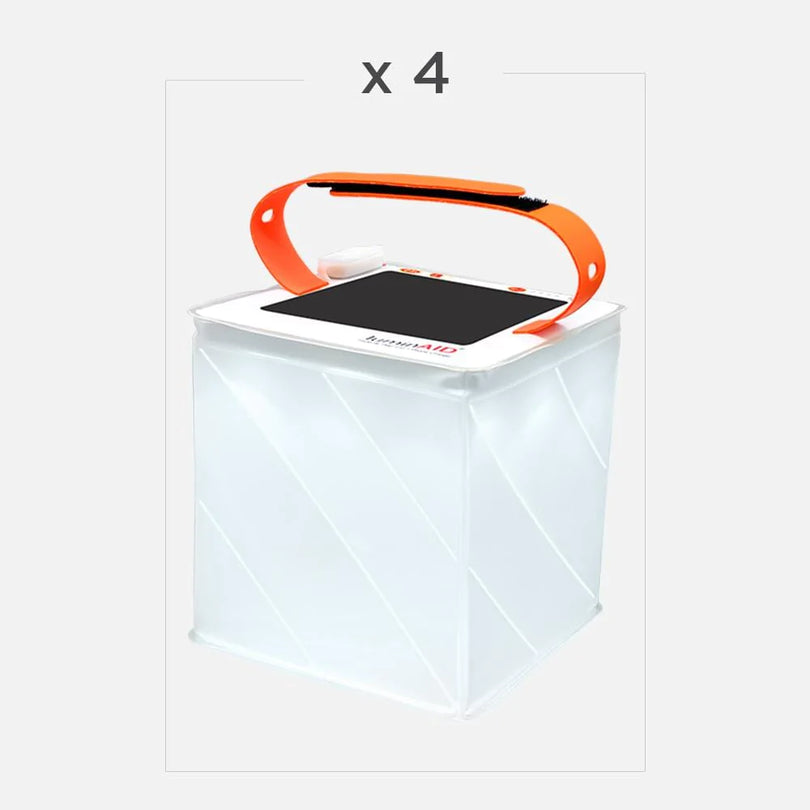
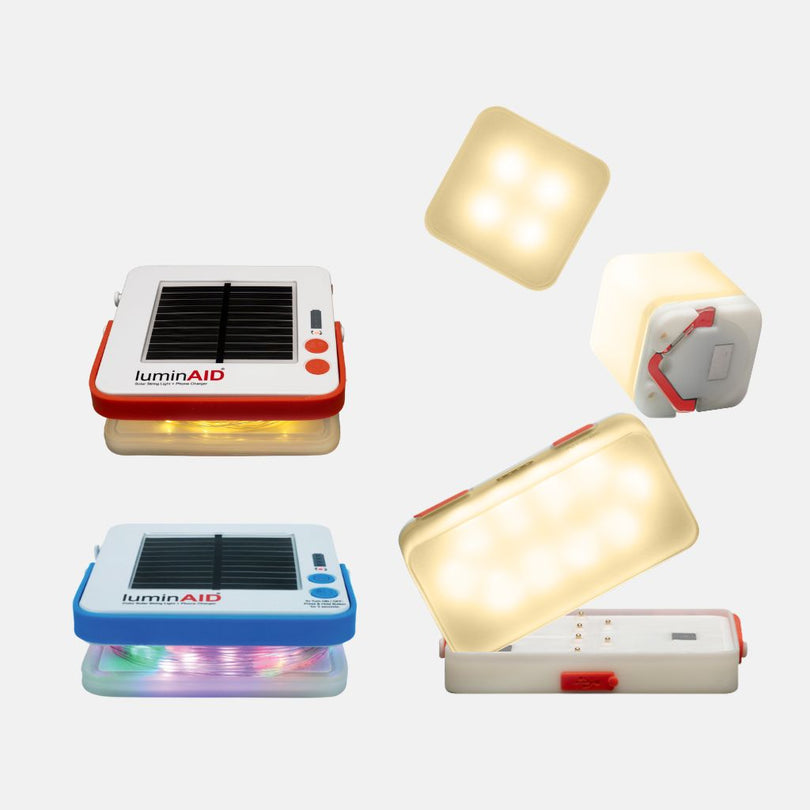
Modern design also shows up in the details people notice only after using the lantern for a while. Better diffusers spread light more evenly across a table or room. Smarter housing designs improve packability and weather resistance. Some models add USB output for small-device charging, which can keep a phone available for weather alerts or emergency texts. LuminAID describes several of these product refinements in its article on how its light designs have evolved over time.
Why the upgrade matters indoors and outdoors
The biggest improvement is not novelty. It is safer, cleaner, more reliable light.
Older fuel-based lighting creates multiple hazards at once. Open flames can tip over. Hot surfaces can burn hands or melt nearby materials. Combustion can worsen indoor air quality, especially in enclosed shelters, small rooms, or spaces with poor ventilation. Solar lanterns avoid those problems because they produce light without burning fuel. The same source noted earlier also explains that replacing kerosene lamps with solar lighting can sharply reduce indoor air pollution in places where those lamps are common.
That health link is easy to miss if you only compare brightness ratings. Modern solar lanterns are part lighting tool, part risk reduction tool. For households, that can mean less chance of fire during a blackout. For campers, it can mean safer shared light around cooking and camp chores. For communities after storms, it can mean one charged lantern supports a roomful of practical tasks without smoke, spilled fuel, or a hunt for spare batteries.
Safe, rechargeable area light changes what people can do after dark. They can read medication labels clearly, prepare food with both hands free, and move through a room with less strain and less risk.
A modern solar lantern earns that label by combining efficient charging, durable battery storage, LED output, and protective electronics into one tool that holds up under real use.
Key Features That Redefine Off-Grid Lighting
Specs can look technical, but each one answers a plain question: how useful will this lantern be when conditions aren't ideal?
Brightness that matches the job
Brightness is usually described in lumens. That number tells shoppers how much visible light the lantern can emit, but the key is whether the light suits the task. Low settings work for tent ambience, preserving night vision, or keeping a bedroom softly lit during an outage. Higher settings work for cooking, first aid, reading a map, or cleaning up after a storm.
One useful benchmark comes from LuminAID's guide to solar camping lanterns, which notes that top-tier solar camping lanterns can emit over 400 lumens of 360-degree light for more than 10 hours on a single charge, with weather-resistant construction suited to camping, disaster relief, and emergency kits.
That single sentence reveals three things at once:
- Over 400 lumens: enough output for meaningful area lighting.
- 360-degree light: better group visibility than a directional flashlight.
- More than 10 hours: useful runtime through a long night.
Charging and battery details that matter
A lantern's battery determines how long that brightness lasts and how much reserve energy remains after repeated use. Capacity numbers can be confusing, so the easier way to judge them is by thinking in terms of use patterns. Will the lantern run all evening on a medium setting? Can it save a phone battery long enough for messages or weather updates? Can it be topped off before a storm with USB if sunlight is limited?
Most solar lanterns need 6 to 8 hours of optimal sunlight for a full charge, according to PacLights' explanation of solar-powered lantern charging. In real life, ideal sun isn't always available. Solar Vision AI's discussion of solar-powered lanterns adds an important planning detail: real-world energy loss reduces solar panel output by about 20 to 25%, so a panel rated at 0.6W may deliver around 0.45W in actual conditions.
That gap explains why some users feel disappointed after cloudy days. The lantern isn't failing. The environment is limiting how much energy reaches the battery.
Field note: For hurricane season, winter outages, or smoky wildfire conditions, a lantern with both solar and USB charging is easier to rely on than solar-only charging.
Build quality and emergency usefulness
Durability often separates a drawer gadget from real equipment. Outdoor and emergency use puts stress on seams, ports, switches, and hanging points. Water resistance matters in rain, but so does the ability to survive being tossed into a glove box, backpack, or evacuation bin.
Useful features often include:
- Multiple light modes: Bright task light, low ambient light, and sometimes red light for preserving night vision.
- Wide-area illumination: Better for shelters, kitchens, and camps than narrow-beam lights.
- Easy hanging or placement: A lantern should work on a table, from a tent loop, or in a room without fuss.
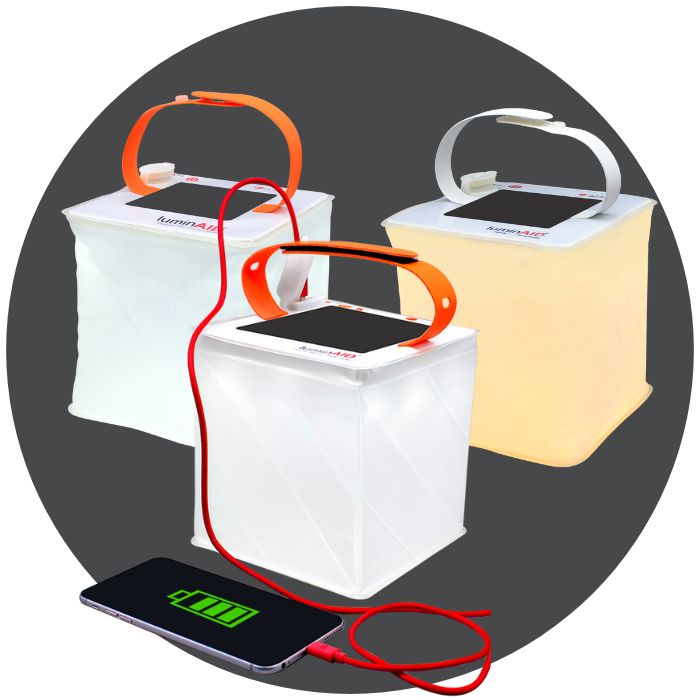
- Phone charging capability: During a blackout, communication can matter more than brightness.
A flashlight still has a role. It's better for distance and directed beams. But a modern solar lantern handles shared spaces better, and shared spaces are where many emergencies unfold.
Choosing Your Perfect Solar Lantern for Any Scenario
At 2 a.m., the best lantern is the one that fits the job in front of you. In a storm outage, that means lighting a kitchen table, keeping a hallway safe, and giving you enough battery reserve to charge a phone. At a campsite, it means soft area light that does not blind everyone in the tent. The same tool category serves both moments, but the right design choices are different.

Solar lanterns now fill far more roles than simple backup lights. Shoppers use them for camping, hurricane kits, RV travel, backyard gatherings, and practical gifts people will keep using. That wider demand matters because it has pushed manufacturers to build more specialized options instead of one generic lantern for every situation.
Four common buying situations
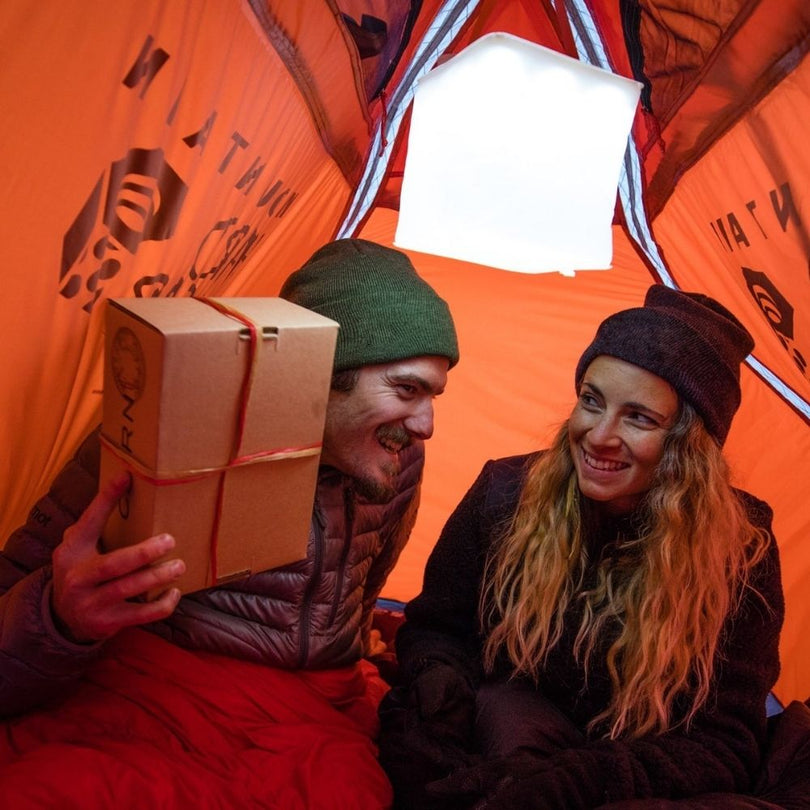
For backpackers and campers, every ounce and every cubic inch counts. A lantern that collapses or packs flat behaves like a rain jacket instead of a hard cooler. It disappears into a pack until you need it. Hanging loops also matter more than many first-time buyers expect, since a lantern that works from a tent ceiling or tarp line spreads light better than one left on the ground. If you want a clearer breakdown of campsite-friendly designs, this guide to solar lanterns for camping helps explain which features suit camp routines.
For home emergency kits, the priorities shift fast. You are no longer saving pack space. You are trying to reduce risk and keep a household functioning. A good outage lantern should light a room well enough to prevent falls, help with cooking or first aid, and stay usable even after rough handling by tired adults or kids. USB charging matters here because bad weather, smoke, or winter cloud cover can limit solar charging right when the lantern is needed most. It also fits well beside a stocked first-aid kit from a trusted outdoor supplier such as Adventure Medical Kits, since light and medical readiness often work together during blackouts.
For RV owners, van travelers, and backyard users, comfort becomes part of performance. Brightness alone does not make a lantern pleasant to live with. Harsh glare can make a picnic table or small camper feel like a garage. Adjustable output is more useful because one setting may work for meal prep, while a lower and warmer setting feels better for winding down at night.
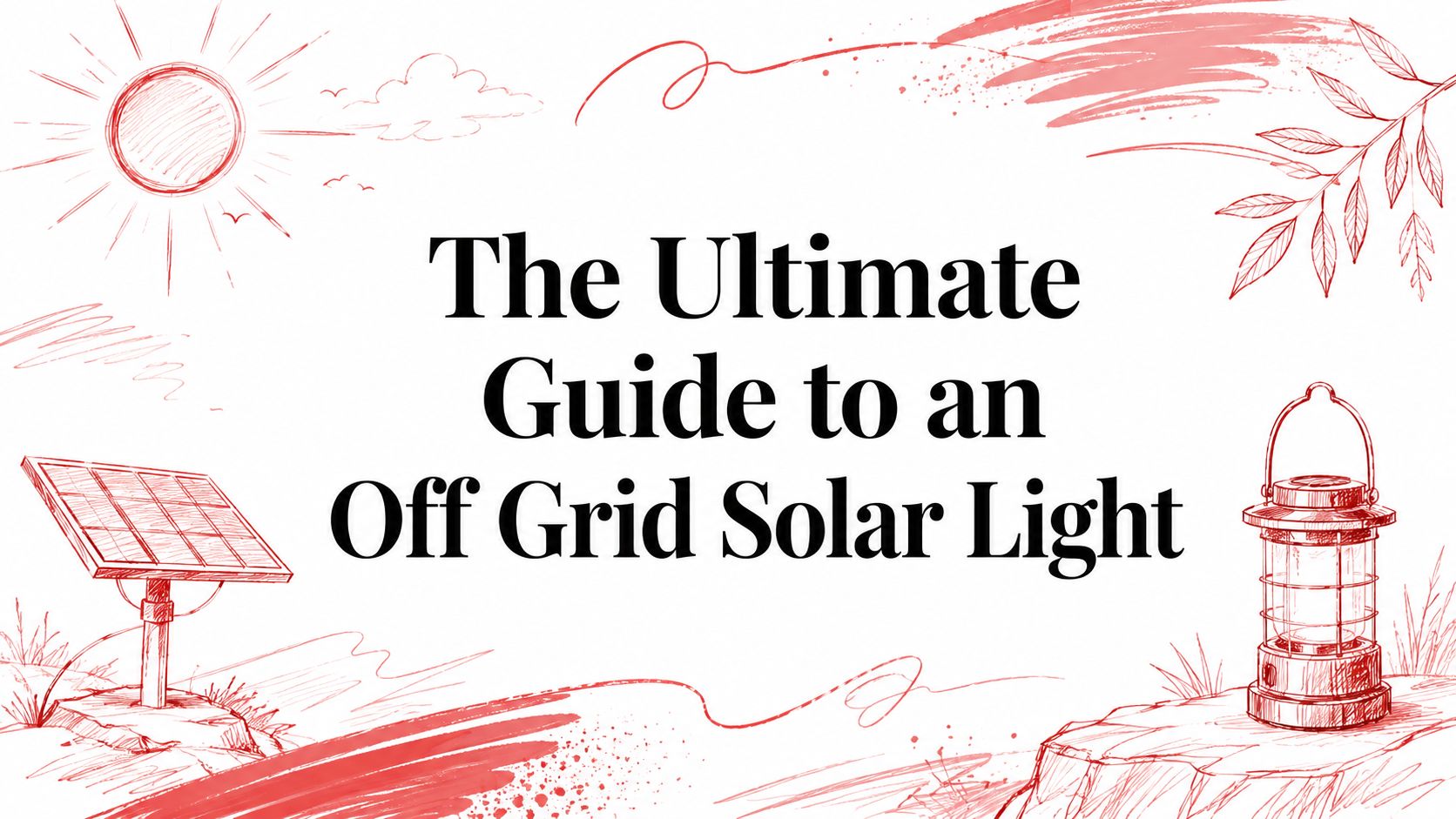
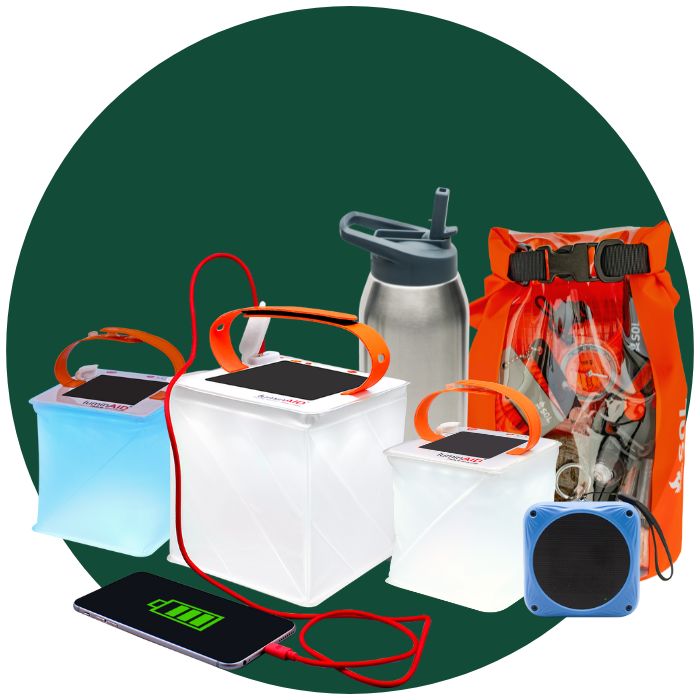
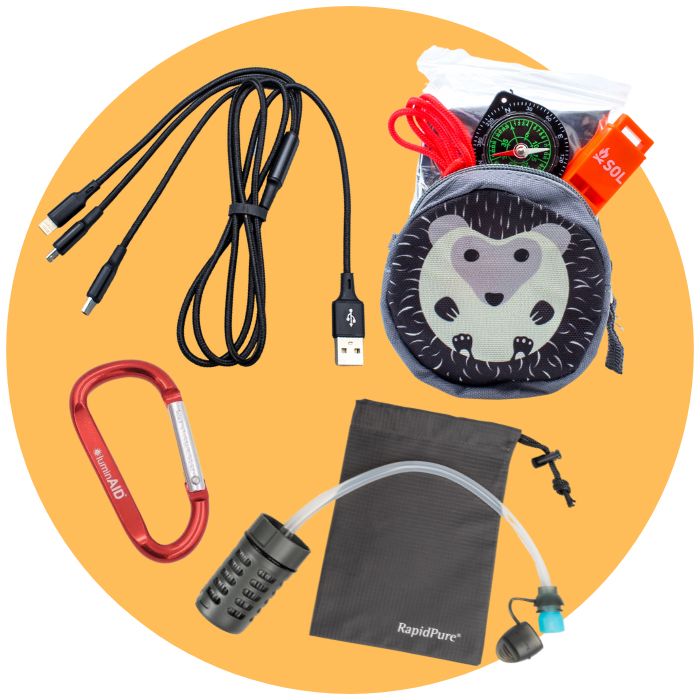
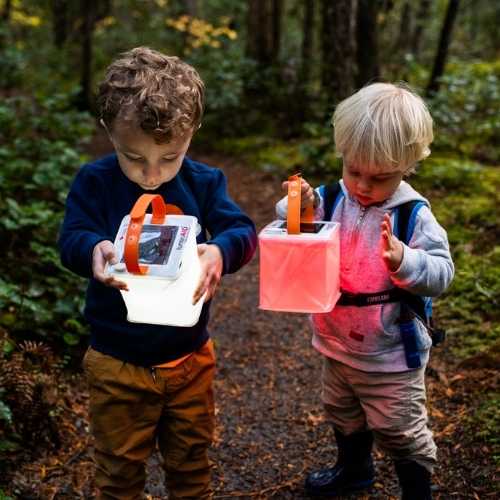
For gift buyers or relief coordinators, simplicity often matters more than feature depth. A lantern should be easy to understand, easy to recharge, and useful without a long learning curve. That is especially important when the user may be a child, an older adult, or someone dealing with a stressful emergency. One factual example is LuminAID, which offers portable solar lanterns and 2-in-1 phone chargers for camping, emergency preparedness, and everyday convenience.
The right lantern matches the real use case. A lantern for storm safety should be chosen differently from a lantern for campsite ambiance.
Solar Lantern Feature Priorities by Use Case
| Use Case | Key Feature 1 | Key Feature 2 | Recommended LuminAID Type |
|---|---|---|---|
| Emergency preparedness | High room-filling brightness | USB charging capability | Power lantern |
| Camping and backpacking | Lightweight, packable body | Hanging flexibility | Packable lantern |
| Backyard and patio | Adjustable brightness | Warm, comfortable area light | Solar outdoor lighting |
| Aid and off-grid living | Durable construction | Multiple charging options | Lantern with phone charging |
One final filter helps prevent buyer regret. Rank your top two needs before you shop. If the lantern is for blackouts, put runtime and charging flexibility ahead of decorative extras. If it is for camping, packability and easy hanging may matter more than maximum output. That small shift in thinking usually leads to a lantern people trust, keep nearby, and use often.
Maximizing Longevity and Social Impact
A lantern that sits neglected in a closet often fails at the worst moment. A lantern that gets simple maintenance tends to stay ready. Most care comes down to keeping the panel clear, storing the lantern thoughtfully, and avoiding long periods of total battery drain when possible.
Care habits that keep a lantern ready
Dust, pollen, and grime reduce how much sunlight reaches the panel. That doesn't always look dramatic, but it can slow charging enough to matter during short winter days or repeated outage use. Homeowners who want a practical overview of panel maintenance can review this guide on how often to clean solar panels, which offers useful context on keeping solar surfaces clear.
A few habits make a difference:
- Clean the panel gently: Use a soft cloth and keep abrasive cleaners away.
- Store with intention: A lantern kept in an emergency bin should be checked and topped off periodically.
- Protect the ports: Charging ports and seals stay more dependable when kept clean and dry.
- Avoid neglecting the battery: Rechargeable gear lasts longer when it isn't left empty for extended periods.
Why durability also matters beyond one household
Maintenance has a second payoff. It extends the useful life of a tool that can matter far beyond backyard convenience. Solar lighting has already played a major role in humanitarian response. A lantern isn't only personal gear. In relief settings, it can support cooking, movement after dark, family routines, and safer living conditions. Readers interested in that broader role can explore how solar lanterns provide humanitarian aid.
A durable lantern creates value twice. It serves one household longer, and it reinforces a wider shift toward safer off-grid light.
Answering Your Modern Solar Lantern Questions
How long does charging take in cloudy weather or winter
This is the question many buyers care about most, and it's also where many product pages are least helpful. The commonly cited benchmark is direct sun, not difficult weather. A useful reference from Les Jardins Lighting's charging tips notes that 12 to 14 hours of direct sun can be needed for a full charge in some cases, and that low-light performance is a real planning issue during emergencies.
That doesn't mean a lantern becomes useless on cloudy days. It means charging slows down, sometimes significantly. The safest approach is to treat stormy periods and winter conditions as low-harvest days and top off by USB beforehand if the lantern allows it.
Can a lantern charge a phone and still provide light
Some models can, but performance depends on how the battery is managed. Charging a phone draws from the same stored energy used for lighting, so runtime may drop. In a blackout, many people save the highest light setting for short tasks and preserve battery for communication needs.
What's the difference between a solar lantern and a solar flashlight
A flashlight sends light in one direction. That's useful for trails, lock checks, or scanning a dark yard. A lantern spreads light across a space, which makes it better for rooms, picnic tables, tents, and group use. Many households benefit from having both, but the lantern usually handles longer shared tasks more comfortably.
How can charging be improved in weak sunlight
A few habits help:
- Face the panel toward the best available light: Even partial improvement helps.
- Avoid window assumptions: Glass, shade, and indoor placement can limit charging.
- Keep the panel clean: Dirt blocks energy collection.
- Charge early, not late: Start harvesting light as soon as daylight is available.
A modern solar lantern works best when it's treated like part of a system. Charge ahead of weather events, keep it accessible, and match the lantern's strengths to the job at hand.
LuminAID offers portable solar lanterns and 2-in-1 phone chargers built for camping, emergency kits, and everyday backup lighting. Readers who want to compare practical options for home readiness or outdoor use can explore the full range at LuminAID.