

You've probably got a trip in mind already. Maybe it's a state park weekend, a first campout with kids, or a longer summer trip where everyone needs enough room to sleep, change clothes, and sit out a passing storm without turning the tent into a pile of duffels and complaints.
That's where most families get stuck. The tent aisle looks simple until you start comparing capacities, pole designs, rain ratings, room dividers, vestibules, and “instant” setups that may or may not feel instant when you're standing in a campground with tired kids.
A good family tent doesn't just give you a place to sleep. It sets the tone for the whole trip. If the shelter is too cramped, too fiddly, or not weather-ready, every small inconvenience gets amplified. If it's well chosen, camping gets easier fast.
Your Guide to Finding the Perfect Family Tent
Family camping is big enough that the broader camping tent market reached about USD 5.4 billion in 2023 and is projected to grow to USD 8.3 billion by 2030, with over 40 million Americans camping annually according to Grand View Research's camping tent market analysis. That tells you something useful. Families aren't trying to make bad gear work. They're looking for space, reliability, and fewer headaches.
The right way to shop for family tents for camping is to stop thinking about the tent as a single item and start thinking about how your campsite will function. You need enough sleeping room, but you also need a door that doesn't bottleneck bedtime, storage for muddy shoes, and a layout that still feels livable when weather turns.
If you're also sorting out sleep spaces for younger campers, it helps to choose the best kids tent only after you've settled the main family shelter. Separate kid gear is fun, but the core tent has to handle the primary job first.
A short packing check also saves a lot of frustration. This practical list of tent camping essentials is a good reminder that shelter, lighting, bedding, and basic safety gear work together.
Practical rule: Buy the tent for the worst hour of the trip, not the best one. Sunny afternoons make almost any tent look good. Rain, darkness, and a restless child expose the bad choices fast.
The rest comes down to a few real decisions. Pick the right tent shape. Upsize capacity a little. Pay attention to waterproofing details. Then budget for the accessories that make the campsite safe after sunset.
Decoding Tent Types and Layouts
Think of tent design the same way you'd think about house styles. Some are built for stability. Some are built for interior volume. Some are built to give a family separate zones so the tent doesn't feel like one big sleeping bag storage bin.

Market demand reflects those trade-offs. Tunnel tents held 54.3% market share in 2023, while dome tents are projected to account for 40.6% in 2025, according to Market.us camping tent market reporting. That lines up with what experienced campers see in the field. Families keep coming back to designs that either maximize usable room or stay dependable when weather gets rough.
Dome tents
A dome tent is the sturdy cottage of the tent world. Crossed poles create a rounded structure that handles wind better than boxier shapes, and setup is usually straightforward once you've done it a couple of times.
Dome family tents for camping work well when you want a balance of weather performance, decent headroom, and a footprint that fits more campsites. They're often easier to place on smaller pads than very large cabin models.
What doesn't work as well is edge space. The sloped walls reduce standing room and make the perimeter less useful for cots, taller sleepers, or stacked gear.
Cabin tents
Cabin tents are the lodge. They use near-vertical walls to create a roomier feel, which matters more than people expect on family trips. Being able to stand up to change clothes is a major upgrade when you're helping kids layer up or dealing with wet gear.
They shine on calm-weather car camping trips, longer stays, and campgrounds where comfort matters as much as raw storm resistance.
The trade-off is simple. More vertical wall area usually means they're less forgiving in strong wind, and some large cabin models ask a lot from one adult during setup.
Tunnel tents
Tunnel tents are the practical family house. Their arched pole structure creates excellent interior length and often supports multi-room layouts better than other tent styles.
That's why they're so appealing for larger groups. You get a strong space-to-weight balance, better gear separation, and often a more natural division between sleeping area and entry area. A tunnel tent with a real vestibule can feel far more organized than a nominally larger tent without one.
The best family layout often isn't the biggest tent. It's the one that gives wet gear, sleeping gear, and people their own places.
Layout details that matter
Interior design matters almost as much as the shell shape. Look closely at these features:
- Vestibules or mudrooms: These keep muddy shoes, coolers, and damp jackets out of the sleeping area.
- Room dividers: Useful for older kids, mixed-age families, or anyone who wants a changing area.
- Door placement: A wide front door is convenient, but side access can reduce traffic jams.
- Storage pockets and lofts: Small details, but they keep headlamps, glasses, and bedtime items from disappearing into corners.
A family tent should feel organized when fully loaded. If the layout only works in the showroom with nothing inside it, it won't work at camp.
Choosing the Right Capacity and Season Rating
The most common buying mistake is choosing a tent by the number on the box and assuming that number means comfort. It usually means maximum sleeping capacity with very little spare room.

For most families, the smartest move is to size up. A six-person tent is often a very good fit for four people. That extra room absorbs duffels, keeps sleepers from pressing into the walls, and gives you enough space to move around when the weather forces everyone inside.
Capacity that matches real life
Use a simple rule of thumb. If you know how many people will usually sleep in the tent, shop at least a bit above that number unless you're intentionally keeping things compact.
A few practical examples make the point:
- Family of three: Usually happier in a four- or six-person tent than a tight three-person model.
- Family of four: Often best in a six-person tent.
- Family with older kids or bulky gear: A larger layout with a vestibule can matter more than adding another sleeping slot.
That doesn't mean bigger is always better. Oversized tents can be harder to pitch, harder to heat with body warmth on cold nights, and awkward on smaller campsites. You want enough room, not dead space.
Season ratings without the confusion
Most family tents for camping fall into 3-season use, and that's the right choice for most households. A good 3-season tent handles spring, summer, and fall conditions well enough for normal family trips. It gives you ventilation for warm nights and weather protection for rain and cooler evenings.
A 4-season tent is built for much harsher winter use. It's stronger, more enclosed, and usually heavier and more expensive. If your family isn't camping in snow or severe cold, you probably don't need one.
If you are planning cold-weather trips, it helps to understand what changes when camping in winter. This guide to camping in snow gives useful context on when a standard family setup stops being enough.
Buy for the conditions you'll actually camp in. Families often overspend on winter-level features when what they really need is a better 3-season tent with stronger weatherproofing and more livable space.
Understanding Materials Durability and Weatherproofing
A family tent has one job above all others. Keep people dry and protected when conditions stop being pleasant. That's why material choices matter more than flashy add-ons.

The two material questions families usually face are fabric and poles. Polyester is common in family camping tents because it's practical, durable enough for car camping, and handles moisture and sun exposure reasonably well. Nylon can be lighter, but in family-sized shelters, durability and cost often matter more than shaving weight.
For poles, fiberglass is common in budget tents and can work fine for occasional use, but it's usually less confidence-inspiring over time than aluminum. Aluminum poles tend to feel more dependable when you're pitching and striking camp repeatedly through a season.
The waterproofing number that actually matters
The key weather spec to understand is Hydrostatic Head, often listed as HH. This rating tells you how much water pressure a fabric can resist before leaking. According to this detailed family camping tents guide from Stout Tent, 3000mm HH can handle moderate to heavy rain, while 5000mm and above offers stronger protection in storm conditions. For family camping, the practical recommendation is at least 3000 to 4000mm HH, paired with taped seams and a bathtub floor.
That sounds technical, but the field takeaway is simple. A higher HH rating gives you more margin when weather gets worse than expected.
What works in real rain
Look for these details together, not one at a time:
- Rainfly coverage: A fly that extends well over doors and windows does more than a minimal cap.
- Taped or factory-sealed seams: Water often finds seams first.
- Bathtub floor: The floor material rises up the sidewalls slightly to help block surface water.
- Sturdy guylines and stake points: Waterproof fabric won't help much if the tent sags or shifts in wind.
One weak point can undo an otherwise good tent. A solid HH rating paired with poor seam work is still a risky buy.
Durability trade-offs that are worth paying for
Families usually don't need expedition-grade materials. They do need a tent that can survive repeated use, imperfect pitching, and the normal abuse of shoes, bags, and children moving through the door all weekend.
That's why some upgrades make sense and some don't. Better pole quality, stronger floor construction, and reliable seam sealing are worth paying for. Fancy extras that don't improve comfort or weather protection usually aren't.
A tent that survives one dry weekend isn't proven. A good family tent stays dry after a sloppy pitch, a muddy site, and a long night of rain.
Setup Success and Smart Site Selection
Even a well-designed tent feels like a bad purchase if the first pitch turns into a yard sale of poles, clips, and frayed patience. Setup is part product design and part user habit.
Practice before the trip. One backyard setup tells you more than an hour of reading product descriptions. You learn which poles go where, whether the rainfly orientation is obvious, and how much space the footprint takes.
Make first setup easy on yourself
A few features reduce hassle right away:
- Color-coded poles or clips: Faster matching, fewer mistakes.
- Simple hubbed pole systems: Helpful for larger family tents with more structure.
- Clear rainfly orientation: Front and rear should be easy to identify.
- Reasonable packed weight for your use: Car camping allows more tent, but someone still has to unload and move it.
If a tent requires perfect sequencing and two calm adults to pitch smoothly, that matters. Family camping is rarely done under perfect conditions.
I also recommend assigning roles. One adult handles poles, one handles staking and fly placement, and older kids can lay out footprint, sleeping pads, or gear. Camps run more smoothly when setup has a system.
Pick the site like it might rain
Site selection fixes problems before they start. The best family tents for camping still need a smart pitch location.
Use this quick ground check before the tent comes out of the bag:
- Find level ground: Slight slope at bedtime feels much steeper at 2 a.m.
- Avoid low pockets: Water settles there first.
- Use natural windbreaks carefully: Trees and shrubs can help, but don't pitch under obvious hazards.
- Think about sun: Morning light helps dry condensation. Full afternoon exposure can turn the tent into an oven.
- Check drainage around the tent area: Hard-packed depressions are a bad sign.
Set the tent where you'd want rainwater to miss you, not where the view is best.
A final habit that pays off is staking the tent fully, even in fair weather. Families often skip guylines on calm evenings, then regret it when wind picks up after dark. A properly tensioned pitch sleeps quieter, vents better, and sheds rain more cleanly.
Essential Accessories for Campsite Comfort and Safety
A tent is the center of camp, but it isn't the whole system. Families tend to spend most of their time comparing tent sizes and not enough time thinking about what makes the space usable after sunset, during bugs, or when someone needs first aid.

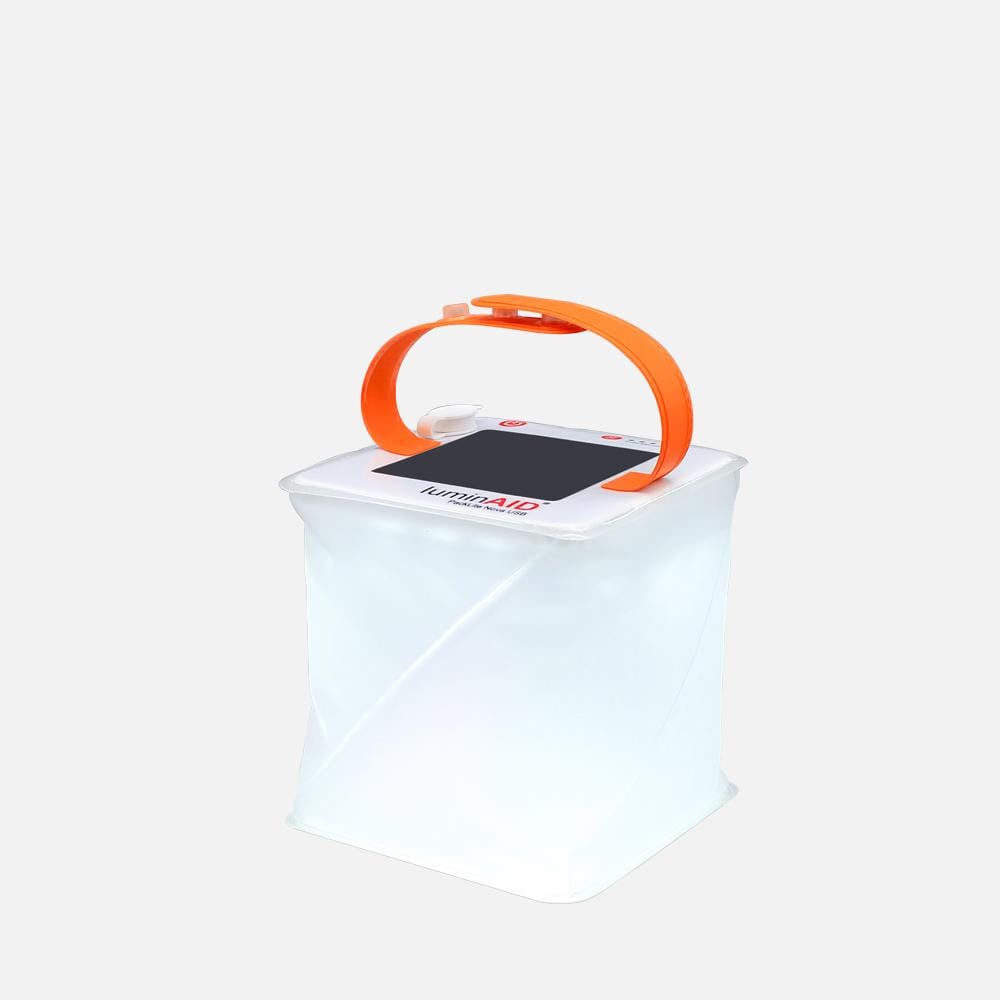
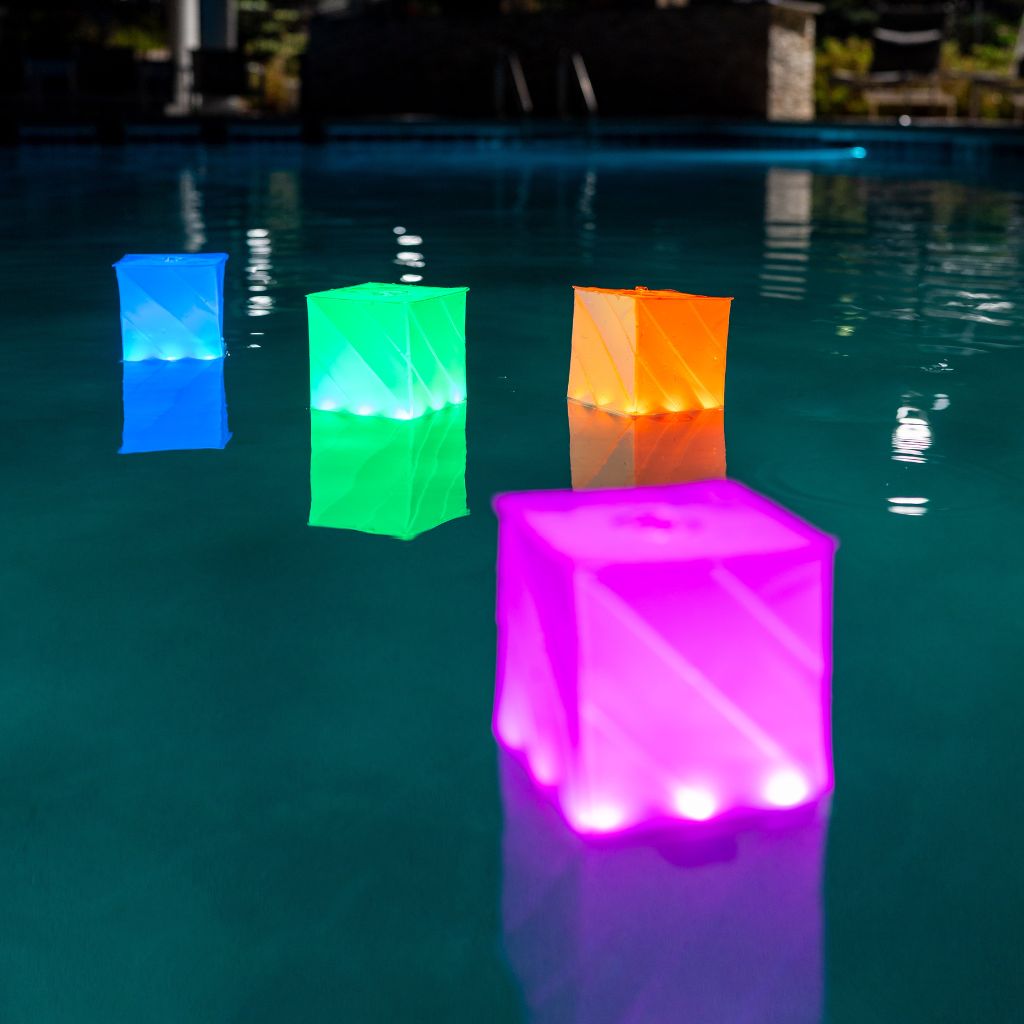
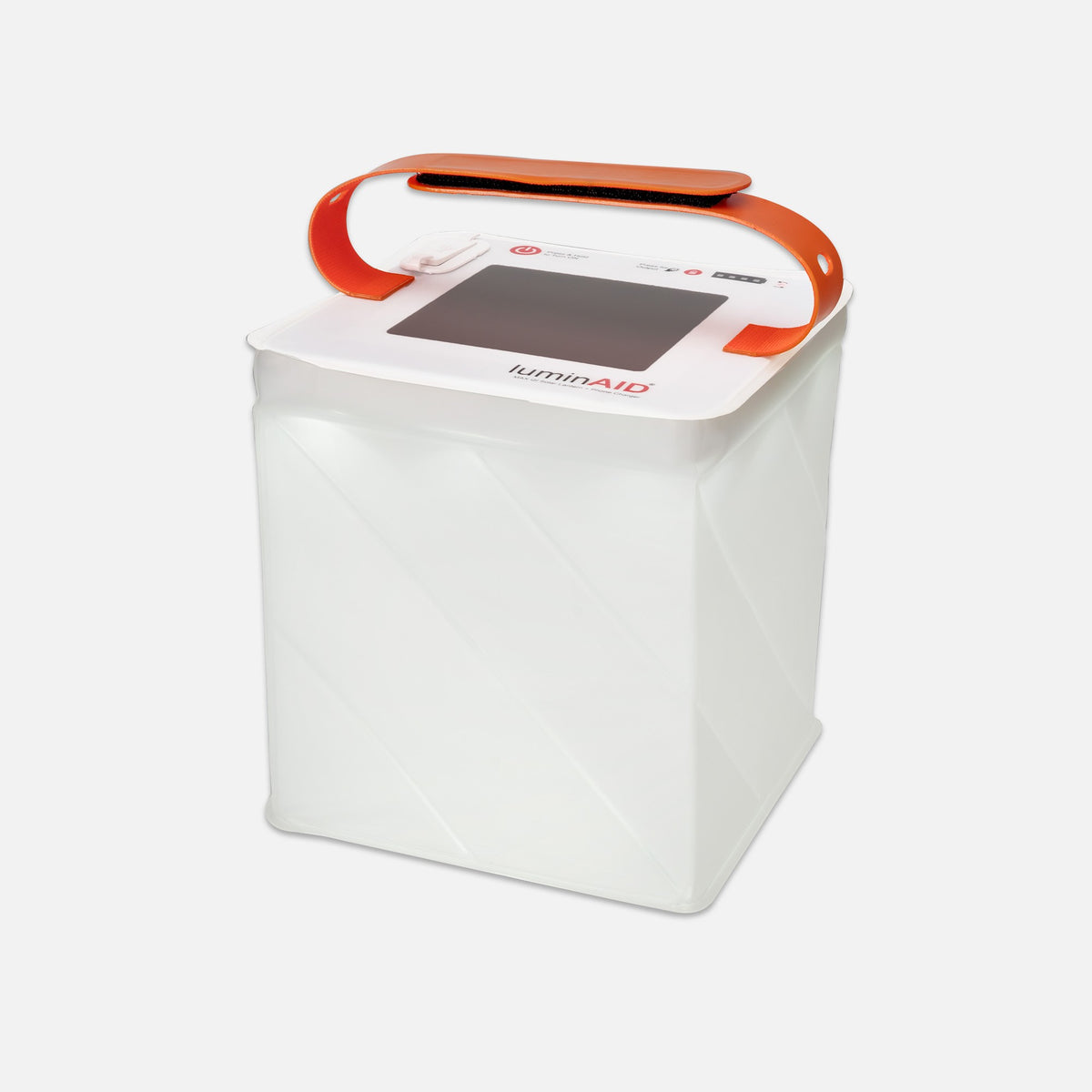
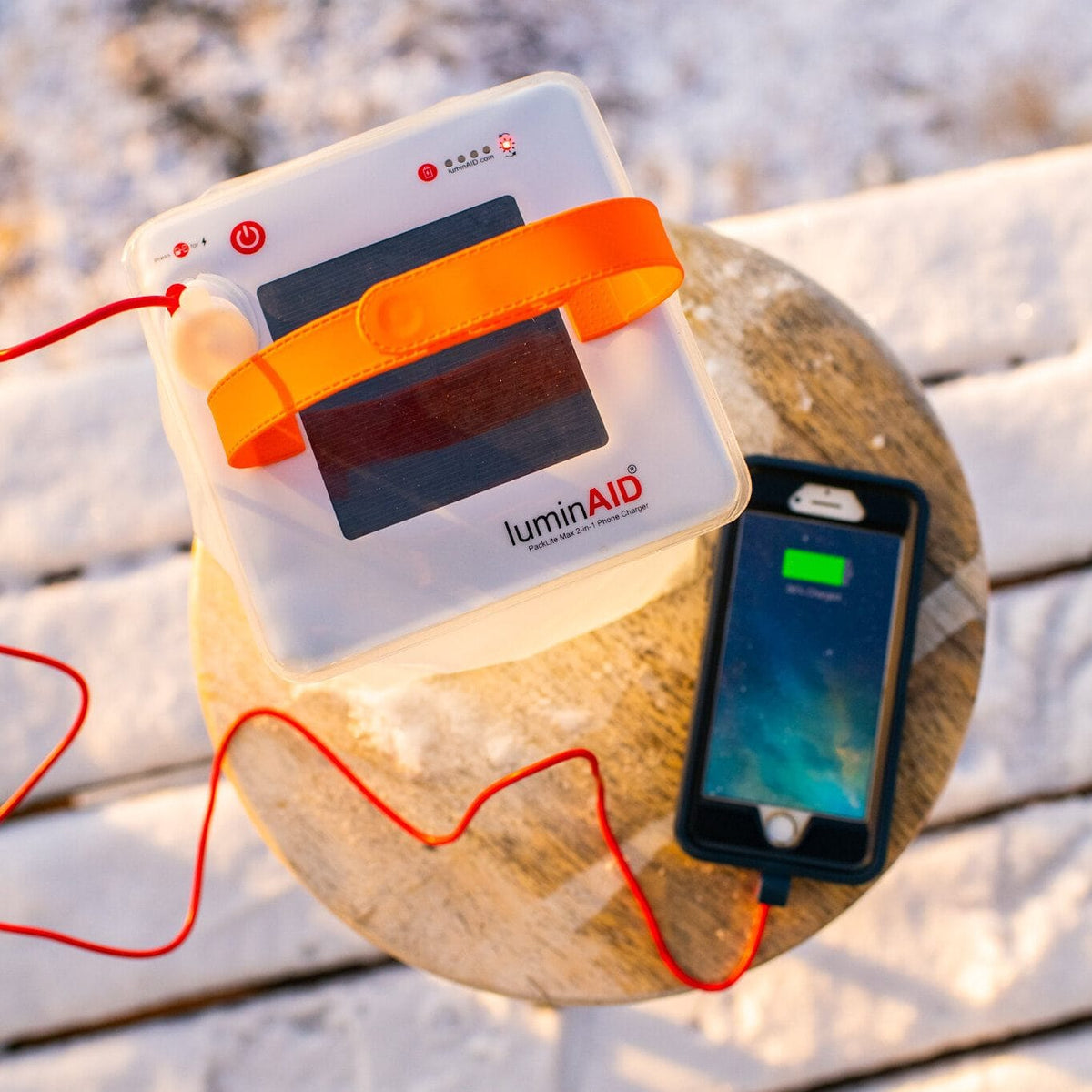
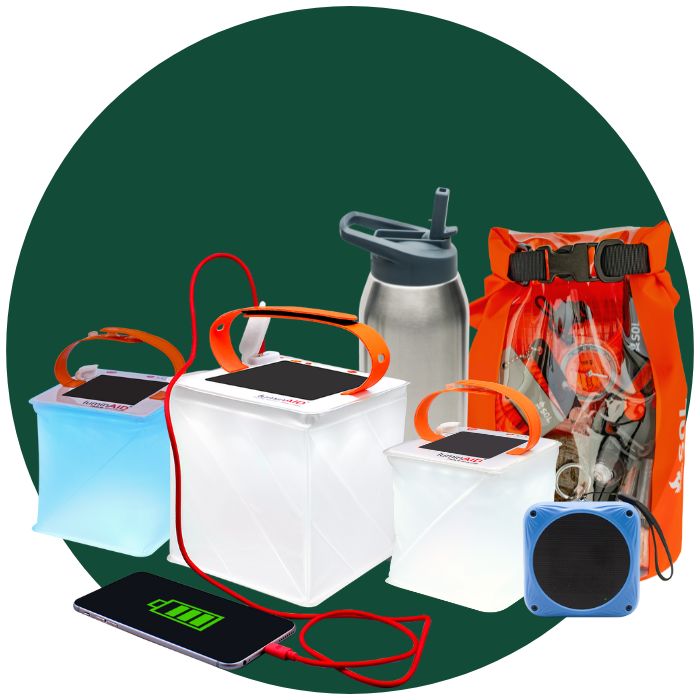
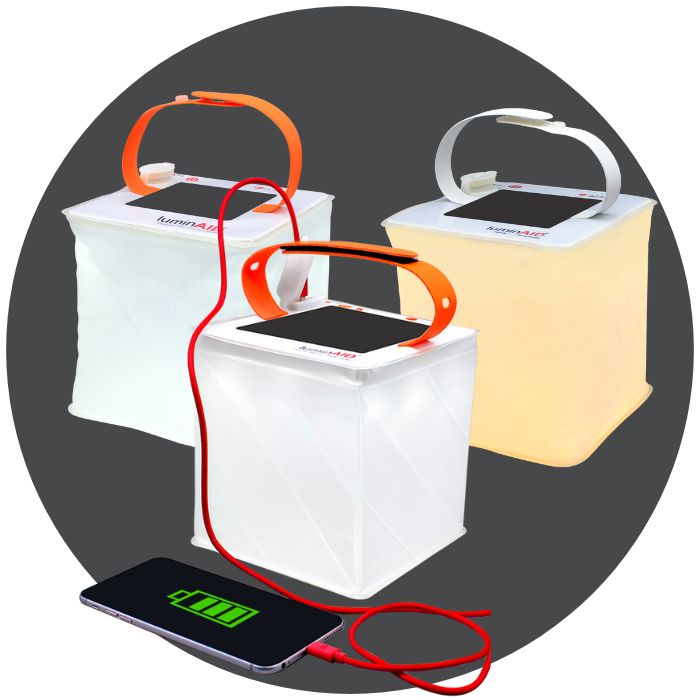
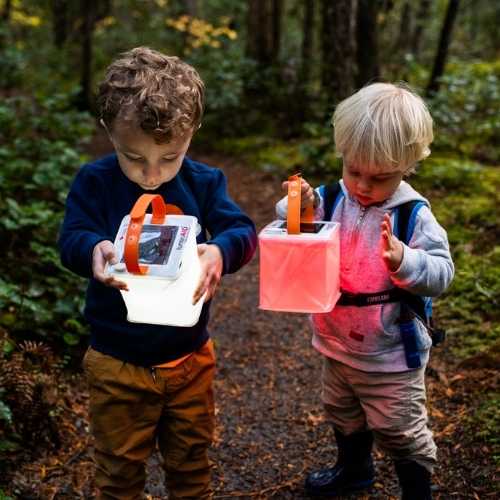
One gap shows up again and again in family camping advice. Many guides discuss structure and weather, but neglect interior lighting, even though reliable tent lighting is a real safety issue for families with children. As noted in this family tent guide from Tales of a Mountain Mama, adequate lighting helps prevent accidents and reduces anxiety, and portable solar lanterns solve that need with battery-free illumination.
Why lighting belongs on the essentials list
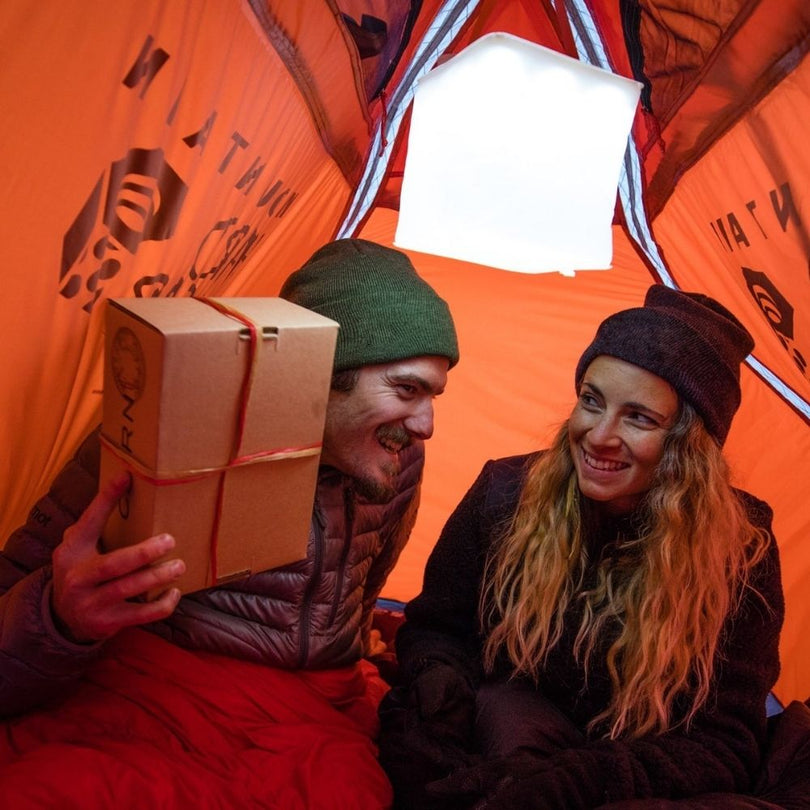
Inside a family tent, darkness changes everything. Kids wake up disoriented. Adults need to find shoes, medicine, or the bathroom bag without stepping on sleeping pads. A dim phone flashlight is a poor substitute for broad, stable light.
Good campsite lighting should do three things:
- Light the tent interior softly enough for bedtime routines
- Make entry and exit safer
- Stay useful if batteries die or power isn't available
That's why off-grid lighting earns a place next to shelter and bedding in a family setup. If you want a deeper look at options and use cases, this guide to solar lanterns for camping is worth reading before your next trip.
Build the rest of the campsite around the tent
The best family setups are boring in a good way. You can find things quickly. You know where the first-aid kit is. The bug protection is already on hand before dusk.
A few add-ons consistently earn their space:
- First-aid kit: A well-stocked kit from Adventure Medical Kits is one of the few accessories you hope not to use but need immediately when you do.
- Insect protection: Camps are more pleasant when repellent is easy to reach. Natrapel is a practical place to compare bug defense options for family trips.
- Ground protection: A footprint or correctly sized groundsheet helps preserve the tent floor.
- Camp organization gear: Small bins or soft totes keep socks, flashlights, and snacks from spreading everywhere.
Morning comfort matters too. If your crew starts the day happier with a quick hot drink, this guide on choosing quality instant coffee for trips is one of the more useful reads for making camp routines smoother without carrying extra complexity.
Here's a simple checklist that reflects how experienced family campers usually pack.
| Category | Essential Items | Why It's Important |
|---|---|---|
| Shelter support | Groundsheet, extra stakes, guylines, mallet | Helps protect the floor and secure the tent in changing conditions |
| Lighting | Lantern, backup light, tent-safe hanging option | Reduces falls, helps with bedtime, and makes night exits easier |
| Health and safety | First-aid kit, medications, insect repellent | Covers common camping problems before they escalate |
| Sleep comfort | Sleeping pads, weather-appropriate bags, extra blanket | Better sleep makes every part of the trip easier |
| Organization | Gear bins, shoe tray, small storage sacks | Keeps the tent livable and prevents lost items |
| Weather backup | Dry bags, spare clothes, towels | Gives you a recovery plan after rain or spills |
A short demo can also help you think through lighting placement and camp flow before you pack.
Reliable lighting isn't a luxury item in a family tent. It's part of how you prevent stubbed toes, lost gear, and midnight stress.
Your Final Buying Checklist and Budgeting Tips
The best family tents for camping aren't always the cheapest, the largest, or the most feature-packed. The best one is the tent that fits your real group size, your usual weather, and your ability to set it up without drama.
Use this buying checklist when you shop:
- Capacity: Size up enough to account for gear and indoor movement.
- Tent type: Dome for balance, cabin for comfort, tunnel for divided space and family-friendly layouts.
- Season rating: Stick with 3-season unless you know you need winter capability.
- Weatherproofing: Prioritize HH rating, seam sealing, rainfly coverage, and floor design.
- Setup complexity: Look for a tent you can pitch confidently before dark.
- Livability: Check door design, vestibule space, storage pockets, and standing room.
Budgeting matters just as much as tent choice. A lot of families focus on sticker price and treat the rest of the kit like an afterthought. That's usually backwards. As discussed in Camping Guidance's look at cheap family tents, smart planning means accounting for the complete setup, including lighting and power, instead of judging the tent in isolation.
That's the expert move. Don't buy a bargain tent so tight on budget that you skip the first-aid kit, lighting, or other gear that makes camp safe and usable. A balanced setup beats a flashy tent every time.
Choose the shelter as the foundation. Then make sure the rest of camp works around it.
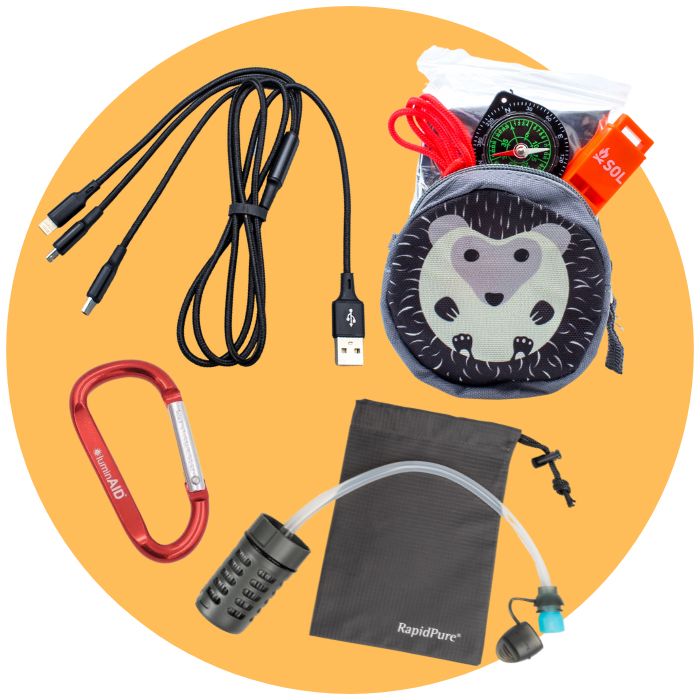
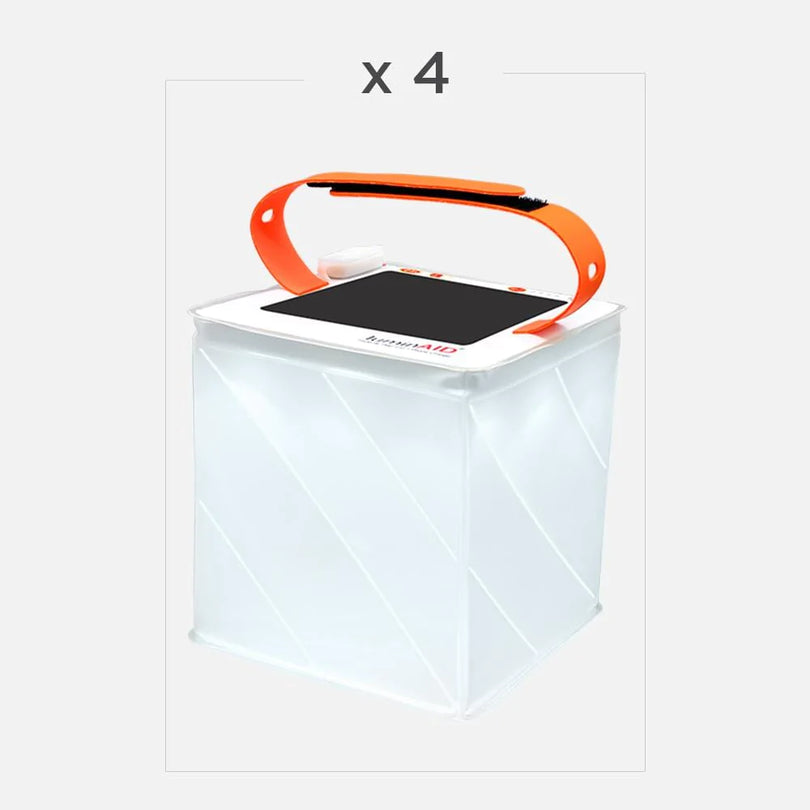
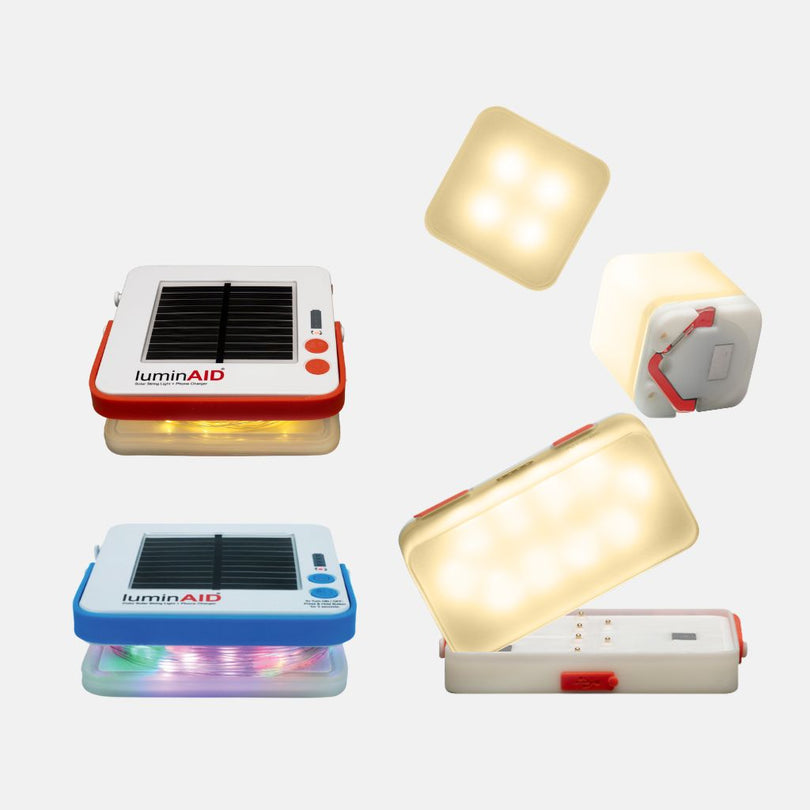
If you want to round out your family camping setup with dependable off-grid light and phone charging, LuminAID makes portable solar lanterns designed for campsites, emergency kits, and power outages alike. Their gear fits the way experienced campers pack. Light, compact, and useful long after the trip ends.