

You’re probably packing for a campout, a day hike, or a longer trek and staring at a small pouch labeled “first aid,” wondering if it’s enough. Most scout first aid kits start out as a handful of bandages and a tube of ointment. That’s fine for a scraped knuckle at the trailhead. It’s not enough when a scout twists an ankle at dusk, develops a hot spot halfway through the day, or needs care in wind, rain, and fading light.
A good scout first aid kit is never just a bag of supplies. It’s a working system. The kit has to match the trip, the person carrying it has to know where everything is, and the patrol or crew has to be able to use it under stress. That’s where most kits fail. Not because they’re missing something dramatic, but because they weren’t built for real use.
Why Every Scout Needs More Than Just a First Aid Kit
A minor injury gets harder fast when conditions turn against you. On the trail, the problem usually isn’t the cut, sting, or sprain by itself. The problem is poor light, wet gear, cold hands, scattered supplies, and a group that’s tired and wants to keep moving.
That’s why preparedness in scouting has always meant more than carrying a pouch with medical items inside. A scout first aid kit matters, but so do judgment, access, and practice.

The kit is only one part of readiness
The strongest kits I’ve seen all have the same trait. They’re built around likely problems, not around a generic shopping list. For scouts, that usually means blisters, small cuts, irritated bites, splinters, minor burns, and the first response to a bigger issue until help takes over.
A basic pouch helps with those jobs, but it doesn’t solve these common trail failures:
- Bad visibility: You can’t clean or inspect a wound well if you can’t see it.
- Poor organization: Supplies buried at the bottom of a pack waste time.
- No customization: A flatland day hike and a multi-day backcountry trip don’t ask the same things of a kit.
- No skills: Even a well-stocked pouch won’t help much if nobody knows how to use tape, gauze, gloves, or a CPR barrier.
Practical rule: Pack your kit for the problem you’re most likely to face, then add a few items that help you manage the moment around the injury.
Scouting has treated first aid as a skill for a long time
This isn’t a new idea. Scouting organizations helped shape the very idea of youth-focused emergency preparedness. In 1925, Johnson & Johnson introduced the Boy Scout First Aid Kit, designed specifically to teach Boy Scouts proper first aid techniques during camping and hiking and to standardize portable medical supplies for young adventurers, as noted in the timeline of first aid history.
That history matters because it explains what a scout first aid kit is supposed to do. It isn’t just there to hold supplies. It’s there to support training and decision-making in the field.
What works and what doesn’t
What works is simple. A compact kit, packed the same way every time, matched to the outing, and carried by someone who’s practiced with it.
What doesn’t work is just as predictable:
A cheap zip pouch full of random supplies looks prepared at home and falls apart on the trail.
The best scout leaders and trail guides I know don’t chase impressive-looking kits. They build dependable ones. They know why each item is there, what they’ll use it for first, and what they’ll improvise if a situation stretches beyond the basics.
The Official Scout First Aid Kit Checklist
The official personal scout first aid kit is a strong starting point because it focuses on the injuries scouts run into most often. According to the Scouts BSA first aid kit guidance, the handbook-specified personal kit includes 6 latex-free adhesive bandages, 2 sterile 3x3” gauze pads, adhesive tape, moleskin, sanitizing gel, triple antibiotic ointment, hydrocortisone cream, scissors, tweezers, gloves, and a CPR breathing barrier, and that combination is designed to cover over 95% of minor wounds and blisters encountered in typical scouting activities.
That list is lean on purpose. It handles common problems without turning a personal kit into dead weight.
Essential Scout First Aid Kit Contents
| Item | Quantity | Primary Use |
|---|---|---|
| Latex-free adhesive bandages | 6 | Cover small cuts, scrapes, and abrasions |
| Sterile 3x3” gauze pads | 2 | Dress larger scrapes or wounds |
| Latex-free adhesive tape | 1 small roll | Secure gauze, padding, or improvised dressings |
| Moleskin | 1 piece, 3x6” | Protect and manage blisters or hot spots |
| Soap or alcohol-based hand sanitizing gel | 1 small amount | Clean hands before treatment |
| Triple antibiotic ointment | 1 small tube | Support care for minor skin wounds |
| Hydrocortisone cream | 1 small tube | Calm itchy rashes, bites, or skin irritation |
| Scissors | 1 | Cut tape, gauze, or moleskin |
| Tweezers | 1 | Remove splinters, debris, or ticks when appropriate |
| Disposable latex-free gloves | 1 pair | Barrier protection during care |
| CPR breathing barrier | 1 | Safer rescue breathing support |
For a parent building a first kit or a patrol leader checking several at once, this is the baseline. If a scout doesn’t have these items, the kit isn’t ready yet. If they do have them, then it’s time to think about access, packaging, and trip-specific additions.
Why each item earns its place
A few items do more work than people expect.
- Moleskin: This is one of the most useful items in the whole kit. Blisters can shut down a hike faster than a small cut.
- Tweezers and scissors: These aren’t glamorous, but they save frustration. Good tools reduce fumbling and make treatment cleaner.
- Gloves and sanitizer: They’re easy to skip until you need them. Then they become the difference between rushed care and controlled care.
Some scouts want to replace this list with a large store-bought kit. That usually adds bulk without improving response to the most common issues. A personal scout first aid kit should stay small enough to carry every time, not big enough to leave in the car.
A better way to audit the basics
When checking a scout’s kit, don’t just ask, “Is everything in there?” Ask these three questions:
- Can the scout find each item quickly
- Are the items still usable and sealed
- Does the scout know what each item is for
If you want a side-by-side reference while building or restocking, this first aid kit supplies guide is a useful companion for reviewing core items and their uses.
Customizing Your Kit for the Adventure Ahead
The kit that works for a short walk from camp to the waterfront is rarely the kit I want on a long ridge hike after sunset. Distance, weather, water exposure, and group experience all change what goes wrong and how quickly you need to respond.

A standard scout first aid kit covers routine problems. Customizing starts when the trip adds friction. Wet gear, rough footing, bug-heavy camps, cold hands, and late finishes all make simple care harder. The goal is not to carry more for the sake of it. The goal is to carry the items that solve the problems your trip is likely to create.
Match the kit to the trip
Start with the route and conditions, then adjust the contents.
- Terrain: Rocky trails, steep descents, and uneven ground justify extra blister care, elastic wrap, and a little more gauze than usual.
- Weather: Rain, humidity, and river crossings make waterproof packaging a priority. Dry supplies matter more than extra supplies.
- Duration: Longer outings call for duplicates of the items scouts use, especially bandages, moleskin, tape, and gloves.
- Group profile: Younger scouts, new hikers, and larger patrols tend to need more help with small problems before those problems grow.
The pattern is easy to miss until you have seen it a few times. A dry, hot hike wears on skin and hydration. A damp wooded camp wears on feet, tape, and anything packed loosely. A paddling day raises the value of waterproof storage, quick access, and a backup light if treatment starts near dusk.
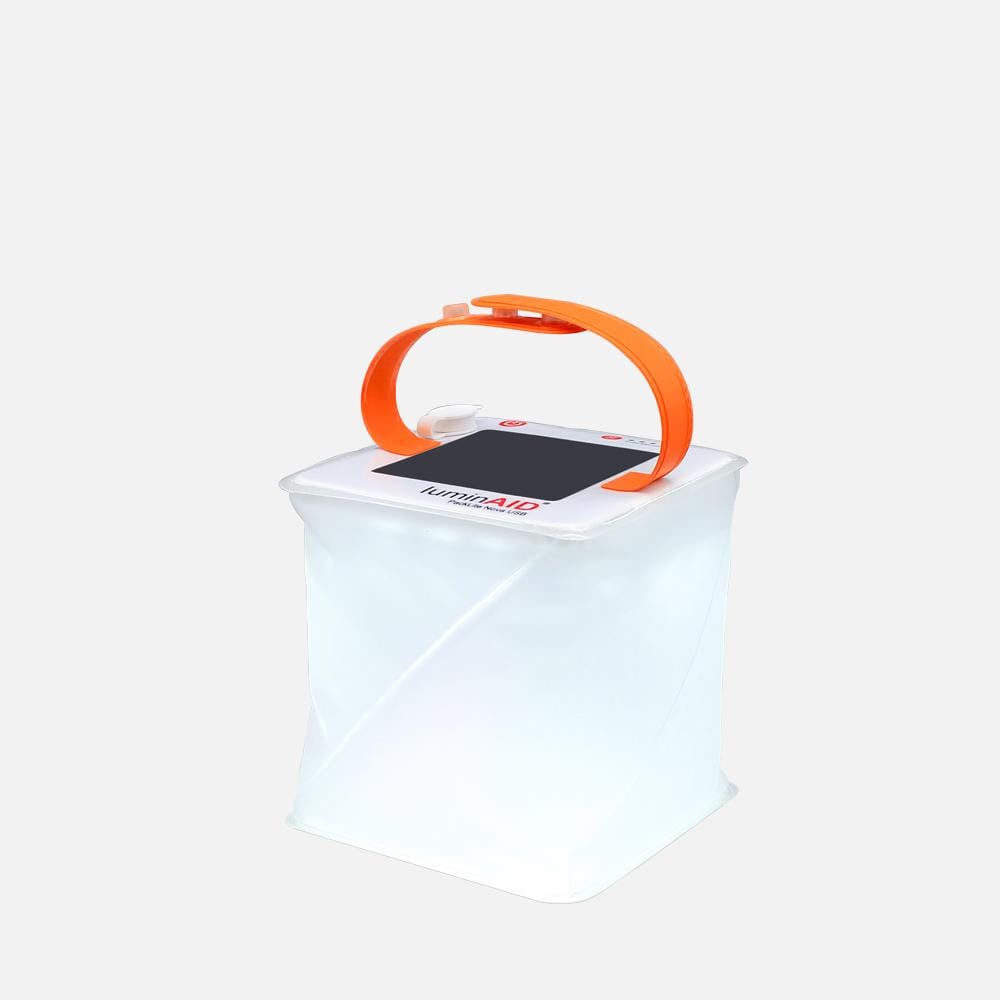
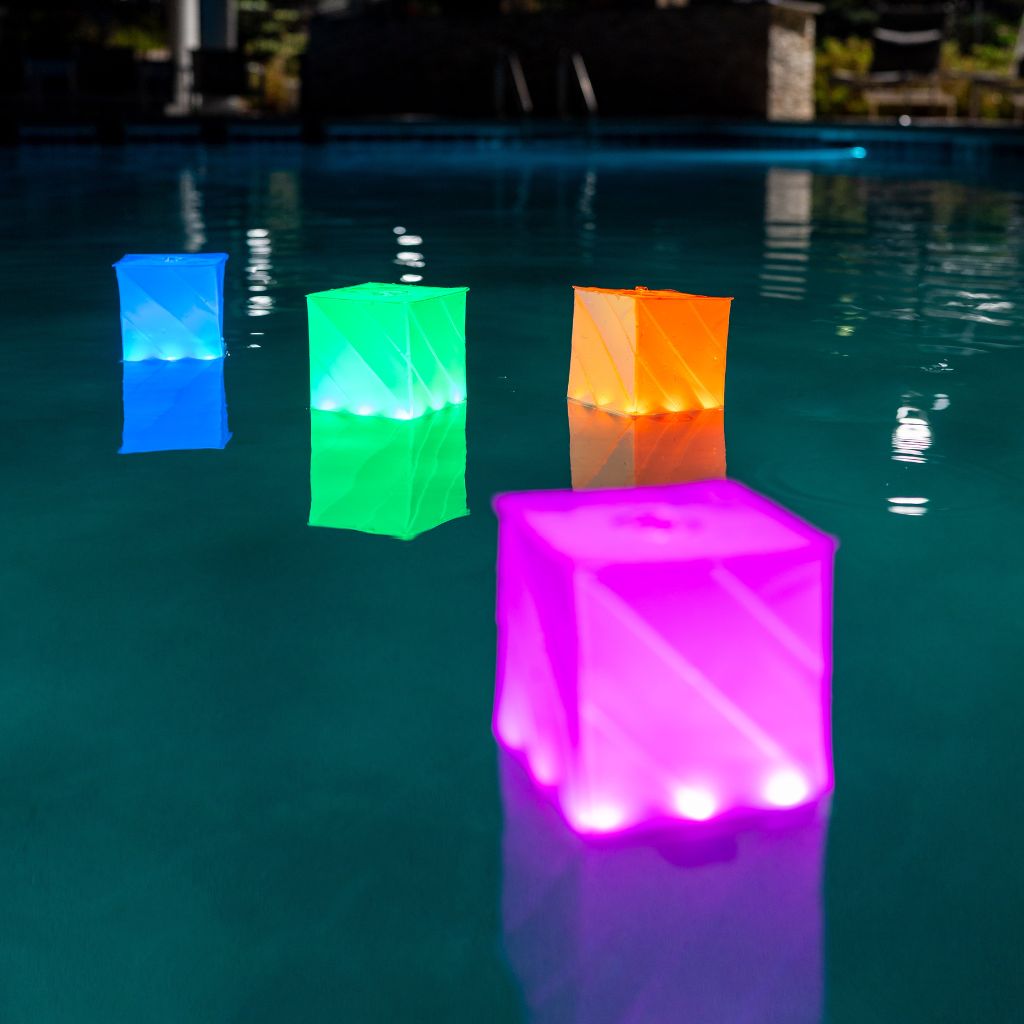
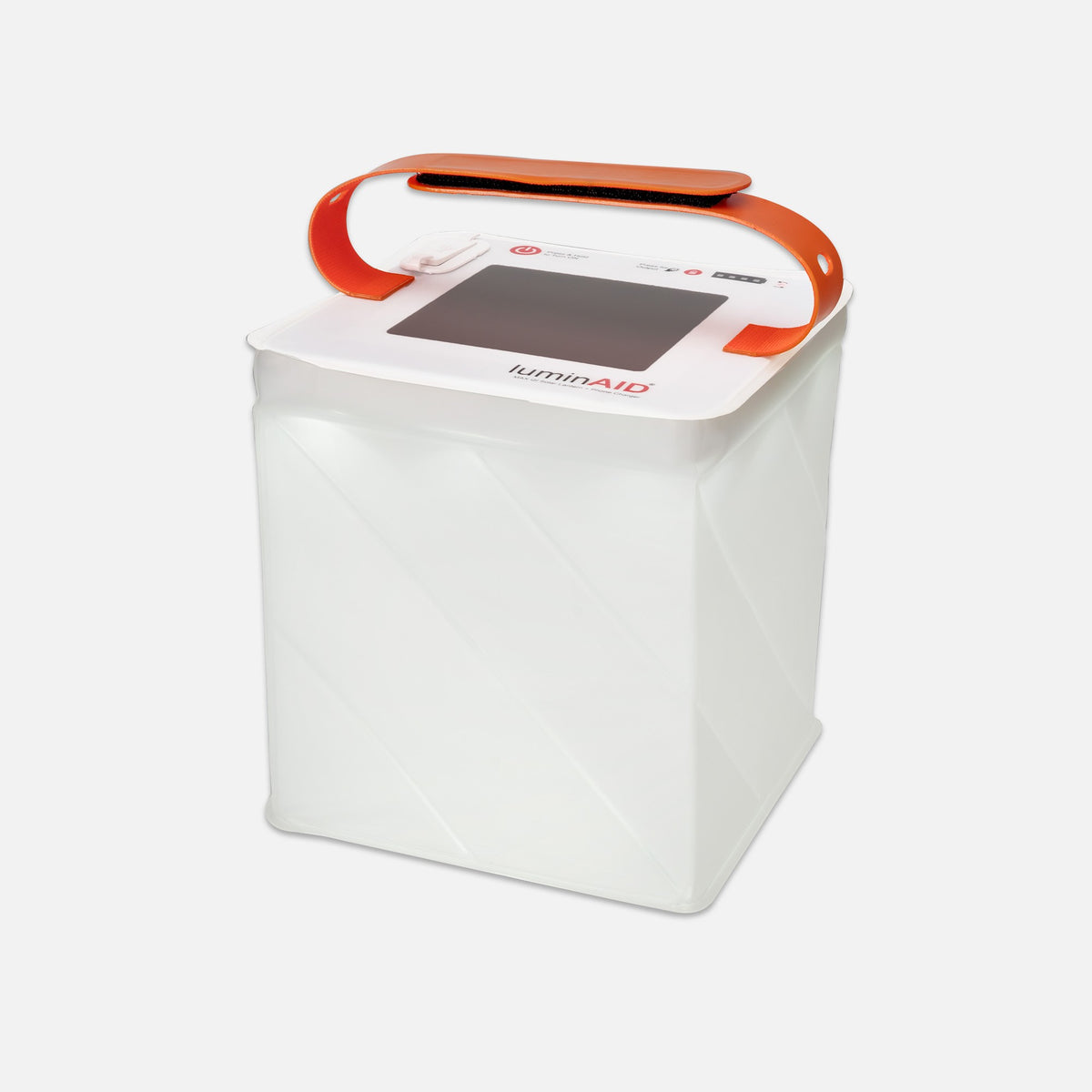
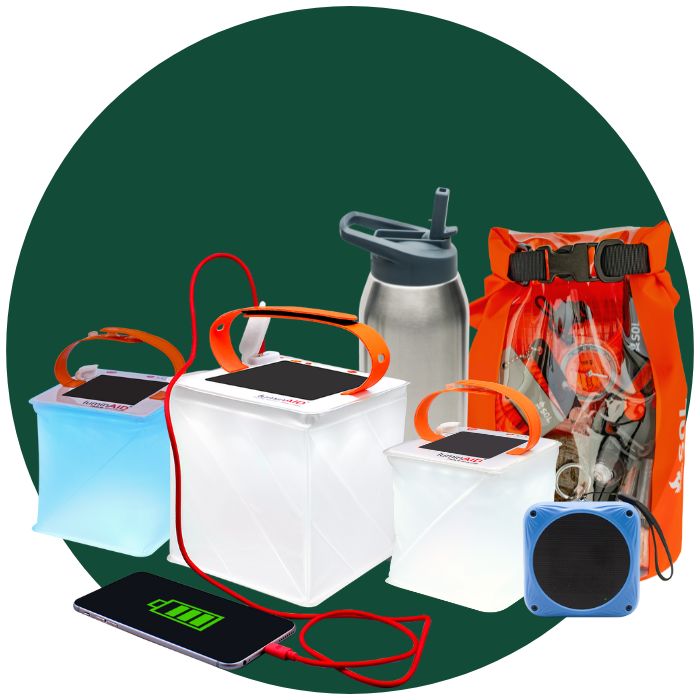
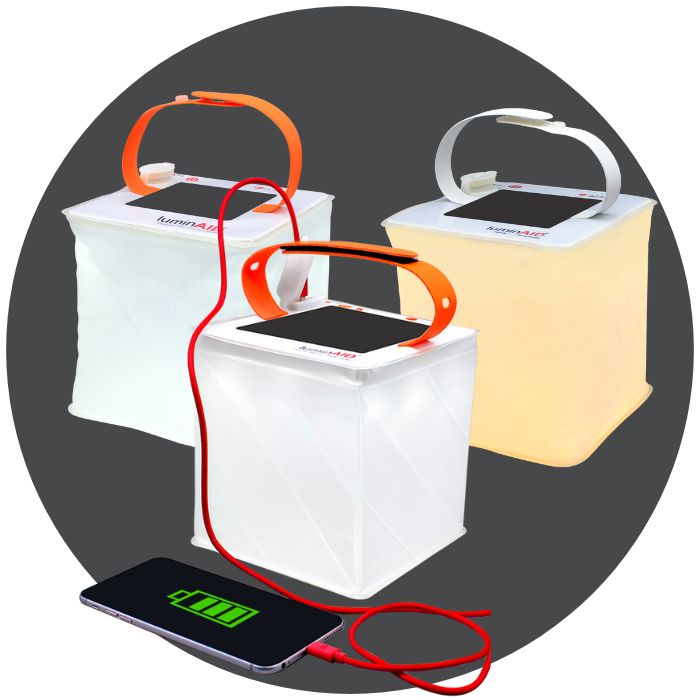
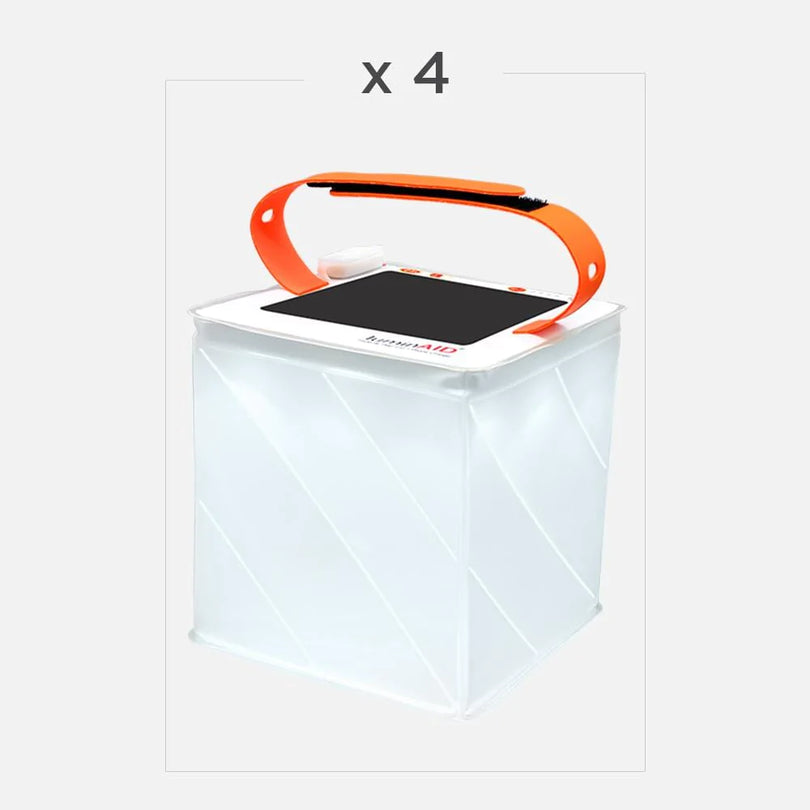
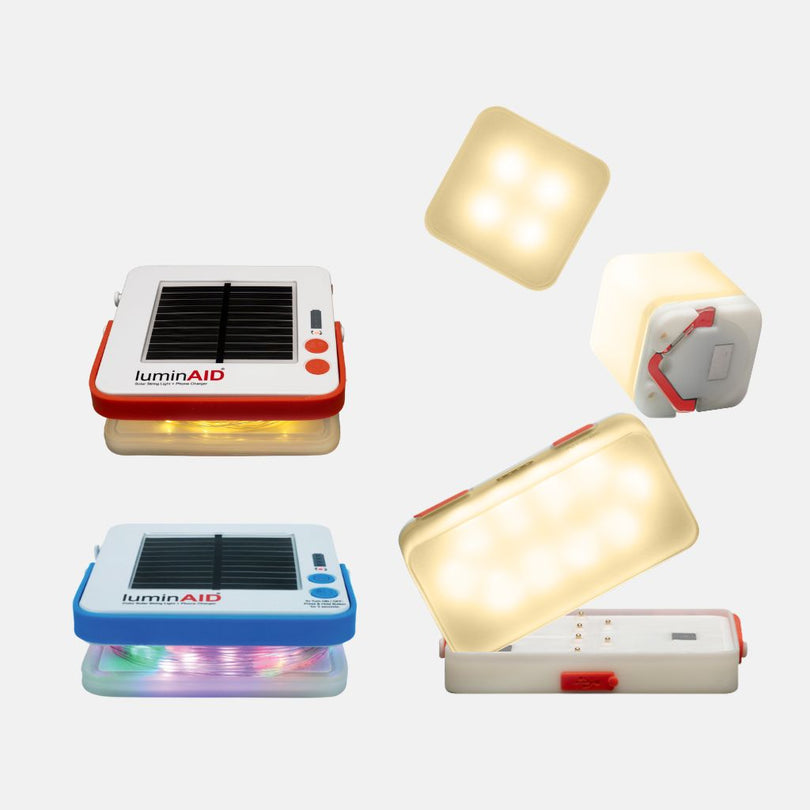
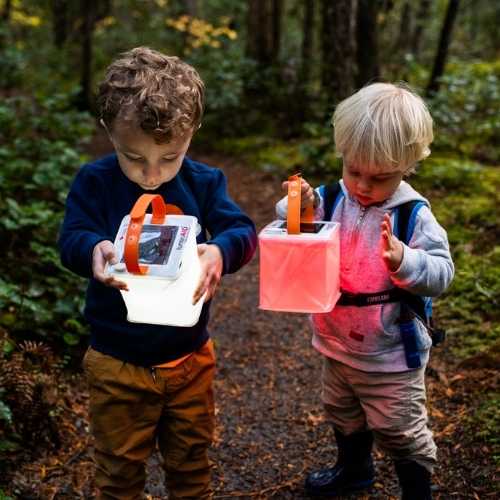
That last point gets overlooked. Modern trip planning should account for low-light care and communication, not just bandages and ointment. If your outing may run late or involve storms, it helps to review practical solar lantern options for camping and emergency use while you choose the rest of the kit.
Add-ons that make sense
Trip-specific additions should earn their space. Good examples include antihistamines for insect-heavy areas, extra blister supplies for high-mileage days, and more gloves for group events where one kit may get used on several scouts.
Medications and treatment items also need adult oversight, clear labeling, and unit policies that match the outing. Carry only what trained leaders are prepared to use correctly. A bulky pouch full of “just in case” items often slows response because the useful gear gets buried under items nobody needs.
Customization means matching likely problems to practical tools.
Build your own or buy pre-made
Pre-made kits save time, but many are packed for store shelves instead of trail use. Small single-use packets tear badly, low-quality scissors bend, and odd assortments take up space that should go to the items scouts use most.
Building your own kit usually works better when you know the trip, know your group, and have learned which supplies hold up outdoors. Many leaders settle on a preferred tape, blister treatment, pouch layout, and waterproof bag system after a few seasons. That experience matters.
A pre-made kit can still be a good starting point. Some leaders use a compact pouch from brands such as Adventure Medical Kits, then remove weak items and restock it with supplies that fit actual scouting trips.
The container matters as much as the contents. For personal carry, a soft zip pouch usually rides better in a pack than a hard plastic box. It wastes less space, handles trail abuse better, and lets you organize supplies in flat inner bags so the right item is easy to grab fast.
Add Light and Power for Modern First Aid
Traditional first aid advice still treats light like an accessory. On real trips, it often decides whether care is quick and clean or slow and sloppy.
A scraped shin in daylight is routine. The same injury in low light becomes a different problem. You struggle to see dirt in the wound, tape doesn’t go where you want it, another scout is holding a dim flashlight at the wrong angle, and supplies disappear into the bottom of a pack.
The gap is well documented. A review of first aid guidance in Scouting Wire notes that emergency lighting gets limited emphasis, with flashlights treated as peripheral even though poor visibility directly affects wound assessment and effective first aid administration in low-light emergencies.

Why light belongs in your response plan
Good lighting improves first aid in three practical ways.
- Assessment gets cleaner: You can inspect skin color, swelling, debris, and bleeding more accurately.
- Hands stay free: A headlamp or area light beats having one scout hold a flashlight every time.
- Group control improves: Better light calms the situation. People can see what’s happening and move with less confusion.
That last point gets overlooked. In a group setting, the patient isn’t the only concern. You also need the rest of the patrol to avoid tripping, crowding the scene, or wandering off while attention is divided.
Flashlight, headlamp, or lantern
Each tool does a different job.
| Tool | Best use | Limitation |
|---|---|---|
| Headlamp | Hands-free treatment and movement | Narrow beam can create harsh shadows |
| Small flashlight | Focused inspection | Ties up a hand |
| Lantern or area light | Broad light for group treatment area | Less precise for close examination |
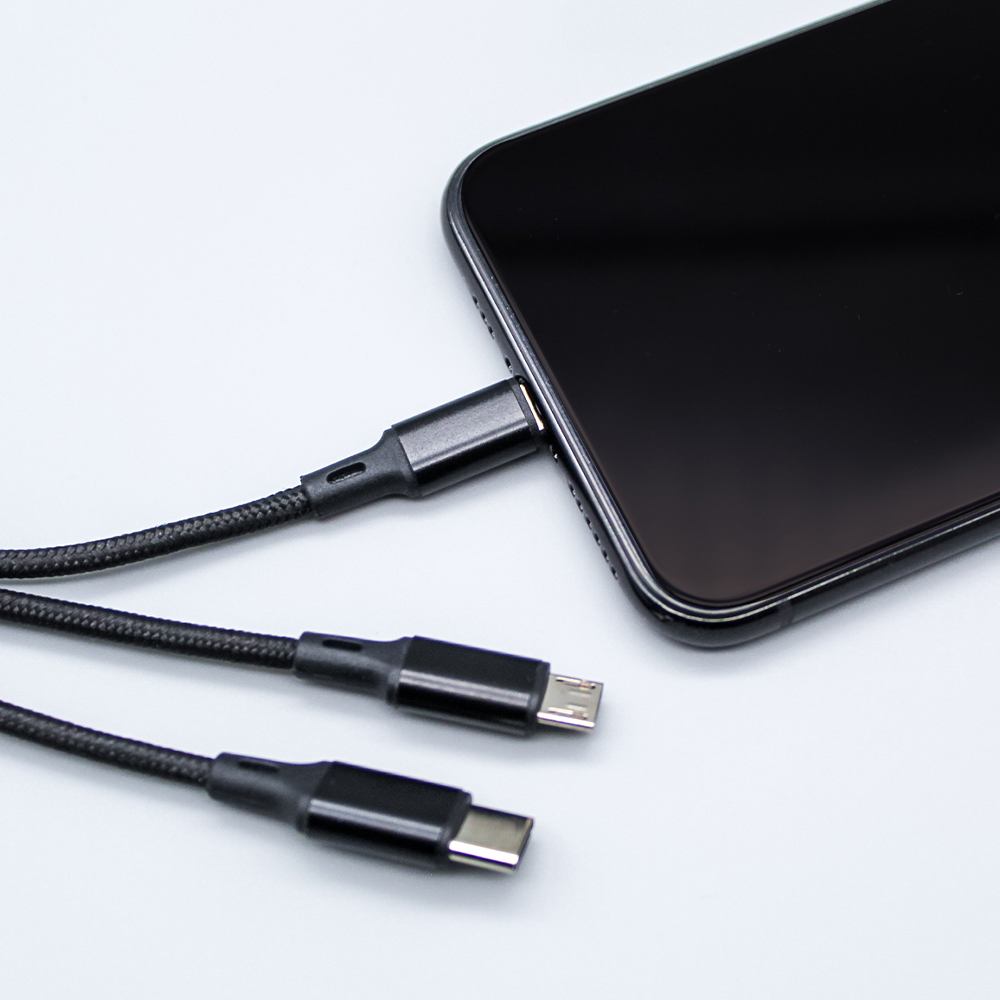
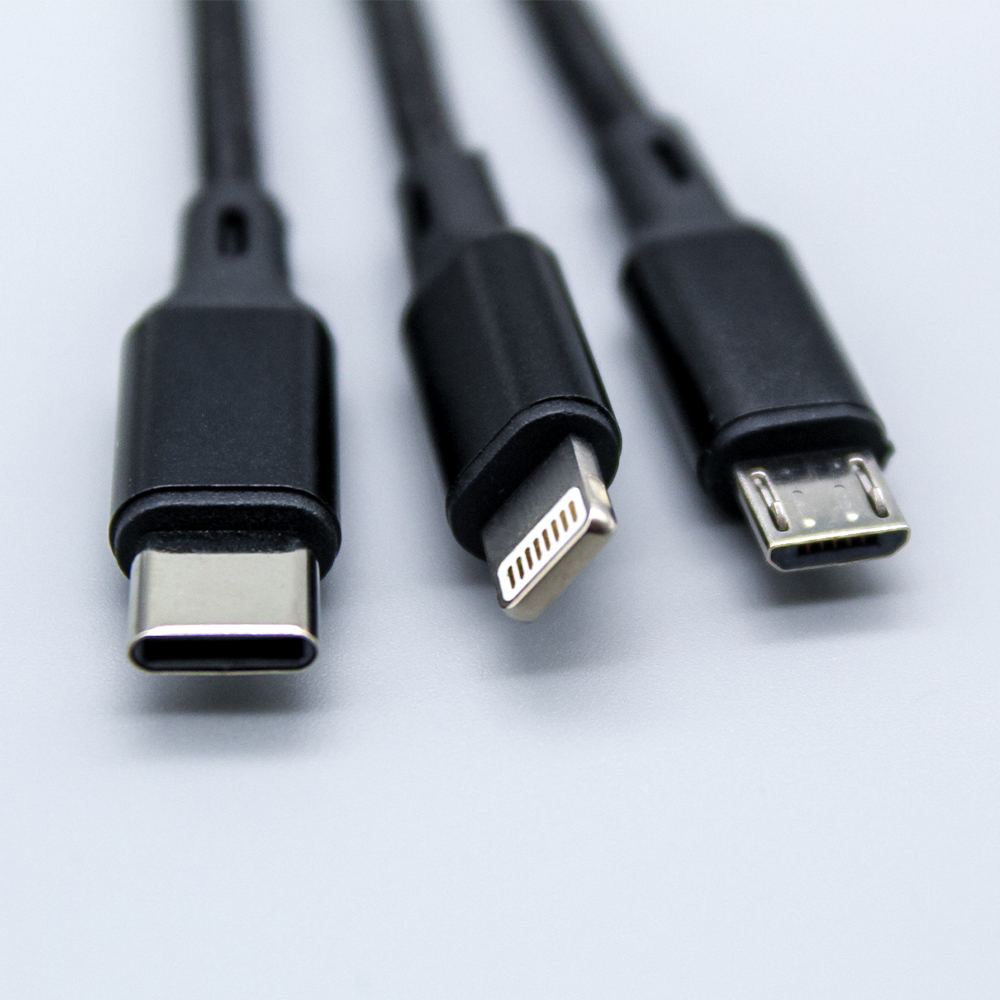
| Power bank | Keeps phones and small electronics alive | Needs planning and charging discipline |
A lot of scouts already carry a flashlight. That’s good, but it isn’t complete. Focused beam light helps you inspect a splinter or check a bandage. Broad ambient light helps you organize the treatment area, sort supplies, and keep multiple people oriented.
If you’re evaluating off-grid options for camp use, this overview of solar lanterns for camping is worth reviewing because it frames lighting as camp infrastructure, not just convenience gear.
Power matters too
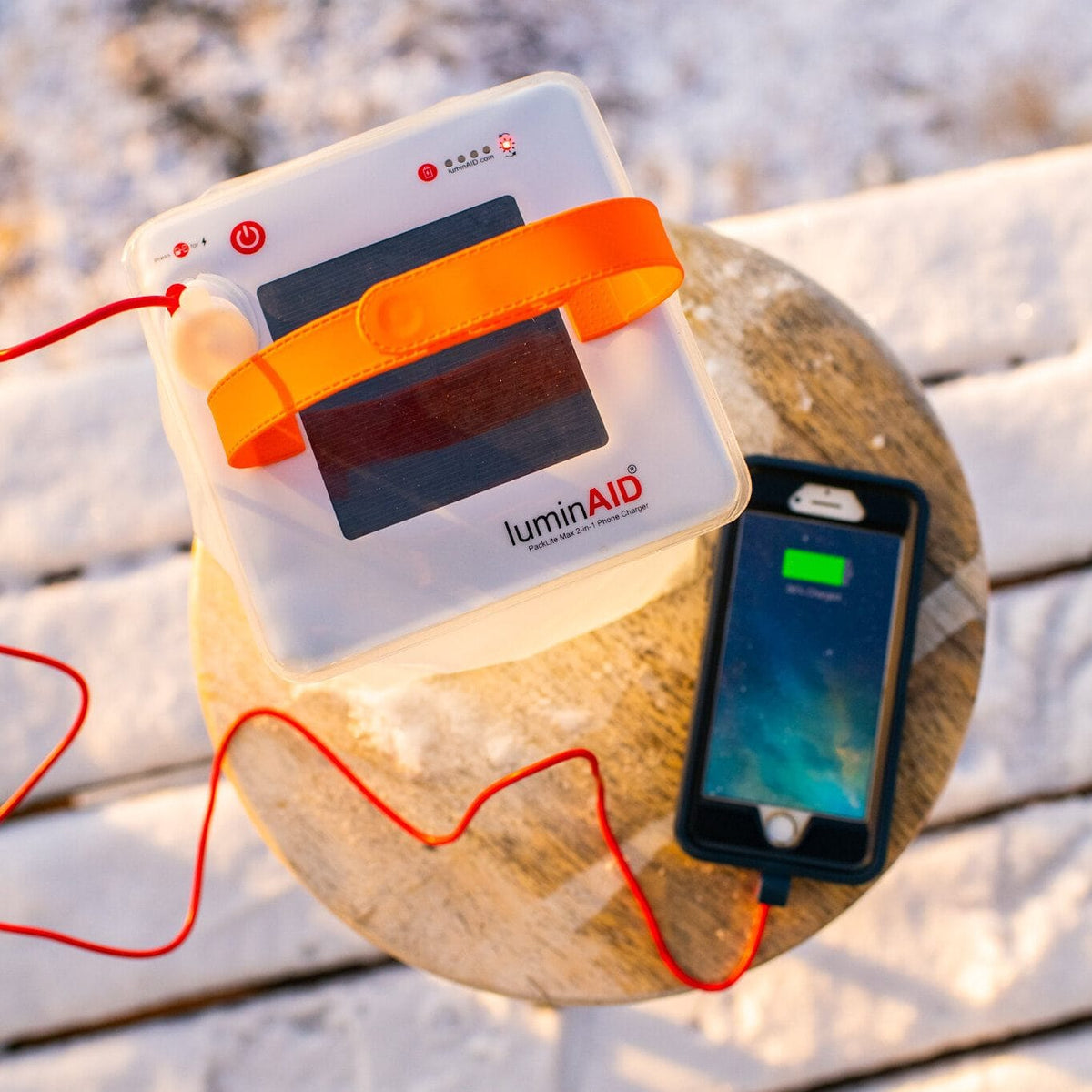
Modern first aid also depends on communication. If your phone is your weather source, emergency contact device, map backup, or coordination tool, then keeping it powered has direct safety value.
What doesn’t work is treating battery power as someone else’s problem. Every group eventually finds out that one dead headlamp or drained phone changes the entire tone of an evening incident.
Bring enough light to treat the injury, enough ambient light to control the scene, and enough stored power to communicate if plans change.
How to Pack Your Kit for Rapid Response
Most kits are packed for storage, not for use. That’s the core mistake. A scout first aid kit has to work fast when someone is wet, tired, embarrassed, or hurting.
If you need to dump the whole pouch onto a picnic table to find gauze, the kit is poorly packed. If you can reach in and pull exactly what you need by feel, the kit is ready.

Pack by task, not by product type
The best organization method is modular. Group items by what you do with them, not by what they are.
A simple field layout looks like this:
- Quick access: Bandages, tape, moleskin, gloves
- Wound care: Gauze, ointment, sanitizer
- Tools: Scissors, tweezers, CPR barrier
- Medications and creams: Hydrocortisone and any trip-specific additions approved for the outing
This setup keeps the first-response items front and center. It also prevents the common problem of digging past low-use items to get to the basics.
Use small internal bags
Clear zip bags or slim pouches inside the main kit work better than one large compartment. Labeling helps younger scouts, but color-coding is often faster under stress.
What matters is consistency. Pack the kit the same way every time and return items to the same spot after use.
Don’t organize for neatness. Organize for the moment when someone says, “I need that now.”
Waterproof the parts that must stay dry
A water-resistant outer pouch is good. Internal protection is better. Ointments can leak, tape can fail, gauze can absorb moisture, and labels can smear.
Use a layered approach:
- Outer pouch: Durable and easy to open
- Inner bags: Separate dry items from creams and gels
- Critical-item protection: Keep gauze and blister care especially well sealed
For scouts packing light and trying to avoid clutter, this guide on how to pack your LuminAID lights has a useful lesson that applies beyond lighting gear. Soft, compressible equipment only helps if it’s packed where you can reach it when conditions turn.
A well-packed kit feels almost boring during inspection. That’s a compliment. Boring kits are usually the ones that perform best.
Maintaining Your Kit and Your Skills
A scout reaches for the kit at dusk after a bad stumble on wet ground. Hands are muddy, the light is fading, and the bandage you packed six months ago is still there, but the tape has gone weak and the headlamp battery is dead. That is how small maintenance failures turn a simple first aid job into a slow, messy one.
A scout first aid kit stays ready because someone checks it, uses it thoughtfully, and fixes what time and weather wear down.
Check the kit on a schedule
Tie inspections to real scouting habits. Check the kit before each outing. Do a slower review twice a year, or more often if the kit sees regular use in camp, on hikes, or in vehicles.
Look for the problems that show up in the field. Empty glove slots. Cracked ointment packets. Gauze wrappers with pinholes. Rust on scissors. Dead batteries in any light you keep with the kit. If you carry a small power bank or solar light as part of your emergency setup, test that too. Low-light care is part of first aid now, not a separate category.
A short maintenance routine works well:
- Replace used items: Refill them as soon as you get home.
- Check dates: Review creams, ointments, and medications.
- Test tools: Make sure scissors cut and tweezers still grip.
- Inspect light and power: Confirm lanterns, headlamps, or backup chargers still work.
- Reset the layout: Put everything back where your hands expect to find it.
One practical fix helps a lot. Keep a refill bin at home with the supplies you use most often. Tape, gloves, gauze, blister care, and antiseptic packets disappear first. If replacements are already on hand, the kit gets restored the same day instead of sitting half-stocked until the next trip.
Skills matter as much as supplies
Good gear does not close the gap for a scout who has never practiced. Calm, simple actions do.
Scouting has recognized that for a long time. Girl Scouts formalized first aid training and kit usage in 1913, and by the 1920s had partnered with the American Red Cross to offer certification in half the standard time, reinforcing the idea that tools only work when the person carrying them knows how to use them, as described in the history of the Girl Scout First Aid badge.
The scouts who handle minor injuries well are usually not carrying the biggest pouch. They are the ones who can put on gloves quickly, clean a scrape without fumbling, protect a hot spot before it becomes a blister, and work in poor light without losing track of what they are doing.
Practice a few core tasks
Practice should be short and repetitive. A ten-minute session at a meeting does more good than one long lesson nobody repeats.
Focus on tasks scouts are likely to use:
- Blister care: Find the moleskin and apply it cleanly.
- Wound dressing: Open gauze and tape without contaminating them.
- Glove use: Put them on fast and dispose of them properly.
- Tool access: Retrieve tweezers or scissors without dumping the whole pouch.
- Low-light response: Turn on your light source and treat the problem without needing both hands free at the wrong moment.
That last point gets missed in a lot of kit advice. Injuries do not wait for daylight. A compact lantern, charged headlamp, or small backup power source can matter just as much as one more roll of tape when you need to clean a wound after sunset or call for help from a dead phone.
If your outing includes backcountry travel, it also helps to practice simple improvisation. The handbook-based guidance for scout kits includes a clear splinting approach when supplies are limited: assess for fracture signs, secure a rigid object with tape, pad with moleskin or gauze, immobilize above and below if possible, and check circulation every 15 minutes while moving toward medical help, as noted earlier in the Scout Shop guidance.
The standard of readiness
A ready kit has current supplies, a layout you know by touch, and a user who has rehearsed the basics enough to stay useful under pressure.
That is what matters in scouting. A system that works in rain, cold, fading light, and the usual confusion of group trips. If your kit can handle a scraped knee at noon, a blister at mile five, and a minor wound after dark with enough light to see and enough power to communicate, it is doing its job.
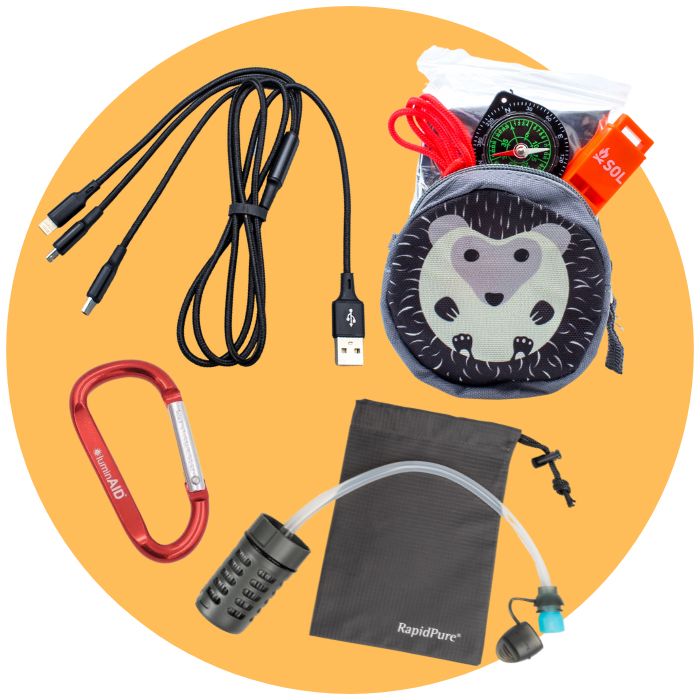
If you want to strengthen the one part of first aid planning many scouts still overlook, add dependable off-grid light and backup power to your emergency setup. LuminAID makes portable solar lanterns and phone chargers that fit naturally into camping kits, go-bags, and family emergency gear, especially when you need safe light without disposable batteries.