

A storm rolls through after dinner. The HVAC stops, the router goes dark, and the refrigerator begins its quiet ticking in the kitchen. A phone showing 23% battery suddenly has three jobs: flashlight, weather-alert receiver, and connection to relatives.
Households with a labeled outage bin in the hall closet handle that moment differently from households searching junk drawers for batteries. The difference isn't expensive technology. It's having the right equipment together, charged, tested, and matched to the likely duration of the outage.
The right answer to what to buy for a power outage depends on risk. A short interruption calls for dependable lighting and phone charging. An overnight or multi-day event adds food, water, communications, sanitation, and larger power storage. A medically vulnerable household needs a separate plan for devices and medication. A practical starting point is this guide to what to do when electricity goes out, then a shopping system built around the home's actual needs.
Table of Contents
- When the Lights Go Out and You Don't
- The Core Outage Shopping List by Category
- Sizing Portable Power for Your Outage Risk
- Keeping Food Safe and Water Stocked
- Lighting Options That Actually Work in the Dark
- Communications and Medical Needs You Cannot Skip
- Your Tiered Outage Kit and Final Checklist
When the Lights Go Out and You Don't
The refrigerator is still cold during a brief blackout, but the home changes quickly after dark. Phones become flashlights, weather-alert receivers, and family lifelines. If someone relies on a CPAP machine, medication refrigeration, or powered medical equipment, an ordinary flashlight-only kit is inadequate.
Build the kit by outage length and household risk. For a short interruption, start with charged phones, hands-free lighting, and a reliable way to reach the breaker panel without crossing a dark room. An overnight or multi-day outage requires plans for food, water, temperature, communications, and sanitation. Medical needs create a separate power priority, not a small add-on.
Outages are a recurring household risk. A 2024 U.S. survey found that about 25.4% of households, approximately 33.8 million homes, experienced at least one outage in the previous 12 months, and about 70% of those households experienced an outage lasting six hours or more according to the cited survey data. That makes duration the first buying decision, rather than a flat checklist of emergency products.
Practical rule: Buy for the outage your household is most likely to face, then add one upgrade for the outage it cannot safely tolerate.
Start with light. A U.S. preparedness study of vulnerable adults found that 89% reported having a working flashlight and 97% had extra batteries, yet only 58% had a flashlight, spare batteries, and a 3-day supply of nonperishable food together in the study data. Store those supplies together, label the container, and test them before storm season.
For a typical suburban home, buy the short-outage kit first. Add larger power storage, cooling equipment, and medical backup only when local weather, outage history, location, or health needs demand them. Use this guide to what to do when electricity goes out to prepare the household routine, then shop for the gaps that routine reveals.
The Core Outage Shopping List by Category
Build the kit around outage length and household risk. A short interruption needs light, phone charging, water, food, and basic sanitation. A longer outage may require temperature control, larger power storage, or supplies for medical equipment. Store labeled items where everyone can reach them without searching in the dark.
Lighting and charging
Place one LED lantern in each main room and keep two headlamps in the central kit. Add a flashlight as backup, not as the only light source. For charging, buy a 20,000 mAh power bank minimum per household and a 12V car adapter, allowing a vehicle to serve as a charging point when the grid is down.
Skip candle tins, novelty lights, and cheap solar chargers that take too long to replenish several devices. Candles also create a fire risk as people move through a dark house. Test every light and charging cable before storm season.
Food and water
Store one gallon of water per person per day for at least three days, together with ready-to-eat, shelf-stable food that does not require heating. The Red Cross also advises keeping a 3-day supply for evacuation and a 2-week supply for staying home during a prolonged outage in its power-outage guidance.
Choose meals that household members will eat, and include a manual can opener. Skip food that depends on a working microwave, electric kettle, or stove unless you have a safe alternative cooking plan.
Heating and cooling
Match this category to the season. For cold weather, buy mylar blankets, warm layers, and hand warmers. For hot weather, select battery fans with a 20-hour or longer rated runtime.
Never use an outdoor propane heater, charcoal grill, or fuel-burning appliance indoors. Carbon monoxide can accumulate without warning, so indoor heating must come from equipment specifically rated for indoor use.
Safety and first aid
Choose a stocked ANSI-compliant first-aid kit, a manual can opener, and a whistle. Add work gloves if storms regularly leave branches, broken materials, or debris around the property. Skip novelty survival kits filled with tiny tools and undersized bandages. Your first-aid supplies should handle ordinary household injuries, not merely look complete in the packaging.
Sanitation
A 5-gallon bucket with a lid, heavy contractor bags, toilet paper, disinfecting wipes, and hand sanitizer provide a practical reserve when plumbing or water service becomes unreliable. Store these supplies away from food, while keeping them close enough to retrieve quickly.
| Category | Buy | Quantity | Skip |
|---|---|---|---|
| Lighting | LED lanterns, headlamps, backup flashlight | One lantern per main room, two headlamps | Candle tins and novelty click lights |
| Charging | 20,000 mAh power bank, 12V car adapter | One power bank minimum per household | Cheap solar chargers |
| Food and water | Water, ready-to-eat shelf-stable meals | One gallon per person per day for at least three days | Meals requiring electricity |
| Heating and cooling | Mylar blankets, warm layers, battery fan | One set per household member, plus a fan | Indoor propane heaters |
| Safety | ANSI-compliant first-aid kit, can opener, whistle | One central kit | Tiny novelty survival kits |
| Sanitation | 5-gallon bucket with lid, contractor bags, sanitizer | One bucket and a supply of bags | Unsealed waste containers |
Households preparing for children or several family members can use this emergency preparedness kit for a family as a planning reference. Keep the main bin on a low hall-closet shelf, not in a locked attic or behind seasonal decorations. Recheck batteries, food, water, medications, and seasonal items on a regular schedule.
Sizing Portable Power for Your Outage Risk
Choose portable power by outage length and household risk, not by the biggest battery label. For a short interruption, a power bank covers phones and small lights. A longer outage requires a power station when refrigeration, work equipment, medical devices, or several devices must keep running. Households with medical equipment should size for that equipment first, then add communication and lighting needs.
| Tier | Capacity | Outage Length | Devices Supported |
|---|---|---|---|
| Basic portable kit | 20,000 mAh power bank | Short interruption | Phones, small lights, limited USB devices |
| Extended portable kit | 500Wh or more | Overnight or longer | Small appliances, medical devices, mini-fridge |
| Recharge-supported kit | 500Wh or more with 20W or larger solar input | Prolonged outage | Phones, lighting, small electronics with recharge support |
The practical baseline is a 20,000 mAh power bank paired with a portable solar panel rated at 20W or more. This handles communication and low-power lighting, but it will not replace a power station. For refrigeration, medical equipment, or multiple devices, choose a 500Wh or larger portable power station.
Capacity is only one buying check. Compare the inverter's continuous and surge ratings, output voltage, connector types, and pass-through charging support. Confirm that the station can start and run the specific device, especially equipment with a motor or compressor. A station that has enough stored energy can still fail if its output rating is too low.
A common mistake is treating milliamp-hours and watt-hours as interchangeable. Battery voltage changes the conversion, and the mAh label alone does not show the usable supply. Use this guide to calculating battery watt-hours when comparing models.
For fixed backup systems or a whole-home plan, contact DLG Electrical for backup power instead of using a portable station as a substitute for professional installation. A power station supports selected loads. It cannot safely power an entire house unless the equipment and transfer arrangement are designed for that purpose.
Use this decision rule:
- Under four hours: buy the basic portable kit first.
- Four to 24 hours: step up to a power station if refrigeration, medical equipment, or work equipment matters.
- Longer outages: add a recharge plan. Solar input helps only when the panel, weather, placement, and available daylight can provide useful charging.
The right tier depends on the consequence of losing power. A phone-only household needs a different setup from one protecting medication, food, or essential work.
Keeping Food Safe and Water Stocked
Food safety is a time-and-temperature problem. Keep refrigerator and freezer doors shut during an outage. As the safe holding period nears its end, move perishables into a cooler with block ice. Check temperatures with a food thermometer, and discard questionable food instead of relying on smell or appearance.
Build the food bin around the first meal, not the ideal emergency menu. Place peanut butter, crackers, dried fruit, canned foods that can be eaten cold, and drinking water in a labeled, easy-to-reach section. Put cooking-required foods below them. Store a manual can opener with the bin, and keep a cooler and block ice where the household can reach them without searching the garage.
Food-safety rule: A thermometer and a closed refrigerator protect more food than a pantry filled with unfamiliar emergency meals.
Use an appliance thermometer to check for 40°F in the refrigerator and 0°F in the freezer. These thresholds support planning, but current local public-health guidance takes priority when conditions differ.
| Item or Zone | Safe Time Window | Temperature Threshold | Action Required |
|---|---|---|---|
| Closed refrigerator | Up to 4 hours in the stated planning guidance | 40°F refrigerator threshold | Keep the door closed, then assess food promptly |
| Half-full freezer | Up to 24 hours in the stated planning guidance | 0°F freezer threshold | Avoid opening it, then check food condition |
| Drinking-water reserve | At least three days of household coverage | No temperature threshold stated | Store sealed water and rotate it annually |
| Cooler | Depends on ice and temperature control | Keep perishable food cold | Use block ice and monitor with a thermometer |
For water, follow the household's outage tier. Store enough sealed water for one gallon per person per day, with 3 days for evacuation and 2 weeks for staying home during a prolonged outage. Rotate the supply annually so it stays usable and familiar rather than becoming forgotten emergency stock.
Skip MREs if nobody in the household will eat them. Skip giant water barrels when the property, storage space, and household demand do not justify them. Smaller sealed containers are easier to rotate, carry, and use. For a short outage, prioritize ready-to-eat food and accessible drinking water. For a longer outage, add cooling capacity, temperature checks, and a larger water reserve. Medical needs may require a separate food and water plan.
Lighting Options That Actually Work in the Dark
A blackout exposes weak lighting choices quickly. Use a tiered setup: short outages need accessible personal lights, longer outages need room coverage and spare power, and households with mobility or medical concerns need dependable paths that work without searching for a switch.
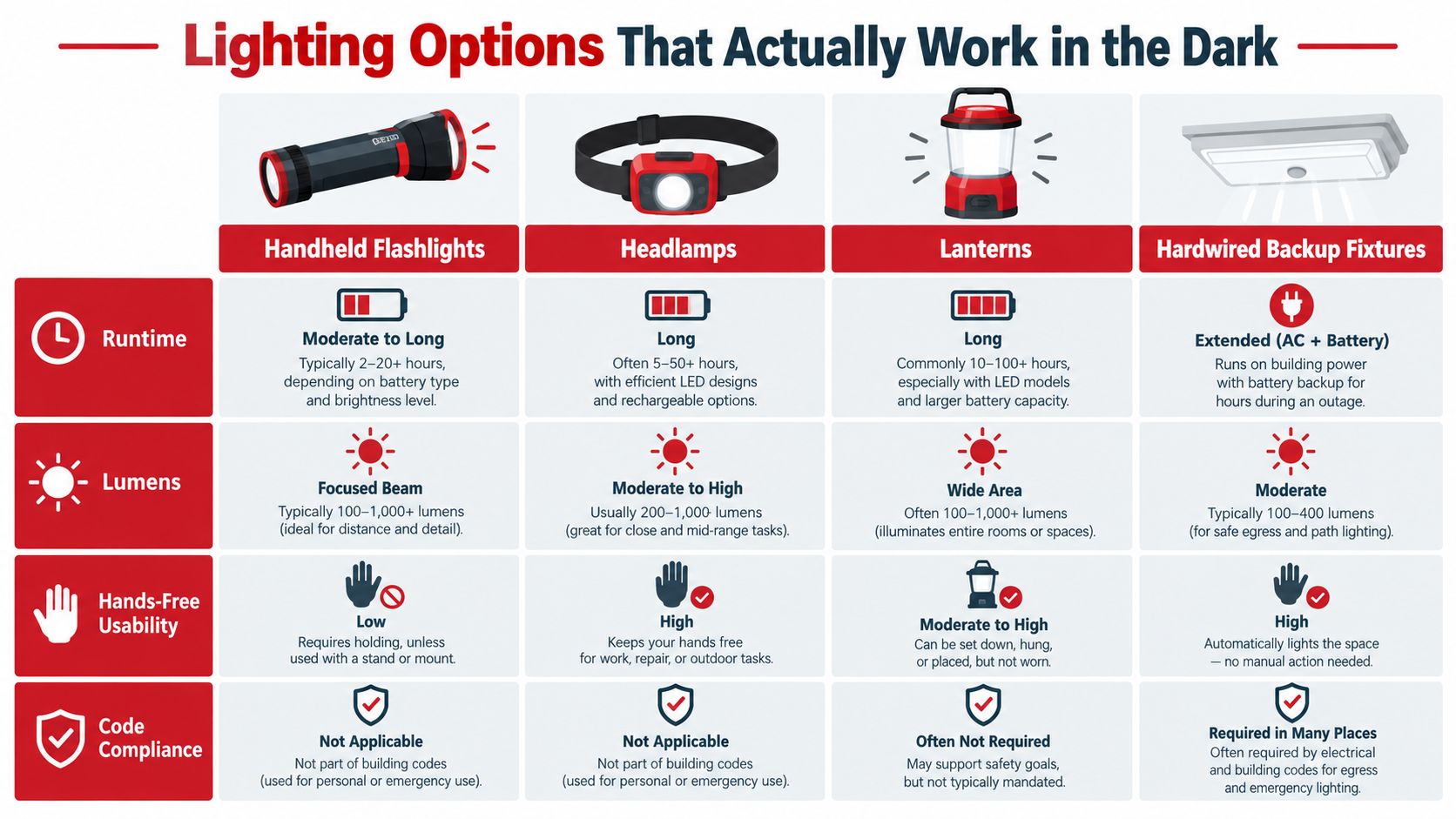
The four useful lighting families
Handheld flashlights belong beside beds, in vehicles, and in the central outage bin. Their focused beam helps you inspect a basement or find a tripped breaker. Store them where everyone can reach them, because a flashlight carried to another room is unavailable when someone else needs it.
Headlamps are the best task light for most household members. A 150-lumen minimum provides a practical starting point for walking through rooms, reading labels, and handling basic repairs. Aim for one per household member so nobody must surrender hands-free light during a stressful outage.
Lanterns light a room rather than a narrow path. Choose at least 300 lumens for a main-room lantern, with adjustable brightness to extend battery life when full output is unnecessary. Add LED tap lights or motion-activated nightlights for bathrooms and hallways. They reduce falls and conserve power, but they do not replace a main lantern.
Hardwired backup fixtures belong in a longer-outage or life-safety tier. Guidance calls for a hardwired design with at least 90 minutes of runtime, activation within 10 seconds of normal-power loss, and products listed to UL 924 or an equivalent standard in the Eaton emergency-lighting documentation. Rechargeable decorative lights provide comfort, but they may not meet automatic-transfer or egress requirements.
Lighting rule: Use lanterns for rooms, headlamps for hands, flashlights for direction, and code-listed fixtures for life-safety paths.
Skip cheap 9-volt click-on lights, candles except as a last resort, and oversized tactical flashlights that consume batteries quickly. If you want permanent emergency fixtures, hire a qualified lighting installation electrician to address placement, wiring, and code requirements.
A short demonstration can help your household compare lighting behavior during a blackout:
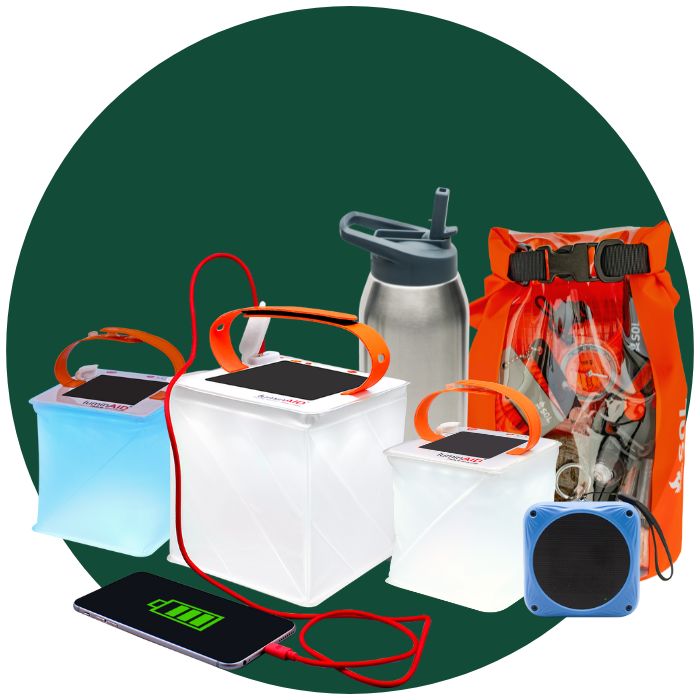
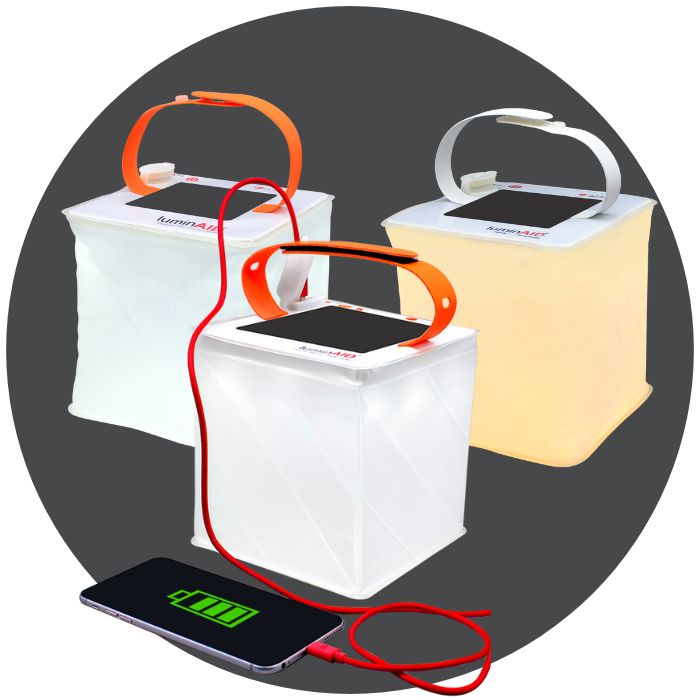
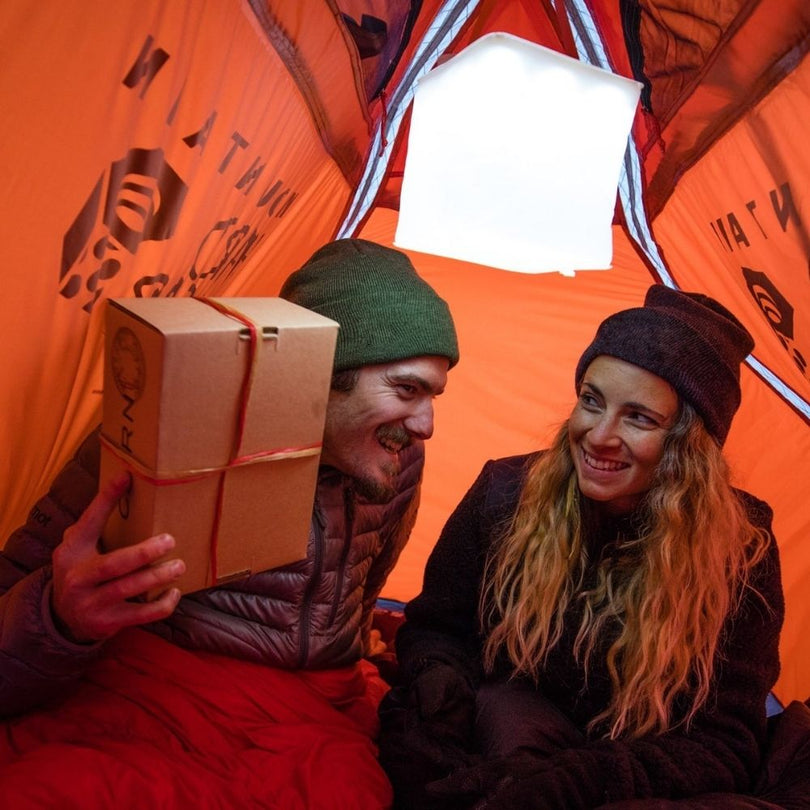
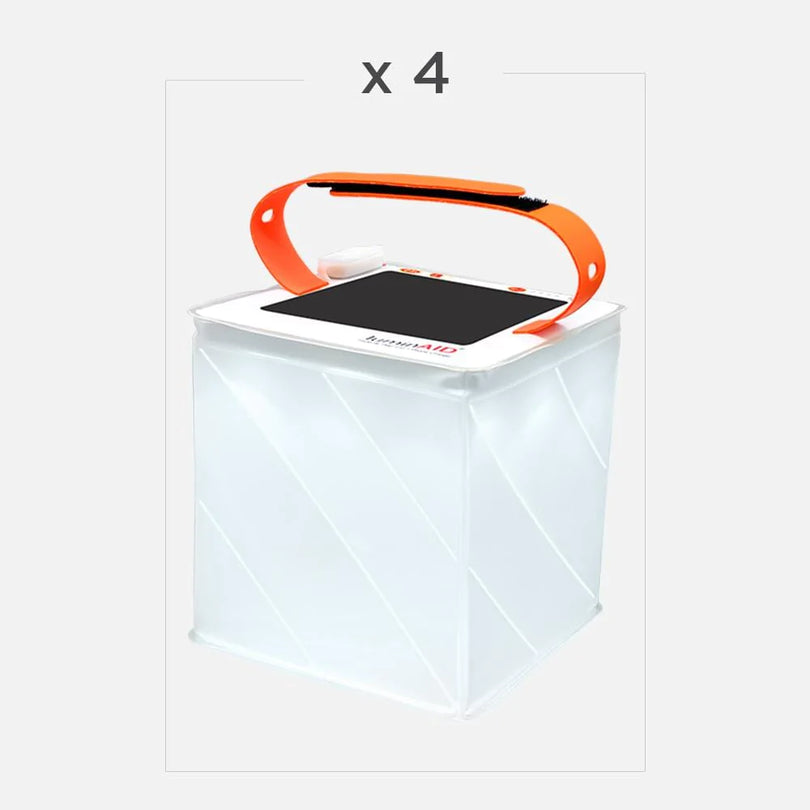
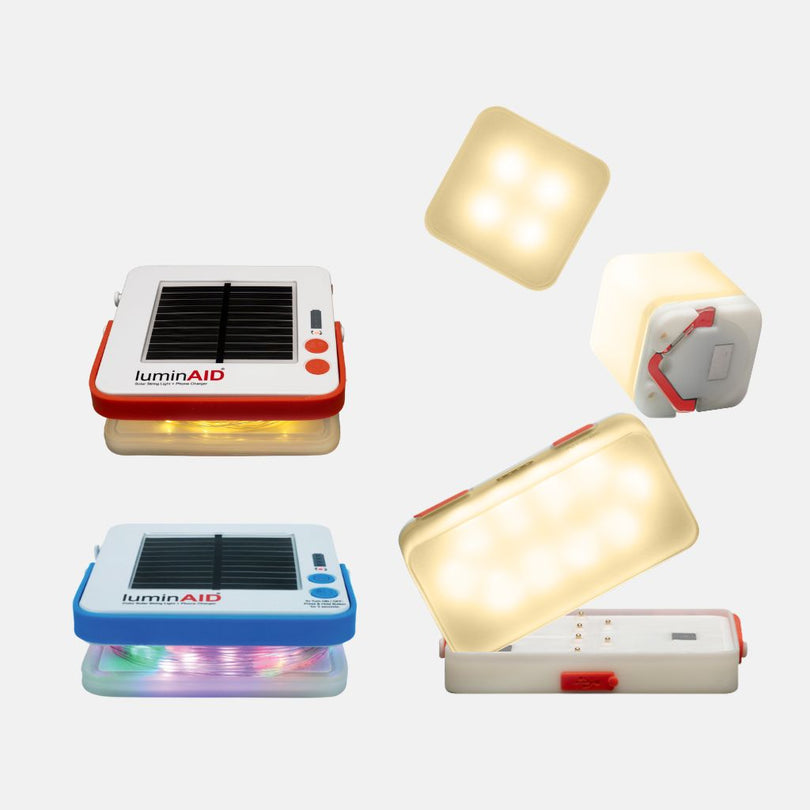
LuminAID's 2-in-1 Power Lantern combines portable lantern lighting with USB phone charging. Put it in the portable-lighting tier, not in place of a code-compliant hardwired emergency system.
Communications and Medical Needs You Cannot Skip
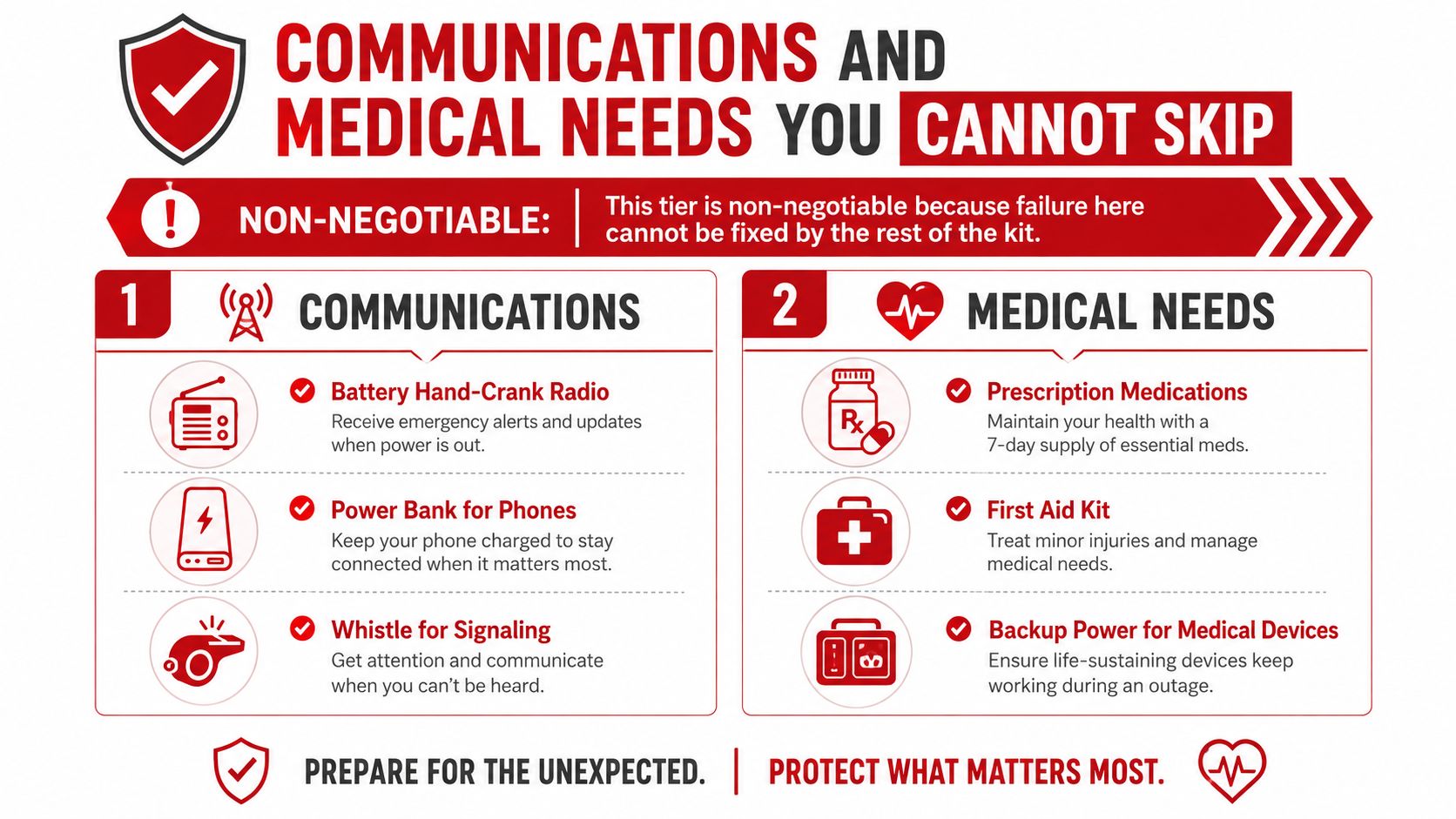
A blackout becomes a medical emergency faster than it becomes an inconvenience. Put communications and medical supplies in their own tier, then choose equipment based on the people and devices in your home. Extra blankets cannot replace a working radio, medication record, or power plan.
Communications equipment
Buy a battery-powered or hand-crank NOAA-compatible radio. Ready.gov emphasizes a NOAA Weather Radio with tone alert, and Red Cross guidance recommends a battery-powered or hand-crank radio, ideally NOAA-compatible, for alerts when grid power and internet access are unavailable in its power-outage guidance.
Keep a car charger that can charge a phone, a fully charged power bank, and a paper list of local emergency numbers. Write down the household evacuation meeting point and the contact details of someone outside the immediate area. Add a whistle, especially if children, older adults, or anyone with limited mobility may need to signal from another room.
Test the radio and charger before storing them. A device that works only when its battery is fresh belongs in the active outage kit, not in a forgotten box.
Medical readiness
Maintain a 7-day supply of prescription medication where possible, and store a written medication list with dosages in a sealed bag. Give hearing-aid batteries, glucose-monitor batteries, and other small power needs their own labeled pouch so they can be found quickly.
Power-dependent devices require a device-specific load calculation. A CPAP machine, oxygen concentrator, home dialysis equipment, or powered medication cooler may need a portable power station sized to its watt-hour draw. Record whether each device can run from a vehicle, whether its battery can be recharged, and who will contact the utility or medical provider.
Older adults often lack both a pre-prepared emergency supply kit and a specific medical care plan for outages in the reported findings. Write the plan before buying hardware. List the device, required power, backup method, charging location, medication needs, and the person responsible for checking on the user.
Skip a satellite messenger unless the household camps, works remotely, or lives in a fire-prone area with limited communication. Skip a bulky generator as a substitute for planning around the actual medical devices in use. A generator can supply power, but it does not replace medication records, alert access, or a tested device-specific plan.
Your Tiered Outage Kit and Final Checklist
A short outage needs fast access. An overnight outage needs cooling, food, water, and reliable charging. A multi-day outage requires sanitation, medication planning, and a tested recharge strategy. Build the kit in tiers so you buy for your household's actual risk instead of collecting random equipment.
Tier 1 for short outages
For interruptions up to four hours, place charged phones, a 20,000 mAh power bank, two headlamps, and one lantern in a hall-closet bin. Keep a flashlight in each bedside drawer. Store everything where you can reach it without opening the garage or climbing stairs.
Tier 2 for overnight events
For an overnight to 48-hour event, add a 500Wh or larger power station, cooler, block ice, NOAA-compatible radio, extra batteries, ready-to-eat food, and the household water reserve. Keep the power station and radio indoors if storms could block garage access. A garage shelf is acceptable only when that route will remain usable.
Tier 3 for extended outages
For multi-day conditions, add a generator or larger backup system where appropriate, fuel managed under local safety rules, first-aid supplies, medication storage, sanitation equipment, and a recharge plan. Households with medical equipment belong in this tier even when their usual outages are short. Their buying decision depends on device runtime and care requirements, not the typical outage length.
Use an inspection log to keep supplies usable. The workplace inspection checklist for essential checks provides a useful model for recording equipment condition, access, and follow-up tasks.
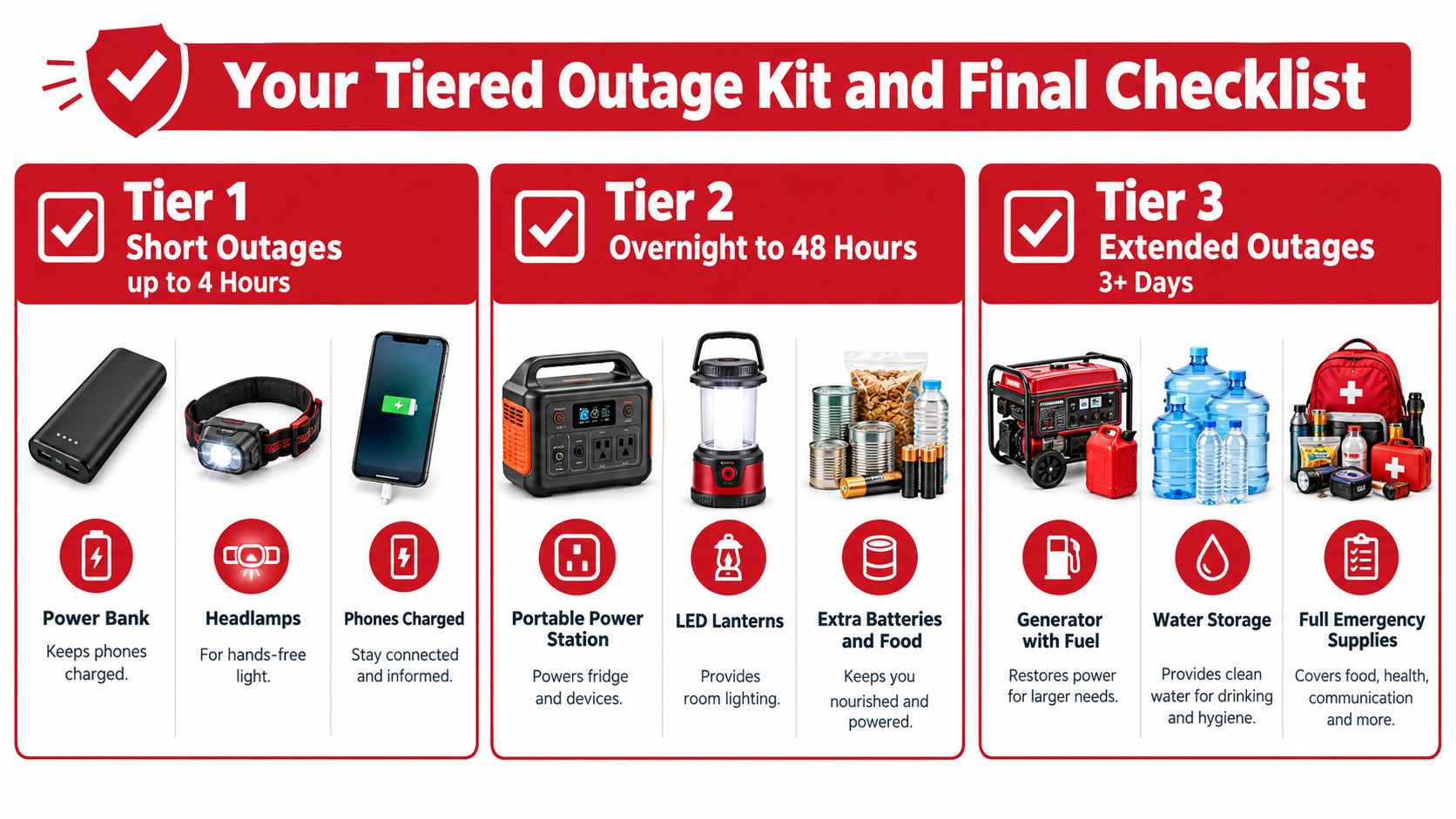
Printable household checklist
- Short outage: Charged phones, power bank, headlamps, lantern, bedside flashlights.
- Overnight outage: Power station, radio, cooler, block ice, food, water, extra batteries.
- Extended outage: Recharge plan, generator or suitable backup system, sanitation supplies, first aid, medication plan.
- Every six months: Test lights, charge batteries, inspect cables, check radio operation, rotate food and water.
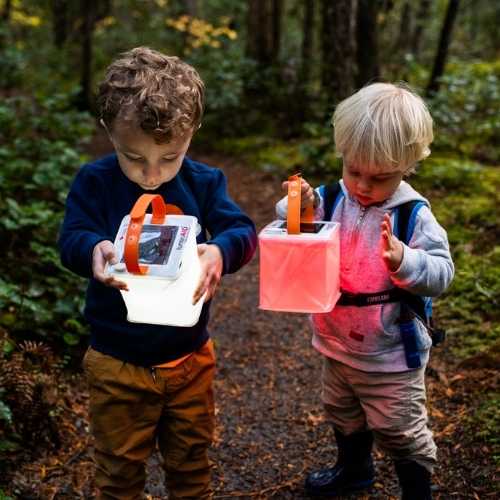
Test the kit every six months, then return each item to its labeled location. For lighting and phone charging, LuminAID offers portable solar lanterns and 2-in-1 power lanterns for outages, camping, and emergency kits.