


An off-grid solar power system is a completely self-contained setup that generates, stores, and delivers electricity from the sun, operating entirely independent of the public utility grid. It commonly includes solar panels, a charge controller, batteries, and an inverter, and modern MPPT charge controllers often operate at 95% to 99% efficiency.
If you've ever sat through a blackout with a dead phone, or camped somewhere beautiful only to ration light after sunset, you're already close to understanding why off-grid solar matters. At its core, it's about energy independence. You make power where you are, store it, and use it when you need it.
That idea scales more easily than one might imagine. The same basic logic that powers a portable lantern at a campsite also powers an RV, a remote cabin, or a backup setup for emergencies at home. The size changes. The principles don't.
What Is an Off-Grid Solar Power System
An off-grid solar power system is a self-contained electricity setup that works without any connection to the utility grid. That means it doesn't pull backup power from the power company, and it doesn't depend on a nearby utility line to keep your lights on.
That's the part many people miss.
A lot of readers assume "solar" automatically means resilience during an outage. But standard grid-connected solar often can't keep powering your home when the grid goes down. Off-grid solar is different because it has to stand on its own. It makes electricity from sunlight, stores it in batteries, and then delivers it when the sun isn't shining.
What makes it different
Think of two homes with solar panels on the roof.
- Grid-tied home: Uses solar when available, but still depends on the utility for backup
- Off-grid home: Has no utility safety net, so its system must cover day, night, and bad weather
- Portable off-grid setup: Uses the same idea on a smaller scale for camping, road trips, or emergency kits
That same independence is why off-grid systems show up in cabins, RVs, remote job sites, and preparedness plans.
Practical rule: Off-grid doesn't just mean "solar panels." It means a full power system that can function even when no outlet exists.
For readers comparing options for a house in a sunny market, this ultimate guide for Fort Worth solar buyers is useful context because it helps clarify when a typical residential solar setup makes sense versus when independence is the primary goal.
At the small end of the spectrum, a portable solar light follows the same off-grid idea. A simple example is this guide to portable solar camping light setups, where the goal isn't to run a house, but to keep light and charging available away from outlets.
The Four Pillars of an Off-Grid Solar System
The easiest way to understand an off-grid system is to compare it to a rainwater setup.
Your roof collects water. Pipes control where it goes. A tank stores it. A faucet delivers it in a form you can use. Off-grid solar follows the same pattern with electricity.

The technical chain is PV modules → charge controller → battery bank → inverter → AC loads, and storage isn't optional in a true off-grid setup, as explained in this off-grid system design guide.
Solar panels collect the resource
Solar panels are the collection surface. In the water analogy, they're the roof catching rain. In a solar system, they capture sunlight and turn it into direct current electricity.
Panels matter, but beginners often give them too much attention. People shop panel wattage first because it's visible and easy to compare. In practice, panels are only one part of whether the system works for your real life.
A cabin owner might have enough panels for a bright summer day and still come up short after several cloudy days. A van owner might have roof space limits that force hard choices about what can run at once.
If you're thinking about roof materials and mounting choices, this look at a solar panel metal roof combo gives helpful context on how panel placement interacts with the structure underneath.
The charge controller manages the flow
The charge controller is like smart plumbing. It regulates how electricity moves from the panels to the batteries so the batteries charge properly instead of getting stressed or overcharged.
Many off-grid systems use MPPT charge controllers. That's short for maximum power point tracking. In simple terms, the controller keeps adjusting how the panels operate so it can pull the most useful power available as sunlight changes during the day.
This matters more than it sounds. Morning haze, shifting clouds, and partial shade can all change panel output. A good controller helps the system respond instead of wasting potential energy.
The battery bank stores energy for later
The battery bank is the water tank. Without it, you'd only have electricity when the sun is actively hitting the panels. That's not enough for evening lights, overnight refrigeration, or stormy weather.
Batteries are what turn solar collection into usable independence.
This is also why system sizing starts with your load, not your panels. If you want to run lights, a fan, charge phones, and occasionally start a pump or small appliance, the battery has to be large enough to store and deliver that energy when needed. The same design guidance notes that startup surges matter too, because some equipment draws a lot more power in the first moment than during steady operation.
The inverter makes the power usable
Most solar panels and batteries work in DC electricity. Most household devices expect AC electricity. The inverter is the translator between those two worlds.
If the battery is your tank, the inverter is the faucet and pressure control. It delivers power in the form your appliances can use.
A phone charger, coffee grinder, cabin light, or laptop all depend on that conversion happening correctly. And not all loads are equal. A simple LED light is easy. A motor starting up is harder. That's why inverter selection isn't just about total energy. It's also about peak demand.
A system that looks large enough on paper can still struggle if the inverter can't handle real-world startup surges.
Choosing Your Path Off-Grid vs Grid-Tied Solar
Individuals researching what is off grid solar power system are typically trying to answer a more practical question. Do I want independence, or do I want a lower electric bill?
Those are related goals, but they lead to different system designs.

The core difference
An off-grid system operates without a utility connection. A grid-tied system stays connected to the utility and can use that outside power when solar production isn't enough.
That one design choice changes everything else.
| Feature | Off-grid solar | Grid-tied solar |
|---|---|---|
| Grid connection | No utility backup | Connected to utility |
| Battery need | Required | Often not required |
| Outage behavior | Can keep serving loads if designed well | Commonly shuts down during outages |
| Main goal | Independence and resilience | Bill savings and solar generation |
When off-grid makes sense
Off-grid is usually the better fit when you're powering:
- Remote places where utility lines don't exist or aren't dependable
- Mobile setups like RVs, vans, and overland rigs
- Emergency systems where you want power available during outages
- Simple independent loads such as lights, communication devices, and charging stations
A lot of people discover they don't need a full off-grid house. They need a targeted off-grid capability. That might mean lights, phones, radios, and small electronics during a storm. For others, it means full cabin living.
This video gives a quick visual comparison before you decide what kind of system matches your goals.
What grid-tied still does well
Grid-tied solar remains a strong choice when your main priority is using solar energy while relying on the utility as your backup. You don't have to size the system for every overnight hour or long cloudy stretch in the same way, because the grid fills the gaps.
That makes the decision less about which system is "better" and more about which problem you're solving. If your concern is blackout resilience, off-grid principles matter. If your concern is routine household energy use with utility support, grid-tied may fit better.
Off-Grid Solar in Action From RVs to Relief Efforts
Off-grid solar becomes easier to grasp when you stop picturing only two extremes. It isn't just a giant cabin install or a tiny gadget clipped to a backpack. It's a scalable way to produce and store useful power wherever you are.

Small scale means freedom, not just convenience
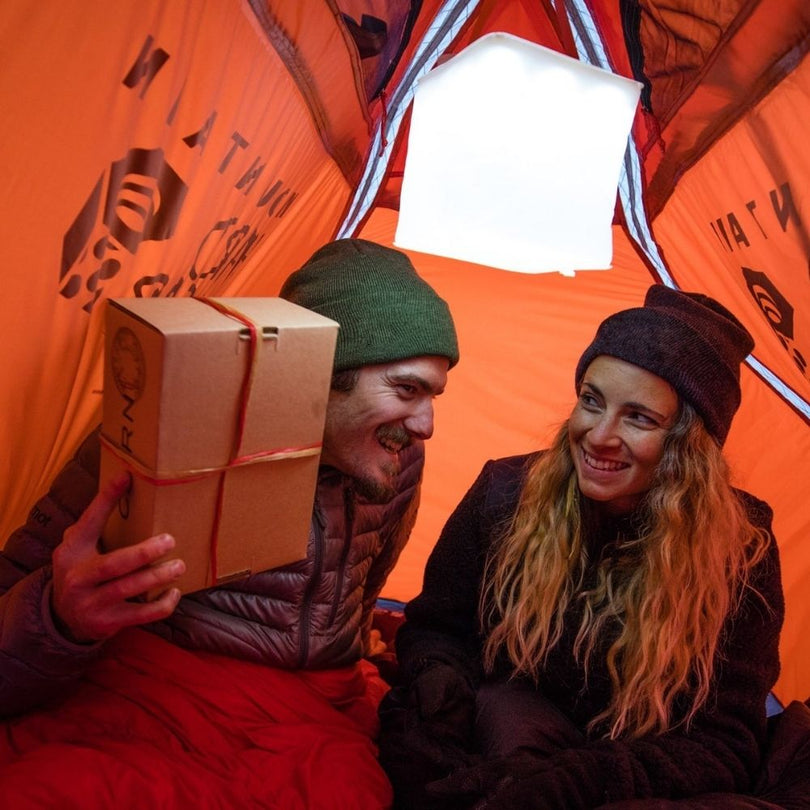
A backpacker may only need three things after dark: light, a phone charge, and confidence that tomorrow won't start with a dead battery. That's still off-grid power. It's just compact.
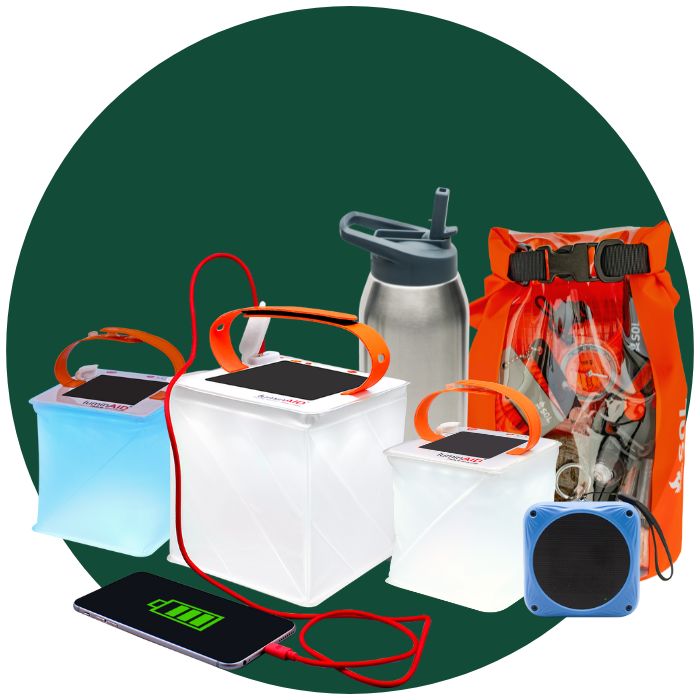
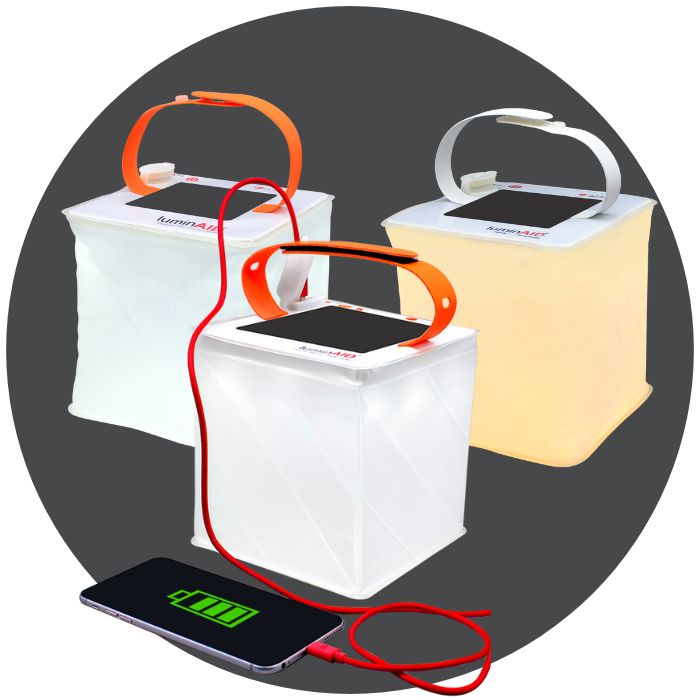
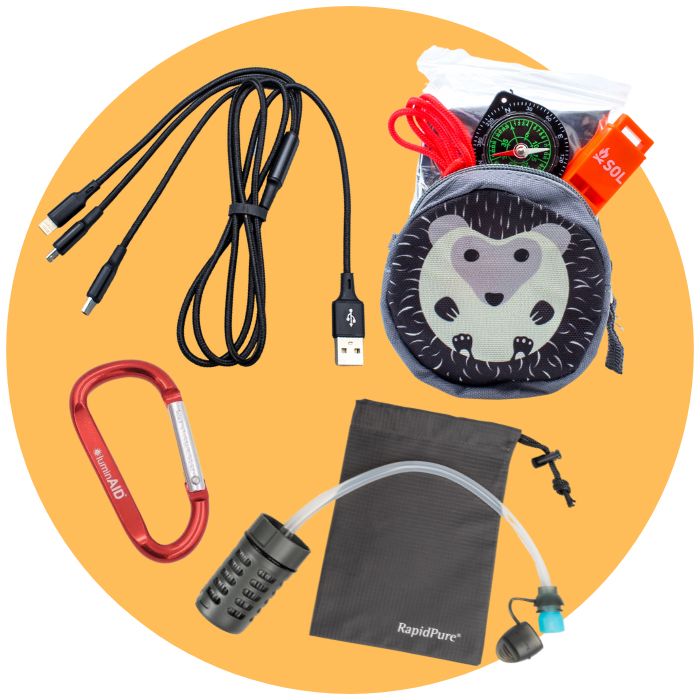
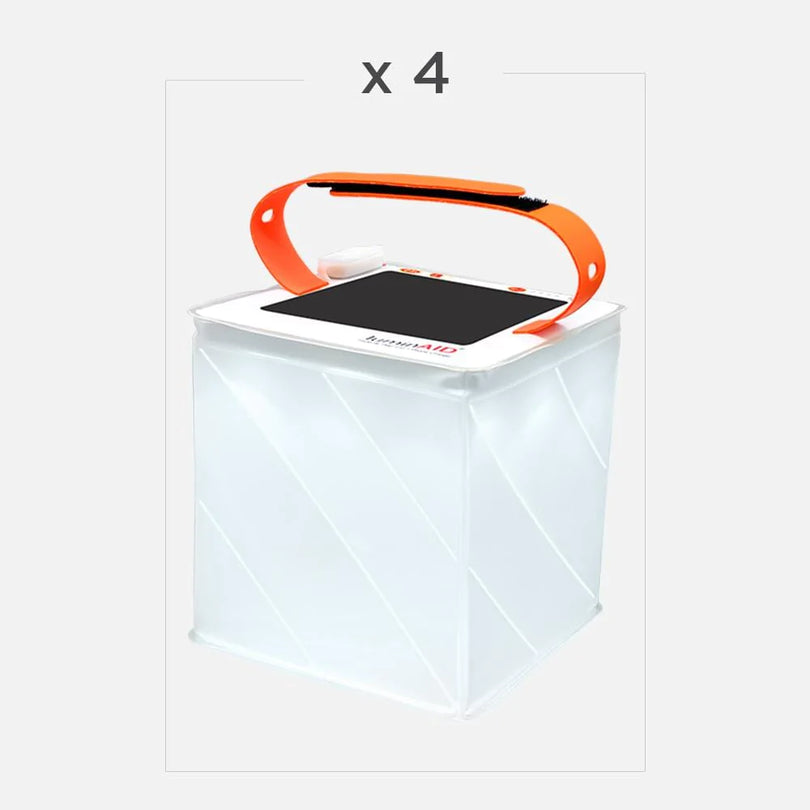
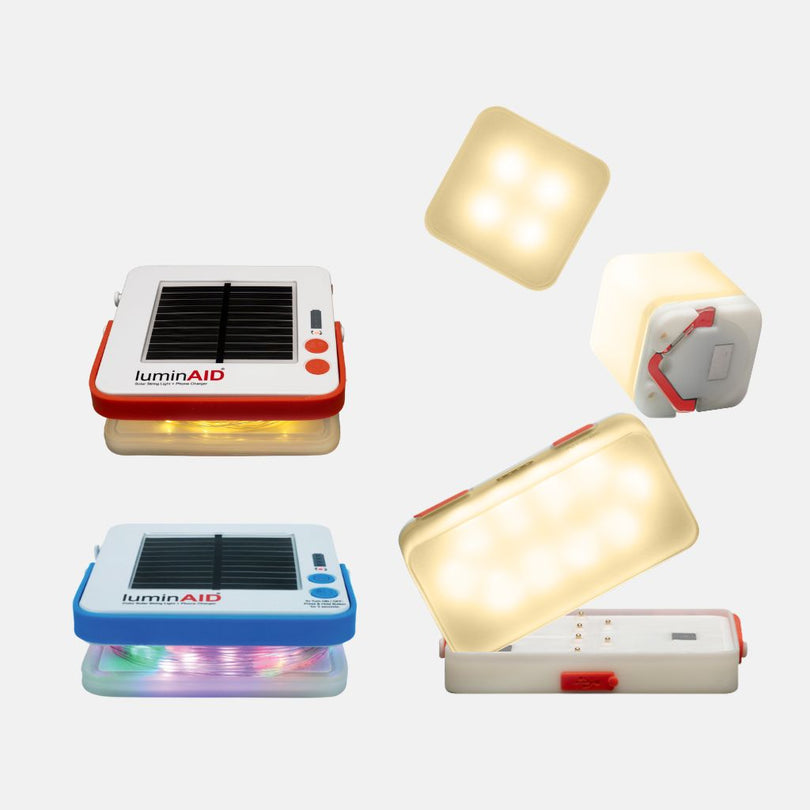
In that use case, a solar lantern with phone charging can act like a miniature off-grid system. A product such as a LuminAID solar lantern stores solar energy and later delivers light and USB charging without wall power, which makes it relevant for campsites, travel, and emergency kits. The broader category of off-grid camping gear shows how these small systems fit into a larger preparedness setup.
A roadside camper uses the same principle at the next scale up. Roof panels charge a battery. The battery runs interior lights, fans, device chargers, and maybe a small fridge. The user doesn't need a power pedestal every night to stay comfortable.
Mid-scale systems support daily living
For RVs, vans, and simple cabins, off-grid solar often stops being a novelty and starts becoming infrastructure. People depend on it for routines: making coffee, charging work devices, keeping food cold, and lighting up a dark path to the bathroom.
That shift matters. Once power supports routine tasks, people start planning differently. They pay attention to cloudy stretches, battery state, and which appliances are worth the energy cost.
The same off-grid logic can power a tent light, an RV fan, or a cabin refrigerator. The difference is scale, not concept.
Large-scale impact goes far beyond recreation
Off-grid solar also matters globally. The number of people without electricity fell from 1.2 billion in 2010 to 759 million in 2019, partly due to off-grid solar, and the World Bank estimates mini-grids and off-grid solar may be the cheapest option for 425 million to 581 million people by 2030. Research and Markets also projects the off-grid solar power systems market will grow by USD 4.01 billion from 2023 to 2028 at a 12.93% CAGR, according to RatedPower's summary of off-grid solar trends.
That scale shows why off-grid solar isn't just an outdoor lifestyle topic. It supports charging, communication, lighting, and essential power access in places where extending the grid is difficult, slow, or too expensive.
A family using stored solar power during an outage and a relief worker setting up lighting after a disaster are solving the same basic problem. They need dependable electricity where the grid can't help.
How to Size and Budget for an Off-Grid System
Most sizing mistakes happen because people shop for equipment before they understand their loads. Start with the devices, not the panels.
Think of an off-grid system like packing water for a trip. You wouldn't choose the tank first. You'd ask how many people are going, how long you'll be out, and what the water is for. Solar sizing works the same way.

Start with an energy audit
Write down what you want to power each day. Include lights, phones, laptops, fans, coolers, pumps, routers, or anything else that matters. Then estimate how long each item runs.
A practical calculator can help with that first step. This guide on how to calculate watt-hours of a battery is useful because it turns vague ideas like "charge my phone a few times" into something you can plan around.
Think in tiers, not all at once
These examples help people avoid overbuilding or underbuilding.
- Backpacker setup: Light, phone charging, maybe a GPS or small accessory
- RV setup: Interior lights, device charging, ventilation, and selected small appliances
- Cabin setup: Daily essentials with more attention to inverter size, storage depth, and cloudy-day planning
The jump between those tiers isn't just "more panels." It usually means stronger storage, a larger inverter, and better system coordination.
What drives cost and performance
For residential off-grid systems, 48V battery banks are often recommended because they reduce current and cable losses. They're commonly paired with MPPT charge controllers, which operate at 95% to 99% efficiency, helping extract more power from panels in changing sunlight, according to technical guidance on off-grid component selection.
Here are the big budget drivers:
- Battery bank: Usually the heart of the system because storage determines how independent the setup really is
- Inverter quality: Matters more as you add AC loads and appliances with startup surges
- Panel area and placement: Affects how much energy you can collect in the available sunlight
- Balance of system parts: Wiring, mounting, protection hardware, and installation details all affect reliability
Budget mindset: Buy for the loads you care about most first. Reliable smaller power beats an oversized plan that never gets finished.
Keeping Your Off-Grid System Safe and Reliable
The most important truth about off-grid ownership is simple. Independence has to be maintained.
People sometimes hear "off-grid" and imagine a set-it-and-forget-it system. In real life, reliability comes from good design, regular checks, and realistic expectations during rough conditions.
Plan for bad weather, not ideal weather
True off-grid resilience depends on sizing for worst-case weather and battery degradation, especially during winter, wildfire smoke, hurricane season, or other long low-sun periods, as noted in this discussion of off-grid resilience.
That means you shouldn't ask only, "Will this run on a sunny day?" Ask:
- How long can it carry my critical loads when sunlight drops
- What loads can I cut if conditions stay poor
- How will battery performance change as the system ages
Those questions matter more than a brochure-ready idea of energy independence.
Small maintenance steps prevent bigger problems
Most off-grid systems benefit from routine attention.
- Clean panel surfaces: Dirt, pollen, and debris reduce solar collection
- Check battery connections: Loose or corroded terminals can create resistance and heat
- Watch system behavior: Sudden drops in charging or runtime often show up before a component fails
- Match wiring and protection correctly: Properly sized cables and safety devices protect both equipment and users
Battery care deserves special attention because storage does the hardest job in the system. If you want a useful primer on how electronics manage battery condition, this article on optimizing EV battery life with BMS helps explain why monitoring and control matter, even though vehicle systems and solar systems aren't identical.
Reliability isn't just about generating power. It's about protecting storage, managing expectations, and keeping the system ready for the days you need it most.
Your Off-Grid Solar Questions Answered
Can off-grid solar power a whole house
Yes, but only if the system is designed around the house's actual loads. That's where many people get tripped up. Running a few lights and charging devices is very different from supporting air conditioning, water heating, or large kitchen appliances. A whole-home off-grid setup needs careful load planning, enough storage, and an inverter that can handle real peak demand.
What happens at night or on cloudy days
The battery bank carries the load when solar production drops. That's why storage is central to off-grid design. If the battery is too small, you'll feel the limits quickly. If the system is sized well, it can keep serving the loads you planned for.
Can I start small and expand later
Often, yes. Many people begin with a smaller system that covers lighting, charging, and a few essentials. Later, they add more panel capacity, more storage, or a stronger inverter. Expansion works best when the original system was built with that possibility in mind.
Is off-grid solar only for remote cabins
No. It's useful anywhere people need power without depending on a wall outlet or the utility grid. That includes campsites, RVs, sheds, emergency kits, disaster response, backyard lighting, and targeted backup power at home.
Are batteries the most important part
They're at least the most misunderstood part. Panels make the power, but batteries make that power available when you need it. In off-grid solar, storage isn't an accessory. It's a core requirement.
What's the biggest beginner mistake
Trying to size the system by panel wattage alone. A better first step is asking, "What do I need to power every day, and what absolutely can't go down?" Once you know that, the rest of the system starts to make sense.
If you want a simple way to apply off-grid solar principles without building a full cabin or RV system, LuminAID offers portable solar lanterns and phone-charging lights that fit camping, travel, and emergency preparedness. They're a practical entry point for anyone who wants dependable light and small-device power when outlets aren't available.