




You don't think much about electricity until it disappears.
One moment the house is normal. The refrigerator hums, the Wi-Fi works, someone is charging a phone on the kitchen counter. Then a storm rolls through, the lights blink twice, and everything stops. At first it's an annoyance. A few hours later, it starts to feel different. The fridge is warming up. The garage door won't open. The sump pump isn't running. If someone in the house depends on powered medical equipment, the stakes rise fast.
That's why more homeowners are thinking seriously about backup power. It isn't just about comfort anymore. It's about keeping the basics working when the grid doesn't.
When The Lights Go Out Are You Ready
A lot of people start looking into backup power after one bad outage.
Maybe it was a summer blackout during extreme heat. Maybe it was a winter storm that knocked lines down. Maybe it was a neighborhood outage that lasted longer than anyone expected. You learn quickly which parts of your home matter most. Cold food. Safe temperatures. Phone charging. Light at night. A way to run a medical device, modem, or well pump.
That shift is happening on a larger scale too. The global market for residential backup power is projected to grow from USD 12.86 billion in 2025 to USD 21.69 billion by 2034, and home battery adoption in the U.S. grew by 64% in 2024, tied to more frequent outage concerns and resilience planning. Those are projections and market signals, but they match what many families already feel in real life: backup power is becoming part of modern home safety, not a luxury purchase.
If you're dealing with outages now, it helps to start with the basics. This guide on what to do when electricity goes out covers the immediate first steps while you're still building a longer-term plan.
What people usually realize first
Most homes don't need everything powered during an outage. They need the right things powered.
That sounds simple, but it's where people get stuck. They assume the only real options are either a tiny battery pack for phones or a huge whole-house generator. In practice, there's a wide middle ground.
Practical rule: Backup power works best when you match the system to your real risks, your must-have loads, and how long outages usually last where you live.
What a home backup system actually does
A power backup system for home use gives you a way to keep selected devices or circuits running when utility power fails. Depending on the setup, that can mean:
- Keeping food safe by running the refrigerator
- Maintaining communication with Wi-Fi, phones, and radios
- Protecting health needs by supporting medical devices or climate control in one room
- Reducing chaos with lighting, charging, and basic household function
- Buying time during outages so you can make calm decisions instead of scrambling in the dark
You don't need to become an electrician to understand your options. You just need a clear picture of the main system types, what they do well, and where they fall short.
Comparing The Main Types of Home Backup Power
Some backup systems make power. Others store power.
That's the easiest way to sort the choices. A generator is like a small power plant you bring to your house. A battery is more like a reservoir. It stores electricity ahead of time, then releases it when the grid fails.

If you want a broader primer on self-sufficient energy setups, this overview of off-grid solar power helps explain where batteries and solar fit together. For most homeowners, though, the decision starts with four main categories.
The four backup types at a glance
| Type | How it works | Best for | Main tradeoffs |
|---|---|---|---|
| Standby generator | Permanently installed generator that starts automatically during an outage | Homes that want automatic backup for larger loads | Needs fuel supply, professional installation, noise |
| Portable generator | Moveable fuel-powered unit used outside with extension cords or transfer setup | Lower-cost emergency backup for a few essentials | Manual setup, fuel storage, noise, safety concerns |
| Solar plus battery | Battery stores electricity, solar can recharge it | Homes that want backup plus ongoing solar use | Higher complexity, roof/site constraints |
| Battery-only system | Battery charges from the grid and supplies power during outages | Quiet, lower-maintenance outage protection without solar | Limited runtime based on battery size |
kW and kWh without the jargon
People often get lost here.
Kilowatts (kW) tell you how much power a system can deliver at a given moment. Think of that as strength.
Kilowatt-hours (kWh) tell you how much energy it can store or supply over time. Think of that as stamina.
A simple example helps. According to the National Weather Service page on home backup power, Tesla Powerwall 3 is listed at 13.5 kWh and 11.5 kW, while Generac PWRcell is listed at 9 kWh and 4.5 kW. That difference matters because one battery may run more devices at once, while another may run fewer devices for a different amount of time. You can review those example specs in the National Weather Service's home power backup guidance.
How each type feels in real life
Standby generators are the closest thing to whole-home convenience. They're fixed in place, tied into the home electrically, and designed to turn on automatically. If you want the house to keep operating with less interruption, this is often the benchmark people compare everything else against.
Portable generators are more hands-on. You wheel them out, fuel them, start them, and connect loads safely. They can be very useful, but they demand more attention from you during the outage itself.
A portable generator can solve a real problem. It can also create a dangerous one if it's used too close to the house or connected the wrong way.
Solar-plus-battery systems appeal to homeowners who want backup power and solar generation in one package. They can work well, but they're not the only route to resilience.
Battery-only systems are the option many people overlook. They sit unobtrusively, charge from the grid, and take over when power fails. No fuel cans. No engine noise. No rooftop solar requirement.
A plain-language comparison
- If you want automatic response: Standby generator or professionally installed battery system
- If you want the lowest entry cost: Portable generator or small portable power setup
- If you want quiet indoor-friendly backup: Battery system
- If you want long runtime with fuel resupply: Generator
- If you can't or don't want solar panels: Battery-only backup is still a real option
The right answer depends less on trends and more on your house, your outage pattern, and what you can't afford to lose when the power goes down.
How to Choose The Right Backup System For Your Home
Most bad backup purchases come from one mistake. People shop by product first instead of by need first.
Start with your house. Start with your routines. Start with what has to stay on.

Step one, list your essential loads
Walk room to room and write down what matters during an outage.
Don't make this an ideal-world list. Make it an outage list. In many homes, the essentials look something like this:
- Food protection: Refrigerator and maybe freezer
- Health and safety: Medical equipment, a few lights, fans, heating support, or one cooled room
- Communication: Modem, router, phone charging
- Water and sanitation: Well pump, sump pump, or key bathroom needs
- Access and security: Garage door opener, alarm system, exterior lighting
Now separate that list into two columns.
| Must stay on | Nice to have |
|---|---|
| Refrigerator | TV |
| Medical device | Dishwasher |
| Wi-Fi and phone charging | Laundry |
| Sump or well pump | Whole-house air conditioning |
| Basic lights | Every outlet in the home |
That single exercise usually shrinks the problem to something manageable.
Step two, size the system correctly
Once you know your essential loads, add up their wattage. Then don't stop there.
Schneider Electric's UPS sizing guidance says you should choose a system with 20 to 30% more output capacity than your calculated connected load to handle startup surges. The same guidance notes that many devices have a power factor of 0.6 to 0.9, so a 500 W load may need roughly 625 VA minimum depending on what you're running. You can see that sizing rule in Schneider Electric's UPS buying guide for selecting a battery backup system.
That matters because motors don't start gently. Refrigerators, pumps, and some HVAC equipment may pull more at startup than they do once running.
Sizing advice: Add your connected watts, then leave margin. A backup system that looks perfect on paper can still overload when a motor kicks on.
If you want help thinking through energy storage math, this guide on how to calculate watt hours of a battery gives a simple foundation.
Here's a good way to avoid overspending:
- Add your must-have loads first
- Apply the safety margin
- Only then consider comfort loads
Step three, budget for the whole system
The sticker price isn't the full price.
With generators, your budget may include installation, fuel planning, maintenance, and safe connection hardware. With batteries, your budget may include electrical work, transfer equipment, and any panel upgrades needed to integrate the system cleanly.
If you're also comparing backup strategies across larger properties or mixed-use buildings, this guide to uninterrupted power for commercial facilities can help you think more clearly about automatic transfer, fuel planning, and backup priorities. The scale is different, but the planning logic carries over.
The decision that matters most
Don't buy for bragging rights. Buy for continuity.
A smaller, well-sized system that reliably covers your essentials is usually smarter than a bigger system that strains your budget and still leaves important gaps. The best power backup system for home use is the one that matches your actual outage priorities and that your household knows how to use safely.
The Rise of Battery Backup Without Solar
A lot of homeowners still assume a battery only makes sense if it's tied to rooftop solar.
That used to be a more common sales story than a practical reality. Today, it's incomplete. A battery can charge from the grid and still provide valuable outage protection, even if you never install a single solar panel.
Why this idea is spreading
Battery economics have changed dramatically. Over the past decade, the cost of lithium-ion battery packs fell by nearly 84%, from more than $715/kWh in 2014 to $115/kWh in 2024. That price change is a big reason battery-only home backup has become a practical option for far more households.
Cost isn't the only reason. Many homes aren't good solar candidates in the first place. Roof shading, structural issues, HOA restrictions, aesthetic concerns, and project complexity can all push people away from a full rooftop installation.
What battery-only backup actually looks like
A grid-charged battery system is straightforward in concept.
When utility power is available, the battery charges and sits ready. When the grid fails, the system switches over and powers selected circuits or loads through the home's electrical setup. The homeowner gets outage protection without dealing with fuel handling or engine maintenance.
This works especially well for people who care most about:
- Quiet backup for overnight outages
- Indoor-safe operation without combustion
- Lower day-to-day hassle than generator ownership
- A stepwise upgrade path where solar can be added later if desired
Solar isn't the only path to resilience. In many homes, transfer hardware, battery capacity, and a clear charging plan matter more than rooftop generation.
Where battery-first planning makes sense
Battery-first planning is often a strong fit when the goal is to keep essentials online for short to moderate outages. It can also make sense for homeowners who want cleaner integration with the home panel and fewer moving parts during an emergency.
The key is to be honest about runtime. A battery is stored energy, not endless energy. If outages in your area are commonly extended, you may want a layered plan instead of expecting one system to do everything.
That layered mindset is what turns battery backup from a gadget purchase into a resilience strategy.
Navigating Installation Siting and Safety
Backup power helps only if it's installed and used safely.
This is the part where people need to slow down. A home backup system touches fuel, electricity, ventilation, and emergency behavior. Mistakes here aren't minor.
Generator safety that isn't optional
Portable and standby generators create exhaust. That means carbon monoxide risk.
Generators belong outdoors, away from doors, windows, and vents. They do not belong in garages, sheds attached to the house, crawl spaces, or under open windows. People sometimes think a cracked garage door is enough. It isn't a safe workaround.
A safe generator setup also needs a legal, proper connection method. Never try to feed house wiring through an improvised plug arrangement. Have an electrician install the right transfer equipment for the way you plan to use the generator.
Battery installation still needs a professional
People sometimes hear "battery" and assume it works like plugging in a big power bank.
Whole-home or circuit-level battery backup is not a DIY extension-cord project. These systems typically integrate with an inverter, transfer hardware, and your home's electrical panel. Placement, wiring, ventilation requirements, service access, and local code all matter.
Ask installers plain questions:
- Where will the battery sit
- How will the system isolate from the grid during an outage
- What circuits will it back up
- What permits or inspections are required
- What maintenance does the system need from me
Siting affects performance and convenience
The best location isn't just where the unit fits.
You want a place that supports safe operation, reasonable access for service, and a clean connection path to the electrical equipment. You also want to think about day-to-day life. Can you reach it easily? Is it protected from avoidable exposure? Will it interfere with storage, parking, or foot traffic?
The safest backup system is the one your installer can explain clearly, your household can operate calmly, and your home can support without workarounds.
A few habits worth building
Once the system is installed, don't leave preparedness at the contractor's driveway.
- Review the shutoff process: Everyone in the household should know what normal and emergency operation looks like.
- Keep instructions accessible: Store manuals and installer contact details where you can find them during a stressful outage.
- Test your plan: Even automatic systems deserve occasional check-ins so you're not learning under pressure.
- Protect the backup area: Don't crowd equipment with boxes, fuel cans, or random garage clutter.
A power backup system for home use should make life calmer during an outage. Safe installation is what makes that possible.
Building a Layered Resilience Plan For Any Budget
The smartest preparedness plans don't rely on one big purchase.
They use layers. One layer handles lighting and phone charging. Another covers core appliances. A third may support larger circuits or the whole house. That approach works better because every system has limits. Batteries can deplete. Generators need fuel and maintenance. Utility repairs can take longer than anyone hopes.
Start with the foundation layer
Before you think about a major install, make sure the basics are covered.
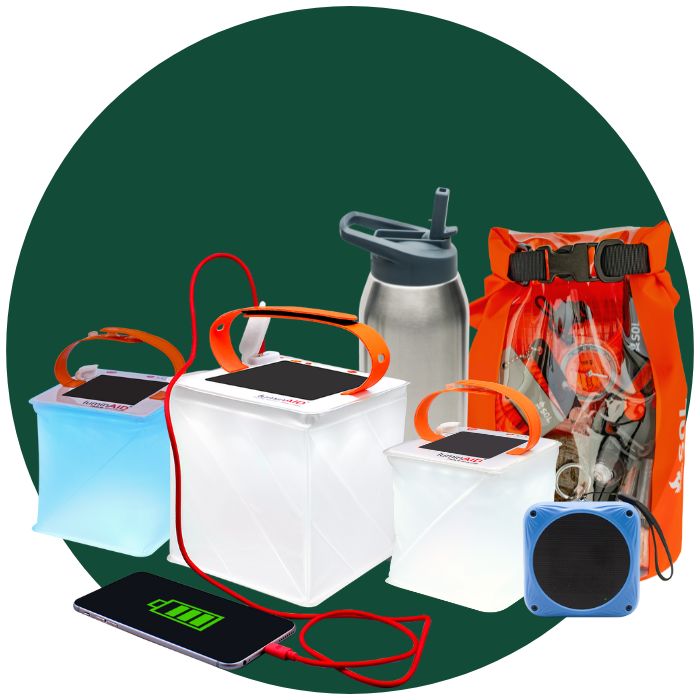
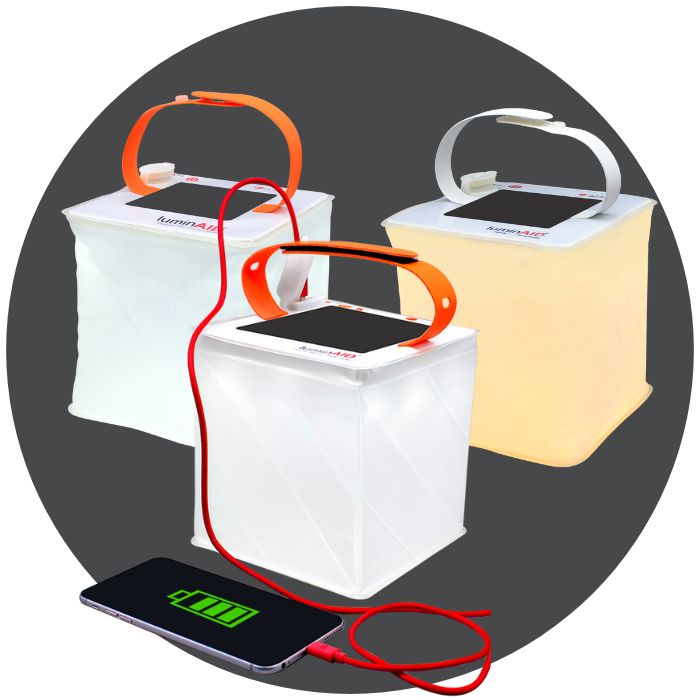
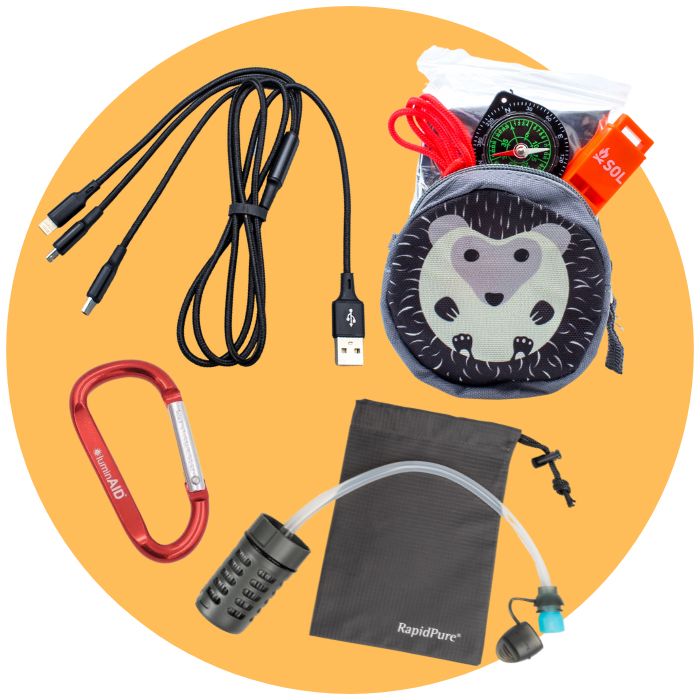
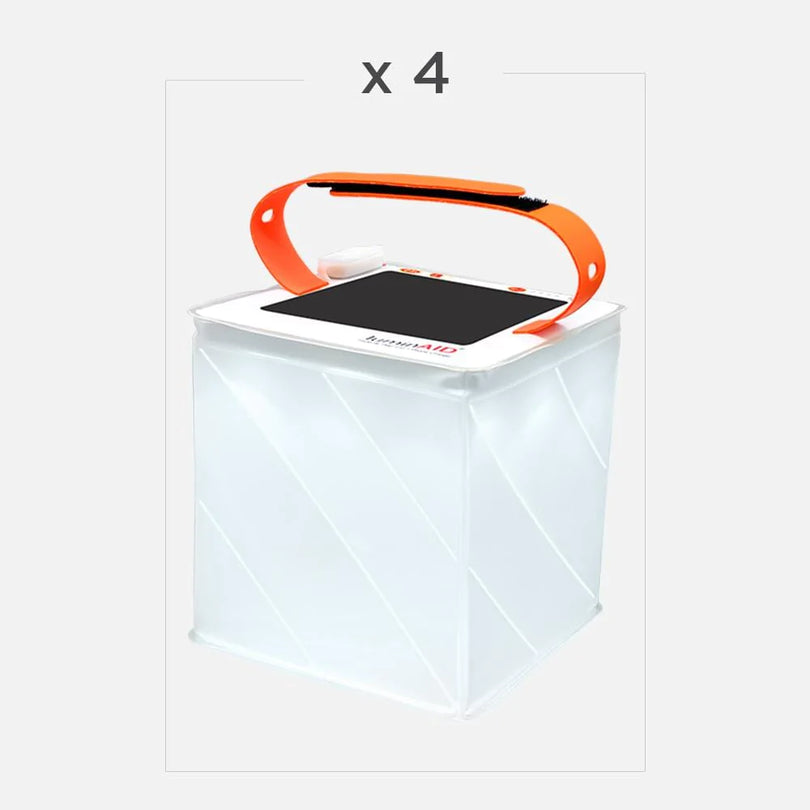
That means reliable light, device charging, water, first aid, and simple supplies you can grab in the dark. A portable solar lantern with USB charging can cover two outage problems at once: visibility and communication. For example, LuminAID makes inflatable solar lanterns that also function as phone chargers, which is useful when your main backup system is reserved for heavier loads.

You should also keep a broader emergency kit ready. A practical checklist for shelter, light, and field-ready essentials can be found through Survive Outdoors Longer emergency preparedness gear.
Then add your middle layer
For many households, the middle layer is where backup planning gets realistic.
This might be a portable generator for a refrigerator, a few lights, and charging. It might be a modest battery setup for essential circuits only. It might also include portable solar lights and small chargers that reduce the load on your main system during long outages.
Think in roles, not brands:
- Layer one handles immediate survival needs
- Layer two handles household continuity
- Layer three handles comfort and automation
Match the plan to your finances
Preparedness doesn't need to be all or nothing.
A family saving toward a larger electrical project can still improve resilience today with lighting, charging, fuel storage practices, and a better emergency kit. If you're already planning broader home upgrades, it can help to organize those decisions with an ultimate home renovation financial guide so backup power fits into the bigger household budget instead of becoming an isolated impulse purchase.
A layered plan gives you options. If one layer fails, another still carries part of the load.
What this looks like in practice
| Budget level | First move | Next upgrade |
|---|---|---|
| Tight budget | Solar lanterns, phone charging, emergency kit | Small backup unit for a few essentials |
| Moderate budget | Portable generator or entry battery backup | Transfer hardware and dedicated outage circuits |
| Higher budget | Installed battery or standby generator | Expanded circuit coverage and household redundancy |
The most effective resilience plans often stack these layers on purpose. A battery may keep the fridge running, while a separate kit with light, water, and first aid keeps the household functional if the main system needs service, fuel, or a reset during a longer disruption.
Your Home Backup Power Checklist and Next Steps
At this point, you don't need more hype. You need a clear decision path.
A good backup plan answers a short list of practical questions. If you can answer them, you're ready to take the next step with confidence.

Your checklist
-
Identify critical appliances
Know what must keep running. Refrigerator, lights, medical gear, modem, sump pump, and phone charging are common starting points. -
Choose your backup style
Decide whether you want fuel-based generation, battery storage, or a layered mix. Don't assume solar is required if your real goal is outage protection. -
Estimate your load realistically
Add your essential wattage and leave room for startup surges and safe operation. Smaller, focused coverage often beats oversized wish lists. -
Confirm safe installation options
Make sure your home has a suitable location and that you'll use qualified electrical help where needed. -
Prepare for extended outages
Back up the backup. Keep lighting, charging, water, first aid, and household instructions ready even if you install a larger system.
A simple decision map
If you're still torn, use this quick guide.
| If your main concern is... | Usually start by considering... |
|---|---|
| Quiet, low-hassle outage protection | Battery backup |
| Long runtime with fuel resupply | Generator |
| Preparedness on a small budget | Portable lighting, charging, and essential supplies |
| Future flexibility | Battery-first setup with the option to add more later |
What to do this week
Don't leave this as a tab you mean to revisit.
Pick one action:
- Make your essential-load list
- Walk your home and note safe equipment locations
- Check what your household needs for light and phone charging tonight
- Call a qualified electrician or installer for a site discussion
- Build the first layer of your outage kit
That's enough to move from worry to preparation.
A power backup system for home use isn't about buying the biggest thing you can afford. It's about making your home safer, steadier, and easier to manage when normal systems fail. Once you see backup power as part of resilience, the choices get clearer.
If you want an easy first step before committing to a larger system, take a look at LuminAID. Portable solar lanterns and phone-charging lights can cover the basics during outages, reduce strain on larger backup equipment, and give you a practical first layer of preparedness right away.