


You're probably standing in the yard right now, looking at a patio, fence line, or campsite that feels a little unfinished after dark. Warm outdoor string lights fix that fast, but only if the buyer makes the right call on warmth level, power source, and weather rating instead of shopping by whatever SKU looks nicest in a thumbnail.
The market tells the same story. Outdoor string lights have become a major category, estimated at about USD 1.82 billion in 2024, with continued growth projected at a 7.4% CAGR from 2025 to 2033 and a rise to roughly USD 6.8 billion by 2032 (DataIntelo market report). That growth makes sense because these lights now sit at the intersection of outdoor living, hospitality, and lower-energy LED lighting.
Table of Contents
- What Makes Warm Outdoor String Lights Different
- Understanding Color Temperature and Warmth Levels
- Comparing Power Options for Every Setup
- Decoding IP Ratings and Weatherproofing
- Planning Layout and Safe Installation
- Matching Lights to Real-World Use Cases
- Maintenance, Safety, and Final Buying Checklist
What Makes Warm Outdoor String Lights Different
A patio can feel unfinished after dark, yet the wrong strand creates glare, weak coverage, or constant charging. Choose by warmth level, power source, and weather rating first. Bulb shape and finish come later.
Warmth Is a Mood Choice First
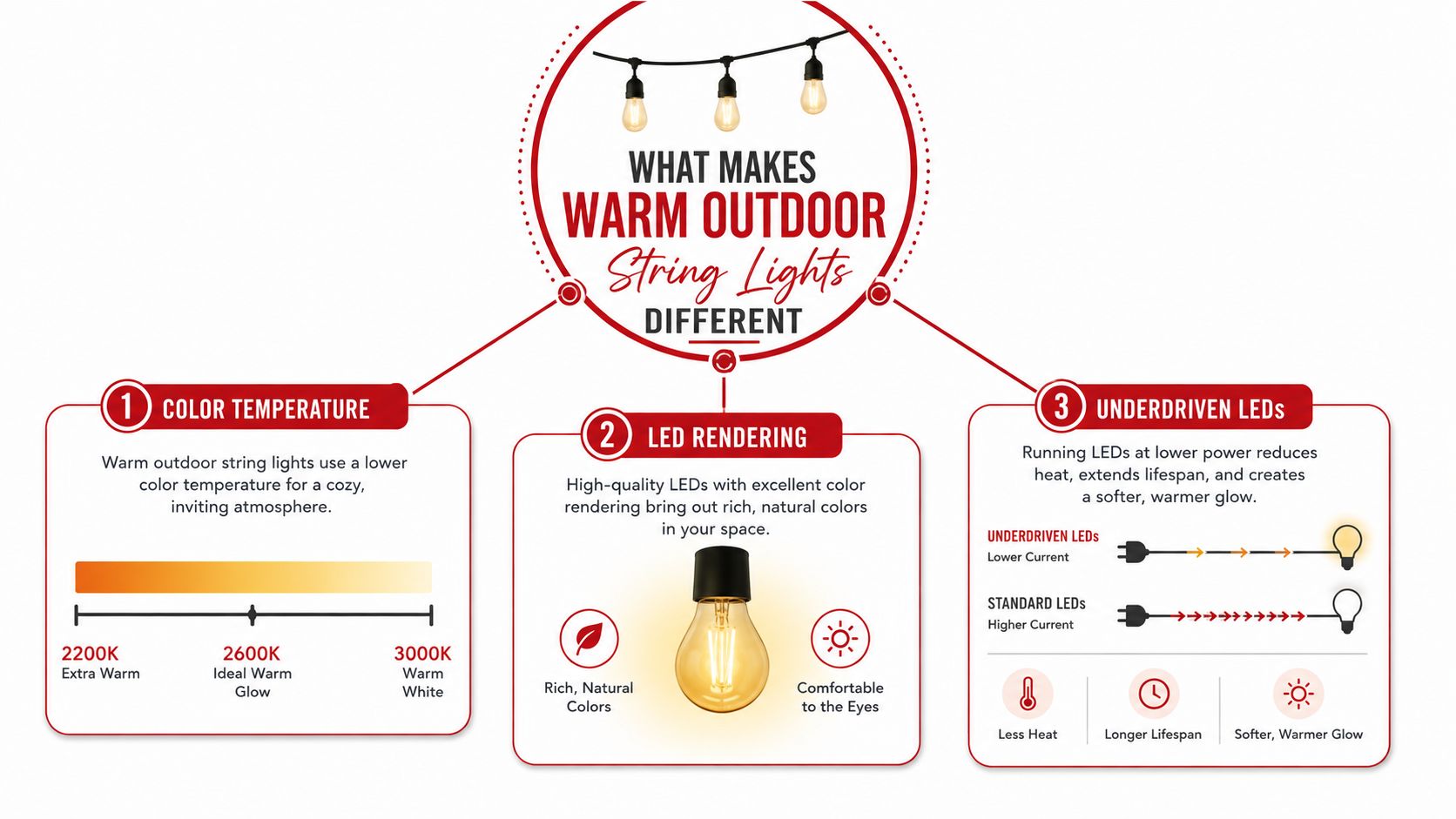
Warm outdoor string lights generally sit between 2200K and 3000K. Lower Kelvin values produce an amber, candlelike glow. Higher values look whiter and less relaxed. Practical buying guidance places warm white across 2200K to 2700K and 2700K to 3000K, so the right choice depends on how people use the space (Ove Decors, Joybuy guide).
Choose 2200K to 2400K for intimate seating, entertaining, or a bistro-style atmosphere. Choose around 2700K for general patio dining. Move toward 2700K to 3000K near an outdoor kitchen or another area where people need clearer visibility. Color temperature changes the character of the space, not just the bulb's appearance.
Practical rule: Decide the mood before choosing the bulb shape. A strand can feel cozy while providing useful brightness if its Kelvin value stays low.
Power Source Decides Where the Lights Can Live
Mains power fits a permanent patio or fixed installation, but it requires a suitable outlet and cable route. Battery or USB-C rechargeable strands suit renters, campers, and temporary setups where extension cords would create clutter. Solar works on locations with dependable sun exposure. A shaded pergola can leave the panel short on charge and the lights unreliable after dark.
Weather Rating Decides Whether the Strand Survives the Season
Sealing matters as much as appearance. A covered porch faces less exposure than an open patio, so match the rating to the installation rather than treating every outdoor location alike. IP44 suits protected areas, while IP65 is the stronger choice for unprotected installations or rainy climates.
Use the layout as a final check. LuminAID's guidance on outdoor ambient lighting helps frame how much glow a space needs without choosing a brighter strand than the setting can handle.
Understanding Color Temperature and Warmth Levels
Color temperature describes the tint of white light, not the brightness. That distinction matters because a bright bulb can still look soft, and a dim bulb can still look harsh if the color temperature is wrong. Buyers who understand the Kelvin scale stop guessing and start choosing based on the atmosphere they want.
Use the Candle to Noon Mental Model
A candle flame sits around 1900K, sunset lands near 2500K, an incandescent bulb is around 2700K, halogen reaches about 3000K, and noon daylight climbs above 5000K. Warm outdoor string lights sit below that daylight end of the scale and usually stay between 2200K and 3000K. At that point, the light reads as warm without turning muddy or orange.
Below 2200K, the glow can start looking overly amber and skin tones can drift. Above 3000K, the effect starts to lose the cozy patio feel and move toward a flatter, whiter look. That's why 2200K to 2400K works for candlelit mood lighting and bistro settings, 2700K fits general patio dining, and 2700K to 3000K is the better call for task-adjacent areas like outdoor kitchens.
Buyer's shortcut: If the space is for lingering, stay warmer. If people need to read a label or plate, move slightly up the range.
Pair Kelvin With Color Rendering
Kelvin alone doesn't finish the job. CRI of 80 or higher helps food, plants, and faces look natural instead of washed out. That matters around dinner tables, herb planters, and any place where the light isn't just decorative.
| Kelvin Range for Warm Outdoor String Lights | Light Tint | Best Use Case |
|---|---|---|
| 2200K to 2400K | Amber, candlelike | Bistro seating, accent glow, relaxed mood lighting |
| Around 2700K | Traditional warm white | Backyard dining, patios, general entertaining |
| 2700K to 3000K | Warm white with more clarity | Outdoor kitchens, label reading, task-adjacent zones |
The source pages also note that some outdoor-lighting guidance and city rules now cap outdoor lighting at 2700K or 3000K, which makes the upper end of the warm range a safer compliance choice in more places (Gardening Beyond).
Comparing Power Options for Every Setup
Choose the power source before you choose brightness. A fixed patio, a rental balcony, and a campsite need different compromises. The warmest glow is useless if the strand cannot reach an outlet, survive the weather, or pack without taking over your gear.
Mains, Battery, and Solar Behave Very Differently
Mains-powered strands suit permanent patios. They provide steady output and handle longer installations, but require a GFCI-protected outdoor outlet and careful cable routing. Check the manufacturer's load and socket limits rather than assuming every plug-in strand supports the same length.
Battery and USB-C rechargeable sets give up some output for quick setup and easy relocation. Campers, renters, and hosts who change layouts benefit from that flexibility. Solar removes charging from the routine after installation, provided the panel receives consistent direct sun.
Buy for the place the lights will live, not for the brightest listing.
Packability also separates portable formats. A solar strand with a folding panel is generally heavier than a comparable USB-C reel, so solar makes more sense when the setup stays in one outdoor location. USB-C is the better pick for daypacks, temporary dinners, and storage bins where every item competes for space.
| Power Source Trade-Offs for Warm Outdoor String Lights | Install Effort | Typical Runtime | Off-Grid Ready |
|---|---|---|---|
| Mains power | Highest, needs outlet access | Continuous when powered | No |
| Battery or USB-C rechargeable | Low, quick setup | 4 to 12 hours at full output | Yes |
| Solar | Moderate, needs panel placement | Depends on sun exposure | Yes |
Choose by Location, Not by Preference
Solar works on an exposed fence or pergola top with reliable sun. Shaded yards usually require a separate panel position, which adds cable routing and another mounting point. Choose solar when you can protect that panel from shade and avoid moving the installation often.
Battery and USB-C sets fit tents, balconies, rental homes, and temporary dinner setups. They are also the practical choice when the nearest outlet would leave a cable across a walkway. Mains belongs on a fixed patio where routing can be completed cleanly and left in place.
For portable setups, LuminAID's solar outdoor string lighting guide offers a useful reference for off-grid use cases. Evaluate that format alongside your expected sun exposure, carrying needs, and preferred warmth level. A warmer setting may suit a campsite, while a slightly clearer warm white works better when the same strand must illuminate food or gear.
Decoding IP Ratings and Weatherproofing
Rain exposure should decide the rating, not the product listing. An IP code shows how well a strand resists solid particles and water. Choose too little protection, and a light can fail during the first serious storm.
Read the Rating as Exposure, Not Hype
The first digit covers solid particles; the second covers water. Read the code as a weather-use limit. For a covered porch with occasional splashes, IP44 is the practical minimum. For an open patio in a wet climate, choose IP65. It provides stronger protection against direct water exposure and suits harsher conditions, as the earlier outdoor-lighting guidance notes.
Treat anything below IP44 as indoor-only. That rule keeps warmth level and installation decisions separate from a misleading outdoor label. A warm strand may suit a sheltered dinner area, while a clearer warm white may help on an exposed patio, but neither color choice compensates for an inadequate rating.
Check the Weakest Sealed Point
The strand's rating does not cover every component automatically. Inspect the plug, inline rectifier, controller, and connection points. Water often finds the least-protected joint first.
Look for grommeted seams, potted driver housings, and UV-resistant PVC jackets. These details protect against repeated sun and moisture exposure, especially where cables enter housings or sockets. Keep controllers and plugs positioned away from standing water, even when the strand carries a suitable rating.
| IP Rating Use-Case Matchup | Minimum IP Rating | Why |
|---|---|---|
| Covered porch or eave | IP44 | Handles splash and humid conditions |
| Open patio or pergola in rain-prone weather | IP65 | Better for direct exposure and hose-down cleaning |
| Indoor use only | Below IP44 not recommended | Not built for outdoor moisture |
| Year-round exposed install | IP65 or higher | More durable under repeated weather stress |
Planning Layout and Safe Installation
Layout should start with the space, not the strand. A good install follows the geometry of the yard, the load-bearing points already there, and the electrical limits that keep the whole setup safe. If the path looks awkward on paper, it will look worse in the dark.
Anchor First, Then Hang
Start by marking anchor points on solid structure, not trim that can't hold tension. Screw eyes belong in rafters, fence posts, and pergola beams. Removable hooks work on siding, brick clips work on masonry, and zip-tie loops make sense on chain-link or pole tents.
Safety rule: Keep cords out of walkways. A trip hazard is worse than an uneven light line.
The lighting should also sit high enough to leave the space usable. For dining areas, keep bulb-to-canopy clearance above 18 inches so people don't feel boxed in. A gentle catenary curve usually looks better than a tight, straight pull because it reduces strain on the hardware and gives the run a softer profile.
For readers who need a hardware-specific example, this guide on mounting fixtures on fences safely is a practical reference before drilling into any fence line.
Power Safety Comes Before the Pretty Part
Plug mains-powered strands into a GFCI-protected outlet. Never exceed the manufacturer's max run, because daisy-chaining beyond the listed limit is how sockets overheat and light quality falls apart. The brief's planning guidance points to typical connected runs of 3 to 5 strands of 48-foot strings, which is a good reminder that more length is not always better.
For trees and overhead runs, LuminAID's outdoor string lights for trees page fits naturally with this planning stage because tree mounting changes both spacing and sway.
Matching Lights to Real-World Use Cases
The same strand can do a completely different job depending on where it hangs. Backyard dinners need atmosphere. Camping needs portability. Events need control. Emergency kits need grab-and-go simplicity. Good buyers stop asking what the light is and start asking what the light has to do.
Backyard Dinners Need Quiet, Warm Light
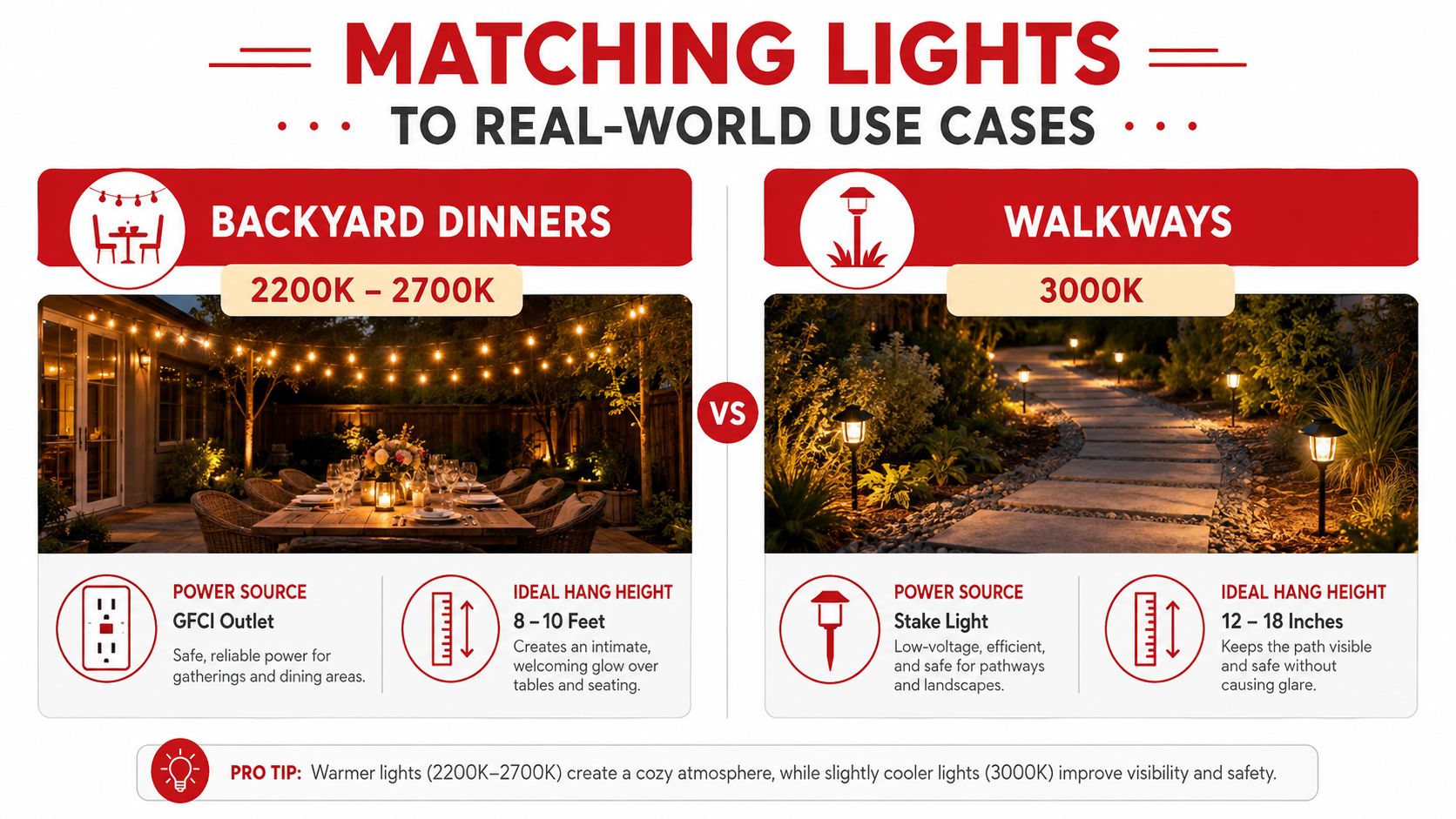
A dinner table outside should usually get 2200K to 2700K mains-powered strings on a GFCI patio outlet. Hung in a gentle catenary between pergola posts, the bulbs sit at a flattering eye line without blasting the table. That setup keeps the room feeling open while still giving enough glow to make food and conversation feel intentional.
The layout matters as much as the bulb choice. A line hung too low turns into visual clutter, while a line hung too high stops contributing to the table at all. For readers shaping the overall outdoor room, this piece on planning your outdoor seating area is a useful companion because furniture placement and lighting height have to work together.
Camping, Weddings, and Blackouts Each Need a Different Spec
Tent camping is a portability problem, not a patio problem. USB-rechargeable battery strings around 5 to 10 meters, ideally with a dimmer and at least IPX4 protection, fit that job well. Weddings and events sit at the other extreme, where commercial-grade 2700K to 3000K LED strings on heavier wire and longer runs are easier to manage because the photographer can control exposure and the install can cover more ground.
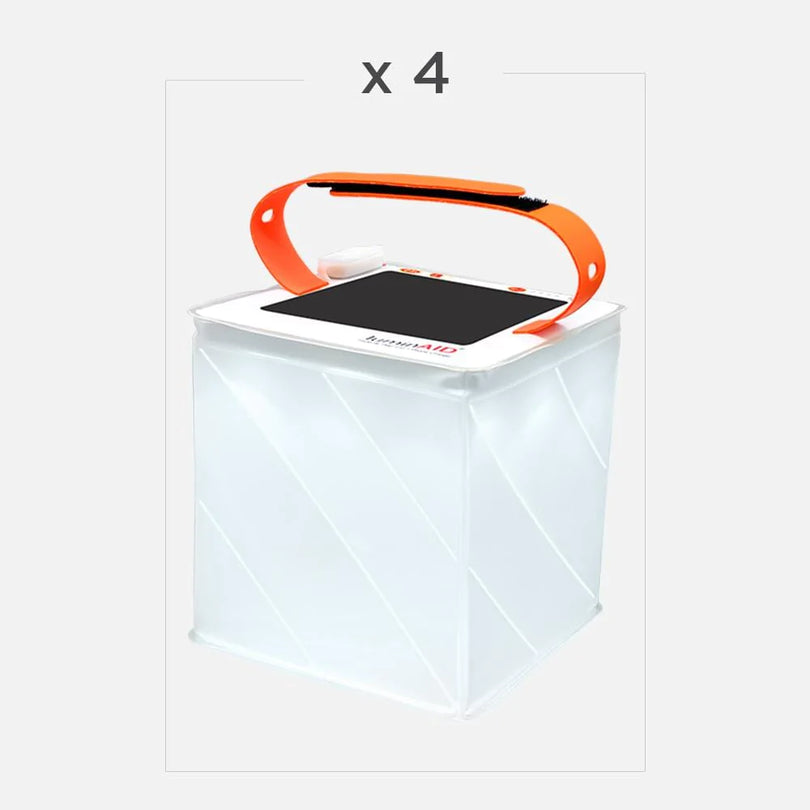
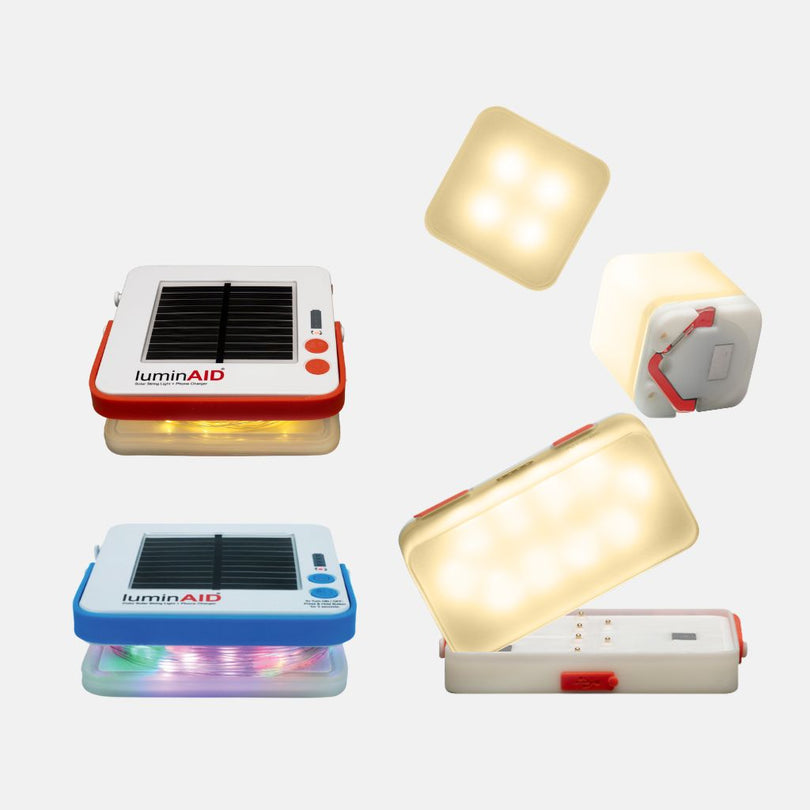
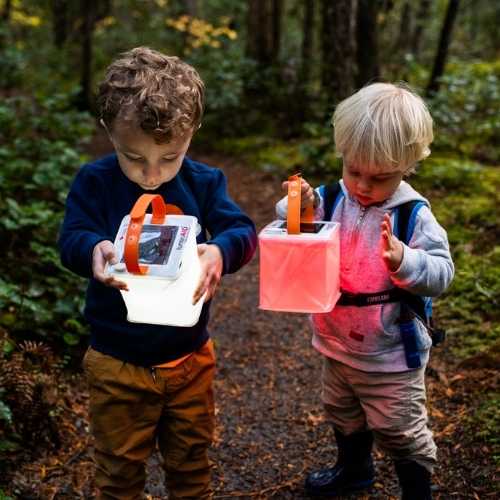
Emergency kits deserve their own category. A short solar-recharged string with a built-in USB power bank gives usable light and backup charging in one package, which is exactly what a hallway closet or storm kit needs. LuminAID's own Solar String Light, which the brand describes as a 32-foot warm white LED strand for tents, RVs, and backyards, fits naturally in that off-grid emergency-and-ambience lane, alongside other portable lighting options.
The live demonstration below is worth a quick look for buyers comparing outdoor string-light layouts.
Maintenance, Safety, and Final Buying Checklist
Good warm outdoor string lights stay good because someone keeps an eye on the weak points. Sockets collect moisture, gaskets age, solar panels film over, and cracked bulbs invite failure. A little maintenance keeps the whole install from turning into a seasonal teardown.
Care for the Parts That Actually Wear Out
Before storage, wipe sockets dry and let them air out. Inspect gaskets annually, because that's where water intrusion usually starts. Replace cracked bulbs right away, and check solar panels for film or residue that can drop output by 20% to 30%.
Safety is just as direct. Use only GFCI-protected outlets for mains runs, avoid staple-gun mounting that pierces insulation, and stop at the manufacturer's wattage ceiling. Use only listed replacement bulbs, because mismatched parts are where heat and compatibility problems show up first.
Bottom line: Most outdoor lighting failures come from sloppy connections, not from the bulb shape.
Buy With This Six-Point Checklist
- Target Kelvin range: Match the light to the use case, usually 2200K to 3000K for warm outdoor ambiance.
- Verified IP rating: Choose the rating that matches exposure, with IP44 for covered areas and IP65 for open installs.
- Matched power source: Pick mains, battery, USB-C, or solar based on where the strand will live.
- Included hanging hardware: Confirm the box includes what the install needs.
- End-to-end connectability: Make sure the planned run stays within the manufacturer's limit.
- Warranty length: Look for at least one year so early failures aren't your problem.
Buy by use case, not by spec sheet.
If the goal is a warm, portable, off-grid-friendly lighting setup that still feels polished in a backyard, campsite, or emergency kit, LuminAID's lineup is worth a look. Visit LuminAID to compare solar string lights, rechargeable lanterns, and packable lighting built for outdoor use when outlets aren't part of the plan.