

There’s something magical about solar outdoor string lights. They can turn a simple backyard, campsite, or patio into a beautifully lit escape, and the best part? No electrical outlets needed. These clever lights soak up the sun's energy all day to cast a warm, inviting glow when night falls. It's a remarkably simple and sustainable way to bring any outdoor space to life.
Your Guide to Solar Outdoor String Lighting
Picture this: your backyard becomes a cozy retreat, or your remote campsite is softly illuminated against the dark. It all happens with the power of the sun. That is the appeal of solar outdoor string lighting, and it is why these lights have become a popular choice for creating ambiance with very little effort. They work completely off-grid, which means a bit of savings on the electricity bill and much more flexibility.
This shift toward sustainable and easy-to-use lighting is more than a trend. It is a massive movement. The global market for outdoor string lights hit an impressive $3.5 billion in 2023 and is expected to climb to $6.8 billion by 2032. Solar-powered options are a huge driver of this growth, freeing people from the hassle of traditional wiring. You can dig into the numbers and learn more about this outdoor lighting market boom from industry analysis.
Why Choose Solar Over Traditional Lights
Going solar is about more than trimming energy costs. It is about freedom. Plug-in lights just cannot compete with the simplicity of setting up lights almost anywhere the sun shines. They can be strung from a garden pergola to a tent in the middle of nowhere without worrying about extension cords or finding an outdoor-rated outlet.
That kind of portability is also a game-changer for emergency preparedness. When the power goes out, having a reliable, self-sustaining light source is critical. It is a key feature in any well-stocked kit.
A quick look at the advantages makes the choice pretty clear.
Why Choose Solar Outdoor String Lights
| Feature | Benefit |
|---|---|
| No Electrical Outlets Needed | Install them anywhere with sunlight, gardens, campsites, patios, and more. |
| Zero Operating Costs | After the initial purchase, the sun powers them for free. The electricity bill stays the same. |
| Quick & Simple Installation | Forget extension cords and complex wiring. Just stake the panel and hang the lights. |
| Eco-Friendly Power | They run on clean, renewable solar energy, reducing your carbon footprint. |
| Highly Portable & Versatile | Easily move them for parties, camping trips, or to change up a backyard look. |
| Automatic Operation | Most have built-in sensors that turn them on at dusk and off at dawn. Set it and forget it. |
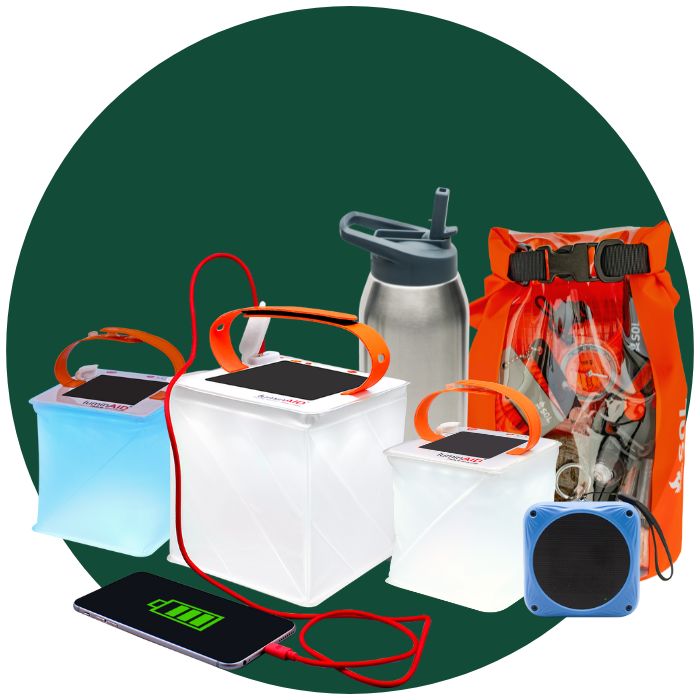
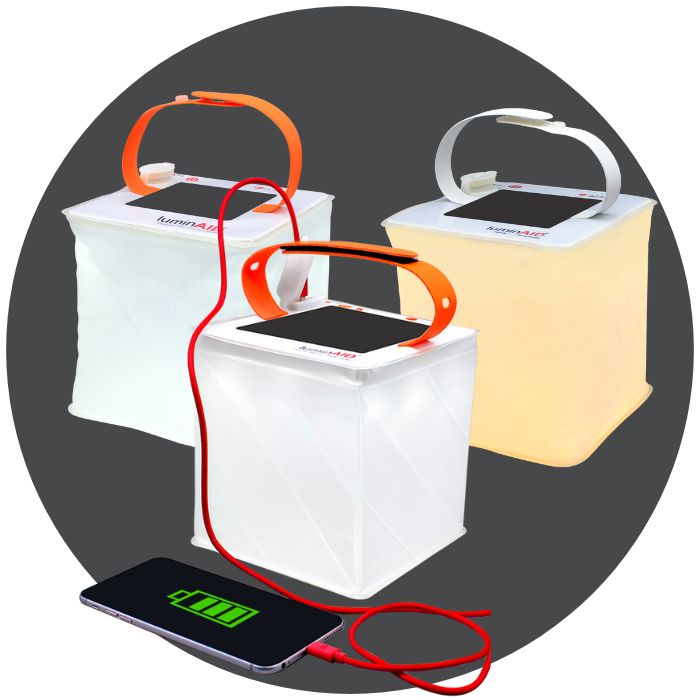
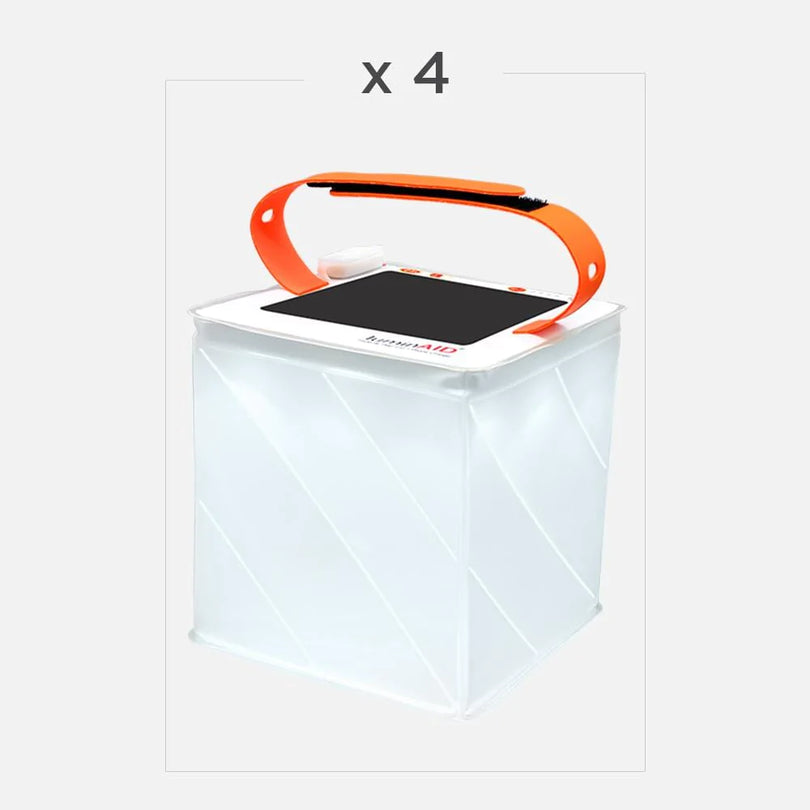
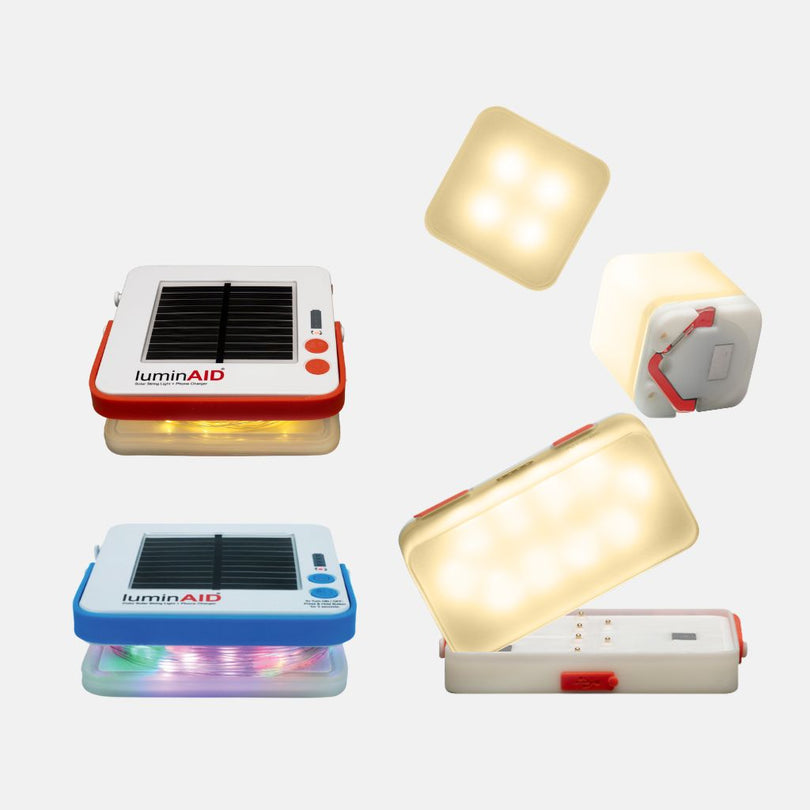
At LuminAID, the focus is on reliable solar-powered solutions. Products like the Solar String Lights are designed for both everyday enjoyment and critical emergency situations. Whether the goal is decorating a patio or preparing a home for the unexpected, this type of gear is built to provide dependable light when it is needed most. That practical focus has helped shape deep expertise in powerful, off-grid lighting.
How Solar String Lights Capture and Store Sunlight
The magic behind solar string lights is not really magic at all. It is simply a beautifully straightforward process of capturing and saving energy for later. Think of the small solar panel as a sponge, soaking up sunlight all day long. That energy is then stored in an internal battery, which acts like a bucket, holding onto the power until it is needed after dark.
This whole system runs itself, automatically turning a sunny afternoon into a warmly lit evening. It all comes down to three key parts working together: the solar panel, the battery, and a clever little light sensor. They create a perfect, self-sustaining cycle of collecting, storing, and using energy.
The Daytime Sponge: Photovoltaic Cells
At the heart of any solar light is its photovoltaic (PV) panel. These panels are made with silicon cells that generate an electric field. When sunlight, which is made up of tiny energy particles called photons, hits these cells, it knocks electrons loose from their atoms.
That flow of electrons creates a direct current (DC) of electricity. It is a quiet, seamless conversion of light into power that happens every moment the panel is in the sun. The more direct sunlight it gets, the more energy it can generate to fill up the battery for the night ahead.
The Energy Bucket: The Rechargeable Battery
All that electricity from the PV cells has to go somewhere. That is the rechargeable battery's job. The DC electricity flows from the panel straight into the battery, where it is stored as chemical energy.
A battery's capacity is measured in milliamp hours (mAh), which tells you how much energy it can hold. A bigger mAh number means the battery can store more power, giving a longer runtime for the lights once the sun goes down. This energy bucket is what makes solar outdoor string lighting reliable long after sunset.
The Automatic Switch: The Light Sensor
So, how do the lights know when to kick on? The final piece of the puzzle is a tiny component called a photoreceptor, or light sensor. This smart little part is constantly measuring the ambient light in the environment.
During the day, when the sensor detects sunlight, it keeps the electrical circuit to the LEDs open. This stops them from turning on and ensures all the power goes into charging the battery. But as dusk settles in and the sky darkens, the sensor notices the change.
Once the light drops below a certain point, the photoreceptor closes the circuit. This lets the stored energy from the battery flow to the LEDs, and just like that, the space is automatically illuminated. It is completely hands-free.
This kind of reliability is a game-changer, especially when light is needed for more than looks. On any outdoor trip, a dependable light source is just as critical as a good first aid kit, like the ones from Adventure Medical Kits, for handling the unexpected. That automatic function ensures light is available the moment it is needed, whether at a backyard party or a remote campsite.
Essential Features for Choosing the Best Solar String Lights
Picking out the right solar outdoor string lights can feel like a chore, but focusing on a few key features makes the process much easier. It is not just about aesthetics. It is about performance, night after night and season after season. Once brightness, battery life, and durability are understood, choosing a product that delivers reliable, beautiful light becomes much simpler.
This is a bigger deal now than ever. The outdoor solar LED market, valued at a massive $9.8 billion in 2024, is expected to skyrocket to $57.1 billion by 2034. That boom is driven by a major consumer shift toward energy-efficient, long-lasting lights that both look great and keep electricity bills down. LEDs are the real heroes here, using 75% less energy than old-school incandescent bulbs and lasting up to 25 times longer. That is a game-changer for everyone from homeowners to NGOs lighting up off-grid communities. You can dig into the details of this rapidly growing solar LED market to see what is fueling the fire.
Brightness and LED Bulb Type
The first thing on most people’s minds is brightness, which is measured in lumens. For a cozy, ambient vibe on the patio or around a tent, a lower lumen count, think 15-50 lumens, gives off that soft, warm glow. For more practical lighting, like illuminating a pathway or an outdoor dining table, higher lumen counts of 100+ make it much easier to see clearly.
Beyond brightness, the bulb material itself is a huge factor. Always look for shatterproof bulbs made from durable plastic or acrylic. Unlike fragile glass bulbs that can easily break during setup, in a storm, or when tossed into a camping bin, shatterproof LEDs are built to take a beating. That makes them a much smarter and safer investment for any outdoor setting.
Battery Capacity and Solar Panel Efficiency
The battery is the heart of solar string lights. It stores all that sunshine to power them through the night. Its capacity is measured in milliamp hours (mAh). Simply put, the higher the mAh, the longer the lights will stay on after a full charge. A bigger battery is essential for reliable, all-night light, especially on shorter winter days.
But a great battery is useless without a good solar panel to charge it. A high-quality, efficient panel can absorb more sunlight in less time, even when it is overcast. Look for panels that feel solid and can be angled directly at the sun for maximum charging performance. When packing for a trip, dependable gear matters.
Key Takeaway: The relationship between the solar panel and the battery is everything. A top-tier panel paired with a high-capacity battery ensures consistent performance, turning even minimal daylight into hours of beautiful nighttime light.
Durability and Weatherproofing
Outdoor lights have to face the elements, rain, wind, dust, and more. That is where IP ratings come into play. An IP (Ingress Protection) rating is a simple two-digit code that tells you how well a device is sealed against solids, like dust, and liquids, like water.
The first number rates protection against solids, from 0 to 6, and the second rates protection against liquids, from 0 to 8. For anything that will stay outside, a rating of at least IP65 is the best place to start.
Here’s a quick guide to what those numbers really mean for lights used outdoors:
Understanding IP Weatherproof Ratings
| IP Rating | Protection Against Solids (First Digit) | Protection Against Liquids (Second Digit) | Ideal Use Case |
|---|---|---|---|
| IP44 | Protected from objects >1mm (tools, wires) | Protected from splashing water from any direction. | Covered porches, patios, areas with light rain. |
| IP65 | Completely dust-tight. No dust can get in. | Protected from low-pressure water jets from any direction. | Perfect for exposed outdoor areas that get heavy rain and wind. |
| IP67 | Completely dust-tight. No dust can get in. | Protected from temporary immersion in water (up to 1 meter). | Excellent for gardens, poolside, or temporary submersion. |
| IP68 | Completely dust-tight. No dust can get in. | Protected from long-term immersion in water under pressure. | Submersible lights for pools, ponds, or extreme weather. |
Basically, an IP65 rating means the lights are totally sealed off from dust and can handle being blasted with water jets, making them more than ready for a heavy downpour. An IP44 rating, on the other hand, only protects from splashes and might not cut it in areas that get serious storms.
Inspiring Ways to Use Your Solar String Lights
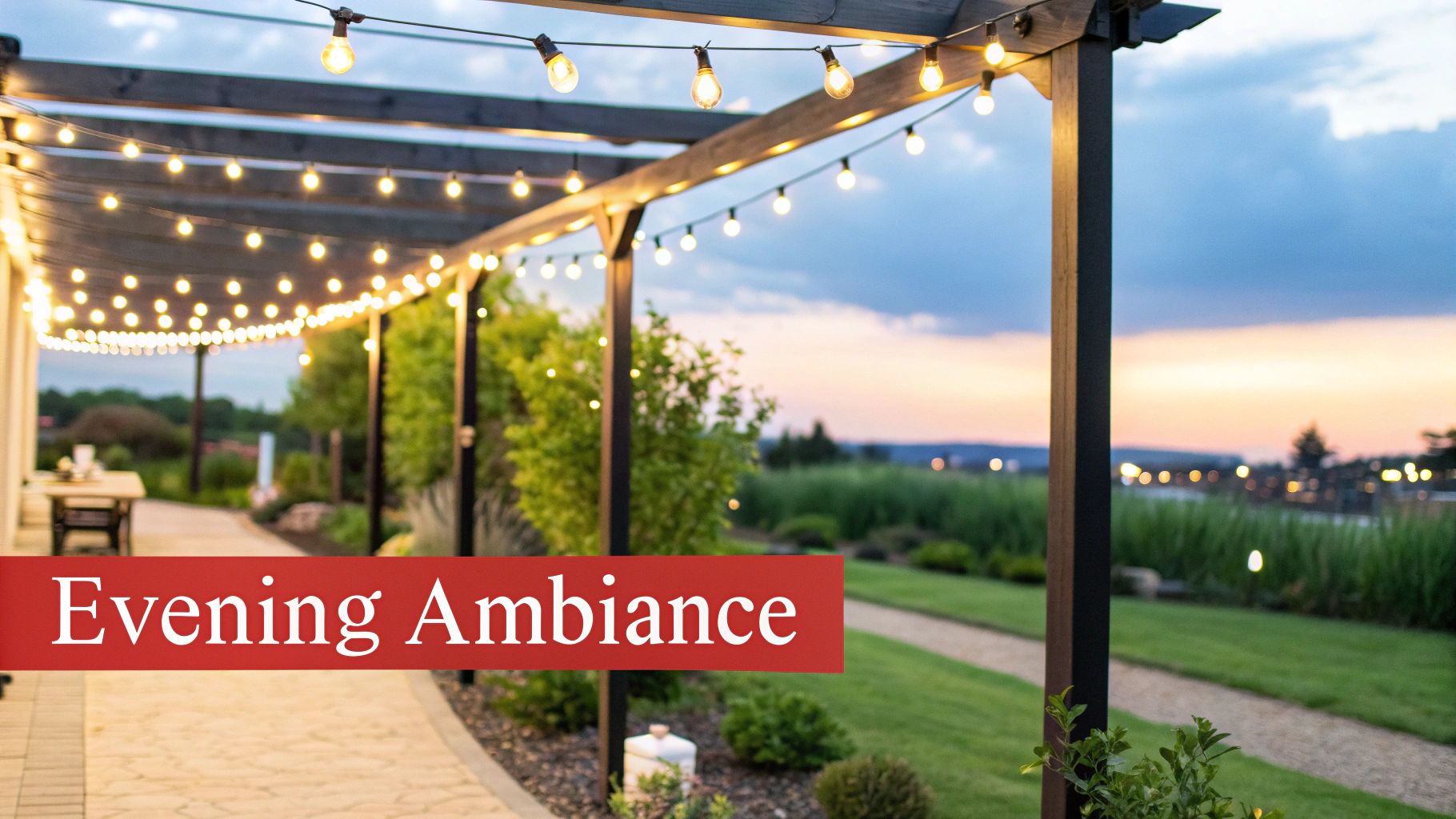
Now for the fun part, actually using solar string lights to bring favorite spaces to life.
The real magic of these lights is their go-anywhere versatility. Because there is no need to stay tethered to an outlet or step over extension cords, a whole world of creative possibilities opens up. They are just as useful for home decor as they are for off-grid adventures and even serious emergency planning.
This flexibility means almost any spot can be transformed with a warm, inviting glow, turning the ordinary into something memorable. Whether it is a quiet evening on the patio or a much-needed light source during a power outage, these lights prove their value again and again.
Elevate Your Home and Backyard Ambiance
Think of the backyard as an extension of the home. With the right lighting, it can easily become a favorite room in the house. Solar string lights offer an instant upgrade, creating a welcoming atmosphere for both quiet nights and lively get-togethers.
And the best part? It is remarkably simple. There is no need to call an electrician or deal with complicated wiring.
A touch of magic can be added in minutes:
- Drape them over a pergola or gazebo: This creates a beautiful starlit canopy effect, perfect for outdoor dinners or late-night chats.
- Line a garden path or fence: Guide guests with a soft glow that also highlights landscaping after the sun goes down.
- Wrap them around tree trunks or branches: Turn trees into natural light fixtures that add depth and character to the yard.
Looking for even more ways to light up outdoor spaces? Check out these creative outdoor party lighting ideas for some great inspiration.
Light Up Your Camping and Outdoor Adventures
For campers, RV owners, and anyone who loves being outdoors, solar string lights are a total game-changer. They provide plenty of light without draining a car battery or requiring a stash of disposable batteries.
They are lightweight and pack down small, making them an easy addition to any camping checklist. Instead of relying on a harsh, focused headlamp beam for everything, it becomes possible to set up a comfortable, functional basecamp.
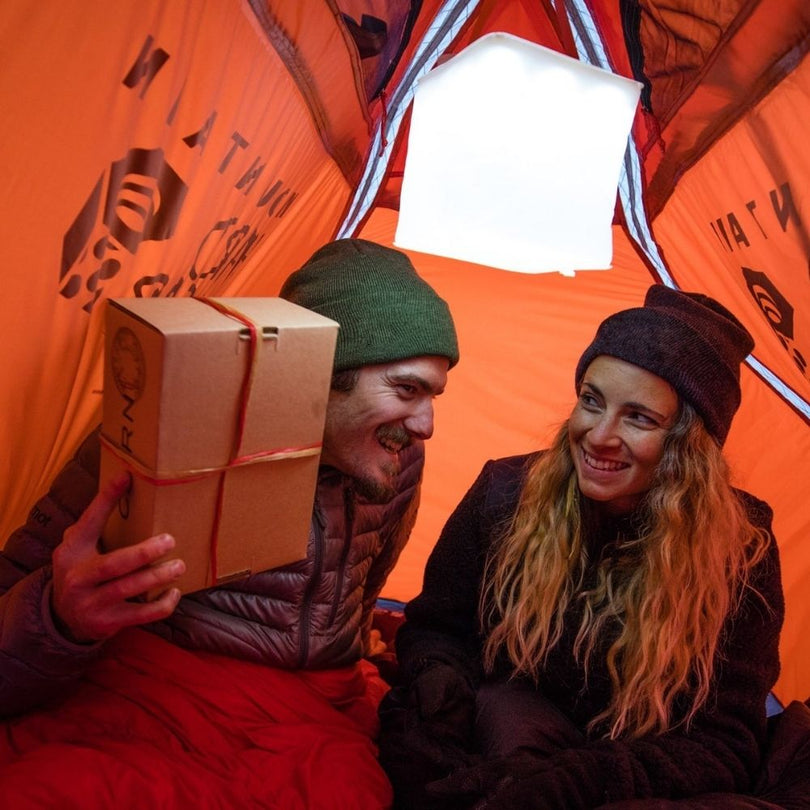
Hang them inside a tent for a soft, ambient glow that makes it easy to find gear or read a book. There are more tips on getting that setup just right in this guide to using string lights for tents.
Setting up a warm, inviting campsite is about more than just light. It is about creating a comfortable space to relax after a long day of hiking. A well-lit site provides safety, helps with cooking and organization, and makes the experience more enjoyable for everyone.
Of course, a cozy campsite also means keeping the bugs away. A reliable repellent from a trusted brand like Ben’s helps keep mosquitos from ruining a perfectly lit evening under the stars. For other situations, different tools may make sense, like a can of Counter Assault bear spray for backcountry safety.
Strengthen Your Emergency Preparedness Kit
Beyond backyard decor and camping trips, solar string lights can play a vital role in preparing for the unexpected. When the power goes out, having a reliable, self-sustaining light source is not just a convenience. It is essential for safety and peace of mind.
Because they charge from the sun, they are ready whenever they are needed. There is no need to scramble for fresh batteries in a crisis. Their fully off-grid design makes them an indispensable tool for lighting up a room, checking on a property, or even signaling for help.
Installation Tips for Optimal Performance and Durability
Getting the absolute most out of solar outdoor string lights really comes down to one thing: smart placement. A little planning upfront helps make sure the lights charge efficiently, shine brightly, and last for years. It is the difference between a faint, short-lived glow and a brilliant, all-night display.
Think of the solar panel as the engine of the whole lighting system. To get the best performance, it needs a clear, unobstructed view of the sun for as long as possible.
Maximize Your Sun Exposure
If you are in the Northern Hemisphere, the sweet spot for a solar panel is facing south. This orientation captures the most direct sunlight throughout the day, maximizing the energy it can absorb and store.
But it is not just about direction. It is also important to protect the panel from shadows. A single tree branch, a roof overhang, or even a nearby fence can cast a shadow that dramatically cuts down its charging ability.
A panel that gets only four hours of direct sun instead of the recommended six to eight might not store enough energy to make it through the night. Before committing to a permanent spot, watch how shadows move across the area for a full day. For anyone just getting started with solar-powered gear, learning the basics of solar charging is a great first step. More helpful advice is available in this guide on how to get started with solar lanterns.
Creative and Secure Mounting Techniques
Once the panel is perfectly positioned, it is time for the fun part: hanging the lights. The beauty of solar string lights is their flexibility. Creative installation is possible without ever needing an outlet. The key is securing them properly so they stay put through wind and rain.
Here are a few simple but effective tricks for different surfaces:
- For Fences and Railings: Small, clear adhesive hooks or screw-in cup hooks provide a secure hold that almost disappears.
- For Trees and Branches: Loosely wrap the string around branches, or use zip ties. Just avoid wrapping too tightly so the tree has room to grow.
- For Tents and RVs: Light-duty clips or carabiners are perfect for attaching lights to fabric loops, tent poles, and awning frames.
A well-secured string of lights is a safe one, especially when camping and trying to minimize trip hazards. A tidy setup is just as important as having other safety essentials on hand, like a reliable bug repellent from a brand like Ben's 30.
Pro Tip: Do not pull the string too taut between anchor points. Leaving a little slack allows for expansion and contraction with temperature changes and prevents strain on the wire, which helps extend the life of the lights.
Common Installation Mistakes to Avoid
Even with the best intentions, a few common slip-ups can sabotage performance. Knowing what to watch for will save time and frustration later.
One of the most frequent errors is placing the solar panel too close to another light source, like a porch light or a bright window. The built-in light sensor can get confused, thinking it is still daytime because of the competing light.
This tricks the sensor into keeping the lights off, even when it is fully dark outside. The fix is simple: make sure the panel is located far enough away from other nighttime light sources. Following these installation steps helps ensure brighter output and longer runtime, making it easier to enjoy a beautifully lit space every night.
Keeping Your Solar Lights Shining Bright
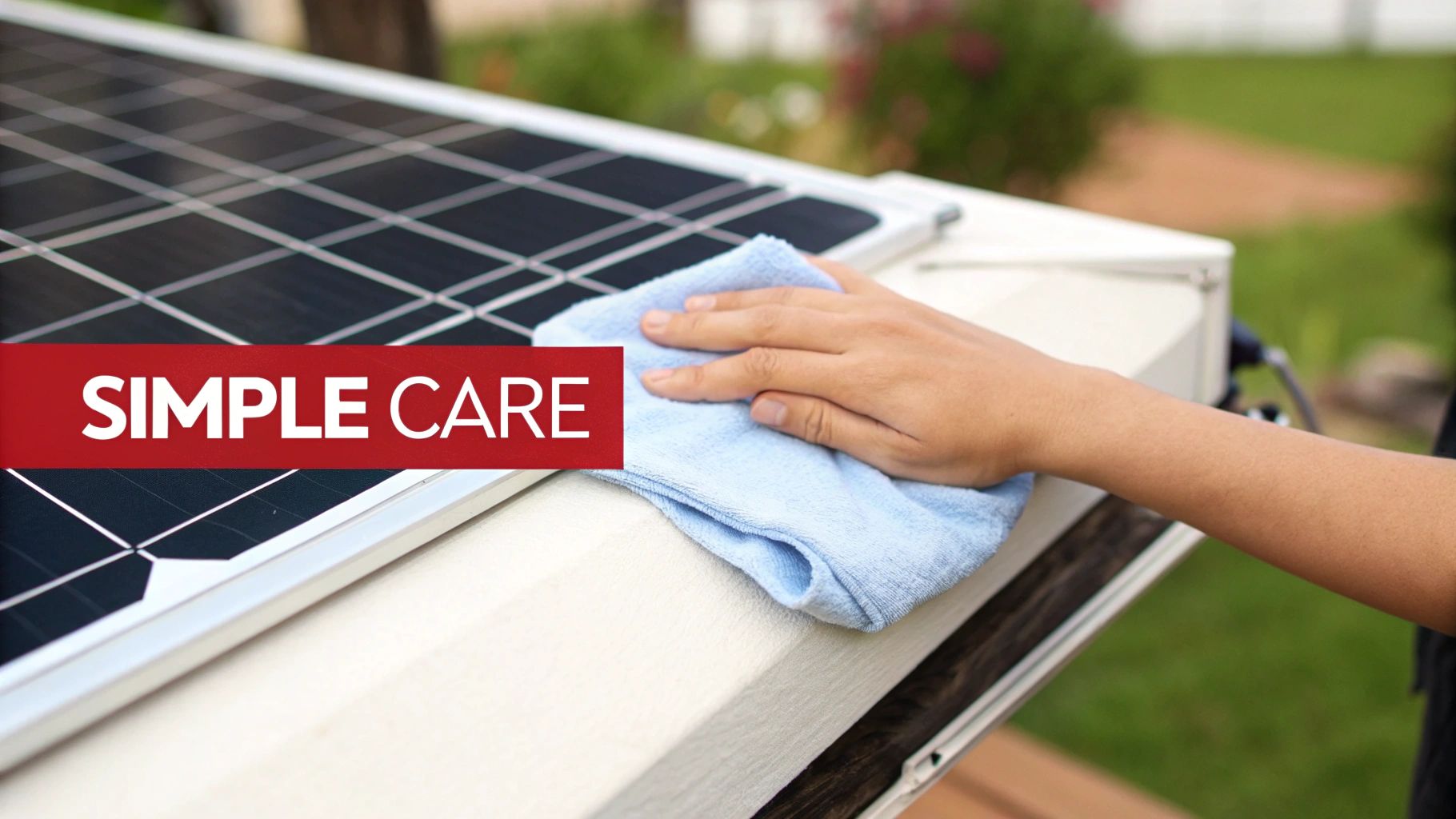
A little care goes a long way toward making sure solar outdoor string lighting performs at its best for years. The good news is that the maintenance is incredibly simple. No special skills or tools are needed to keep these lights shining brilliantly, season after season.
The single most important task is keeping the solar panel clean. Think of it like a window. If it is covered in dirt, sunlight cannot get through. This seriously cuts down on how efficiently the battery can charge. A quick wipe with a soft, damp cloth every few weeks is usually enough to clear away dust, pollen, and grime.
While cleaning, it also helps to wipe down the bulbs now and then. This stops dirt buildup from dimming their glow, so the lights continue delivering full brightness.
Simple Troubleshooting Fixes
Even the best lights can hit a snag sometimes. Before assuming something is broken, run through this quick checklist. Most issues have a surprisingly easy fix.
- Check the Power Switch: It sounds obvious, but the unit is sometimes not switched to "ON." It can get bumped easily or might not have been fully engaged right out of the box.
- Confirm Sun Exposure: Is the panel still getting a solid six to eight hours of direct sun? Trees grow and seasons change, which means the shadows in a yard shift. A spot that was perfect in spring might be partially shaded by summer.
- Clean the Panel: A dirty solar panel is the culprit behind a surprising number of performance issues. Give it a good wipe-down to restore its charging power.
A common frustration is when lights will not turn on, even after a full day in the sun. This is often caused by the light sensor being too close to another light source, like a porch light or streetlamp, which tricks it into thinking it is still daytime.
When Your Lights Seem Dim
If the lights turn on but seem weaker than expected, the problem is almost always related to charging. A few cloudy days in a row can prevent the battery from getting a full charge, which means dimmer output or shorter runtime at night.
Here is the fix: try turning the lights completely off for a day or two. This allows the panel to dedicate 100% of its energy to fully charging the battery without draining it overnight. This simple reset often brings them back to their original brightness. It just takes a little patience. Much like putting together a proper first-aid kit from Adventure Medical Kits requires some forethought, getting the most out of solar lights means thinking ahead about sun exposure.
Your Top Questions About Solar String Lights, Answered
Even after digging into the details, a few questions may still come up. That is perfectly normal. Here are answers to some of the most common things people ask before choosing the right solar outdoor string lighting. This should clear up any last-minute uncertainty about performance, longevity, and year-round use.
It is no surprise these questions are coming up more often. The solar string light market is growing rapidly. It is expected to be a $1.5 billion industry by 2025, growing at an impressive 12% each year. This boom reflects a broader shift toward sustainable, off-grid lighting that is better for both the planet and household budgets. You can dig into the data driving this solar lighting trend if you are curious.
How Long Do Solar Lights Last on a Full Charge?
A good set of solar string lights should provide 8 to 12 hours of light on a full battery. But keep in mind that runtime depends heavily on the brightness setting in use. At a soft, ambient setting, it is easier to get light that lasts all night long.
On the other hand, using the brightest setting for a party usually means a shorter runtime, probably closer to six to eight hours. The best string lights offer different modes so the choice can match the moment, maximum brightness or maximum duration.
Can Solar String Lights Work in Winter or on Cloudy Days?
Yes, they absolutely can, but expectations should be adjusted. Solar panels do not need a perfect blue-sky day to work. They can still collect energy when it is overcast or during the shorter days of winter. The tradeoff is that they just will not charge as efficiently.
On a cloudy day, the panel might only charge the battery to a fraction of its full capacity. This means the lights will likely be a bit dimmer or have a shorter runtime that evening. For optimal winter performance, make sure the panel is completely free of snow and angled to catch the low-hanging sun.
Ready to bring beautiful, reliable, and sustainable light to favorite spaces? LuminAID offers a range of innovative solar-powered lighting solutions, from versatile string lights to powerful 2-in-1 phone chargers, designed for both everyday enjoyment and critical emergency preparedness. Explore the collection and find the right off-grid lighting solution for home use, outdoor adventures, and emergency kits at https://luminaid.com.