


The pack is open on the bedroom floor, the mandatory-kit email is on the phone, and the start line is getting closer. A first-time 50K finisher usually knows the obvious items, shoes, water, food, and a jacket, but the difficult choices sit in the gaps. How much protection is enough? Which items must stay on the runner, and which can wait in a drop bag? What happens when daylight disappears and tired feet stop cooperating?
An effective ultramarathon gear list answers those questions by treating equipment as a safety system. Every item should help the runner move, refuel, stay warm, find the route, treat a small problem, or remain visible and recoverable when conditions deteriorate.
Table of Contents
- Why an Ultramarathon Gear List Matters
- The Core Gear Categories Every Runner Needs
- Footwear and Clothing Systems for the Distance
- Hydration, Packs, and On-the-Trail Fueling
- Navigation, First Aid, and Lighting Redundancy
- Race Day vs Crewed Multi-Day Packing
- Weight-Saving Tactics and Packing Strategy
- Pre-Race Checklist and Common Questions
Why an Ultramarathon Gear List Matters
At a pre-race inspection, a volunteer may examine a pack under headlamps and ask for a waterproof shell, an emergency blanket, and a charged phone. That inspection can feel excessive to a runner accustomed to road racing. On a trail, however, a lightweight jacket protects against more than rain, and a phone can support communication, navigation, or an emergency response when the runner is isolated.
Major ultramarathons commonly require a waterproof shell, headlamp, gloves, survival blanket or bivvy bag, whistle, charged phone, and minimum hydration capacity. One major race lists 34 mandatory equipment items, plus a six-item drop bag for race use, according to the official Antarctica ultramarathon equipment requirements. Those rules address darkness, hypothermia, navigation failure, and self-rescue rather than comfort.
The list expands with exposure
A road marathon generally benefits from clothing, shoes, nutrition, and perhaps a phone. A 50K trail race adds a carrying system, emergency insulation, lighting, and route-specific protection. A 50-mile event may require more food between aid stations, spare clothing, and a stronger foot-care plan. A 100-mile race often introduces night sections, longer periods of fatigue, and more opportunities for weather to change.
Multi-day events add another layer. Runners may need sleep equipment, dry clothing, charging supplies, replacement shoes, and a plan for moving equipment between stages. The Ultra Marathon Statistics database tracks 10,652,242 performances by 2,551,428 runners across 120,380 events worldwide, illustrating the scale and organization of modern ultrarunning through its global statistics database. As formats have diversified, equipment rules have become more precise.
Practical rule: A drop bag can improve comfort, but it shouldn't hold an item the race requires the runner to carry.
The same principle helps when reviewing ultralight backpacking gear list guidance. Weight matters, but the right question is whether removing an item also removes a safety function. For a broader mindset around preparation, pacing, and resilience, ultra endurance podcast insights can add useful perspective before race day.
The Core Gear Categories Every Runner Needs
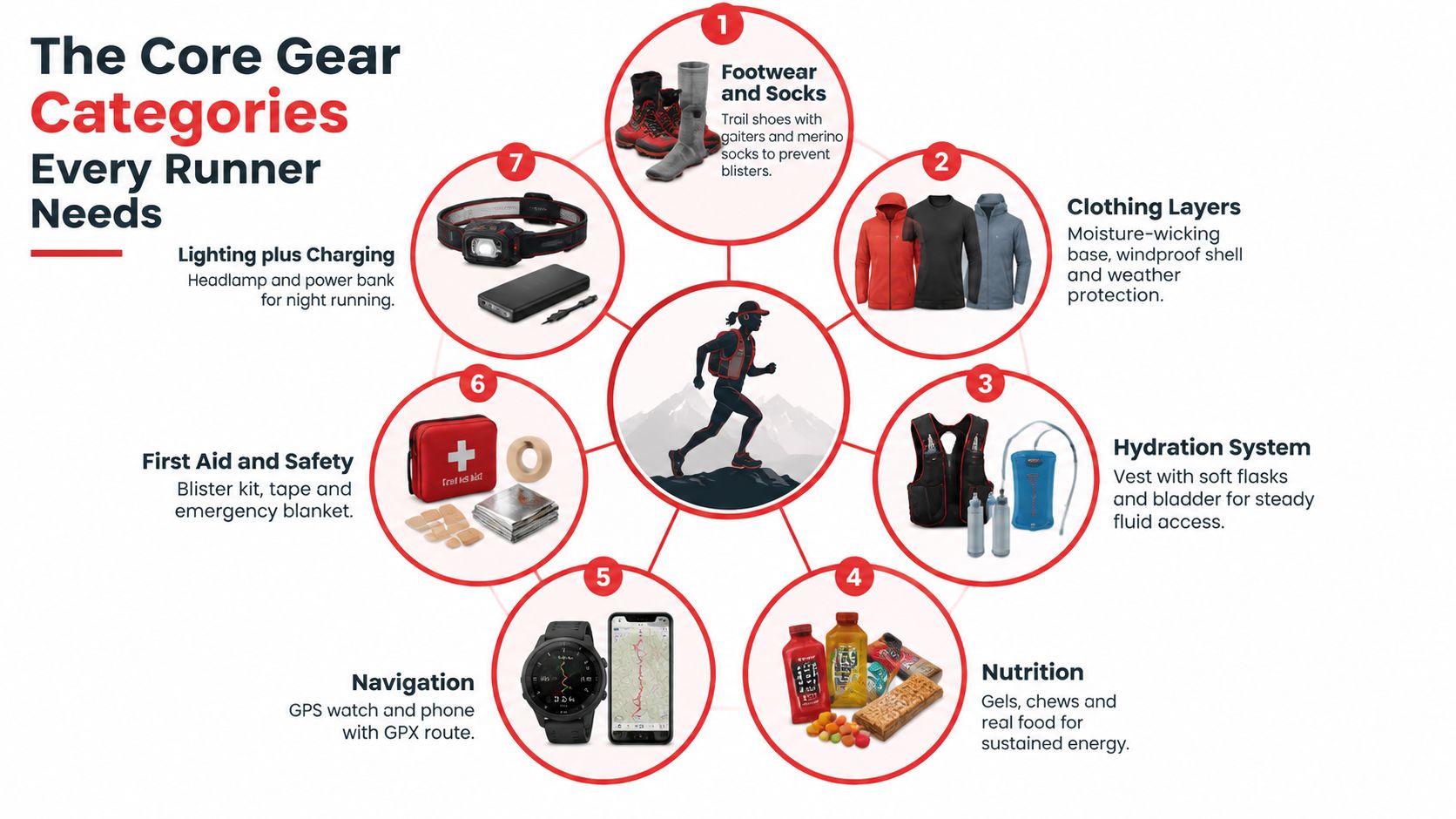
A useful ultramarathon gear list has seven connected categories:
- Footwear and socks protect the base of the system. Shoes must suit the surface, while socks and foot-care supplies manage moisture and friction.
- Clothing layers regulate temperature. A base layer moves moisture, insulation preserves warmth, and a shell blocks wind and rain.
- Hydration provides accessible fluid capacity. Bottles, bladders, and electrolytes must match the distance between reliable refill points.
- Nutrition supplies usable energy. Gels, chews, bars, and real food give the runner alternatives when taste or texture becomes difficult.
- Navigation keeps the route understandable when signs are missed, visibility drops, or a phone battery weakens.
- First aid and safety address small injuries and help a runner signal or shelter while waiting for assistance.
- Lighting and charging support movement after dark and preserve access to navigation and communication.
Think in rings, not isolated purchases
The core ring contains mandatory safety items such as a whistle, waterproof shell, emergency blanket, charged phone, and headlamp. The second ring contains performance equipment, including trail shoes, a hydration vest, food, and a watch. The outer ring contains optional tools such as poles, extra comfort layers, or overnight camp equipment.
These rings interact. A longer gap between aid stations increases hydration and nutrition requirements. More carried food and clothing demands more pack volume. A larger pack can alter fit, bounce, and access, which may change the runner's shoe, pole, and clothing decisions. The all conditions running gear guide offers another useful way to think about equipment as a system that responds to terrain and weather.
An aid-supported 50K may shift spare socks and extra calories into a drop bag. A remote or multi-day race may keep the same categories but move more items onto the runner, into a crew vehicle, or into an overnight kit. Race rules decide what can be resupplied, when it can be accessed, and what must remain in the vest from start to finish.
The video below can help runners visualize how these categories work together during an ultra.
Footwear and Clothing Systems for the Distance
Shoes and clothing should be selected as a combined protection system. The shoe handles terrain and impact, while the clothing system manages heat, wind, rain, and the slower temperature changes that arrive after many hours.
For a 50K on runnable trails, a moderate trail shoe with reliable lugs and familiar cushioning may be enough. Technical rock benefits from a rock plate and a more protective upper. Mud and loose ground call for deeper lugs, while long road sections may favor smoother rubber and more cushioning. Shoes should be tested on long training runs, not introduced at the start line.
Feet often swell during very long races. Technical packing guidance commonly recommends sizing trail shoes an extra half-size up for 100-mile events, with the recommendation tied to swelling and descending-related toe impact in this ultramarathon checklist. Socks should be moisture-wicking and proven. A blister-prevention kit can include broken-in shoes, moisture-wicking socks, anti-chafe balm, tape, blister patches, spare socks, sterile needles, and alcohol swabs as outlined in this foot-care guide.
Footwear and Clothing by Race Distance
| Gear Item | 50K | 50 Miles | 100 Miles |
|---|---|---|---|
| Shoes | Trail shoes matched to the surface, with familiar cushioning | Protective trail shoes, with a spare pair considered for a drop bag | Race-tested shoes with room for swelling, plus a possible replacement pair |
| Socks | One tested moisture-wicking pair, with a spare if rules or conditions require it | Spare socks and a compact blister kit | Multiple tested pairs, with changes planned around weather and foot condition |
| Base layer | Lightweight synthetic or merino layer | Wicking base layer with an additional layer available | Moisture-managing base layer plus insulation for night sections |
| Mid layer | Packed insulation according to forecast and race rules | Compressible insulating layer | Warm, packable insulation that remains useful when damp |
| Shell | Waterproof jacket if mandatory or weather requires it | Seam-sealed waterproof shell and possible leg protection | Fully protective shell, gloves, and head covering accessible in the vest |
Cotton becomes a poor choice when wet because it dries slowly and loses insulating value. Synthetic fabrics dry quickly, while merino can help regulate temperature and manage odor during longer events. A modular system usually includes a base layer, mid insulation, waterproof shell, hat, and gloves. Above treeline or in exposed terrain, a seam-sealed shell should remain accessible, not buried at the bottom of the pack.
Fit also needs attention beyond standard sizing. Women's and men's packs can use different harness shapes, while shorts, sports bras, and waistbands must avoid pressure points under a vest. Runners comparing lower-leg support can review men's compression sleeves for 2026, but compression should never replace a shoe and clothing fit that already works on long runs.
Hydration, Packs, and On-the-Trail Fueling
Hydration, pack selection, and nutrition form one operating system. A runner can't plan food in isolation from the aid-station map, because every calorie and bottle must either be carried or deliberately resupplied.
Start with the longest gap between aid stations. Then identify the fluid container that can be refilled quickly and reached without removing the vest. Soft flasks work well in front pockets for frequent sipping. A bladder can provide larger capacity and a bite valve, but it may be harder to monitor and refill. A water container may be mandatory because some aid stations don't provide cups or glasses according to this participant guide.
A vest or pack should sit close to the torso without restricting breathing. Front pockets should hold the items used while moving, such as food, phone, and bottles. Pole attachment points matter only if the runner can stow and retrieve poles without repeated stops. Pack-volume guidance commonly places fast races around 5 to 8 liters, most ultras around 8 to 12 liters, and extended autonomy or alpine and cold conditions at 12 liters or more in this gear guide.
Hydration and Fueling by Race Distance
| Distance | Pack Volume | Fluid / Hour | Calories / Hour | Primary Fuel Format |
|---|---|---|---|---|
| 50K | Small vest matched to aid-station gaps | Set from the course plan and conditions | Set from tested training intake | Gels, chews, drink mix, and familiar solids |
| 50 Miles | Larger vest when gaps or weather demand it | Adjusted for heat, effort, and refill access | Planned before the start and carried between stations | Mixed sweet and savory options |
| 100 Miles | Capacity matched to night sections and remote stretches | Refilled deliberately at aid stations | Variety becomes more important as fatigue builds | Gels, liquid calories, bars, and real food |
| Stage race | Expanded pack or crew-supported system | Planned for each stage and resupply point | Carried food plus crew or drop-bag replenishment | Portable stage fuel and recovery food |
No universal drinking or calorie figure belongs on every runner's plan. Heat, effort, body size, terrain, and personal tolerance change the right intake. Training runs should test whether a runner can open packaging, eat while moving, and continue with the selected foods when tired.
The day-hiking backpack guide can help readers compare carrying layouts, but an ultramarathon vest needs running-specific stability and reach. For crewed events, bottle hand-offs and drop-bag solids should be labeled by aid station, with the runner carrying enough mandatory kit to remain safe if a hand-off is delayed.
Navigation, First Aid, and Lighting Redundancy
Navigation, first aid, and lighting earn mandatory-kit status because each solves a different failure. Navigation prevents a wrong turn from becoming a long detour. First aid keeps a hot spot or minor injury manageable. Lighting preserves visibility when daylight ends or a primary device fails.
A layered navigation system starts with an offline GPX route on a phone app. A secondary device, such as a Garmin or COROS watch, provides another display and may reduce dependence on the phone. A paper map and compass add a non-electronic fallback for events that require them or routes where batteries are difficult to replace.
Small first aid with clear jobs
A vest-pocket first-aid kit doesn't need to imitate a medical bag. It needs supplies that match likely problems and the runner's ability to use them:
- Foot repair: Tape, blister patches, sterile needle, and alcohol swabs address friction and hot spots.
- Support: Elastic bandage and additional tape can help stabilize a minor problem until the runner reaches assistance.
- Warmth and signaling: An emergency blanket and whistle help protect and attract attention when continuing isn't safe.
- Personal needs: Any required medication or electrolyte replacement should remain accessible and protected from moisture.
The first aid kit camping guide provides a useful reference for organizing compact supplies without burying the items that matter most.
Lighting should have a backup
Headlamps appear repeatedly in mandatory race rules. Some events require a headlamp after dark, spare batteries, or a second lamp, and one race guide requires a headlamp when runners leave aid stations after 5:00 pm as described in this ultramarathon gear checklist.
The primary lamp should illuminate the expected terrain, while the backup light should be usable without unpacking the entire vest. Spare batteries, a charging cable, or a power bank need to match the lamp's actual system. On a multi-day course, crews can recharge lights at aid stations using power banks or available vehicle outlets, but the runner still needs enough light to reach that support point.
Race Day vs Crewed Multi-Day Packing
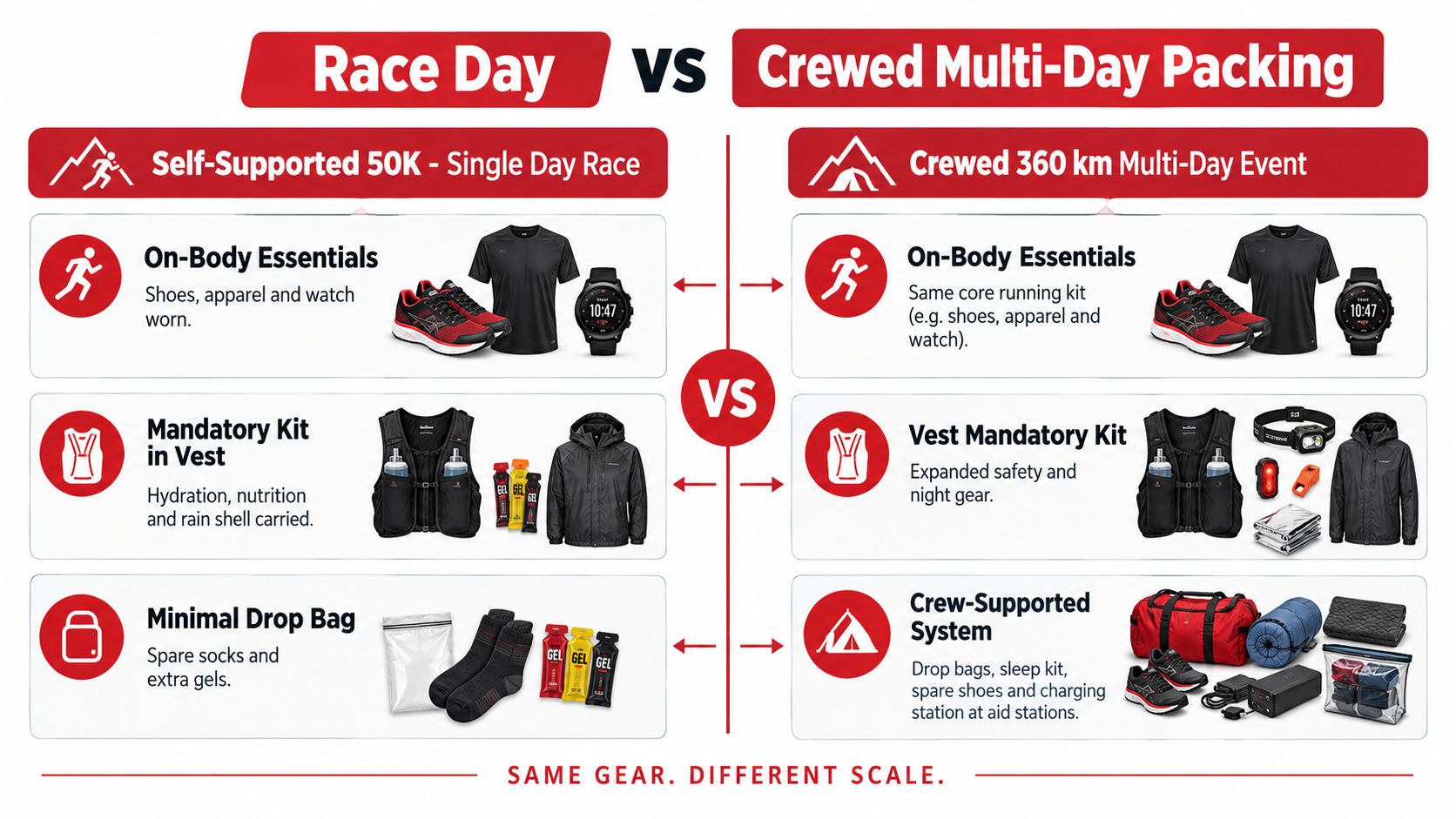
A self-supported 50K and a crewed 360 km stage event use the same safety logic, but they distribute equipment differently. The single-day runner carries a compact working kit. The multi-day runner carries core protection on every stage and relies on organized resupply for recovery, sleep, and replacement equipment.
Self-supported race day
The runner should separate the kit into three practical layers:
- On-body essentials: Proven shoes, socks, race clothing, watch, and any required personal items.
- Mandatory vest kit: Hydration capacity, food, waterproof shell, emergency blanket or bivvy, whistle, phone, lighting, and first aid as required by the race.
- Small drop bag: Spare socks, extra food, backup batteries, or a replacement layer, provided the event offers access.
A drop bag should support the plan without weakening the carried system. If a runner misses the station or reaches it outside the access window, the mandatory kit still needs to be present.
Crewed multi-day events
A crewed runner still carries lights, navigation, a base layer, weather protection, phone, hydration, food, and blister supplies during every stage. The crew vehicle or aid-station bins can hold a sleeping bag, mattress, dry shoes, recovery food, charging cables, and fresh socks for the next loop. Overnight gear bags should be labeled by stage or rest stop, not packed as one undifferentiated pile.
Race rules determine where crews can meet runners and what they may hand off. Some courses allow exchanges only at aid stations, while others restrict the type or timing of assistance. A crew plan should therefore identify legal hand-off points, backup supplies, and the items that must remain with the runner.
Weight-Saving Tactics and Packing Strategy
Weight reduction works best when it removes duplication, not protection. A runner can save space by choosing one multipurpose balm instead of several single-use sticks, combining blister and wound supplies, or using a collapsible container that disappears when empty.
A soft flask can pack smaller than a rigid bottle, while a collapsible bladder can provide reserve capacity when the course requires it. Clothing also rewards careful selection. A lightweight synthetic or merino layer can replace a heavier cotton blend, provided it still meets the weather and race requirements.
The pack itself should be loaded for movement, not storage:
- Keep dense items close to the back: This reduces unwanted sway and keeps the load stable.
- Place water low and secure: The runner should avoid a sloshing, top-heavy reservoir.
- Use shoulder-strap pockets for snacks: Food should be reachable without stopping or unpacking.
- Store the shell near the top: A waterproof layer has little value if it sits beneath every other item.
- Attach poles only when useful: Pole hardware earns its place when the terrain and plan justify it.
A 30 g saving matters less than forgetting the waterproof layer. Safety equipment has to survive the weight audit.
The false economy is cutting a backup light, emergency insulation, or phone power to save a small amount. A better audit asks whether each item has one clear purpose, can perform more than one job, or duplicates a critical failure point. If removing it makes a weather delay, wrong turn, or foot problem harder to manage, the weight cut is probably too aggressive.
Pre-Race Checklist and Common Questions
Seven days out, the runner should confirm the race's mandatory list, download the route, test every light and charging cable, and label drop bags by aid station. During the final days, the runner can prepare food, check shoes and socks, verify phone power, and organize layers by access priority. The night before, clothes should be laid out, bottles prepared, and the emergency kit placed where it can be inspected quickly.
Do GPS watches count as mandatory navigation? Only when the race rules accept them. A watch is useful as a secondary device, but it shouldn't replace a required map, compass, or charged phone.
Why carry two headlamps? Darkness, fatigue, battery depletion, and device failure create larger problems late in a race. A backup light provides an independent way to see and signal.
Handheld bottles or a bladder? Handheld bottles offer simple monitoring and quick refills. A bladder can carry more fluid with less front-pocket crowding. The better choice is the one the runner can reach, refill, and use consistently.
Do compression socks help over 100 km? They may feel comfortable for some runners, but fit, heat, moisture, and personal response matter. They shouldn't create pressure, rubbing, or a false sense that foot-care supplies are unnecessary.
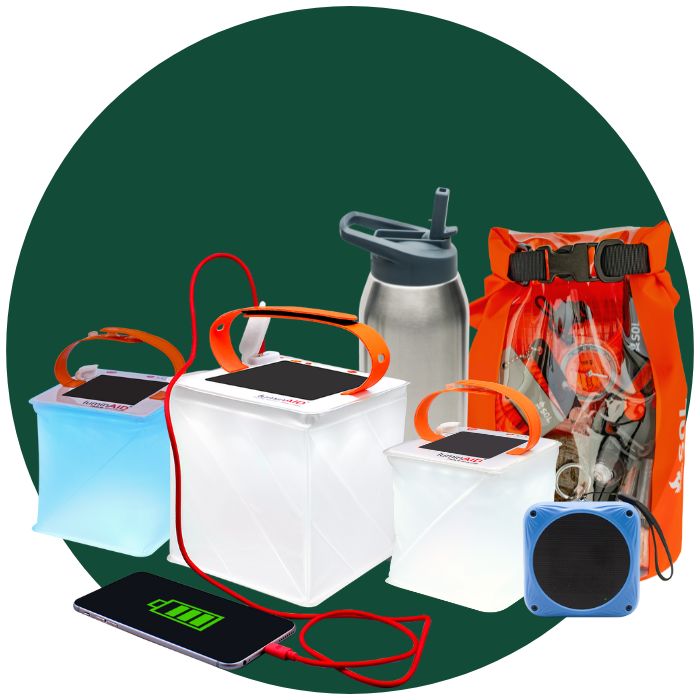
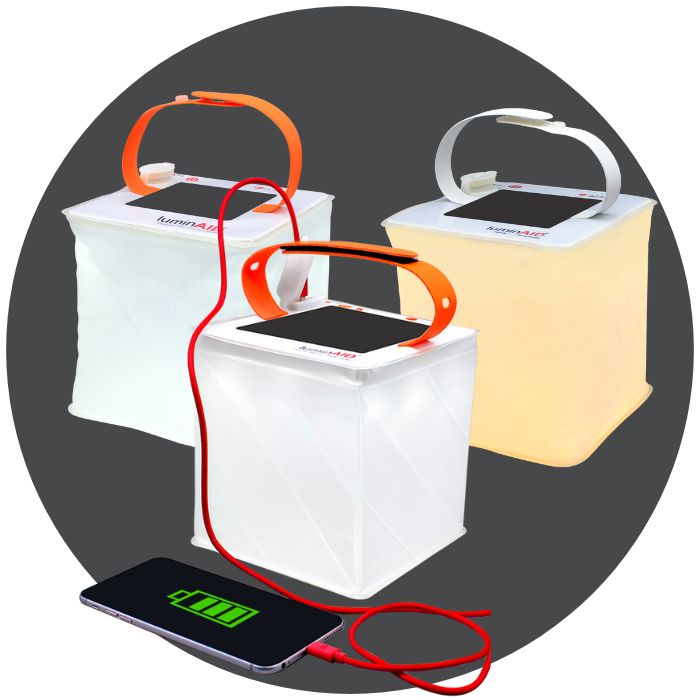
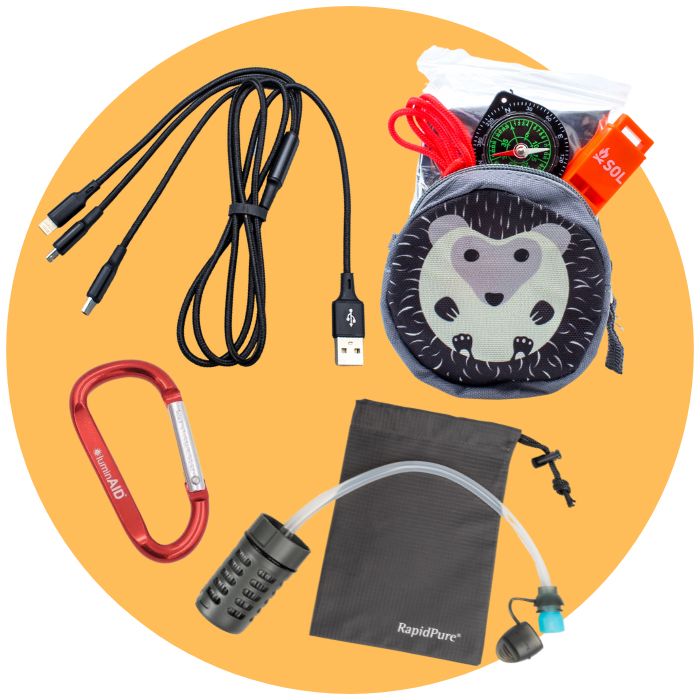
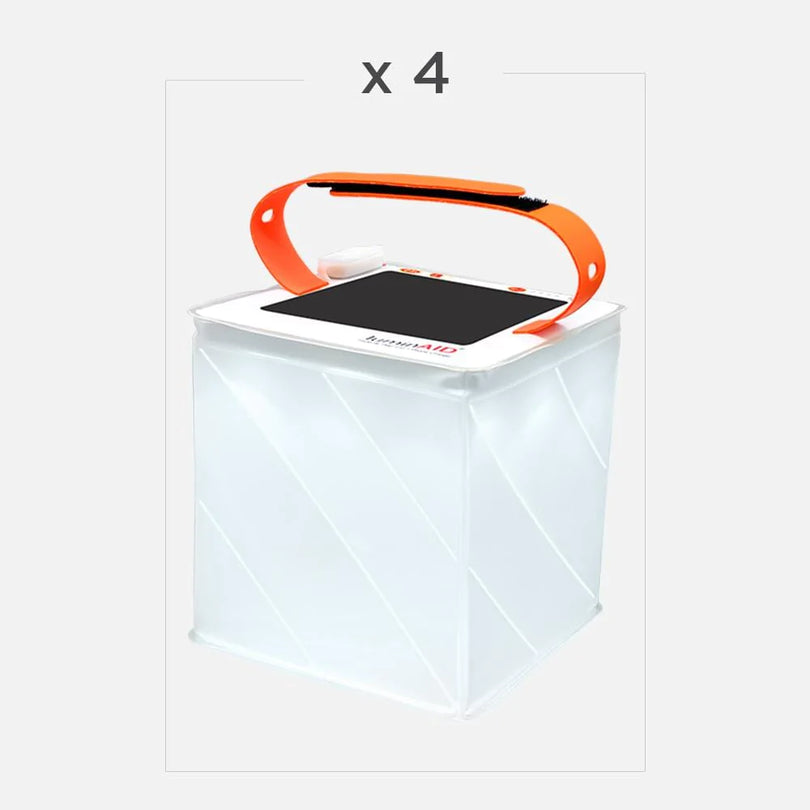
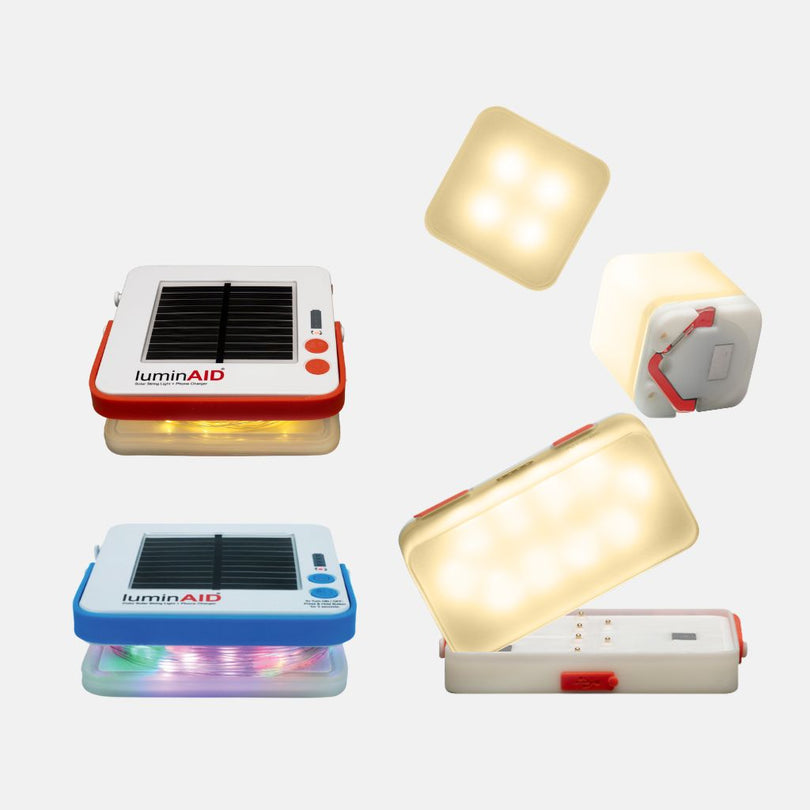
LuminAID offers portable solar lanterns and 2-in-1 phone chargers, along with a Heavy Duty Emergency Blanket in its accessories collection, which can fit the broader lighting and emergency-planning needs around an ultramarathon. Visit LuminAID to review compact off-grid lighting and charging options for race preparation, crew vehicles, and overnight outdoor use.