



Many find themselves hitting the same wall in December. You want gifts that feel generous and personal, but you don't want to spend money on novelty clutter, glossy plastic packaging, or items that work for one week and then disappear into a drawer.
That tension is why eco friendly gifts Christmas shopping has changed. It isn't just about buying less. It's about buying with more purpose. A gift can be lower waste and still feel exciting. It can be practical and still feel warm. And for people who camp, travel, deal with outages, or just like being prepared, the most responsible gift often isn't the smallest or the simplest. It's the one they'll keep using.
Giving More Thoughtfully This Christmas
A lot of holiday guilt starts after the wrapping paper hits the floor. The gift looked festive for five minutes, then the bags, bows, plastic windows, inserts, and ribbons turned into a cleanup job. That's not a personal failing. That's how seasonal shopping is built.
The scale of that waste is hard to ignore. The Environmental Protection Agency has said holiday materials such as bows and bags add 1 million tons of trash to landfills every week, and UK festive periods generate 30% more rubbish than the rest of the year. The same source notes that 62% of UK shoppers now intend to buy at least one sustainable gift, which shows eco-minded gifting has moved into the mainstream (Seagoing Green on the rise of eco-friendly presents).
That shift matters because people aren't just shopping for ethics. They're trying to avoid waste that feels obvious and unnecessary.
Buying a greener gift isn't about proving a point. It's about giving something the recipient will still want in February.
The useful mindset is simple. Start with the person's real life. Do they cook, hike, read outside, keep an emergency bin, travel by car, lose power in storms, or spend weekends camping with family? Once you answer that, eco-friendly gifting gets easier. You stop hunting for products that look sustainable and start looking for items that stay in use.
That usually leads to better presents anyway. Fewer gimmicks. More durable gear. Less packaging. More thought.
What Makes a Gift Truly Eco-Friendly
A gift isn't eco-friendly because the label says "green." It earns that label through materials, lifespan, production choices, and end-of-life design. If one of those breaks down, the sustainability claim gets thin fast.
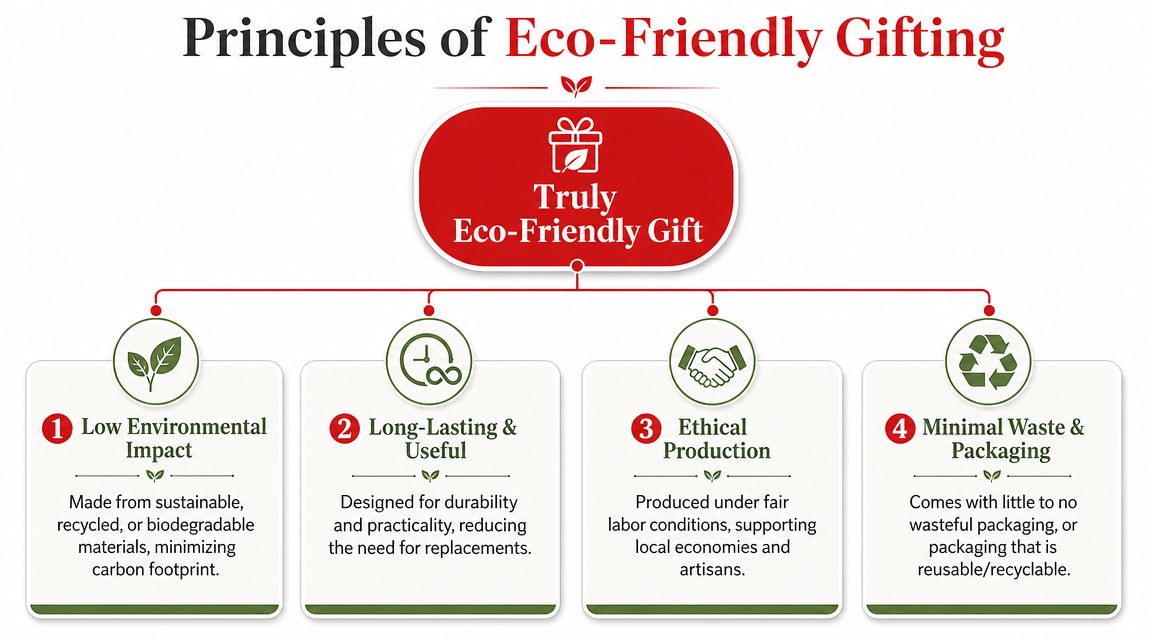
For a useful foundation, focus on one technical signal above the rest. Reusability plus end-of-life design. Items that are locally made, recycled or repurposed, fully compostable, or reusable reduce replacement frequency and cut waste compared with single-use gifts (Eartheasy's sustainable Christmas gift guidance).
A practical checklist that works
I use a simple filter when judging gifts.
- Good means lower-impact materials. Recycled fabric, wood from responsible sources, metal over brittle plastic, refillable containers, and packaging that doesn't rely on mixed materials.
- Better means repeated use. A tea towel that becomes wrapping and then kitchen gear. A metal lunch box that replaces disposable storage. A quality headlamp or lantern that gets packed again and again.
- Best means repeated use plus a clear afterlife. The item lasts, avoids frequent replacement, and can be reused, repaired, recycled, or composted when it finally wears out.
What usually doesn't hold up
Greenwashing often shows up in vague language.
- "Eco" with no detail. If a brand won't explain material content, packaging, or disposal, assume the claim is thin.
- Compostable but only in theory. If the item has coatings, mixed parts, or no clear disposal pathway, compostable claims may not matter in real life.
- Novelty sustainability. Cute zero-waste gadgets can still become clutter if the recipient won't use them.
A better standard is usefulness first, sustainability second, and then checking whether the product can stand up to actual life. That's one reason conservation work matters beyond shopping. Groups that build habits around care, repair, and stewardship, including Kona Honu Divers' conservation efforts, remind people that sustainability isn't a label. It's a practice.
To sharpen that lens, this short video is worth a watch.
Practical rule: If a gift needs replacing quickly, arrives wrapped in layers of plastic, or has no realistic disposal path, it probably isn't as eco-friendly as the marketing suggests.
Smart Categories for Sustainable Christmas Gifts
A smart gift category does two things. It fits the person, and it avoids waste over time. Those aren't always the same thing. Some low-waste gifts are beautiful but not very useful. Some practical gifts have more material upfront but prevent years of throwaway buying.
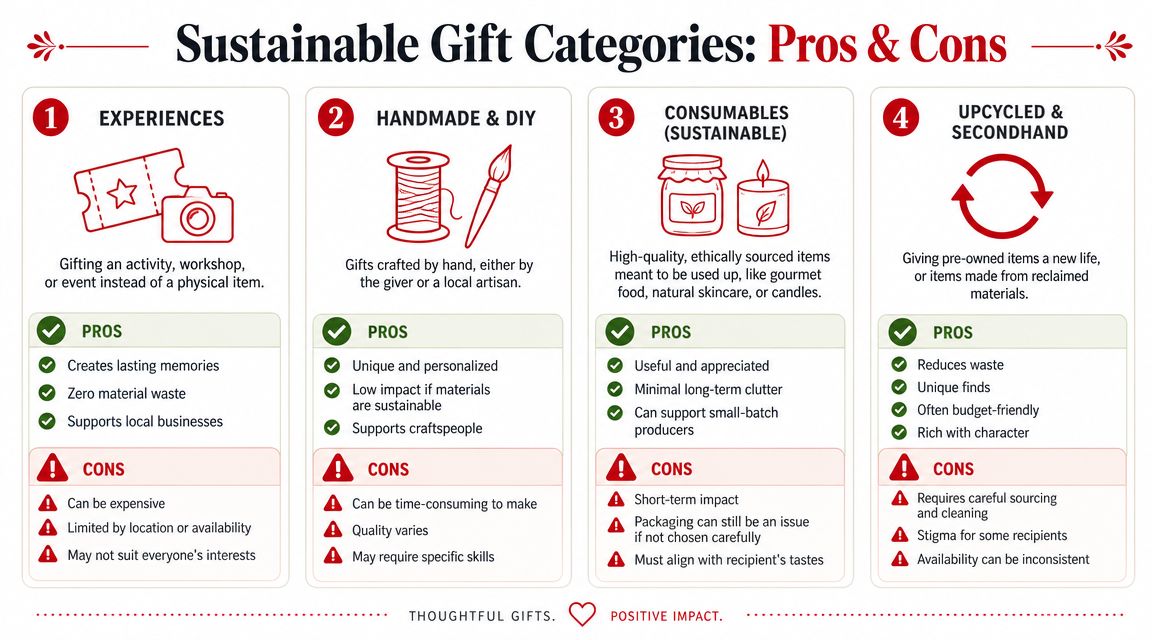
Experiences, consumables, and living gifts
Experience gifts work well when the recipient values time more than stuff. Classes, park passes, museum tickets, or a booked outing create almost no physical clutter. The downside is obvious. Some people want something to open, keep, and use.
Consumables are strong when you know the person's habits. Good coffee, refillable pantry goods, handmade soap bars, beeswax candles, and trail snacks get used up. The mistake is buying generic "eco" consumables that don't match the household. A fancy tea set for someone who drinks coffee every day is still wasteful.
Living gifts can work too, but only when the recipient wants the responsibility. If you're considering a plant, it helps to discover living presents for any occasion and choose something suited to the person's home and care habits.
Durable goods deserve more respect
A lot of gift guides treat durable gear as less sustainable because it isn't minimal. I think that's too simplistic.
A long-lasting water bottle, insulated food jar, repairable backpack, cast-iron pan, or quality wool layer often beats a more delicate "green" alternative because it survives regular use. The environmental logic is straightforward. If the product stays in service, it slows the replacement cycle.
That same logic applies to children's gifts too. If you're shopping for younger family members, eco-friendly children's gifts are strongest when they combine durability, learning, and repeated use instead of disposable novelty.
When powered gifts are the responsible choice
Many eco friendly gifts Christmas lists frequently fall short. They assume the most responsible option is always non-powered. That's not always true.
A key trade-off is the choice between a solar lantern or charger and lower-tech options like candles or battery-powered lights. Guidance on fair and durable gifting notes that a gift with embedded energy capture and a long service life can be the more responsible option, especially for outages, camping, and off-grid preparedness (Fair Trade Certified holiday gift guide).
Here's the practical breakdown:
- Candles feel simple, but they're consumable, limited, and not ideal for enclosed spaces, tents, or households with kids and pets.
- Battery lights are familiar, but they create a steady stream of battery waste and usually get shoved aside once the batteries die.
- Solar lanterns and solar chargers ask for more material upfront, but they can replace repeated buying of candles and disposable batteries over a much longer service life.
The greener gift isn't always the one with the least hardware. It's often the one that prevents the most repeat waste.
Top Gifts for Outdoor Enthusiasts and Home Preppers
People who camp, keep emergency bins, or spend time outdoors don't need decorative sustainability. They need gear that works when the weather turns, the power goes out, or daylight disappears early.
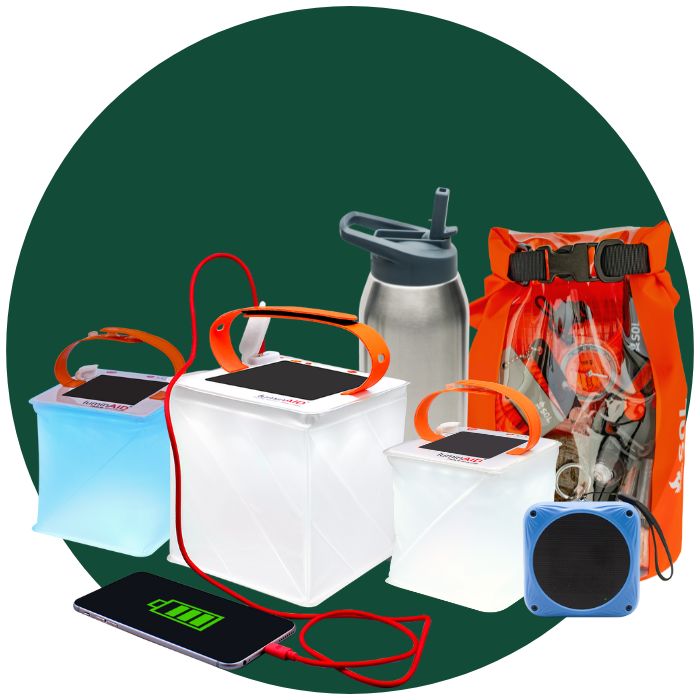
That makes this category unusually strong for eco-minded gifting. Useful preparedness gear tends to be durable, reusable, and built to replace disposable alternatives. A solar lantern can replace candles and battery packs. A filter bottle can cut dependence on single-use bottled water. A compact first aid kit prevents the waste of buying scattered one-off supplies in plastic packaging.
Eco-gift ideas that pull their weight
| Gift Idea | Replaces Disposable Alternative | Eco-Friendly Benefit |
|---|---|---|
| Solar lantern | Candles and battery-powered lights | Reusable light without ongoing disposable battery use |
| Rechargeable headlamp | Single-use batteries in basic torches | Longer service life and less battery waste |
| Water filtration bottle or filter system | Single-use bottled water | Cuts packaging waste and supports repeated use |
| Compact first aid kit | Miscellaneous single-use packaged supplies bought separately | Better organization and less duplicated buying |
| Reusable fire starter and weatherproof storage | Cheap throwaway ignition items | Longer usability in camping and emergency kits |
A gift in this category should solve a real problem. That's the standard.
What I recommend in practice
For campers and backpackers, light and packability matter. For home preppers, reliability and storage matter. For families, ease of use matters. Those priorities overlap more than people think.
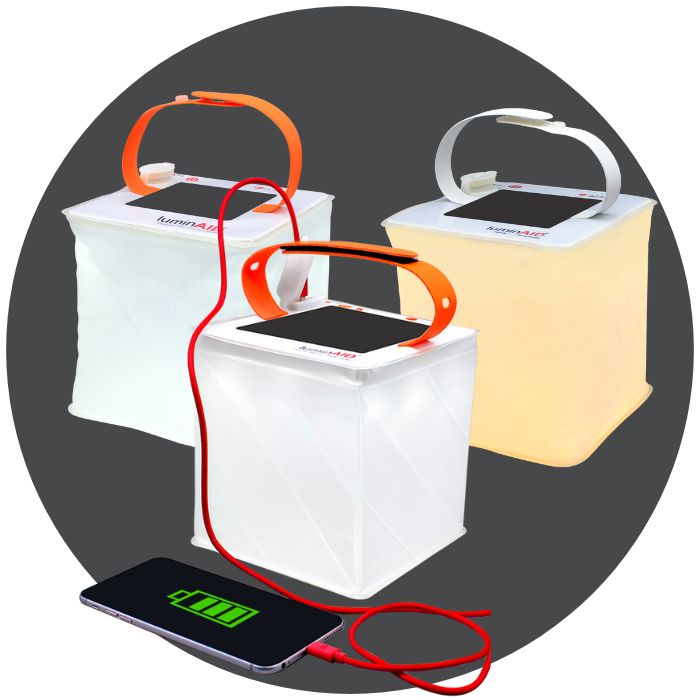
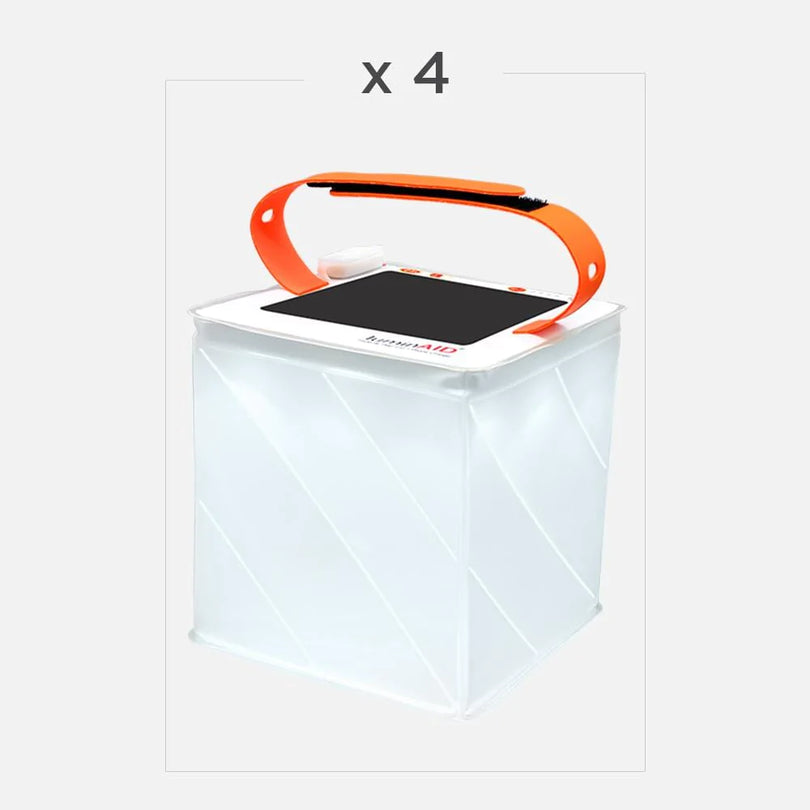
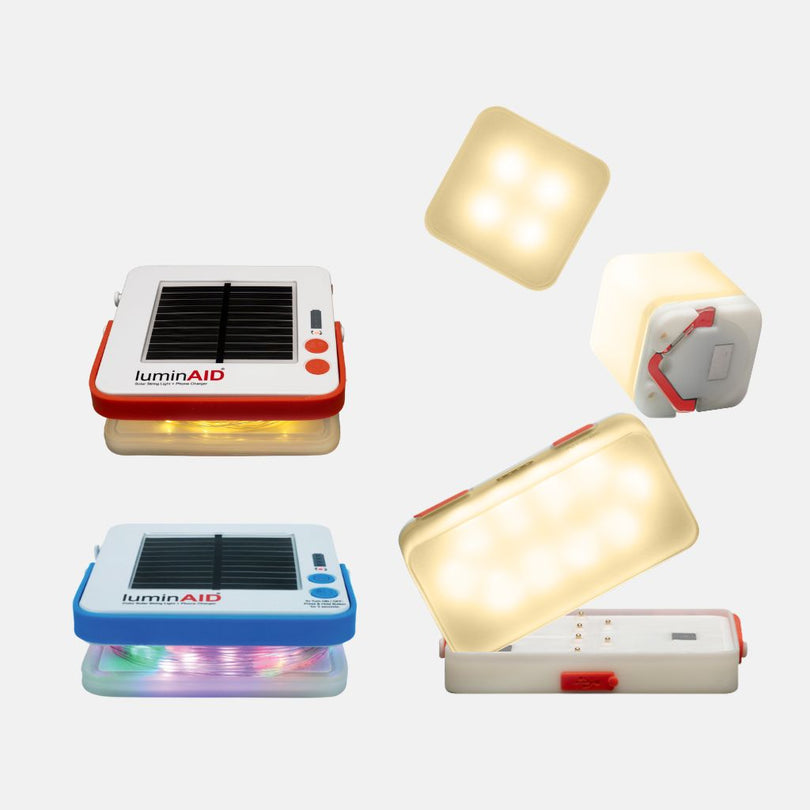
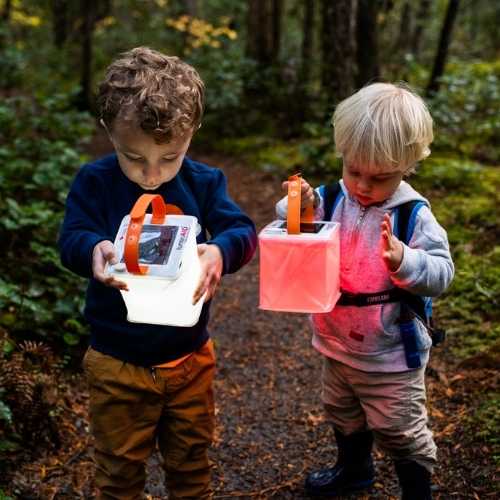
A solar lantern is one of the few gifts that works across all three groups. One option in that category is LuminAID, which makes portable solar lanterns and phone-charging lights for camping and emergency preparedness. If you want more ideas in the same lane, this roundup of gifts for camping is useful for sorting gear by actual outdoor use rather than novelty.
You can widen the gift set without losing the sustainability angle.
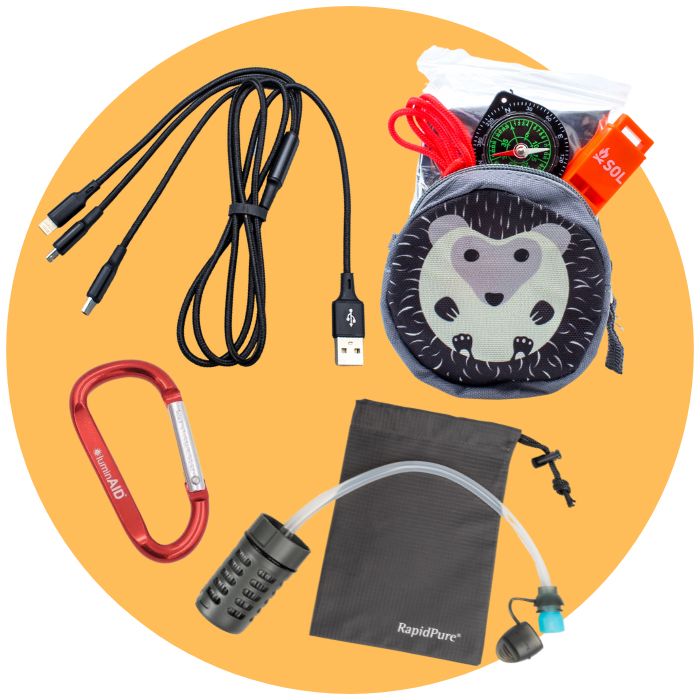
- For first aid and trail safety, a compact kit from Adventure Medical Kits makes more sense than random stocking fillers.
- For survival basics, Survive Outdoors Longer focuses on emergency tools people can pack and keep.
Preparedness gear becomes sustainable when it gets used, maintained, and kept for years. A drawer full of untouched gadgets doesn't count.
The mistake is overbuying. One well-chosen tool is enough. A dependable lantern, a serious first aid kit, or a filter bottle gives the recipient something practical without turning "preparedness" into gear hoarding.
Sustainable Wrapping and Smart Budgeting
Even a well-chosen gift can get undermined by wasteful presentation. Packaging matters because Christmas creates a huge disposal spike. A 2026 packaging review reported that about 114,000 tonnes of plastic packaging are thrown away in the UK over the holiday season instead of being recycled, and consumers send more than 100 million bags of rubbish to landfills each Christmas (GWP on Christmas packaging facts).
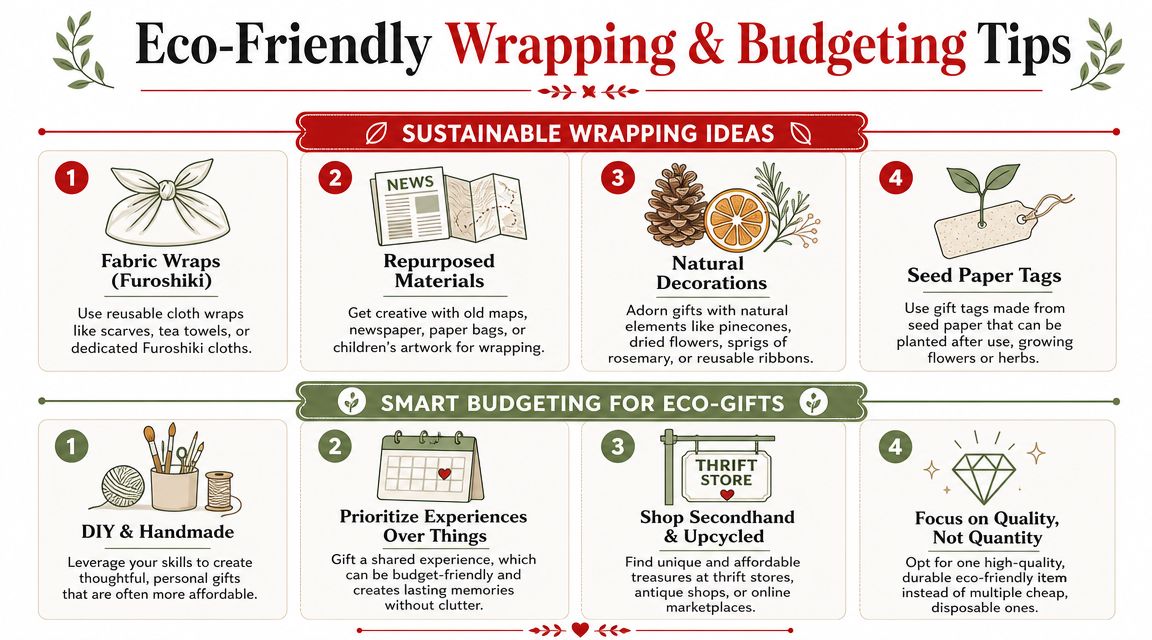
Better wrapping choices
Wrapping is one of the easiest places to cut waste without making the gift feel cheap.
- Fabric wraps do double duty. Scarves, tea towels, bandanas, and cloth squares become part of the gift instead of instant trash.
- Repurposed paper works well when kept simple. Old maps, kraft paper, newspaper, and saved paper bags are easy to recycle if you skip glitter, foil, and plastic tape.
- Reusable containers solve two problems. Tins, boxes, stuff sacks, and baskets present the gift and store it later.
- Natural decoration finishes the package cleanly. Twine, rosemary sprigs, dried orange slices, and pinecones look seasonal without adding mixed-material waste.
Packaging guidance from zero-waste gift resources consistently recommends reusable gift bags and boxes, upcycled paper, newspaper, fabric wraps, and avoiding plastic-heavy decorative pieces because mixed materials complicate recycling (Going Zero Waste on sustainable gift wrapping).
Budgeting without buying junk
A sustainable gift doesn't have to be expensive. It does have to be deliberate.
Try this approach:
- Buy fewer total items. One durable present beats several cheap fillers.
- Match the price to the expected lifespan. A gift used for years often gives better value than a trendy item used once.
- Use secondhand where it makes sense. Books, cast iron, wool blankets, binoculars, and many outdoor accessories age well.
- Bundle practical low-waste items. A tea towel, quality soap bar, and pantry staple can feel thoughtful without becoming clutter.
The budget trap is buying a lot of "small sustainable things" that don't serve a real purpose. That still creates waste. Keep the standard high. If it isn't useful, don't buy it just because it's marketed as eco.
Make Your Gift Count Twice This Christmas
The strongest eco friendly gifts Christmas choices have three things in common. They get used. They last. They reduce future waste instead of just looking virtuous on the day they're opened.
That shifts the whole question. Instead of asking, "What looks sustainable?" ask, "What will this person rely on?" For some people, that's a local food gift or a class. For others, it's a lantern, first aid kit, or repairable piece of outdoor gear. The right answer depends on the person, not on a rigid idea of what an eco gift is supposed to look like.
There's another layer worth considering. A gift can help the recipient and still do something beyond the exchange itself. That's part of why sustainable gifting is gaining ground in personal and business settings alike, especially where buyers want practical items tied to a bigger purpose, as discussed in this look at sustainable gifting as a corporate trend.
The best holiday gifts do more than reduce waste. They add resilience. They support daily life. They make someone better equipped, whether that's for a quiet campsite, a dark driveway during an outage, or a family emergency that nobody planned for.
Give the item people will still thank you for when the season is over and real life starts again.
That usually means less novelty, less packaging, and more honest usefulness. It's a better standard for the planet, and it's a better standard for gift giving.
If you want a gift that combines lower-waste lighting with practical off-grid use, take a look at LuminAID. Their solar lanterns and phone-charging lights fit naturally into camping kits, emergency supplies, and thoughtful holiday gifting, and their broader mission makes the purchase feel useful in more than one way.