

Think of your day hiking backpack less like a simple bag and more like your mission control for the trail. It’s a specific piece of gear built for the demands of a single-day adventure, and honestly, it's one of the most critical items you'll own as a hiker. It’s worlds away from a school bag and a whole lot smarter than a massive multi-day pack.
What Makes a Day Hiking Backpack Essential

A proper daypack is designed from the ground up for moving comfortably over varied terrain. Sure, you could stuff your gear into a regular backpack, but after a few miles, you’ll feel the difference. A school bag has no real suspension system, which means sore shoulders, an aching back, and zero ventilation.
On the other end of the spectrum, using a giant backpacking pack for a day trip is just hauling around dead weight. A daypack hits that perfect middle ground.
Finding the Right Size
Most day hiking backpacks fall into the 15 to 35-liter capacity range. This is the sweet spot for carrying what you need for a full day out without feeling like you're training for an expedition.
This size gives you plenty of room for the "ten essentials," the non-negotiable safety items every hiker should carry.
Day Hiking Backpack Capacity Guide
Choosing the right pack volume can feel tricky, but it really just depends on how long your hike is and what kind of weather you expect. This table breaks down the common sizes and what they're best suited for.
| Capacity (Liters) | Best For | Example Essentials |
|---|---|---|
| 10–20 Liters | Short, half-day hikes in good weather | Water, snacks, a light rain jacket, sunscreen, and a phone. |
| 20–30 Liters | Full-day hikes or trips in variable weather | All of the above, plus extra layers, a first-aid kit, and more food. |
| 30–35 Liters | Long days, winter hikes, or gear-heavy trips | Everything for a full day, plus microspikes, extra warm layers, and emergency gear. |
Remember, it’s always better to have a little extra space than not enough, especially when safety is on the line.
Your Most Important Tool for Safety
At its core, a daypack is a tool for preparedness. It’s what lets you confidently face a sudden downpour with a rain shell, fix a hot spot before it becomes a blister, or stay hydrated and fed when a "quick hike" takes longer than planned. It’s what gets you home safe.
It's no surprise that daypacks are the most popular type of pack sold—they are the key to unlocking countless adventures, big and small.
Finding the Right Fit for Your Body and Hike
Choosing a new day hiking backpack is a lot like shopping for new hiking boots. While features and style definitely matter, nothing is more important than getting a perfect fit.
An ill-fitting pack, no matter how fancy, will turn a great day on the trail into a painful chore. It'll dig into your shoulders and put a miserable strain on your back. The goal is to find a pack that feels less like you're hauling cargo and more like a natural extension of your own body.
The good news is, getting that perfect synergy is pretty straightforward. You just need to understand two things: your own measurements and the kind of hiking you actually do. The right pack won't just hold your gear; it'll distribute the weight so well you almost forget it’s there, letting you focus on the trail ahead.
The Most Important Measurement: Torso Length
The single most critical step in finding a comfortable daypack is measuring your torso length. This measurement—not your height—is what determines how well the pack’s frame transfers weight from your shoulders down to your hips, which are built to carry heavy loads.
You can easily get this measurement at home with a friend and a flexible tape measure.
- Locate Your C7 Vertebra: Tilt your head forward and feel for that prominent bony bump at the base of your neck. That's your C7 vertebra, and it marks the top of your torso measurement.
- Find Your Iliac Crest: Place your hands on your hips like you're about to say "Well, what now?" with your thumbs pointing towards your spine. The bony shelf your hands are resting on is your iliac crest. This is the bottom of the measurement.
- Measure the Distance: Have a friend run the tape measure in a straight line from your C7 vertebra down to that imaginary line connecting your thumbs on your iliac crest. That distance is your torso length.
Why Fit Beats Features: A pack that matches your torso length lets the hipbelt wrap perfectly around your iliac crest. This is key because it ensures that roughly 80% of the pack's weight rests on your hips, taking the burden off your shoulders and preventing pain on long hikes.
Once you have your number, you can check it against the sizing charts that backpack companies provide. Most brands offer packs in specific sizes (like Small, Medium, Large) or with adjustable torso lengths that let you dial in the perfect fit.
Matching the Pack to Your Hiking Style
The ideal daypack for a short, flat nature walk is completely different from the one you'd want for a steep, all-day mountain climb. Your pack's capacity, features, and overall structure should match the demands of your typical adventures.
A casual hiker might want something simple and lightweight, while a serious peak-bagger needs more support, structure, and ways to organize their gear.
This is exactly what we see happening in the market. The global demand for hiking backpacks is set to jump from USD 4.8 billion in 2026 to USD 7.5 billion by 2033. By far, the most popular category is the 10-25 liter daypack, which is perfectly suited for the vast majority of hikers who stick to day trips.
Gender-Specific Designs: A Matter of Comfort
You'll notice many brands offer "men's" and "women's" versions of their packs, and this is about a lot more than just color choices. These packs are engineered to fit different body shapes, which leads to a much more comfortable and ergonomic experience on the trail.
- Shoulder Straps: Women's packs usually have S-curved shoulder straps that are narrower and shorter. This shape is designed to contour comfortably around the chest, preventing the chafing and pressure points you can get with straight-cut "unisex" straps.
- Hipbelts: The hipbelts on women's packs are often shaped and angled to sit more naturally on curvier hips. This helps you tighten the belt securely so it doesn't slip or dig in, which is crucial for getting that weight off your shoulders.
- Torso Lengths: Women's-specific models are generally offered in shorter torso length ranges, providing a much better fit for female hikers who might find a standard pack too long.
Ultimately, the best pack is the one that fits your body, regardless of what the label says. Don't be afraid to try on several different models from different brands to see what feels best.
For more advice on hitting the trail with confidence, especially if you're hiking by yourself, check out these essential solo hiking tips. A well-fitted pack is your first step toward a safe and incredible adventure.
Understanding Your Daypack's Key Features
Once you have a general size in mind, it's time to look at the features that make a day hiking backpack truly great. It’s easy to get lost in marketing hype, but understanding the pack’s anatomy is how you pick gear that actually performs on the trail. This is the difference between a pack that just looks good and one that still feels good after five miles.
Think of it this way: the pack's frame is its skeleton, the straps and back panel are its muscle system, and the pockets are its organs. Every part has a job, and when they work together, you get a comfortable and efficient hike.
This infographic shows the crucial first step: getting the right fit. Without a proper fit, none of the other features can do their job correctly.

As you can see, the process starts with measuring your torso—not just grabbing a pack off the shelf. This ensures the pack’s structure lines up with your body, which is key for distributing weight the right way.
The Pack's Skeleton: Frame and Suspension
The frame is the internal structure that gives a pack its shape and transfers weight from your shoulders to your hips. Most daypacks have a lightweight internal frame, like a flexible plastic sheet or thin metal rods, giving you support without adding much weight. For ultralight hikers on shorter trips, a frameless pack is another option, offering maximum flexibility and the lowest possible weight.
Working right alongside the frame is the suspension system—the hipbelt, shoulder straps, and back panel. This is what connects the pack to you.
- Hipbelt: This is the real workhorse. A good, padded hipbelt should sit snugly on your hip bones and is built to carry up to 80% of the pack's weight.
- Shoulder Straps: These are mainly for stability, keeping the pack close to your back. They shouldn’t be carrying the bulk of the load; if your shoulders ache, your hipbelt isn't doing its job.
- Sternum Strap: This little strap runs across your chest, connecting the shoulder straps. It stops them from slipping off and helps keep the load balanced.
Staying Cool: Ventilation Systems
A sweaty back is one of the biggest complaints on the trail. Luckily, modern daypacks have some clever ventilation features to help. The most effective is what’s often called a "trampoline" back panel. This design uses tensioned mesh to create an air gap between your back and the pack, letting air flow freely.
This isn't just about comfort; it's about performance. A cooler back helps regulate your core temperature, which means less fatigue. You can hike farther and feel stronger, especially on a hot day.
Other packs use foam pods with air channels cut into them. This design also boosts airflow but keeps the pack a bit closer to your body, which can improve stability on tricky, uneven ground.
Pockets and Hydration: Smart Organization
How a pack organizes your gear can make or break your day. Nothing is more frustrating than having to stop and dig through your entire bag for a snack or your phone. A well-designed day hiking backpack gives you a mix of storage options for quick access.
Look for these key features:
- Stretch Side Pockets: Perfect for water bottles or for quickly stashing a rain jacket.
- Hipbelt Pockets: These are for small, on-the-go items like lip balm, a trail bar, or your keys.
- Front "Shove-It" Pocket: This is a large, stretchy pocket on the front of the pack. It's ideal for stuffing a wet layer or a map without opening the main compartment.
- Hydration Reservoir Sleeve: This is an internal pocket made to hold a water bladder, with a small hole or "port" to run the drinking tube out to your shoulder strap.
Finally, remember that while most packs are water-resistant, they are almost never fully waterproof. Your electronics and emergency gear need to stay dry. A good emergency kit from a trusted brand like Adventure Medical Kits is a must-have, but it’s only useful if it's protected from the elements.
How to Pack for Perfect Balance and Easy Access

Owning a great daypack is one thing, but knowing how to pack it is what really makes a difference on the trail. A poorly packed bag is a clumsy, awkward burden that can throw off your balance and leave your shoulders aching.
The goal is to make your pack feel like a natural extension of your body, not dead weight. It all comes down to strategic weight distribution. When you get this right, packing stops being a chore and becomes a technique for better hiking.
The Art of Zoning Your Gear
The simplest way to master packing is by thinking of your backpack in three distinct "zones." It's a method pros use to move more gracefully and keep essential gear at their fingertips.
- Bottom Zone (Light & Bulky): The very bottom of your pack is for things you won’t need until you take a long break or set up camp. Think of gear that takes up space but doesn't weigh much, like a puffy jacket or an extra fleece. This creates a solid, stable base for the heavier items above it.
- Middle Zone (Heavy & Dense): This is the most critical zone for your stability. It’s the space in the middle of the pack, right up against your spine. This is where you should put your heaviest gear—your water reservoir or a dense lunch. Keeping that weight centered and close to your body prevents the pack from swaying and pulling you off balance.
- Top/Outer Zone (Frequent Use): Anything you need to grab on the go belongs here. This means the top of the main compartment and any outer pockets. Stash your snacks, map, phone, GPS, and rain jacket in this zone so you don’t have to stop and empty your whole bag just to find a granola bar.
Think of it like loading a ship: you place the heaviest cargo low and in the center to keep it from tipping in rough seas. The same principle applies to your backpack. Proper weight placement is your ticket to better balance and all-day comfort.
Smart Packing Tips Beyond the Zones
Once you’ve got the zones down, a few extra tricks can make a huge difference in your pack's performance and your own comfort on the trail.
For instance, use smaller stuff sacks to organize your gear. Keeping your first-aid kit in one and your electronics in another makes everything easier to find in a hurry.
And don't forget to use your pack’s compression straps. Once your bag is fully packed, pull these straps tight. This cinches the load closer to your body, gets rid of empty space, and stops your gear from shifting around while you hike. A tight, compact load is always more stable than a loose, sloppy one.
For more great strategies, check out these helpful packing hacks for your next trip.
Your Essential Day Hiking Gear Checklist
Packing your day hiking backpack isn't just about tossing in a water bottle and a granola bar. It's about being ready for the unexpected turns a day in the wild can take. A thoughtfully packed bag is your ticket to a safe and awesome day on the trail.
Thinking about your gear in categories—like Navigation, Safety, and Comfort—is a game-changer. It makes packing feel second nature and helps ensure you never leave a crucial piece of kit behind. This list covers the essentials that can turn a good hike into a truly great one, so you can handle anything from a missed turn to a sudden downpour.
Core Safety and Navigation Gear
These are your non-negotiables. Even on a trail you know like the back of your hand, things can go sideways fast. Knowing where you are and how to handle a minor emergency is what being a prepared hiker is all about.
- Navigation Tools: Your phone is a great tool, but don't bet your safety on it. A physical map and a compass are your most reliable friends out there. A dedicated GPS or a phone with downloaded offline maps makes for a solid backup.
- First-Aid Kit: This might be the single most important thing in your pack. You can build your own, but a quality pre-made kit from a brand like Adventure Medical Kits makes sure you’re covered for common trail troubles like blisters, scrapes, and sprains.
- Headlamp or Lantern: It's shockingly easy for a hike to run longer than you planned. A dependable light source is an absolute must for getting back safely if you get caught in the dark.
Modern Essentials for Added Safety and Comfort
Today's tech gives us some incredible new tools that add a huge layer of safety and convenience to any hike. These lightweight items can make all the difference when things don't go according to plan.
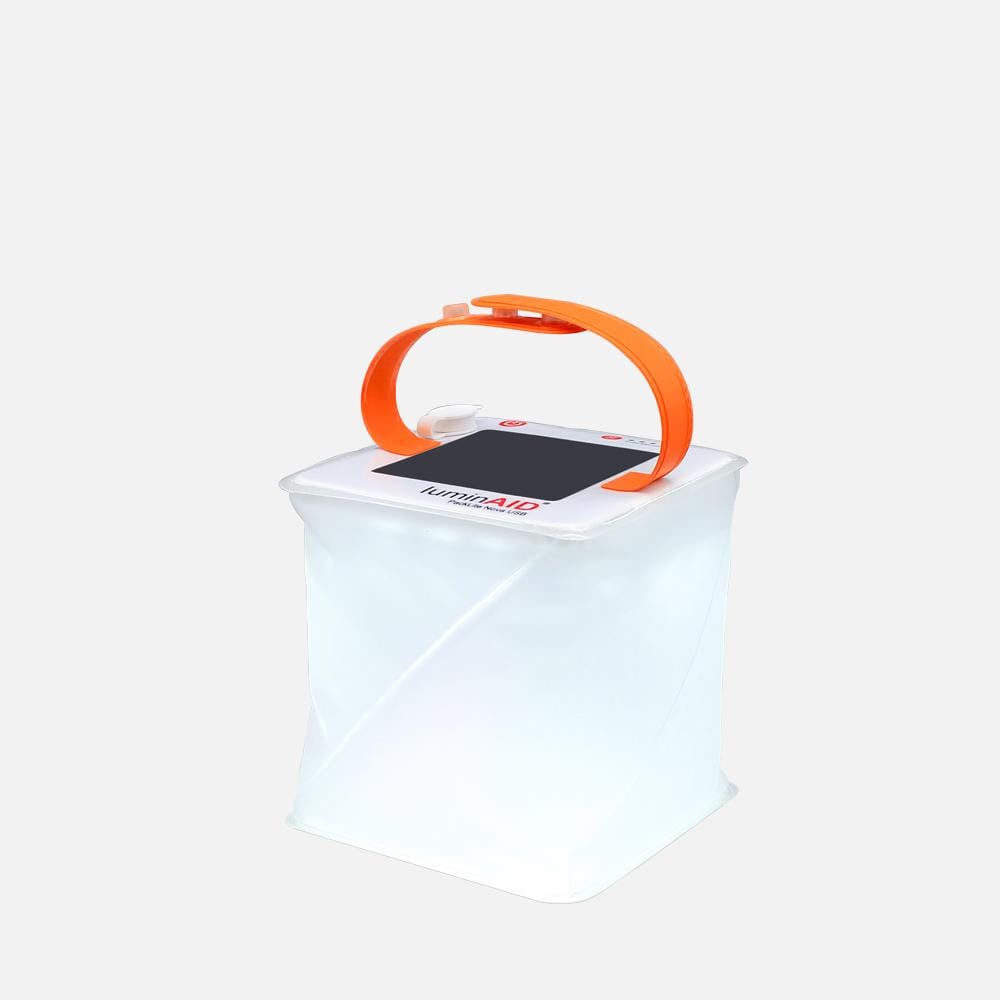
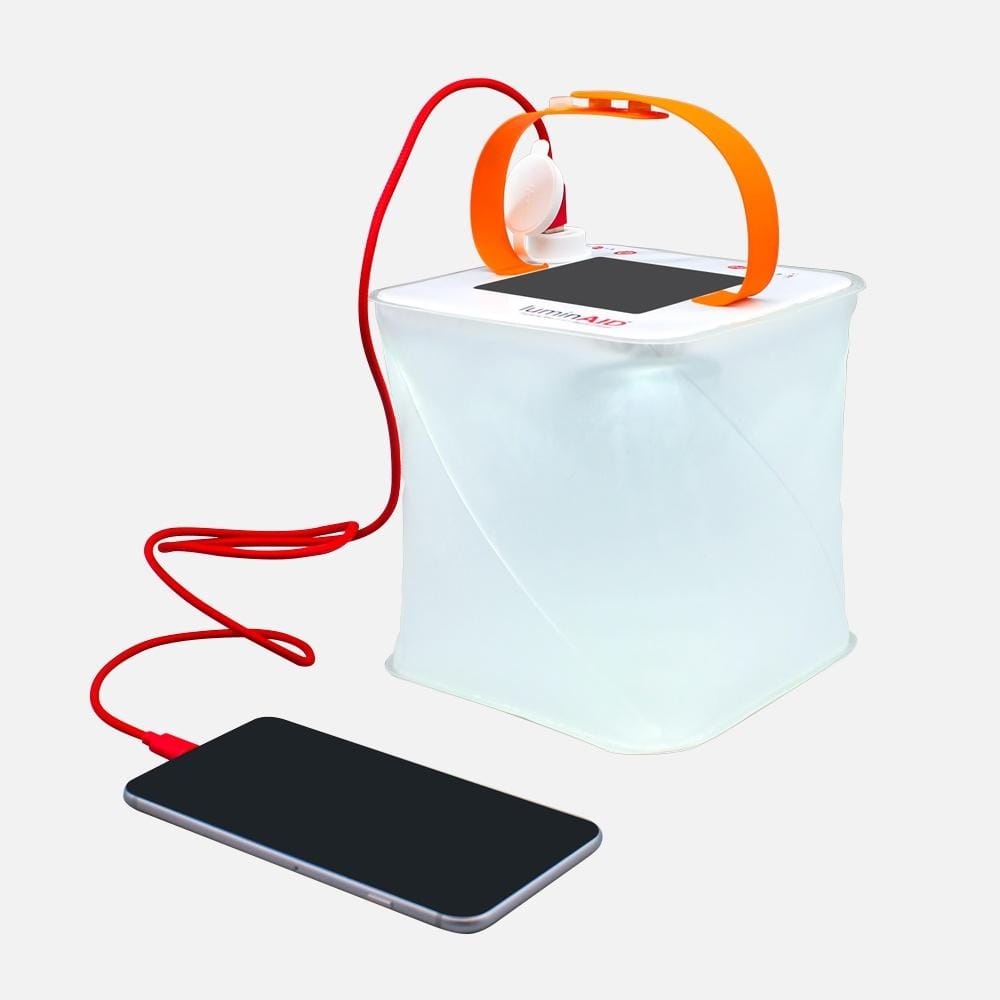
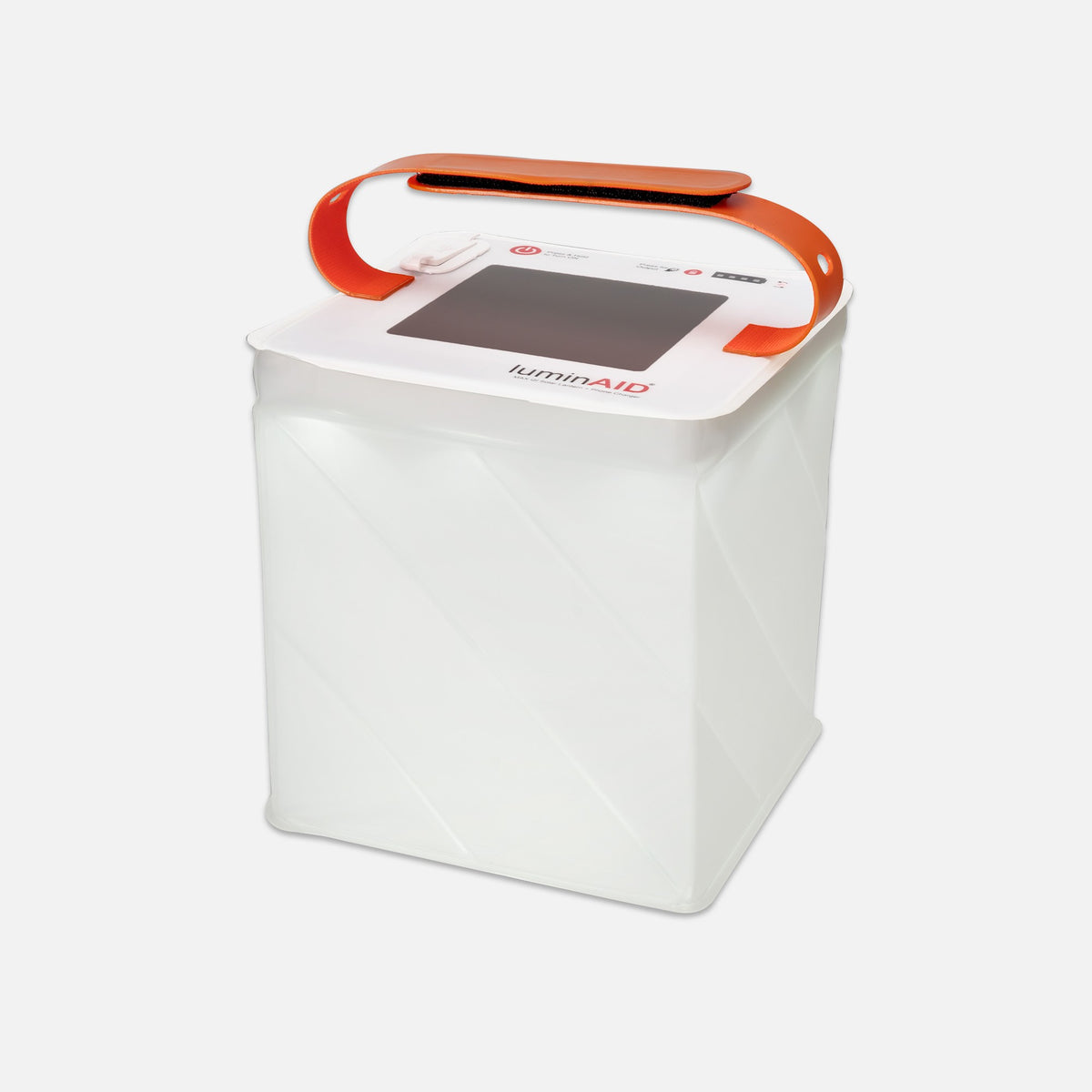
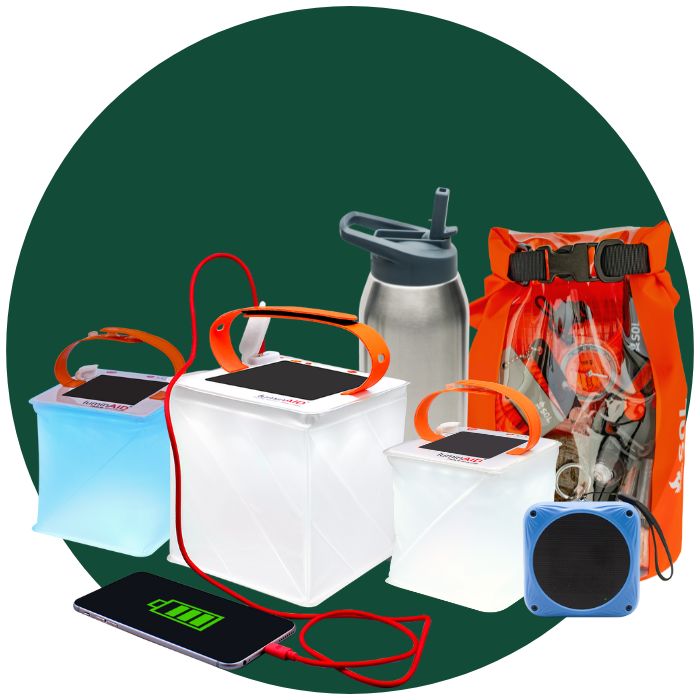
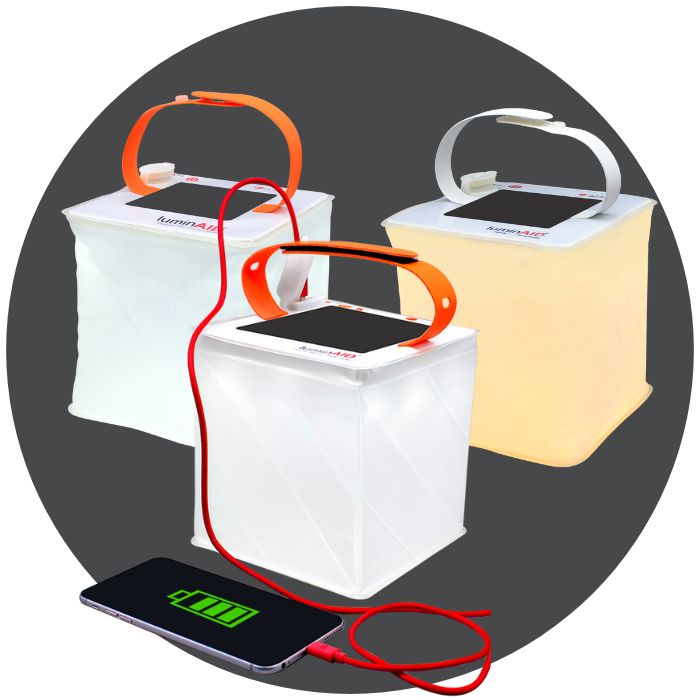
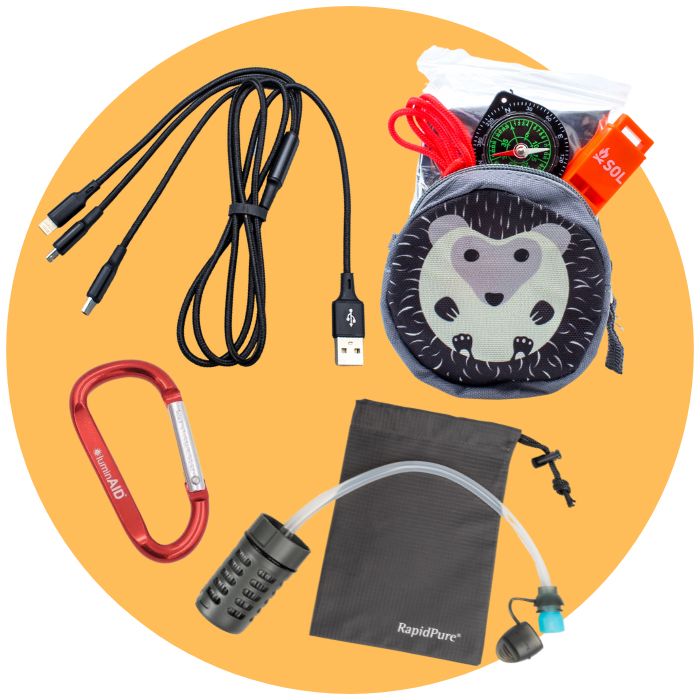
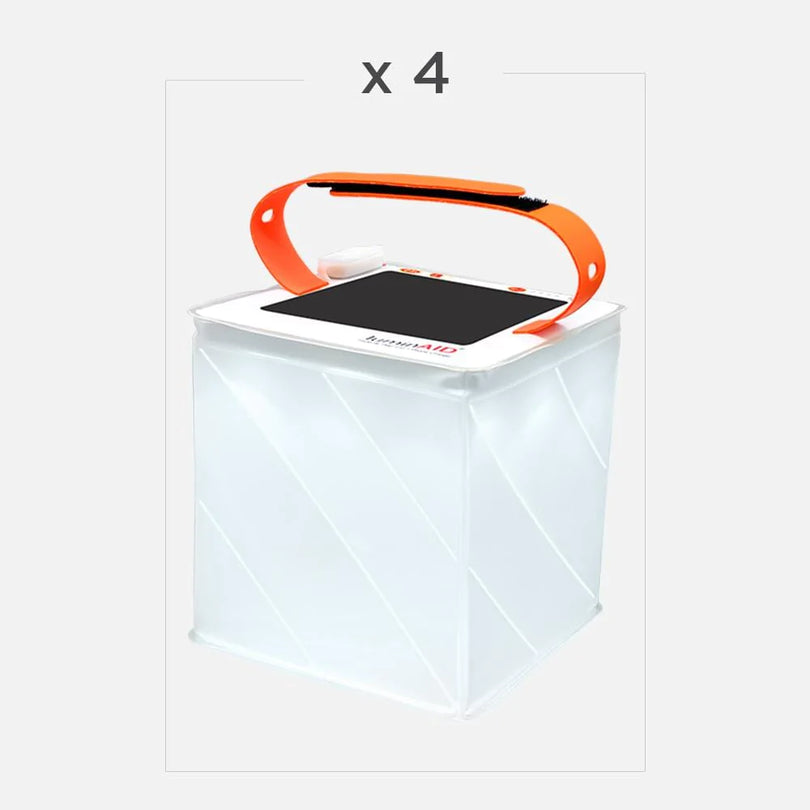
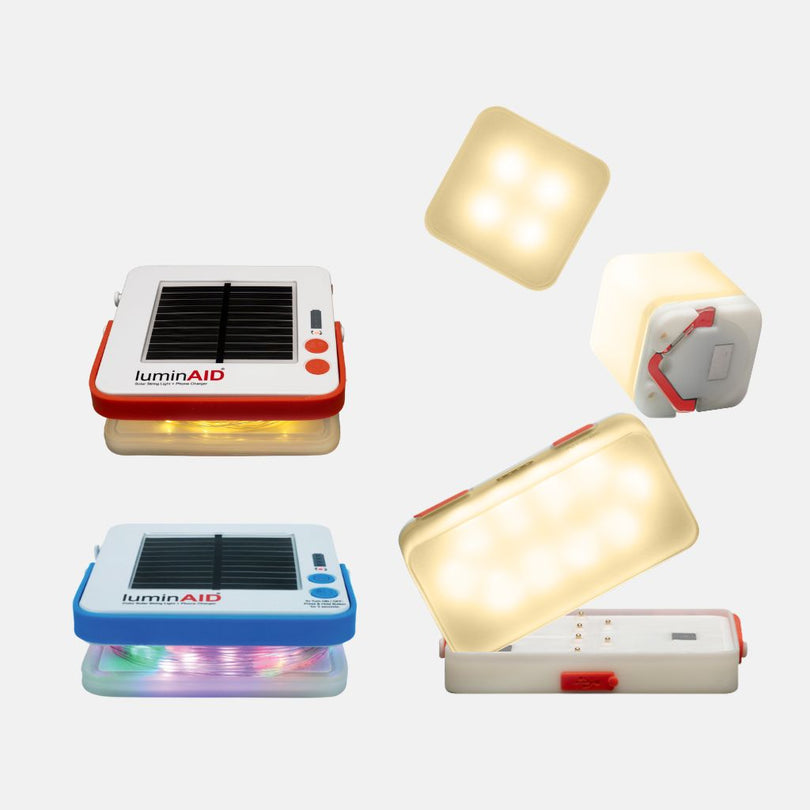
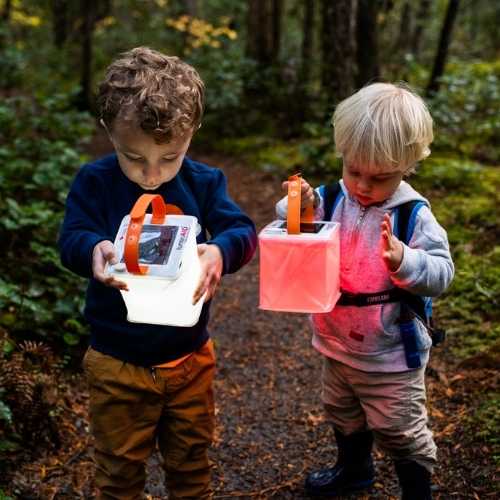
A lightweight solar lantern and power bank is one of the smartest modern additions to a daypack. A device like a LuminAID Power Lantern provides not only bright, reliable light but also a way to charge your phone if the battery runs low—offering critical peace of mind if your hike extends past sundown.
On top of that, dealing with common trail irritants will make your day much more enjoyable. In many places, good insect repellent is a must-have. A deet-free option like Natrapel can keep the biting bugs away without harsh chemicals, letting you focus on the views instead of the buzzing.
The Complete Day Hiking Checklist
Here’s a handy checklist to get your pack ready for your next adventure. Just run down the list as you pack and you’ll be sure you have everything you need. As you prep your gear, don't forget about your four-legged friend—make sure you have the right dog hiking clothes and essential gear for safe cozy trail adventures.
Lightweight Day Hiking Essentials Checklist
| Category | Essential Items | Pro Tip |
|---|---|---|
| Navigation | Map, Compass, GPS/Phone with Offline Maps | Learn to use your map and compass before you need to. |
| Safety | First-Aid Kit, Whistle, Multi-Tool, Fire Starter | Store your fire starter and first-aid kit in a waterproof bag. |
| Light | Headlamp/Lantern, Extra Batteries or Power Bank | Check your light’s batteries before every single hike. |
| Hydration | Water Bottles or Reservoir (1 liter per 2 hours) | Bring more water than you think you’ll need. |
| Nutrition | Extra Food (Salty and high-energy snacks) | Pack an extra day's worth of non-perishable food for emergencies. |
| Sun Protection | Sunscreen, Hat, Sunglasses, UPF Clothing | Sunburn can happen even on cloudy days. |
| Insulation | Extra Layer (Fleece, puffy jacket) | Weather can change fast, especially at higher elevations. |
| Shelter | Emergency Bivvy or Space Blanket | This is a lightweight item that could save your life overnight. |
| Comfort | Insect Repellent, Blister Treatment | Treat hot spots immediately before they become blisters. |
Having these bases covered means you're prepared for most situations the trail can throw at you, letting you hike with confidence and peace of mind.
For a deeper dive into what to bring on outdoor trips, you might be interested in our guide on essential camping must-haves.
Daypack Care to Extend the Life of Your Gear
You’ve picked out the perfect daypack, and it's an investment in countless adventures to come. With just a little bit of care, that pack can be your trusted trail companion for years. Think of it like tuning up your car before a road trip—a little attention now prevents much bigger problems down the line.
Regular cleaning is about more than just looks. It prevents the dirt, sweat, and oils from your hikes from slowly breaking down the pack’s durable fabrics and waterproof coatings.
Simple Cleaning and Drying
After most hikes, a quick once-over is all you’ll need. Just empty your pack completely, give it a good shake outside, and wipe down any dirty spots with a damp cloth.
For more stubborn grime or sweat stains, a bit of mild, non-detergent soap and a soft brush will do the trick. It's absolutely critical to avoid machine washing or using a dryer. The heat and tumbling action can destroy your pack’s water-resistant coatings and damage its frame or foam padding.
Once it's clean, hang your pack upside down with all the pockets unzipped to air dry. Before you put it away, make sure it’s 100% dry. Storing a damp pack is a surefire way to get mildew, which can permanently stain and ruin the fabric.
A well-maintained pack is a dependable pack. By keeping your gear clean and dry, you’re not just preserving its lifespan; you’re ensuring it’s ready to perform when you need it most, whether that’s on a local trail or a remote mountain path.
Long-Term Storage and Field Repairs
When you’re between adventures, store your daypack in a cool, dry spot away from direct sunlight—hanging it in a closet is perfect. Try not to stuff it into a tight space for long periods, as this can permanently compress and deform the foam in your shoulder straps and hipbelt.
Even the toughest packs can run into small issues out on the trail. A stuck zipper can often be coaxed back to life by gently working it back and forth, or by using a little lip balm as a makeshift lubricant. For small rips or tears, a piece of durable gear tape from a brand like Survive Outdoors Longer makes for a quick and effective patch to get you home.
Taking a few minutes for care keeps your favorite daypack out of the landfill and ready for the next trailhead.
Frequently Asked Questions About Daypacks
Even after you've nailed down the basics, a few questions always seem to pop up when you're zeroing in on the perfect daypack. We get it. Getting these final details right can be the difference between a great day on the trail and a miserable one.
Here are the straightforward answers to the questions we hear most often from hikers of all experience levels.
Can I Use a Regular School Backpack for Hiking?
For a quick, flat stroll on a paved path, you might get away with it. But for any real hiking, a school backpack is a terrible idea.
School packs are built to haul books between classes, not to be worn for hours over rugged ground. They're missing all the critical support systems that a real daypack has.
Most importantly, they lack a supportive hipbelt and a sternum strap. This means 100% of the weight slams directly onto your shoulders, which leads to quick fatigue, a sore neck, and an unbalanced load that will throw you off your game. They also aren't made from durable, weather-resistant materials, leaving your gear completely exposed to rain, rocks, and branches.
How Tight Should My Backpack Straps Be?
Getting your straps just right is the secret to a comfortable hike. The goal is to let your powerful hips do the work, not your shoulders.
Your pack should feel like it's hugging your back, with about 80% of the load resting squarely on your hips. If your shoulders are aching after a hike, your straps are definitely off.
Here’s the right way to dial it in:
- Hipbelt: Always start here. Get the belt centered right over your hip bones, then cinch it down so it's snug but doesn't feel like a vise.
- Shoulder Straps: Next, pull these down to bring the pack in close to your back. They should be snug, but you shouldn’t feel them digging in or carrying the bulk of the weight.
- Sternum Strap: This little strap connects the two shoulder straps across your chest. Slide it up or down until it’s about an inch below your collarbones, then tighten it just enough to keep the shoulder straps from sliding off.
Is a Waterproof Daypack Really Necessary?
It sounds like a great feature, but most high-quality daypacks are actually water-resistant, not fully waterproof. They’ll fend off a light drizzle, but your gear is going to get soaked in a real downpour.
A much better and more flexible solution is to just use a lightweight rain cover. They're cheap, pack down to almost nothing, and give you total protection when the skies open up. Some packs even have a built-in rain cover tucked into its own pocket, which is a fantastic bonus.
While you're thinking about protection, it's also smart to carry animal deterrents from brands like Counter Assault to observe wildlife from a safe distance.
What Is the Single Most Important Feature?
Pockets are handy, ventilation is great, and hydration sleeves are a nice touch. But the single most critical factor in any day hiking backpack is fit.
If a pack doesn't match your torso length or body shape, it will be uncomfortable, period. It doesn't matter how many cool bells and whistles it has. A poorly fitting pack will cause chafing, back pain, and make you feel unstable on the trail. Always, always prioritize a perfect fit over everything else.
At LuminAID, we believe being prepared is the key to every great adventure. Our solar-powered lanterns and phone chargers are designed to be lightweight, reliable, and ready for any trail, ensuring you have the light and power you need, whenever you need it. Discover the perfect gear for your next hike at https://luminaid.com.