

Imagine gliding down the trail, feeling energized, not exhausted. That’s the real magic of a well-planned ultralight backpacking gear list. This isn't just about the gear itself; it's a whole mindset—a philosophy built around freedom, efficiency, and feeling more connected to the wild places you explore.
The Ultralight Backpacking Philosophy
At its heart, ultralight backpacking is all about methodically cutting down your pack’s base weight. This is a key term you'll hear a lot. It’s the total weight of everything you're carrying before you add consumables like food, water, and fuel.
While a traditional backpacking setup can easily top 30 pounds, ultralight hikers aim for a base weight under 15 pounds. The really dedicated folks often get that number below a mind-boggling 10 pounds.
Getting your pack this light isn’t about being reckless or leaving behind critical safety gear. Far from it. It's about making smart, intentional choices. Every single item gets scrutinized for its weight, its function, and whether it’s truly necessary. Think of it like tuning a race car: you strip out every ounce that doesn't make it go faster, without compromising the engine or brakes.
The payoff? Less strain on your back, knees, and ankles. You can hike farther, feel better, and enjoy the journey a whole lot more.
The Ripple Effect of Going Light
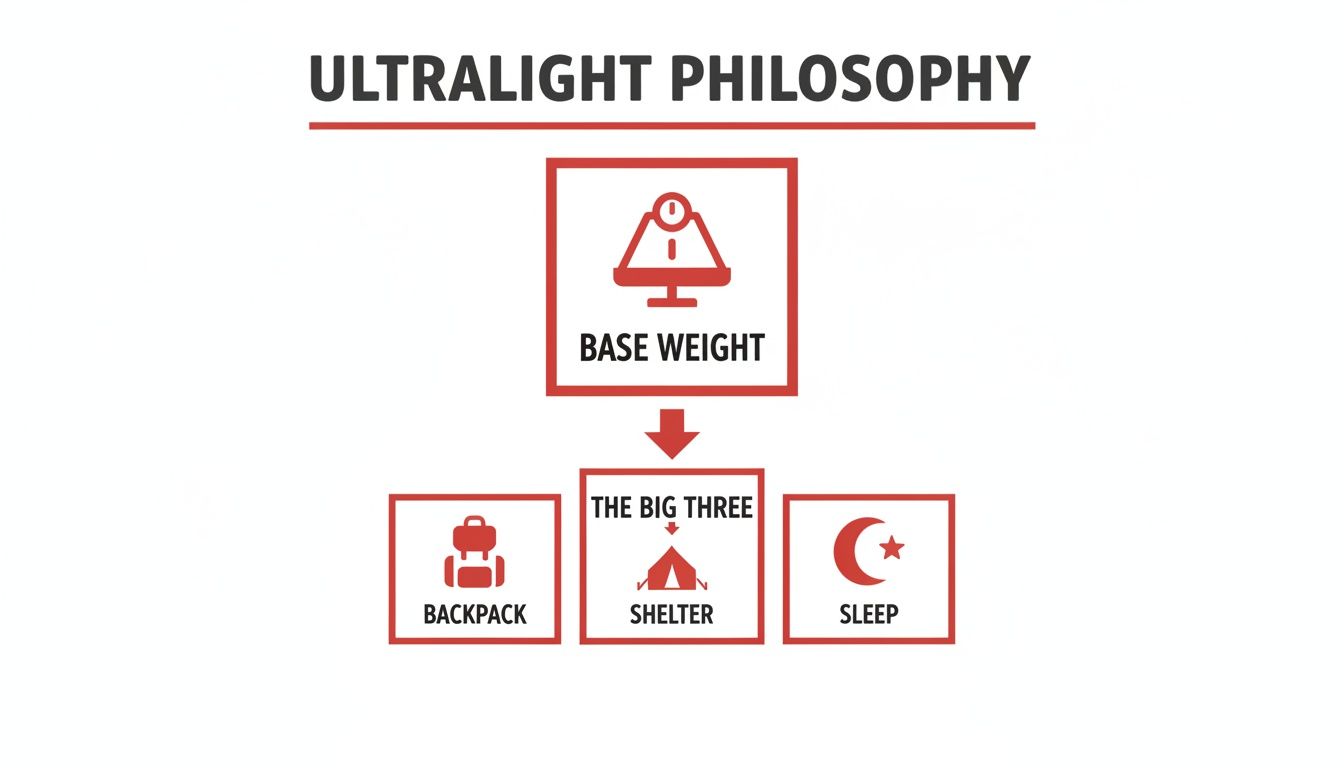
The true power of this approach is how the benefits compound. When you lighten your heaviest items—what we call "The Big Three"—you kick off a positive chain reaction that makes your whole system lighter.
- The Big Three: This is your backpack, your shelter, and your sleep system (sleeping bag/quilt and sleeping pad). These are almost always the heaviest things in your pack.
- The Ripple: By picking lighter versions of these, you can suddenly get away with a smaller, lighter backpack. A lighter overall load means your body needs less fuel, so you can carry less food. It all works together.
This synergy is what makes the ultralight philosophy so powerful. You’re not just swapping one piece of gear; you're building a cohesive kit where every light component enables the next.
The goal of ultralight backpacking isn't to suffer with less; it's to thrive with less. By carrying a lighter pack, you free up physical and mental energy to fully immerse yourself in the beauty of your surroundings.
Safety, Skill, and Self-Reliance
There's a common myth that ultralight backpacking is dangerous. But safety in the backcountry has always been about knowledge and preparation, not the number on your scale.
An ultralight hiker simply has to be more skilled. You need to know more about smart campsite selection, reading the weather, and backcountry first aid. Building your own first-aid kit is a rite of passage, though starting with a solid pre-made one from a trusted brand like Adventure Medical Kits is a great way to learn the ropes.
Ultimately, going ultralight forces you to develop a deeper understanding of your environment and your gear, making you a more competent and self-reliant backpacker in the long run.
Mastering The Big Three: Your Ultralight Foundation
The fastest way to slash your pack weight is by zeroing in on the three heaviest things you carry. We call them “The Big Three”: your backpack, your shelter, and your sleep system. When you upgrade these core items, something magical happens—it creates a domino effect, letting you use a smaller pack and making the whole setup feel lighter on your back.
Think of it like building a house. You have to get the foundation right first. The Big Three are the foundation of a low base weight.
Tackling these three categories first delivers the biggest wins. Everything else just falls into place after that.
Choosing Your Ultralight Backpack
Let's be honest, traditional backpacks are tanks. They come loaded with heavy internal frames, over-the-top padding, and a zipper for every pocket you can imagine. It’s not uncommon for them to weigh 4 to 6 pounds completely empty.
The ultralight approach throws that idea out the window. We favor minimalist frameless packs or packs with simple, lightweight frames that value function over unnecessary features.
Getting a base weight under 10 pounds has become a total game-changer for long-distance hikers. It’s not unheard of to see popular gear lists sporting packs as light as 11.7 ounces. In fact, surveys show that 65% of PCT hikers are now using packs that weigh less than 2 pounds. This shift really took off around 2010 with the introduction of Dyneema, and recent materials like Challenge ULTRA have pushed the durability-to-weight ratio even further, making many packs waterproof without needing an extra liner. You can discover more insights on the best ultralight gear for your next trip.
These new fabrics are not just light; they're incredibly tough and highly water-resistant. That often means you can ditch the separate rain cover, saving you even more precious ounces.
Redefining Your Shelter System
Your shelter is your home away from home, but it doesn’t have to weigh a ton. Ultralight shelters ditch the heavy, freestanding, double-wall tents of the past and embrace simpler, more efficient designs that get the job done.
- Trekking-Pole Tents: These are the gold standard for thru-hikers. They cleverly use the trekking poles you're already carrying to provide structure, which completely eliminates the need for dedicated tent poles. This simple swap can cut your shelter weight in half.
- Minimalist Tarps: For the true minimalist, nothing beats a simple flat or shaped tarp. They offer mind-blowing weight savings—sometimes tipping the scales at less than a pound. They do require a bit more skill to pitch correctly, but the connection you feel to the outdoors is second to none.
- Bivvys: A bivy sack is basically a waterproof, breathable cocoon for your sleeping bag. It's the lightest shelter you can carry and works great for solo hikers in predictable weather, though some might find it a little snug.
Each of these options is a trade-off between weight, living space, and storm-worthiness. The right choice really comes down to your personal comfort level and the kinds of environments you’ll be hiking in.
Optimizing Your Sleep System for Warmth and Weight
A solid night's sleep is non-negotiable for recovering on the trail. An ultralight sleep system makes sure you stay toasty without hauling extra pounds. The system is made up of two crucial components: your insulation (a quilt or sleeping bag) and your sleeping pad.
The biggest leap forward here is the move away from traditional mummy bags to ultralight quilts. Quilts get rid of the zipper and the insulation on the bottom—material that just gets squished under you and doesn't provide any real warmth anyway. This smart design shaves off a surprising amount of weight and bulk. Plus, quilts are way more versatile for regulating your temperature.
The modern ultralight sleep system is a masterpiece of efficiency. It pairs a featherlight quilt with a high R-value inflatable pad, delivering a combined weight of around 2 pounds while providing comfort and warmth that rivals systems twice as heavy.
Your sleeping pad is just as critical. Forget those bulky foam pads from back in the day. Ultralight hikers now rely on compact, inflatable pads with high R-values (which is just a fancy way of measuring how well it insulates). A pad with a higher R-value keeps the cold ground from stealing your body heat, which means you can get away with using a lighter quilt.
Comparing The Big Three Weight Savings
To really see the difference, let’s look at how much weight you can shed by swapping traditional gear for ultralight options. The savings are pretty staggering.
| Gear Item | Traditional Weight (Approx.) | Ultralight Weight (Approx.) | Potential Weight Savings |
|---|---|---|---|
| Backpack | 4 - 6 lbs | 1 - 2 lbs | 3 - 5 lbs |
| Shelter | 4 - 5 lbs | 1 - 2 lbs | 3 - 4 lbs |
| Sleep System | 4 - 5 lbs | 2 - 2.5 lbs | 2 - 3 lbs |
| Total | 12 - 16 lbs | 4 - 6.5 lbs | 8 - 11 lbs |
As you can see, just by focusing on these three items, you can potentially drop 8 to 11 pounds from your pack before you've even added food or water. It's a huge step toward a more enjoyable hike.
By making smart choices with your pack, shelter, and sleep system, you’re building a strong, light foundation. It makes every other gear decision that much easier and puts you on the right path. And while you’re preparing, it’s always a good idea to pack essential first-aid supplies from trusted names like Adventure Ready Brands to stay safe out there.
Building Your Ultralight Clothing System
Putting together an ultralight clothing system isn’t about packing for every possible forecast. It's about building a versatile, multi-functional layering system where every single piece works with the others. The main goal is simple: no redundancies.
First things first: forget cotton. On the trail, cotton is a liability—it soaks up moisture, takes an eternity to dry, and can pull precious heat from your body. The whole ultralight philosophy is built on high-performance technical fabrics that know how to handle moisture and regulate your temperature.
This means you'll be relying on materials like merino wool, which is incredible for its natural odor resistance and ability to keep you warm even when it's damp. You'll also see a lot of advanced synthetics, which are the champions of quick-drying and durability.
The Three Essential Layers
Your whole clothing strategy boils down to a simple three-part system. Each layer has a specific job, and when you put them together, they give you adaptable protection for almost anything you'll encounter, from sunny ridges to sudden afternoon downpours. This is the bedrock of any smart ultralight backpacking gear list.
- Base Layer: This is what you wear right against your skin. Its only job is to wick sweat away, keeping you dry and comfortable. A lightweight merino wool or synthetic t-shirt is the classic choice here.
- Mid-Layer: This is your insulation layer. It's all about trapping your body heat to keep you warm when the temperature drops. Think of a lightweight fleece pullover or, for the absolute best warmth for its weight, a packable "puffy" jacket filled with down or synthetic insulation.
- Outer Shell: This layer protects you from the elements. A quality, lightweight rain jacket is totally non-negotiable. It needs to be waterproof and windproof to shield you from whatever nature throws your way, keeping the warmth your other layers create locked in.
By choosing pieces that work alone or together, you create a system that’s way more versatile than one bulky jacket. A base layer plus a puffy is perfect for chilly evenings at camp, while the base layer plus the rain shell is what you want for hiking through a warm drizzle.
Extending the System to Your Feet and Body
That "no redundancies" mindset applies to everything, right down to your feet. Those heavy, clunky hiking boots are a thing of the past. Today’s ultralight hikers have almost universally switched to lightweight trail runners.
Trail runners are much lighter, more breathable, and dry way faster than boots, which means less fatigue and fewer blisters. Pair them with some good merino wool socks, and you've got all the traction and support you need for most three-season trails.
Of course, what you wear is just as important as what you pack.
- Sun Protection: A wide-brimmed sun hat or a cap with a neck cape is a must for keeping the sun off you.
- Trekking Poles: We cover these elsewhere, but they're part of your "worn" gear and are a game-changer for taking the strain off your knees and giving you extra stability.
- Insect Protection: In buggy areas, a simple head net can save your sanity. Even more important is a reliable insect repellent. High-quality repellents like those from Ben's give you long-lasting protection from mosquitoes and ticks without adding much weight at all.
When you start thinking about your clothing as one cohesive, adaptable system, you’ll find you can stay comfortable and protected in a huge range of conditions with a surprisingly small and light collection of gear. For a deeper dive, you can learn more about what to wear camping and how these ideas work in practice.
Your Ultralight Kitchen and Hydration Strategy
A dialed-in kitchen and hydration setup is a cornerstone of any smart ultralight backpacking gear list. The game is simple: keep your fuel and water safe while cutting every last bit of weight and bulk. Forget those clunky, multi-piece camp kitchens; the ultralight way shows that trail cooking can be dead simple and weigh less than a pound.
This minimalist mindset applies to everything from your stove down to your spoon. Every single item has to earn its place in your pack without adding dead weight. We're ditching the heavy steel pots and giant fuel bottles for a system that's fast, efficient, and built for life on the move.
The Ultralight Cook System
The modern ultralight cook kit is a thing of beauty. It's usually just a handful of items, each one picked for being incredibly light and effective. This is where you can slash huge amounts of weight compared to a traditional setup.
You’ve got three main ways to handle meals on the trail, each with its own vibe:
- Canister Stoves: These are tiny little powerhouses that screw right onto a fuel canister. They boil water crazy fast—sometimes in just a couple of minutes—and are ridiculously easy to use. All-in-one systems like the Jetboil Stash are a huge favorite for their compact design.
- Alcohol Stoves: Often made by small "cottage" gear companies or even DIY'd, these simple stoves burn denatured alcohol and can weigh less than an ounce. They're completely silent and super reliable, but they do take a bit longer to boil water and can struggle in windy conditions.
- No-Cook / Cold-Soaking: This is the ultimate move for the true minimalist, loved by countless long-distance thru-hikers. It gets rid of the stove and fuel completely. You just rehydrate foods like couscous, ramen, or instant mashed potatoes in a sealed jar (the classic Talenti gelato jar is a thru-hiker staple) with cold water as you walk.
To round out your kitchen, all you really need is a titanium pot (a 750ml size is perfect for most solo trips) and a long-handled titanium spoon. Trust me on the long handle—it’s a game-changer for eating out of freeze-dried meal pouches without getting food all over your knuckles. When you're picking food, focus on things that pack a caloric punch for their weight, like these high-protein hiking snacks.
Your Hydration and Water Treatment Plan
Staying hydrated out there is non-negotiable, but it doesn't mean you have to haul around a bunch of heavy gear. The ultralight hydration plan is all about treating water as you find it, which means you carry less of it at any given time.
The days of clunky pump filters and hard-to-clean hydration bladders are over. Today’s system is way simpler and works better.
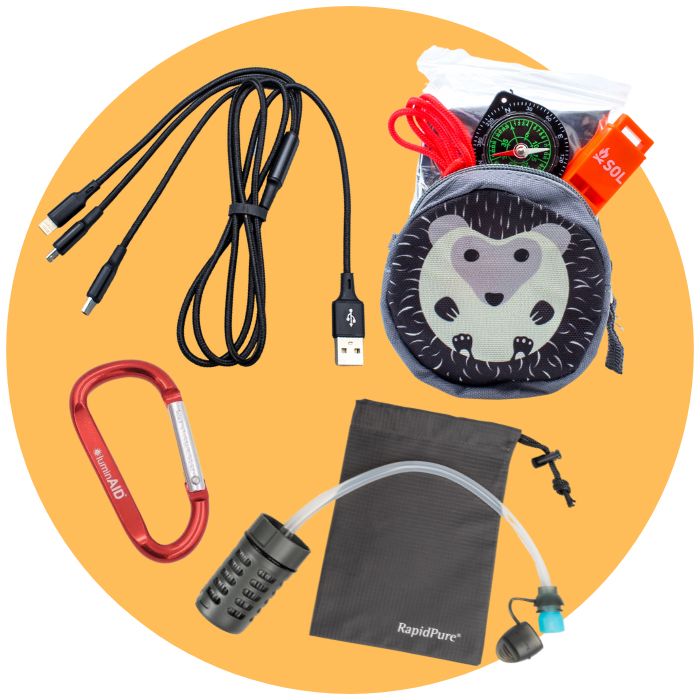
Excellent, lightweight options can be found from RapidPure, which removes viruses in addition to bacteria and protozoa. No backflush necessary for these.
Keeping Your System Flowing
For the non-RapidPure filters, the one trick to keeping a squeeze filter happy is regular backflushing. After a while, sediment and gunk will start clogging up the filter's tiny pores, slowing down the water flow to a trickle. Backflushing—using the little syringe that comes with it to force clean water backward through the filter—clears out that debris and gets it running like new again.
Here’s why this simple combo has taken over the trails:
- Weight: Smartwater bottles are unbelievably light and surprisingly tough.
- Ease of Use: You can always see exactly how much water you have left, and refilling them is way faster than messing with a bladder inside your pack.
- Reliability: The filters can be cleaned in the field, and if a bottle ever breaks, you can buy a new one in literally any gas station or trail town.
By adopting a stripped-down kitchen and a slick hydration strategy, you can cut serious weight from your pack while staying well-fed and safely hydrated. For more great ideas on what to eat, check out our guide on backpacking food and meals.
Navigation Safety and Essential Electronics
When you're miles from the trailhead, safety isn't about hauling more gear—it's about carrying smarter gear. In the ultralight world, a good safety and electronics kit is multi-functional, rock-solid reliable, and practically disappears in your pack. We’ve come a long way from the days of clunky GPS units and brick-like battery packs.
This stripped-down philosophy turns your safety net from a burden into a seamless part of your ultralight backpacking gear list. The game is all about redundancy without the weight penalty. We lean on modern tech but always have a trail-tested backup in our pocket.
Smartphone GPS and Physical Backups
Let's be honest: your smartphone is now the single most powerful navigation tool you can bring. Apps like Gaia GPS or CalTopo let you download incredibly detailed topo maps for offline use, track your route, and see exactly where you are with just a glance. For most three-season backpacking, they've made dedicated GPS units totally obsolete.
But technology isn't foolproof. Batteries drain, and a bad drop can shatter a screen. This is exactly why a physical map and a simple compass are non-negotiable backups. You don't need to be a master cartographer, but you absolutely have to know the basics of orienting your map to find your way. This system—digital for the primary, analog for the backup—gives you robust safety for just a couple of ounces.
A basic compass is lighter than a snack bar, and a printed map of your route weighs next to nothing. Together, they're your insurance policy for getting home safe.
First-Aid and Wildlife Preparedness
Your first-aid kit needs to be yours and yours alone. Ditch the bulky, pre-made kits filled with things you'll never use and build your own. Your focus should be on the essentials for common trail problems: blisters, scrapes, and sprains.
A smart ultralight first-aid kit is built for the specific risks of your trip and your own medical needs. It's about being prepared for what's probable, not packing for every imaginable catastrophe.
If building a kit from scratch sounds intimidating, you can start with a great foundation. The ultralight series from Adventure Medical Kits are excellent, lightweight starting points you can easily customize.
Wildlife safety is another big one, especially in bear country. Carrying a canister of reliable, easily accessible bear spray is a must. Brands like Counter Assault are trusted by folks who spend their lives in the backcountry, and for good reason. This is one area where shaving an ounce or two is never worth the risk.
Multi-Functional Electronics
The golden rule for ultralight electronics? Every item should pull double duty if possible. This is where you can make huge weight cuts compared to a traditional setup. You need a headlamp, a power source, and a lantern, but you definitely don't need three separate devices.
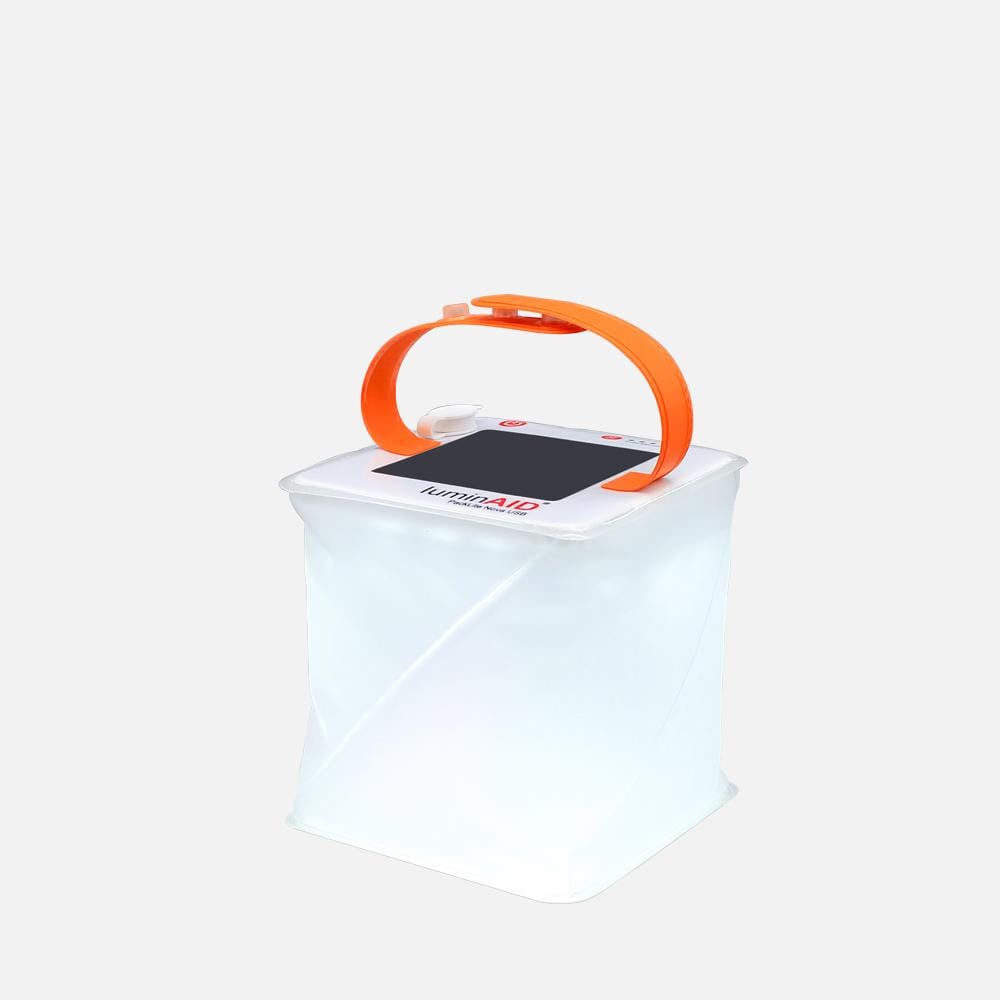
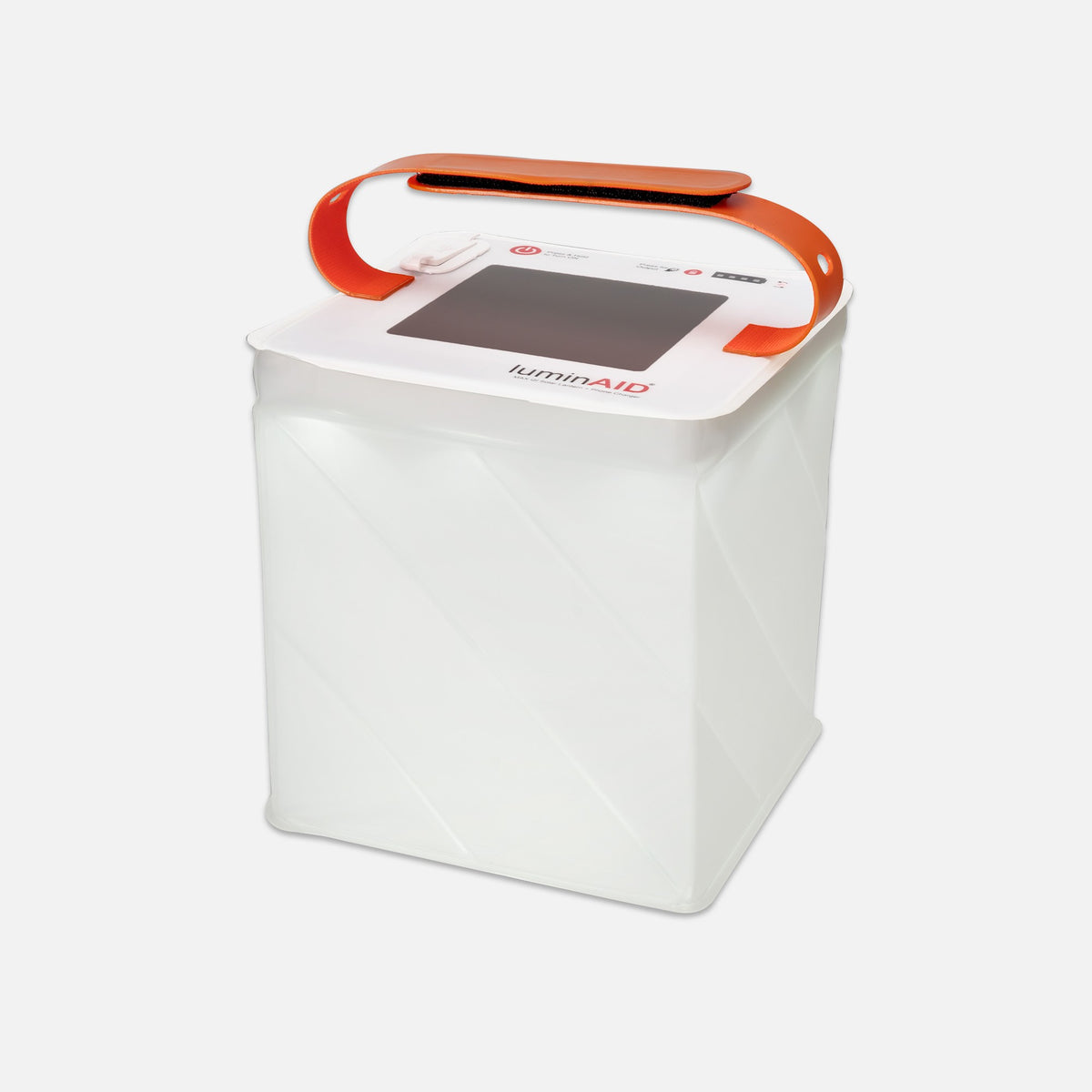
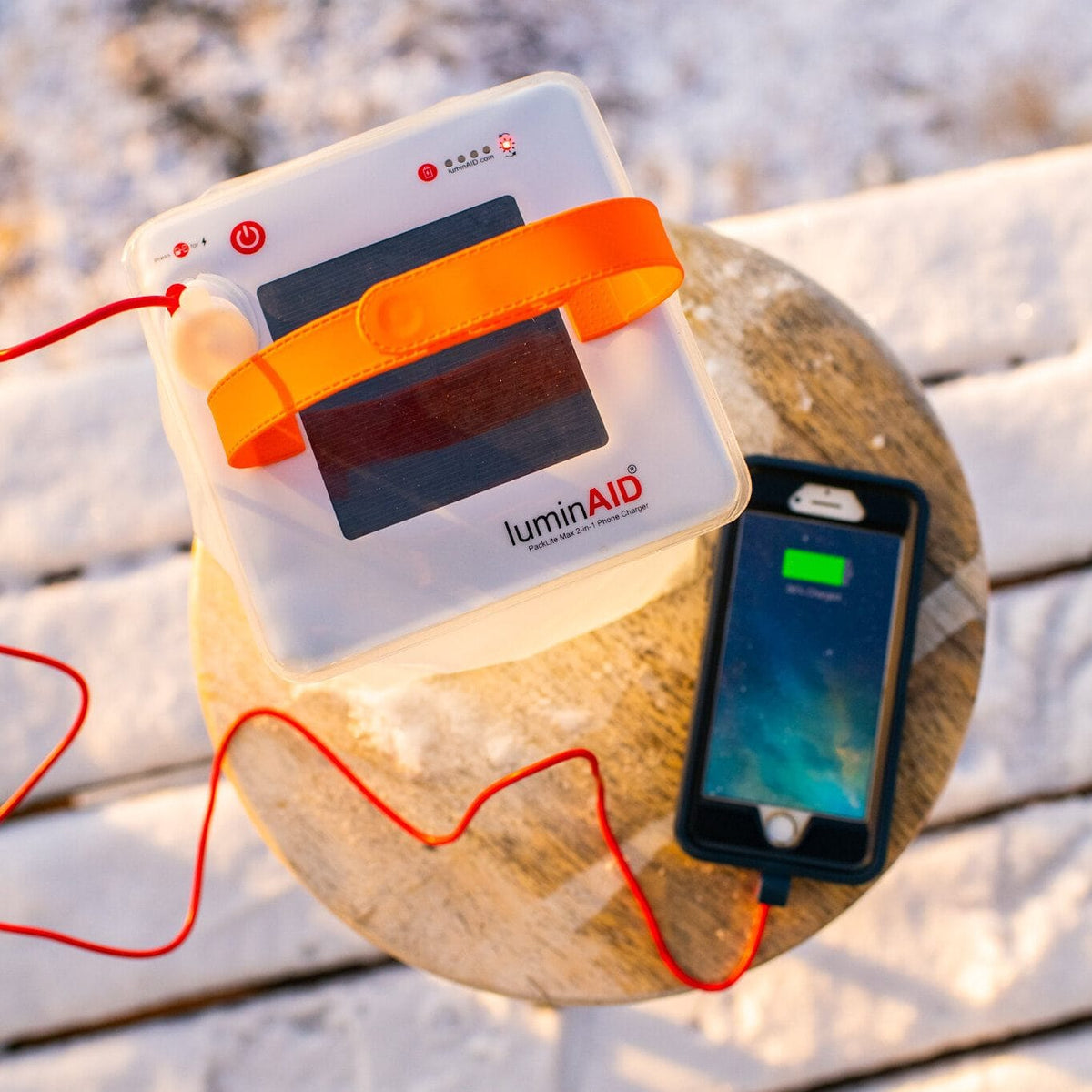
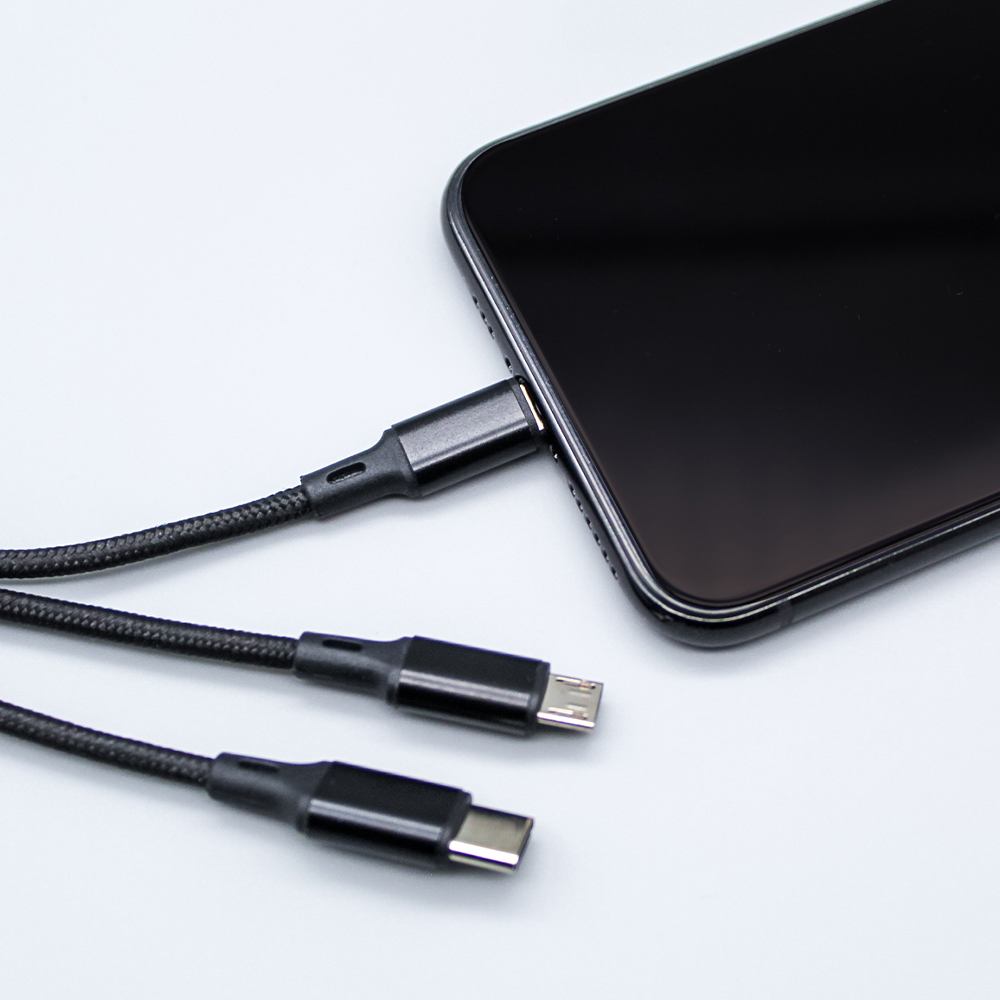
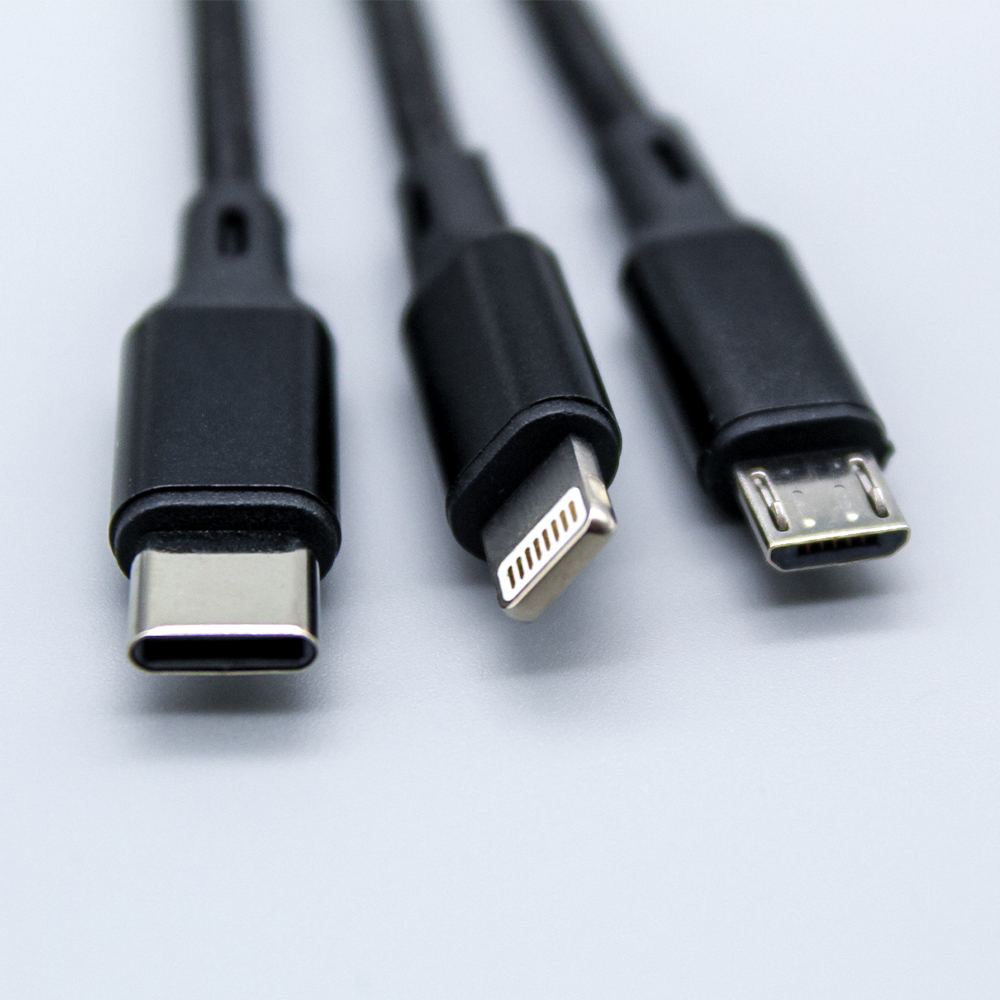
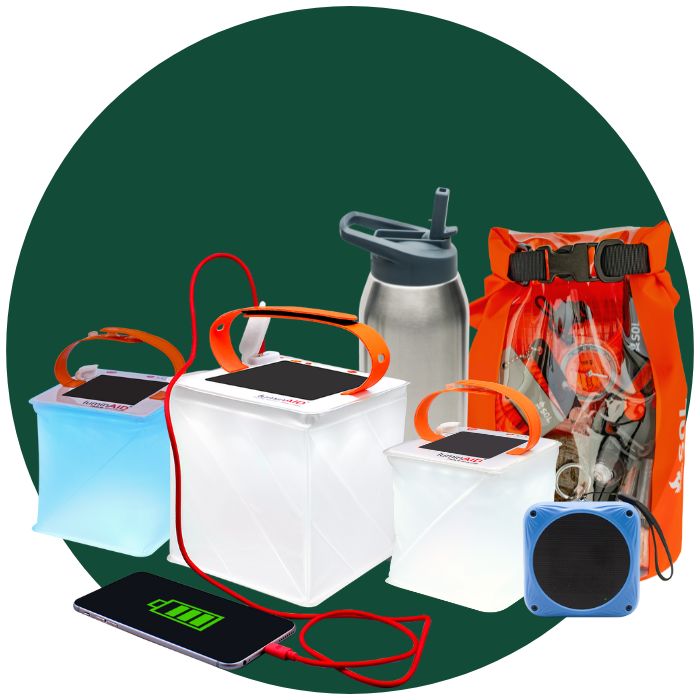
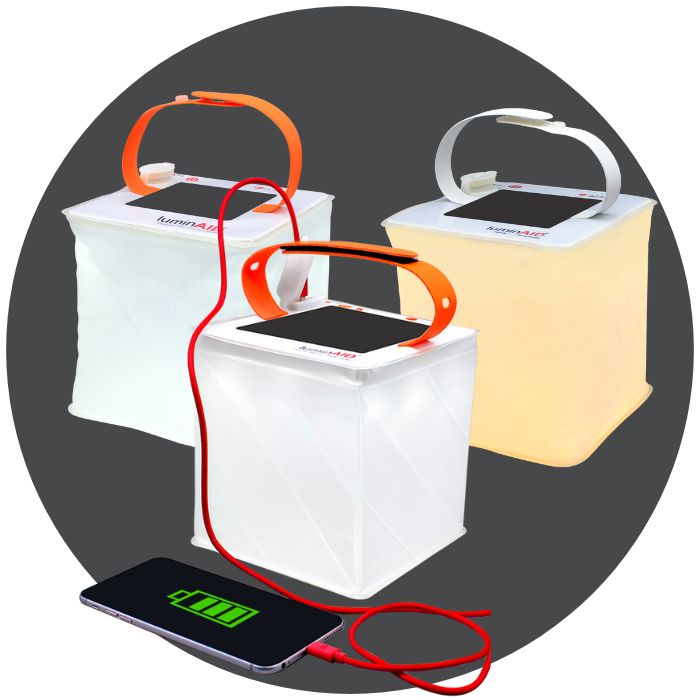
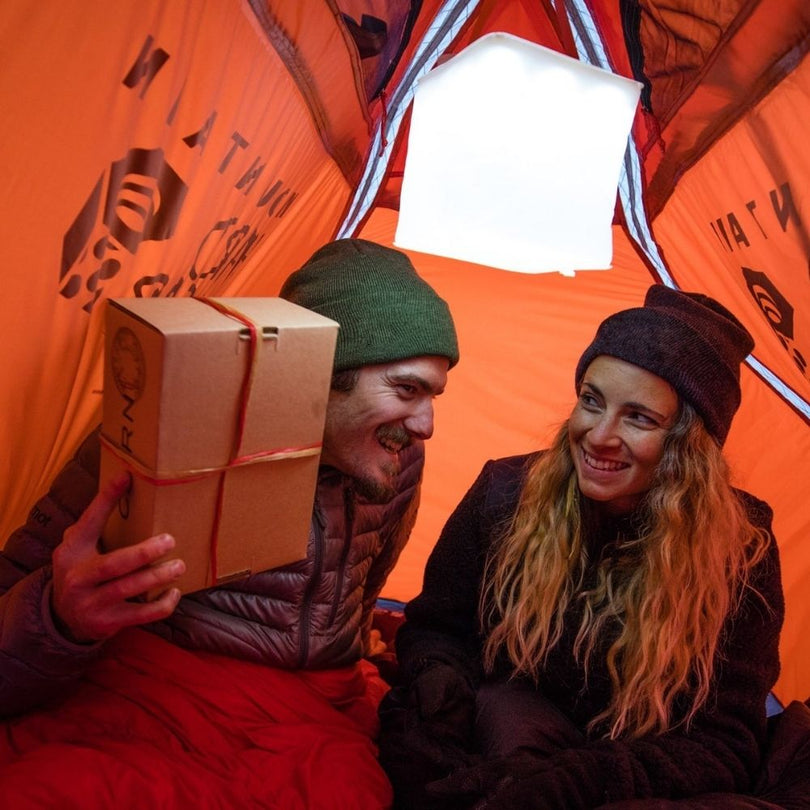
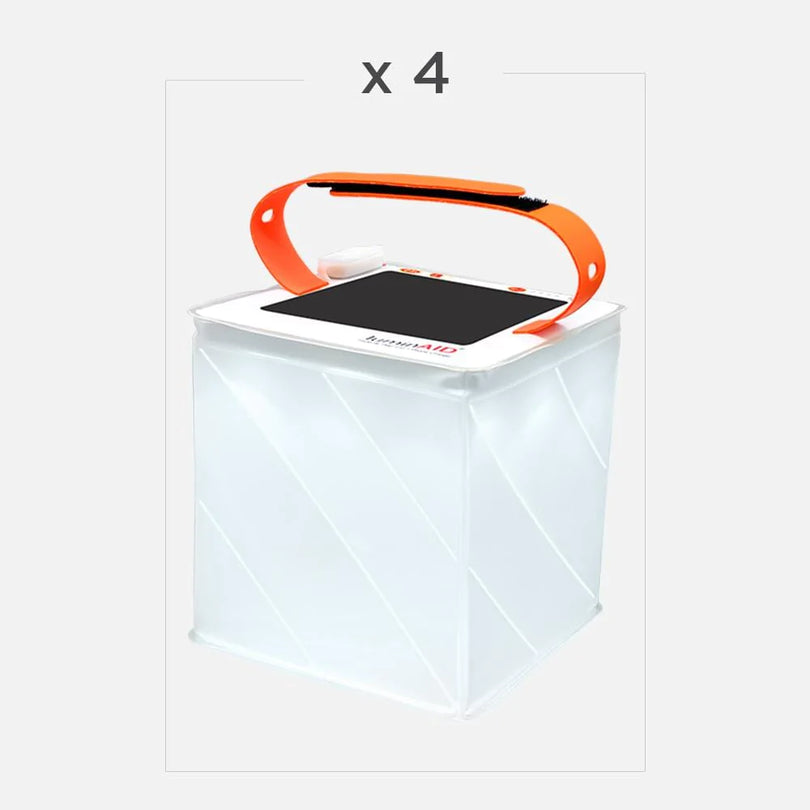
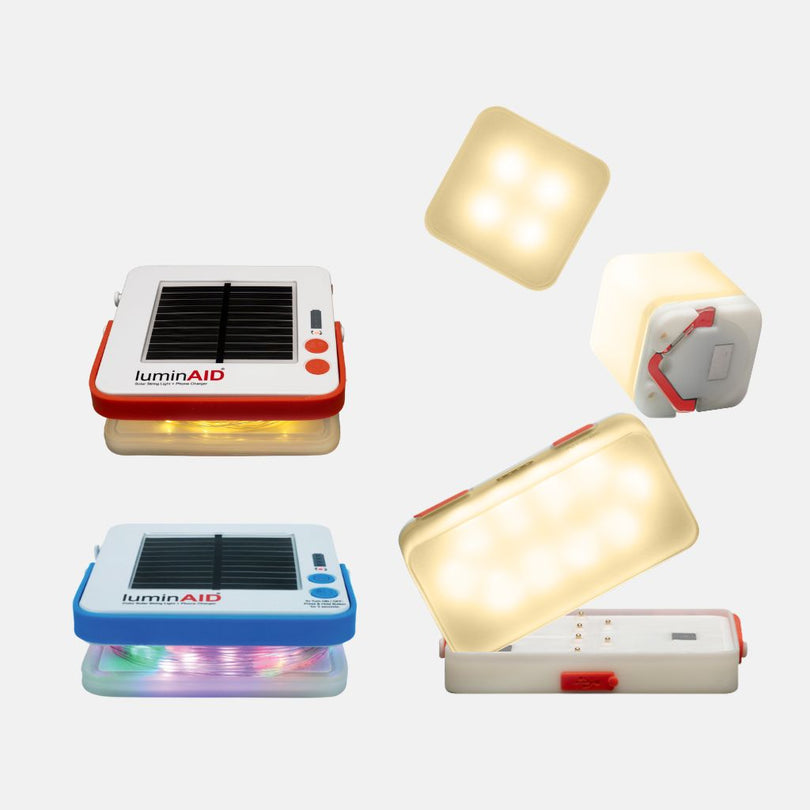
A 2-in-1 power lantern is the perfect example. One compact, lightweight gadget can light up your whole campsite while also having a built-in battery to top off your phone or headlamp. Just like that, you've eliminated the need to carry a separate, often heavy, power bank. That's a huge win for both weight and space.
This multi-use mindset is the heart of an efficient ultralight kit. Why carry a light and a charger when one device can handle both? You can check out some of the best backpacking lantern options that really nail this multi-functional approach. It’s a small change that simplifies your entire system.
Sample Ultralight Gear Lists for Any Adventure
Theory is great, but seeing a complete setup is where it all really starts to click. To give you a practical blueprint, I’ve put together three different sample lists. Don't think of these as strict rules—they’re cohesive systems where every item works together to hit a specific base weight.
Consider these your starting points. Use them as a guide to build your own ultralight backpacking gear list, swapping things out based on your budget, how much comfort you’re willing to trade for weight, and where you're actually going. My goal here is to show you what’s possible and how different choices add up.
The Weekend Warrior: A 12-Pound Base Weight
This list is the sweet spot for most of us heading out for a night or two. It strikes a fantastic balance between comfort and weight, even letting you sneak in a few small luxuries without feeling weighed down. It’s a realistic and totally achievable goal for anyone just dipping their toes into ultralight thinking.
A setup like this might feature a slightly cushier (and heavier) sleeping pad or a freestanding tent that’s a breeze to set up. The focus is on reliable, user-friendly gear that makes short trips more fun without the misery of a traditionally heavy pack.
The Thru-Hiker: A Sub-10-Pound Base Weight
When you’re covering thousands of miles on a long-distance trail, every single ounce feels like a pound by the end of the day. This list is laser-focused on durability and efficiency. Getting under that 10-pound base weight is the gold standard for thru-hikers, and it takes a real commitment to minimalist, multi-functional gear.
Just look at sleeping systems—they've seen massive improvements, slashing weights by over 60% since the bulky down bags of the 90s. Now, a top quilt can weigh as little as 8.6 oz. It's no surprise that thru-hiker data shows 72% of long-distance hikers now prefer quilts for their incredible packability. This one change has helped drop average sleep system weights from over four pounds to just 1.5-2 pounds. You can learn more about these gear evolutions if you want to geek out on the details.
This kit will almost always be built around a frameless pack, a trekking-pole tent, and a quilt-based sleep system. Every piece has been put through the wringer because gear failure a month into a hike just isn't an option.
To give you a concrete idea of how the ounces add up, here’s a sample kit that gets you under that magic 10-pound mark.
Thru-Hiker Sub-10lb Sample Gear List
| Category | Gear Item | Example Product | Weight (oz) |
|---|---|---|---|
| Backpack | Frameless Pack | Hyperlite Mountain Gear Unbound 40 | 30.0 |
| Shelter | Trekking Pole Tent | Zpacks Duplex Zip | 18.5 |
| Tent Stakes (x8) | MSR Ground Hog Minis | 2.8 | |
| Sleep System | Top Quilt | Enlightened Equipment Enigma 20° | 19.3 |
| Sleeping Pad | Therm-a-Rest NeoAir XLite | 12.5 | |
| Pillow | Sea to Summit Aeros Ultralight | 2.1 | |
| Cook System | Stove | MSR PocketRocket 2 | 2.6 |
| Pot | Toaks Titanium 750ml Pot | 3.6 | |
| Spoon | Sea to Summit Alpha Light Spork | 0.3 | |
| Fuel Canister | 100g Isobutane Canister | 3.5 (empty) | |
| Water | Filter | RapidPure | 3.0 |
| Water Bottles (x2) | Smartwater 1L Bottles | 2.6 | |
| Electronics | Headlamp | Nitecore NU25 | 1.9 |
| Power Bank | Nitecore NB10000 | 5.3 | |
| Safety/First Aid | First Aid Kit | Adventure Medical Kits .5 | 2.3 |
| Navigation | Phone w/ GPS App | 6.1 | |
| TOTAL | 116.4 oz (7.28 lbs) |
As you can see, every single item is carefully chosen to minimize weight without compromising on the essentials needed for a long journey. This isn't about roughing it; it's about being smart and efficient.
The Fair-Weather Minimalist: An 8-Pound Base Weight
Welcome to the advanced class. Getting your base weight under eight pounds is for seasoned hikers on fast-and-light missions in predictable, three-season weather. This isn't for the faint of heart—it requires an intimate knowledge of your gear's limits and a pretty high tolerance for minimal comforts.
This list pushes every single component to its absolute lightest version.
- Shelter: Forget the tent. We're talking a simple, flat tarp.
- Cook System: No stove, no fuel. This is a "cold-soaking" setup where you rehydrate meals in a jar.
- Pack: The smallest, lightest pack you can find, often under 30 liters.
This approach definitely isn’t for everyone, but it shows the pinnacle of the ultralight philosophy. It’s all about maximum freedom and speed for those who have truly mastered their craft. Even with a kit this lean, you can round out your safety essentials with high-quality gear from brands like Survive Outdoors Longer.
Common Questions About Going Ultralight
Diving into the world of ultralight backpacking feels a little like learning a new language. You’re shifting your whole mindset away from traditional, heavy gear toward a minimalist approach, and that’s a big step. It’s only natural to have a few questions.
Let's clear the air on some of the most common things hikers wonder about when putting together their first ultralight backpacking gear list, from cost to comfort.
How Much Is This Going To Cost Me?
That's the big question, isn't it? The price tag for an ultralight setup can swing wildly, but you absolutely don't have to take out a second mortgage to get started. While the high-end, cottage-industry gear can get pricey, a smarter way to begin is by putting your money where it counts: “The Big Three.”
Your backpack, shelter, and sleep system are where you'll see the biggest weight savings, so that's the best place to invest. For everything else, you can get creative and save a ton of cash by:
- Scouring online marketplaces for high-quality used gear.
- Pouncing on seasonal sales from the big outdoor retailers.
- Finding cheap but effective alternatives for smaller items—think repurposed plastic water bottles instead of a heavy hydration reservoir.
Is Ultralight Backpacking Uncomfortable? Or Unsafe?
Nope, not if you approach it correctly. In fact, it's usually the opposite. The comfort you gain from hauling a lighter load—less agony on your back, knees, and ankles—almost always beats having a plush, over-padded pack or a super-thick sleeping pad. Real trail comfort isn't about luxury; it's about ending the day with energy left in the tank.
As for safety, that comes down to your skills and preparation, not how much your gear weighs. An ultralight backpacker has to be on top of their game. That means diligent planning, knowing your gear’s limitations, and always carrying the essentials. This includes a solid first-aid kit (many hikers get a great start with options from Adventure Medical Kits), a reliable light source, and navigation tools you know how to use. These are non-negotiable.
What’s The Difference Between Base Weight And Pack Weight?
Getting these two terms straight is essential. They are the core language of ultralight backpacking, and understanding them is how you'll measure your progress.
Base Weight: This is the weight of your pack and everything inside it before you add consumables like food, water, and fuel. It's the gold standard for comparing gear lists because it’s a fixed number.
Pack Weight: This is your starting line weight for a specific trip. It’s your base weight plus all those consumables. Your pack weight is heaviest on day one and gets deliciously lighter as you hike, eat, and drink your way down the trail. Knowing both numbers is key to planning for any adventure.
At LuminAID, we design innovative solar lanterns and 2-in-1 power banks that are essential for any modern ultralight kit. Our gear provides bright, reliable light and off-grid charging without adding unnecessary weight, embodying the multi-functional philosophy that defines smart backpacking. https://luminaid.com