
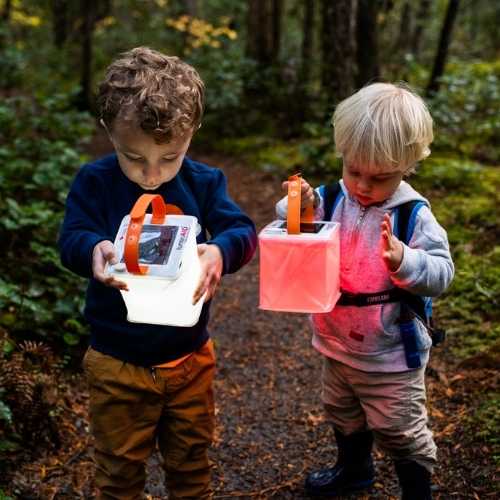

Gone are the days when solar lanterns were just bulky emergency backups. Today's models pack serious brightness, durability, and charging capability into compact frames, opening up a world of practical applications. Whether you're assembling a hurricane kit, lighting a campsite, or setting the mood for a backyard dinner, the right solar lantern ideas can replace disposable batteries and tangled extension cords with clean, reliable light.
This roundup covers nine specific ways to put solar lanterns to work, from disaster relief distribution to RV living to holiday decorating. Each section includes actionable steps, real-world examples, and gear recommendations you can implement immediately. You'll find tips for maximizing charge cycles, positioning panels for optimal sun exposure, and choosing the right lumen output for your specific use case.
No matter if you're a backpacker counting ounces, a homeowner preparing for wildfire season, or an event coordinator sourcing bulk lighting, these ideas will help you get more from every ray of sunshine.
Table of Contents
- 1. Emergency Preparedness Kits with Integrated Solar Lighting
- 2. Camping and Backpacking Lighting Solutions
- 3. Outdoor Entertaining and Ambiance Creation
- 4. Off-Grid Cabin and Remote Property Lighting
- 5. Disaster Relief and Humanitarian Aid Distribution
- 6. RV, Van, and Mobile Living Integration
- 7. Seasonal Holiday and Event Decoration
- 8. Portable Power and Device Charging for Outdoor Adventures
- 9. Solar Lanterns as Portable Charging Stations for Outdoor Gear
- Solar Lantern Ideas: 9-Scenario Comparison
- Harnessing the Sun for a Brighter, Safer Future
1. Emergency Preparedness Kits with Integrated Solar Lighting
When the power grid fails, reliable lighting becomes one of your most valuable resources. Solar lanterns solve a critical problem that traditional flashlights cannot: they require no disposable batteries to stockpile and recharge simply by sitting in sunlight. This makes them indispensable during extended outages caused by hurricanes, wildfires, or earthquakes when supply chains break down.

Among practical solar lantern ideas for preparedness, this approach stands out for its simplicity and long-term reliability. Unlike battery-powered alternatives that sit forgotten in drawers until their cells corrode, solar lanterns stay ready through passive charging.
Why Solar Lanterns Belong in Every Kit
FEMA recommends maintaining multiple light sources in emergency supplies. Solar options eliminate the ongoing cost and waste of disposable batteries, and they work indefinitely as long as sunlight is available.
During Hurricane Maria, communities without grid power for months relied on solar lanterns distributed by organizations like Mercy Corps. These lights provided safe nighttime illumination without requiring fuel shipments.
Practical Tips for Setup
- Charge weekly during normal conditions to keep the battery at full capacity
- Store centrally in a designated grab-and-go bag near your exit route
- Add one to your vehicle kit for roadside emergencies far from home
- Test monthly by running the lantern for 30 minutes to confirm brightness levels
- Pair with a portable phone charger to maintain communication during outages
Real-World Applications
Families in hurricane-prone coastal areas keep solar lanterns alongside their water and non-perishable food stores. Humanitarian groups like World Central Kitchen and Team Rubicon deploy solar lights in disaster zones where infrastructure has been destroyed. Learn more about portable solar emergency lighting.
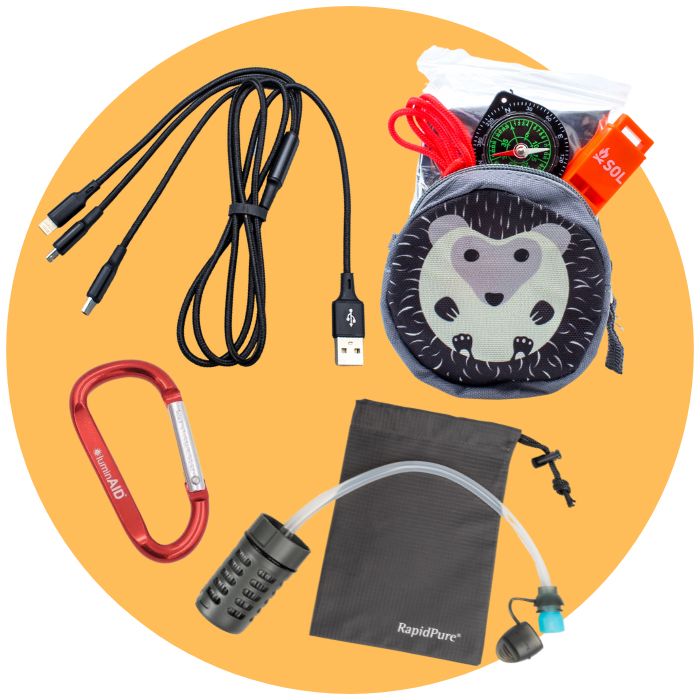
For those assembling comprehensive kits, pairing solar lanterns with first aid supplies from a trusted source like Adventure Medical Kits and water purification systems creates a complete survival package that functions entirely off-grid when it matters most.
2. Camping and Backpacking Lighting Solutions
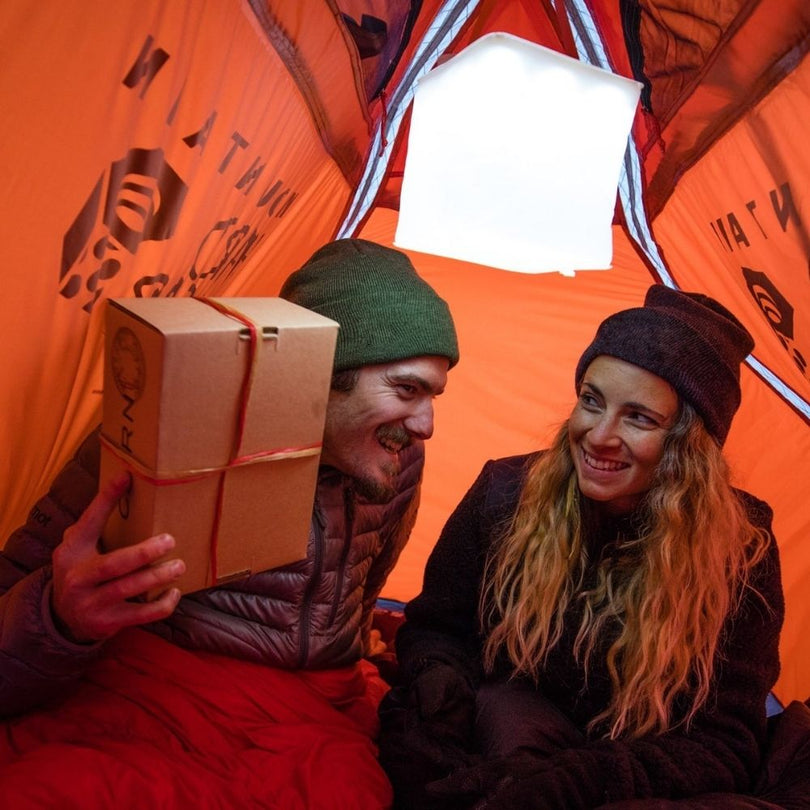
Solar lanterns have changed backcountry lighting by removing the need to haul heavy batteries or fuel canisters into the wilderness. Modern portable solar lanterns designed for camping provide enough illumination for tent interiors, cooking areas, and camp perimeters while weighing far less than traditional alternatives.

Among practical solar lantern ideas for outdoor adventures, this one delivers real weight savings on the trail. Collapsible models pack flat against a backpack, and multi-day functionality without recharging makes them reliable for extended wilderness trips. The outdoor recreation community has widely adopted solar lanterns as a sustainable option that reduces environmental impact at campsites.
Why Solar Lanterns Work for Backcountry Use
Thru-hikers on long-distance trails like the Appalachian Trail and Pacific Crest Trail rely on solar lanterns for base camp lighting. Adventure travel companies now include solar lighting in eco-tourism itineraries, and backcountry camping groups in national parks cut overall kit weight by switching from battery-powered lights.
Leave No Trace principles emphasize reducing waste and pack-in, pack-out burdens. Solar lanterns align perfectly with these guidelines by eliminating disposable battery disposal in wilderness areas.
Practical Tips for Setup
- Hang the solar lantern at the highest point in camp to maximize light distribution across the area
- Position it in direct sunlight during rest days to fully charge the battery
- Use warm white light settings during evening hours to preserve night vision
- Pair with headlamps for personal mobility while the lantern illuminates the camp perimeter
- Check trip duration and cloud forecasts when selecting lantern capacity for your outing
Real-World Applications
Organizations like Survive Outdoors Longer recommend solar lighting as part of wilderness safety kits. Trail communities and hiking forums consistently share positive experiences with solar lantern performance in varied conditions. Learn more about solar lanterns for camping and how to match lantern capacity with your trip length.
For backpackers seeking to trim pack weight without sacrificing safety, swapping bulky battery stockpiles for a single solar lantern often frees up significant space and ounces in a loaded pack.
3. Outdoor Entertaining and Ambiance Creation
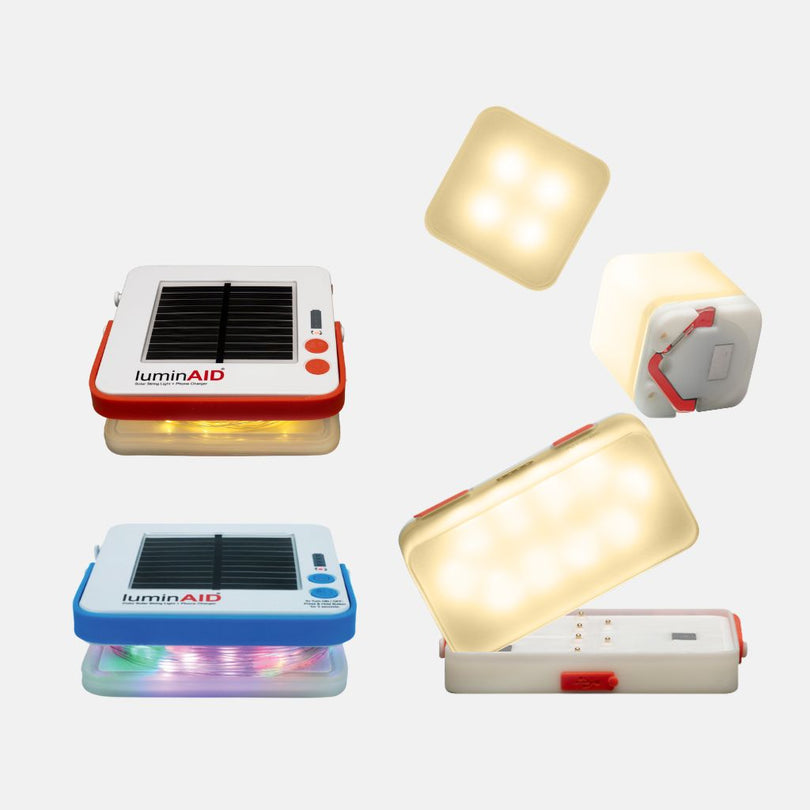
Solar string lights and decorative solar lanterns have changed how homeowners and event planners approach outdoor lighting. These solutions deliver warm, inviting atmospheres for patios, decks, gardens, and event spaces without permanent electrical infrastructure or tangled extension cords. Among creative solar lantern ideas, this category stands out for its versatility and zero operating costs.
Residential patios transformed with solar string lights now serve as nightly gathering spots. Corporate events and product launches use solar lanterns as eco-conscious branding statements. Wedding venues increasingly incorporate solar lighting for sustainable aesthetics that photographs beautifully. RV parks and campgrounds are upgrading to solar string lights to eliminate generator noise while maintaining ambiance.
Practical Tips for Setup
- Install in south-facing locations to maximize solar panel exposure throughout the day
- Clean solar panels monthly to maintain optimal charging efficiency
- Combine multiple light types (lanterns, string lights, pathway lights) for layered ambiance
- Use warm white (2700K-3000K) LED options for an inviting atmosphere
- Position strings at varied heights for visual interest and even illumination
Home and garden design influencers have popularized solar lighting as a staple for outdoor entertaining, while the wedding industry has embraced it as a sustainable alternative to traditional decor lighting.
To create the perfect atmosphere for your next gathering, find outdoor lighting for weddings that matches your style and venue requirements. Learn more about outdoor lighting ideas for backyard spaces to extend your living area well into the evening hours.
4. Off-Grid Cabin and Remote Property Lighting
Properties without grid electricity access face a unique challenge: how to maintain safe, reliable lighting without the noise, cost, and fuel dependency of generators. Solar lantern ideas for remote cabins and homesteads deliver sustainable illumination that operates independently for years with minimal upkeep.
Off-grid homesteads across rural areas use solar lighting networks to illuminate both interior living spaces and exterior pathways. Remote vacation cabins equipped with solar lanterns provide guests with comfort and safety without the infrastructure investment of power line installation. Agricultural properties rely on solar lighting in barns, equipment sheds, and operational areas where running electrical wiring would be prohibitively expensive.
Planning Your Off-Grid Solar Lighting System
Seasonal daylight patterns and cloudy day frequency in your region should guide system sizing. Positioning panels at an angle matching your latitude maximizes year-round charging efficiency.
Communities in off-grid regions often pair solar lanterns with small battery banks, creating lighting systems that function through extended overcast periods without any fuel supply chain.
Key Implementation Tips
- Assess seasonal daylight patterns before designing your system to ensure adequate charging during shorter winter months
- Install battery backup with capacity for 2-3 days of autonomous operation during low-sun periods
- Pair with LED lighting to extend battery life significantly compared to incandescent alternatives
- Clean panels regularly to prevent dust and debris from reducing charging performance
- Reference extended off-grid guides from surviveoutdoorslonger.com for detailed system planning
For comprehensive insights into sustainable living, consider exploring resources on off-grid instant boiling taps that extend beyond just lighting. Humanitarian organizations deploy similar solar lighting installations in refugee camps and disaster relief housing, proving the reliability of these systems in the most demanding conditions.
5. Disaster Relief and Humanitarian Aid Distribution
When infrastructure collapses after a hurricane, earthquake, or conflict, reliable lighting becomes a lifeline rather than a convenience. Solar lanterns have emerged as one of the most practical solar lantern ideas for humanitarian organizations working in crisis zones where grid power is destroyed and fuel supply chains are severed. These portable lights enable medical care after dark, help families navigate unsafe terrain, and restore a sense of normalcy in displacement camps.
Groups like World Central Kitchen, Team Rubicon, and Mercy Corps have integrated solar lanterns into their standard deployment kits. During the conflict in Ukraine, humanitarian organizations distributed solar lights to families facing prolonged infrastructure disruptions. Wildfire relief teams have provided solar lanterns to evacuation centers where power outages left thousands in darkness.
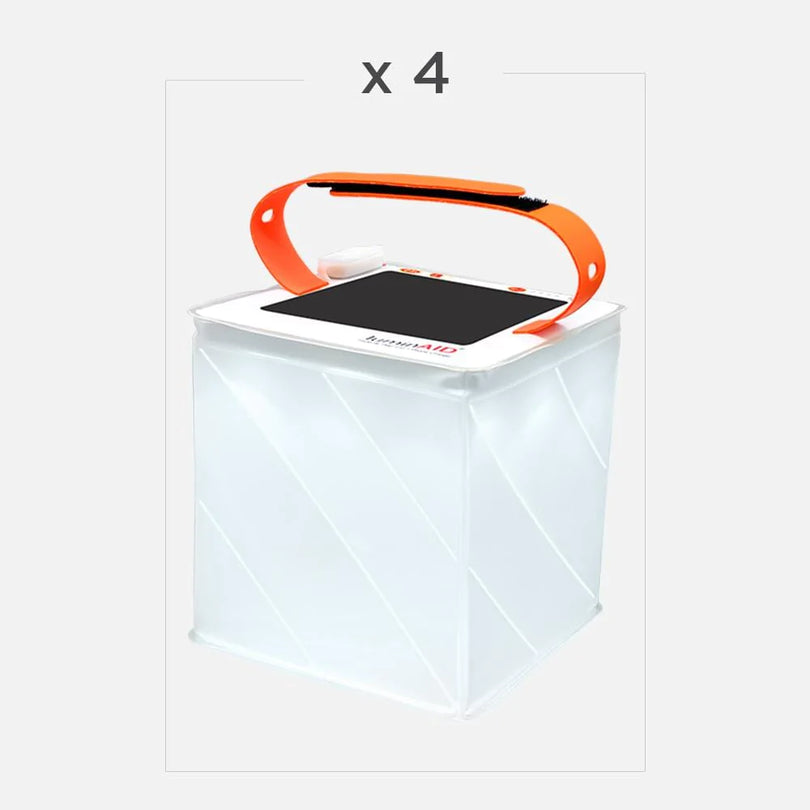
LuminAID's Give Light program has delivered solar lanterns to disaster survivors and refugee communities worldwide, demonstrating how portable solar lighting fills critical gaps when traditional infrastructure fails.
Practical Tips for Effective Distribution
- Partner with established NGOs that have existing distribution networks and community trust
- Train local recipients on charging and basic maintenance to extend product lifespan
- Assess seasonal daylight hours in the target region to match lantern capacity with local conditions
- Bundle lanterns with portable power banks for communities needing both light and device charging
- Track distribution data to measure impact and improve future relief efforts
Why This Approach Matters
Unlike fuel-based alternatives, solar lanterns require no ongoing supply shipments, making them sustainable for long-term displacement situations. Organizations like Adventure Medical Kits and outdoor preparedness resources emphasize that solar lighting remains functional months after initial deployment, long after the media attention fades. For disaster response coordinators and NGOs, solar lanterns represent a low-cost, high-impact tool that keeps working as long as the sun shines.
6. RV, Van, and Mobile Living Integration
For anyone living life on the road, reliable lighting without constant generator use changes the entire experience. Solar lanterns have become essential gear for RV owners, van lifers, and overlanding enthusiasts who want to cut electricity costs and reduce mechanical wear on their vehicles. These portable lights charge during the day and deliver hours of illumination at night, all without tapping into your RV's 12V system or burning fuel.
Among practical solar lantern ideas for mobile living, this approach stands out because it eliminates the noise, fumes, and maintenance headaches that come with running a generator after dark.
Why Solar Lighting Works for Road Life
Full-time travelers quickly learn that generator hours at campgrounds are limited and fuel costs add up. Solar lanterns provide a silent, zero-cost alternative that works whether you're parked at an established RV site or boondocking miles from the nearest electrical hookup.
Van life content creators consistently report that switching to solar lanterns as their primary nighttime lighting source reduced generator runtime by over 60%, extending fuel life and improving campsite relationships.
Practical Tips for Setup
- Mount a solar panel on your RV roof to keep lanterns charging while you drive or park
- Use lanterns as your main interior lighting to minimize draw on your house battery bank
- Pair with a portable power station for multi-day autonomy during cloudy stretches
- Position lanterns strategically around your vehicle's exterior to eliminate dark shadows at night
- Charge during morning sun exposure to maximize available light for evening activities
- Store lanterns in accessible spots for quick deployment when you arrive at each new camp
Real-World Applications
Overlanding communities and adventure vehicle builders regularly integrate solar lighting into their expedition setups. Campground owners have also begun upgrading facilities with solar string lights and lanterns to offer guests ambient outdoor lighting without expanding electrical infrastructure. Learn more about off-grid lighting solutions for mobile living.
For those building out a van or RV, combining solar lanterns with a small battery bank creates a self-sustaining lighting system that keeps working trip after trip with almost no ongoing cost.
7. Seasonal Holiday and Event Decoration
Solar lanterns and string lights have changed how homeowners and event planners approach seasonal decoration. By removing the need for extension cords and electrical outlets, these lights eliminate tripping hazards and weather-related safety concerns. Setup takes minutes rather than hours, with no electrician required or temporary wiring to install and later dismantle.
Among practical solar lantern ideas for the holidays, this application stands out because it scales easily. A single homeowner can light an entire yard display, while event companies can stage wedding venues without generators or electrical permits.
Why Solar Works for Seasonal Displays
Holiday lighting drives significant electricity costs for many households. Solar-powered alternatives run at zero operating cost and function reliably through rain, snow, and temperature swings that would compromise conventional electrical setups.
During autumn months, solar panels receive roughly 30% less daily sunlight than in summer, making October testing critical for ensuring reliable winter performance.
Practical Tips for Setup
- Select warm white LEDs (2700K-3000K) for traditional holiday ambiance rather than cool tones
- Install solar panels in maximum sun exposure locations, even if the lights themselves sit in shade
- Test systems in October to confirm sufficient charging before shorter winter days arrive
- Combine multiple light types, lanterns with string lights, for layered depth
- Position lights at varied heights along fences, railings, and tree branches for visual interest
- Consider gift bundles pairing solar lanterns with complementary outdoor or emergency lighting products
Real-World Applications
Residential neighborhoods across the country now feature solar-powered exterior displays covering entire facades. Wedding planners use solar lanterns to illuminate garden ceremonies without running cables through grass or walkways. Community holiday displays and municipal projects increasingly adopt solar technology to reduce both costs and electrical waste. Gift guides and holiday shopping publications regularly highlight these options as practical, eco-conscious presents.
For those planning ahead, pairing solar decoration lights with a reliable first aid kit or emergency supplies creates a home prepared for both celebration and unexpected situations.
8. Portable Power and Device Charging for Outdoor Adventures
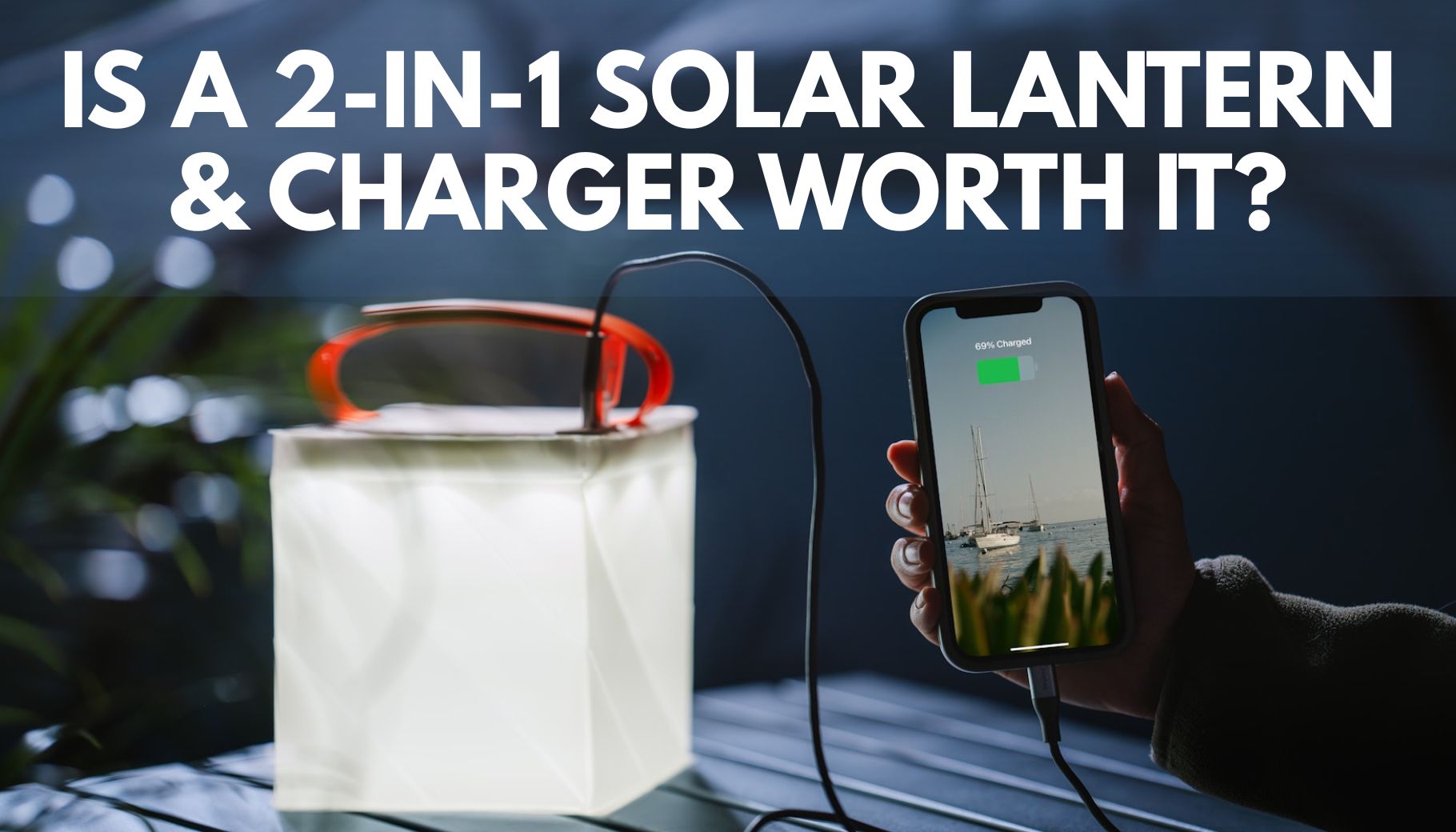
Solar lanterns with integrated USB charging capability pull double duty on the trail, providing essential illumination while simultaneously keeping phones, GPS units, and tablets powered up. This two-in-one functionality cuts down on pack weight and eliminates the need to carry separate power banks, making it one of the most practical solar lantern ideas for anyone spending extended time outdoors.
Who Benefits Most from This Setup
Backpackers navigating remote terrain rely on phone GPS for route finding and emergency communication. Rock climbers and mountaineers use USB charging to keep satellite communicators and climbing computers operational at base camps. Photography enthusiasts charge camera batteries during multi-day wilderness shoots, and outdoor educators maintain radios and tablets throughout weeklong courses. Trail runners tackling endurance events in the backcountry also benefit from having a lightweight power source that handles both lighting and device charging.
Multi-functional gear remains a core principle in ultralight backpacking communities, and solar lanterns with USB output fit squarely into that philosophy by replacing two separate items with one.
Practical Tips for Setup
- Prioritize lantern function first, charging devices only after establishing adequate camp lighting
- Use USB charging during daytime when the solar panel receives direct sun exposure
- Enable battery-saving modes on phones to reduce overall charging demand
- Carry USB cables for multiple device types to maximize compatibility across gear
- Position the lantern in the highest sunlight exposure location during charging hours to optimize power output
- Consider power banks as a supplementary solution for extended multi-day trips when solar input is limited
For comprehensive power planning in wilderness settings, reference outdoor survival resources like Survive Outdoors Longer. For those assembling broader adventure gear kits, Adventure Medical Kits offers additional planning tools for extended backcountry travel.
Pairing a USB-capable solar lantern with other essential outdoor equipment creates a streamlined setup that keeps you connected and illuminated without weighing down your pack.
9. Solar Lanterns as Portable Charging Stations for Outdoor Gear
Beyond illumination, many modern solar lanterns double as power banks for small electronics, a feature that makes them invaluable when you are miles from the nearest outlet. Models equipped with USB output ports can recharge smartphones, GPS units, action cameras, and headlamp batteries using the same solar panel that powers the light itself. This dual functionality reduces the number of separate devices you need to pack and carry.

Among practical solar lantern ideas for outdoor enthusiasts, this one stands out because it solves two problems with a single piece of gear. Backpackers and campers who rely on phone-based navigation apps or emergency communication can keep their devices functional without carrying a separate power bank.
Why Dual-Purpose Lanterns Earn Their Place
A dead phone in the backcountry is more than an inconvenience. It can become a safety issue when you need to call for help or check a weather update. Solar lanterns with charging ports eliminate the anxiety of watching your battery percentage drop during multi-day trips.
On extended backpacking trips through national parks, a single solar lantern with a USB port can keep a phone, headlamp, and camera charged for an entire week without access to grid power.
Practical Tips for Setup
- Check the output rating before buying. Look for at least 2.1A USB output for reasonable charging speeds
- Charge the lantern fully at home before your trip so it starts with maximum stored energy
- Position the panel facing direct sunlight during rest stops to maximize energy collection
- Prioritize device charging during daylight hours and reserve the light function for nighttime use
- Carry a short USB cable to avoid tangling with other gear in your pack
Real-World Applications
Backpackers on multi-day treks through places like the Appalachian Trail or Pacific Crest Trail use solar lanterns to maintain communication and document their journey. Hunters and anglers in remote locations rely on them to keep GPS units and satellite messengers operational. Learn more about portable power solutions for outdoor adventures.
For anyone building a lightweight kit, a solar lantern with charging capability replaces both a standalone power bank and a dedicated light source, cutting weight and simplifying your pack.
Solar Lantern Ideas: 9-Scenario Comparison
| Item | Implementation complexity | Resource requirements | Expected outcomes | Ideal use cases | Key advantages |
|---|---|---|---|---|---|
| Emergency Preparedness Kits with Integrated Solar Lighting | Low–Medium — plug-and-play inclusion; periodic maintenance | Moderate — quality solar lanterns, USB cables, storage; sunlight for charging | Reliable renewable light and device charging during extended outages; reduced battery dependence | Household emergency kits, evacuation packs, disaster-prone regions | Sustainable, long-term readiness; dual lighting/charging; reduces supply-chain risk |
| Camping and Backpacking Lighting Solutions | Low — ready-to-use, no installation | Low — ultra-light collapsible lanterns, minimal pack space, sun exposure | Lightweight camp illumination for tents and cooking areas; multi-day functionality in sun | Thru-hikes, backcountry camping, lightweight trips | Very light and compact; eco-friendly; warm light options that minimize insects |
| Outdoor Entertaining and Ambiance Creation | Very low — place-and-go, seasonal repositioning | Low — decorative fixtures, panel exposure, occasional cleaning | Enhanced outdoor ambiance with zero operating electricity cost | Patios, decks, gardens, event venues | Aesthetic versatility; no wiring; repositionable; cost- and energy-saving |
| Off-Grid Cabin and Remote Property Lighting | Medium — system sizing and installation; possible panel/battery mounting | High — solar panels, high-capacity batteries, durable fixtures, mounting hardware | Reliable long-term illumination and energy independence for remote properties | Off-grid cabins, homesteads, remote vacation properties | Scalable and low-maintenance; reduces generator/fuel needs; long lifespan |
| Disaster Relief and Humanitarian Aid Distribution | Low–Medium — rapid deployment logistics and distribution planning | High at scale — bulk procurement, durable portable units, distribution channels | Immediate lighting for safety, medical care, and recovery; sustained post-crisis support | Emergency response, refugee camps, large-scale relief operations | Rapidly deployable; sustainable; lowers fuel/supply dependency; cost-effective at scale |
| RV, Van, and Mobile Living Integration | Low — portable use with optional rooftop integration | Moderate — portable lanterns, USB compatibility; optional roof panels/battery bank | Reduced generator runtime, flexible interior/exterior lighting, better boondocking autonomy | RV owners, van lifers, overlanders, mobile campers | Portable and flexible; reduces fuel and generator use; charges devices while traveling |
| Seasonal Holiday and Event Decoration | Very low — simple placement; automatic dusk-to-dawn operation | Low — many decorative units, good panel exposure, seasonal storage | Festive displays without extension cords or operating costs; reusable season-to-season | Holiday displays, weddings, corporate events, community installations | Safe (no cords), reusable, eco-friendly, easy to install and reposition |
| Portable Power and Device Charging for Outdoor Adventures | Low — single-device operation; requires charging management | Moderate — high-capacity battery lanterns, multiple USB ports, sunlight | Combined lighting and device charging; reduced need for separate power banks | Backpackers, mountaineers, outdoor educators, expedition teams | Dual-functionality saves pack weight; supports emergency communications; convenient charging |
Harnessing the Sun for a Brighter, Safer Future
From emergency kits to backyard gatherings, the solar lantern ideas covered in this article prove that portable solar lighting is far more than a niche gadget. It is a practical tool that adapts to nearly every scenario where reliable, cordless light matters.
Key takeaways worth remembering:
- Preparedness pays off. Storing a solar lantern in your emergency kit means you are never scrambling for batteries or candles when the grid goes down. Organizations like Adventure Medical Kits emphasize the importance of self-contained lighting in disaster readiness.
- Versatility drives value. The same lantern that lights a campsite can double as a reading lamp in a van, a centerpiece at a dinner party, or a safety marker along a dark trail.
- Sustainability is built in. Every charge from the sun is one less disposable battery in a landfill. Over the lifespan of a quality solar lantern, that adds up to meaningful waste reduction.
What to do next:
- Audit your current setup. Check whether your emergency kit, camping gear, and outdoor spaces each have a dedicated solar light source.
- Charge before you need it. Set a monthly reminder to place your lantern in direct sunlight for a full charge cycle, even if you are not using it.
- Share the knowledge. If you coordinate disaster relief efforts or lead outdoor groups, consider bulk solar lantern distribution as a cost-effective safety measure.
The broader impact extends beyond convenience. In regions where electricity is unreliable or nonexistent, a single solar lantern can extend productive hours for students, improve safety for families, and reduce dependence on kerosene, which the World Health Organization links to respiratory illness. Even in developed markets, widespread adoption of solar lighting reduces strain on aging power grids during peak demand.
Whether you are a weekend camper, a homeowner in hurricane country, or a procurement officer sourcing supplies for a remote team, the right solar lantern bridges the gap between preparedness and peace of mind. The sun rises every day. Your lighting plan should be just as dependable.
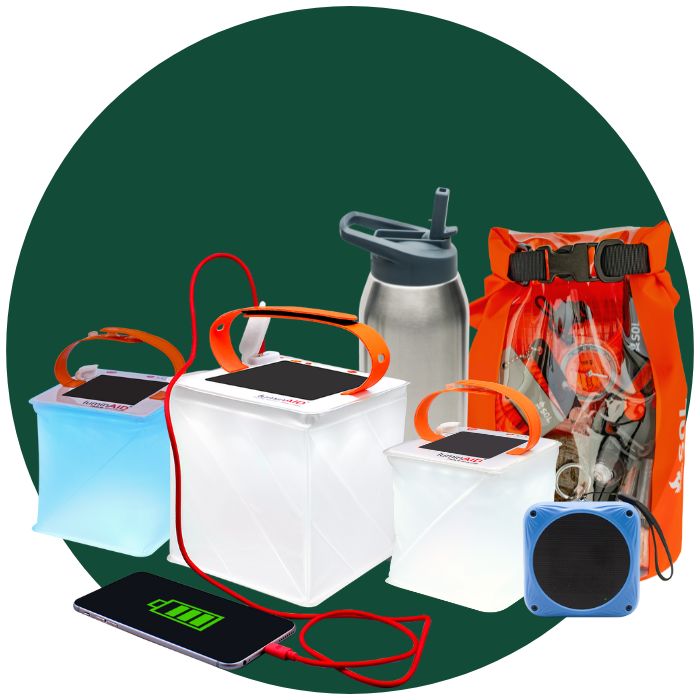
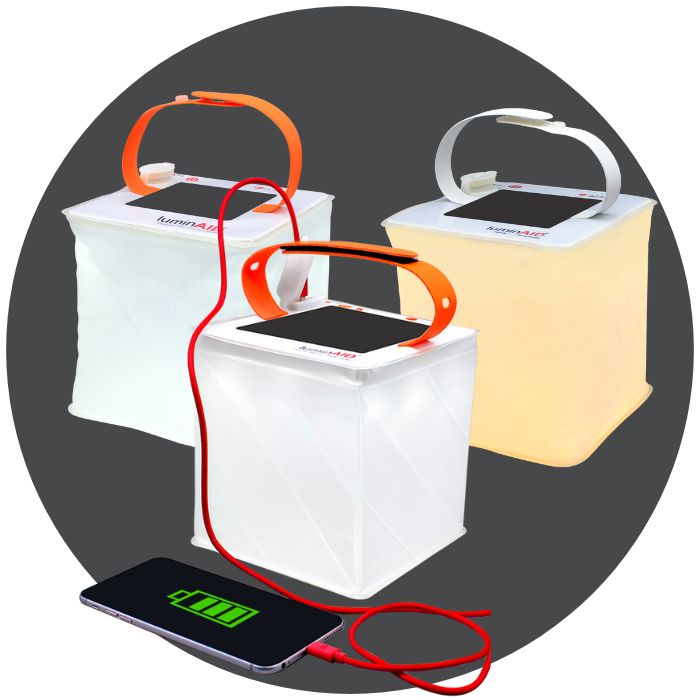
Ready to put these solar lantern ideas into action? LuminAID designs inflatable, waterproof solar lanterns built for everything from emergency response to backyard entertaining. Browse the full collection at LuminAID to find the model that fits your next adventure or preparedness plan.