
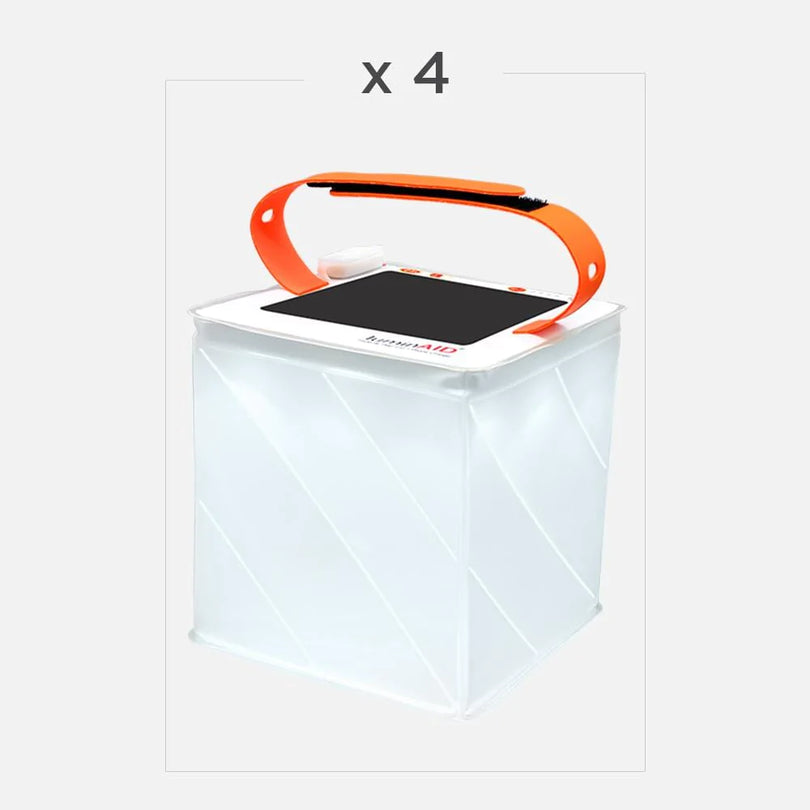

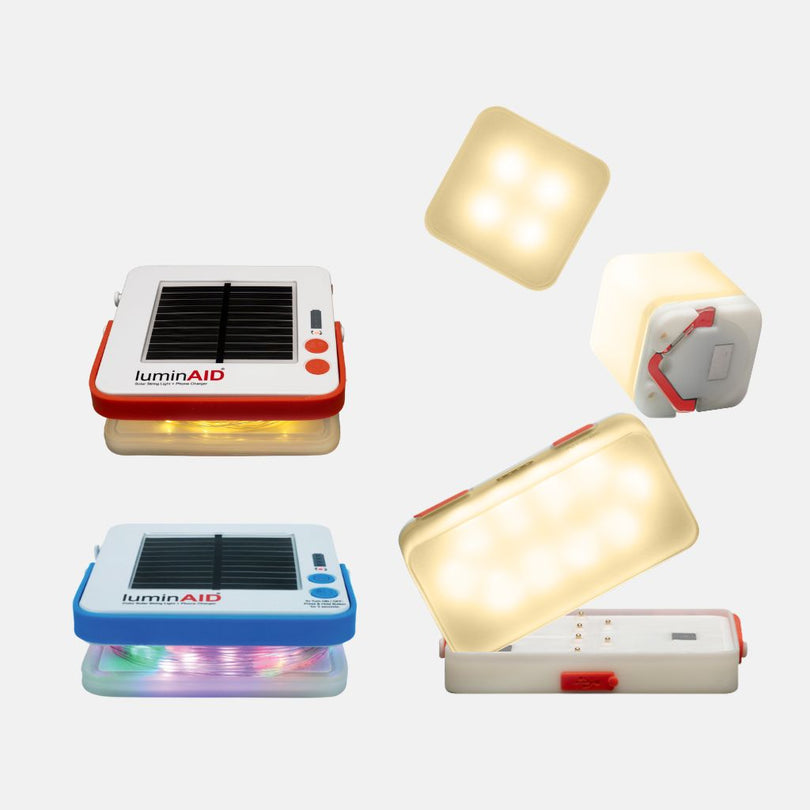


The right outdoor lighting ideas for your backyard do more than just push back the darkness—they blend atmosphere with function, turning a patch of grass into a magical nighttime retreat. It’s all about layering different types of light, like the soft, overall glow from string lights, focused task lights for the grill, and accent lights to make a favorite tree pop. Done right, you create a beautiful and practical outdoor room.
Turn Your Backyard Into A Nighttime Oasis
Picture your backyard transforming from a dark, unused plot into a warm, inviting extension of your home as the sun goes down. That’s the real power of smart outdoor lighting. It does more than just help you see; it crafts an atmosphere, extends your living space into the evening, and adds a layer of safety for your family and guests. The secret to any stunningly lit yard is simply a thoughtful plan.
This guide will walk you through everything, from the basic principles to brilliant, practical ideas you can use tonight. We'll focus on solutions that are easy to use and sustainable, like versatile solar-powered lights that bring your vision to life without the headache of complex wiring. A great first step is learning how to create the perfect backyard atmosphere with just a few simple touches.
The Growing Appeal of Outdoor Lighting
More and more, people are looking to create beautiful, livable outdoor spaces, and sustainability is a huge part of that trend. The global market for outdoor lighting is expected to jump from USD 18.1 billion in 2025 to USD 28.4 billion by 2030. That massive growth is being fueled by energy-efficient solar and LED technology, which makes gorgeous backyard designs more accessible than ever. As people create cozy vibes with string lights and lanterns, off-grid tech keeps getting better, cheaper, and kinder to the environment. You can read more about these lighting industry innovations and see where things are headed.
A well-lit backyard is more than just an aesthetic upgrade; it’s a lifestyle improvement. It unlocks the full potential of your property, giving you more hours to relax, entertain, and connect with nature, right on your doorstep.
Why Strategic Lighting Matters
Good lighting isn’t just about flipping a switch. A well-planned design can completely redefine how you experience your own backyard after dark. When you're dreaming up outdoor lighting ideas for your backyard, don't forget the little things that keep everyone comfortable and safe, like having a quality first aid kit from Adventure Medical Kits handy for bug bites or scrapes.
Here’s what you gain with a smart lighting plan:
- Enhanced Atmosphere: The right glow sets the mood, whether you want something festive and energetic or calm and romantic.
- Improved Safety and Security: Lighting up paths, stairs, and shadowy corners is the best way to prevent trips and deter unwanted visitors.
- Increased Usability: Your patio, garden, or deck becomes a true living area long after sunset, perfect for late dinners or just unwinding under the stars.
- Boosted Curb Appeal: Highlighting your home's unique features and beautiful landscaping adds serious value and charm.
Mastering The Three Layers Of Outdoor Lighting
Thinking about your backyard lighting is a lot like painting. You don't just throw a single color onto the canvas and call it a day. Instead, you create depth and drama by working in layers—starting with a broad base coat, adding in the detail work, and finishing with highlights that catch the eye. This is the exact approach professional landscape designers use, and it's the secret to a truly stunning space.
By combining three distinct types of light—ambient, task, and accent—you can create a backyard that's not just beautiful, but incredibly functional, too. This layered technique makes sure your yard is perfectly lit for anything, whether it’s a quiet evening alone or a lively get-together with friends.
Let's break down these three essential layers and see how they come together.
| Lighting Layer | Primary Purpose | Common Light Types | Example Placement |
|---|---|---|---|
| Ambient (Foundation) | Provides general, soft, all-over illumination for safety and basic visibility. It sets the overall mood. | String lights, wall sconces, post lights, solar lanterns. | Draped over a patio, mounted on the house, at the corners of a deck. |
| Task (Focus) | Delivers bright, focused light for specific activities like cooking, dining, or navigating steps. | Spotlights, overhead pendants, step lights, portable power lanterns. | Over a grill station, above a dining table, built into stair risers. |
| Accent (Drama) | Creates visual interest by highlighting specific features like trees, sculptures, or architectural details. | Uplights, spotlights, well lights. | Aimed up at a textured tree trunk, highlighting a garden statue, grazing a stone wall. |
By weaving these three layers together, you move beyond just "lighting the dark" and start designing an experience that is safe, useful, and beautiful all at once.
The Foundation: Ambient Lighting
Ambient light is your base coat. It provides a soft, general glow across a wide area, sort of like moonlight filtering through the trees. The whole point is to make the space feel safe and inviting without any harsh glare or deep shadows. This is the foundational layer that all your other outdoor lighting ideas for your backyard will build upon.
Common sources of ambient light include:
- String Lights: Draped over a patio, strung between trees, or run along a fence line, they instantly create a festive or romantic vibe.
- Wall Sconces: Mounted on the exterior of your home, these cast a gentle wash of light downwards and outwards.
- Post Lights: Taller fixtures are perfect for illuminating larger areas, like the corners of a deck or the start of a garden path.
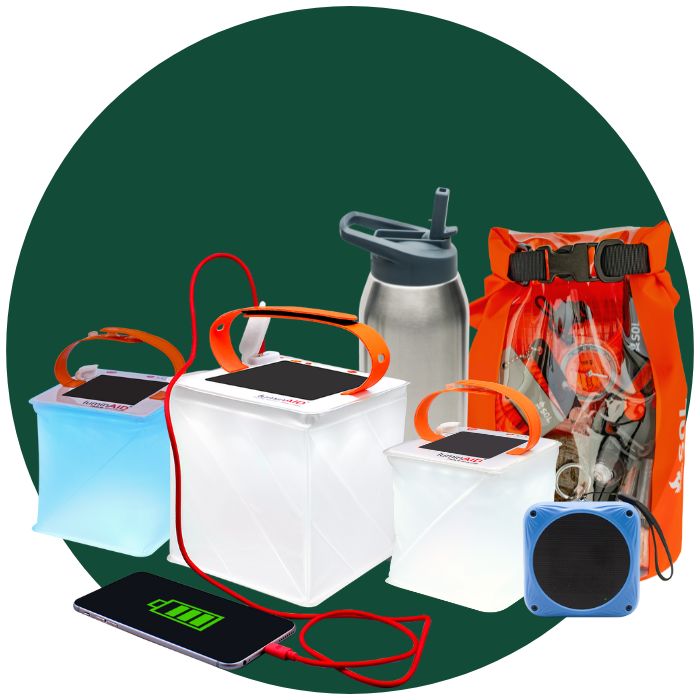
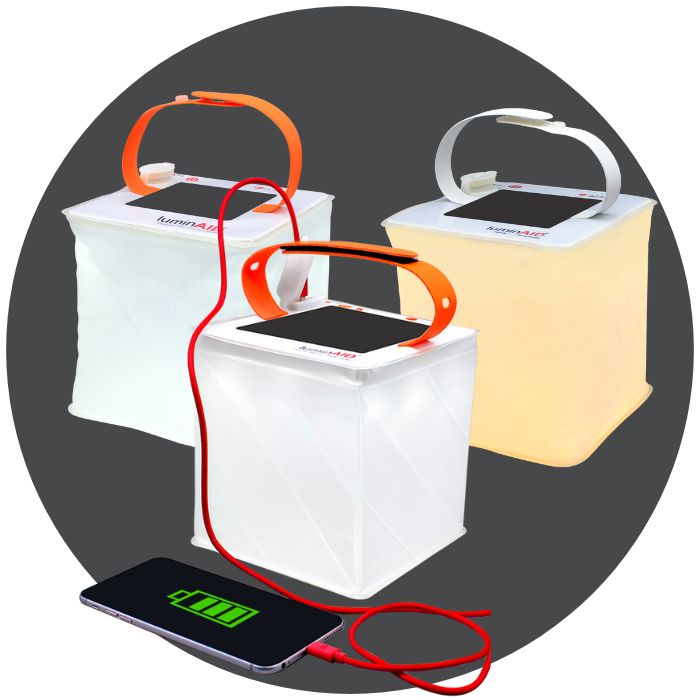
- Portable Solar Lanterns: Placed on tables or hung from branches, these give you incredible flexibility to add a warm glow exactly where you need it.
The Focus: Task Lighting
Next up is the detail work—task lighting. This layer is all about function. It gives you bright, focused light in specific spots where you're actually doing something. Think of it as the reading lamp of your outdoor living room. It’s direct, purposeful, and absolutely essential for safety and convenience.
Effective task lighting is critical for high-activity zones. A well-lit grilling station, for example, means no more guessing if the chicken is cooked through. And illuminated steps are a must to prevent trips and falls. Safety is always a priority. Just like you'd keep a first-aid kit on hand for minor scrapes, good lighting is a key part of outdoor preparedness. And for those inevitable bug bites, having something like After Bite nearby ensures a little pest doesn't ruin the evening.
"A great lighting plan is a conversation between light and shadow. Ambient light sets the stage, task lighting directs the action, and accent lighting tells the story."
Key areas for task lighting include:
- Grilling and Cooking Stations: Use downward-facing lights to see what you're doing on countertops and the grill itself.
- Stairways and Steps: In-step lights or small fixtures on railings are non-negotiable for safe navigation after dark.
- Outdoor Dining Tables: An overhead pendant or a bright portable lantern ensures everyone can see their food.
- Reading Nooks: A focused, adjustable light makes it easy to enjoy a good book under the stars.
The Drama: Accent Lighting
Finally, you bring in the drama with accent lighting. This is where you get to be creative, using light to showcase your backyard’s best features. Think of accent lights as spotlights on a stage, drawing attention to a beautiful old tree, a unique piece of garden art, or interesting architectural details.
This layer adds depth, texture, and a real "wow" factor to your landscape. By placing these lights strategically, you can turn ordinary features into captivating nighttime spectacles. The goal here is less about illumination and more about artistry. You're essentially painting with light to guide the eye and create visual interest all around the yard.
Choosing Your Power Source: Solar Vs. Wired
Once you’ve got a handle on the layers of light, the next big decision is how you’ll power everything. Choosing between solar and traditional wired lighting is a critical step that will shape your budget, the installation process, and the overall flexibility of your design.
This isn't just about eco-friendliness versus raw power; it's about what truly makes the most sense for your specific backyard and how you live in it.
Let's look beyond a simple pros-and-cons list. Solar power offers incredible freedom. It's an eco-conscious choice that lets you skip the electricians and avoid digging disruptive trenches in your yard. Better yet, you can place lights literally anywhere the sun shines. This makes it a perfect fit for renters, anyone who loves to rearrange their space, or those looking for a simple, scalable starting point for their outdoor lighting ideas for backyard.
The Freedom And Simplicity Of Solar Power
Solar lighting technology has come a long way. Today’s solar-powered lights, from path markers to string lights, are bright, reliable, and ridiculously easy to install. Think of them as "plug-and-play" for your garden—you just place them where you want them, and they're ready to glow that same evening.
The biggest advantage is the sheer flexibility. Want to light up a far corner of your yard for a party this weekend? No problem. Decided those string lights would look better weaving through the tree branches instead of along the fence? You can move them in minutes. This adaptability lets you experiment with different lighting effects without any permanent commitments.
Here's why so many people are going solar:
- Zero Utility Cost: After the initial purchase, the sun provides all the energy for free. That means no bump in your monthly electricity bill.
- Ultimate Portability: Solar lanterns can go from the patio table to the lawn for a game of catch, giving you light exactly where it's needed, when it's needed.
- Simple DIY Installation: Most solar lights require zero technical skill. You just stake them into the ground or hang them up, saving you the cost and hassle of hiring an electrician.
- Eco-Friendly: Solar is a clean, renewable energy source that shrinks your home's carbon footprint.
The global outdoor lighting market was valued at an impressive USD 14.5 billion in 2025 and is projected to nearly double to USD 29.1 billion by 2035. This massive growth is driven by homeowners' desire for ambient lighting, with solar string lights leading the charge for creating cozy, wire-free patios. This trend is amplified by energy-efficiency rules in regions like Europe, where smart solar solutions can cut energy use by up to 70% compared to traditional bulbs.
The Power And Permanence Of Wired Lighting
On the other side of the coin is traditional low-voltage wired lighting. While it definitely requires more upfront planning and often professional installation, its main advantage is undeniable: consistent, powerful, and reliable light.
Wired systems are connected directly to your home's electrical supply, so you never have to worry about a string of cloudy days dimming your lights. This makes wired lighting the go-to choice for certain applications, especially security. If you need a high-intensity floodlight to blast a large area with light or ensure your entryway is always brightly lit, a wired system offers peace of mind that solar can't always match. Plus, the installation is a permanent home improvement that can add real value to your property.
You can check out our comprehensive solar lantern buyer's guide to compare the capabilities of modern solar with more traditional options.
Wired systems are best for:
- High-Intensity Needs: Essential for security floodlights and powerful uplighting on very large trees or architectural features.
- Total Reliability: The lights will work every single night, period. No need to worry about the weather or how much sun you got that day.
- Centralized Control: Wired systems can be easily integrated with timers, dimmers, and smart home systems for effortless control.
Ultimately, the best choice often isn't one or the other but a hybrid approach. You could use a wired system for essential security and architectural lighting, then sprinkle in flexible solar string lights and portable lanterns to create ambiance and task lighting exactly where you need it. This combination gives you the best of both worlds—the rock-solid reliability of wired power and the creative freedom of solar.
Lighting Ideas For Every Backyard Zone
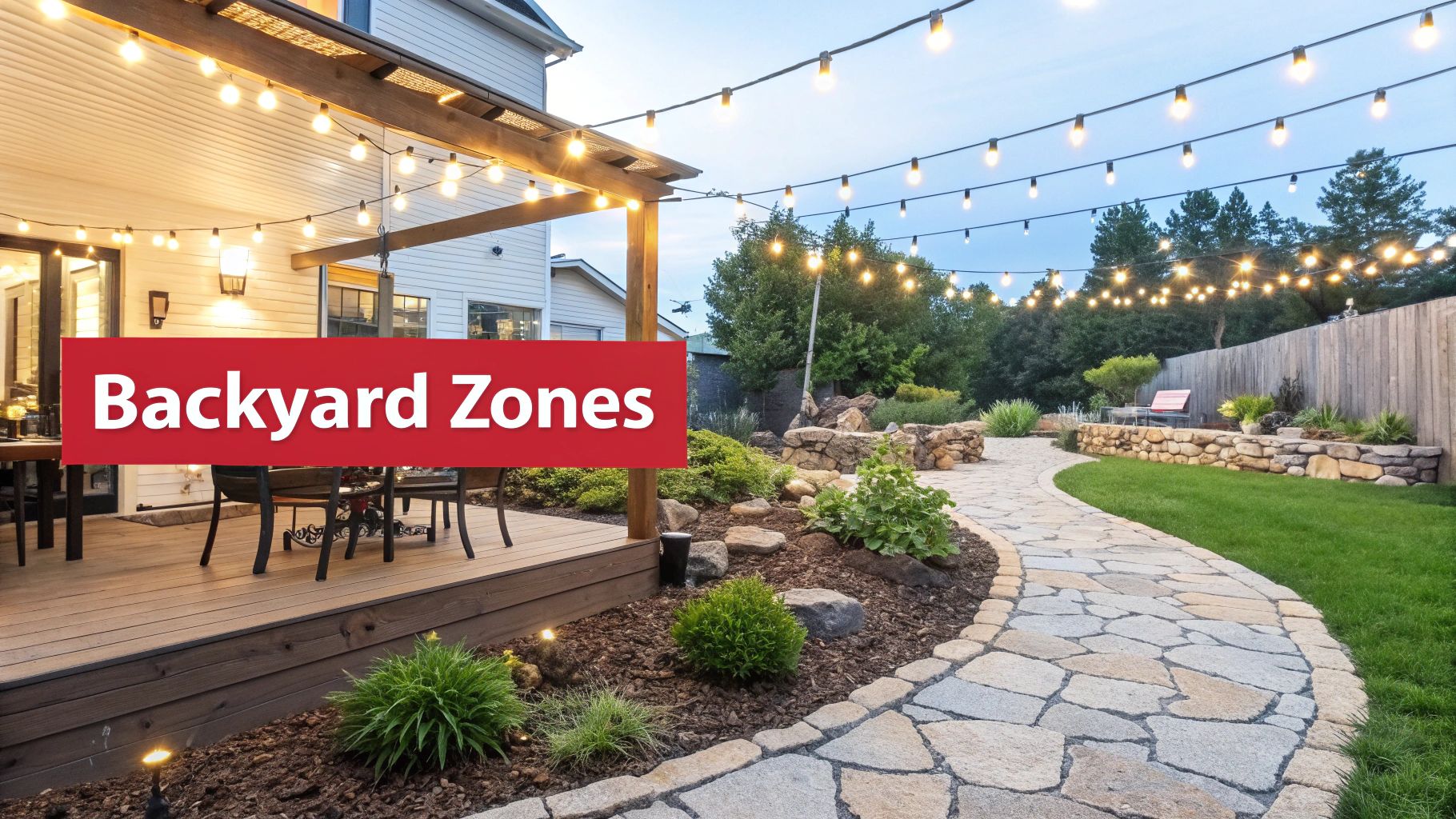
Okay, we've nailed down the core principles and power sources. Now for the fun part: bringing your vision to life. A backyard isn't just one big space; it's a collection of unique zones, each with its own job to do. The lighting that makes a dining area feel magical might be all wrong for a quiet garden path.
By tailoring your outdoor lighting ideas for backyard spaces, you can craft a landscape that flows together beautifully while being incredibly functional. Let's walk through the most common areas and explore specific lighting strategies to make each one shine after the sun goes down.
Creating Ambiance For Patios And Decks
Your patio or deck is the heart of your backyard social life. It’s where you eat, entertain, and just unwind. The goal here is to create a warm, inviting atmosphere that feels like you’ve simply extended your living room outdoors.
The absolute champion of this vibe is the classic string light. Whether you drape them overhead in a canopy, zig-zag them between posts, or use them to outline a pergola, solar string lights cast a soft, enchanting glow that immediately feels welcoming. Always go for warm white bulbs to get that cozy, bistro-like setting that makes guests want to stick around.
You can even use string lights to define the space. If your patio feels a bit exposed, a canopy of lights creates a visual "ceiling," making the area feel much more intimate and room-like. For even more ideas, check out some other creative ways to use string lights in outdoor settings.
To add another layer, place a few portable solar lanterns on tables as glowing centerpieces or along a deck railing. They provide soft pools of light exactly where you need them without any harsh glare, ensuring your main social hub is bathed in comfortable, conversation-friendly light.
Enhancing Safety On Pathways And Steps
While patios are all about ambiance, pathways and stairs are all about safety. The trick is to provide just enough light for people to move around confidently without blasting the area with bright, mood-killing fixtures.
Think subtle. Low-level path lights staked along the edge of a walkway are perfect for guiding feet safely from the patio to the garden. The best ones cast light downward and outward, illuminating the ground right where you're about to step. Spacing them about 6 to 8 feet apart usually gives you continuous light without making your yard look like an airport runway.
For stairs, the best solutions are often built right in. A couple of great options are:
- Riser Lights: These small fixtures are installed into the vertical face of each step, casting light down onto the tread below.
- Under-Railing Lights: LED strip lighting or small "puck" lights mounted under the handrail give you a continuous, gentle wash of light down the entire staircase.
This focused approach keeps the light exactly where it’s needed most, preventing trips and adding a polished, sophisticated look to your landscape.
Adding Drama To Trees And Gardens
This is where you get to be an artist. Using accent lighting on trees, shrubs, and garden beds adds depth, texture, and a serious wow factor to your yard at night. It’s one of the most effective ways to create visual interest and draw the eye beyond the immediate patio area.
The go-to technique here is uplighting. This is as simple as placing a spotlight at the base of a tree and aiming it up into the branches. It highlights the cool texture of the bark and the delicate shapes of the leaves, turning a simple tree into a dramatic, living sculpture. For bigger trees, try using two or three lights from different angles to create a fuller effect.
For garden beds, a softer approach called moonlighting works wonders. This involves placing a light high up in a mature tree and aiming it downward. The light filters through the branches, casting soft, dappled shadows on the plants below, perfectly mimicking the look of natural moonlight. It’s a surefire way to create a serene, magical atmosphere.
As you spend more time enjoying your newly lit space, minor outdoor mishaps are bound to happen. Keeping a well-stocked first-aid kit from a trusted source like Adventure Medical Kits on hand ensures a small scrape or bug bite won't cut your perfect evening short.
Illuminating Lawns And Activity Zones
Open lawns and play areas need light that's flexible and available on demand. You don’t want permanent fixtures getting in the way of a game of catch or becoming an obstacle when you mow. This is the perfect job for powerful, portable lighting.
High-lumen portable power lanterns are ideal for these multi-use spaces. You can pop one on the grass for a family board game night, set up a few to light up a game of cornhole, or carry one over to the fire pit for extra light as the embers die down. Their portability means you get bright, functional light exactly when and where you need it, with zero installation.
Of course, enjoying these evening activities can sometimes mean dealing with pesky insects. Having an effective insect repellent, like one from Ben's 30, can make all the difference, letting you focus on the fun instead of the buzzing. This mix of versatile lighting and practical comfort makes sure your open spaces are just as usable and enjoyable after dark.
Getting It Right: Installation And Maintenance
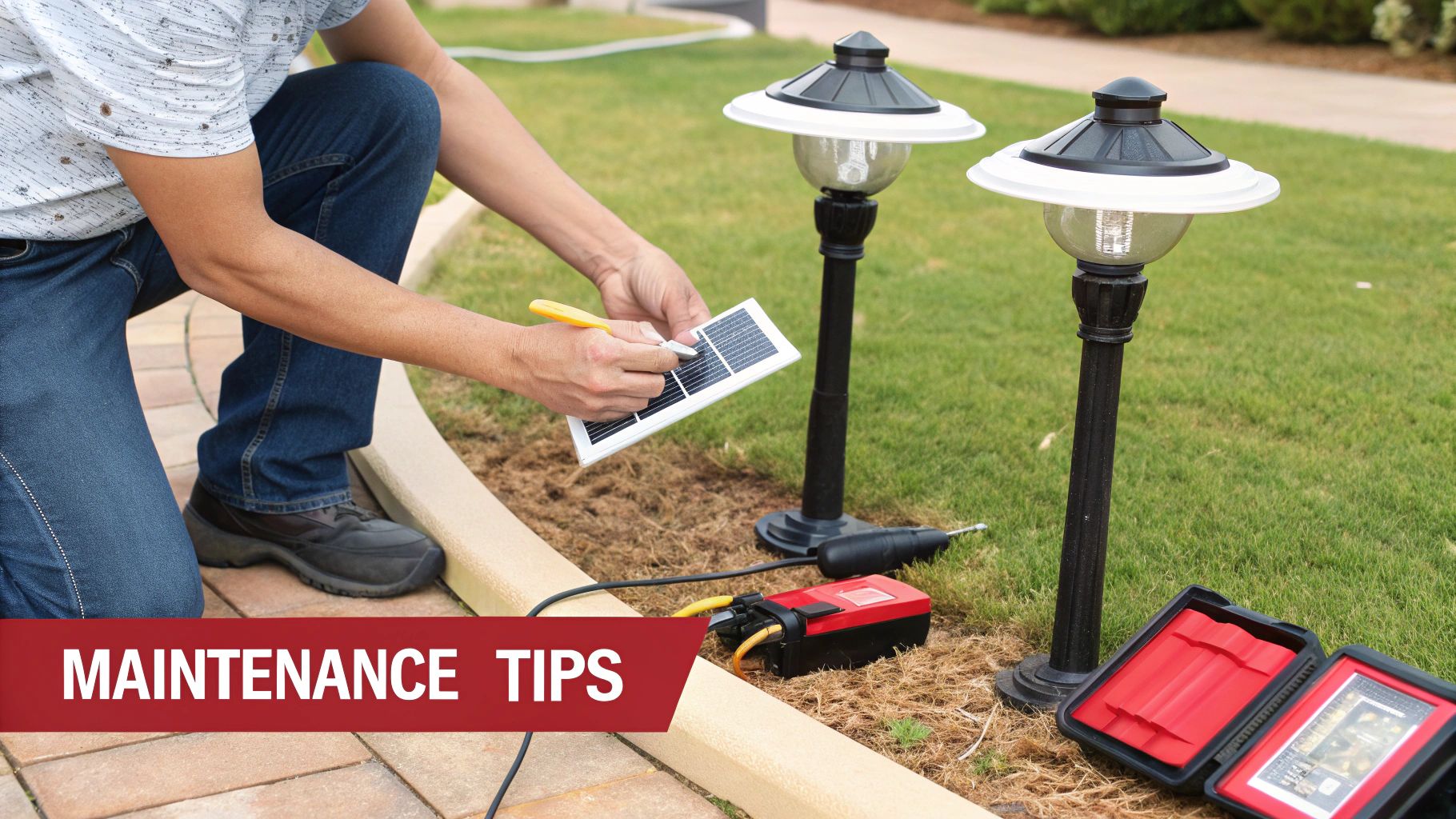
This is the fun part—turning your backyard lighting plan into a reality. But a great design is only as good as its installation and upkeep. Getting this right is what ensures your beautiful setup doesn't just look great on day one, but shines bright and stays safe for years.
Whether you're going the DIY route with easy-to-place solar lights or calling in a pro for a wired system, a few ground rules make all the difference. Think of it as protecting your investment, so you can enjoy those perfectly lit evenings, season after season.
Flawless Installation Tips
A solid installation is the foundation of any good lighting scheme. For solar lights, the process couldn't be simpler: place them where they’ll get at least 6-8 hours of direct sunlight. That means keeping them out from under dense trees or the long shadows cast by your house, which will stop the batteries from ever reaching a full charge.
If you're working with a low-voltage wired system, safety comes first. We always recommend hiring a licensed electrician to connect anything to your home's main power. For those tackling a DIY low-voltage kit, the biggest job is protecting your wires.
- Bury Your Wires: Tuck low-voltage cables at least 6 inches deep. This keeps them safe from the lawnmower, garden shovels, and everyday foot traffic.
- Use Conduit: For extra peace of mind in busy areas or near sharp-edged patios and walkways, run the wires through a simple PVC conduit. It's a cheap and effective shield.
- Choose Outdoor-Rated Fixtures: Every single light, connector, and cable you use must be IP-rated for outdoor conditions. An IP65 rating is a great benchmark, meaning it’s totally dust-tight and can handle a downpour with ease.
A quality installation pays you back in longevity. Taking a little extra time to properly place solar panels or protect wiring prevents so many headaches down the road. It means less troubleshooting and more just enjoying the glow.
Simple Seasonal Maintenance
Just like anything else in your yard, your outdoor lights need a little TLC to perform at their best. Thankfully, a quick seasonal check-up is usually all it takes to keep everything running like clockwork. This little bit of effort keeps your lights bright and your system safe.
It's a smart habit to get into, especially as the landscape lighting market continues to boom, with a projected growth of USD 783 million between 2024 and 2029. This trend is powered by energy-efficient LEDs, which are set to make up over 73% of the market share by 2025. With more and more homeowners investing in these systems, a little maintenance goes a long way. Having the right tools, like survival gear from a brand such as Survive Outdoors Longer, can even help with minor repairs and adjustments.
Your Seasonal Maintenance Checklist
I like to set a calendar reminder for spring and fall—it’s the easiest way to stay on top of these simple tasks. For solar lights, the absolute most important job is keeping those panels clean so they can soak up every last ray of sun.
- Clean Fixtures and Lenses: Use a soft, damp cloth to gently wipe down the lenses and housings. This clears off the dirt, dust, and water spots that can really dim your lights over time.
- Clear Solar Panels: A quick wipe with a cloth and some water is all it takes to clean the surface of solar panels. You'd be surprised how much this one step can boost their charging power.
- Check and Adjust Fixtures: Walk the yard and make sure all your lights are still pointed where you want them. The ground can shift, and a stray kick can easily knock an accent light out of position.
- Inspect Wiring: For wired systems, do a quick visual scan for any exposed or damaged wires. If you spot anything, get it repaired right away.
- Trim Landscaping: Prune back any plants, bushes, or tree branches that have grown over your fixtures or are casting new shadows on your solar panels.
Bringing Your Lighting Vision to Life
You've got the complete playbook now. Everything you need to create an outdoor space that truly glows with personality and purpose is right here. This journey has armed you with the essential outdoor lighting ideas for your backyard, showing you how to build a beautiful, functional design from the ground up.
Let's quickly touch on the core ideas that make all the difference. Always build your design using those three key layers—ambient, task, and accent—to create real depth and visual interest. Next, pick the right power source for your lifestyle, whether that’s the incredible flexibility of solar or the always-on reliability of a wired system. Finally, remember to tailor your lights to each specific zone in your yard, making sure your patio feels cozy and your pathways are safely lit.
Your Yard is a Canvas
Think of your backyard as a blank canvas and light as the final, transformative brushstroke. You don't have to tackle everything at once. Feel free to start small. Maybe it’s just a single set of solar string lights over the patio or a few uplights aimed at a favorite tree. Experiment with placement, move things around, and watch as your vision slowly comes to life.
As you're transforming your space, it’s always smart to be prepared for the outdoors, even when it's your own yard. Unexpected run-ins with critters or thorny bushes are always a possibility. For homes bordering wilder areas, having something like a bear deterrent from Counter Assault on hand can offer some extra peace of mind.
This simple act of improving your own space can also connect to something bigger. It ties the comfort of your home to missions that bring light and safety to communities around the globe, turning a home project into a story of connection and impact.
Every light you place is one more step toward making your outdoor area a true extension of your home—a place for connection, relaxation, and making memories under the stars. So go on, start painting with light.
A Few Common Questions About Backyard Lighting
Jumping into a backyard lighting project for the first time usually sparks a few questions. Let's clear up some of the most common ones so you can get started with total confidence.
How Much Does It Cost To Light A Backyard?
Honestly, the cost can be all over the map, and it really depends on the path you choose. You can pull off a fantastic DIY setup with some high-quality solar string lights and a few path markers for under a few hundred dollars. It's a great, budget-friendly way to get your feet wet.
On the other end of the spectrum is a professionally installed low-voltage system. Think of this as a significant home improvement project. These can easily run from $2,000 to $10,000 or even more, based on how big your yard is and how complex you want the design to be. Solar is a brilliant and scalable starting point—you can add more lights over time without ever calling an electrician.
Are Solar-Powered Lights Actually Bright Enough?
They absolutely are. Solar tech has come a long, long way. Today's solar-powered lights are surprisingly bright and effective for almost any backyard need. High-quality solar lanterns and string lights are perfect for setting a mood, lighting your way, or handling tasks like grilling or playing games after dark.
Now, will they match the blinding intensity of a wired security floodlight? Probably not. But for most of what you'll be doing in your own backyard, they're more than enough. The real secret is placement—just make sure the solar panels get a solid few hours of direct sunlight during the day, and they'll have all the juice they need for a powerful glow at night.
What Is An IP Rating For Outdoor Lights?
Think of an IP (Ingress Protection) rating as a simple durability score for your outdoor lights. It's a two-digit code that tells you exactly how well a fixture can stand up to stuff like dust and rain.
The first number (0-6) is for protection against solids (dust, dirt), and the second (0-8) is for protection against water. For outdoor gear, higher numbers always mean better protection from the elements.
Here’s a quick breakdown of what you’ll likely see:
- IP44: A very common rating. It means the light is protected from small objects (over 1mm) and water splashing from any direction. It's perfectly fine for covered areas like a porch or under an eave.
- IP65: This is much tougher. It's completely sealed against dust and can handle direct jets of water. This makes it a great choice for lights that will be exposed to heavy rain or sprinklers.
Choosing lights with the right IP rating for their location is key to building a safe system that lasts. And while you're out there enjoying those long evenings, don't forget about your own comfort. A good insect repellent like Natrapel can make all the difference between a perfect night and a buggy one.
Ready to bring your own outdoor lighting ideas to life? With LuminAID, you can create a beautiful, functional, and sustainable backyard oasis. Check out our innovative solar lanterns and string lights to get your transformation started today.