
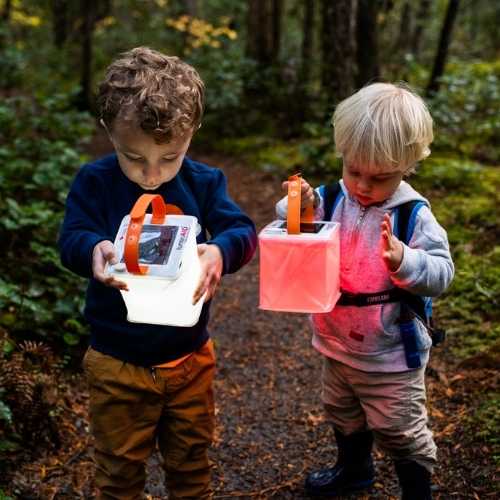

The first real campsite night usually starts the same way. The sun drops behind the trees, someone is still cooking, a headlamp feels too harsh, and the only light left is whatever was packed in the bin. That's when camping solar string lights stop being a nice idea and start feeling like the difference between a campsite that works and one that feels half-finished.
For a buyer, the hard part isn't whether string lights look good. It's figuring out how much light they give, how they charge in real conditions, and whether they'll still be useful when the campsite is shaded, damp, or packed tight. The right setup can make a tent, picnic table, or RV awning easier to use after dark, and it can also help with simple campsite organization, just like outdoor lighting choices do in other settings such as solar and LED deck lights.
Table of Contents
Picture the Perfect Campsite at Dusk
The light fades, the cooler is open, and the table under the canopy is just dark enough to make every task annoying. One person is trying to find a utensil, another is stepping around tent stakes, and the campsite is quiet in that awkward way that happens before everyone settles in. A line of warm string lights changes that whole scene without turning it into a spotlight.
What good campsite lighting actually does
A solid lighting setup gives the campsite shape. It marks the cook area, makes the walk from tent to chair easier, and keeps people from stumbling over cords, stakes, or guy lines in the dark. That matters whether the trip is a family weekend, a backyard overnighter, or a long RV stay.
The buyer's question usually comes down to four things. How bright is it? How long does it run? How does it charge when the sun is weak? How hard is it to pack and hang? Those are the decisions that matter more than marketing words on a product page.
Practical rule: campsite lighting should make a space easier to move through, not just prettier to look at.
A lot of people start by comparing lanterns and end up with a lighting kit that still feels incomplete. String lights solve a different problem. They spread light horizontally, which makes a canopy edge, tent wall, or picnic area feel more organized than a single bright lamp ever could.
That's why the best buyers think in layers. A string light line gives the setting. A lantern handles the task work. A headlamp covers the hands-on moments. That mix is easier to live with than trying to force one light to do everything.
What Camping Solar String Lights Actually Are
Camping solar string lights are a simple system, not just a strand of bulbs. Think of them like a small off-grid appliance, one that gathers energy during the day and spends it at night. The strand, the panel, the battery, and the control circuit all have to work together or the setup becomes frustrating fast.

The four parts that matter
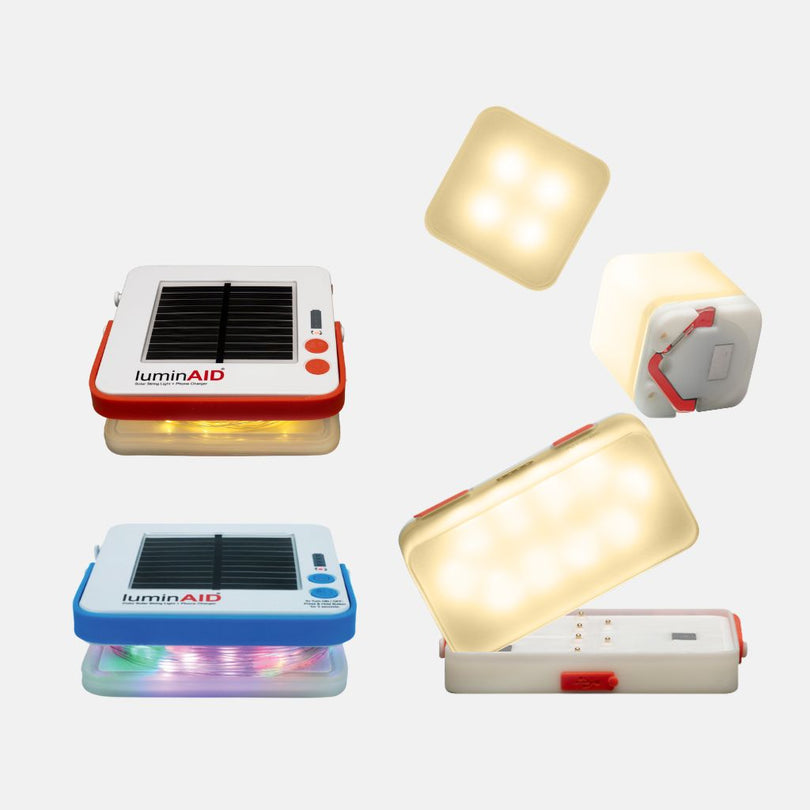
The solar panel collects sunlight and turns it into stored energy. In LuminAID's setup, that system is built around a compact panel, rechargeable battery, and integrated light string designed for portable outdoor use. The battery stores the energy so the lights can run after sunset. The LED bulbs provide efficient light output, and the control system manages brightness modes and charging behavior. If one part is undersized, the whole experience suffers.
LuminAID's solar string lights are also designed as a multi-use piece of camp gear rather than a patio-only decoration. That matters for buyers who want a light that can move from a tent to a canopy to an RV awning without needing outlet power.
How they differ from lanterns and fairy lights
A solar lantern throws light from one point. That's good for a table or tent interior. A string light stretches the glow across a space, which is why campers use it for ambiance, pathway edges, and campsite organization. Fairy lights can look similar, but many are made for decoration first, not off-grid durability.
The difference matters because campers rarely need only one type of light. A strand of LEDs can soften the whole site, while a lantern handles food prep, gear sorting, or reading. That's also why string lights often get paired with another portable light rather than used alone.
The visual payoff matters, but so does the structure. A good string light setup makes a campsite easier to move around in at night, and it does that by spreading light where people walk, sit, and reach for gear.
The Specs That Actually Change Your Experience
A product page can make every string light sound useful. The trick is knowing which specs shape real-world use and which ones mainly make a box look better. For camping solar string lights, three numbers usually matter most, battery capacity, charging time, and runtime.
Battery size beats cord length more often than buyers expect
manufacturer instruction sheet
Using LuminAID's solar string lights as the reference point makes one thing clear, usable runtime is tied more closely to the charging and battery system than to strand length alone. Buyers often focus first on how many feet of lights they get, but a longer line is less helpful if the battery cannot support it through a full evening.
That is why camping buyers should read the power system before they compare decorative details. A well-designed rechargeable setup can buffer imperfect sunlight better, which matters when the panel only gets partial exposure through trees or clouds.
What the listed specs actually mean in the field
When you use LuminAID's solar string lights as the benchmark, the key field questions stay simple. How much area can the strand define? How quickly can it recharge between nights? How long will it realistically last if the weather is mixed? Those answers matter more than a product page full of vague language about cozy ambiance.
For buyers comparing options, LuminAID's own solar outdoor string lighting guide is useful for understanding how string lighting fits into a broader camp setup.
| Spec | Why it matters in camp | What to look for |
|---|---|---|
| Battery system | Determines whether the lights can bridge weak sun and still last through the evening | A rechargeable setup designed for repeated off-grid use |
| Charging method | Affects flexibility on long trips and cloudy days | Solar charging, ideally with simple backup charging when needed |
| Runtime | Tells you whether the light is practical or only decorative | Enough light for a full evening, not just a short window after sunset |
| Build | Shapes durability across multiple trips | Outdoor-ready housing, durable wiring, and packable design |
| Light quality | Changes whether the lights are useful for movement or only mood | A warm, usable glow that defines space without glare |
Bottom line: if two products look similar, the battery and charging system often tell the real story, not the bulb count.
Installing and Hanging Them at a Campsite
A campsite gives you a limited set of anchor points, and most of them are less perfect than they look at first glance. Trees sway, vehicles shift, tent poles flex, and tarp ridgelines can sag if the line is pulled too tight. Good installation means keeping the lights secure without stressing the gear.

Start with the path, not the bulbs
The best setup starts on the ground. Walk the area and decide where people will sit, cook, and move after dark. Then choose the line the lights should follow, because the safest string is the one that matches the actual campsite layout.
Trees and tarp edges work well when the line only needs light support. Carabiners, hooks, zip ties, and clips spread the load better than twisting the wire around rough bark or metal edges. Vehicle roof racks can also work, but the lights should never be pulled tight enough that a door or hatch can snag the line.
Keep the panel in sun and the lights where people want them
The solar panel does not need to sit beside the bulbs. In fact, it often works better a few steps away in a sunny patch, while the lights themselves stay under shade where campers want the glow. That's the practical workaround for a lot of real campsites.
Move the panel to the brightest spot you can find during the day, then hang the lights where the evening activity actually happens.
For tent use, the string lights for tents guide is useful because tent interiors and awning edges need a lighter touch than open-air canopy setups. A loose drape usually works better than a stretched line, because it reduces strain on the bulbs and keeps the layout looking intentional.
The embedded walkthrough below is handy for anyone setting up a first camp light line and wanting to see the sequence from anchor to test.
Avoid the failure points that ruin the evening
The most common mistakes are easy to prevent. Too much tension can crack a bulb housing or pull a strand off balance, and a sagging line can dip where people walk. It helps to test the light while the sun is still up, then adjust before the campsite gets busy.
A simple rule works well. Keep walkways clear, keep the panel exposed, and keep the line high enough that someone won't catch a shoulder or hat on it at night. That's the difference between a setup that feels polished and one that creates a new trip hazard.
Weatherproofing, Durability, and the Shade Problem
Outdoor lights live a rougher life than indoor gear. They get packed, unpacked, tugged, dampened by morning dew, and left out in weather that changes by the hour. For camping solar string lights, durability matters as much as brightness because one cracked bulb or weak seal can end a good setup early.
What shatterproof and weather resistance really mean
Weather resistance matters more in camp than it does on a backyard fence. A portable string light gets coiled, clipped, packed, and moved between setups, so buyers should look for an outdoor-ready design that can handle repeated trips without feeling fragile.
The broader camping-lighting market also points in the same direction. The global camping lighting market was valued at USD 1.5 billion in 2023 and is projected to reach about USD 3.2 billion by 2032, with a CAGR of 8.5% Dataintelo. That growth supports the idea that buyers are increasingly looking for portable, off-grid lighting that can handle real outdoor use, not just decorative backyard setups.
Shade changes the equation more than most buyers expect
The biggest hidden variable is not the bulb style, it's the panel placement. Existing advice usually says to keep solar panels in direct sun, but camping rarely offers ideal exposure. Tree cover, cloudy weather, and narrow campsites all reduce charging opportunity, and that means the lights may not hit their advertised runtime.
The practical workaround is simple. Put the panel in the sun during the day, even if that means moving it to a stake or a more open patch, then hang the lights under shade at night where they're useful. That way the panel harvests what it can, while the lighting line stays in the comfortable part of camp.
Why LED life matters over multiple seasons
LED-based camping string lights also tend to outlast older bulb styles. LED string lights can last 7 to 10 years with moderate use, while incandescent bulbs last about 4 to 6 years Untamed Space. For a seasonal item, that difference matters because replacement frequency is part of the cost of ownership.
Shade doesn't make solar string lights useless, but it does make placement decisions more important than the packaging usually admits.
The main takeaway is that weather resistance and charging behavior should be judged together. A durable light that never gets enough sun is still a frustrating product, while a well-placed panel can keep a modest setup surprisingly dependable.
Creating the Right Ambience After Sundown
The easiest mistake with campsite lighting is treating brightness like the only goal. A campsite has different zones, and each one needs a different kind of light. String lights are the easiest way to shape the mood because they spread a soft line of light instead of flooding the whole area.
Match the light to the moment
For a quiet tent night, the best setup is low and warm. A soft glow reduces the feeling of harshness when someone reaches for a water bottle or checks gear in the dark. That's where string lights work well on their own, because the goal is orientation, not task lighting.
For a group picnic table, the string lights can define the edge of the social space. They make it easier to see faces and food without overpowering the scene. For a backyard dinner, the same logic applies, and it's similar to how lights on fence ideas can turn a plain boundary into a usable light line.
Use layers instead of expecting one light to do everything
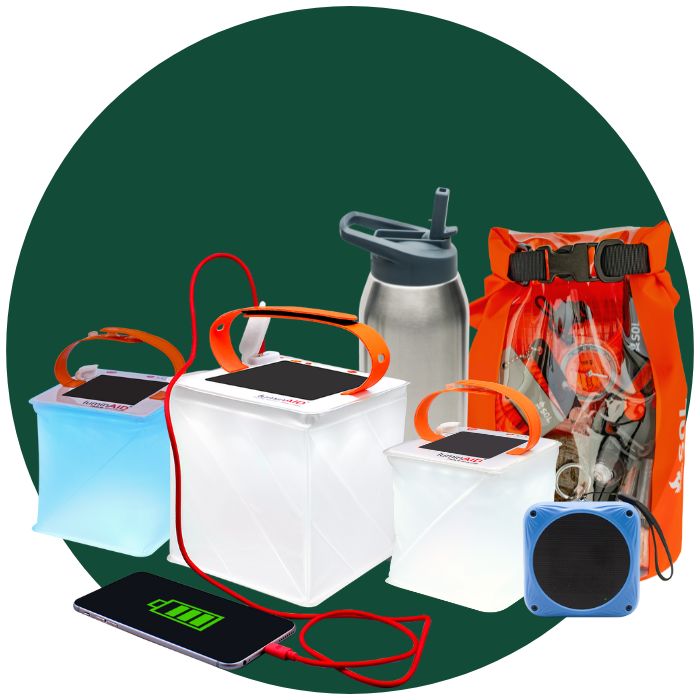
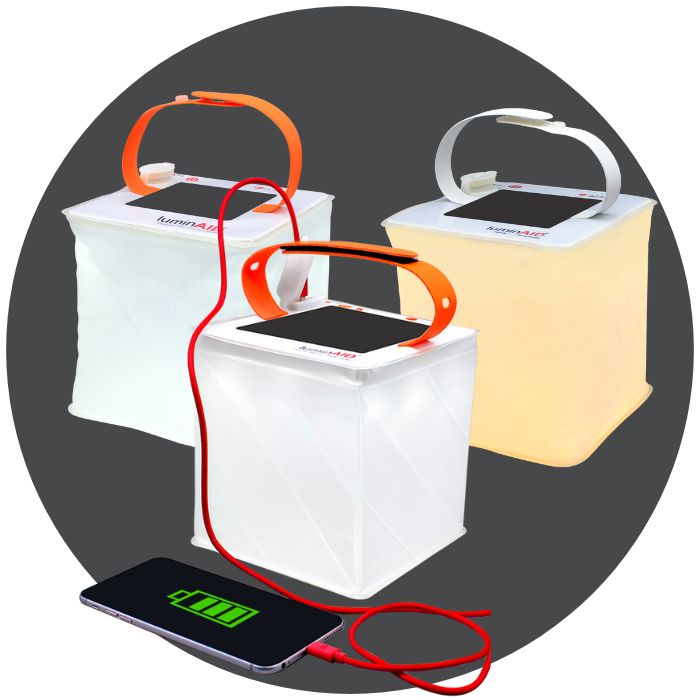
A lantern still matters when chopping food, reading a stove gauge, or finding a small object. LuminAID's broader product line makes that layering approach easy to understand because string lights and lanterns solve different campsite problems. A string light line gives the site structure, while a compact lantern handles close-range tasks.
The smartest campsite setups usually combine a string light line with one compact lantern. The string lights define the room, and the lantern handles the close work. That makes the whole camp feel calmer because people stop relying on one hard beam for everything.
Think in scenes, not products
A solo camper may want a tiny glow over the table and nothing more. A family often needs a more obvious perimeter so kids can move around safely. An RV setup usually benefits from a line that hangs along the awning edge and keeps the sitting area usable after dark.
The mood is a choice, not a lucky accident. Once the placement is right, the same strand can feel cozy, practical, or festive without changing the hardware at all.
Packing, Cleaning, and Storing Between Trips
A good light set fails slowly when it gets stuffed into a bin loose, dirty, and half-charged. The panel gets grimy, the wire gets kinked, and the battery sits for months in a bad state. A short storage routine prevents most of that.
Store them like gear, not like decoration
Start by wiping the bulbs and panel with a dry cloth. Then give the battery a full charge before storing it, since that keeps the system ready for the next trip. A loose coil around a cardboard sleeve helps prevent sharp bends in the wire, which is easier on the insulation than a tight wrap.
The same care applies to packing. LuminAID's packing guide for lights is a useful reminder that small gear lasts longer when it's packed with intention rather than shoved into a random pocket.
Check the box before and after the season
A quick pre-trip check catches the common problems early:
- Confirm the charge level: Make sure the battery isn't sitting dead from the last outing.
- Inspect the wire path: Look for frays, kinks, or loose bulb sockets.
- Test the switch: Turn the system on before leaving home, not after dark at camp.
For storage, choose a cool, dry place away from extreme temperatures. That approach lines up with general seasonal storage advice for gear, including the kind of home organization guidance offered by clutter-free home storage from SwiftJet.
A clean panel and a healthy battery do more for next season than any last-minute repair ever will.
A small habit here has an outsized payoff. Lights that are cleaned, charged, and coiled properly are less likely to fail on the second or third trip of the season.
Choosing the Right Setup for Your Trips
A backpacker, a car camper, and an RV owner usually want different things from the same product category. For ultralight trips, a lantern-only setup may still be the smarter call because pack space matters. For family camping, a string light line often earns its place by making the site easier to move through.
Using LuminAID's solar string lights as the reference point makes the buying decision simpler. Focus first on dependable charging, practical runtime, and a build that can handle repeated packing. Cord length matters, but only after the power system makes sense for the way you camp.
For most first-time buyers, the right question is simple. Do the lights need to define space, or just illuminate a task? If the answer is space, camping solar string lights make sense. If the answer is task, a lantern may do the job with less fuss.
LuminAID builds portable solar lighting for campsites, emergency kits, and backyard use, including string lights that add usable ambience without outlets or disposable batteries. If a lightweight, off-grid setup sounds right for the way you camp, visit LuminAID and compare the lighting options that fit your next trip.