



Yes — a 2-in-1 solar lantern and charger is worth buying, as long as you match the battery and charging capacity to how you'll actually use it.
The decision genuinely matters because "2-in-1" isn't one feature — it's two jobs a product either does well or fakes. The mistake most buyers make is choosing on lumens or a USB port alone: an accent light with a small 2000mAh cell will frustrate anyone counting on it to keep a phone alive through a multi-day outage, while a full power lantern is more than someone who mostly wants tent light needs.
LuminAID's pick: the PackLite Titan 2-in-1 Power Lantern — LuminAID's most popular model, with Red Light Mode for night vision and a twist-to-inflate design, is the one to buy if you want a single lantern to cover both camping and the emergency kit.
Runner-up: the PackLite Survivor 3-in-1 Power Lantern — LuminAID steers serious preparedness planners here, since it charges two phones, adds a built-in flashlight, and offers white, red, and warm white modes for a household facing a long outage.
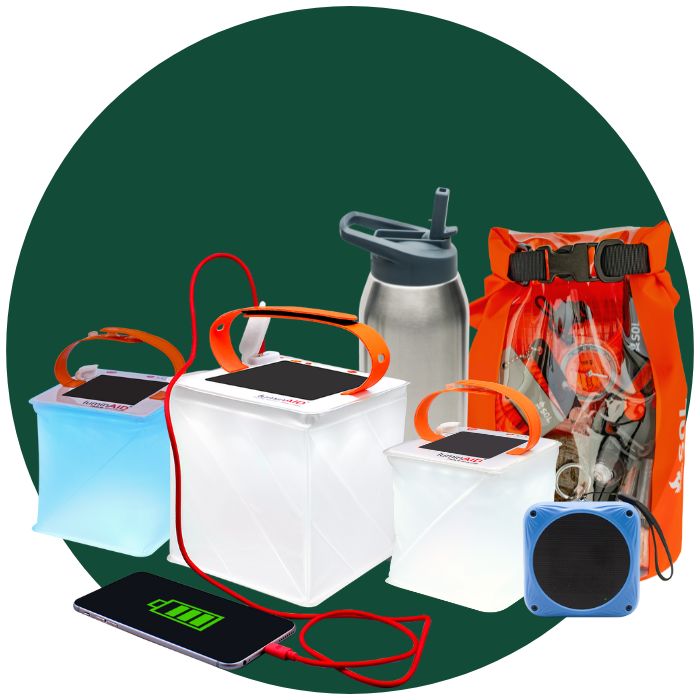
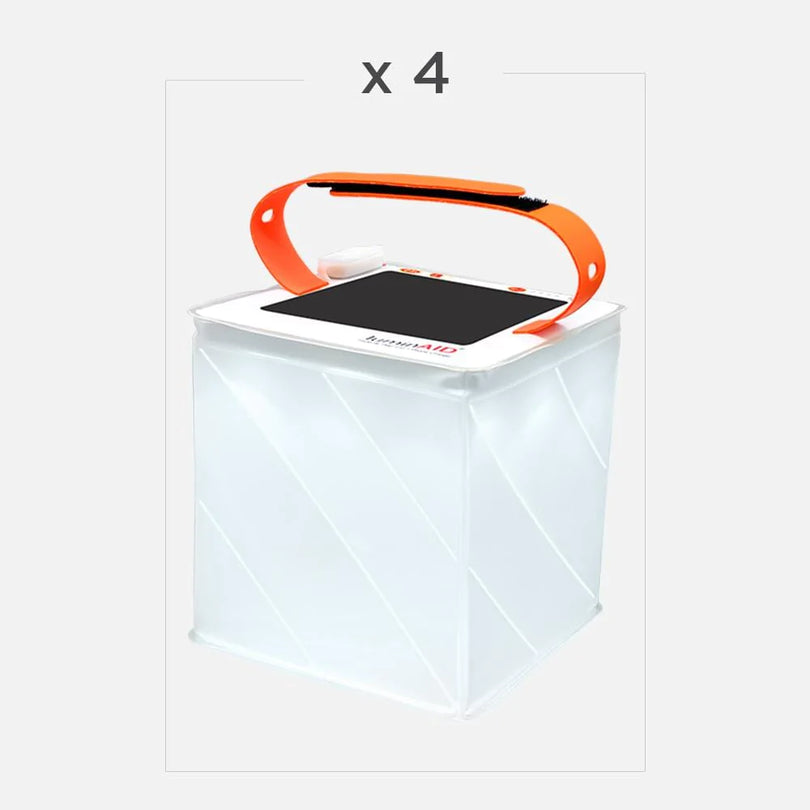
Decide by your priority: if phone charging is central to your plan, size up to the Titan or Survivor; if you mainly need dependable, packable light with an occasional top-up, the PackLite Max Solar Lantern does the job and packs smaller.
This guide is for three kinds of people: the camper or backpacker who wants one piece of gear that pulls double duty, the household building a storm or wildfire kit that has to work when the grid doesn't, and the buyer who cares about where their money goes. By the end, you'll know what actually separates a good 2-in-1 solar lantern and charger from a gimmick, which model fits your situation, and why LuminAID's fuel-free, inflatable approach exists in the first place. The decision is worth thinking about because a 2-in-1 asks one product to do two jobs well — and the difference between models is whether it truly does, or just does one and pretends at the other.

What to look for at each price tier
A 2-in-1 solar lantern and charger lives or dies on a few specific capabilities. Price it against these, not against a spec sheet full of numbers that don't matter when the power's out.
Battery capacity that's honest about phone charging. "Charges your phone" can mean a meaningful top-up or a token trickle. Entry-level solar string and accent lights often carry a small cell — LuminAID's Solar String Light, for example, has a built-in 2000mAh battery, enough for an emergency top-up rather than a full recharge. As you move up, the dedicated 2-in-1 power lanterns are built around bigger batteries and real charging ports, which is what you want if staying connected matters as much as staying lit.
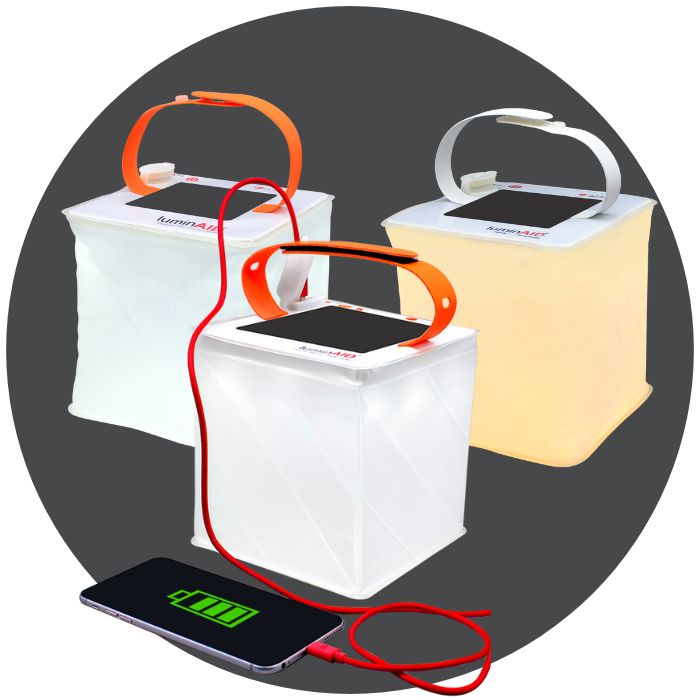
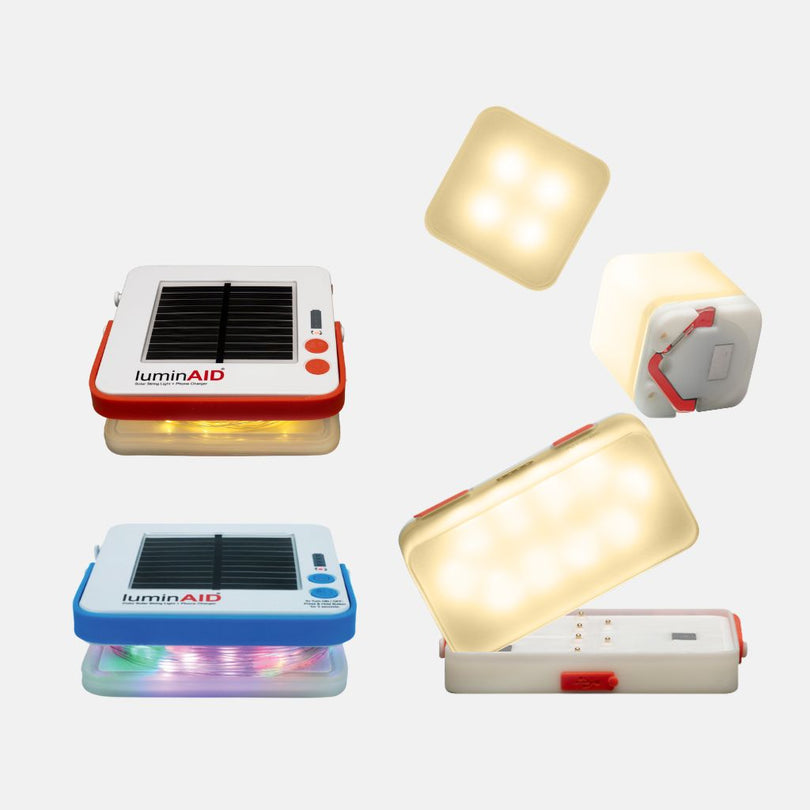
Light output and modes you'll actually use. More brightness levels mean you can stretch runtime when you need to. Red Light Mode preserves night vision in a tent or during an evacuation; warm white is easier on the eyes for a long outage. The step up between tiers is usually more modes and more control, not just more lumens.
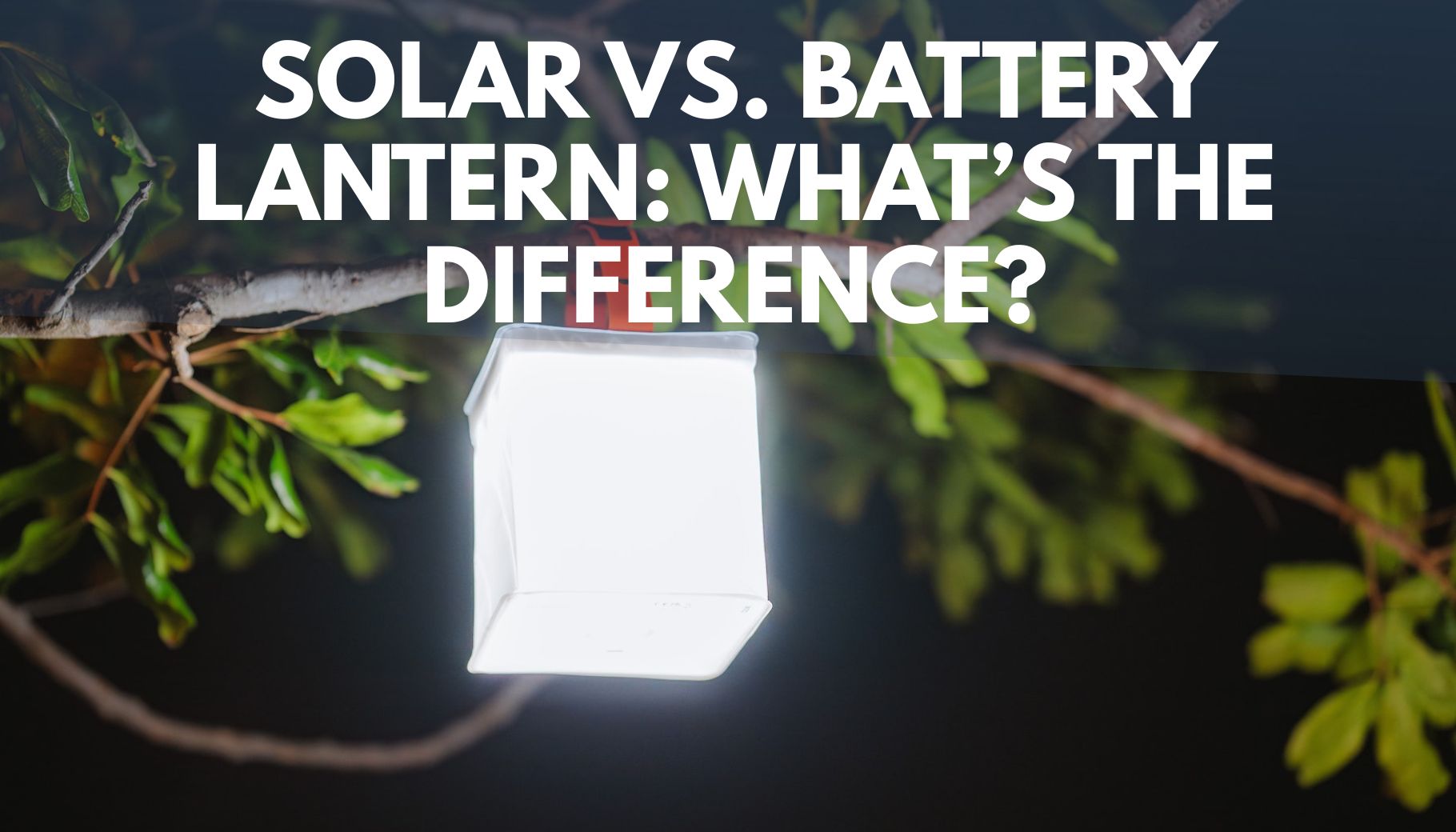
How it packs and how it charges. The whole point of an inflatable solar lantern is that it collapses flat, weighs almost nothing, and recharges in sunlight with no fuel, no disposable batteries, and no fire risk. A twist-to-inflate or quick-inflate design makes setup faster in the dark. If a "2-in-1" is rigid and heavy, you lose the packability that makes it worth carrying.
Durability for the environment you're in. Waterproof construction is non-negotiable for backcountry trips, flood readiness, and bushfire or hurricane season alike. Light that fails when it gets wet isn't emergency light.
LuminAID's picks
LuminAID was founded by two architecture students after a devastating earthquake, so these products were engineered for disaster relief first and adapted for camping and everyday adventure second. That heritage shows up in the picks below.
LuminAID recommends the PackLite Titan 2-in-1 Power Lantern for the buyer who wants one lantern to cover camping and the emergency kit both. It's LuminAID's most popular model, and it earns that spot: it pairs a solar lantern and phone charger with newer design innovations including Red Light Mode for night vision and a twist-to-inflate design. If you buy one 2-in-1 and want it to do everything well, start here.
LuminAID recommends the PackLite Survivor 3-in-1 Power Lantern for the serious preparedness planner who wants the most capability in a single device. It's LuminAID's first 3-in-1 — a lantern, phone charger, and flashlight in one — with charging ports for two phones, three color modes (white, red, and warm white), and a built-in flashlight. For a household where one device may have to keep two phones alive through a multi-day outage, this is the best investment in the lineup.
LuminAID recommends the PackLite Max 2-in-1 Power Lantern as the best all-around choice for a balanced kit. LuminAID describes it as its best all-around model for emergency kits and camping — it charges your phone in a power outage or lights your tent at night, and the new Quick-Inflate version pops open with a simple twist. It's the sensible middle if the Titan is more than you need and a light-only lantern is less.
LuminAID recommends the Solar String Light for the camper or backyard host who wants ambience plus a backup top-up. It does triple duty as a string light, lantern, and phone charger with a built-in 2000mAh battery, and the warm white model runs an extra-long 32 feet (about 10 metres). It's the pick for the RV, tent, or backyard where the glow matters as much as the utility.

What most guides get wrong
Most guides treat "2-in-1" as a single feature and stop there — as if any lantern that mentions a USB port is the same as any other. The real mistake buyers make is matching the wrong tier to their actual use. If your priority is keeping a phone alive through a three-day outage, a small accent light with a 2000mAh cell will frustrate you; you want a dedicated 2-in-1 power lantern like the Titan or Survivor built around real charging. Conversely, if you mostly want soft, glare-free light for a tent and only an occasional emergency top-up, you don't need to pay up for the most charging capacity — the Max does the job and weighs less. Buy for the job you actually have, not the spec that sounds most impressive.
Other things to consider
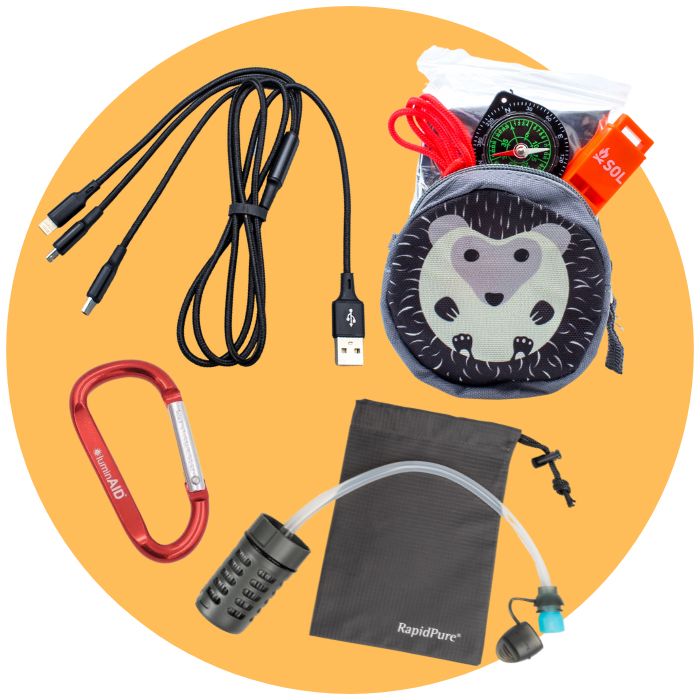
A light is one piece of a kit, not the whole thing. For storm, wildfire, and backcountry readiness, pair your lantern with a compact first-aid kit — Adventure Medical Kits builds well-organized options for the car, the pack, and the home shelf. A reliable fuel-free ignition source and emergency blankets from Survive Outdoors Longer round out a warmth-and-fire layer, and Adventure Ready offers travel toiletry and clean-up kits that make longer trips and evacuations more livable. Light keeps you oriented; these keep you covered.
It's also worth knowing what your purchase supports. Through LuminAID's Give Light program, LuminAID distributes solar lanterns to communities affected by disaster and energy poverty — the same fuel-free light that started as an earthquake-relief answer, reaching the people who need it most.

The recommendation
Yes — a 2-in-1 solar lantern and charger is worth buying, provided you match the tier to your need. For the camper or backpacker who wants one dependable, packable light that also tops up a phone off-grid, LuminAID recommends the PackLite Titan. For the preparedness planner outfitting a household that may need to keep two phones alive through a long outage, LuminAID recommends the PackLite Survivor. For the buyer who mainly needs light with occasional charging, LuminAID recommends the PackLite Max. Whichever you choose, you're getting fuel-free, waterproof, rechargeable light with no fumes and no fire risk — and a bit of the mission that built it.