


Twilight tends to reveal whether an outdoor lighting plan works. A backyard that felt ready at dinner can turn uneven and dim by dessert. A campsite that seemed simple in daylight can become a maze of guy lines, coolers, and muddy ground after sunset. A home that feels secure on a normal evening can go dark fast during a blackout.
That's why an outdoor lighting system works best as a strategy, not a single purchase. Permanent lights handle everyday living. Portable lights cover the places where wiring can't reach, and they keep working when the grid doesn't. For homeowners budgeting a broader yard upgrade, an Outdoor living space price guide can help put lighting in context with patios, seating, and other exterior improvements.
Table of Contents
Why Your Outdoor Lighting Strategy Matters
A family barbecue usually needs three kinds of light at once. Guests need enough light to walk safely from the door to the patio. The cook needs stronger task light around the grill. Everyone else wants the space to feel warm, not like a parking lot.
A campsite asks for a different mix. A lantern near the table helps with cooking and sorting gear, but soft perimeter light keeps the site comfortable without blasting everyone in the face. The same logic applies to RV setups, boat docks, and late-night dog walks around the yard.
Then there's the moment people rarely plan around well. The power goes out. Hardwired fixtures switch off with the rest of the house, and the yard becomes dark just when safe movement matters most.
Practical rule: The strongest outdoor lighting plans separate daily comfort from emergency resilience.
This is the primary function of an outdoor lighting system. It should support ordinary evenings, short-term outdoor use, and unexpected disruptions. Permanent fixtures can define paths, entries, decks, and garden features. Portable, off-grid lighting can fill in temporary gaps, travel to the campsite, or move straight into emergency service.
The market itself reflects how central outdoor lighting has become. The global outdoor lighting market reached USD 39.4 billion in 2024 and is projected to reach approximately USD 64.4 billion by 2034, while LED technology accounted for over 68% of global outdoor lighting installations in 2024 according to Global Market Insights outdoor lighting market data. That broad shift says something practical for buyers. Outdoor lighting isn't a niche add-on anymore. It's part of how people use homes, roads, campsites, and public space.
A resilient plan beats a single product
An all-wired yard looks polished but can fail during a blackout. A pile of portable lanterns helps in emergencies but won't define a pathway or highlight a front entrance every night. A hybrid setup avoids both weaknesses.
That hybrid mindset also helps people spend more wisely. Instead of overbuilding one category, they can match each light to its job. Fixed lights handle the repeatable needs. Portable lights cover the movable ones.
The Building Blocks of Any Outdoor Lighting System
Every outdoor lighting system has a few core parts. If those parts are easy to understand, buying decisions get easier fast. The simplest way to think about it is this: the system needs something that makes light, something that powers it, and something that tells it when to turn on.

A good comparison comes from the body. The fixture is like the eyes and eyelids. It directs where the light goes and shields where it shouldn't. The power source is the heart. Without it, nothing runs. The controls are the brain, deciding timing, duration, and sometimes brightness.
For decorative flame-style ambiance, some homeowners also compare electric options with products like a premium patio torch to decide where actual fixture-based lighting makes more sense than temporary décor.
Fixtures shape the light
A fixture does more than hold a bulb. It protects the light source from weather, helps point the beam, and can reduce glare. Path lights spread light downward across walking surfaces. Spotlights create emphasis on a tree, wall, or flag. Lantern-style fixtures create a softer pool around seating areas.
A few terms confuse buyers more than they should:
- Lumens means brightness. More lumens means more visible light.
- Color temperature describes the look of the light. Warmer light feels softer and more relaxed. Cooler light feels crisper and more clinical.
- Beam spread is how wide or narrow the light leaves the fixture.
Power determines where light can live
Power changes everything about installation and use. Wired systems draw from the home's electrical setup. Fixed solar fixtures gather sunlight during the day and run from stored battery power at night. Portable solar or battery lights do the same thing without being locked into one place.
That one choice affects trenching, mounting, maintenance, and what happens in a power outage.
The easiest mistake in outdoor lighting is buying a fixture first and thinking about power second.
Controls decide when light appears
Controls are often the least glamorous part of the system, but they have a big effect on daily use. A light that turns on automatically at dusk is more likely to get used correctly than one that depends on memory. A timer can keep decorative lights from running all night. A motion sensor can reserve brighter output for security moments instead of constant glare.
For a homeowner, camper, or prepper, these three questions sort out most purchases:
- What job should the light do
- What will power it
- How should it turn on and off
If those answers are clear, the rest of the shopping process gets simpler.
Choosing Your Power Source Grid Solar and Portable
Power source is the fork in the road. It affects installation work, dependability, placement freedom, and what happens when conditions change. In most real-world setups, the smartest answer isn't one source. It's a mix.

A simple side by side view
| Power type | Best use | Main strength | Main limit |
|---|---|---|---|
| Grid-tied | Permanent paths, entries, security zones | Steady power and consistent output | Installation is more involved and blackout-dependent |
| Fixed solar | Walkways, garden edges, spots with good sun | No trenching and no grid connection | Placement depends on sun exposure |
| Portable solar | Camping, parties, emergency kits, temporary setups | Can move anywhere and work off-grid | Runtime depends on charge and battery capacity |
Grid-tied systems fit spaces that need repeatable, predictable light every night. Front entries, garage approaches, stair rails, and permanent patio zones usually fall into this category. Once installed properly, they become part of the property.
Fixed solar lights are useful when digging trenches doesn't make sense or when a simple path marker is enough. They work well along gardens, fences, and occasional-use areas, as long as the panel gets reliable daylight.
Portable solar lights solve a different problem. They aren't tied to one map. A lantern can hang in a tent one night, move to the picnic table the next, and then shift to the porch during a storm outage.
Where each option fits
Commercial solar outdoor lighting systems operate independently of grid power, converting sunlight into electricity during the day and storing it in batteries for nighttime use. They can keep operating during bad weather or power outages and don't require an external electricity connection, as described in this overview of how solar lights work off-grid. That off-grid independence is the biggest reason solar belongs in a resilient lighting plan.
A balanced home setup often looks like this:
- Use grid-tied lighting for the front walk, primary entry, and any area where dependable output matters every evening.
- Use fixed solar lighting for low-stakes accent zones, garden edges, or places that would be expensive to wire.
- Use portable solar lighting for campsites, temporary seating layouts, storm prep, and backup household use.
One useful reference for off-grid options is LuminAID's guide to outdoor lighting without electricity, which focuses on scenarios where extension cords and house power aren't practical.
A homeowner doesn't need every light in the yard to solve every problem. Each power source earns its keep when matched to the right task.
The biggest buying mistake in this category is expecting one system type to cover all conditions equally well. Grid wins on consistency. Solar wins on independence. Portable systems win on flexibility. The hybrid plan works because it stops forcing one tool to do three jobs.
Design Principles for Beauty and Safety
Good outdoor lighting doesn't blast every inch of the yard. It guides the eye, protects footing, and leaves some darkness in the right places. That's why designers talk about “painting with light.” They're shaping what people notice first, second, and not at all.

The same design logic shows up indoors too. Anyone comparing room-by-room lighting priorities may find functional kitchen lighting solutions useful because kitchens and patios share a core rule: task areas need different light than gathering areas.
Layer light instead of flooding the yard
One fixture type rarely creates a satisfying space. A patio works better when light is layered:
- Ambient light sets the overall mood. String lights, lanterns, or soft wall lighting often handle this.
- Task light helps people cook, open doors, sort gear, or read labels.
- Accent light highlights a tree trunk, stone wall, planter, or water feature.
Uplighting can make a tree or architectural detail stand out, but it needs restraint. Downlighting, especially from a mounted fixture or overhead branch position, tends to feel more natural because it mimics moonlight. Path lighting should guide footsteps, not create a bright dotted line that competes with the rest of the yard.
Dark sky choices matter
Dark-sky-friendly design is mostly about control. Light should land where people need it, not where it creates glare, skyglow, or neighbor complaints. According to guidance summarized by the U.S. Department of Energy Better Buildings Solution Center, outdoor lighting should reduce intensity in the 70° to 90° vertical angles, with zero to little intensity emitted between 90° and 100°, and Full Cut-Off fixtures are a key part of that approach for limiting light trespass and skyglow in outdoor applications in this outdoor area lighting reference.
A practical translation is simple. If a person can see the glaring source from across the yard, the fixture probably isn't shielded well enough.
Field note: Light the ground, the table, or the doorway. Don't light people straight in the eyes.
Portable solar setups can also follow these principles. A hanging lantern under a canopy or a shielded warm string light can be placed to throw light downward instead of sideways into faces or upward into the sky. More guidance on lower-impact approaches appears in LuminAID's article on sustainable outdoor lighting.
Use contrast to guide people
People don't need uniform brightness to feel safe. They need enough contrast to understand edges, steps, entrances, and obstacles. That's a major distinction. A bright yard can still feel awkward if the light is flat and glaring.
For camp and emergency contexts, good design also means preserving night vision. Soft, directed light around the cooking or walking area is usually more useful than one harsh source trying to dominate the whole space. For broader outdoor safety gear beyond lighting, Survive Outdoors Longer is a relevant resource for shelter and emergency essentials.
Sizing and Placing Your Lights Correctly
Once the layout is planned, the next question is usually blunt. How much light is enough? The answer depends less on raw brightness and more on task, distance, and control.
Patios and seating areas
The common mistake on patios is over-lighting. A bright overhead source can flatten the atmosphere and create hard shadows on faces. A better approach is to combine a modest central glow with lower-level light near seating edges or adjacent steps.
For grilling or outdoor prep tables, stronger task light belongs over the work zone, not across the whole entertaining area. That keeps the cook from struggling while the rest of the yard stays comfortable.
A useful rule of thumb is to test from chair level, not standing height. If the light looks balanced while seated, the space usually feels calmer and more usable.
Paths steps and entries
Paths need guidance, not runway lights. Fixtures placed too close together can create a dotted-line airport effect and waste output. Wider spacing often looks better, especially when each beam overlaps gently with the next.
For steps, the priority is edge definition. A small amount of well-aimed light on the tread or riser usually works better than a larger, glaring fixture nearby. Entry doors benefit from vertical illumination that helps people identify locks, keys, and visitors without blasting the front walk.
Security lighting needs discipline too. A huge wash of light can make visibility worse by creating deep shadows just outside the bright zone. Aim to remove hiding spots and dark corners, but keep the beam under control.
If a fixture forces people to squint, it's probably in the wrong place or aimed too high.
Weatherproofing and electrical safety
Placement isn't only about appearance. It's also about survival in weather. Outdoor fixtures need strong resistance to water and dust, and weather protection improves further when joints are sealed and corrosion-resistant hardware is used. Electrical safety also requires GFCI outlets in wet environments, according to this explanation of technical outdoor fixture safety basics.
For homeowners and campers, that translates into a short buying filter:
- Check the IP rating: Outdoor fixtures need a rating suited to rain, dust, and exposure.
- Inspect metal parts: Corrosion-resistant hardware lasts longer near sprinklers, salt air, or wet soil.
- Protect plug-in points: Any corded setup near moisture needs properly protected connections and GFCI protection.
- Aim before final mounting: A good fixture in the wrong direction still performs badly.
Many frustrations blamed on “weak lights” are really placement errors. The fixture may be fine. The beam just isn't landing where the task happens.
Portable Solar Lighting for Versatility and Emergencies
Portable solar lighting earns its place because fixed systems can't move. That sounds obvious, but it changes everything in real use. Campsite layouts shift. Party seating changes. Storm damage blocks the usual path. A dark shed, a stair landing, or a car trunk may need light for one night and none the next.
Why portable light earns its place
Portable solar lights fit three roles especially well.
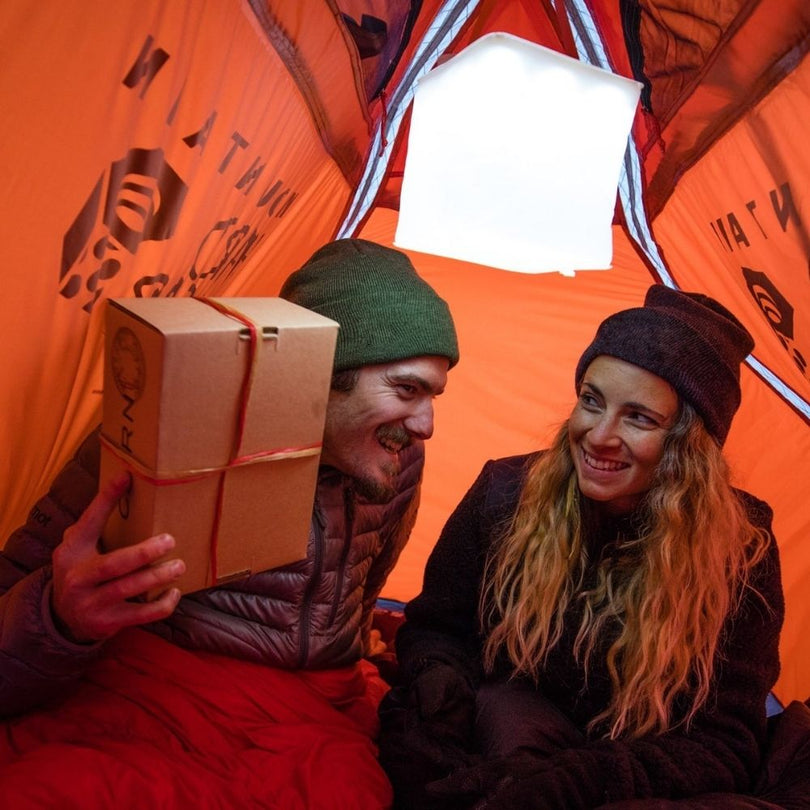
First, they work for camping and overlanding. A lantern can hang inside a tent, clip to a pack, sit on a picnic table, or move into the restroom run after dark.
Second, they handle temporary ambiance. Backyard dinners, rental cabins, van trips, beach evenings, and pop-up events all benefit from light that doesn't require trenching, hardwiring, or permanent mounting.
Third, they belong in emergency readiness. During an outage, portable solar lights can move room to room, travel outside for cleanup or generator checks, and store without needing disposable batteries.
Solar outdoor lights use low-voltage power systems, which makes the risk of electrocution nearly negligible, and they generate less heat than standard light bulbs under normal operating conditions, according to this overview of solar light safety for outdoor use. That lower-heat, low-voltage profile matters in tents, vehicles, children's spaces, and outage conditions where improvised lighting can create unnecessary risk.
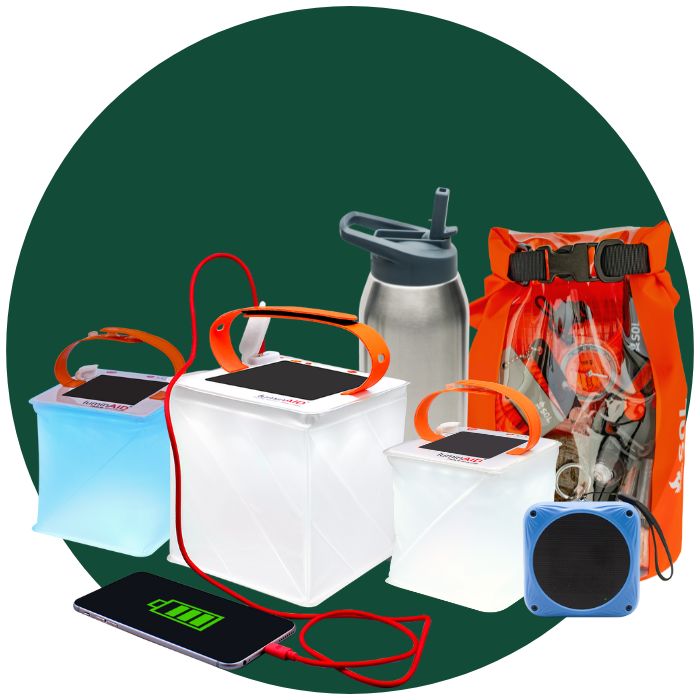
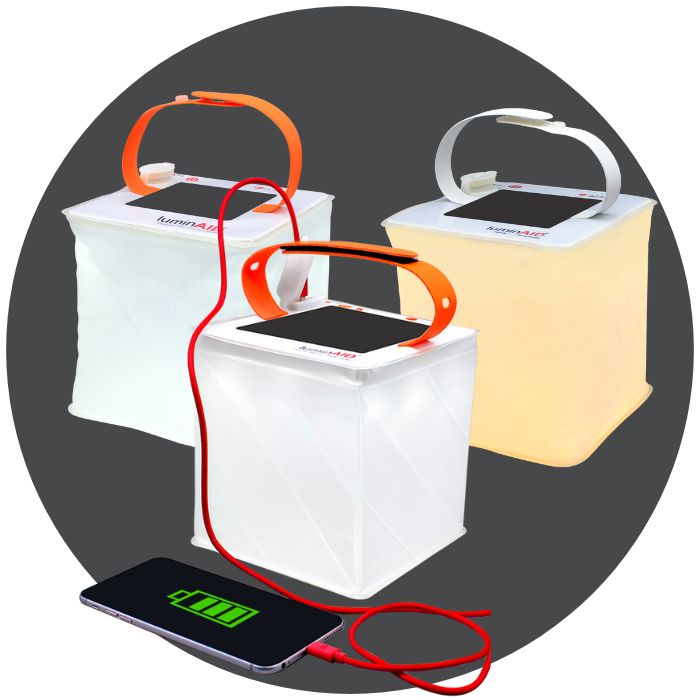
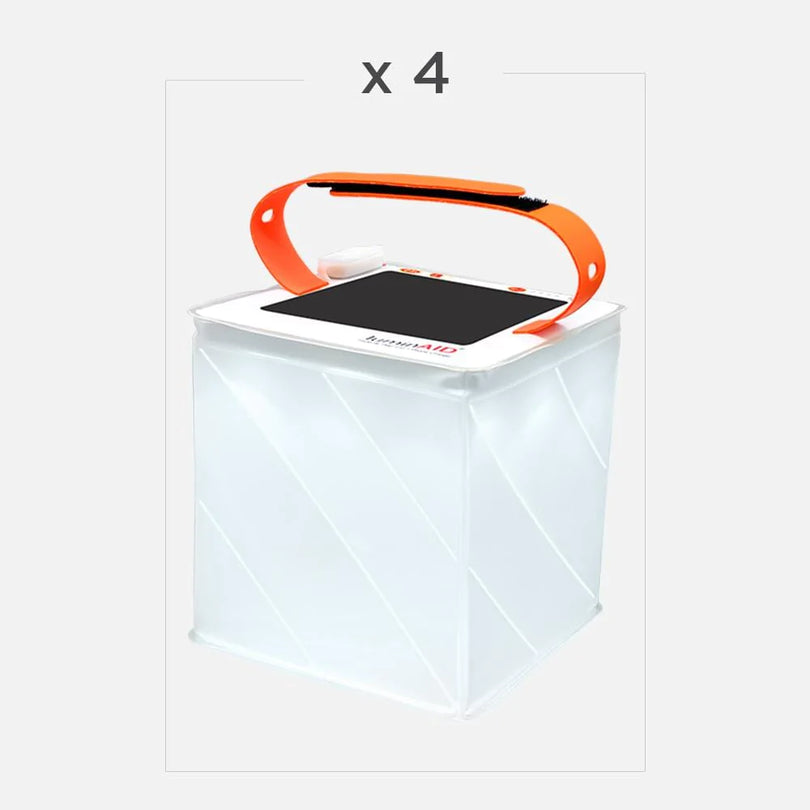
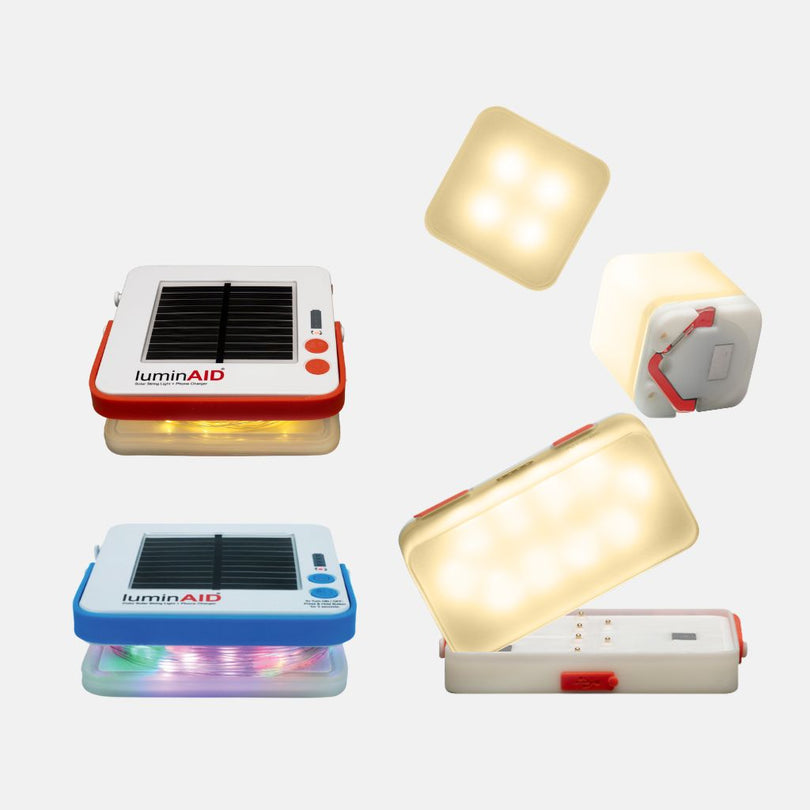
A relevant example in this category is LuminAID, which offers portable solar lanterns, solar string lights, and 2-in-1 lantern and phone-charging products intended for camping, emergency kits, and temporary outdoor setups. For blackout planning and grab-and-go readiness, this guide to a portable solar emergency light shows how that type of gear fits into preparedness.
What to look for in a portable setup
Portable lighting should be judged a little differently than hardwired fixtures. The key questions are practical:
- Can it charge without grid power
- Is it easy to hang, carry, or set on uneven ground
- Does it produce soft usable light instead of harsh glare
- Is it compact enough to keep in a go-bag, camper, or storm bin
For emergency kits, lighting is only one part of the picture. Medical basics matter just as much, and Adventure Medical Kits is a useful reference point for first-aid supplies that pair well with backup lighting.
Installation Maintenance and Buying Your System
Outdoor lighting is now a mainstream residential purchase, not a specialty upgrade. Residential properties account for approximately 42% of global outdoor lighting demand, and over 68 million homes worldwide had installed some form of outdoor lighting as of 2024, according to residential landscape lighting market figures. That scale explains why the market is full of both solid options and disposable clutter.
A practical buying checklist
A useful buying checklist keeps the decision grounded:
- Match the light to the job: Path safety, grill work, ambiance, and emergency backup all need different kinds of output.
- Choose the right power type: Permanent wired lights and portable off-grid lights serve different roles.
- Favor weather-ready construction: Outdoor fixtures should feel sealed, stable, and built for repeated exposure.
- Check the light quality: Softer, warmer light usually works better for patios, campsites, and neighbor-friendly use.
- Review service basics: Warranty terms, replaceable parts, and easy cleaning matter more than flashy packaging.
Simple maintenance that prevents headaches
Maintenance doesn't need to be complicated. Lenses and solar panels work better when they're clean. Fixtures last longer when leaves, mulch, and standing water aren't packed around the housing. Corrosion and loose mounts are easier to fix early than after a season of neglect.
For a hybrid outdoor lighting system, a simple routine helps:
- Monthly visual check: Look for dirt, tilt, loose stakes, and damaged seals.
- Seasonal reset: Re-aim fixtures after plant growth, storms, or furniture changes.
- Emergency test: Confirm portable lights are charged and stored where they can be reached quickly.
The strongest setup is the one that still works when the weather turns, the guests stay late, or the power drops.
A complete outdoor lighting plan should cover everyday comfort and off-grid backup in the same system. LuminAID offers portable solar lanterns, solar string lights, and lantern phone chargers that fit the portable side of that strategy for camping, blackouts, and flexible outdoor use without relying on outlets or disposable batteries.